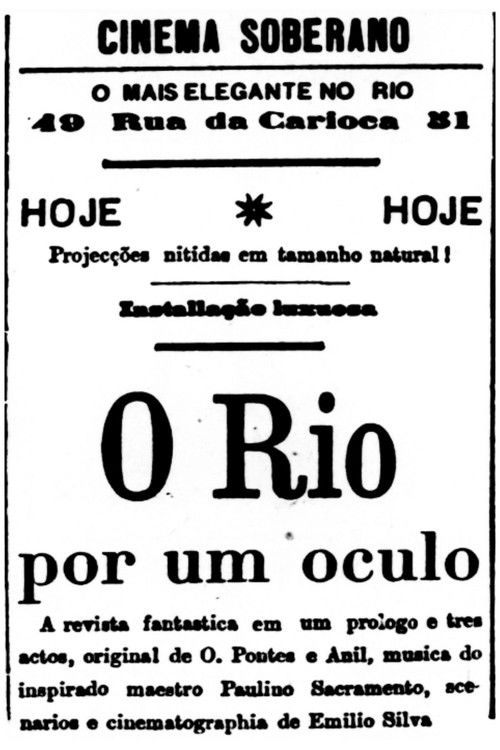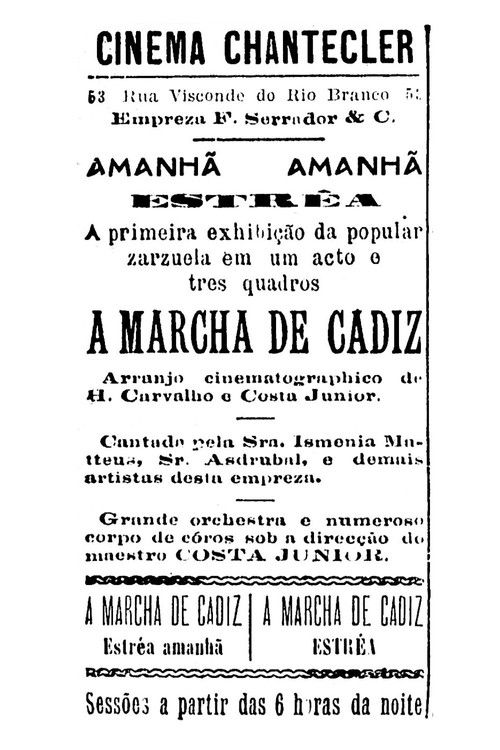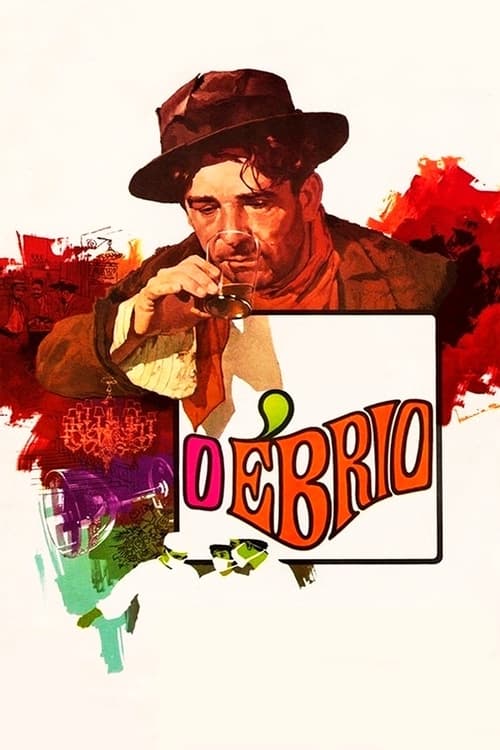
A good-hearted man, betrayed by his wife and friends, fakes his death and takes up a new identity, as a nameless, wandering drunkard.
The Drunkard
5.1 1946
45 Matches Found
A good-hearted man, betrayed by his wife and friends, fakes his death and takes up a new identity, as a nameless, wandering drunkard.

The Companhia de Esquetches Musicados do Teatro 'Brasil' is in crisis. After the debut of a new play failed, impresario Artur Fernandes, despite protests from Nini del Mar—the company's star—decides to hire Vitorino, the only writer who understands the audience's tastes and the company's artistic capabilities, to write the next play.
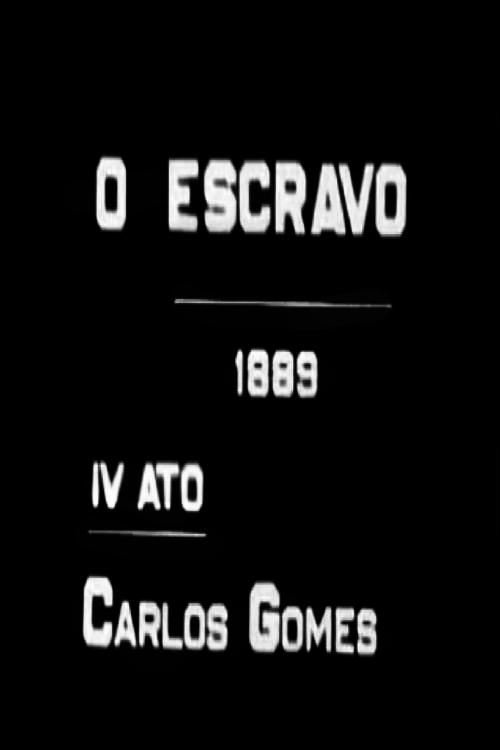
Historical information about the opera "O escravo", by Carlos Gomes, highlighting the fourth act, in which Iberê sings Iara's love.

In a small town in São Paulo State, everyone lives happily: Tinoco and his bride Joan, Lollipop and Nha Barbina. One day come the men in charge of opening a railway arrive bringing with them trouble. Paul, one of the engineers, Joan tries to alienate Tinoco, who is accused of stealing money. Workers go to jail. Tinoco is delegated to investigate the case, to prove that their innocence.
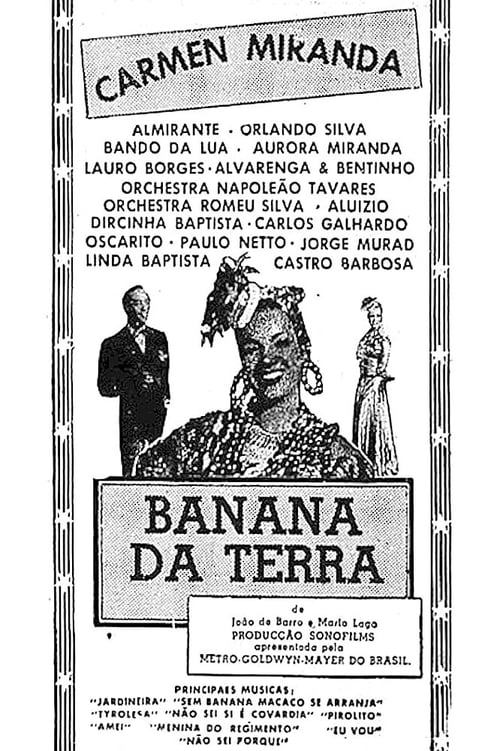
A man in charge of a publicity campaign for bananas decides to kidnap the Queen of 'Bananaland', a tropical island paradise, and take her to Rio, where she falls in love with a member of Carmen Miranda's backing ensemble, 'Bando da Lua'.
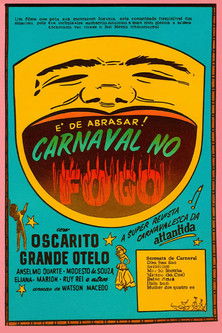
A gang, leaded by the unknown and mysterious Anjo, robs a jewelry and schedules a meeting in the Copacabana Palace Hotel, in Copacabana. The identification would be through a cigarette case with an angel, and the password "- Is everything all right?" Meanwhile, the director Ricardo is preparing a show for the carnival in the hotel with Marina, and they love each other. The janitor Serafim receives a letter from his unknown American brother, who will come to Rio to spend the carnival and meet him, and asks Eliana for a chance in the show, since his brother believes he is an artist. When Ricardo finds the cigarette case lost by Anjo in the entrance of the hotel, he is misidentified by the thieves, and this is the beginning of lots of confusion and fun.

A man is looking for a radio singer named "Dulcineia." For this, he goes through the biggest hassles and problems. The plot, in fact, is an excuse for the exhibition of the musical numbers of the greatest Brazilian Radio artists.
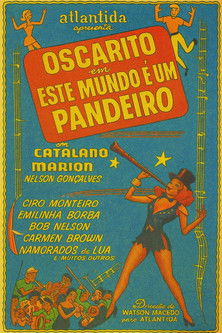
A Brazilian musical comedy
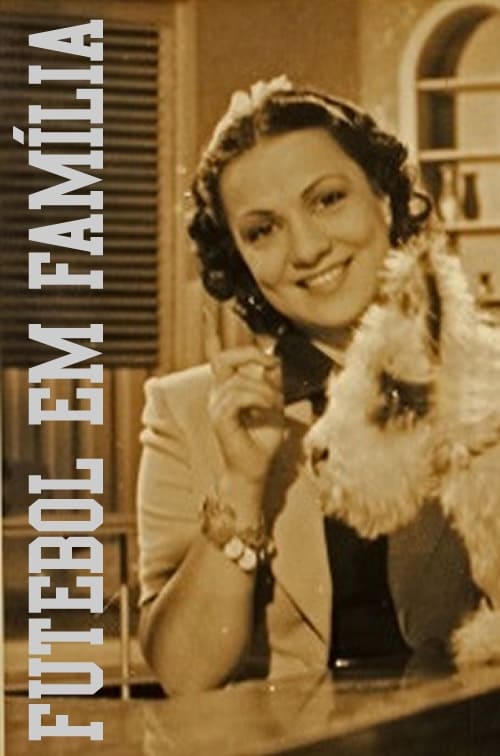
Professor Leônidas Jau is an enemy of football, and in conferences and articles he throws all his hatred against the sport. Friendenreich, his son, however, loves the sport. Leonidas then has a falling out with his son, which may be saved.
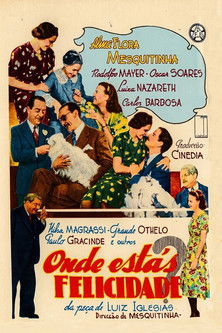
Badly advised by a high-class friend (who covets her husband) and by her scatterbrained father (always preoccupied with making cocktails), singer Noêmia forces her husband to abandon suburban life for the noisy 'big life' of Copacabana.
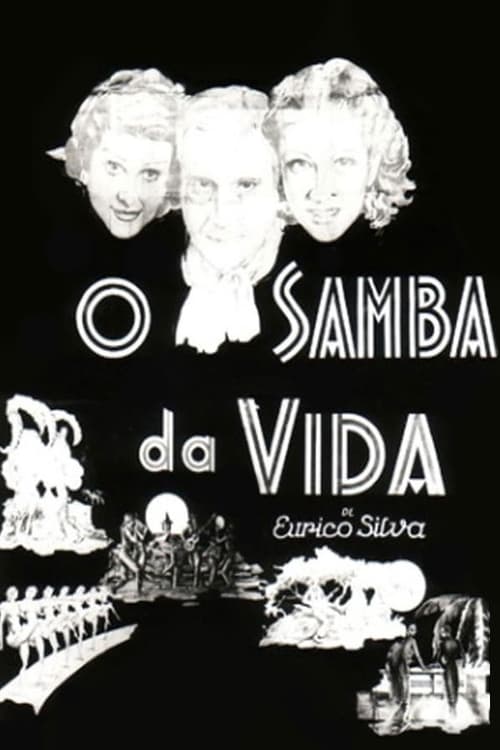
An ordinary thief and two accomplices invade a mansion whose owners traveled to Buenos Aires. They settle there with the whole family, until the real owners return. The owner's natural son saves the thief's situation when he threatens to reveal some compromising documents.

Dancer Vera Grabinska performs choreography by Pierre Michailowsky for the piece "Le Cygne", by Saint-Saëns, next to the artificial fountain on the grounds of the International Sample Fair in Rio de Janeiro. The dance movements alternate with images of swans in the water.
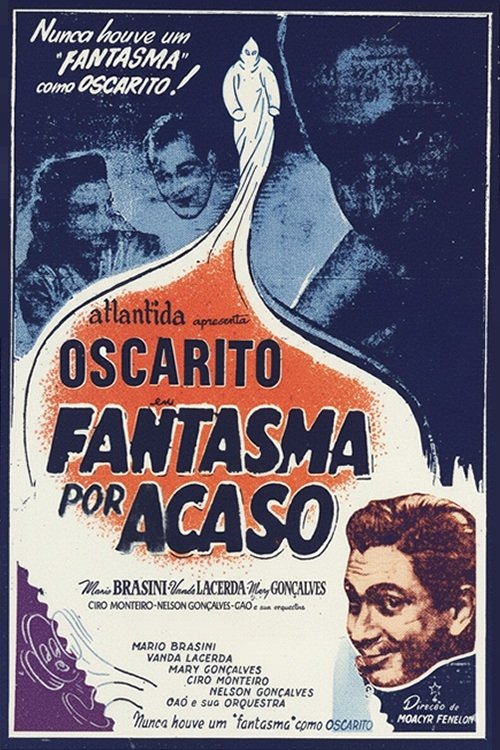
A man dies and in heaven receives the mission of helping his former boss love life.
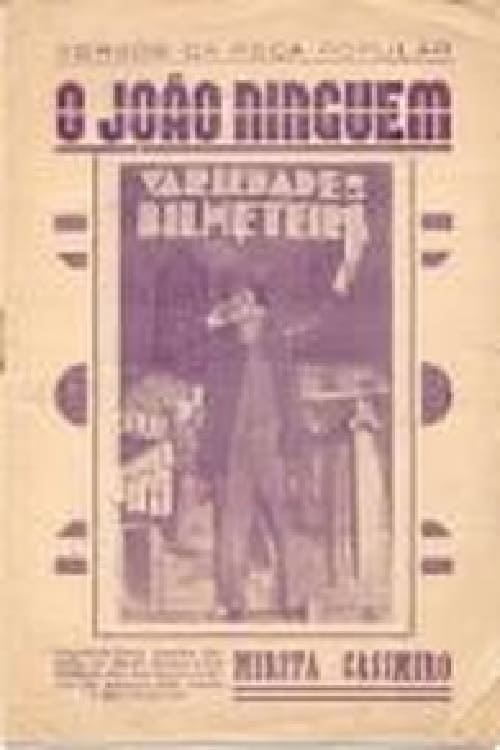
João Ninguém is a humble composer who made the waltz "Sonhos Azuis" as a gift to his girlfriend on her birthday. To give it to her, he asked for help from a friend, but on the way, an accident happens and puts at risk not only the relationship, but also João's life and career.

A hard working man goes to São Paulo to look for his twin brother unaware that he's famous for his lazyness.
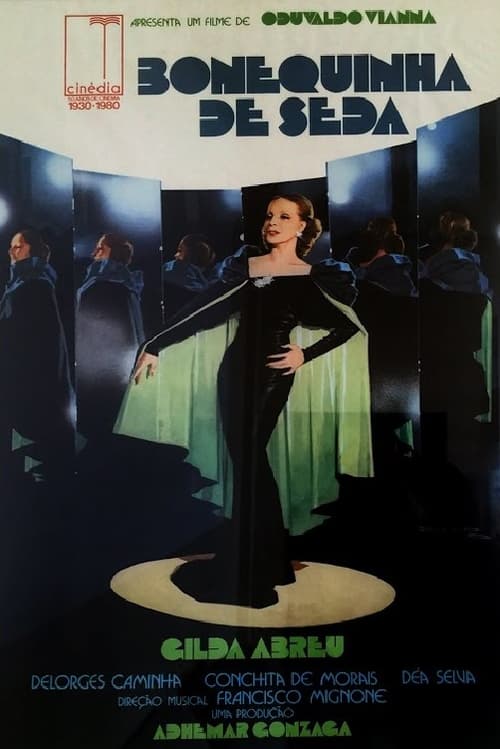
A poor woman passes herself as singer that just arrives from Frances and becames a sensation on Rio de Janeiro's high society.
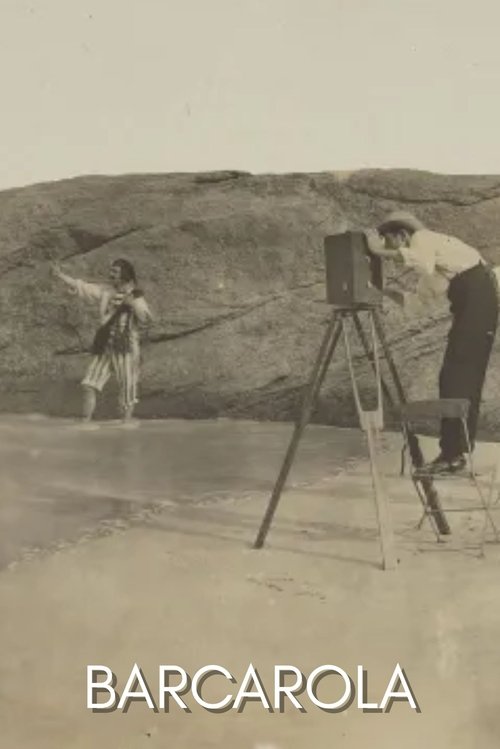
Barcarola is a 1908 Brazilian film directed by Júlio Ferrez. It was the first "sound" film in Brazil, that is, with actors dubbing themselves live, behind the screen, based on already recorded images. Premiered on September 1, 1908. It was produced by the company William e Cia. The film was inspired by the operetta "Les contes d'Hoffmann", by composer and cellist Jacques Offenbach. The film's synopsis is unknown, but given the name, which references the song "Barcarolle", it is very likely that it is inspired by the third act of Les contes d'Hoffmann. Like many films from this era, Barcarola is considered a lost film, with only one surviving image, taken during the film's production.
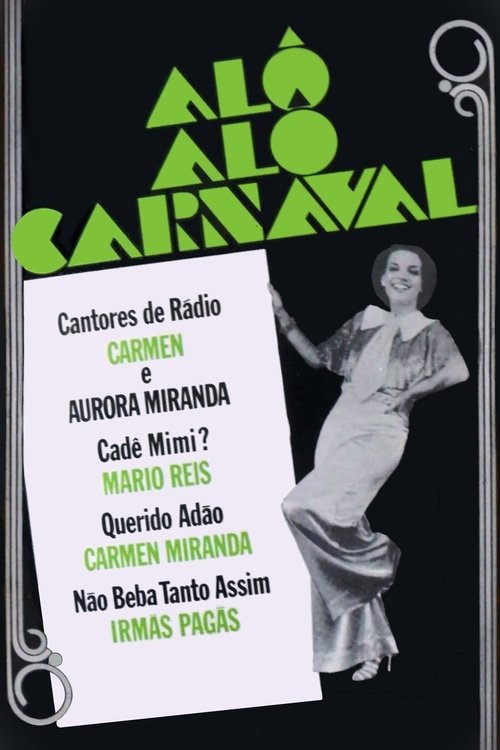
Two authors go look for a business to finance their dream musical.

Two young men from Paris bring "wonderful civilizing ideas" into the brain. But, as they returned without pity, they began to call for an auction of the furniture and objects of art that garrison their "garconiére", last vestige of the passage of opulence. The great idea would be to install a cabaret in the favela for tourists in search of new sensations and also for the inhabitants of the city. On the hill, one of the boys experiences the greatest surprise: he found there, living among the humble, teaching to read to the children, Rosinha, an enchanted little princess, queen of the hill.
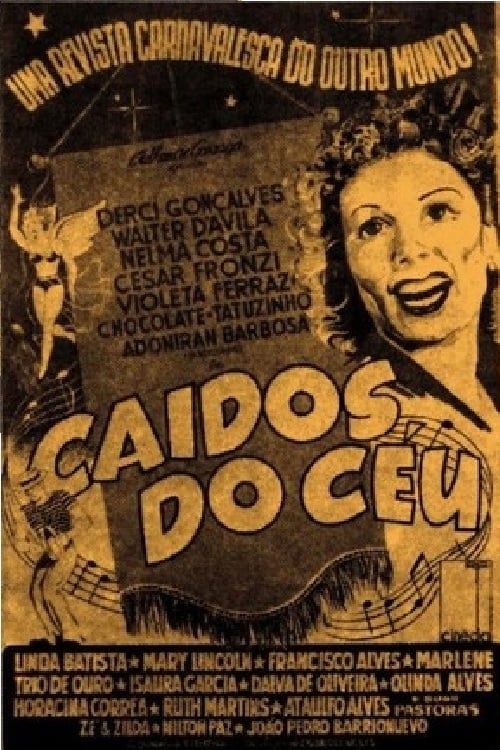
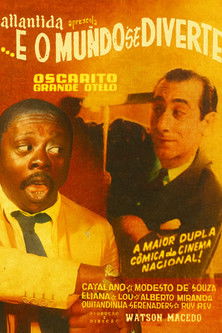
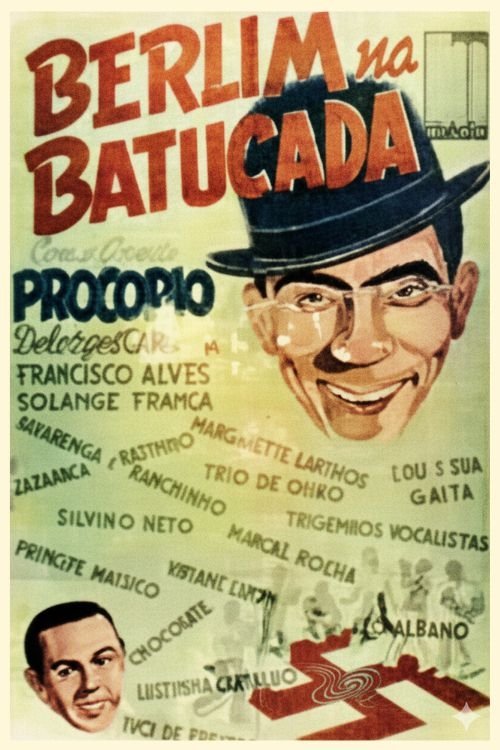
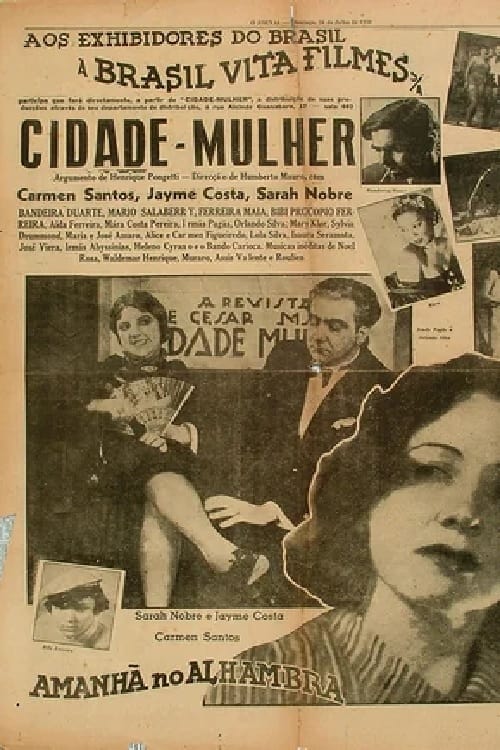
A theater manager about to go bankrupt decides to accept help from his daughter and her boyfriend to save the family's finances, which she does with the sponsorship of a rich man.
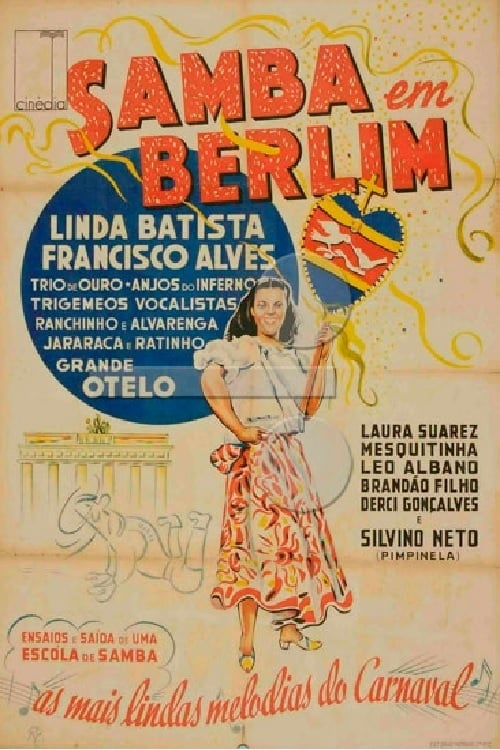
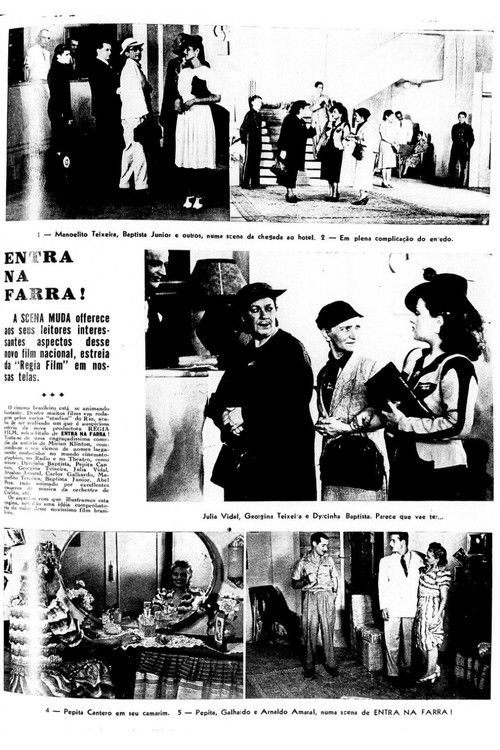
Returning from a pleasant horseback ride, two lovers on their way home contemplate each other, entranced by the modesty inherent in the rigid customs they were raised in. The hero feels an irrepressible desire to come to Rio. In the capital, interested in a theater star, he heads to Buenos Aires to win her heart.
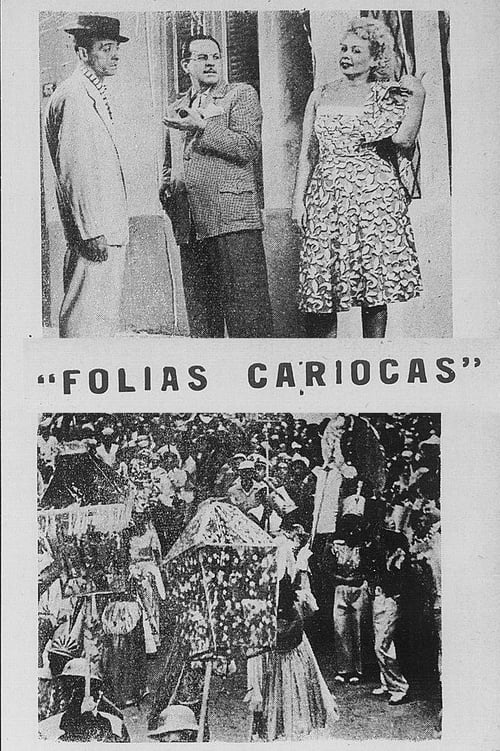
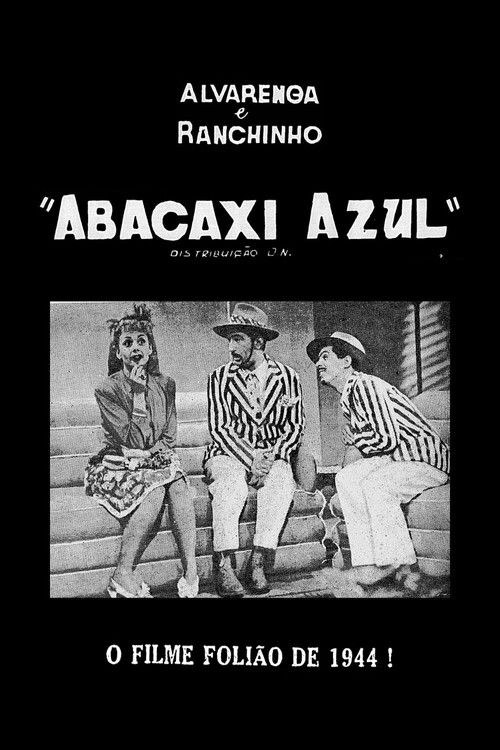
Alvarenga and Ranchinho have a law firm in a small village and go to Rio de Janeiro to hire artists for the village's radio station.
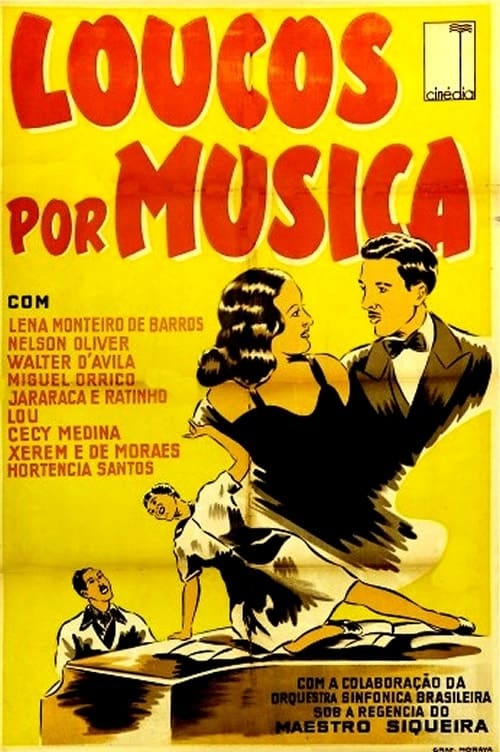

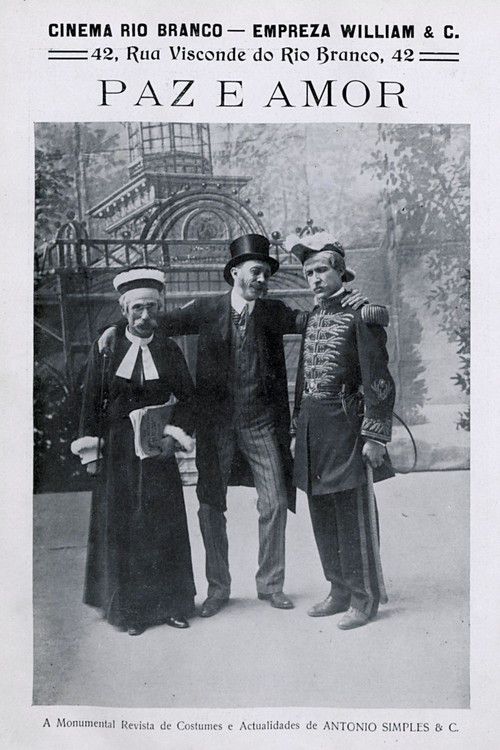
Directed by Alberto Botelho.
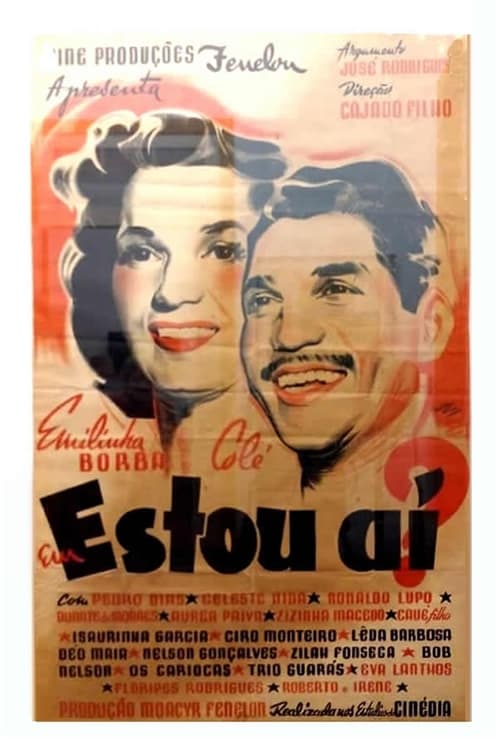

Comical late 1920s Brazilian daily life's situations, portrayed by two friends who decide to serenade a common girlfriend, a drunk barber and a bad haircut, and a man who is barred from playing his songs at the hotel where he was staying.
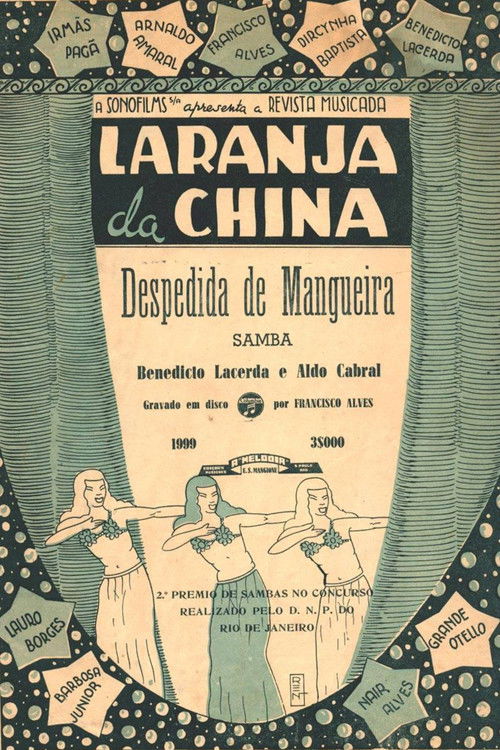
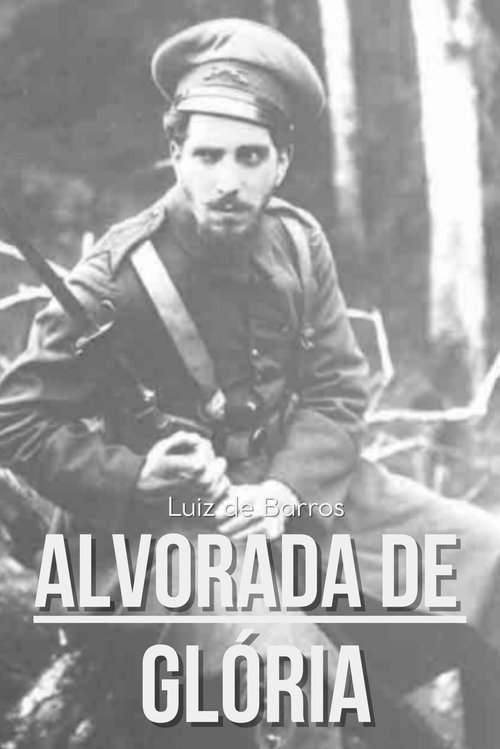
At the Paulistano Club pool, Lygia tells Nilo that she liked the album "Lua Branca," recorded by the young man. He promises to visit her to perform the song in person. The visit marks the beginning of a romance between the two, which later becomes an engagement. However, Nilo is involved in the 1924 uprising in the barracks and, with the outbreak of the revolution, leaves for the front. The city of São Paulo shows the damage caused by the bombings. The rebels, wanting to avoid further sacrifices to the city, after days of fighting and victory, decide to abandon it.
The concerto for piano and orchestra of Fantasia Brasileira and its movements (Prelude, Song, Dance), illustrated by images of the performing musicians and Brazilian scenes: a raft at sea, a farm, rural workers, a church and a series of waterfalls.
The popular song Chuá Chuá, illustrated with scenes of rural life. Girl observes in window. A fountain drains water. A flower. The cattle grazing. River waters. Man seen from window of wattle and daub house. Girl hangs cage with bird. Man walks towards the gate. Ducks in river drink water. The popular song A Casinha Pequenina, illustrated with scenes from rural life. Hut surrounded by banana trees and a coconut tree. Children walk hand in hand, sit on the riverbank. Birds in cages. Again the little house and the vegetation that surrounds it, especially the coconut tree.

A visual interpretation of Brazilian popular songs "Azulão" and "Pinhal".


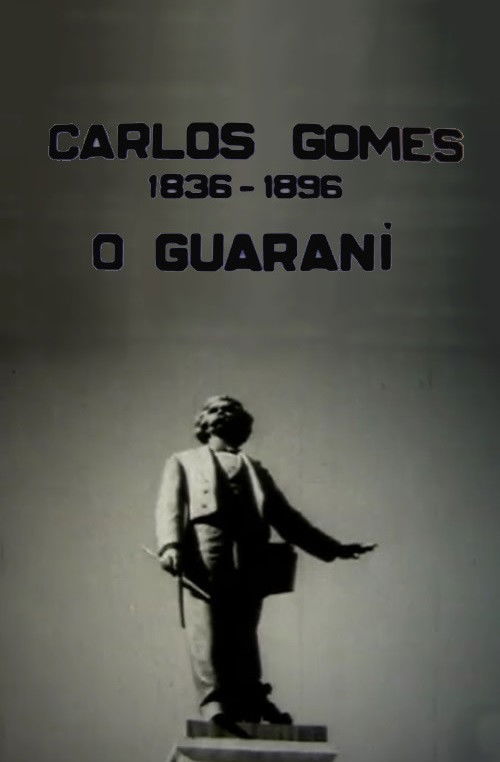
Short film shown as a complement to the film "Acabaram-se os Otários".