115 Matches Found

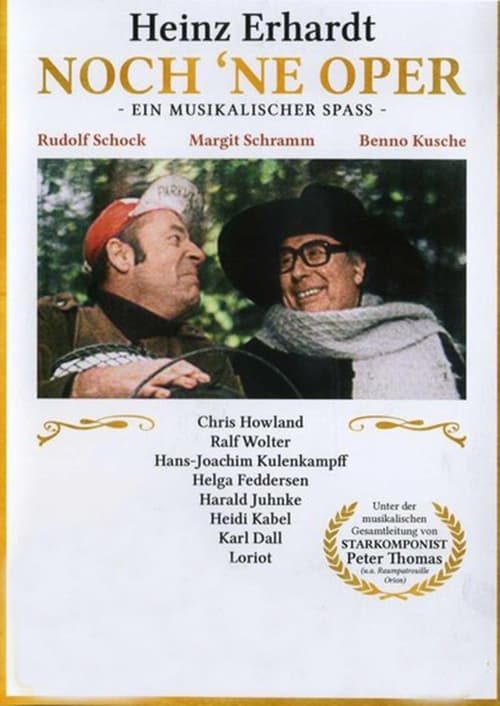
Another Opera

In this hilarious opera parody, Loriot delivers a comedic take on the pretentiousness of the operatic world. The plot revolves around a fictional opera production that spirals into absurdity as egos clash, misunderstandings abound, and everything goes hilariously wrong. Through a series of farcical and exaggerated situations, Loriot brilliantly mocks the pomp and circumstance of opera while showcasing his signature dry humor and love for absurdity. Noch 'ne Oper is a sharp and witty satire of high culture’s often ridiculous nature.

Another Opera

0.0 1979
Salome

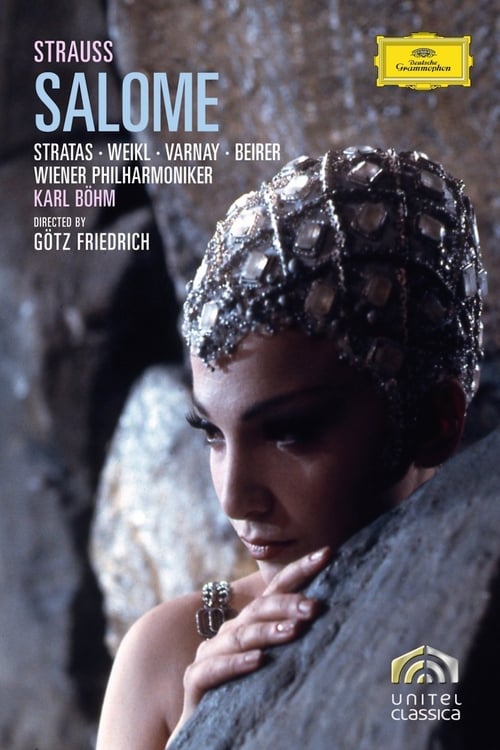
This filmed version of Strauss' shocker features Teresa Stratas as opera's most depraved teenager, and she's as perfect a Salome as one would ever hope to see or hear. Stratas inhabits the role, exploring the character's sensuousness as she vainly woos Jochanaan, her venomous hatred when she's rejected, the crazed look in her eyes when she demands his head--on a silver platter, no less. Such complete identification with a role, especially of a character so malignant helps make this 1974 Salome stand out among the many fine DVDs of the opera.

Salome

3.0 1974
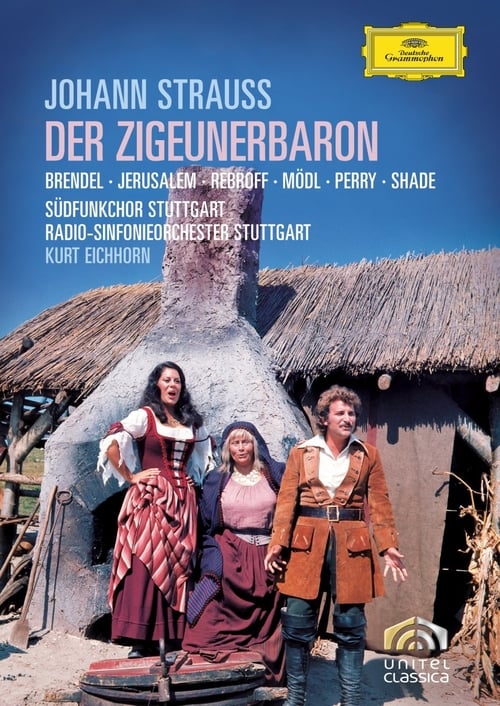
The Gypsy Baron

In the Temesvar Province, a landowner returned from exile marries a gypsy girl who is revealed to be the daughter of a Turkish Pasha and the rightful owner of a hidden treasure. Next to "Die Fledermaus", DER ZIGEUNERBARON is Johann Strauss’s most popular operetta. The libretto gave Strauss the chance to revel in such contrasting musical forms as the Csárdás and the Viennese waltz. The style of the lied forms and ensembles is so original and finely balanced that the "Gypsy Baron" can truly be called a comic opera. Among the leading names of the stellar cast in this exuberant 1975 film of the operetta are Wolfgang Brendel, Ivan Rebroff, Janet Perry, Ellen Shade, Martha Mödl and, in the role that launched his career, Siegfried Jerusalem as Sándor Barinkay.

The Gypsy Baron

0.0 1975
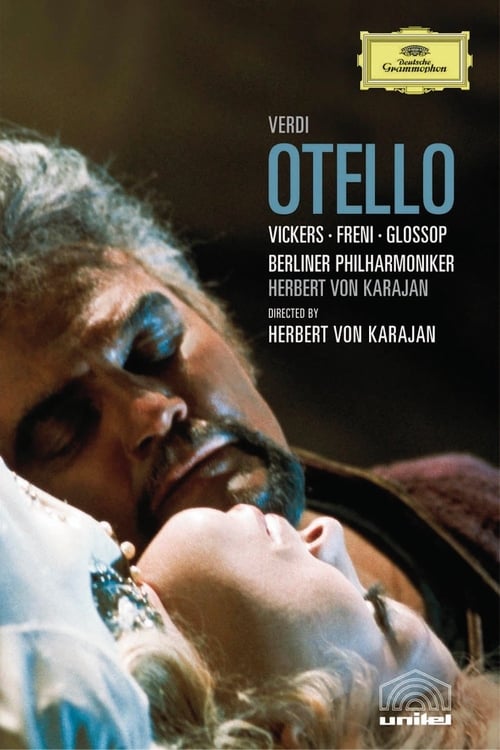
Otello

Herbert von Karajan directed this film of Verdi’s Shakespearan masterpiece as well as conducting the Berlin Philharmonic. As the tragic Moor of Venice, arguably his greatest role, John Vickers (in the words of critic David Cairns) "commands both the notes and the moral grandeur of the part. … And he has the aura of greatness – greatness of heart, of bearing, of musical and dramatic conception". Mirella Freni is a heartbreakingly lovely and fragile Desdemona, while the fine English baritone Peter Glossop plays the villainous Jago.

Otello

0.0 1973
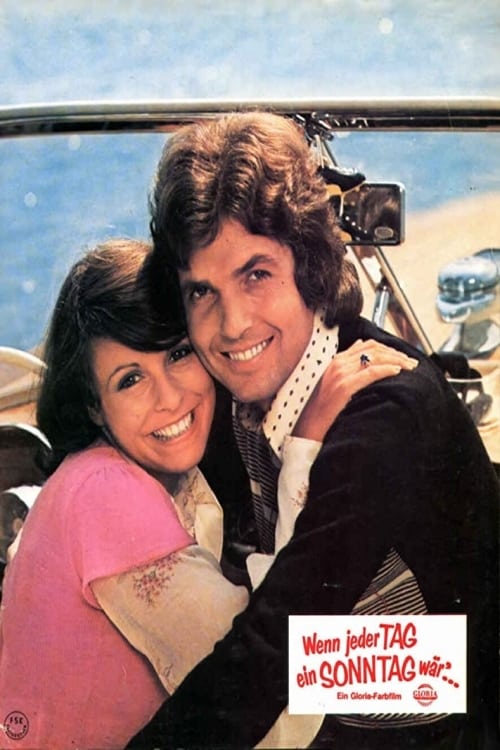
Wenn jeder Tag ein Sonntag wär'...

The owner of a travel agencies decides to took a holiday with his family. He combines business with pleasure and undertakes a tour of inspection of some of his enterprises. Incognito he arrives with his family at the Castle Hotel on the Wörthersee. But the hotel manager has been warned of the impending visit and means to give the important guest the red carpet treatment. Unfortunately he does not know him personally and so takes the wrong man for the incognito inspector. Neither of the two men enjoy the mix-up and the poor hotel director has to live through some uncomfortable hours before he manages to pour oil on the troubled water.

Wenn jeder Tag ein Sonntag wär'...

5.2 1973
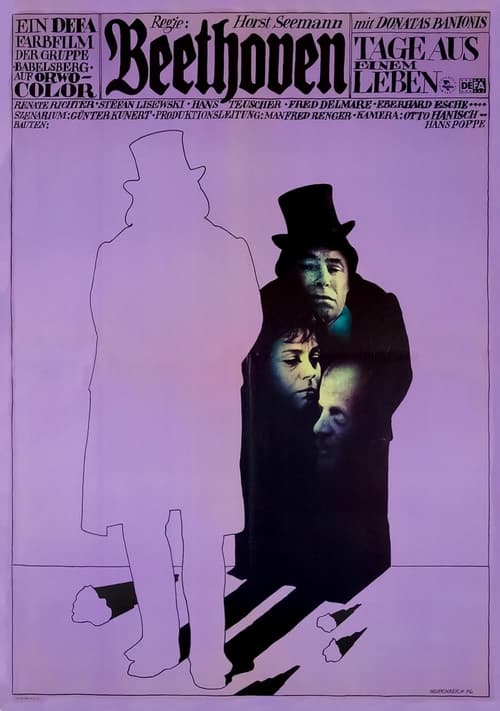
Beethoven - Days in a Life

Vienna, 1813-1819: Beethoven (played by Donatas Banionis) is at the peak of his fame. Orchestras all over the world play his music, but he lives modestly and is dependent upon private patrons. Nagged by his patronizing brothers, spied upon by officials for his republican beliefs and faced by his progressive hearing loss, the composer becomes more and more isolated. Seeman’s poetic film explores the joys, heartbreak and artistic spirit of the great composer as he works on his Ninth Symphony.

Beethoven - Days in a Life

5.2 1976
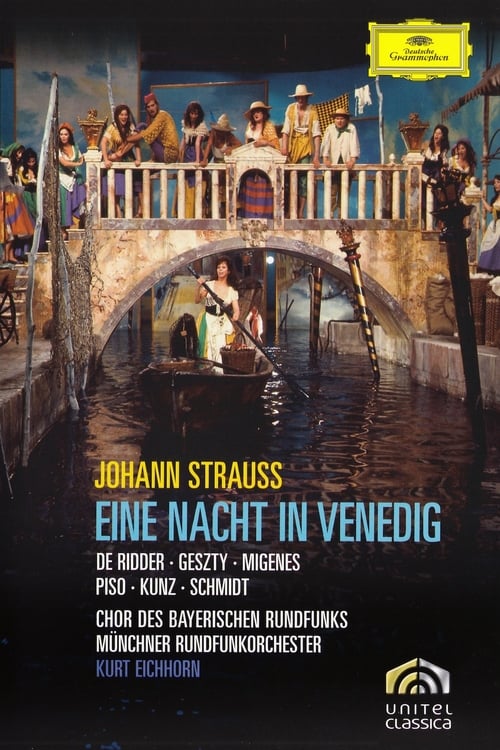
Eine Nacht in Venedig

Eine Nacht in Venedig (A Night in Venice) is an operetta in three acts by Johann Strauss II. Its libretto was by F. Zell and Richard Genée based on Le Château Trompette by Eugène Cormon and Richard Genée. The farcical, romantic story involves several cases of mistaken identity. The piece premiered in 1883 in Berlin and then Vienna. It became one of Strauss's three most famous stage works and has been seen in New York, London and elsewhere, and has been adapted for film.

Eine Nacht in Venedig

6.0 1974
Die Zauberflöte

Wolfgang Amadeus Mozart's Magic Flute is undoubtedly one of the most multi-layered, profound, complicated, and therefore also most difficult to stage works in the entire opera repertoire. In terms of genre, it can only be understood if it is seen as a mixture of four things: a philosophically profound drama of ideas with countless encryptions, a naïve fairy tale, a bawdy comedy, and a crude Punch and Judy show. It is based on the intersection of the traditions of Baroque magic opera, Italian buffa, and Viennese Singspiel, where all manner of wonders are conceivable and permissible. Peter Ustinov's production appeals to all those who love a primarily fairy-tale-like interpretation; the atmosphere is traditional and conventional. An outstanding ensemble of singers has been assembled.

Die Zauberflöte

7.0 1971
The Count of Luxembourg

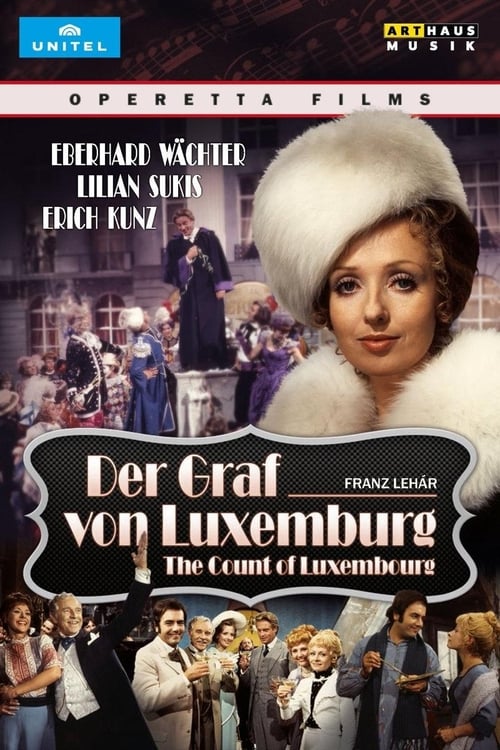
Der Graf von Luxemburg (The Count of Luxembourg) is an operetta in three acts by Franz Lehár to a German libretto by Alfred Willner, Robert Bodanzky, and Leo Stein. A Viennese take on bohemian life in Paris at the beginning of the 20th century, the story revolves around an impoverished aristocrat and a glamorous opera singer who have entered into a sham marriage without ever seeing each other and later fall in love at first sight, unaware that they are already husband and wife.

The Count of Luxembourg

7.3 1972
Der Fliegende Holländer

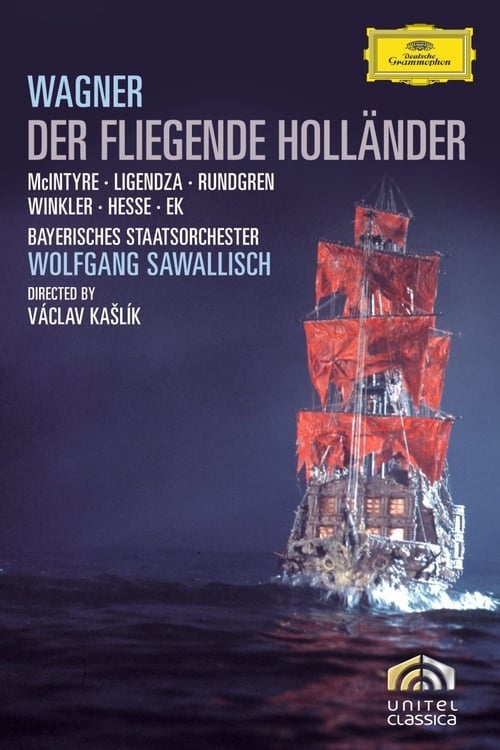
This vivid film of Wagner's romatic opera succeeds in conveying what has famously been called "the wind that blows out at you whenever you open the score", including Daland's boat anchoring against the Sandwike cliffs, the red-sailed phantom ship, and the ghost crew rising from the dead. "Scenes that recall classic horror films... Brilliantly successful" (Nürnberger Nachrichten), "Captures the works' essence" (Süddeutsche Zeitung). With a superb cast; conducted by Wagner authority Wolfgang Sawallisch.

Der Fliegende Holländer

6.5 1975
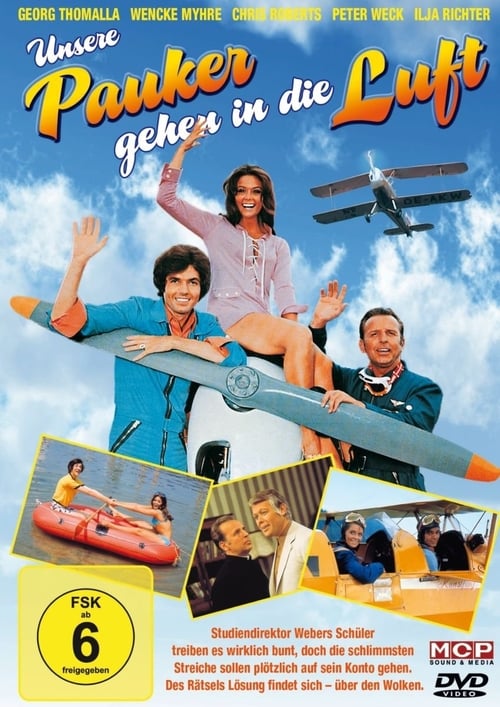
Unsere Pauker gehen in die Luft

In Hamburg, the general manager of Merkur Insurance is full of praise for his top-selling agent, Harry Weber. As a reward for his services, he grants him his heart's desire: a pilot's license. Naturally, the flight school is located in an idyllic small town that the insurance company hasn't yet developed. The head of the Bergen Gymnasium located there is Oskar Weber, Harry's twin brother, whom he lost touch with 20 years ago. Everyone now considers Harry the strict headmaster, and who would refuse him the good advice to sign a contract with Merkur? Until the two brothers finally come face to face, they trigger the most confusing situations, which culminate in a joyful happy ending with a lap of honor followed by a crash landing.

Unsere Pauker gehen in die Luft

4.9 1970
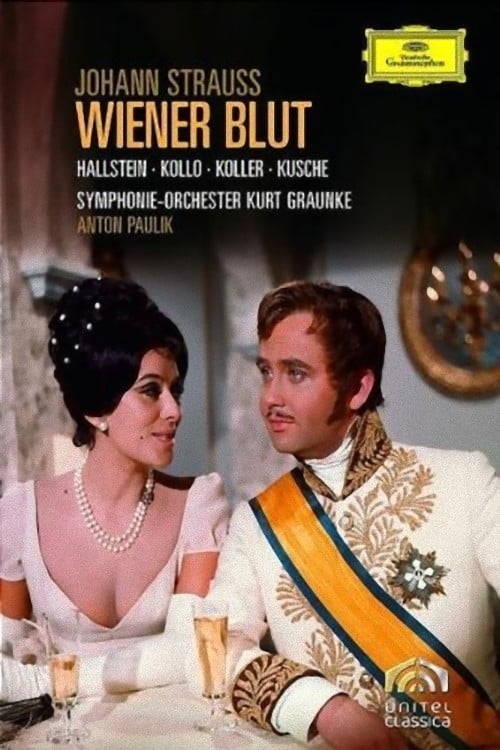
Wiener Blut

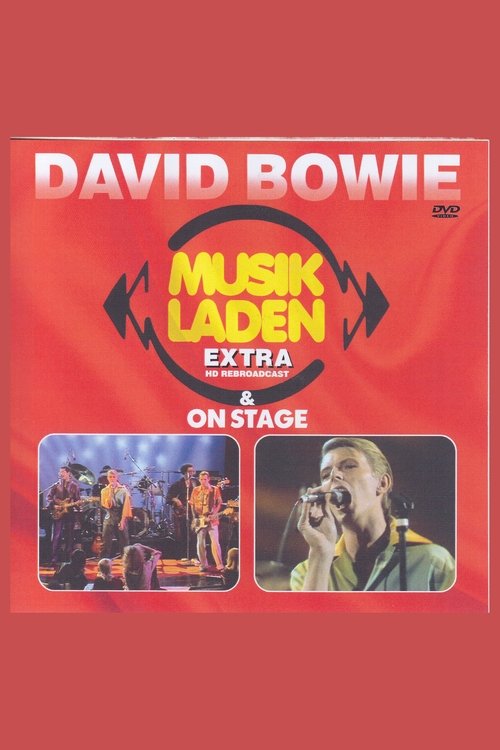
An operetta with music by Johann Strauss II. However, he did not see the premiere. Wiener Blut is set at the time of the Congress of Vienna, 1814-1815, an international conference that sought to settle Europe after the upheavals of the Napoleonic Wars, and follows a traditional operetta plot full of mistaken identities. Count Balduin Zedlau, ambassador of the tiny court of Reuss-Schleiz-Greiz, is posted to Vienna. Count Zedlau is married but a real Don Juan always looking for a new encounter. Many of Strauss' compositions are used in the operetta although he did not specifically composed them for the operetta.

Wiener Blut

8.5 1972
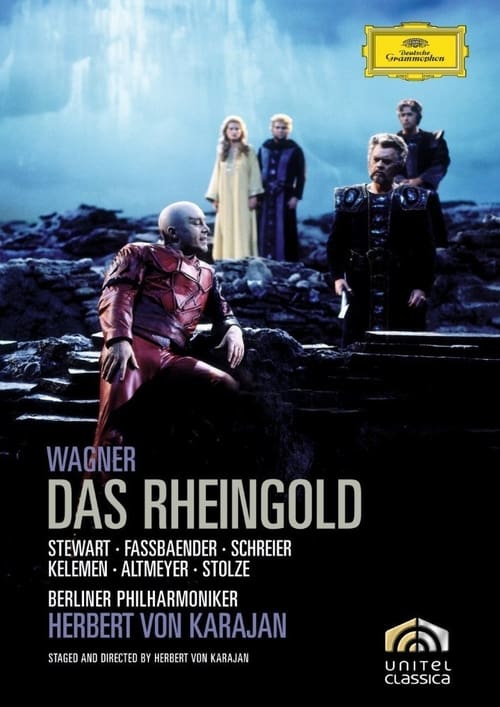
Wagner: Das Rheingold

This 1978 studio production of the prologue to Wagner's masterpiece is the only segment of the famous Salzburg Festival/Metropolitan Opera productions, first seen in the 1960s, that made it to film. Based on one of those original productions, Georges Wakhevitch produced stage settings and transformations that supported Karajan's concept with every possible means. Herbert Von Karajan's staging is in the epic style of another age, emphasizing the dignity of the gods rather than their all too human failings. With the singers - foremost among them Peter Schreier - Karajan had an ensemble that fully conformed to his intentions.

Wagner: Das Rheingold

2.0 1978
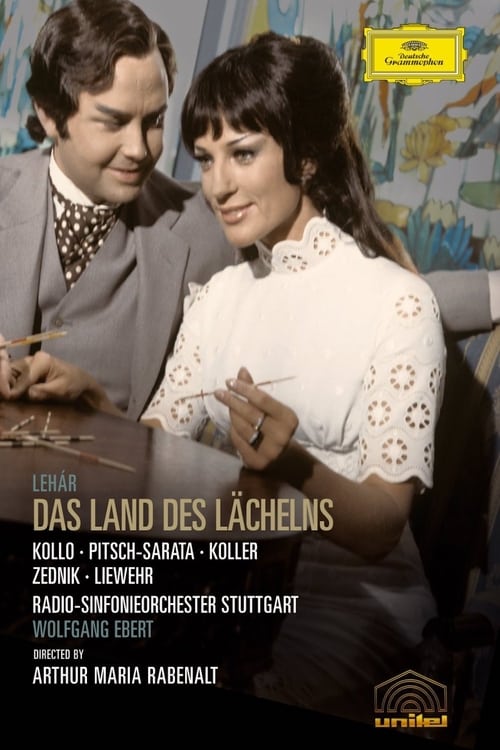
The Land of Smiles

Lehar's The Land of Smiles touches the heart as it provides unforgetable melodies from start to finish. There are no weak links in the cast. Too often, we think of operetta as musical fluff, tired cliches, and obligatory dance scenes when things start slowing down. Not so in this classic operetta. We feel the pain of loss suffered by the two main characters, who make their roles natural and believable. There is more to this work than "Yours Is My Heart Alone." There is dramatic consistency and people you find yourself caring about as much as the music, the costumes, and the colorful sets.

The Land of Smiles

0.0 1974
Songs on the Death of children

Based on a free interpretation of Gustav Mahler´s Song Cycle by the same name and a fairy tale by Hans Christian Andersen, this multiple award winning film is a striking example of Titus Leber´s approach to visualise classical music. Using his so called “multi-layer-method” to superimpose several image layers the author takes us in a dream-like lamentation-quest of a mother's winter-journey searching for her child who has been carried off by the Angel of Death.

Songs on the Death of children

1.0 1976