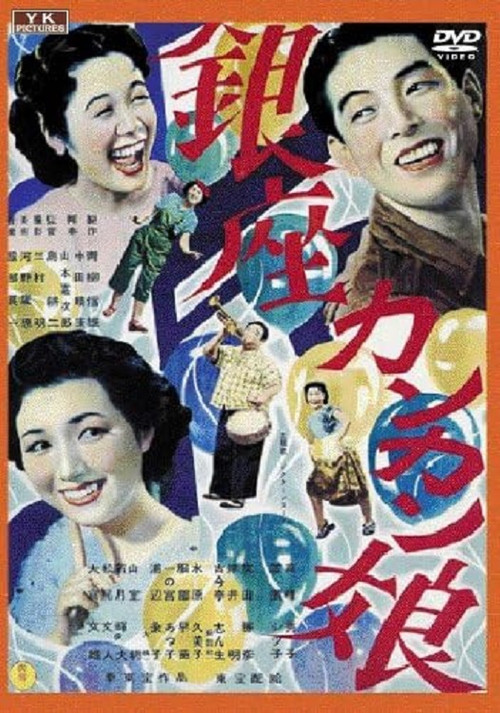
Shizuko Kasagi and Hideko Takamine star as young women who try to raise money for a needy old friend by becoming wandering singers who work for tips in Tokyo's Ginza nightlife district.
Ginza Cancan Girls
0.0 1949
32 Matches Found
Shizuko Kasagi and Hideko Takamine star as young women who try to raise money for a needy old friend by becoming wandering singers who work for tips in Tokyo's Ginza nightlife district.
A musical film made for the inauguration of Shochiku's Ofuna Studio, with an all-star cast of the era.
A 1943 film.
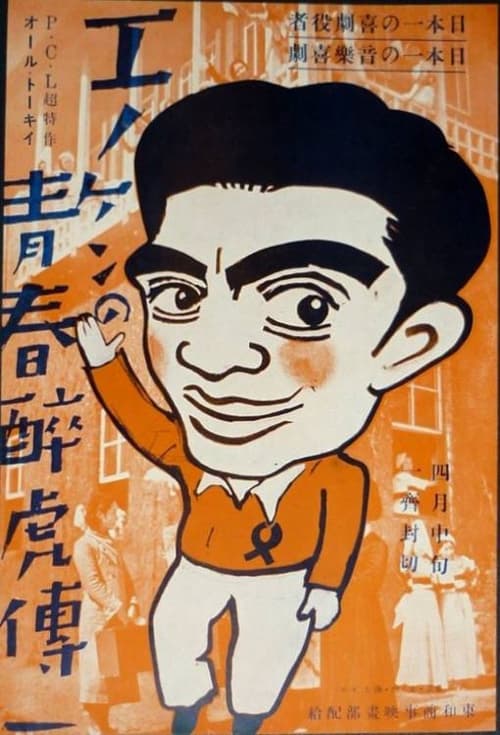
In 1930s Tokyo, the energetic Enoken and his ragtag group of friends navigate a series of chaotic misadventures involving romance and poverty.

An umbrella maker with a shopping addiction finds himself in dire straits when his debts force him to consider selling his attractive, desirable daughter to a suitor she doesn't love.
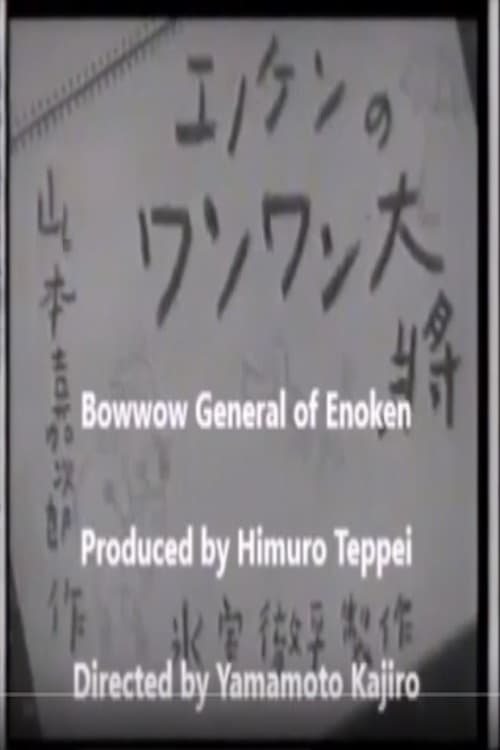
Enoken no wanwan taishô AKA Wanwan Taisho AKA Bowwow General directed by Nobuo Nakagawa
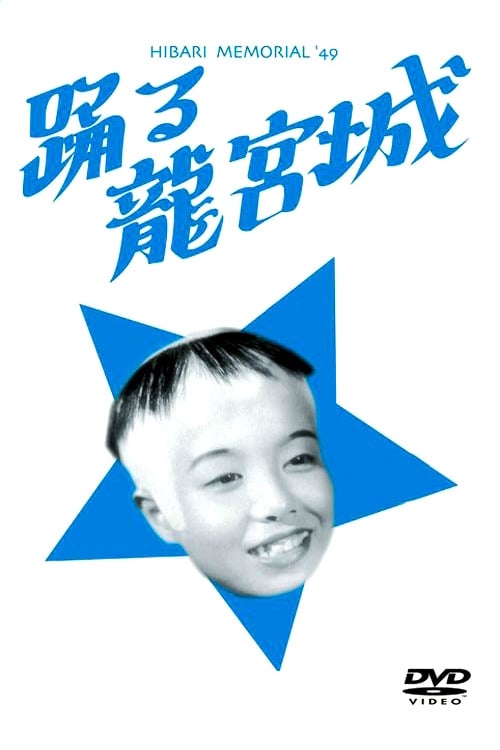
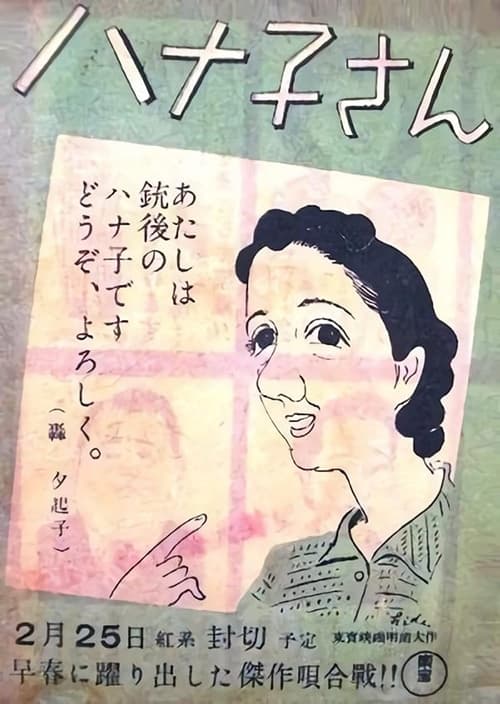
Hanakosan (1943, TOHO, MAKINO Masahiro), a thoroughly light and joyful musical comedy, influenced by Busby Berkeley films, against the national policy under the wartime, was made into a film from comic serials by SUGIURA Yukio published in a magazine.
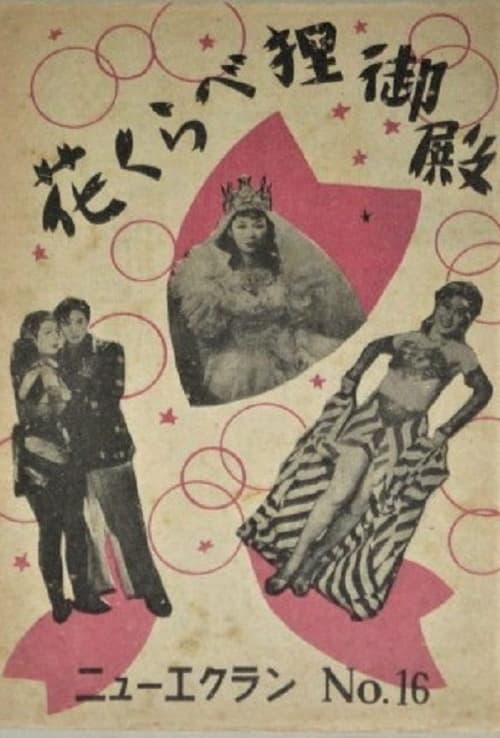
Princess Oboro, the queen of the Tanuki palace and stubborn at heart, falls in love with coffeehouse worker Kurotaro at first sight.
Three daughters have graduated from the music school and have gone their separate ways. On the day of the outbreak of war, the three girls meet again for the first time since their graduation ceremony. This film was made at the end of the war to promote the military song “Song of the Annihilation of the United States and Great Britain” and to raise the will to fight.

A modern take on history with songs and comedy presented by Enoken (as Gonza), Fujiyama (as Sukeju), and Kasagi (Gonza’s wife Osaki).
Enoken plays a frog-oil-hawking conman whose claims to martial prowess land him in hot water with the local samurai gentry - but not before he falls in love with exactly the wrong girl. Another musical comedy period film quick on the heels of the earlier Kondo Isami.
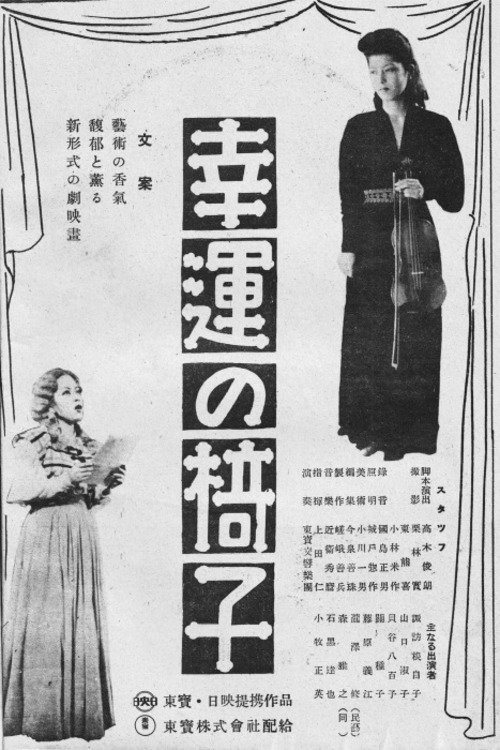
Sumida is separated from his wife and daughter when conflict erupts in Harbin. Years later, he finds that his wife passed away and her daughter was adopted by his friends at the Russian opera company.
Film adaptation of the hit song
Enoken plays both Kondo Isami and his deadly enemy Sakamoto Ryoma in this comedic, song-filled vision of the Meiji Restoration.
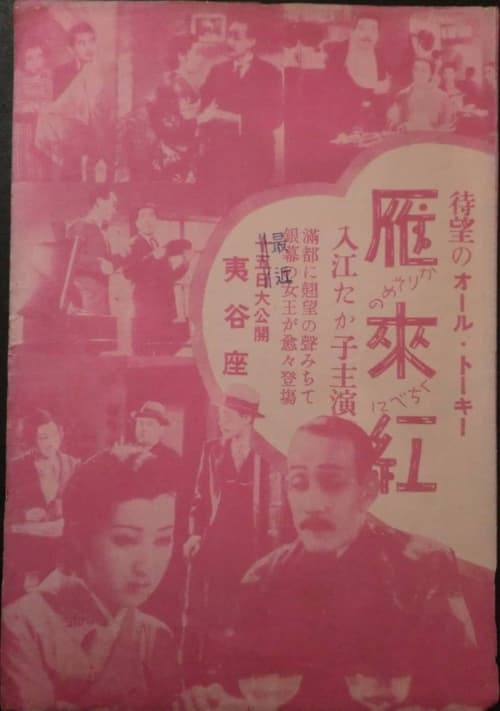
A Japanese version of the musical comedy "Yes, Mr. Brown"
An actor, hit on the head, dreams that he has become legendary one-eyed gangster Mori no Ishimatsu.

In 1930s Japan, a beer seller and a struggling music student fall in love while chasing their dreams.
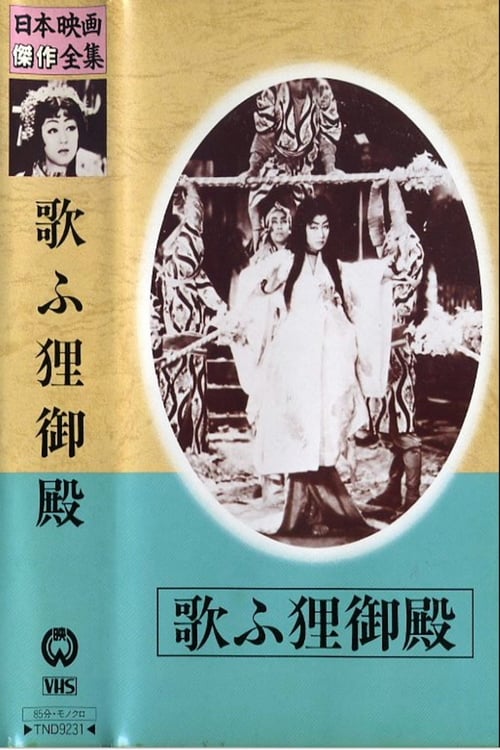
In this Japanese retelling of Cinderella, Okuro (Takayama) is the unfortunate stepdaughter of a family of tanuki: shape-shifting raccoon dogs. She hopes to see the tanuki prince (former Takarazuka star Miyagi) against her stepmother's wishes; the magical spirit of the willow tree, and a hapless kappa (water goblin) intercede in unexpected ways.
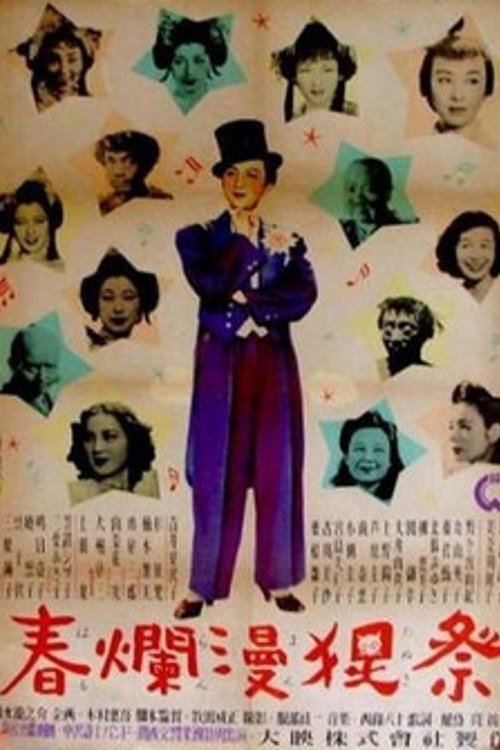
A reel of the Noh drama Momiji-gari, in which Danjuro Ichikawa played opposite Onoe Kikugoro V as an ogress who has disguised herself as the Princess Sarashina. Filmed by Shibata Tsunekichi in the open air on a windy day in November 1899, Danjuro would allow only the one take, so that when his fan blew away in mid-performance the scene had to stay. The film re-emerged at the Kikikan theatre in 1907 where it was a great success and inspired a wave of fiction filmmaking based on traditional Japanese narratives.
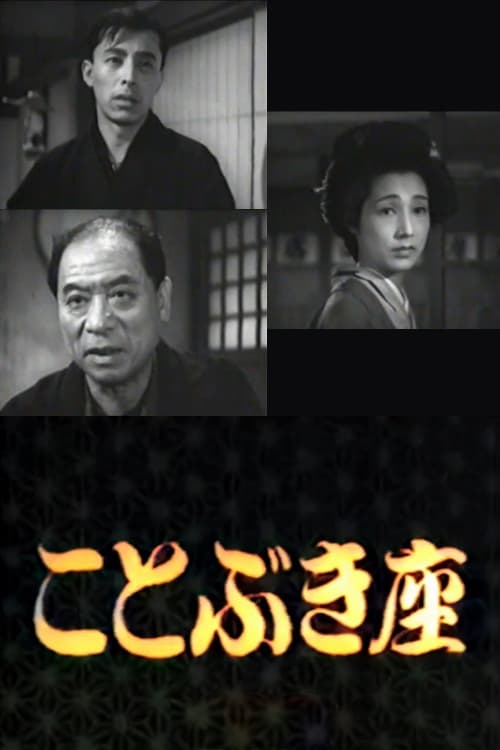
Kotobuki-za is a story of the Naniwa-bushi singer Baichuken Tsurumaru.
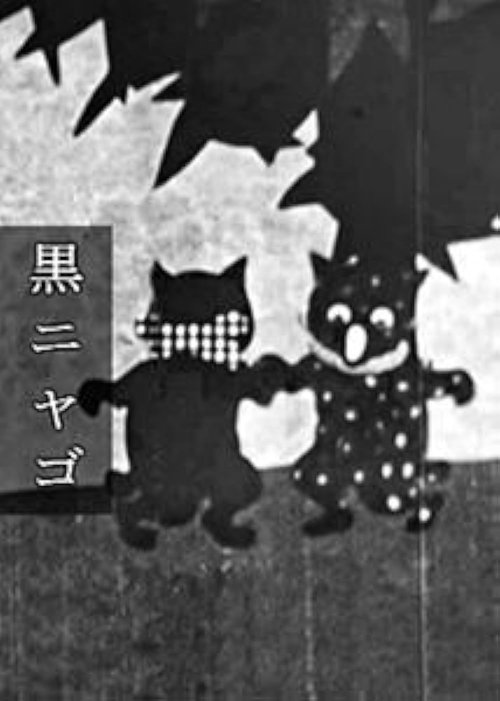
A black cat sings and dances, animated using cut-outs.
A family of cats find an abandoned kitten and take him in to their home. But one of the siblings becomes jealous about the attention the new cat gets from her mother and runs away from home. The new member of the family goes looking for her. Can he bring her back home safely and get her to accept him as part of the family?
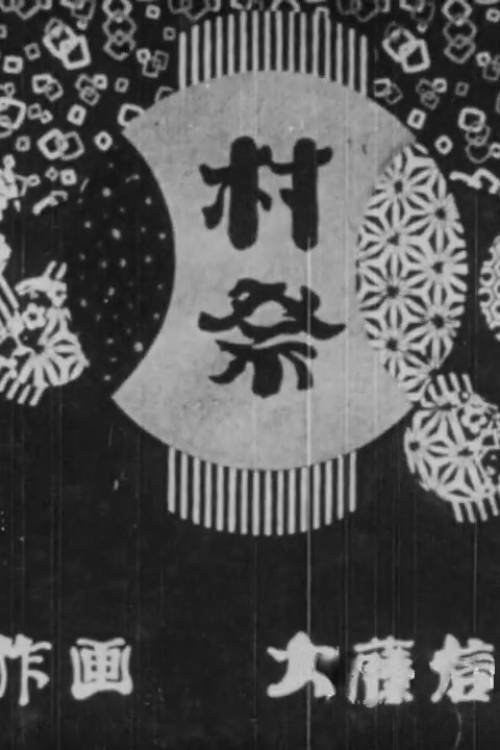
A Japanese equivalent of a Hollywood Screen Song.
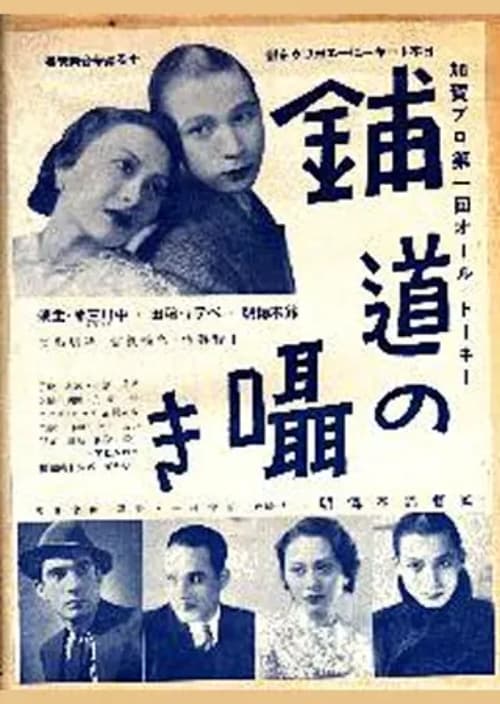
Inada plays Betty Yoshida, a singer and dancer from America who arrives in Japan to go on tour, only to be swindled by scheming managers. Penniless and cast to the streets, Betty is taken in by Oki (Nakagawa), a talented tap dancer who introduces her to a group of struggling musicians living and working together.
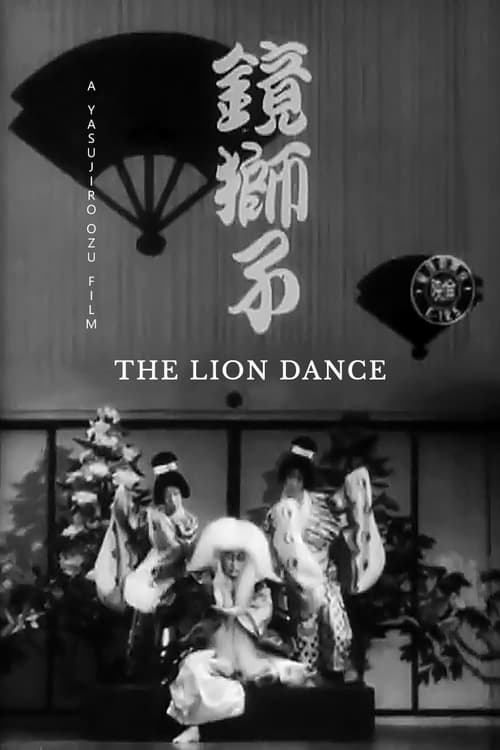
The lion dance in traditional Japanese theatre.
Director Watanabe Kunio The first talkie film by Tamagawa Studio Starring Sugi Kyoji as Hosoi Ichikawa Haruyo as Kinuko Hoshi Reiko as Mitsuko Matsumoto Shutaro as boy of liquor shop Uemura Setsuko as landlord widow Kitahara Natsue as hysteric wife Oosaki Kenji as her husband Matsudaira Akira as singer at next door Hanano Kuniko as maid Kawagoe Ippei and Bando Mieshi as old couple Kanbe Hikaru as thief
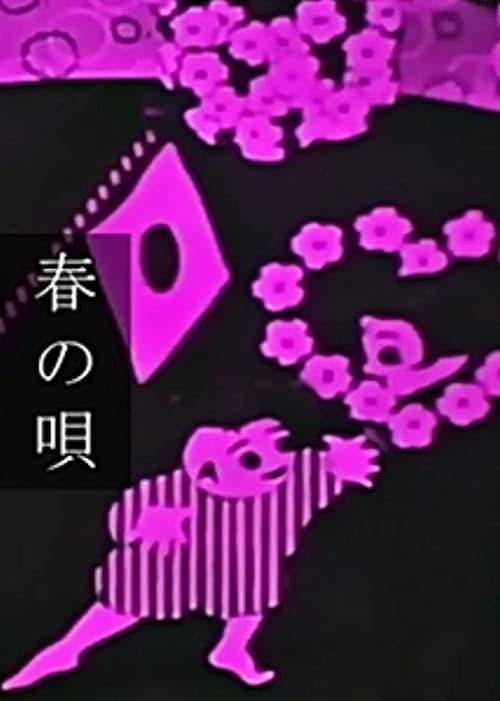
Early Japanese anime. A stop-motion papercraft animation set to a song sung by Kikoku Inoue
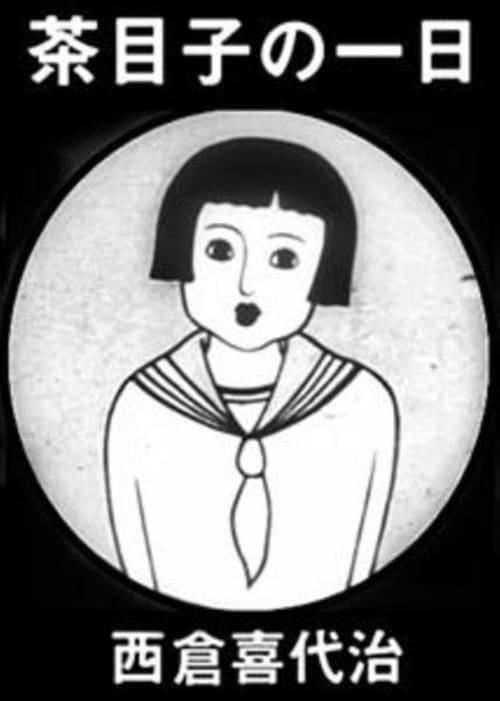
Based on a hit song by child star Hideko Hirai from 1929, this gem -- a real historical curiosity -- provides glimpses of 1930s popular culture through introducing the typical life of a bright, energetic young girl. It contains an early product placement (for Lion Toothpaste), educational content and newsreel footage of Japan’s first woman Olympic medalist, Kinue Hitomi.