
China 1839. Because the British imports of opium into Southern China are creating such widespread medical and economic problems, the weak Manchu emperor Tao Kuang is forced to take action that precipitates the 'Opium War'.
The Opium Wars
5.2 1959
54 Matches Found
China 1839. Because the British imports of opium into Southern China are creating such widespread medical and economic problems, the weak Manchu emperor Tao Kuang is forced to take action that precipitates the 'Opium War'.

Fifty years of modern Chinese history (1900-1950), including wars, revolutions and corrupt politics, as seen through the life and times of a simple Beijing policeman and his family.
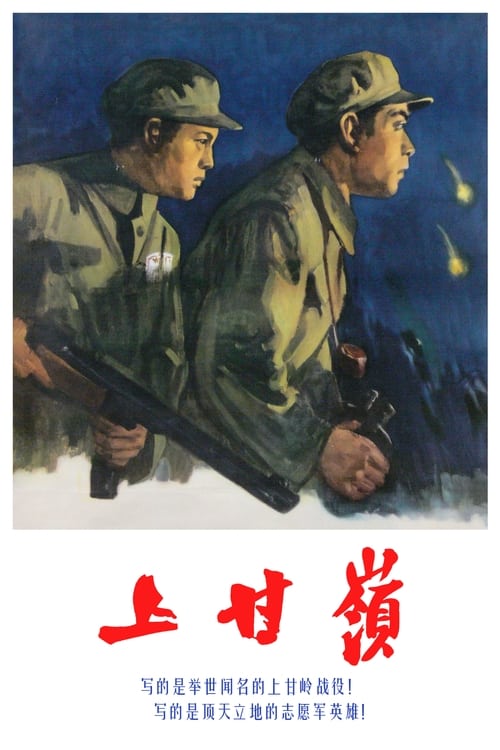
The film follows a group of Chinese People's Volunteer Army soldiers who are holding Triangle Hill for several days against US forces. Short of both food and water, they hold their ground until the relief troops arrive. The movie portray the battle as a Chinese victory over an American invasion, and the People's Volunteer Army soldiers were shown as Chinese war heroes."
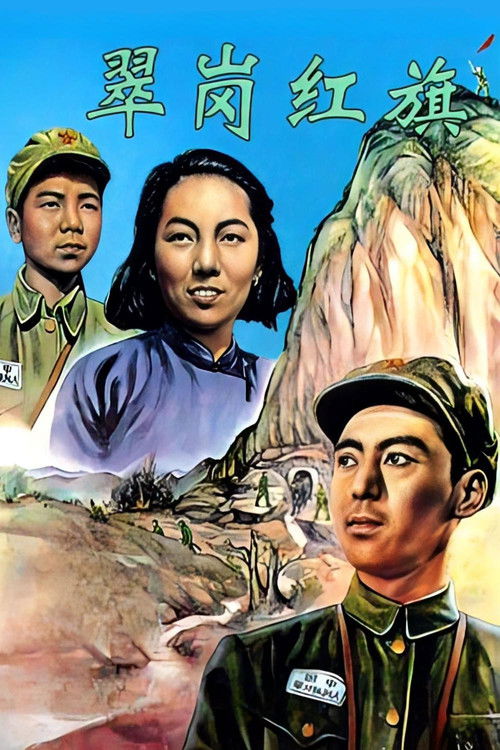
1930s, Jiangxi Soviet Area. Jiang Mengzi bids farewell to his newlywed wife Xiang Wu'er and joins the main force of the Red Army on the Long March. Xiao Zhenkui, the leader of the "Communist Removal Group", took the opportunity to return to the countryside to launch a white terror. Mengzi's father, chairman of the Township Soviet, and his sister were killed at the same time. The pregnant Wu'er gave birth to a child on the way to escape. Wu'er is found out hiding and forced to work as a wet nurse. Will Mengzi return in time to save his family?
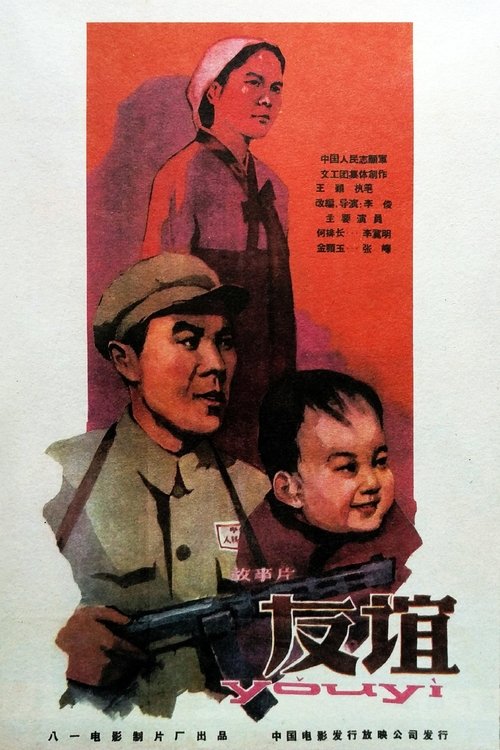
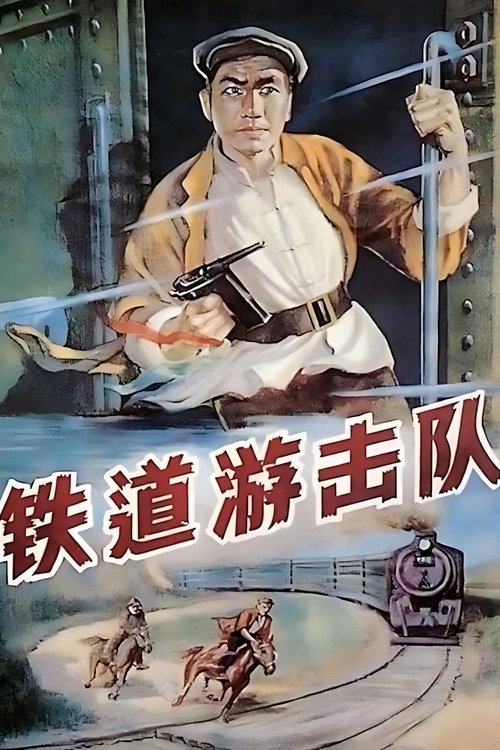
This movie is based on the true story, which happened in Shan-Dong Province of China during World War II. It is based on a collection of memoirs of the guerrilla members. Due to the fact that it happened during World War II and there was not much secrets, this movie is that it was more realistic than other movies in that many real names were used, and the actual site was not changed either like other war movies of the time. The drawback of the movie was that in the latter stage of World War II, the guerrilla force was developed into an impressive 400 plus members from its original beginning of 3, and it launched many major offensives against the enemy, but this part was not shown. The movie only concentrated on the time there were only several dozen members.
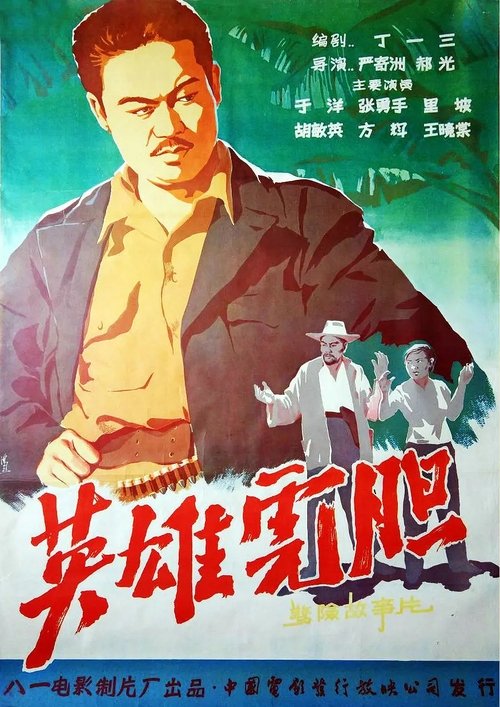
1950, PLA scout Tai Zeng disguises himself as a Taiwan agent to defeat the bandits in West Guangxi province.
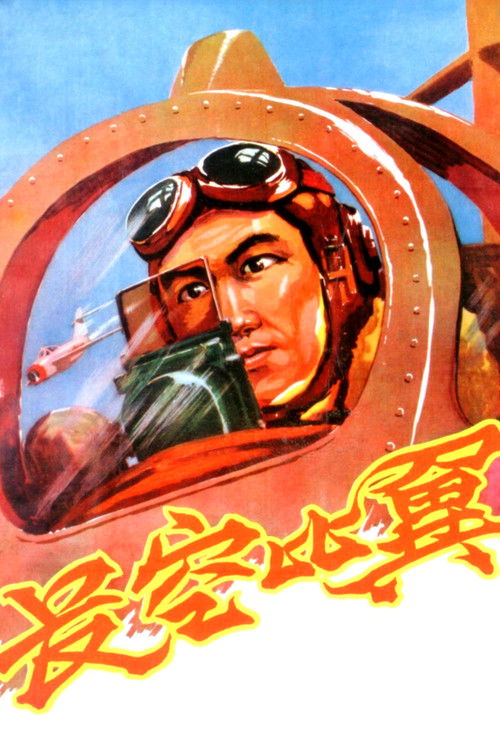
During Korean War Chinese Air Force fought against the American pilots who claimed to be the world's king of the air. Zhang Lei (Cao Huichu), who comes from a poor farming family, is determined to kill the enemy and serve his country after graduating from aviation school. After arriving at the front line, both the division commander (played by Wang Runshen) and the team leader were satisfied with his test flight results, but the proud Zhang Lei did not want to be a wingman and thinks he is useless. His pride and conceit made him pay the price. With the help of leaders and comrades, he gradually got out of complacency. In the next air battle, he used his actions to correct his mistakes and actively helped the lead plane complete aerial tactical coordination and shoot down the enemy plane. After his own plane was injured and on fire, he was still able to cover his comrades and crash the injured plane into the enemy plane
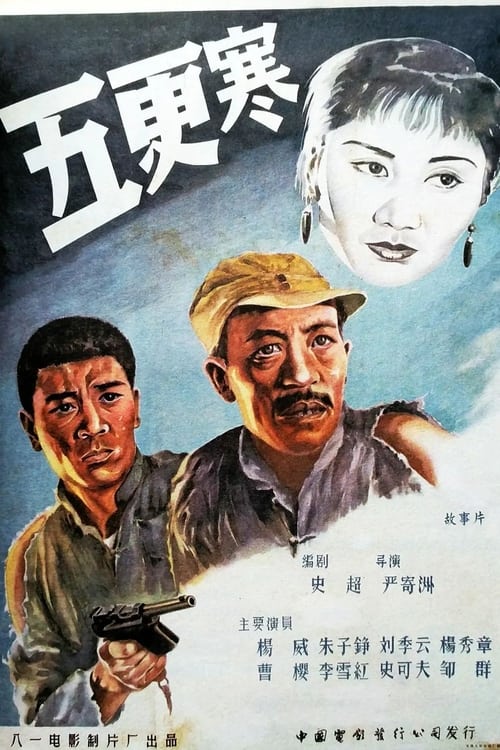
In 1946, Chiang Kaishek commits 200,000 troops to an attack on the Communist-held central plains of China. After the PLA main force in the area retreats, the Nationalists also capture the area around the Dabie Mountains. County Party Committee Secretary Liu and county organizations department director Mo Wenjie lead a guerrilla troop against the KMT forces. Will the film belief of the revolutionary cadre be able to overcome not only the enemy, but cold, hunger and betrayal?

An underground CPC telegrapher, Li Xia, fights against the Japanese enemy and dies before the eve of Shanghai's liberation in 1939.
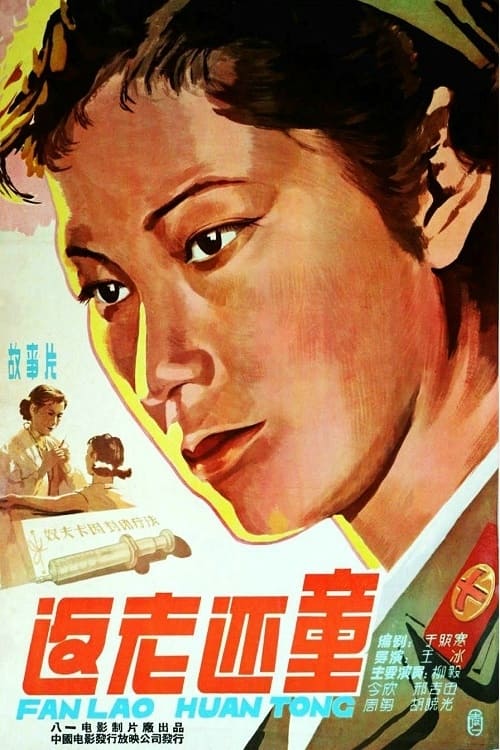
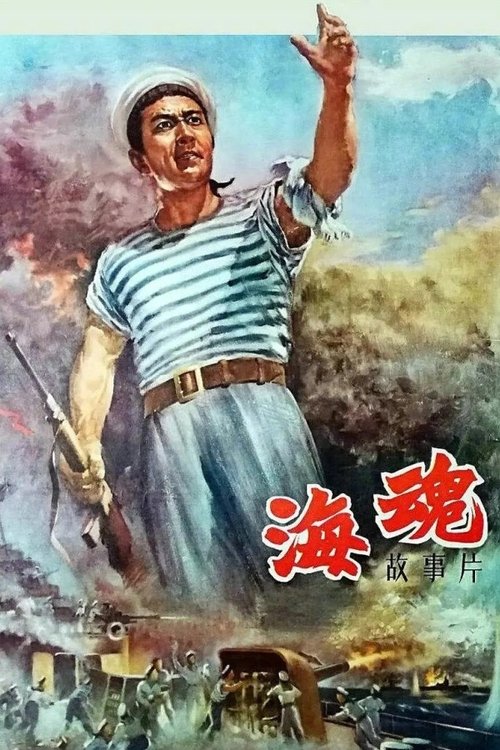
The sailors on a Kuomintang warship revolt, arrest their officers and defect to the Chinese People's Liberation Army.
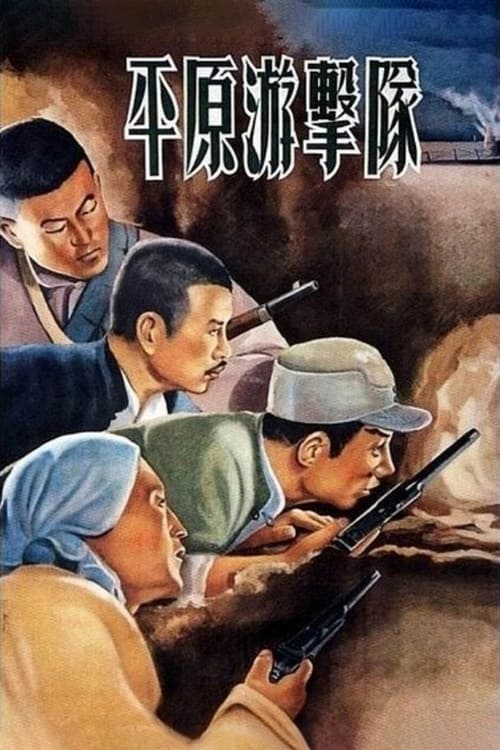
A guerrilla group led by Li Xiangyang are ambushed by the Japanese invasion army during the War of Resistance.
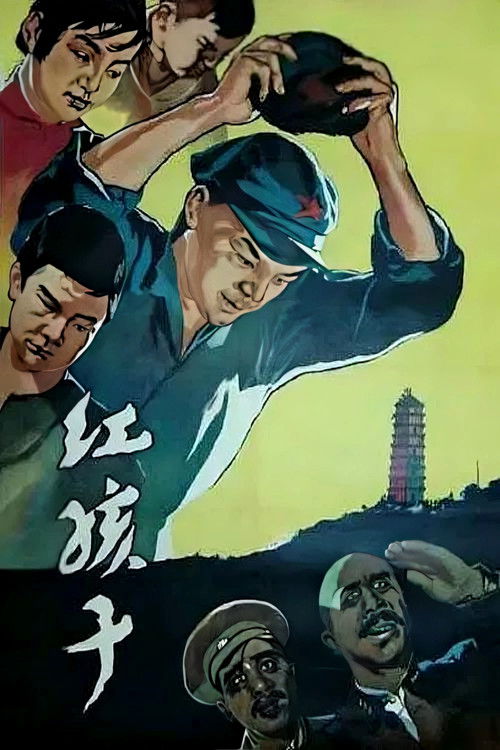
The story of village children in the 1930s who do their part to help overthrow the White forces in semi-feudal China and bring the Reds to power.
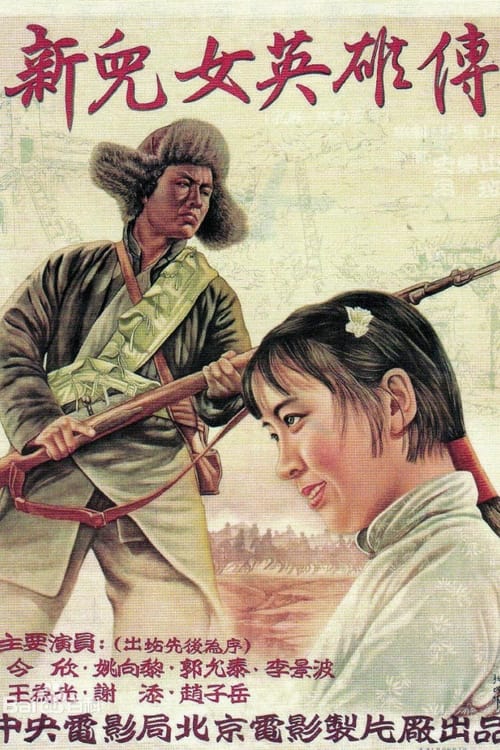
During the early War of Resistance Against Japan in Baiyangdian, Hebei, the Yanling Squad, led by Communist Party member Hei Lao Cai, conducted effective guerrilla warfare. Yang Xiaomei, fleeing abuse from her husband Zhang Jinlong, joined the squad and developed feelings for farmer Niu Dashi. Zhang Jinlong, unable to change, defected to the Japanese. As Japanese sweep operations intensified, Xiaomei, Dashi, and Zhang Jinlong faced different paths in the conflict.
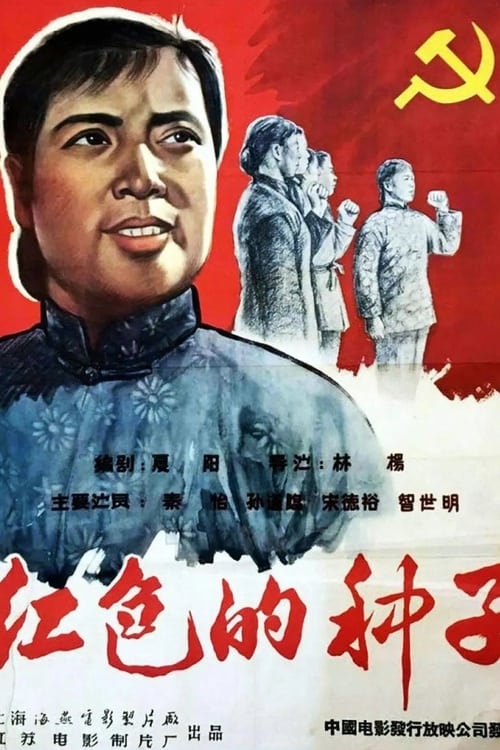
On orders from the command, the wife of the commander of the 4th Army, Hua Xiaofeng, infiltrates enemy lines to establish contact with an underground organization and rally the masses to take up arms against the Kuomintang. Under difficult conditions, risking her life, the young woman carries out her combat mission. The red seeds she sows among the people sprout—the peasants help the 4th Army defeat the Kuomintang.
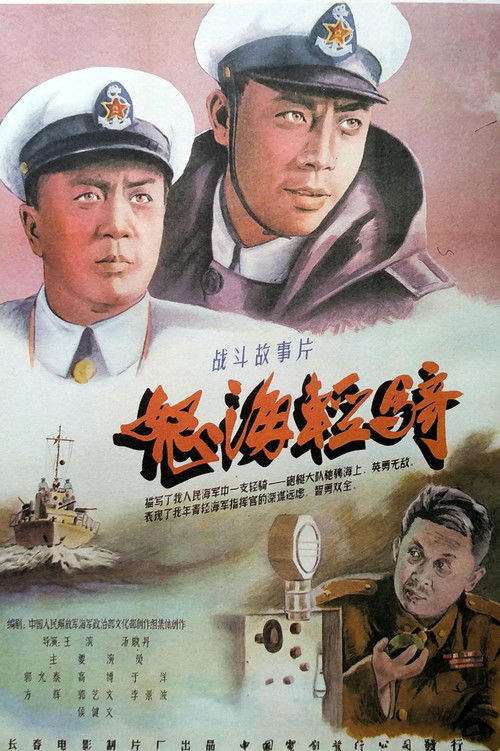
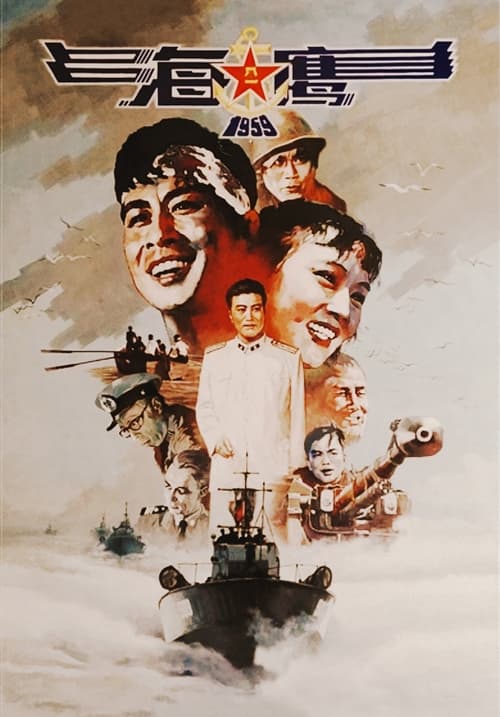
A film about the expulsion of the Kuomintang from the coastal islands of the People's Republic of China. In the early 1950s, with the aim of liberating Woyushang Island, the naval base headquarters sent the Third Artillery Squadron, commanded by Longjiang Li, to reconnoiter the enemy's firepower deployment. With the help of local fishermen, they defeated two enemy reconnaissance groups, demoralizing the enemy. The enemy transport ship left Chinese territorial waters. The political instructor led the artillery squadron to intercept the enemy ship to prevent it from bringing in reinforcements. As a result, the navy and air force launched a coordinated operation and liberated Voyushang Island.
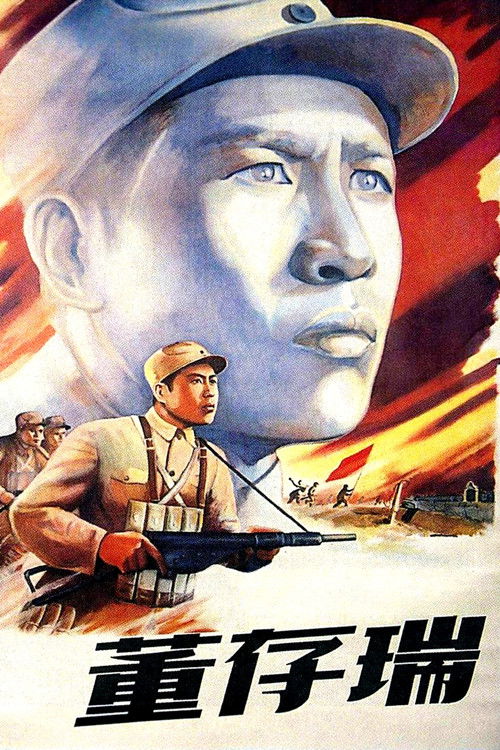
This war film tells the story of a martyr who gave his life in order to save his comrades. It pays tribute to Dong at the same time as it glorifies the communist revolution and provides a model hero for the audience to emulate.
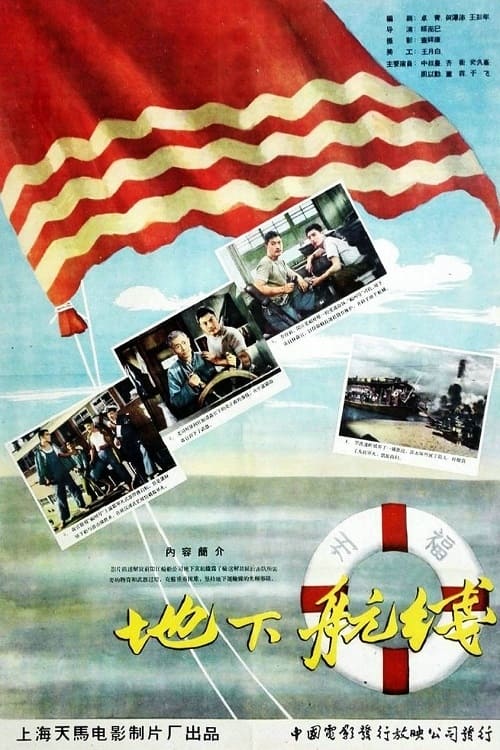
The Min River is crucial for Fujian Province’s economy. In 1947, Lin Sen Guan, a Communist Party member and driver of the “Fuzhou” steamship, smuggled weapons and radios to a guerrilla base with fellow party members. The enemy, led by transportation inspector Wang Xun, sent spy Li Boguang to monitor them. Lin Sen Guan tricked Li Boguang, but the spy later discovered the weapons. Lin Sen Guan pushed him into the water, witnessed by helmsman A Wang, who refused to reveal the truth despite enemy pressure. The underground party decided to transport remaining weapons to the guerrilla zone. The “Fuzhou” set sail, followed by enemy ships. Near Luohan Tan, a guerrilla team unloaded the weapons. The enemy opened fire, but A Wang steered the “Minh River” into an enemy vessel, causing mutual destruction. The weapons reached the guerrilla zone, and Lin Sen Guan continued their underground efforts.
Twelve-year-old Hai Wa sends a secret letter containing Japanese military information to the Eight Route Army during the anti-Japanese war.
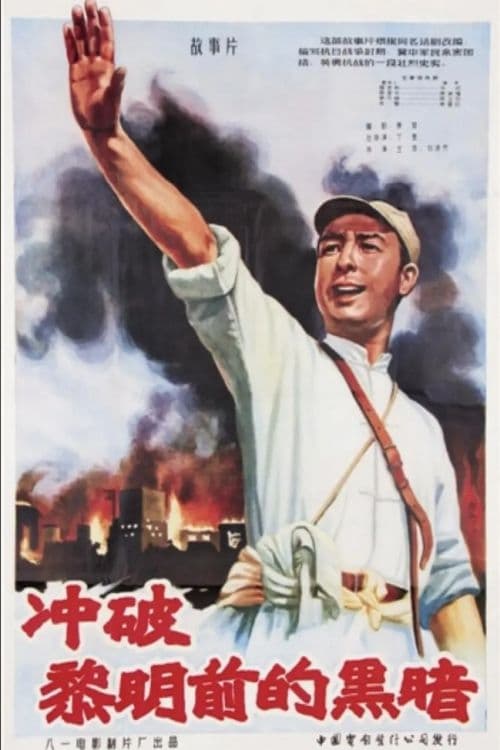
About May 1942, the Japanese elite mobilized thousands of troops to bases in central Hebei. A platoon of army troops were ordered to cover the transfer, the platoon leader was seriously injured. Yan Zhigang Li met his aunt and was saved. He led the soldiers with Qingsha Zhang, to fight the enemy , remove and destroy the enemy's guard towers and to break their cruelty.
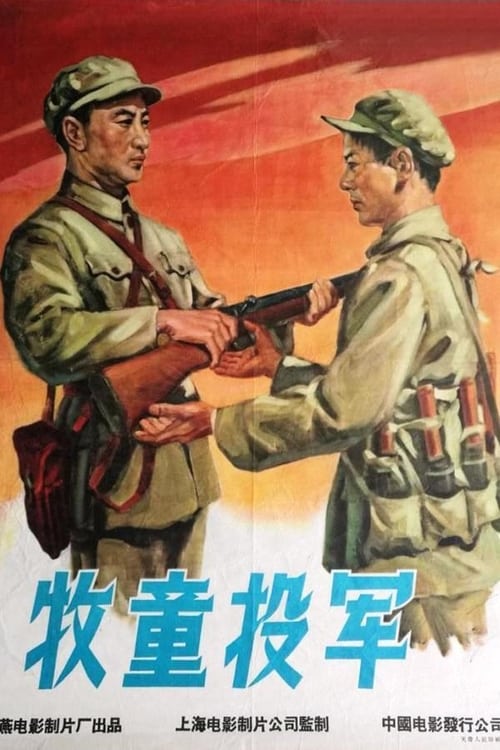
The story of fifteen-year-old shepherd Gu Xiao, who ran away from his landlord to the mountains. There he met scouts from the People's Liberation Army and helped them find the right path. The shepherd then took part in an important combat operation. For his courage and resourcefulness, Gu Xiao was enlisted into the ranks of the soldiers at the request of the company.
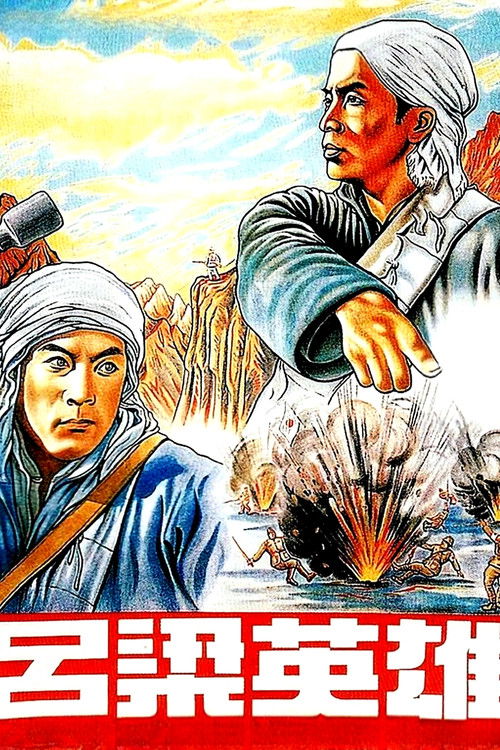
Militiaman in Lü Liang Shan actively organize to fight enemies.
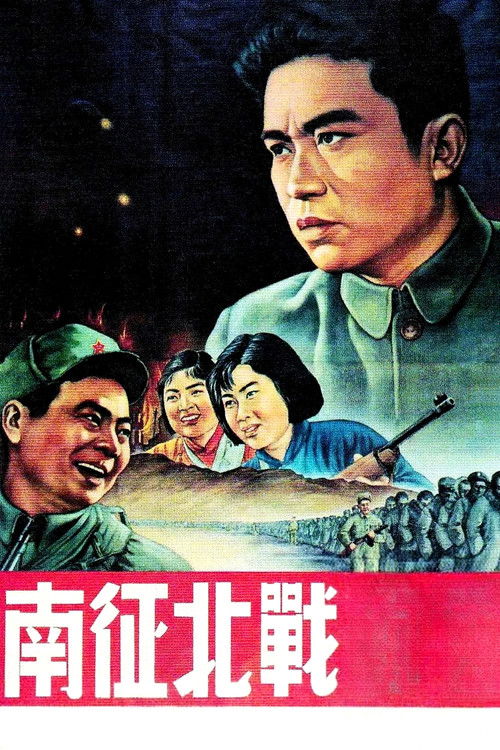
In 1947, the Chinese Red Army sets a trap for the Nationalist forces in Jiangsu province.
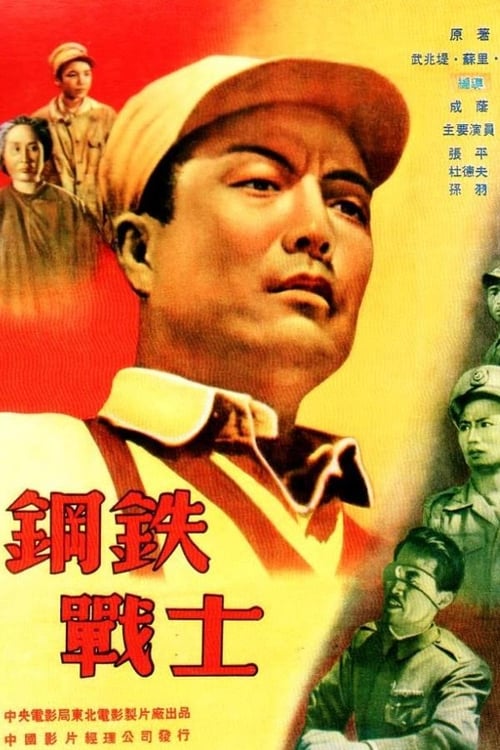
The film shows a soldier - the defender of his people, his native land, convinced of the righteousness of the cause for which he is fighting, not sparing his life, longing to free his homeland for work and a peaceful life.
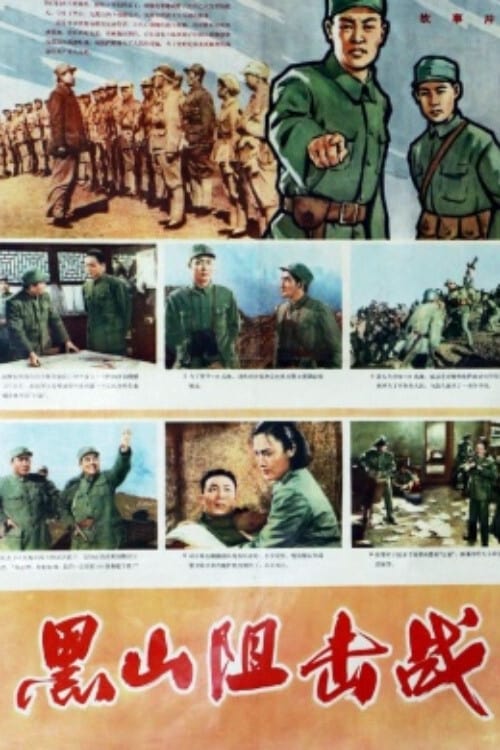
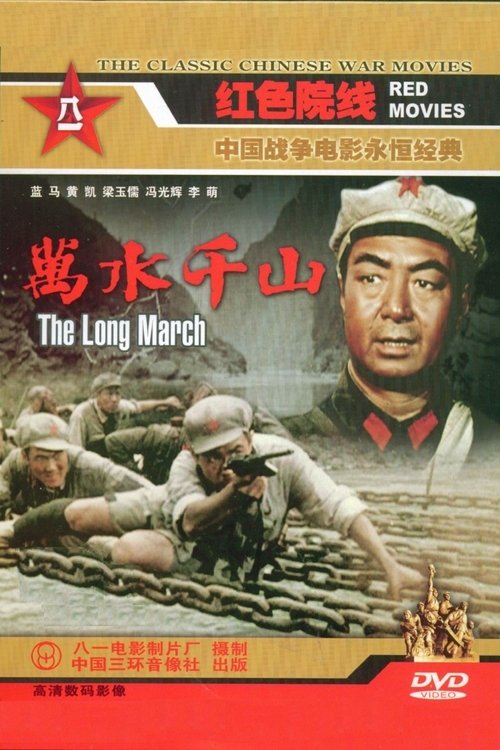
A general depiction of the famous 1930's Long March of the Chinese Red Army.
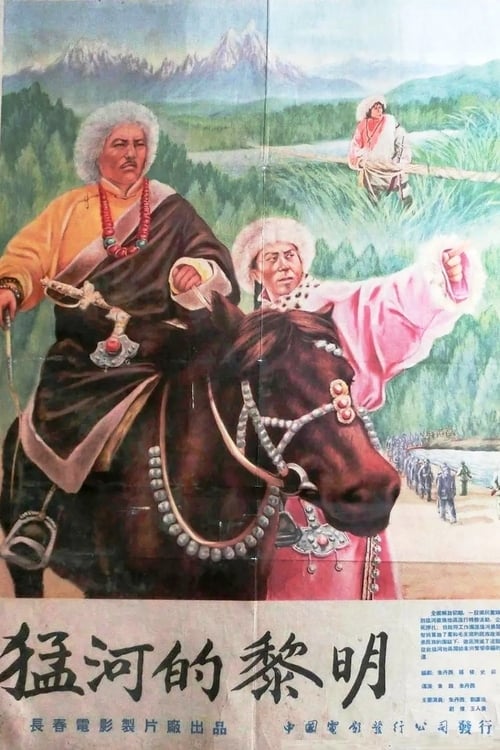
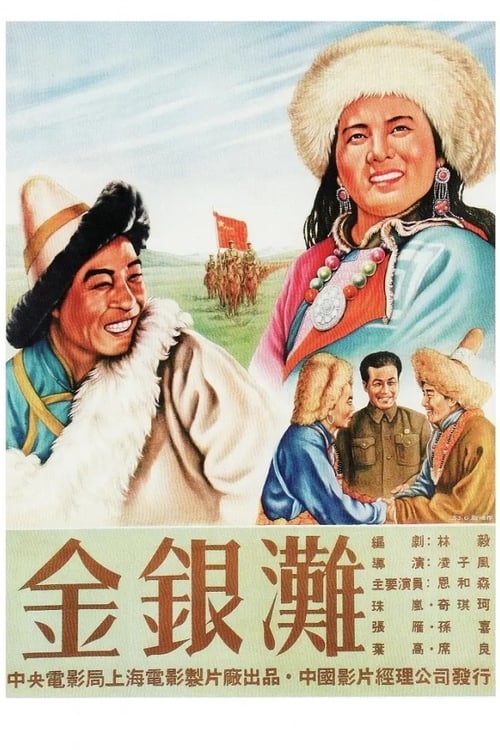
In the early days of liberation, Kuomintang remnants fled to the Menghe Tibetan region. The government sent Chen Shaohua’s political work team to secure local chieftain Luobu Danzeng’s help against the enemy. Spy Xie Chunfu deceived Luobu Danzeng, causing conflict between the Menghe and Wari people to undermine the Communist Party and plan a counter-revolutionary uprising. Chen Shaohua implemented ethnic policies to win Luobu Danzeng’s support and investigated the spies’ activities. Xie attempted to poison steward Lang Jie, but Lang Jie discovered the plot. Nationalist spies threatened Luobu Danzeng to detain the work team. Chen Shaohua sent Xiao Li and Dali Jie to the military division. The People’s Government advanced into Menghe, prompting Xie to assassinate Lang Jie to eliminate witnesses. Before dying, Lang Jie exposed Xie’s plot to Luobu Danzeng, who apologised and cooperated with the People’s Liberation Army to eliminate the remnants.
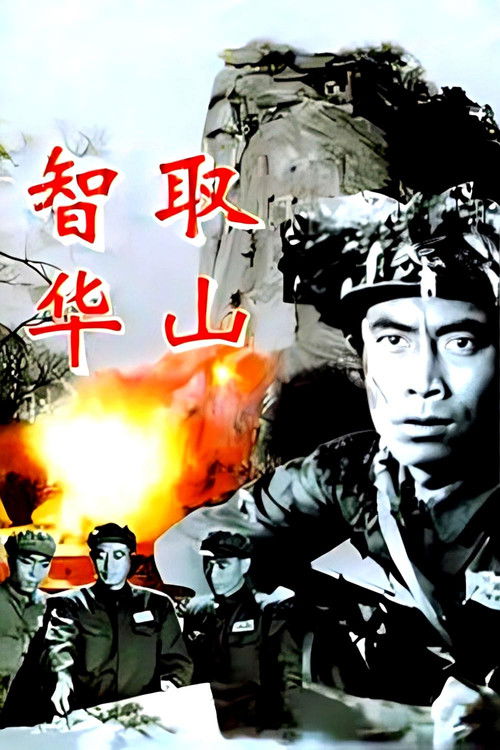
After the major campaigns, the Liberation War’s focus shifted to the northwest. Hu Zongnan retreated south, and Fang Zhiqiao led his remnants to Mount Hua, known for its rugged terrain. Fang deployed forces at key passes, but a military intelligence officer, with herbalist Chang Shenglin’s help, cut off enemy communication by reaching the North Peak. A political offensive led to the surrender of the enemy at Qianshi Zhuang, controlling all passages between the North and West Peaks. Trapped, Fang Zhiqiao’s troops, with shattered morale, launched a futile counterattack, leading to his despairing lament.
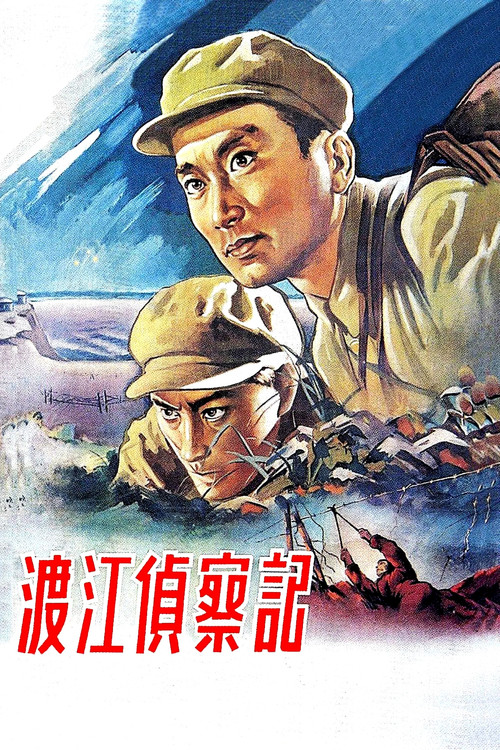
In the spring of 1949, a war is about to happen between the Liberation Army and Kuomintang Army on the Yangtze River. The Liberation Army dispatches a reconnaissance to scout the southern parts of the River, whose work is actually full of hardships and dangers. However, with the help of the local crowd and the guerrillas, finally, the members of the reconnaissance succeed in the commission and offer valuable information to the Liberation Army, making great contributions in the war.
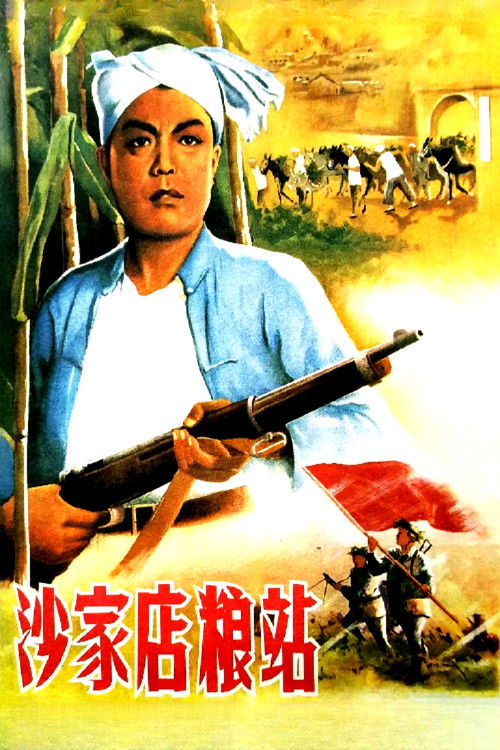
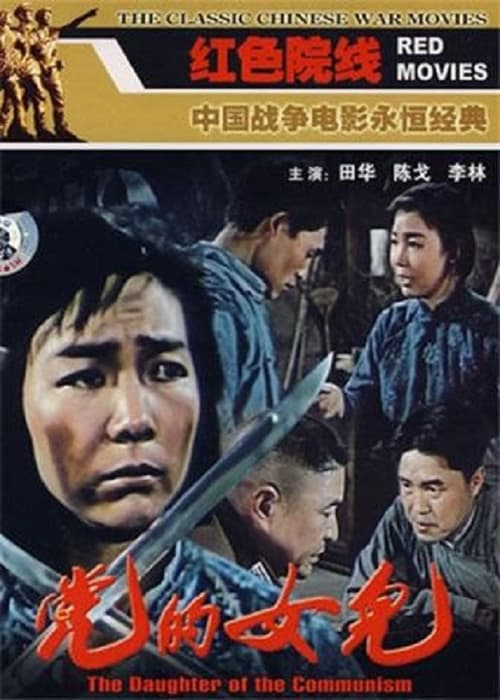
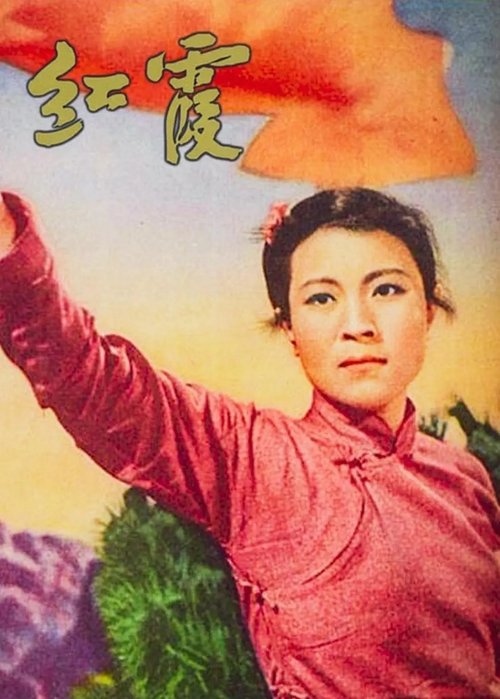
The story of Yu Mei, a female communist who sacrifices her life for the good of her people.
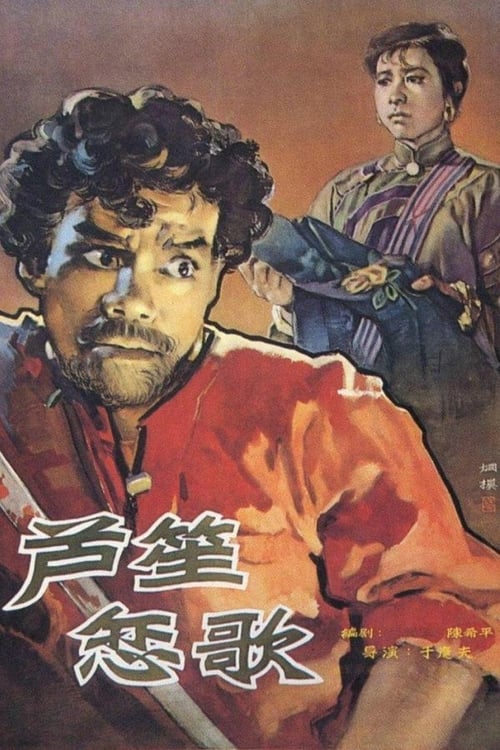
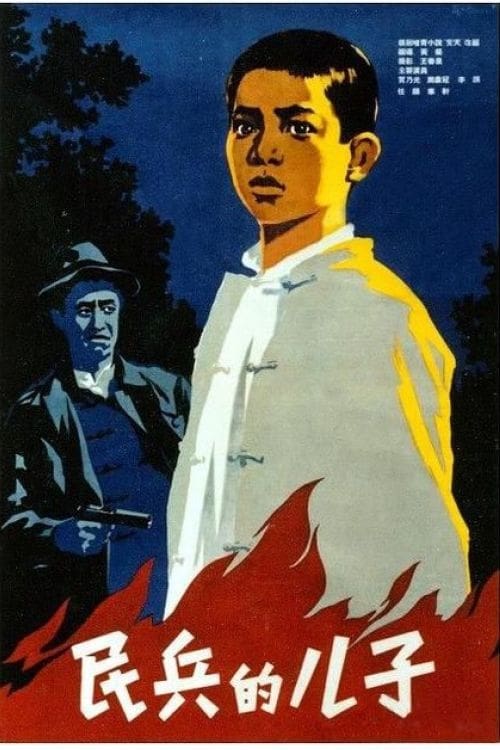
A spy story during libertion war somewhere in Jiaodong, China.
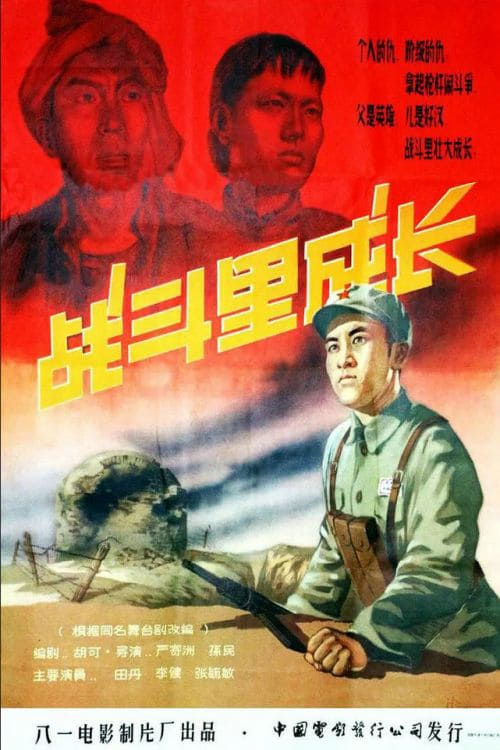
After being swindled out of his land by a local landlord in 1930s China, a grandfather commits suicide. His son burns down the landlord's house in a fit of rage, then escapes to join the PLA. His grandson later joins the PLA too in the 1940s to avenge his father, grandfather and mother.

Based on the story of Li Zhong about the struggle of Chinese volunteers on the Korean front on the side of the North Korean defenders of the homeland. In the center of the film is the family of the deceased volunteer Yong Qing.
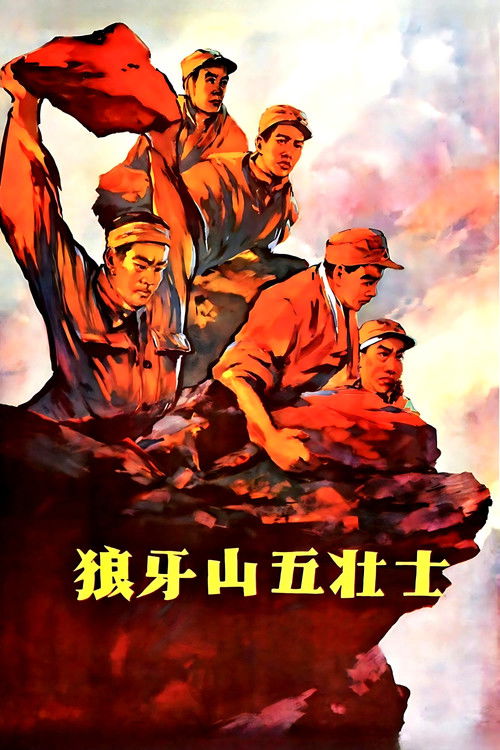
Five soldiers of the Eighth Route Army fight heroically to cover the evacuation of local people from border area between Shanxi and Hebei provinces as the Japanese attack.
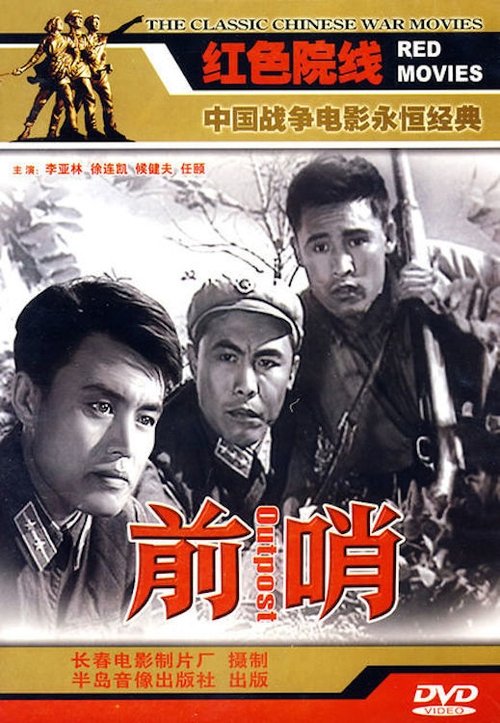
In the 1950s, an army reconnaissance group finds an enemy spy organization lurking in a coastal town in southeast China intending to collect military intelligence.
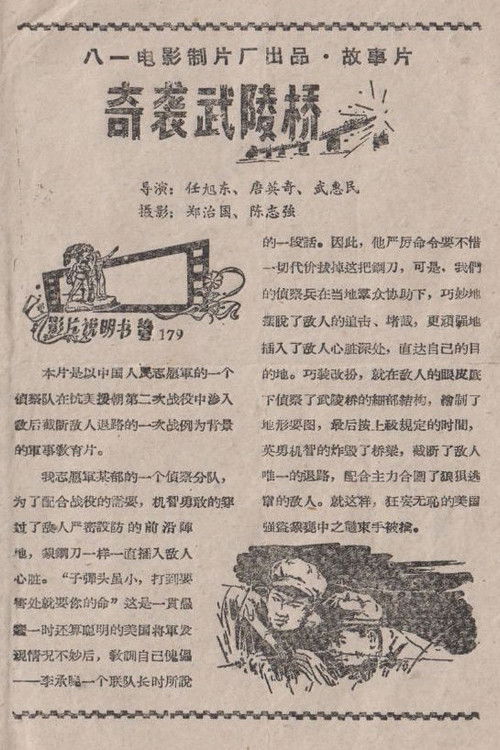
War film about the attack of Wuling Bridge during the Korean war. This was the original version made as a military educational film, later remade as a standard drama Qi Xi (奇袭, 1960) for the general release.

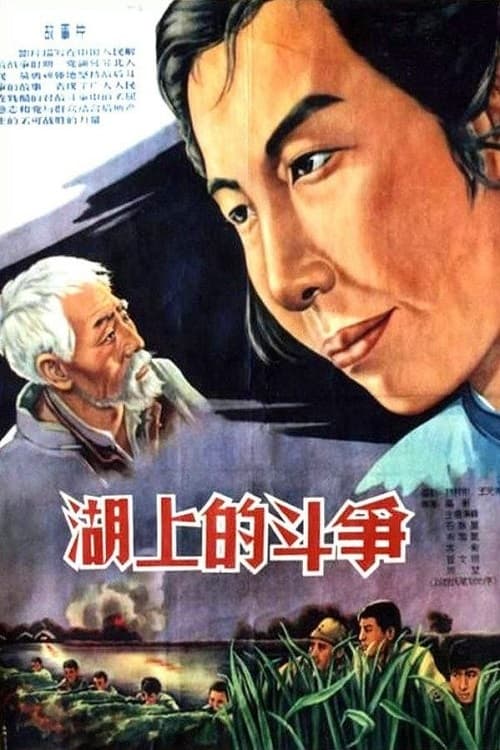
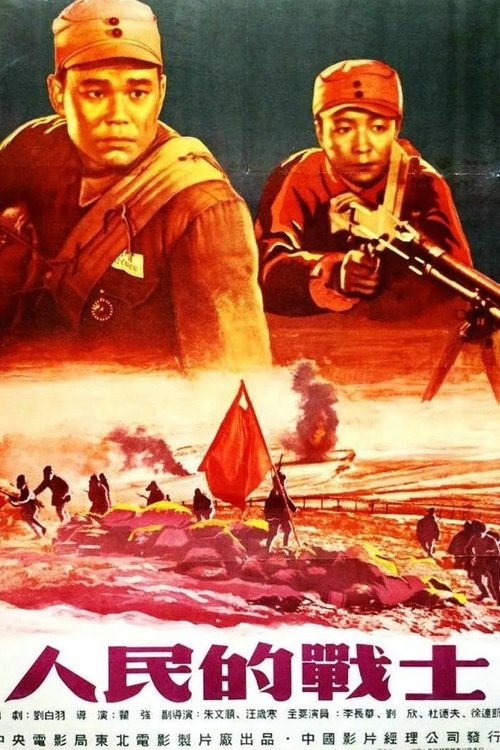
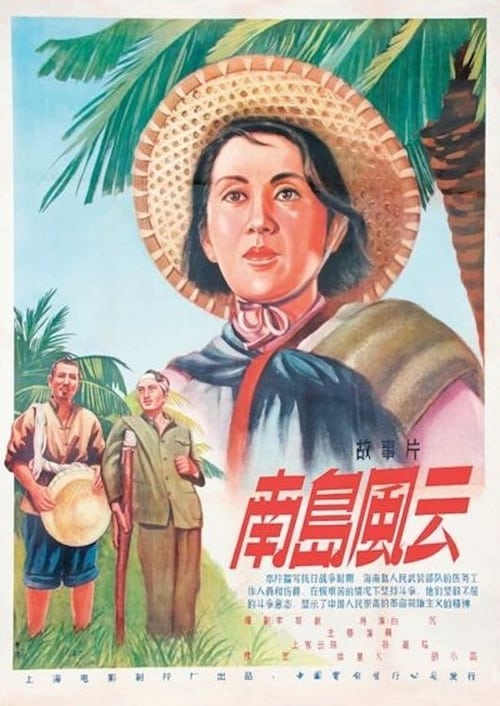
Soldiers stay in Hainan Island and fight Japanese invaders in harsh conditions.

To restore communications to the island of Hainan, the People's Army sends scouts across the Palm Grove Strait to the Leizhou Peninsula, where the detachment radio station was located.
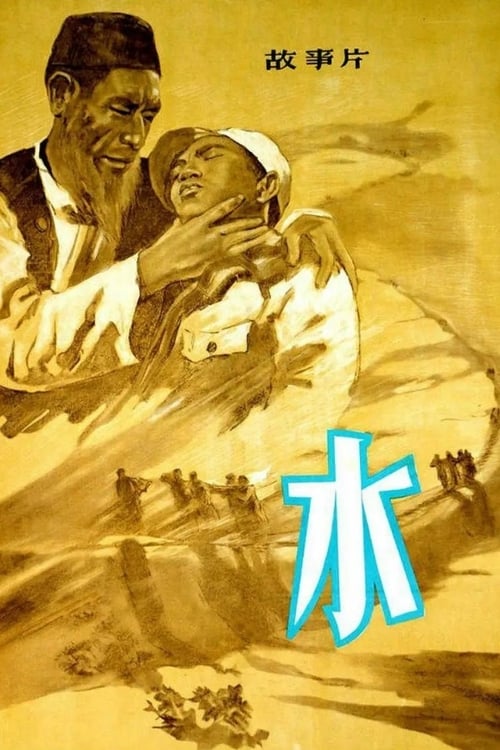
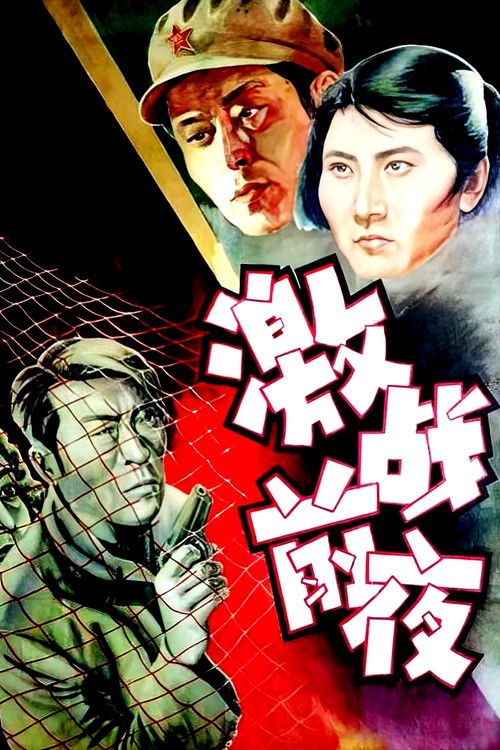
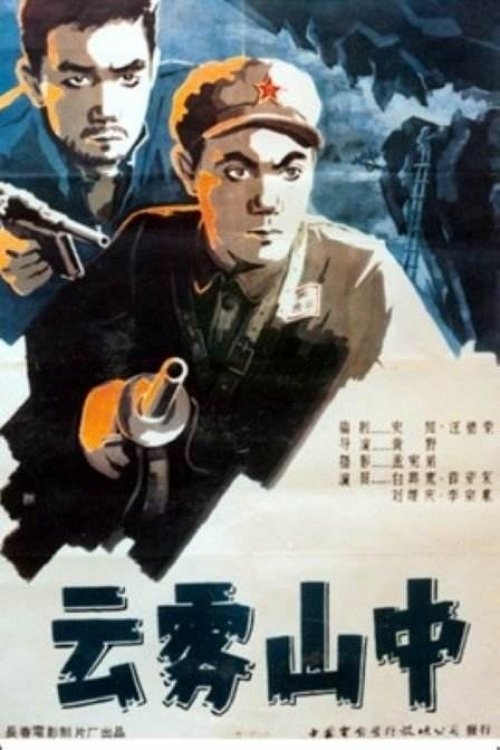
Set in the 1950s, the PLA exterminates residual bandits in the Yunwushan Mountain.
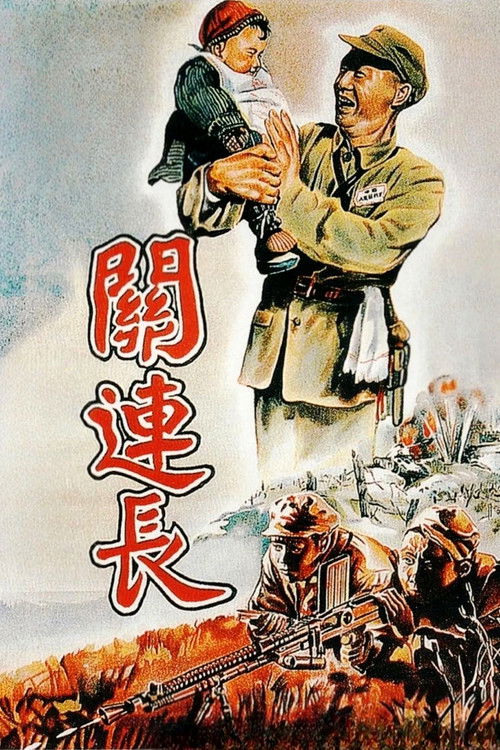
A platoon commander gets the order to destroy the enemy's command center within three hours. However, the headquarter is located in an overcrowded orphanage.