
In 1924, Oskar Matzerath is born in the Free City of Danzig. At age three, he falls down a flight of stairs and stops growing. In 1939, World War II breaks out.
The Tin Drum
7.0 1979
20 Matches Found
In 1924, Oskar Matzerath is born in the Free City of Danzig. At age three, he falls down a flight of stairs and stops growing. In 1939, World War II breaks out.
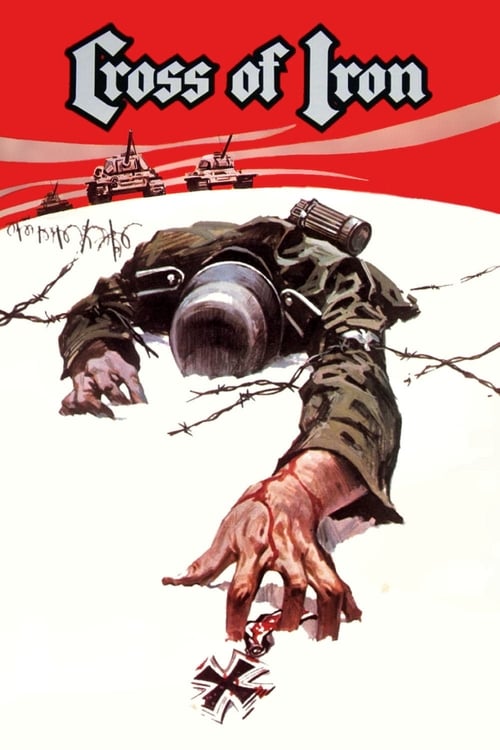
It is 1943, and the German army—ravaged and demoralised—is hastily retreating from the Russian front. In the midst of the madness, conflict brews between the aristocratic yet ultimately pusillanimous Captain Stransky and the courageous Corporal Steiner. Stransky is the only man who believes that the Third Reich is still vastly superior to the Russian army. However, within his pompous persona lies a quivering coward who longs for the Iron Cross so that he can return to Berlin a hero. Steiner, on the other hand is cynical, defiantly non-conformist and more concerned with the safety of his own men rather than the horde of military decorations offered to him by his superiors.

In the last days of WW2, women are volunteering from all over Germany to serve in the front lines by having sex with the brave Nazi soldiers. But when they start having sex with each other, things get complicated. Especially with the increasing danger from the revengeful Soviet army!

Starting in late May 1944, during the German retreat on the Eastern Front, Captain Stransky (Helmut Griem) orders Sergeant Steiner (Richard Burton) to blow up a railway tunnel to prevent Russian forces from using it. Steiner's platoon fails in its mission by coming up against a Russian tank. Steiner then takes a furlough to Paris just as the Allies launch their invasion of Normandy.

The armouring soldier and writer Werner Bertin is ordered to the Western Front to France during the First World War. The use before Verdun - with all the horrors of war in the period 1916/1917 - brings a fundamental change of consciousness for the academic from Berlin. The intellectual devoted to bravery by fate develops into a disappointed but rebellious being. He sees more and more the injustices of warlike conflicts and their social causes.
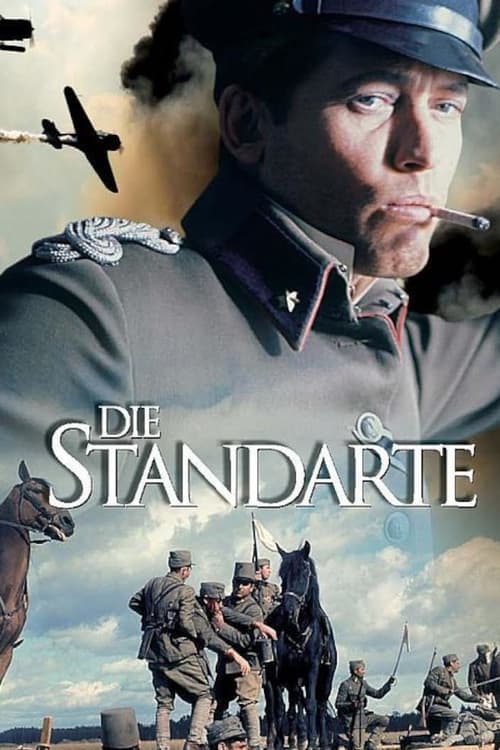
During the final days of the First World War, Officer Menis does his duty in defending the battle flag of the defeated Austro-Hungarian empire, while his fellow troops, a motley gang recruited from several different countries not loyal to the royal family, simply try to survive by any means possible.

French colonists in Africa, several months behind in the news, find themselves at war with their German neighbors. Deciding that they must do their proper duty and fight the Germans, they promptly conscript the local native population. Issuing them boots and rifles, the French attempt to make "proper" soldiers out of the Africans. A young, idealistic French geographer seems to be the only rational person in the town, and he takes over control of the "war" after several bungles on the part of the others.

When they start losing family members and neighbors due to WWII and the Nazi government's policies, a quiet married couple becomes disillusioned and begins spreading leaflets against the government - a crime punishable by death.

A five-man US fireteam dig in at the Bon Song Valley (represented by the Bavarian forest) to await the end of the Easter truce with the Vietnamese. A Vietnamese girl passes by and the team rape and kill her. One refuses to take part and escapes to report the incident, but it is dismissed by his superior.

A structure-free, four-part examination of the rise and fall of the Third Reich. Each part explores a different topic, from Hitler's cult of personality in propaganda to how said propaganda was associated with pre-Nazi German cultural, spiritual, and national heritage to the Holocaust and the ideology behind it, particularly from Himmler's point of view.

The movie depicts the events from July until September of 1914 which led to the defeat of the German troops at the Marne. While Sebastian Haffner explains and comments on operations and decisions on the basis of situation maps, key scenes are depicted by actors. A main focus is thereby placed by Haffner onto the controversial mission of lieutenant-colonel Richard Hentsch who is said to have, during a war patrol to the various army high commands, contributed to the abortion of the operations significantly.
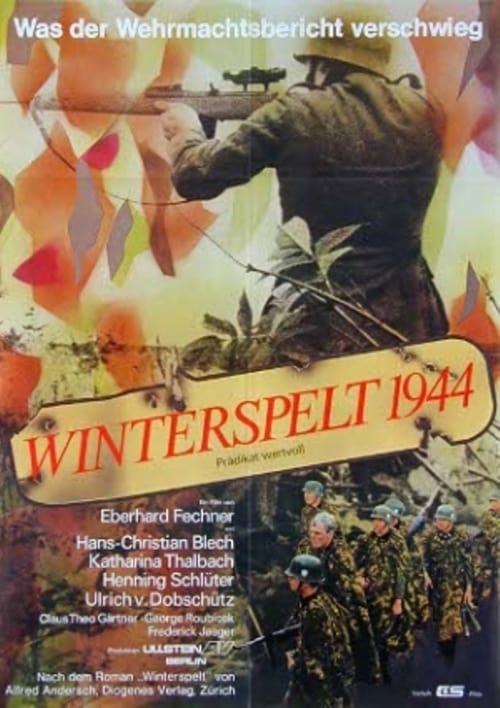
In the Second World War, spring 1944: shortly before the planned Ardennes offensive, Germans and Americans stand waiting on the German-Belgian border. The small Eifel village of Winterspelt threatens to become the scene of a bloody battle. A German officer comes up with a plan to hand over his battalion to the Americans without a fight. He finds support from three inhabitants of the small village, who help him to present his offer of surrender to the Americans, which they ultimately reject.

A countess loves her brother's Prussian-officer friend in the 1919 Baltic area.

Switzerland 1523. The mercenary Hansli Gyr returns with his soldiers from Italy to his home in the Oberland. They have fought for the Pope and now find a religious upheaval in Switzerland.
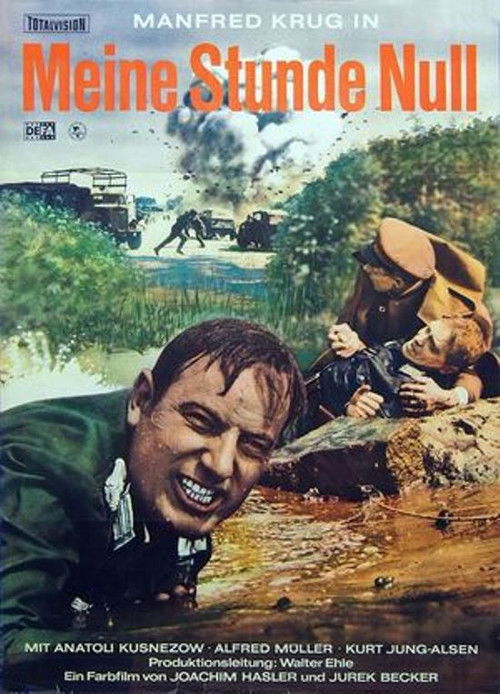
Germany in 1943. The Berlin worker Klaus Hartung is deployed as a soldier to the Eastern front during World War II. During a tour, he is captured by a Russian patrol. While in captivity, Hartung comes to the conclusion that he has to come through and actively take part in the effort to end the war. He consents to abduct a German officer together with two Russian soldiers. During their adventurous mission, the men who at first had been enemies, become sincere friends.
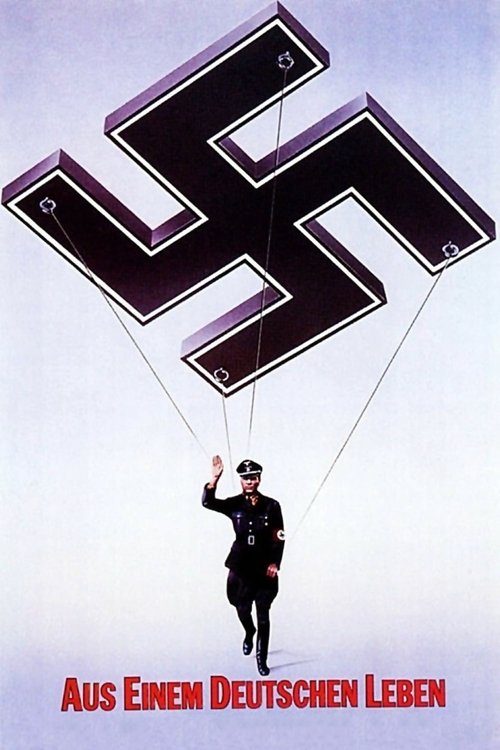
A biography of Auschwitz commander Rudolf Höss.
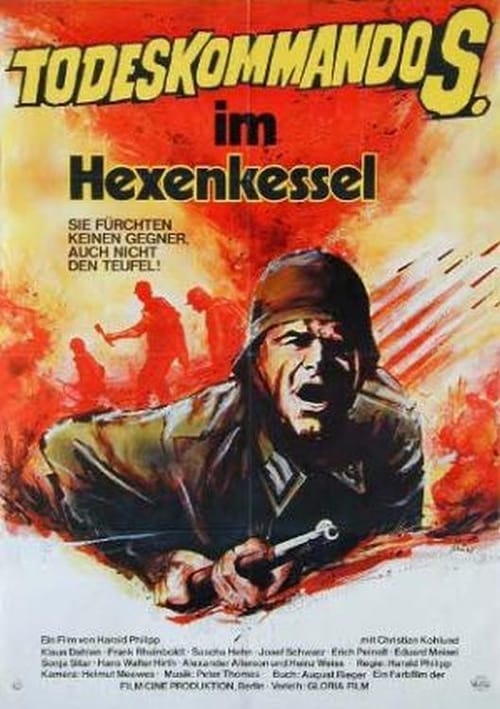

Film about a group of young nazi terrorists commiting crimes after the end of World War 2.
France at the end of the Second World War: In order to lure the German soldiers hiding in Normandy out of their hiding places, Captain Eglow sends Aryan-looking women to penetrate areas where the soldiers cannot go.