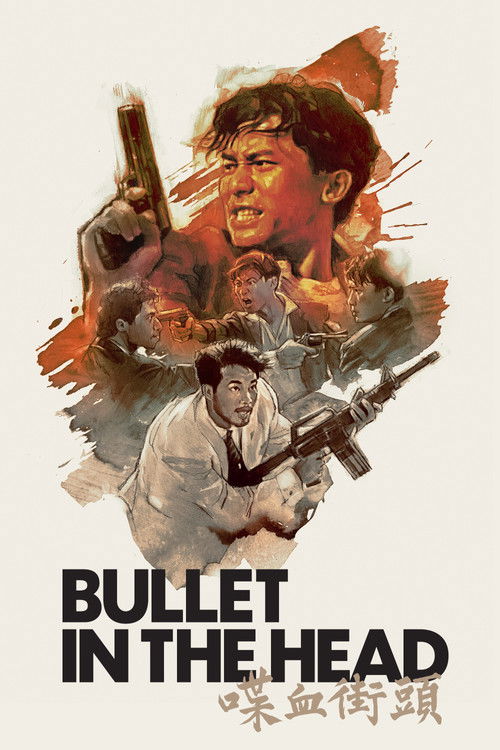
Three childhood friends from the slums of Hong Kong flee to war-time Saigon after accidentally murdering a gang leader, but their troubles only escalate.
Bullet in the Head
7.6 1990
82 Matches Found
Three childhood friends from the slums of Hong Kong flee to war-time Saigon after accidentally murdering a gang leader, but their troubles only escalate.

In 370 B.C, China was separated as seven nations and several other small tribes, one of these being the city state of Liang. The nation of Zhao is led by the terrifying Xiang Yangzhong who orders his troops to conquer the small city. Leaping to the defense of the people of Liang is 'Ge Li' from the Mo-Tsu tribe, their last hope from the terrors of Yangzhong's troops.

A squad of the Jiaolong Commando Unit - Sea Dragon, a spec ops team of the Chinese Navy, carries out a hostage rescue operation in the nation of Yewaire, on the Arabian Peninsula, and fiercely fights against local rebel groups and Zaka, a terrorist organization.
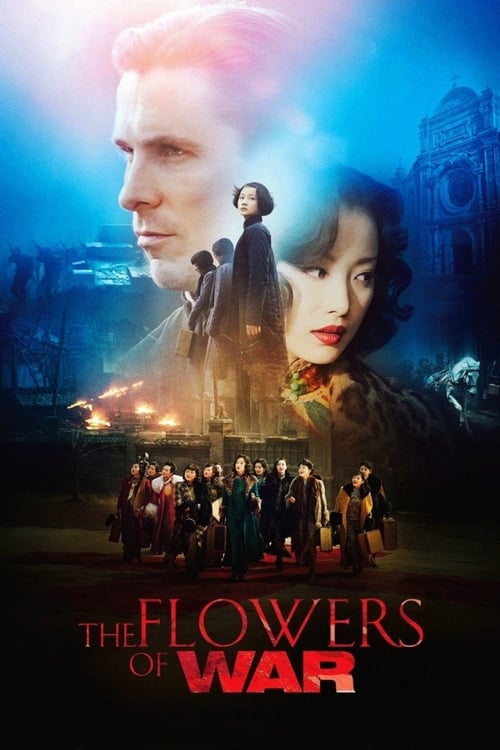
A Westerner finds refuge with a group of women in a church during Japan's rape of Nanking in 1937. Posing as a priest, he attempts to lead the women to safety.

Yang Zirong disguises himself as a bandit to infiltrate and destroy a bandit group. He joins hands with a hostage, and together, they fight against the warlord, Hawk.
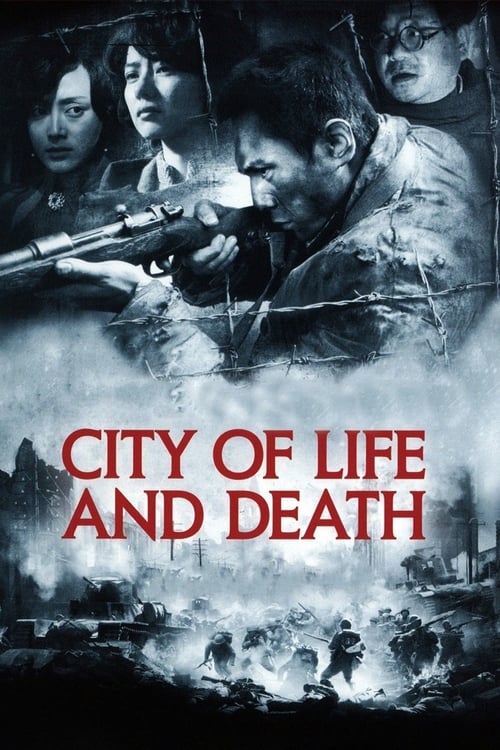
In 1937, during the height of the Second Sino-Japanese War, the Imperial Japanese Army has just captured Nanjing, then-capital of the Republic of China. What followed was known as the Nanking Massacre, or the Rape of Nanking, a six week period wherein tens of thousands of Chinese soldiers and civilians were killed.
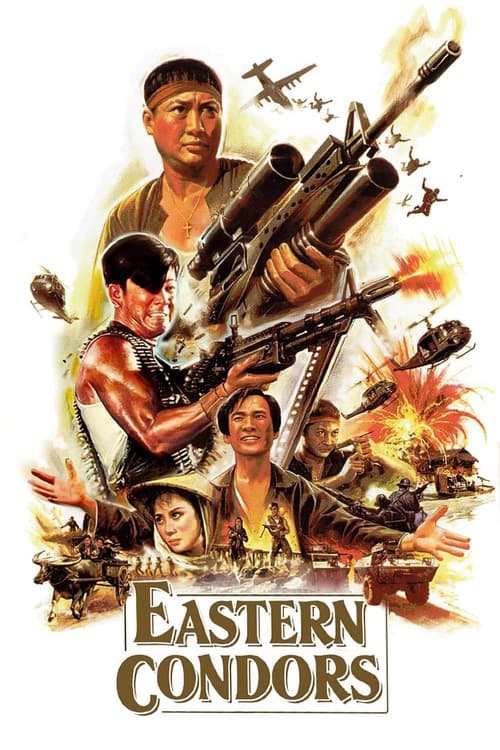
A motley group of Chinese prisoners held in the US is sent on a covert mission with the promise of a pardon: to go deep into Vietnam and destroy a secret depot of missiles that the US left behind during the pull-out.
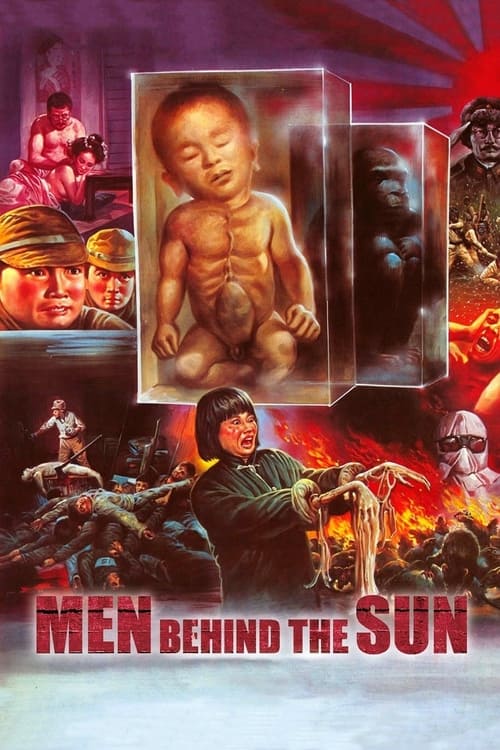
Japanese troops round up Chinese and Russian prisoners of war and take them to unit 731, where they're horribly tortured and experimented on to test new biological weapons.
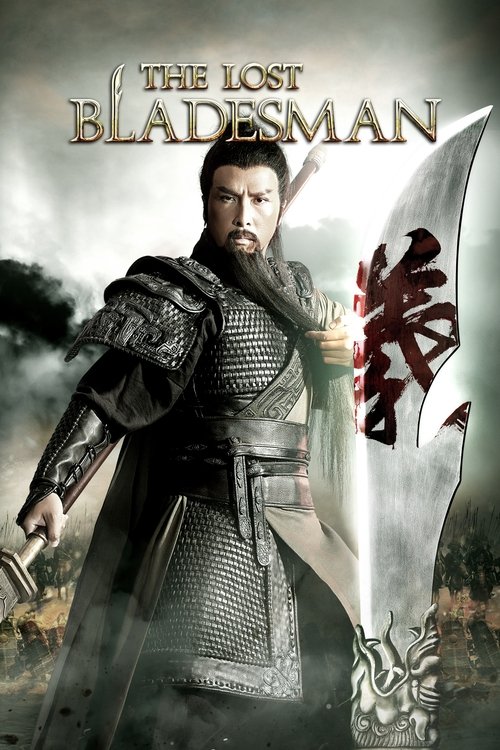
During the warring period of the three kingdoms, ancient China is in turmoil. To unify the country, general Cao Cao, the real power behind the Emperor, enlists the aid of the greatest warrior in the land, Guan Yu. However, Guan Yu is a loyal friend of Cao Cao's enemy Liu Bei so to persuade the peerless warrior to fight, Cao Cao takes his beloved Qi Lan hostage. After leading Cao Cao's forces to victory Guan Yu sets out with Qi Lan to rejoin Liu Bei. Now Cao Cao has deemed him too great a threat to live, and on the journey he must face all the forces at the Emperor's command sent to destroy him.
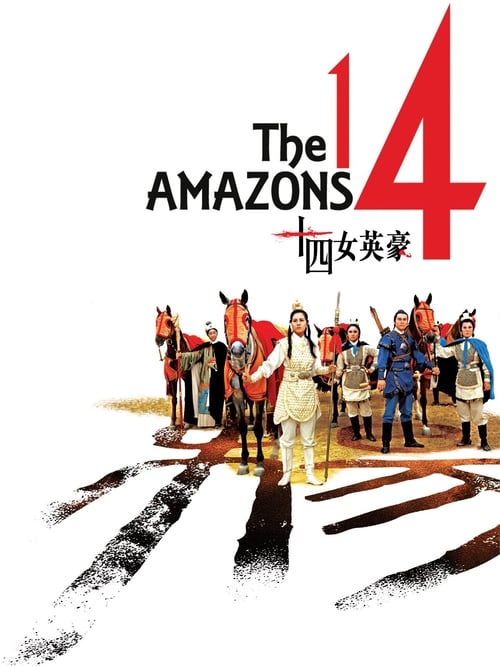
The Yang family, men and women, have served their country loyally for generations. During the war General Yang is ambushed and killed. His widow and the entire family set out to avenge his death and defend the country.
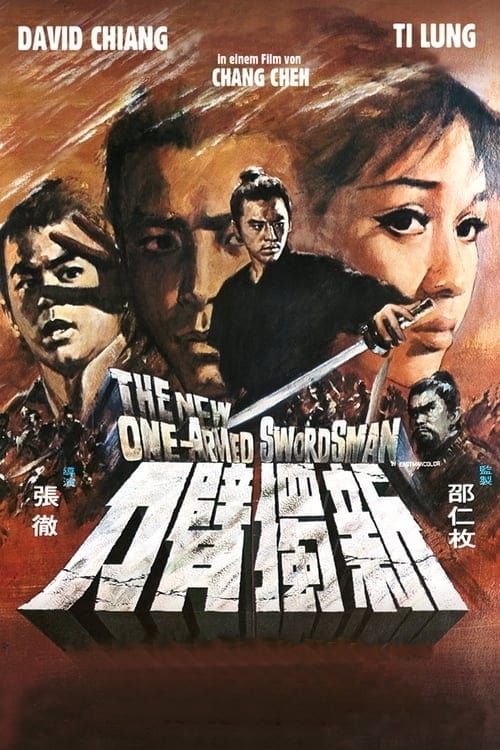
Lei Li lost his right-arm in a sword duel with the master of a martial arts school, long ago. Now, he is able to defend himself well with just his left arm, and kung fu techniques. That he proves with just the help of his friend Chung-Chieng, when he crosses his path with a beautiful girl in need, Pao Chiao. Even against impossible odds, he will prove a great warrior.
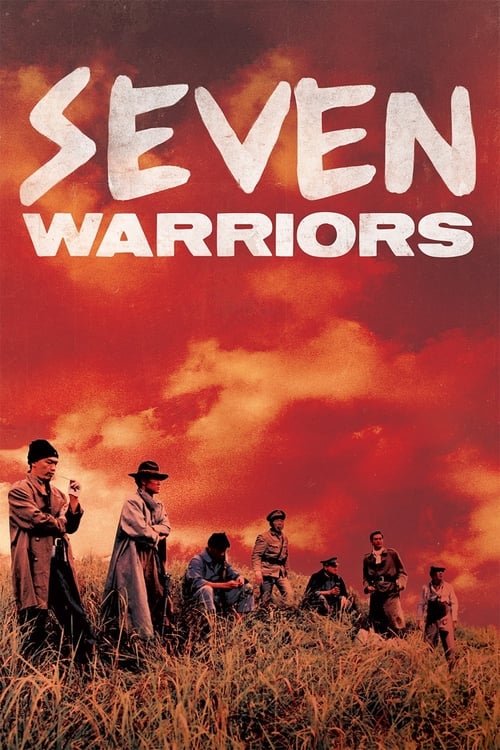
In the early 1920's of China, seven former soldiers band together to defend a helpless village against a group of vicious bandits in this Hong Kong remake of Seven Samurai.
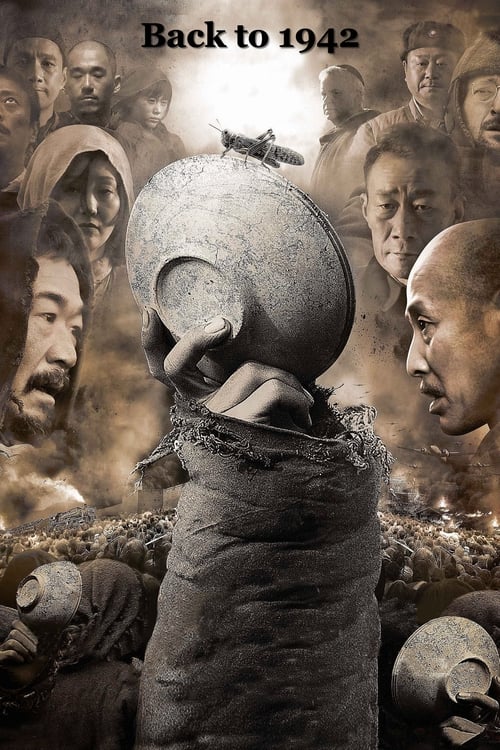
In 1942, Henan Province was devastated by one of the most tragic famines in modern Chinese history, resulting in the deaths of at least three million men, women and children. Although the primary cause of the famine was a severe drought, it was exacerbated by locusts, windstorms, earthquakes, epidemic disease and the corruption of the ruling Kuomintang government.
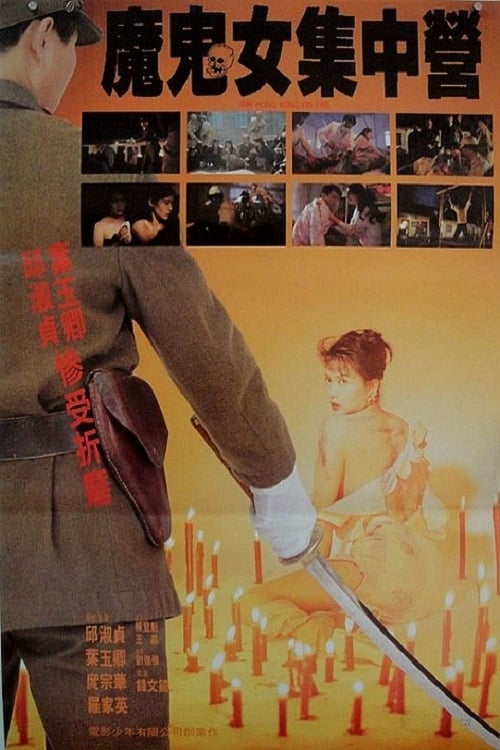
A family suffers at the hands of the Japanese during the occupation of Hong Kong. On December 25, 1941, the Japanese army occupied Hong Kong. The pawnshop owner, Luo Kai has three daughters, the eldest daughter Wangdi, the second daughter Xindi, and the youngest daughter Aidi. When the Japanese army captured Kowloon, Aidi was violently tortured by the Japanese army and suffered a mental disorder. Xindi followed his lover Shen Fang to rescue the wounded in the temporary hospital. In order to curry favor with the Japanese army, Luo Kai did not hesitate to sacrifice his eldest daughter Wangdi. However, not long after he became a traitor, his second daughter Xindi was attracted by a Japanese military officer. Luo Kai finally couldn't bear to fight against Wangdi to stop him. In the chaos...
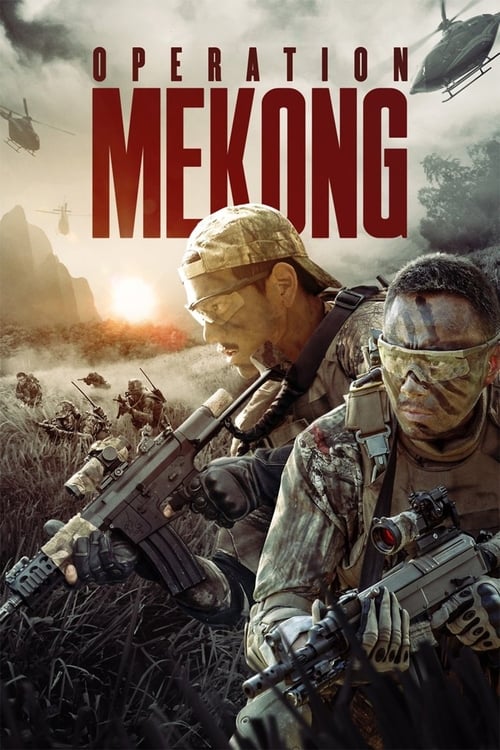
The Chinese government launches a daring operation to arrest a violent drug cartel following the discovery of thirteen Chinese crew members' bodies on two ships sailing through the Mekong River.
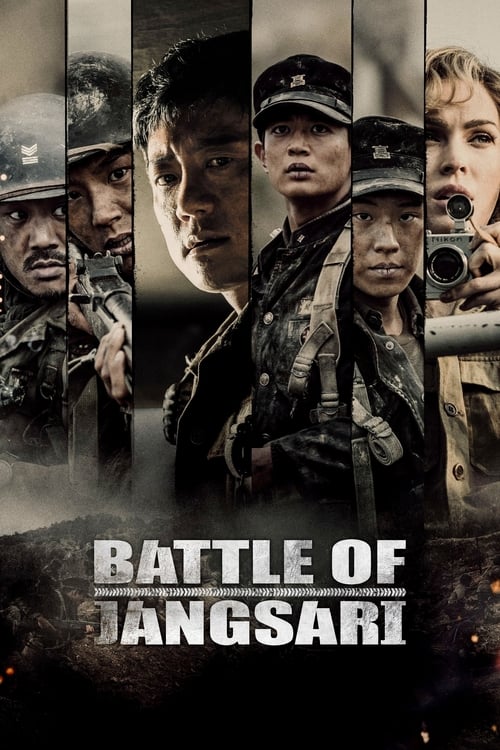
Korean War, September 1950. In order to fight the enemy forces based in the South of the peninsula, General MacArthur orders the start of the Incheon Landing Operation, deploying diversionary attacks in other locations. Without real military forces to spare, 772 very young Korean student soldiers, barely trained, are sent to Jangsari Beach, where they will face a heroic fate and discover the value of friendship. (A sequel to Operation Chromite, released in 2016.)
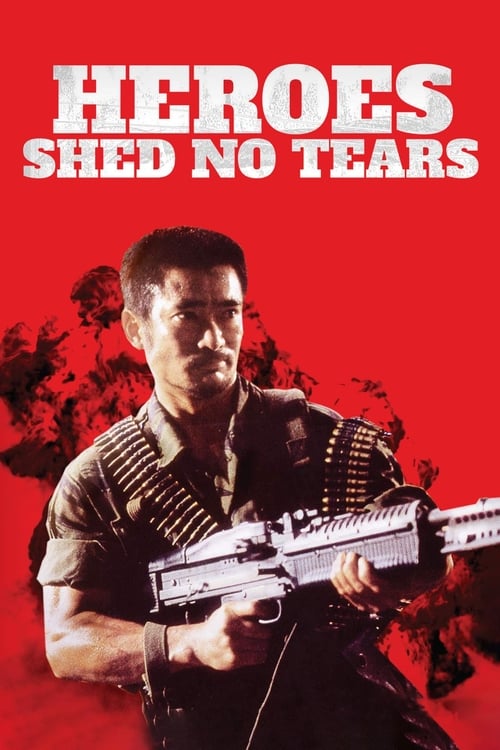
The Thai government hires a group of Chinese mercenaries to capture a powerful drug lord from the Golden Triangle. The mercenaries manage to capture the drug lord, but soon find themselves pursued by his forces, and the forces of a bitter Thai officer. The Chinese mercenaries are vastly outnumbered, and as their numbers begin to dwindle, their desperation pulls them into a corner as their enemies close in on them.

A railroad worker in China in 1941 leads a team of freedom fighters against the Japanese in order to get food for the poor.
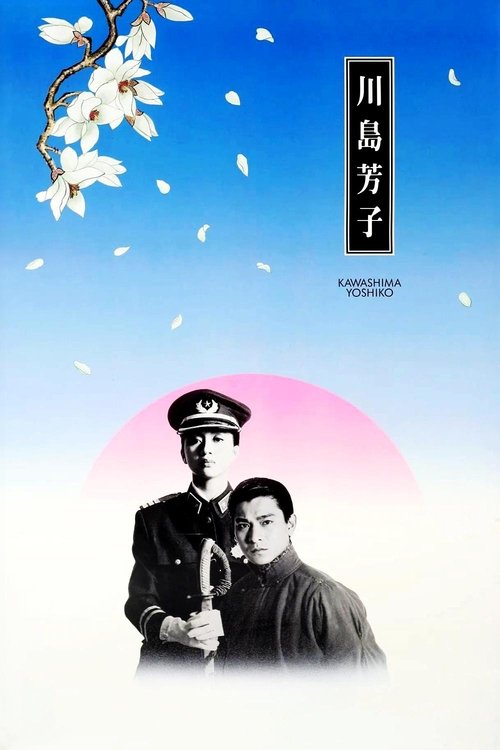
This film is based on the life of Kawashima Yoshiko, originally Manchu princess who was the 14th daughter of Emperor Xu, later brought up as a Japanese and served as a spy in the service of the Japanese Kwantung Army and Manchukuo during the Second World War.
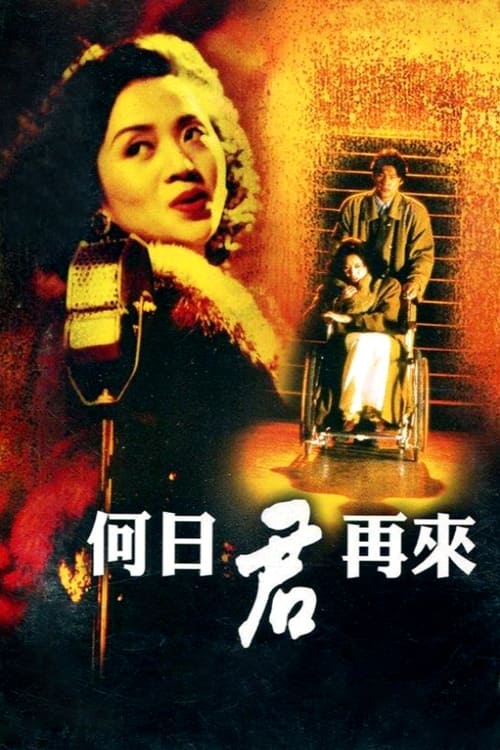
A tragic love story set against the always volatile and oftenviolent backdrop of Shanghai during the Japanese occupation and at the opening of the Pacific Theater of the Second World War. A nightclub singer becomes involved with both a member of the Chinese resistance and an officer of the Japanese army.
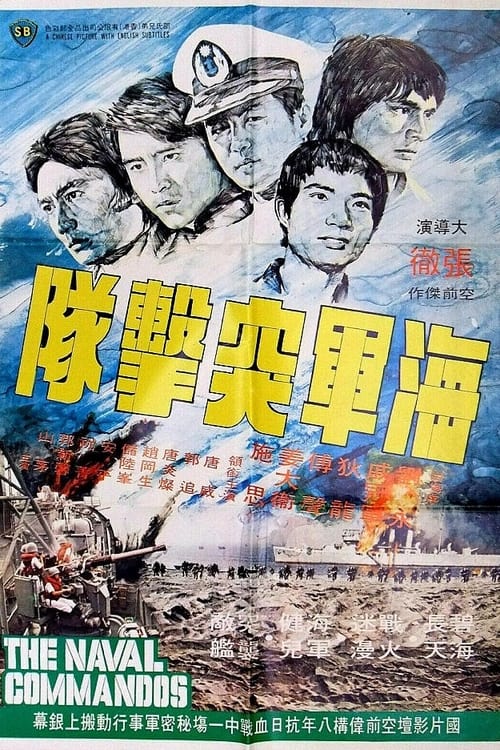
The "Godfather Of The Kung-Fu Film" created this rousing epic of a seemingly suicidal mission to destroy the Japanese Navy's flagship in 1937, featuring many great actors he had worked with over the years. Their courageous and desperate attempts to do just that comprise the remarkable action in this rousing epic, featuring some of the greatest actors Chang had ever made, was making, and would ever make famous. (IVL)
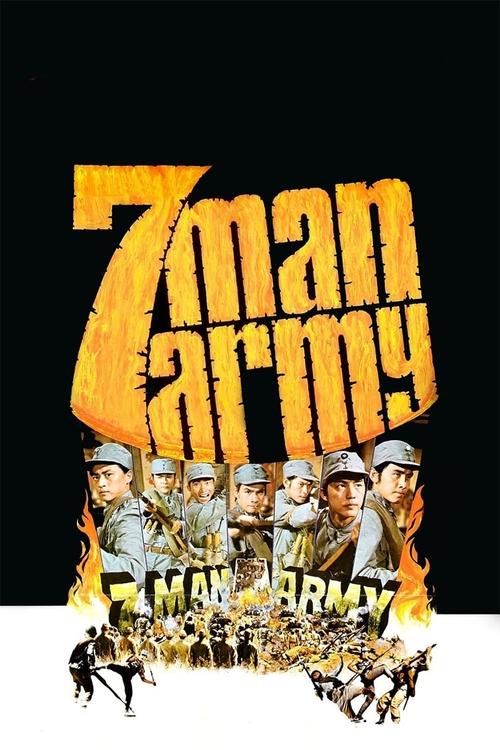
In 1933, 20,000 Japanese soldiers and 50 tanks invaded the Pa Tou Lou Tzu, a strategic key point of the Great Wall. With only seven men stationing, these heroes took on the entire army for five days before succumbing. Director Chang Cheh recreated this epic battle with his favorite cast including Ti Lung, David Chiang, Alexander Fu Sheng and Chen Kuan-tai, as a celluloid tribute to these nameless souls.
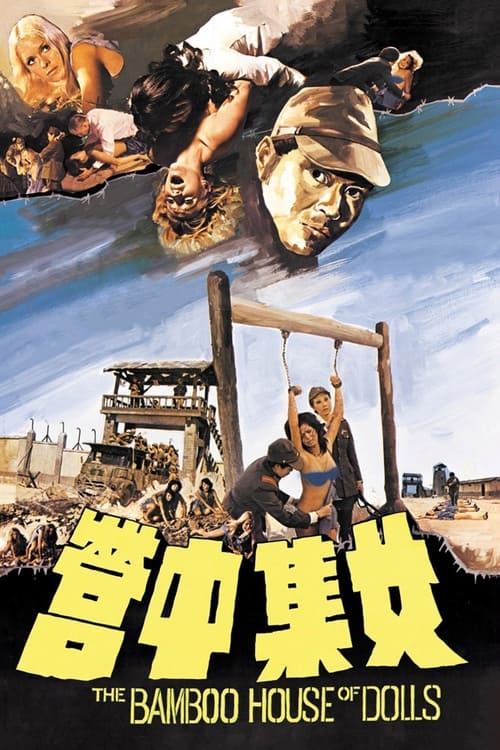
A nurse in a Japanese women's POW camp during World War II masterminds an escapee.
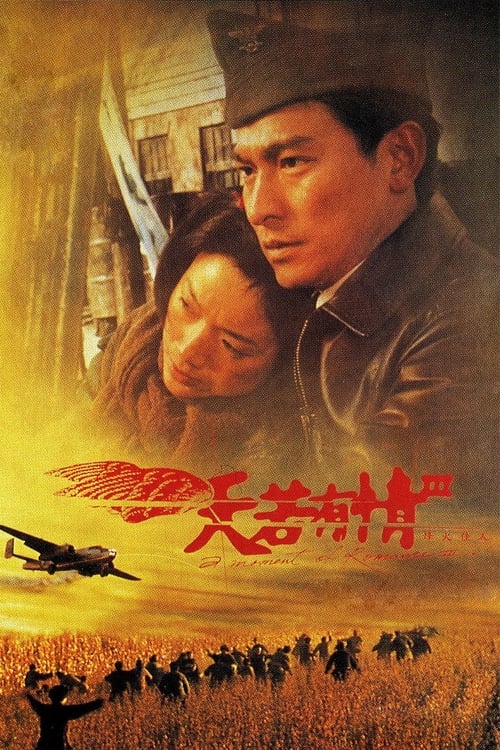
Lau Tin Wai is a fighter pilot in the Chinese airforce who is forced to ditch in a field; he is taken in by the remote community of farmers who nurse him back to health, here he meets Ting Siu Wo, a young woman who falls in love with him.

Years later, a woman narrates her personal story of the Japanese takeover of Hong Kong in 1941. She's Nam, young, attractive, daughter of a wealthy rice merchant, and prey to painful, disabling seizures. Her boyhood friend is Coolie Keung, whose family used to have wealth; he's now impoverished, a tough kid, a leader, in love with her. Into the mix steps Fay, cool and resourceful, an actor from the north, intent on getting to Gold Mountain in the US or Australia. They form a threesome, but the day they are to leave Hong Kong, the invasion stops them. Fay must rescue Keung from collaborators, Nam falls in love with Fay, and danger awaits their next attempt to escape.
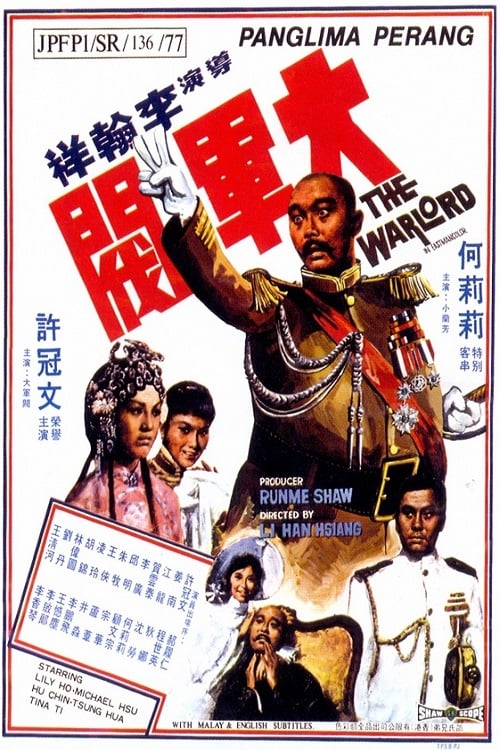
No list of the screen's comic geniuses would be complete without Michael Hui Kwun-man. He created a hilarious and lovable comic persona that was both uniquely Asian but also universally beloved. This, his first film, not only showcased his incomparable sense of humor but revolutionized Hong Kong comedy. Evoking Chaplin, he plays a warlord in early 20th Century China, but makes the role his own with both laughs and some of the sexiest ladies on the Shaw Brothers lot.
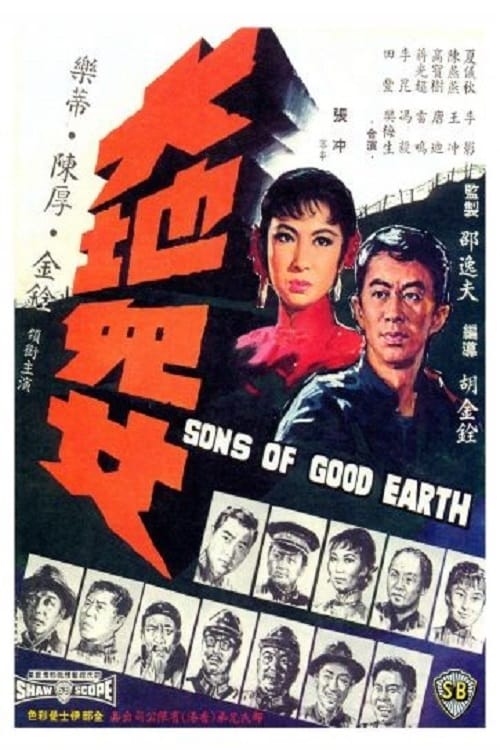
The year is 1937, just prior to the Japanese invasion of China. Painters Ju Rui and Lao San stumble upon He Hua, a woman sold into the sex industry at a local brothel.
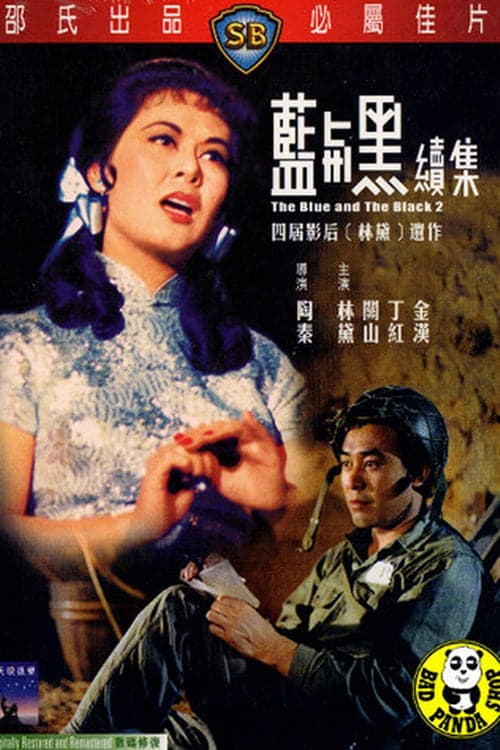
War and time change everything. Their love becomes more than reunion, it becomes a reckoning with what was and what could've been. Part two of the wartime love story.
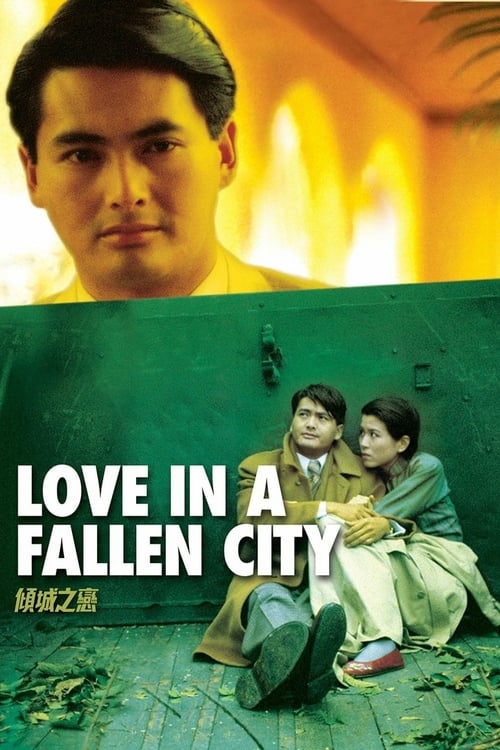
Taking place in 1941, Love in a Fallen City centers on Pai, a young woman who has been ostracized by her family for divorcing her rich husband. A local match-maker, Mrs. Hsu, takes pity on Pai and decides to bring her to Hong Kong, under the guise of employing her as the Hsu's nanny, but in reality to introduce her to Fan. Pai and Fan seem to hit it off, but Fan's refusal to marry Pai soon sours things. However, as the Japanese begin to invade Hong Kong, the two begin to realize their true feelings for each other.
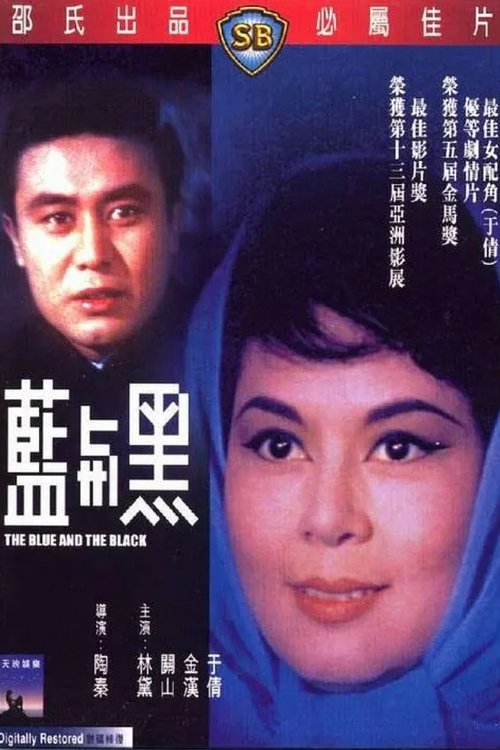
It's a powerful melodrama about a thwarted romance in 1930s Tientsin, China, during the Japanese occupation, and it stars Linda Lin Dai, one of the era's most popular stars. It was part of Golden Horse's 100 Greatest Chinese-Language Films.
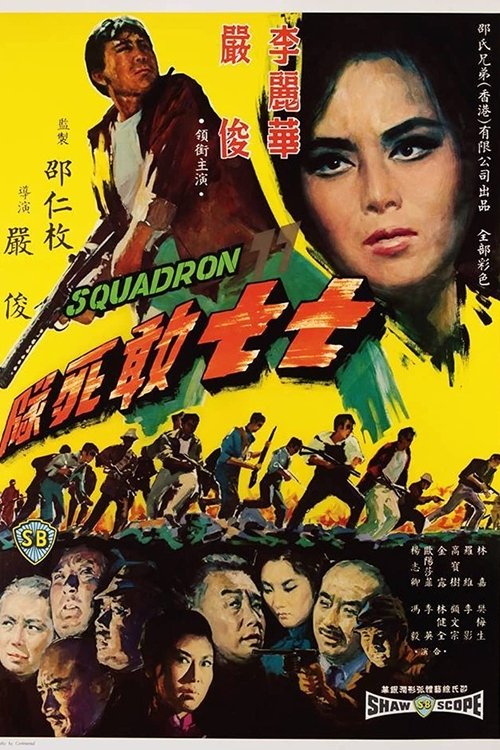
Spy thriller set in occupied Shanghai. Li Lihua stars as the woman who is thrust into the role of nationalist freedom fighter when she discovers that her husband is a collaborator with the Japanese.
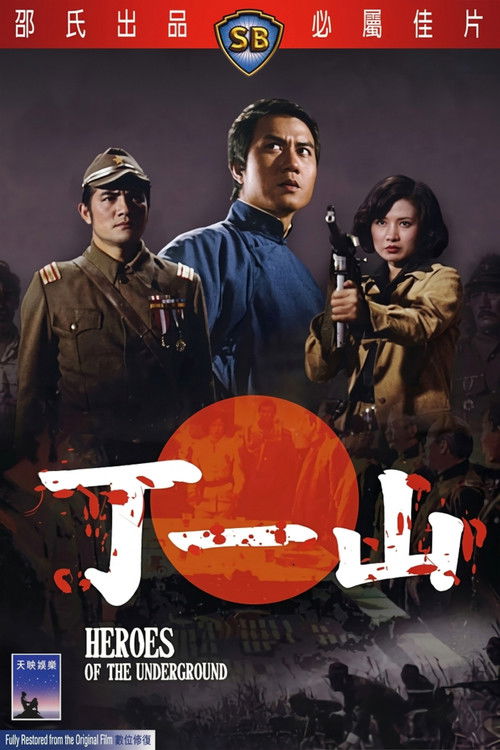
Besides martial arts, Bruce Lee's contribution to Chinese society was instilling a strong sense of nationalism. After his death, anti-Japanese films found new breathe especially in Taiwan. Based on a King Hu’s script, Heroes Of The Underground tapped into Lee's nationalistic fervor and the Confucian ethic of country above family and starred the popular Ching Li as a World War II, Chinese secret agent planted into the Japanese Headquarters at Changsha. Tears flow in the name of country pride.
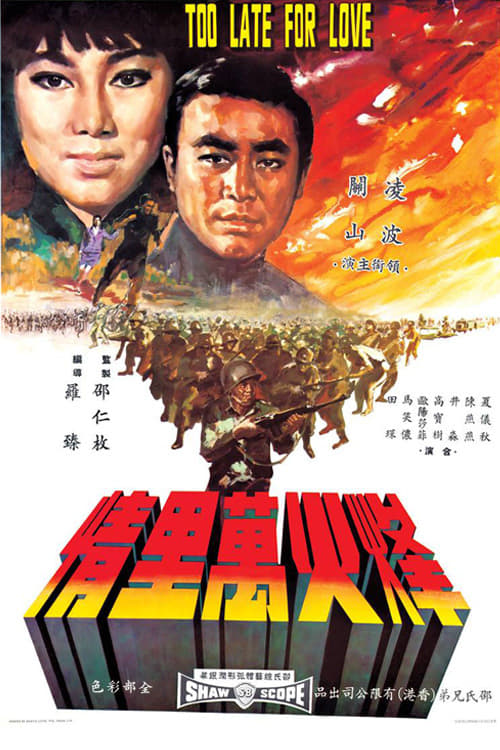
Su Fen, a young and frail girl, looked forward to her wedding with her fiancé, Li Kuo-liang. The happy couple's bliss was cut short when war broke out. Kuo-liang was summoned to fight at the front lines. In his absence, Su Fen discovered she had tuberculosis.
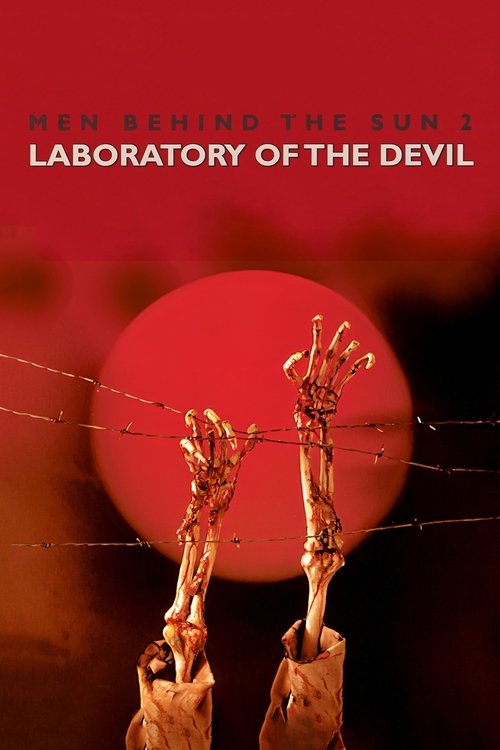
In 1935, Japan's Unit 731 conducts inhumane experiments. A doctor tries to free prisoners, including his fiancée, from the camp while witnessing atrocities.
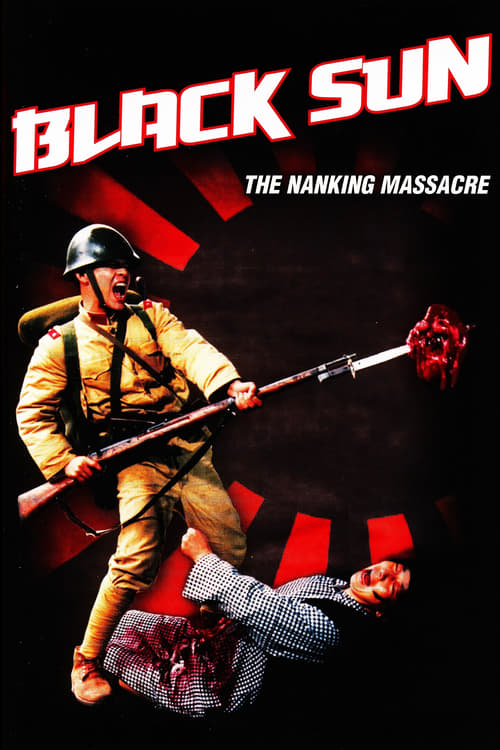
Black Sun: The Nanking Massacre depicts the brutal events behind the Nanking Massacre committed by the Imperial Japanese army against the Chinese people during the Second Sino-Japanese War.
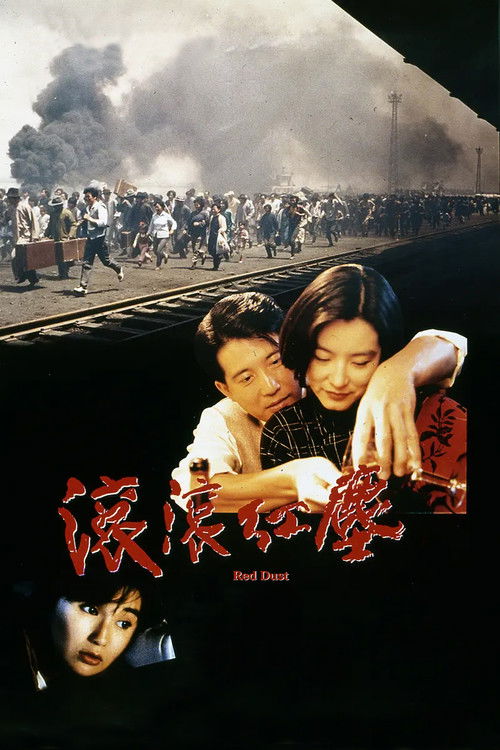
Stretching across the canvas of the Sino-Japanese War of the 30s, the subsequent Japanese surrender in 1945, and the onslaught of Communism, this film depicts an ill-fated romance between a talented lady novelist and a Chinese traitor working with the Japanese who fall victim to the mayhem of war and their tragic inability to reconcile political differences.
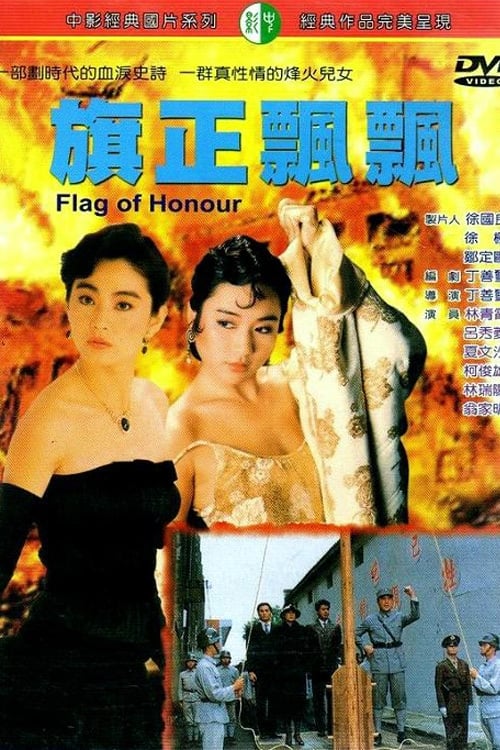
Hong Kong romance set in wartime
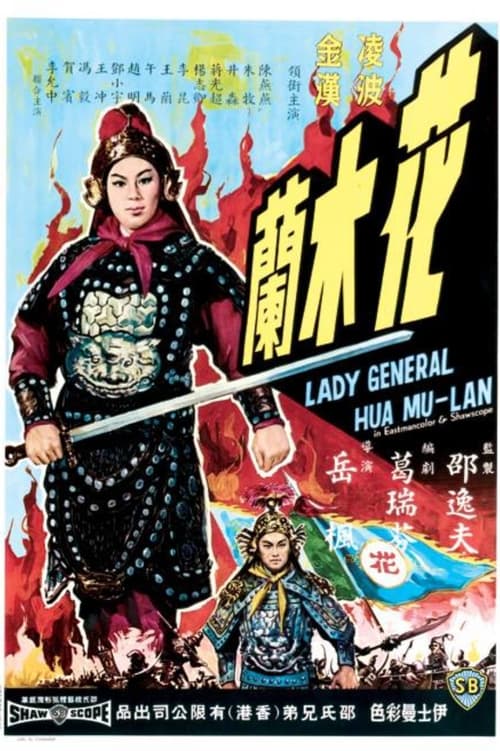
About a woman who disguises herself as a man to take her father's place in the army.

Teacher Huang San extends to his pupils the high principles of patriotism, thus arousing the hatred of the occupying Japanese. Huang is forced to flee and to escape from the Japanese clutches. One night, he helps a robber escape from a pursuing Japanese officer by firing his gun and thus unintentionally kills the Japanese. Huang San follows to his hideout and from then on, Huang San joins the bandits. Huang San attempts to rob a house but discovers that the occupant is none other than his student Wang Zhongkang who is involved with the guerrillas. Huang San decides to help Zhongkang raid the military arsenal of the enemy. However, as Huang gradually gains the trust of their chief, some jealous associates within the bandit group informs on him. Huang and Zhongkang carry out their raid amid a fierce confrontation, Zhongkang successfully implements his mission but Huang is killed in the battle.

Disheartened by futile combat, appalled by the corruption of their South Vietnamese ally, and constantly endangered by the incompetence of their own company commander, the young men find a possible way out of the war. They are told that if they purposely lose a soccer game against a South Vietnamese team, they can spend the rest of their tour playing exhibition games behind the lines.
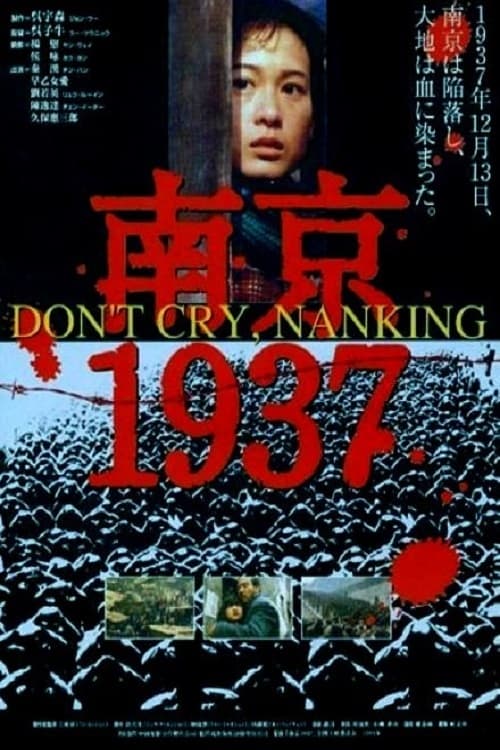
In December 1937, during the Second Japanese-Sino War, a Chinese doctor, his Japanese pregnant wife, their teenage daughter and their young son travel from Shanghai to Nanjing seeking shelter in the Capital during the Japanese invasion. The family faces the Rape of Nanking by the Imperial Japanese Army, with rapes, mass murder of prisoners of war and civilians including women, children and elders, and disrespect of international conventions.

Eric Liddell - China's first gold medalist and one of Scotland's greatest athletes - returns to war-torn China.
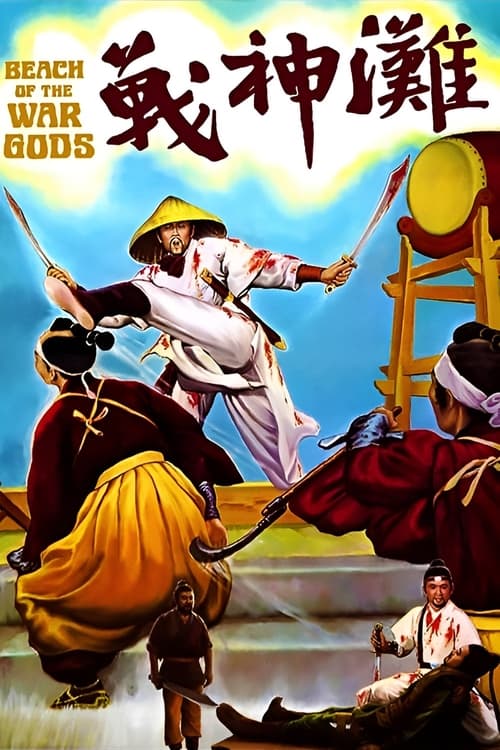
In the waning days of the Ming dynasty, Japanese marauders raid villages on the Chinese coast. A wandering swordsman single-handedly dispatches a group of the foreign thugs, and agrees to help defend the town. He assembles a core team of highly skilled warriors, and together they train the townsfolk to stand up to the foreign pirates, using strategy and skill. When the army launches an all-out assault on the town, a ferocious battle rages, leading to final conflict on the Beach of the War Gods.
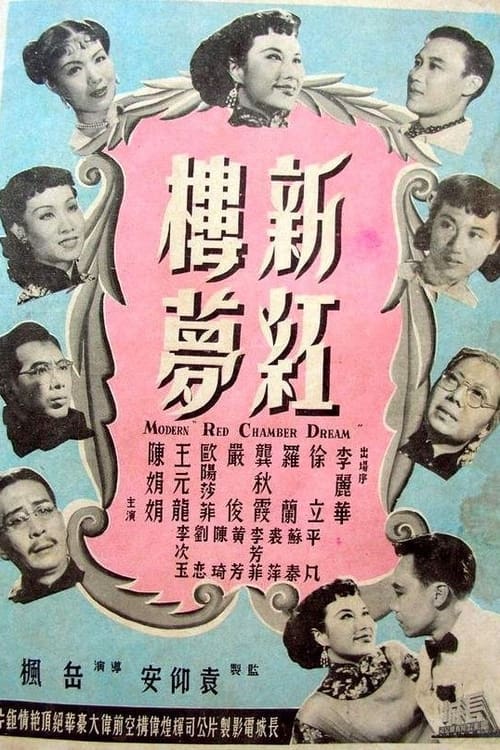
Dream of the Red Chamber, one of the big four of classic Chinese novels, has been adapted for film and television dozens of times over the past decades. Yet this sui generis Great Wall production daringly transposes the setting to modern-day 1950s. The contemporised story revolves nonetheless around the love triangle between Jia Baoyu and his two cousins. Both girls love him but his heart belongs to only one. The ending, however, is remarkably changed to separation of the lovers as a result of war—the war that was surely still haunting the minds of the filmmakers at the time when the film was made. Not only did Great Wall pour money into building extravagant sets just so to recreate down to the smallest detail the grandeur of the legendary Jia mansion, but the film also boasted of its lavish costume designs for the diverse female cast. (From Hong Kong Film Archive)

During the Japanese invasion of China, medical students Sun Yang (Chang Yang) and Xu Ruomei (Bai Luming) pretend to be a doctor and his wife to engage in intelligence work behind enemy lines.
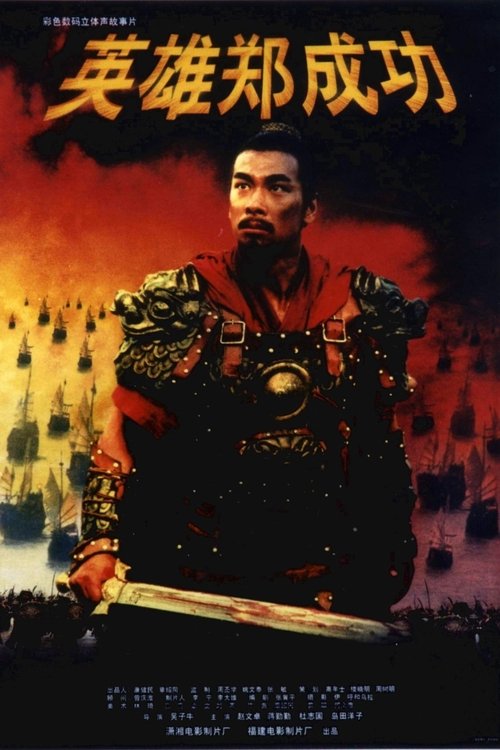
Based on the story of Zheng Chenggong and focuses on his battle with the Dutch Empire for control of Taiwan at the Siege of Fort Zeelandia.
Sea Sea Sea Sea
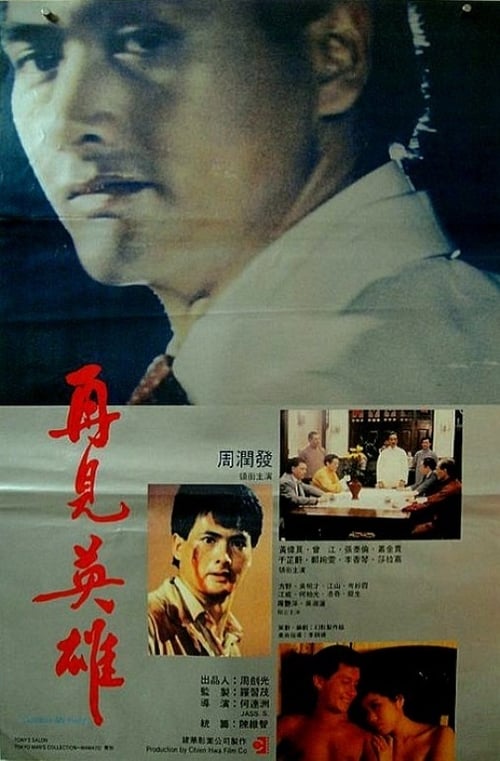
Goodbye My Friend is a Hong Kong Crime-Drama starring Chow Yun-Fat.
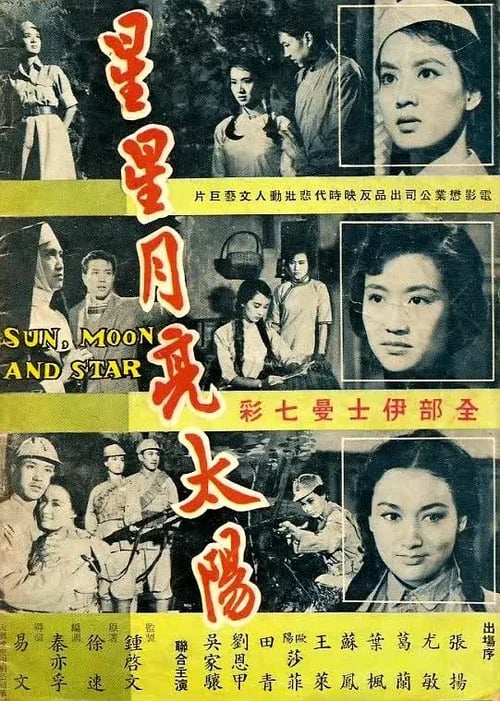
Part 1 ended with Jianbai and Su Yanan among the students fleeing the invading Japanese. Part 2 follows the efforts of all four characters to participate in the war effort. Su Yanan joins the army and fights. Jianbai enlists to be near her. A-Lan becomes a nurse at a battlefront hospital and Qiuming entertains the troops. (Grace Chang, Cathay's leading musical star at the time, performs some rousing patriotic numbers in these scenes.) Jianbai is reunited with Su in the battlefield, but...
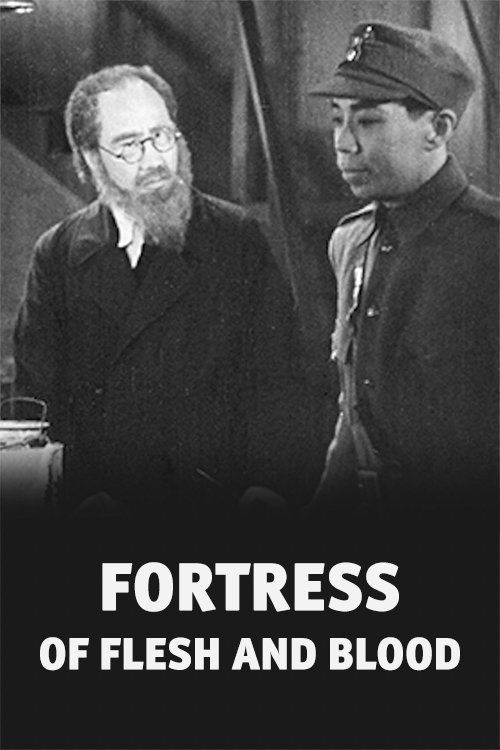
Professor Lo Yeung-guo (Hou Yao) and his students escape death from the Japanese army, and call on villagers in the countryside to form a guerrillas group. His son Lo Yung (Lau Hark-suen), however, indulges in debauchery. Entrapped by the Japanese, chicken-hearted Yung leaks information about the guerrilla that leads to deaths and injuries in the group. Yeung-guo reprimands his son for being an invisible traitor, inflicting even more harm than an outright traitor. Placing righteousness before family, he decides to execute his own son. As a writer-director-actor in the film, Hou Yao proclaimed his unwavering stance on resistance on the screen, and delivered a scathing attack on the cowardly ‘invisible traitors‘ at that time. Not long after, Hou was sadly arrested and executed by the Japanese army in Singapore.
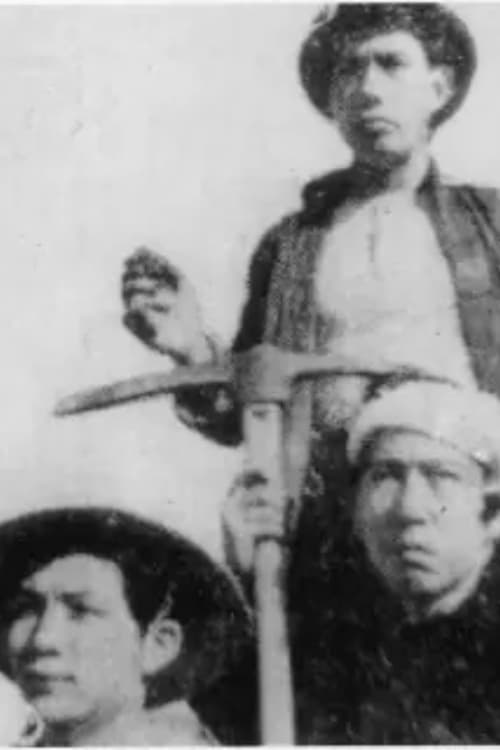
A wartime drama set in Hong Kong during the Second Sino-Japanese War, when people fled to Hong Kong from Mainland China.
Yimin, the son of a carriage driver of Xinjiang ethnicity, is in love with Malihan. Malihan's father despises Yimin for his lowly background and forces his daughter to marry Bulate. Min then leaves town for development for 5 years and comes back as an army officer. However, Han has been forced to engage with Te. With Han defying the arrangement, Te challenges Min to a duel. Min catches the bullet meant for Te and wins him and Han's father to his side. But when war beckons, he sacrifices love to join the army. After the war, Min goes back to his hometown but everything has changed. Han and her whole family have gone without a trace. Min can only recall the past alone.

During the anti-Japanese war, truck driver Lee Sing's secret mission is to transport weapons and supplies for the resistance fighters. Sing has to deliver a signal gun to guerrillas at ten on that night for launching an attack against the Japanese soldiers. He works for the Ko's family and he has to send the gun to the provincial city to prevent it from being bombed. Sing carries on his vehicle a group of passengers including a Chinese traitor, a guerilla, a compassionate nurse, a comfort woman on the run, a teacher and his pregnant wife. Sing is given a hard time by the Japanese troops on the road. The Japanese ransack the vehicle and they find the signal gun. All the males on board are being interrogated with torture, but the passengers pool their efforts to subdue the traitor and accomplish their mission.
Upon becoming Prince Regent, the bellicose Lord Biu of Wu sends commander-general Si Ching-wan to rage wars between the Zhao and Chen Kingdoms. A small state that is long on literary excellence but short on military might, Chen is defenceless against the invading forces. The compassionate general answers the pleading of the Chen princess, Fung-ming, to sign a treaty of peace. In his speech to the lord, Deputy General Lau Mo-yeung accuses Si of treason so as to lay claim to Chen. The lord dispatches the valiant fighter Lui Chen-sing to Chen on an assassination mission, but the assassin is vanquished. Si prevails on Lui of his patriotism. Lord Biu fights Chen. In a dire attempt to redeem Chen, Si surrenders to the Wu camp. Lui pretends to have blinded Si to extricate him. The duo ally with a band of chivalrous fighters to overturn the corrupt regime. Dispossessed of his throne, Biu commits suicide. Si returns to his land to serve as an aide to the young king and marry Fung-ming.
Hong Kong film of 800 Chinesse soldiers guard the important warehouse district against the invading Japanese Army. Made in the same year that mainland China made their own The Eight Hundred Heroes.
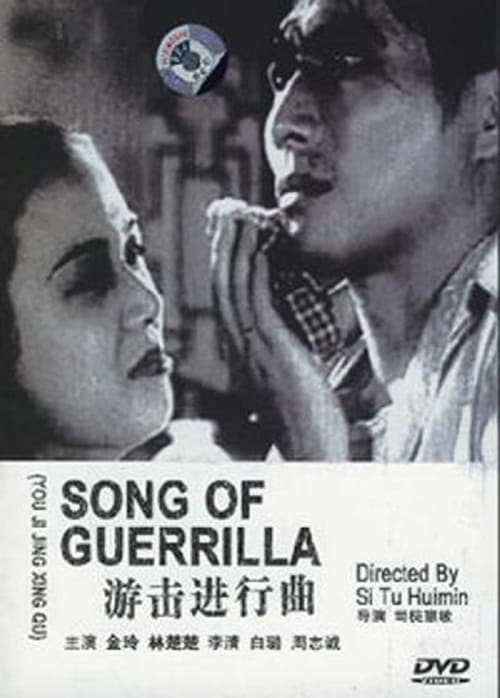
A group of guerrillas fighting against Japanese invaders.
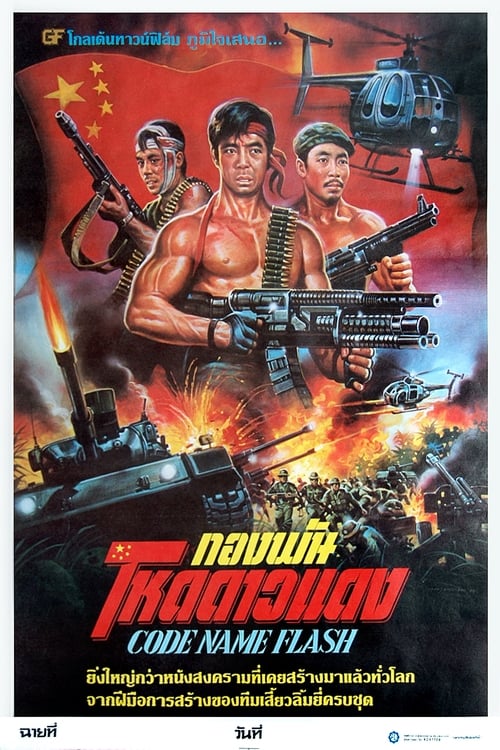
The country is in uproar as the Chinese are forced to combat the Vietnamese.
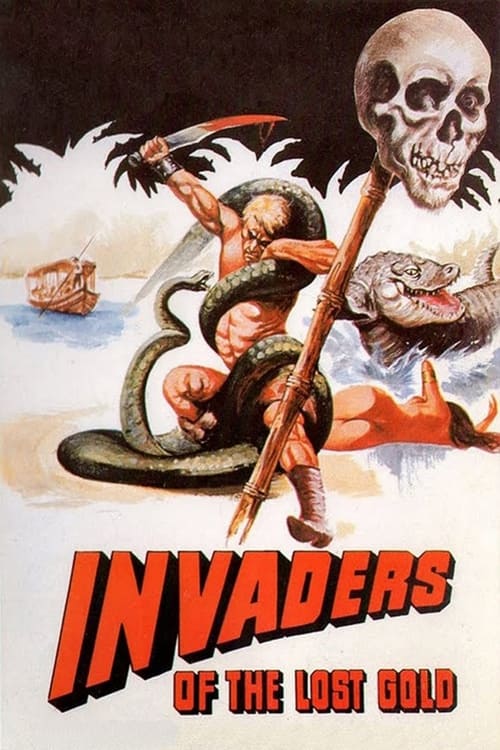
In the last days of WWII, a Japanese platoon is attacked by headhunters while attempting to hide millions in gold. Thirty-six years later, a grizzled guide is hired to lead an expedition into a jungle inferno of greed, violence, nudity, and murder.
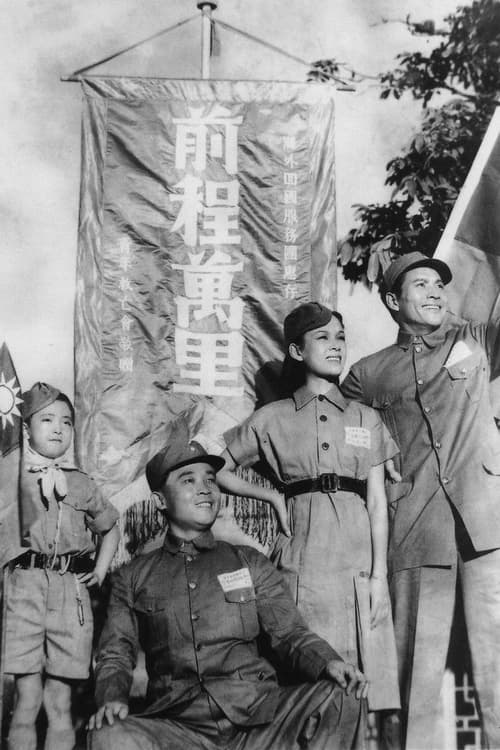
Driver Ko Wah (Lee Ching) refuses to transport ammunitions for the enemy, and is sent to jail after a scuffle with his traitorous boss. Although down and out, Ko takes in Siu-fung (Yung Siu-yi), an unwilling erotic dancer who has fled the war to Hong Kong. They may lead destitute lives, but their conscience remains intact. Director Cai Chusheng co-founded the National Salvation Association of Cinema. When Ko makes a uproar at the dance parlour and rips apart his friend's zombie costume, it represents Cai's criticism on the muddling-along attitude of Hong Kong society at the time. The characters' decision to return to the mainland to join the resistance effort also foretells Cai's decision to do the same in real-life.
The Battle of Sha Chia Bund, Hong Kong film from 1968.