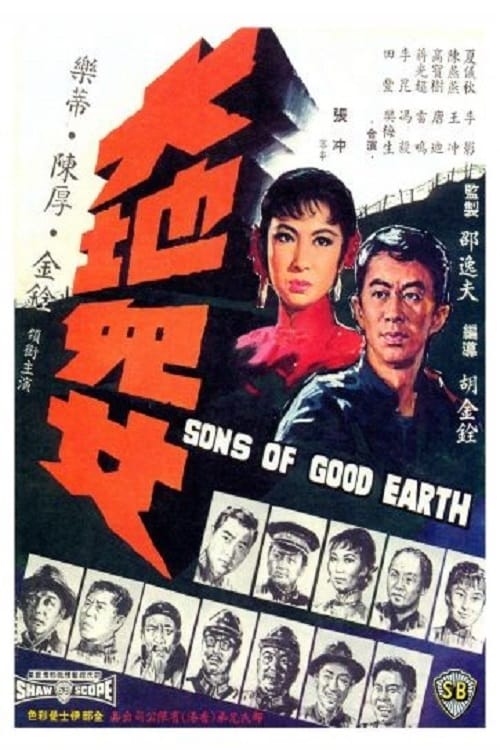
The year is 1937, just prior to the Japanese invasion of China. Painters Ju Rui and Lao San stumble upon He Hua, a woman sold into the sex industry at a local brothel.
Sons of the Good Earth
5.1 1965
14 Matches Found
The year is 1937, just prior to the Japanese invasion of China. Painters Ju Rui and Lao San stumble upon He Hua, a woman sold into the sex industry at a local brothel.
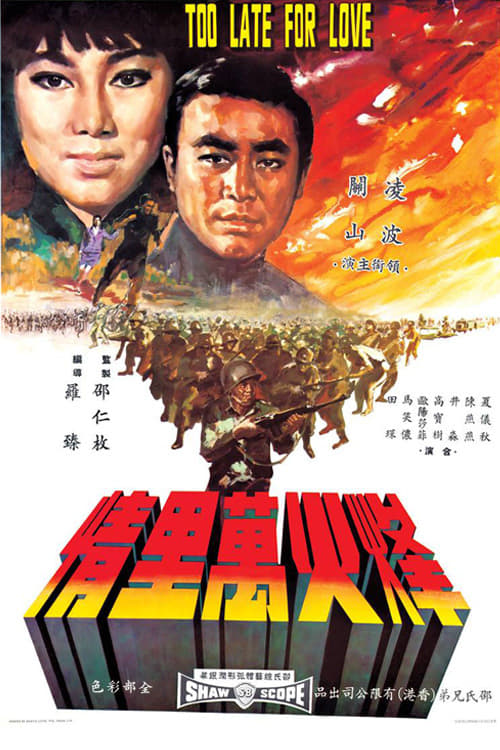
Su Fen, a young and frail girl, looked forward to her wedding with her fiancé, Li Kuo-liang. The happy couple's bliss was cut short when war broke out. Kuo-liang was summoned to fight at the front lines. In his absence, Su Fen discovered she had tuberculosis.
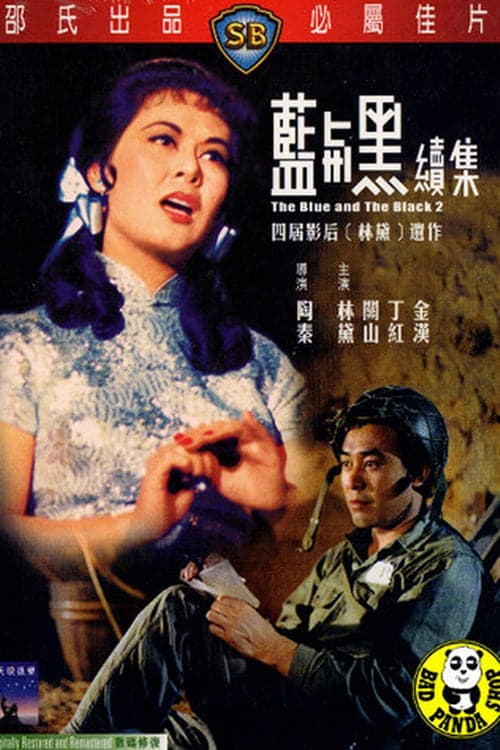
War and time change everything. Their love becomes more than reunion, it becomes a reckoning with what was and what could've been. Part two of the wartime love story.
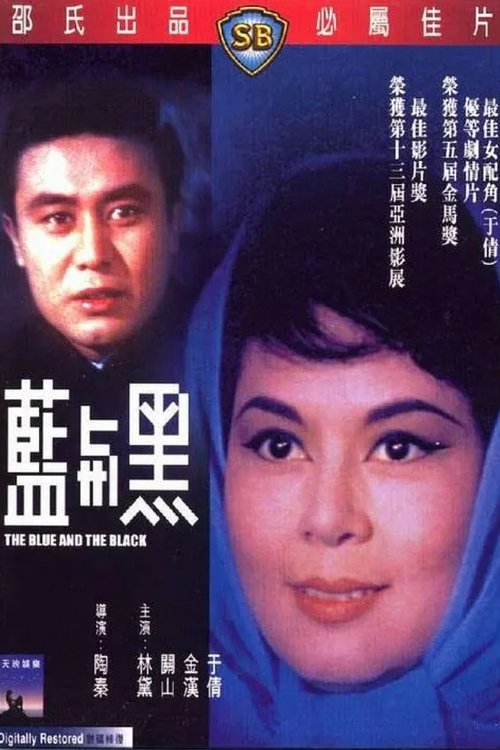
It's a powerful melodrama about a thwarted romance in 1930s Tientsin, China, during the Japanese occupation, and it stars Linda Lin Dai, one of the era's most popular stars. It was part of Golden Horse's 100 Greatest Chinese-Language Films.
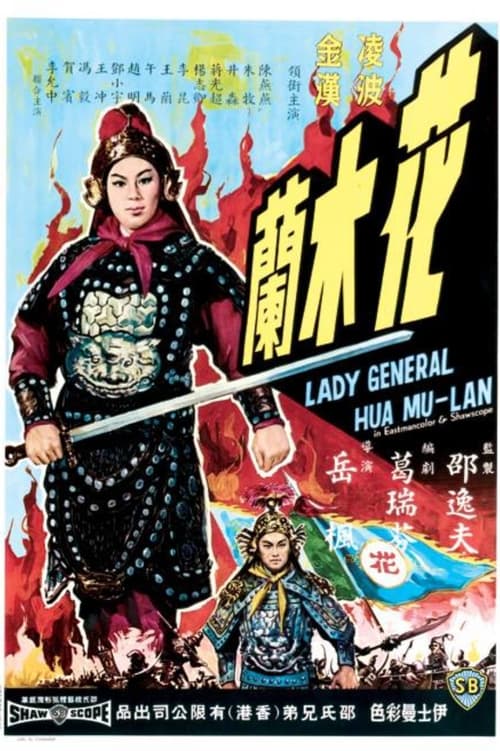
About a woman who disguises herself as a man to take her father's place in the army.
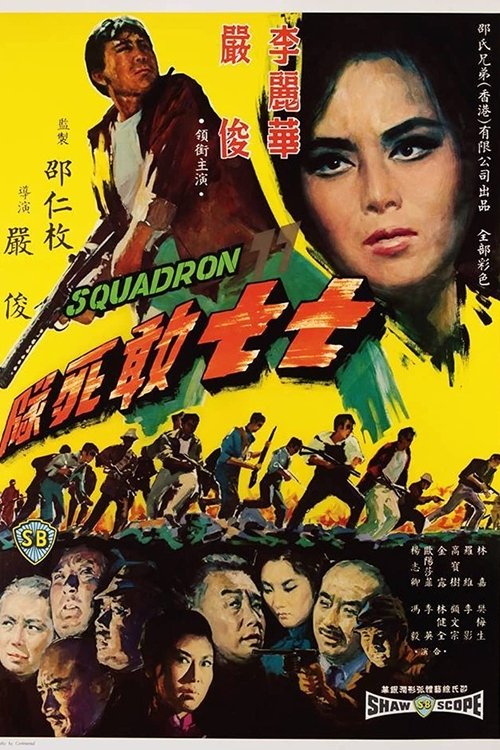
Spy thriller set in occupied Shanghai. Li Lihua stars as the woman who is thrust into the role of nationalist freedom fighter when she discovers that her husband is a collaborator with the Japanese.

Sea Sea Sea Sea
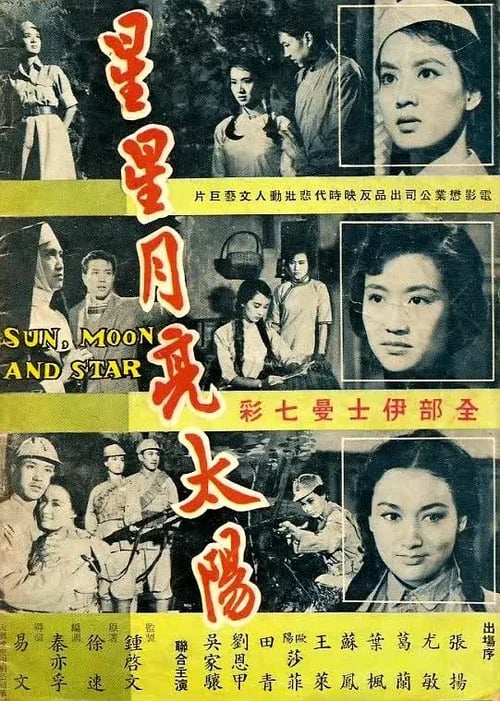
Part 1 ended with Jianbai and Su Yanan among the students fleeing the invading Japanese. Part 2 follows the efforts of all four characters to participate in the war effort. Su Yanan joins the army and fights. Jianbai enlists to be near her. A-Lan becomes a nurse at a battlefront hospital and Qiuming entertains the troops. (Grace Chang, Cathay's leading musical star at the time, performs some rousing patriotic numbers in these scenes.) Jianbai is reunited with Su in the battlefield, but...
The Battle of Sha Chia Bund, Hong Kong film from 1968.

During the Japanese invasion of China, medical students Sun Yang (Chang Yang) and Xu Ruomei (Bai Luming) pretend to be a doctor and his wife to engage in intelligence work behind enemy lines.
Upon becoming Prince Regent, the bellicose Lord Biu of Wu sends commander-general Si Ching-wan to rage wars between the Zhao and Chen Kingdoms. A small state that is long on literary excellence but short on military might, Chen is defenceless against the invading forces. The compassionate general answers the pleading of the Chen princess, Fung-ming, to sign a treaty of peace. In his speech to the lord, Deputy General Lau Mo-yeung accuses Si of treason so as to lay claim to Chen. The lord dispatches the valiant fighter Lui Chen-sing to Chen on an assassination mission, but the assassin is vanquished. Si prevails on Lui of his patriotism. Lord Biu fights Chen. In a dire attempt to redeem Chen, Si surrenders to the Wu camp. Lui pretends to have blinded Si to extricate him. The duo ally with a band of chivalrous fighters to overturn the corrupt regime. Dispossessed of his throne, Biu commits suicide. Si returns to his land to serve as an aide to the young king and marry Fung-ming.
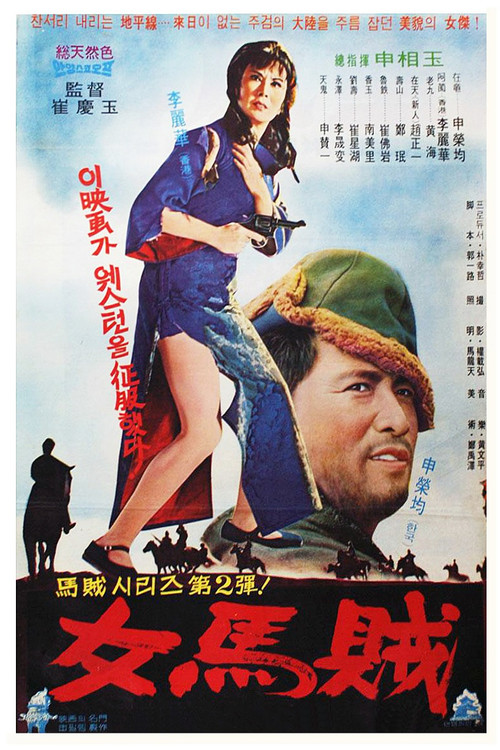
Hong Kong and South Korean co-production war film starring Li Li-Hua.

The Joint Chiefs of Staff want to send some ARVNSF troops to North's Điện Biên Phủ for the Dien Bien Phu Operation. But all have been caught or killed by the Chinese spy Kiều Loan, except Major Ngọc Minh.
A hidden gem produced at the height of the Hong Kong left-wing cinema. The Japanese army wants to force resistance leader Cheung (Bow Fong) to appear by capturing his family. Cheung's wife dies and, despite the protection by the nurse Yeung (Chu Hung) and other villagers, Cheung's daughter is captured. In the end Cheung's subordinate Lee Fu (Jiang Han) regroups with the resistance and saves the day, defeating the enemy and rescuing everyone. This film clearly references wartime productions in the mainland of China, with elements such as the Japanese taking hostages, resistance guerilla fighters, and the contrast between ‘heroes' and ‘villains' made obvious through camerawork and make-up designs. Street scenes shot in Macau merge seamlessly with studio scenes to recreate northern Chinese towns. War epics were not a strong suit of Hong Kong cinema. This film takes inspirations from Euro-American spy films and pays attention to character development and the mise-en-scène.