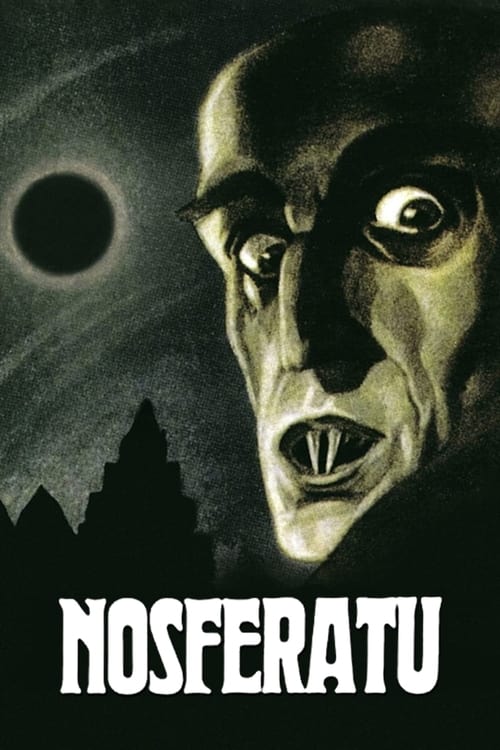
The mysterious Count Orlok summons a happily married real estate agent to his castle, located up in the Transylvanian mountains, to finalise a terrifying deal.
Nosferatu
7.7 1922
65 Matches Found
The mysterious Count Orlok summons a happily married real estate agent to his castle, located up in the Transylvanian mountains, to finalise a terrifying deal.
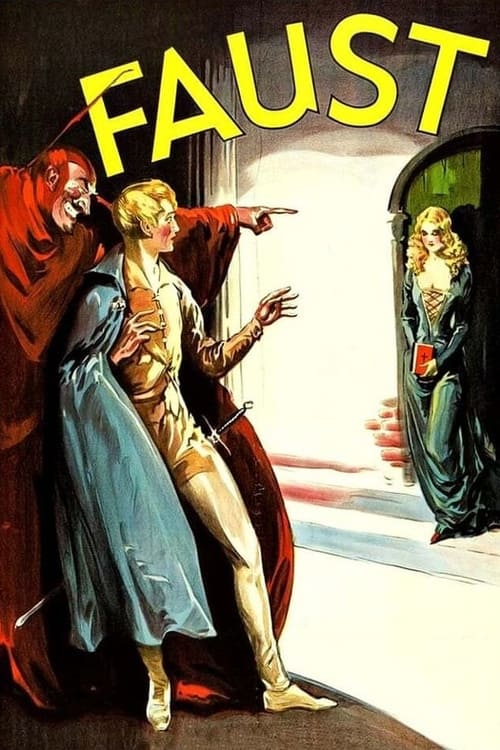
God and Satan wager on the soul of a learned and prayerful alchemist as part of their eternal war over Earth.
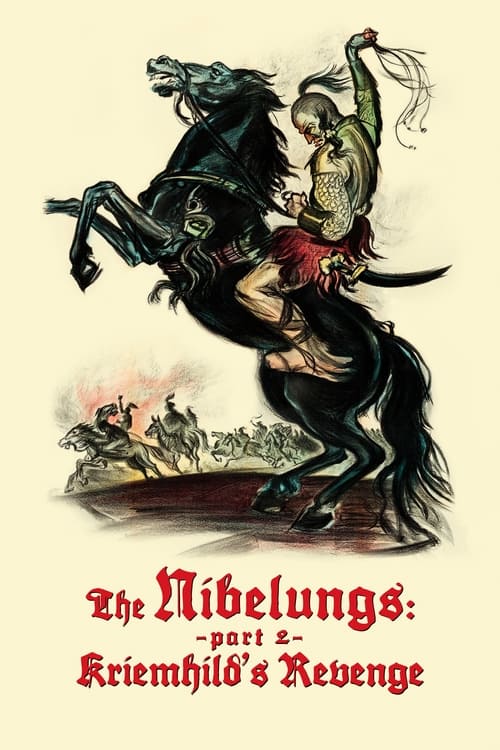
When Kriemhild, thirsty for revenge, marries to Etzel, king of the Huns, she invites King Gunther and his court to visit them, intending to finally take the life of the man responsible of her disgrace.
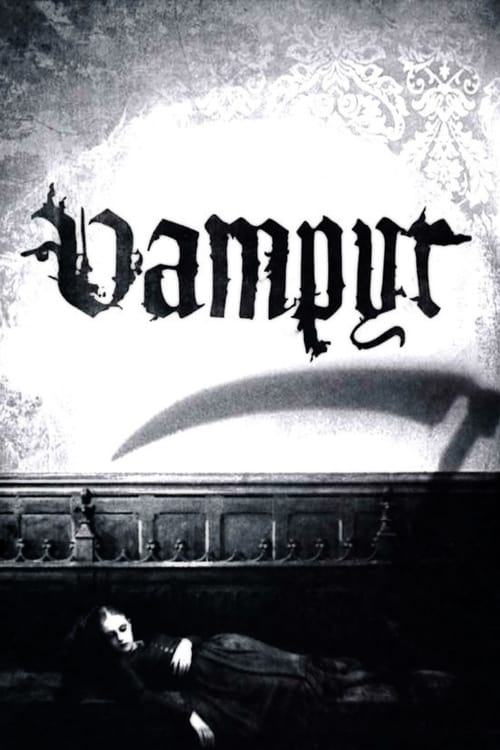
Allan Gray, a young man fascinated by the supernatural, goes to a small village where he feels a sinister force descending upon him. There, Allan meets an old man who asks him to protect his two daughters, for one of them has been bitten by a vampire.
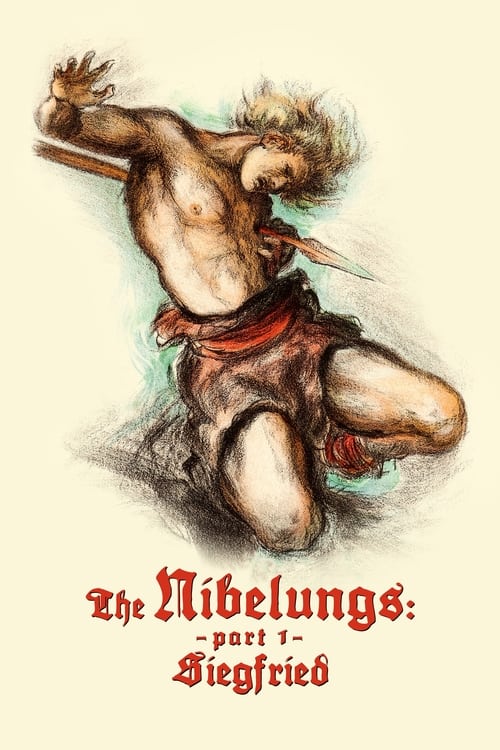
Siegfried, son of King Siegmund of Xanten, travels to Worms, capital of the Burgundian kingdom, to ask King Gunther for the hand of his sister, the beautiful Kriemhild.
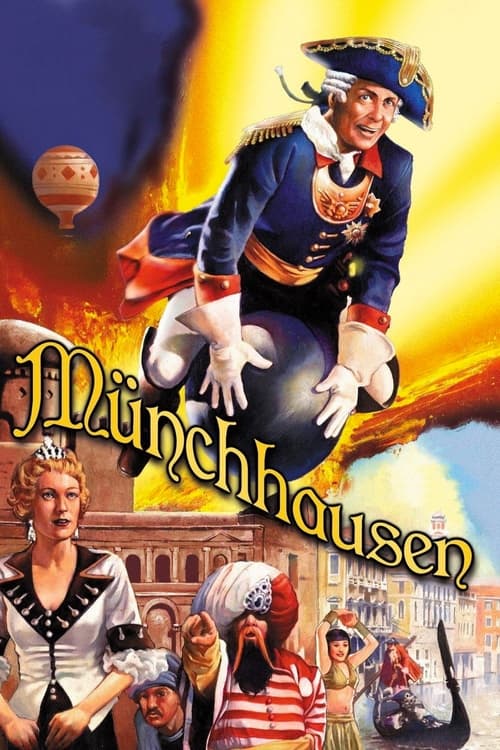
Legendary, immortal nobleman Baron Munchausen regales a lovestruck woman with tales of his amazing adventures.
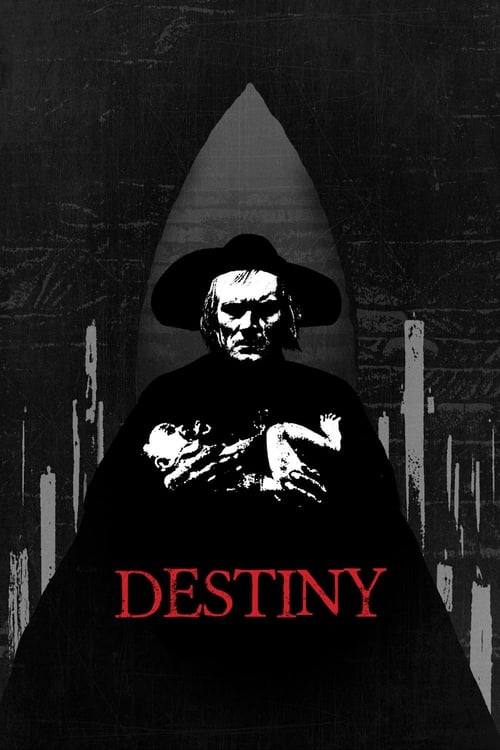
As a young couple stops and rests in a small village inn, the man is abducted by Death and is sequestered behind a huge doorless, windowless wall. The woman finds a mystic entrance and is met by Death, who tells her three separate stories set in exotic locales, all involving circumstances similar to hers.

Ayan, Maharajah of Eschnapur, believes that his wife, Princess Savitri, has been unfaithful to him with officer Mac Allan. He decides to bury her alive, so he sends the Yogi Ramigani to England to look for Herbert Rowland, an architect; but when he orders him to build a tomb, Rowland refuses.

Lorenz Lubota is a city clerk with no direction in life. One day on his way to work he is run over by a woman driving a chariot and he is immediately infatuated with her.
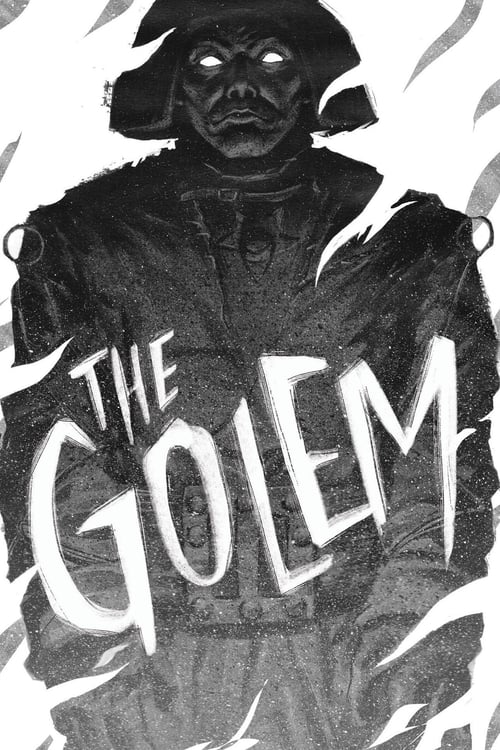
In 16th-century Prague, a rabbi creates the Golem - a giant creature made of clay. Using sorcery, he brings the creature to life in order to protect the Jews of Prague from persecution.

In this film, the people of a Tyrolean town climb up into the nearby mountains, searching for a place where they can hold a picnic and a spring festival: ideally, a place where they can eventually erect dwellings and cultivate crops. Led by the local nobleman (Arthur Ehrens), they find an appropriate spot, and the festivities begin. Some children briefly perform a charming folk dance. Suddenly the Rübezahl arrives and threatens to kill all the townsfolk if they don't leave immediately.

A poet is hired by the owner of a wax museum in a circus to write tales about Harun al Raschid, Ivan the Terrible and Jack the Ripper. While writing, the poet and the daughter of the owner, Eva, fantasize the fantastic stories and fall in love for each other.
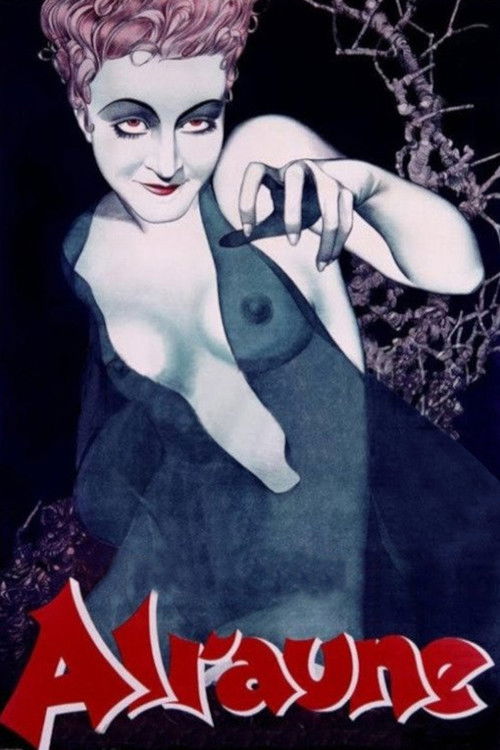
Hanns Heinz Ewers' grim science-fiction novel Alraune has already been filmed twice when this version was assembled in 1928. In another of his "mad doctor" roles, Paul Wegener plays Professor Brinken, sociopathic scientist who combines the genes of an executed murderer with those of a prostitute. The result is a beautiful young woman named Alraune (Brigitte Helm), who is incapable of feeling any real emotions -- least of all guilt or regret. Upon attaining adulthood, Alraune sets about to seduce and destroy every male who crosses her path. Ultimately, Professor Brinken is hoist on his own petard when he falls hopelessly in love with Alraune himself. Alraune was remade in 1930, with Brigitte Helm repeating her role, and again in 1951, with Hildegarde Knef as the "heroine" and Erich von Stroheim as her misguided mentor.

This mostly lost film is often confused with director Paul Wegener third and readily available interpretation of the legend; Der Golem, wie er in die Welt kam (1920). In this version of the golem legend, the golem, a clay statue brought to life by Rabbi Loew in 16th century Prague to save the Jews from the ongoing brutal persecution by the city's rulers, is found in the rubble of an old synagogue in the 20th century. Brought to life by an antique dealer, the golem is used as a menial servant. Eventually falling in love with the dealer's wife, it goes on a murderous rampage when its love for her goes unanswered.
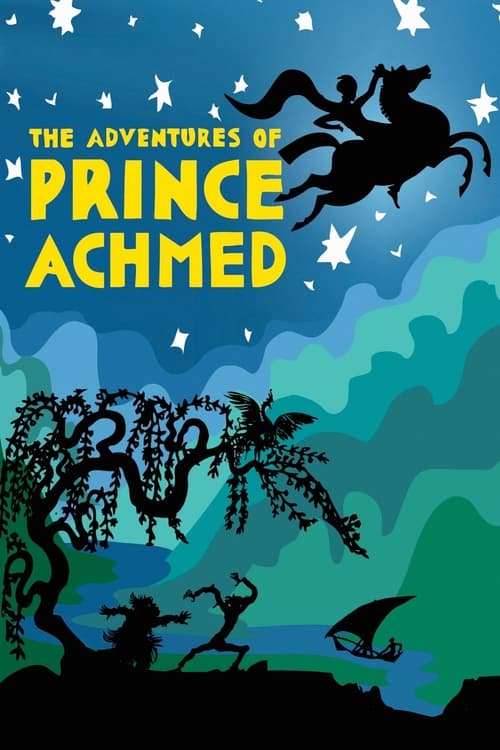
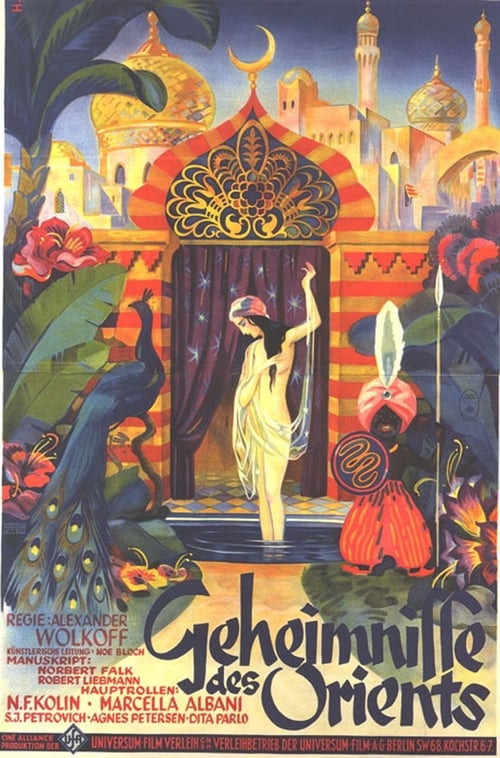
Taken from The Arabian Nights, a wicked sorcerer and the beautiful prince Achmed battle one against the other during a series of wondrous adventures.
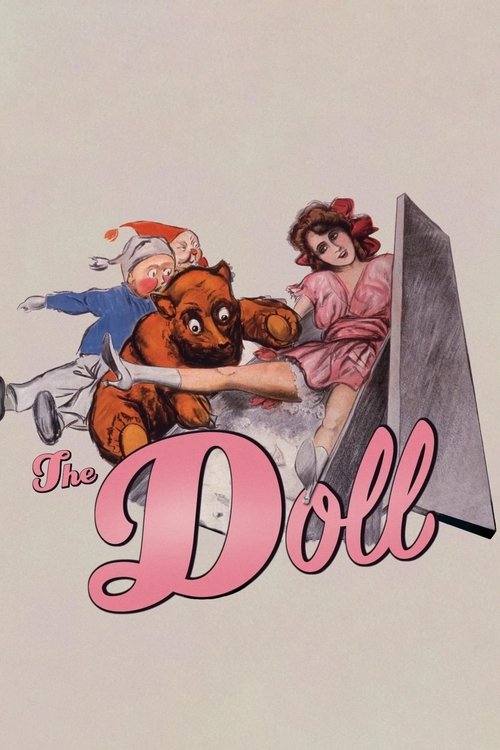
The misadventures of an effete young man who must get married in order to inherit a fortune. He opts to purchase a remarkably lifelike doll and marry it instead, not realizing that the doll is actually the dollmaker’s flesh-and-blood daughter in disguise.
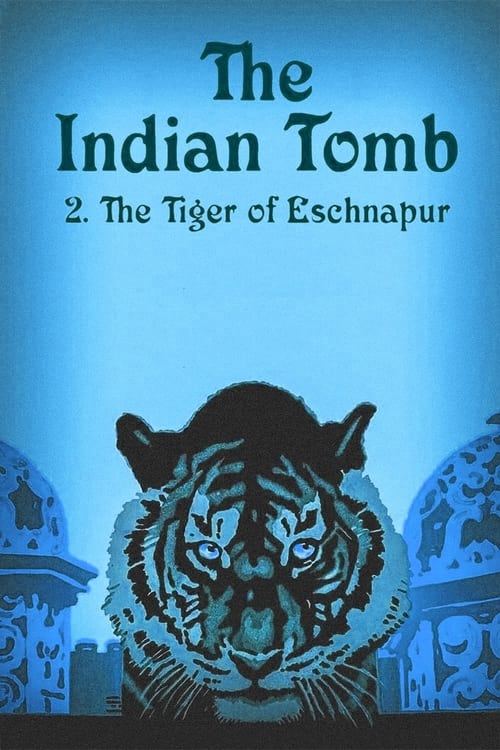
Rowland falls sick with leprosy while Mac Allan is captured by the Maharajah, who offers Irene a deal: one night with him in exchange for letting Rowland to be cured. She accepts, but tries to commit suicide.

Two young officers, Saint-Avit and Morhange, get lost in the desert and find themselves prisoners of the beautiful Antinéa, queen of the city of Atlantis. Saint-Avit, blinded by his love for her, obeys her when she orders him to kill his comrade... With L’Atlantide, Pabst offers a psychoanalytic reading of Benoit’s novel, with a dominant female figure who enslaves her lovers before destroying them. The film’s fantasy dimension is disturbing, L’Atlantide bathes in a humid nightmare atmosphere, between the desperate search for a missing friend and the apparitions of an underworld lost in the desert. A long, discursive flashback suggests the Parisian origins of Antinéa, born from the marriage between Clémentine, a pretty, light-thighed French Cancan dancer, and an Arab prince seduced during a theatrical performance. But again, it's impossible to know whether these are the ramblings of an old alcoholic or the strange truth.
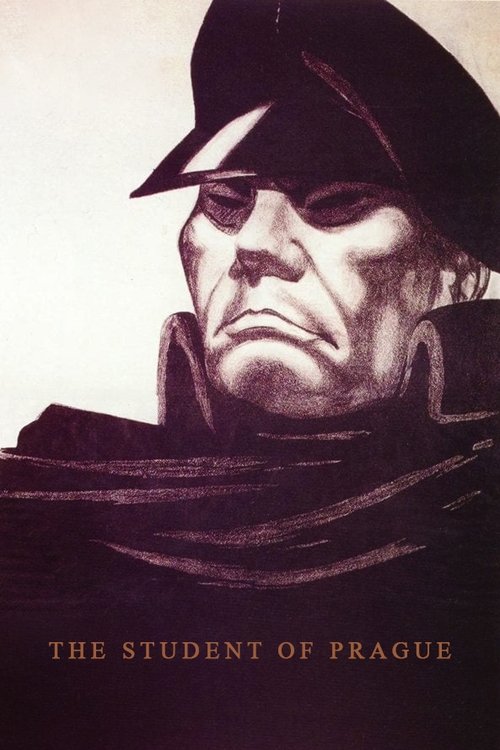
Prague, Bohemia, 1820. Balduin, a penniless student, falls in love with Countess Margit, a wealthy noblewoman whom he has saved from drowning.

A demon, a reaper, and the ghost of a prostitute read gothic short stories and act them out.
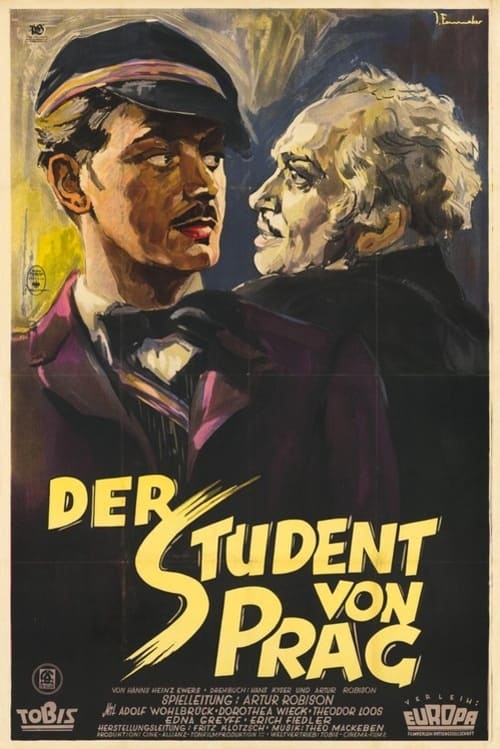
Prague in the 1860s: Balduin is a popular, handsome student, the best fencer in town, in amicable rivalry with his friend Dahl for the affections of Lydia, the innkeeper's niece. While the students are celebrating Lydia's birthday, the opera singer Julia Stella arrives at the inn - and Balduin's life begins to unravel. He is immediately infatuated with the glamorous singer - but she is already kept by an admirer, the wealthy and foppish Baron Waldis. How can a poor student hope to compete? The mysterious Dr. Carpis, who also has ties to Julia and is jealous of the Baron, intervenes. But the price will be higher than Balduin can ever imagine. He risks his sanity and his life - perhaps his very soul - haunted by his own reflection.
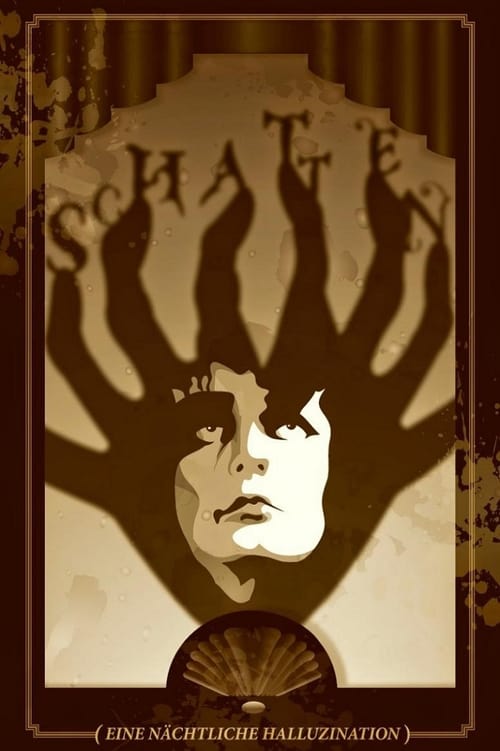
During a dinner given by a wealthy baron and his wife, attended by four of her suitors in a 19th century German manor, a shadow-player rescues the marriage by giving all the guests a vision what might happen tonight if the baron stays jealous and the suitors do not reduce their advances towards his beautiful wife. Or was it a vision?
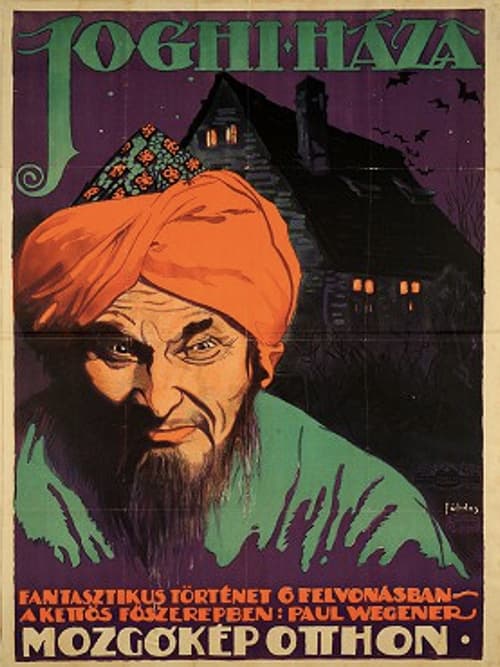
An Indian mystic uses his power of invisibility to scare a young inventor.

The story of a man destroyed by love.
A cobbler dreams that he is a prince, in this takeoff on an Arabian Nights style romance.
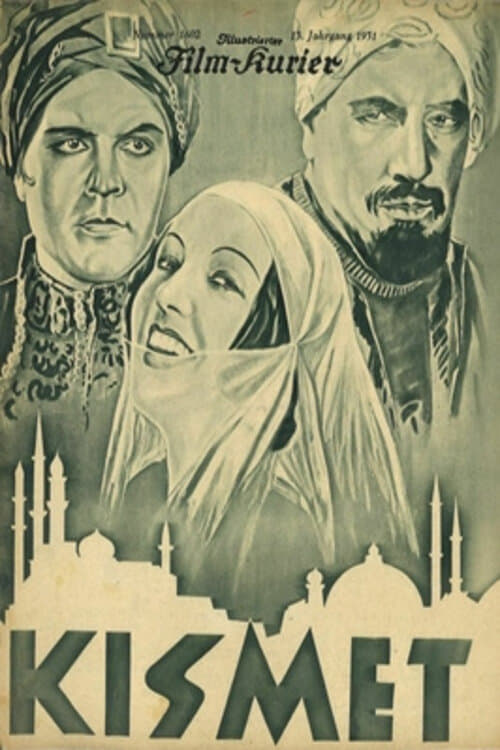
Hajj, a rascally beggar on the periphery of the court of Baghdad, schemes to marry his daughter to royalty and to win the heart of the queen of the castle himself. This is a German-language version made in Hollywood along side the 1930 production directed by John Francis Dillon.
An adaptation of the famous fairy tale.

Lotte Reiniger's earliest preserved fairytale film based on a fairy tale by Hans Christian Andersen.
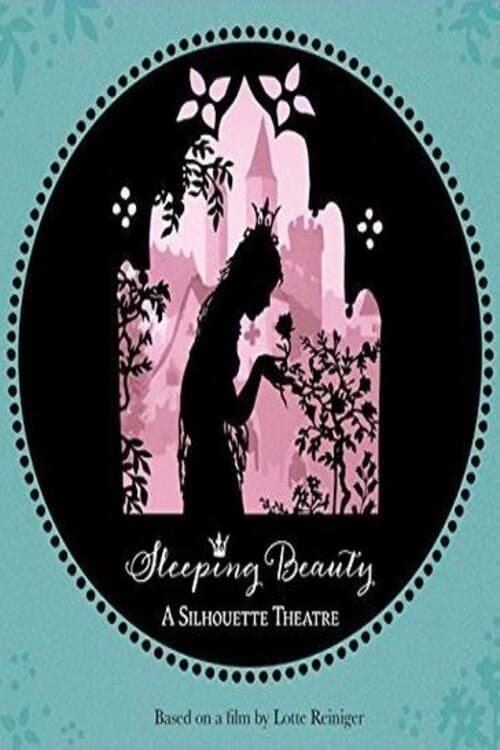
A king and queen celebrate their daughter’s birth, but a forgotten fairy curses her to die by pricking her finger on a spindle. Another fairy softens the curse, allowing her to sleep for a hundred years. Despite efforts to remove all spindles, the princess pricks her finger and falls asleep, along with the entire castle. A hundred years later, a prince awakens her with a kiss, reviving everyone. They marry, and the thorn hedge dissolves.

Three men fall in love with a woman from a window photograph. When they find her living as a recluse in an isolated Hungarian mansion, they decide against a visit because she wouldn't live up to their idealized images of her.
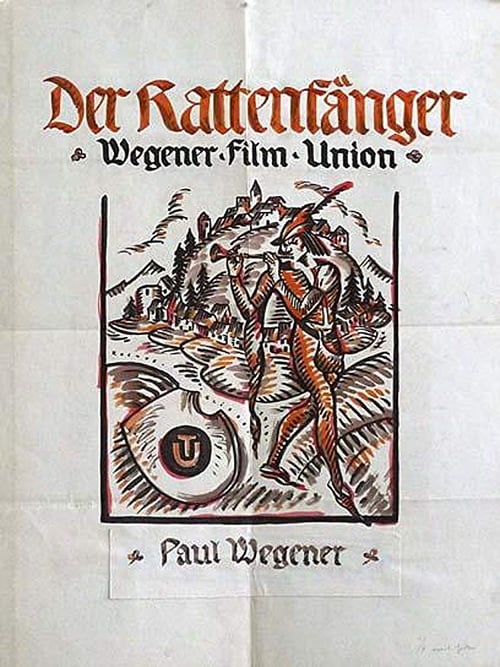
A traveler comes into a town overrun with rats and vermin. He promises to free the place of the pests and names his price. When the townspeople refuse to pay him after he has done what he promised, he plays his tune again with consequences. This film survives in incomplete/fragmentary form.
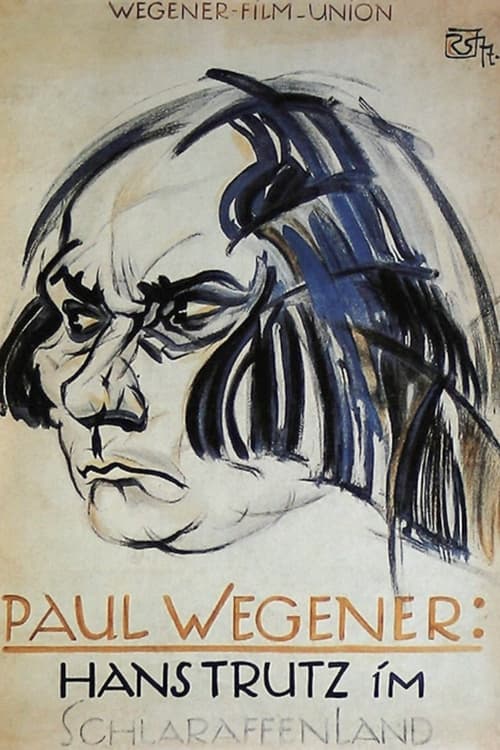
A stylized fairy tale in which a farmer sells his soul to Satan in exchange for prosperity.
One of the first movies made about the fairy tale Cinderella. The film is part of the current German expressionism. Because of that the film ends up being darker than the fairy tale itself.
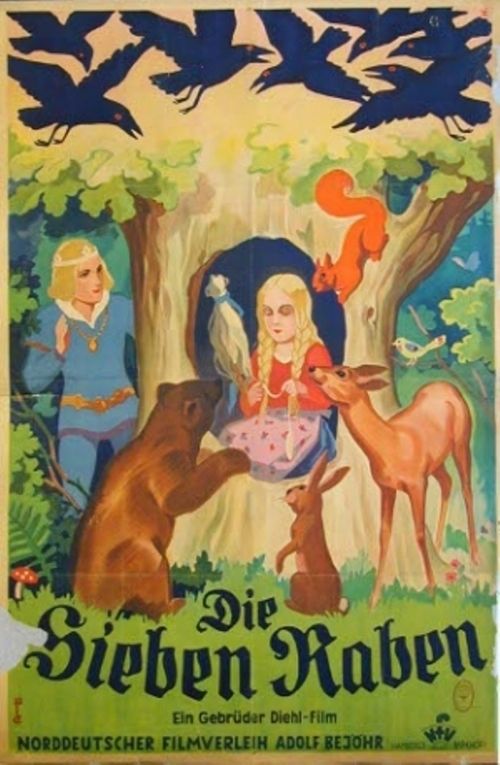
When a young girl finds out that, due to her existence, her seven brothers are struck by a curse and have to live their lives as ravens, she goes out in a quest to find them. Considered to be the first German feature length stop motion film.
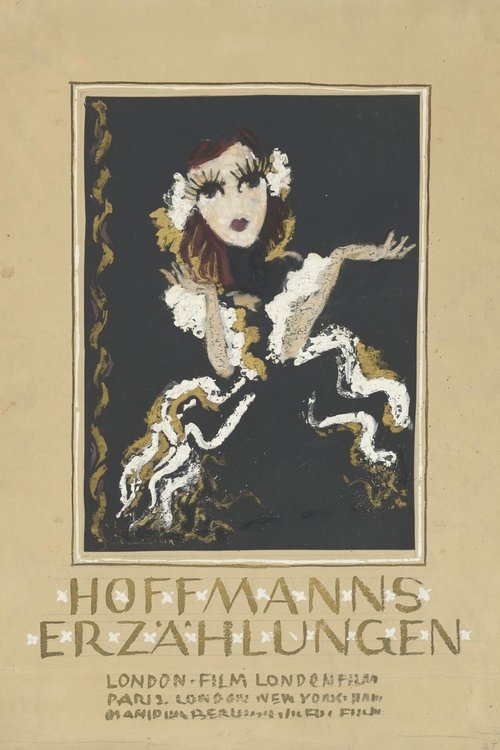
"The Tales of Hoffmann" - The story of the poet Hoffmann, who falls in love with a mechanical doll, loses his mirror image in Venice and finally liberates his lover from the clutches of a sinister doctor.
German film.
a silent movie by Robert Wiene

A man sells his shadow to gain success and fame but soon suffers the terrible consequences of that deal.
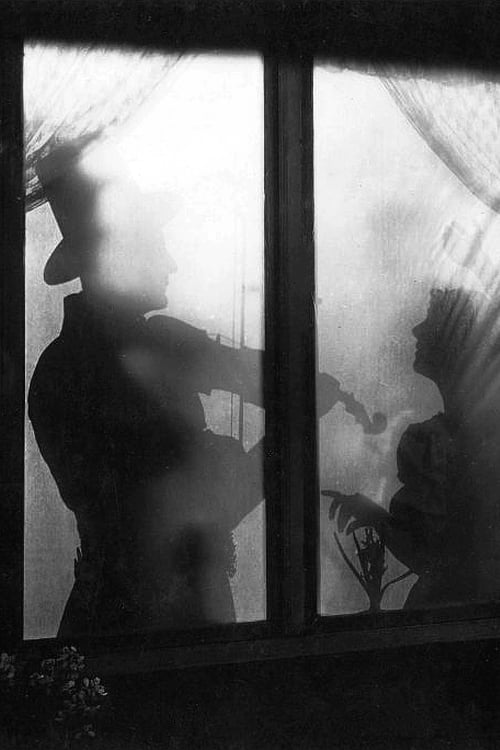
This movie, directed by Richard Oswald, is based on the operetta "Les contes de Hoffmann" by Jacques Offenbach (1819-1880), which is a genial musical potpourri from various short stories and novels by the Prussian writer, composer, painter, lawyer and judge E.T.A. Hoffmann (1776-1822). While Hoffmann's literary work was longtime considered to be merely fantastical, it was finally researched, in the last years, according to its metaphysical background. Characteristic for Hoffmann's work is his life-long fight against rationalism and for the revelation of nature morte, culminating mostly in carnival-like scenes anticipating literary techniques only described in the works of Bachtin and Bachelard.
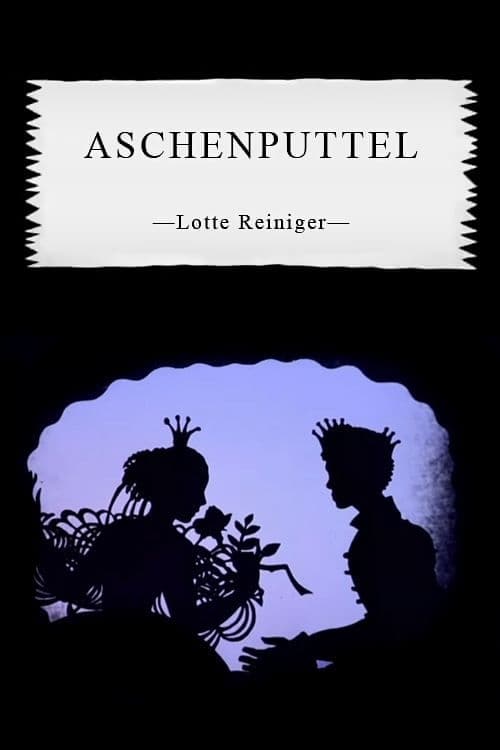
Lotte Reiniger's interpretation of Grimm's recorded version of Aschenputtel (Cinderella) from 1922.
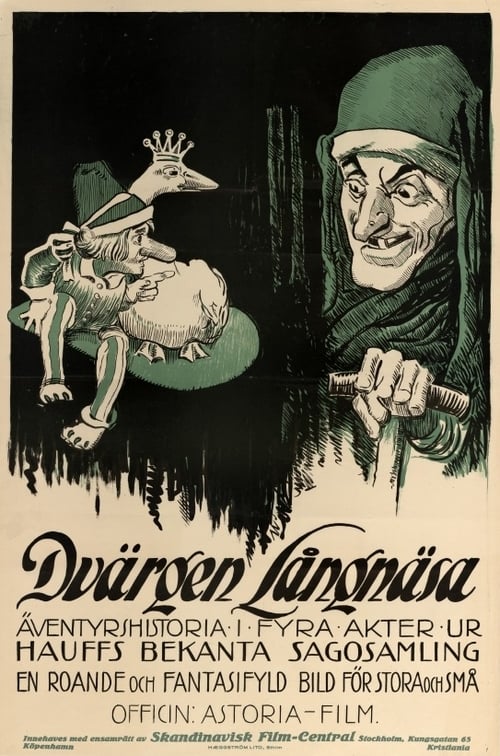
Dwarf Nose is a fairy tale by Wilhelm Hauff, which was published in a collection of fairytales in 1826.
An abandoned baby is saved by a river god. Now aged 20, she yearns to see the world outside the water.
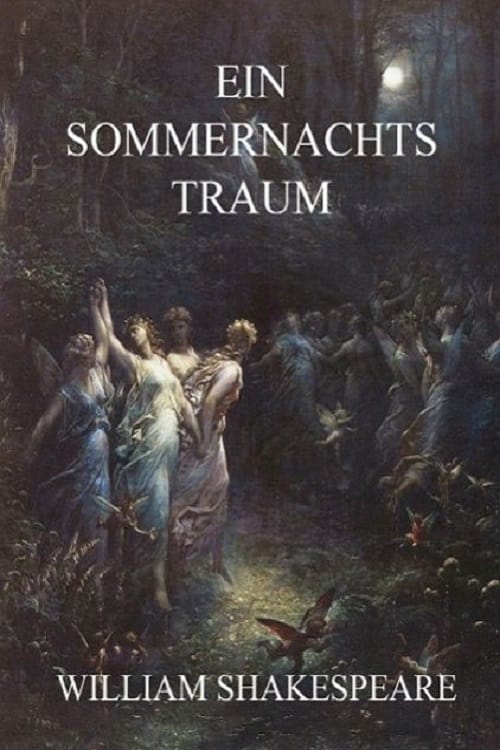
Mistaken identity, unrequited love, and the supernatural are combined in Shakespeare's classic set in the woods of Greece on a moonlit night.
A corrupt young man somehow keeps his youthful beauty, but a special painting gradually reveals his inner ugliness to all.
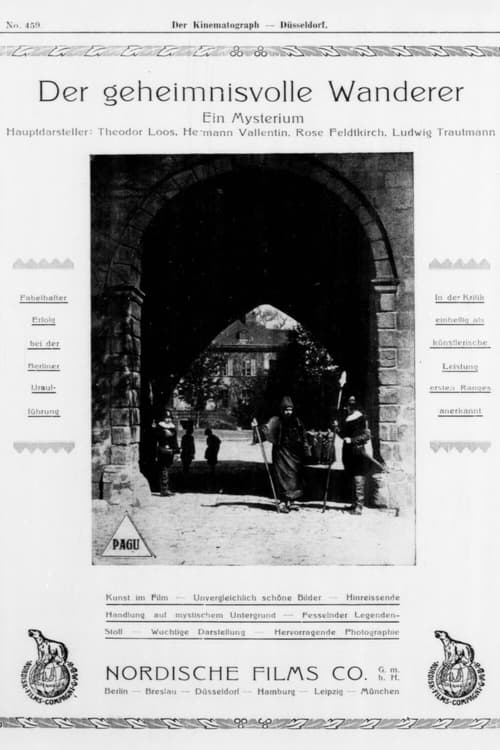
A mysterious man saves the son of a wealthy couple so they allow him to stay at their place for one night but soon a murder happens.
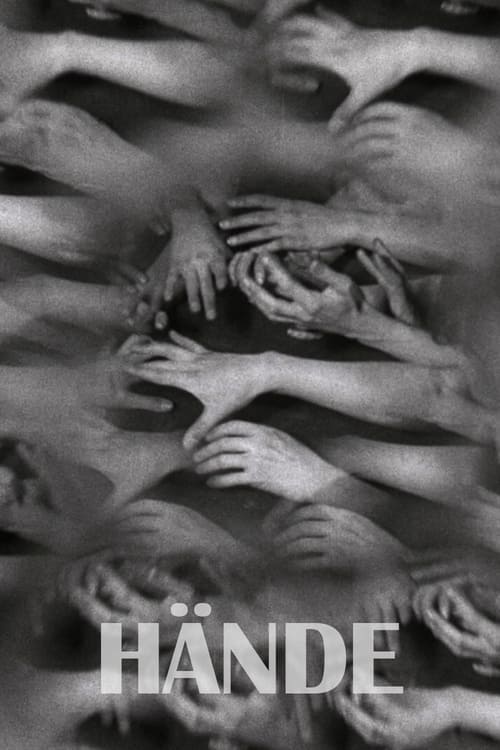
The use of human hands as characters in a dance inspired narrative are used to explore female experience and representation. By drawing upon experimental traditions found in international art, film, and photography movements of the 1920s, Simon transforms a simple melodramatic love story into an avant-garde feminist short film. (Jennifer Wild)
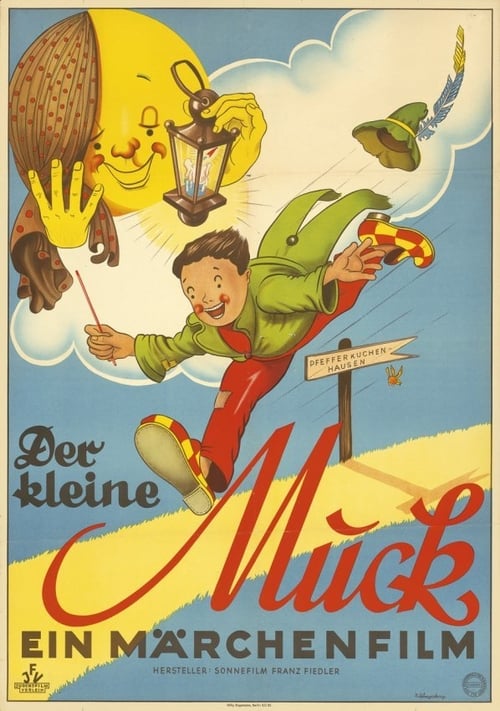
Princess Mareile and her brother have been kidnapped. Guided by Mr. Moon, Little Muck uncovers the plot of a witch, steals her miraculous running shoes and frees the captive children from the lair of the evil giant Bumbo.
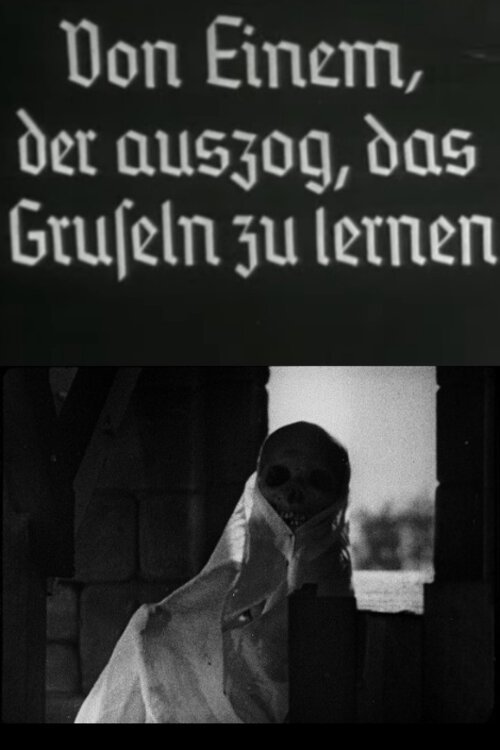
Elaborately designed puppet animation film about the Brothers Grimm's "Fairy Tale of the Youth Who Went Forth to Learn What Fear Was"
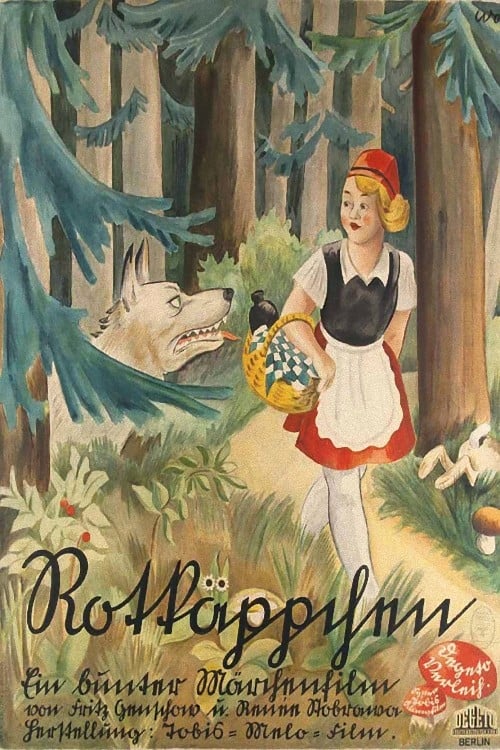
The first partly colored German fairy tale film directed by Fritz Genschow. The film has a frame story shot in black and white and a middle section in color that tells the story of Little Red Riding Hood, who is sent by her mother to her grandmother with cake and wine. On the way there, it passes through the dark forest. She meets the wicked wolf, to whom she reveals the location of her grandmother's house. The wolf rushes to her grandmother's house, eats her whole, puts on her hood and lies down in bed. When Little Red Riding Hood arrives, he eats her too. The "Uncle Hunter" appears as a rescuer in uniform and frees them both from the wolf's belly.
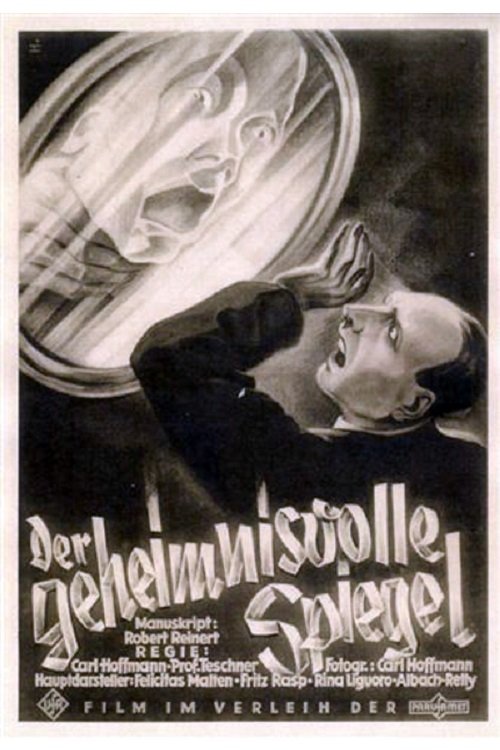
A mirror in a creepy old Bavarian castle has the magical ability to reveal the future of whoever looks into it while the full moon shines brightly. A series of characters looks into the glass to learn their fate, and most are unhappy with what they learn. In the end, the hero smashes the glass and then commits suicide. After he is dead, the mirror magically reassembles itself into a whole as before.
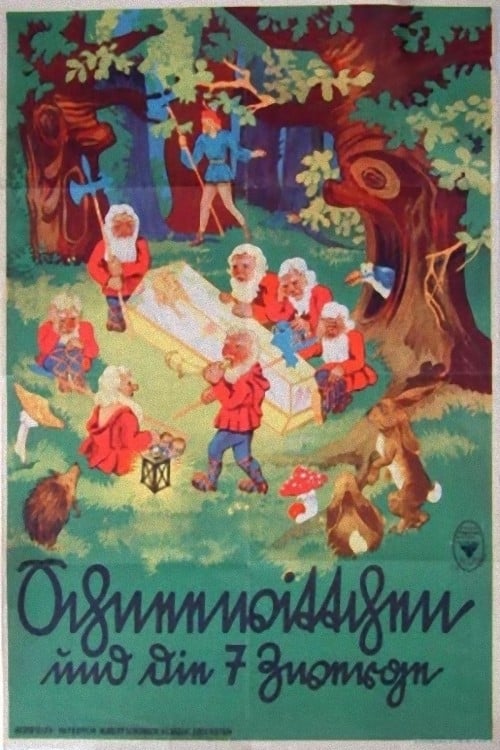

Film shows the story of Papageno (the one from Mozart's opera "The Magic Flute"), who wants a mate, yet has difficulties getting one.
A skinny couch potato buys a tonic that gives him unexpected strength. Thanks to his new strength, he breaks open the floor of his room, falls to the ground and lands in Africa. He later gets rid of his unloved mother-in-law and ends up with his wife in a fireplace that was destroyed by his fall. Lost.
Silhouette animation based on the tales of Baron Munchausen. “This film, primitive in technique, is contemporary with Miss Reiniger's first silhouette film The Flying Coffer, shown by the Society. Mr. Felgenauer's design is individual.” - The [London] Film Society, 1928.
Zehn Minuten Mozart was Reiniger's first attempt at merging silhouette animation with music.
Assad, a young Turk, meets a boy who tells him about a princess who was enchanted by an evil sorcerer. In a jeweler’s shop, the young man finds a precious ring in which he sees the princess who is imprisoned in it. He takes the ring and from now on is hunted by the authorities for his crime. But he has fallen in love with the princess and wants to free her from her prison, but doesn't know how to break the spell. Only the princess knows the secret, but she's not allowed to tell.
A professor discovers a way to separate the soul from the body.
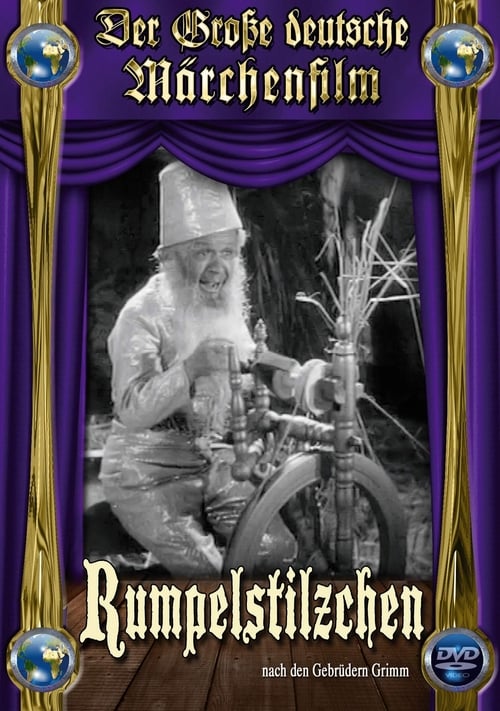
Many, many years ago, there lived a miller with his beautiful daughter. He lied to his king, telling him that she could spin straw into gold. The young woman was immediately taken to the king's castle and told that she must spin the straw into gold by the next day or she would die! After the door closed behind her, a little man entered during the night, who was skilled in the art she had been praised for...