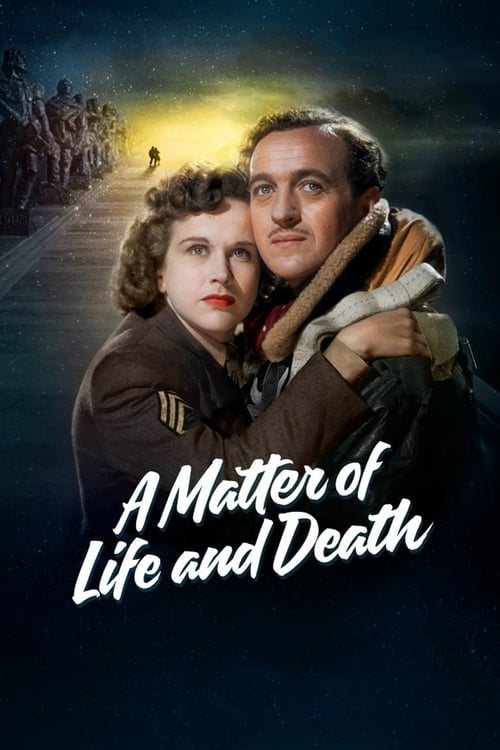
A British wartime aviator who cheats death must argue for his life before a celestial court, hoping to prolong his fledgling romance with an American girl.
A Matter of Life and Death
7.8 1946
83 Matches Found
A British wartime aviator who cheats death must argue for his life before a celestial court, hoping to prolong his fledgling romance with an American girl.
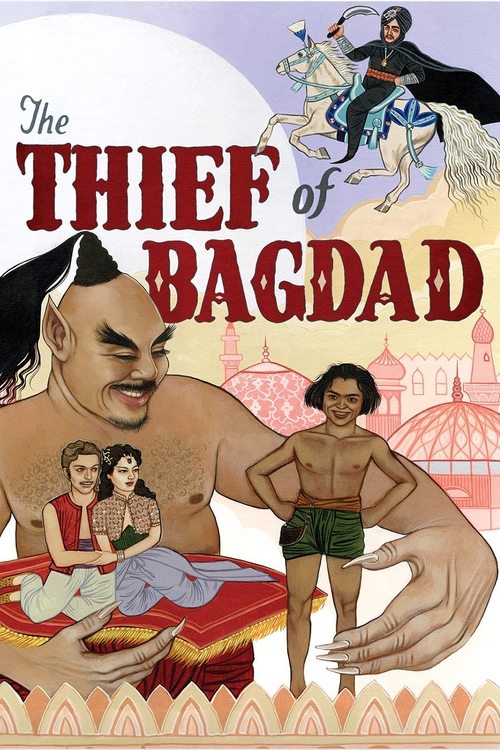
When Prince Ahmad is blinded and cast out of Bagdad by the nefarious Jaffar, he joins forces with the scrappy thief Abu to win back his royal place, as well as the heart of a beautiful princess.

Ebenezer Scrooge, the ultimate Victorian miser, hasn't a good word for Christmas, though his impoverished clerk Cratchit and nephew Fred are full of holiday spirit. In the night, Scrooge is visited by spirits of the past, present, and future.
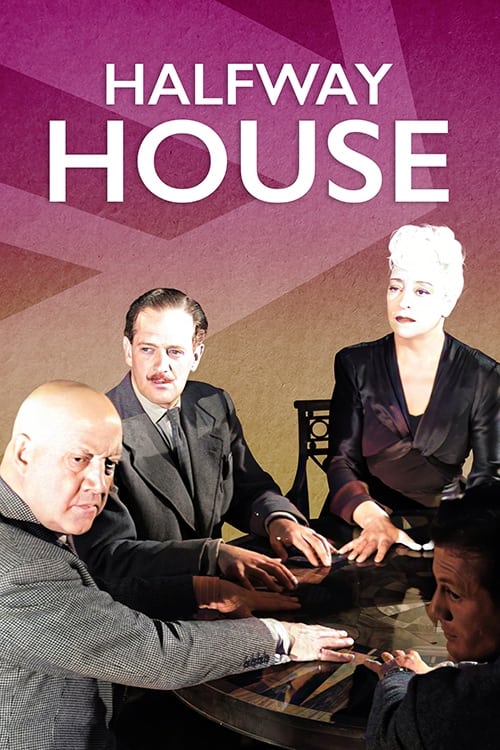
A group of travellers, each with a personal problem that they want to hide, arrive at a mysterious Welsh country inn. There is a certain strangeness in the air as they are greeted by the innkeeper and his daughter. Why are all the newspapers a year old? And why doesn't Gwyneth seem to cast a shadow?
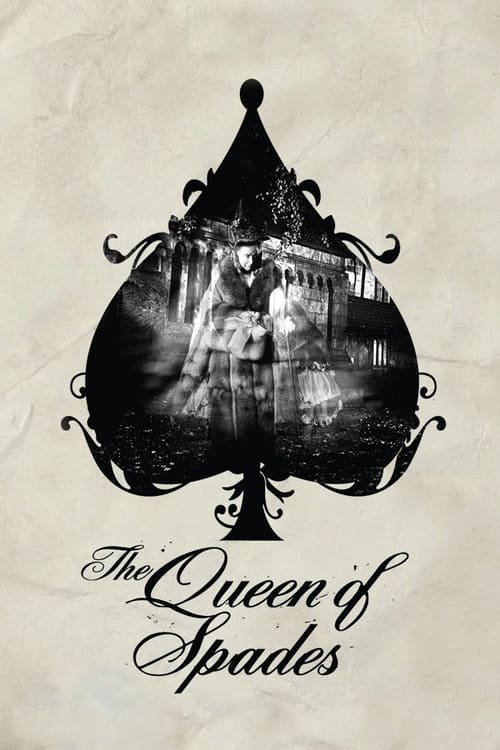
A czarist captain stops at nothing to learn the secrets of a countess rumored to have sold her soul to the devil in order to always win at cards.
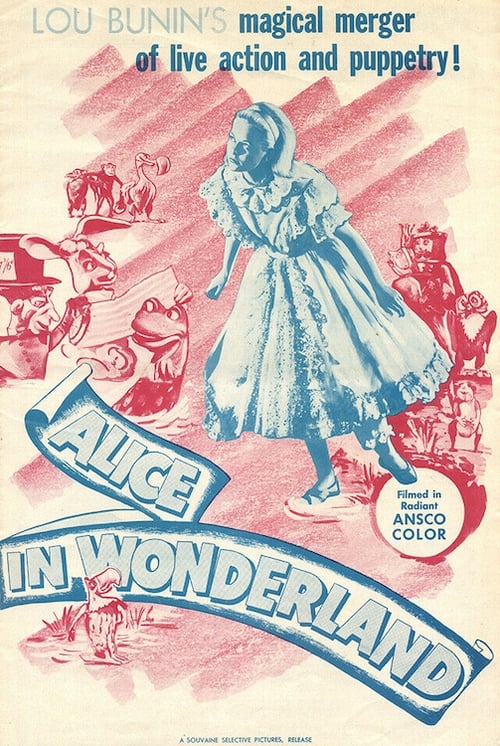
This exceptional theatrical version of Lewis Carroll's 1865 classic features a combination of live characters and puppets.
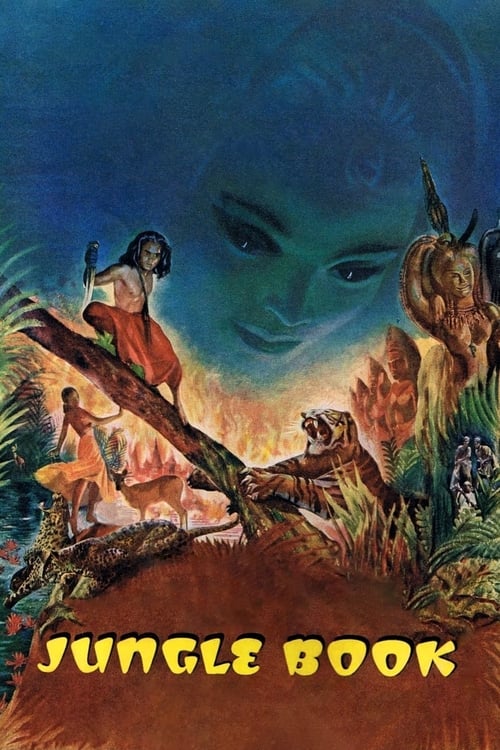
Mowgli, lost in the jungle when a toddler, raised by wolves, years later happens upon his human village and reconnects with its inhabitants, including his widowed mother. Continuing to maintain a relationship with the jungle, adventures follow.
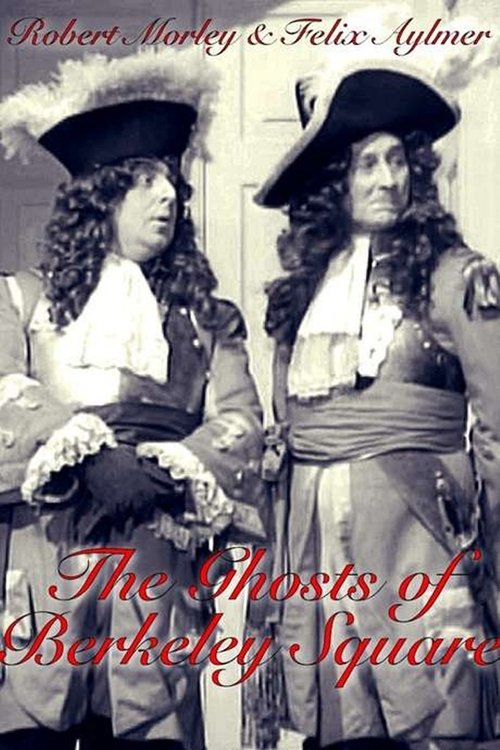
The ghosts of two stupid 18th-century officers are doomed to haunt a Berkeley Square mansion until the unlikely event of a reigning monarch paying the house a visit. It will take more than 200 years... Based on the novel "No Nightingales" by Caryl Brahms and S.J. Simon.
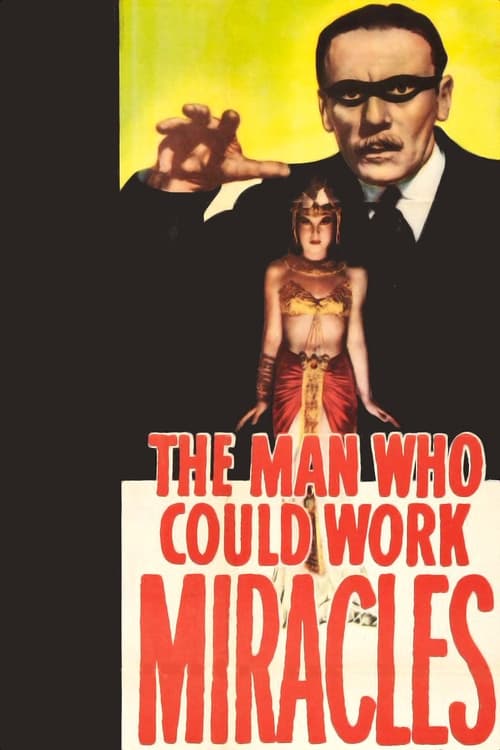
An ordinary man, while vigorously asserting the impossibility of miracles, suddenly discovers that he can perform them.
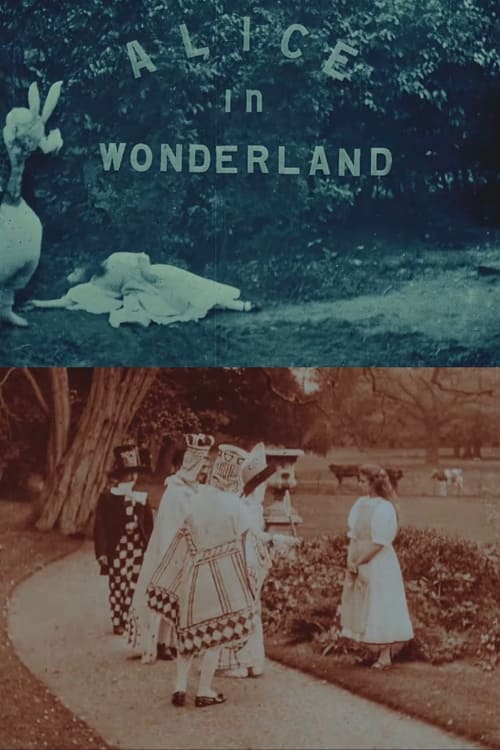
This is the first movie version of the famous story. Alice dozes in a garden, awakened by a dithering white rabbit in waistcoat with pocket watch. She follows him down a hole and finds herself in a hall of many doors.
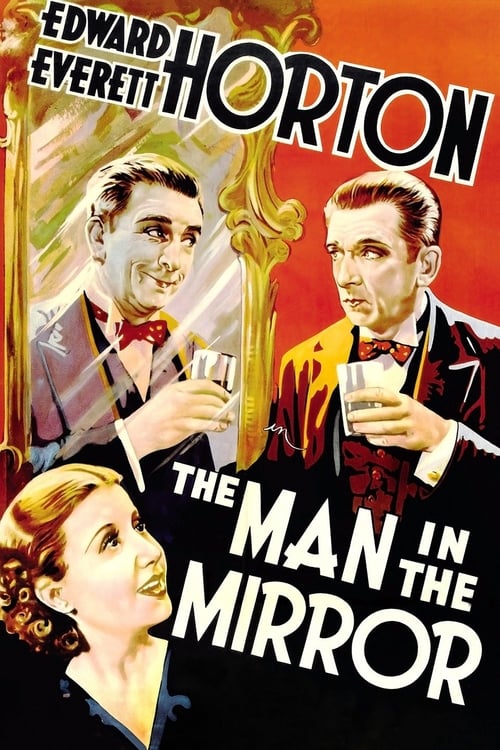
A mild-mannered, somewhat mousy man is astounded when his reflection in a mirror comes to life and begins to do all the wild and crazy things that he always wanted to but never could.
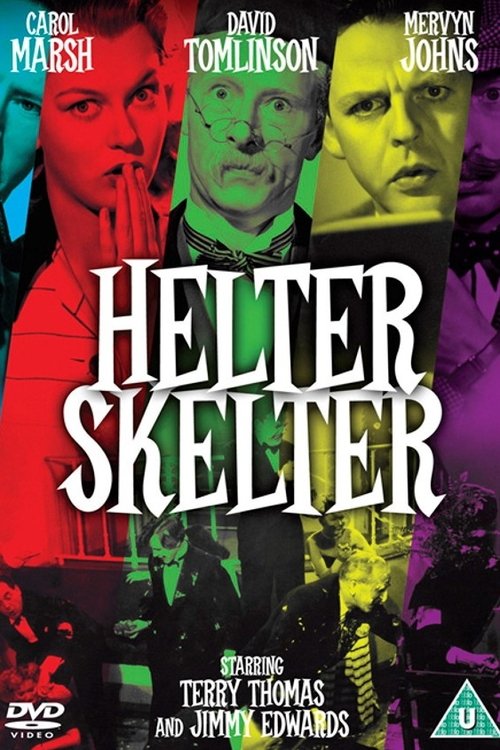
A detective gets involved with a wealthy socialite who can't seem to stop hiccuping.
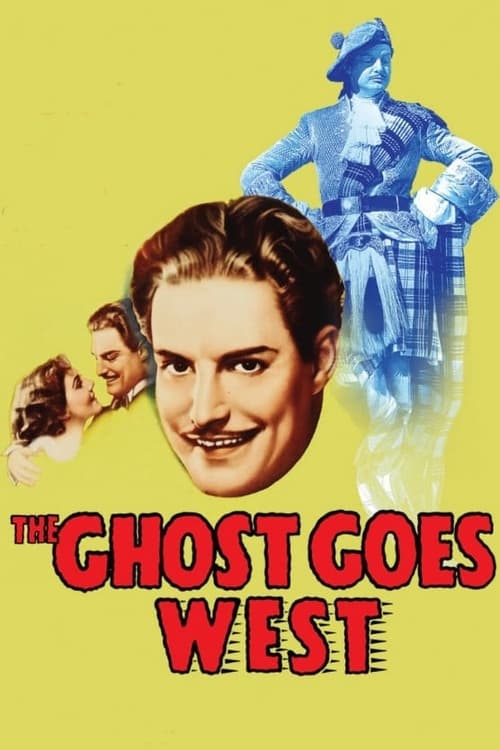
Donald Glourie shares his crumbling ancestral home with the ghost of his Highland ancestor, Murdoch, who has been condemned to haunt the castle until he avenges a 200-year-old insult from a rival clan. To clear his mounting debts, Donald sells the dilapidated pile to an American businessman, Mr Martin, who has the castle complete with the Glourie ghost transported and rebuilt in Florida. While old-world gentility rubs up comically against 20th-century materialism, Martin's daughter takes a liking to both Donald and Murdoch, convinced they are one and the same man...
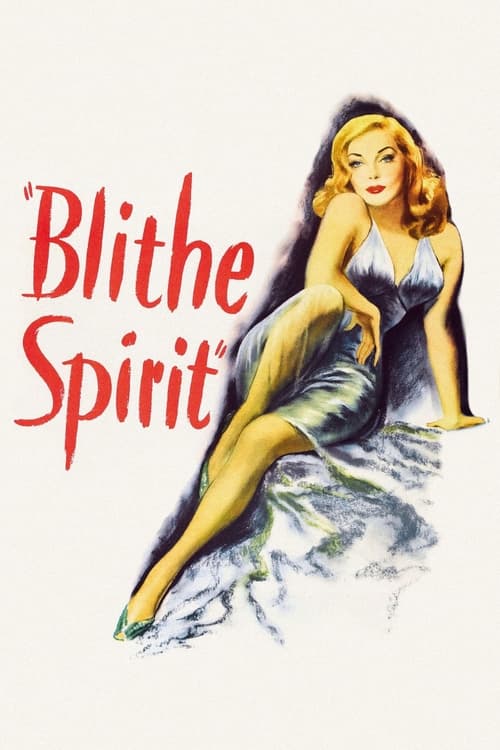
A harmless séance at a novelist's home summons the ghost of his glamorous first wife.
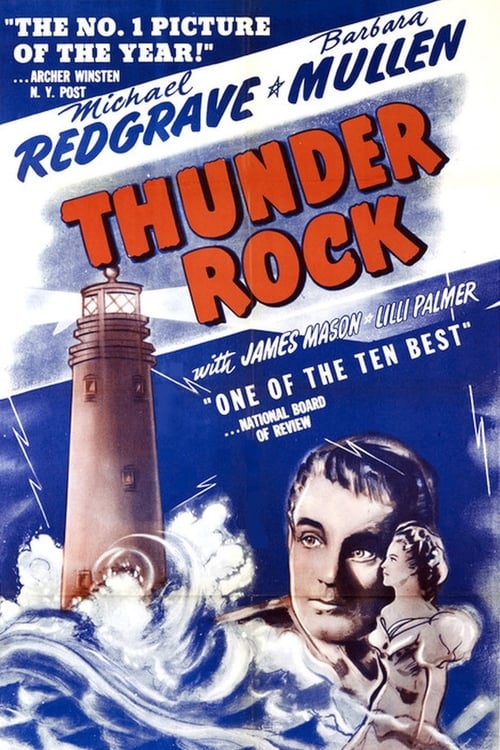
David Charleston, once a world renowned journalist, now lives alone maintaining the Thunder Rock lighthouse in Lake Michigan. He doesn't cash his paychecks and has no contact other than the monthly inspector's visit. When alone, he imagines conversations with those who died when a 19th century packet ship with some 60 passengers sank. He imagines their lives, their problems, their fears and their hopes. In one of these conversations, he recalls his own efforts in the 1930s when he desperately tried to convince first his editors, and later the public, of the dangers of fascism and the inevitability of war. Few would listen. One of the passengers, a spinster, tells her story of seeking independence from a world dominated by men. There's also the case of a doctor who is banished for using unacceptable methods. David has given up on life, but the imaginary passengers give him hope for the future.
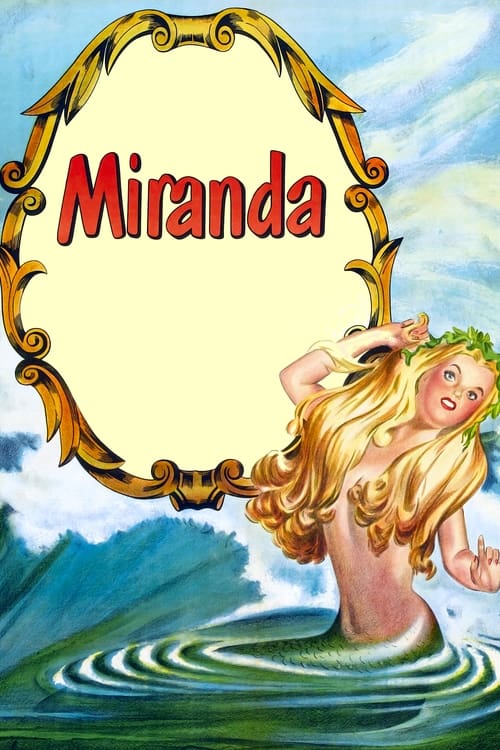
A young married physician discovers a mermaid, and gives into her request to be taken to see London. Comedy and romantic entanglements ensue.
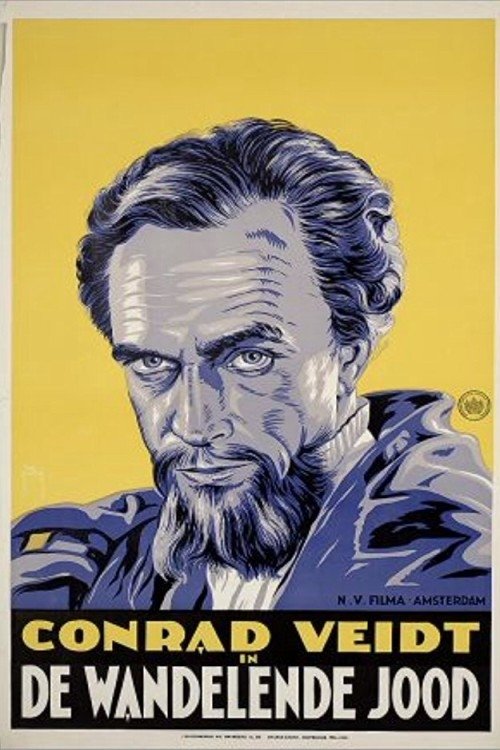
Old Jerusalem: Matathias, spiteful over his lover's illness, spits on Jesus along the road to Calvary, and is cursed to live endlessly until His return. The Crusades, 1150: Matathias, now an anonymous knight, competes for glory in combat and for the wife of a soldier. Palermo, 1290: Matteos Battadios witnesses the death of his young son, leading to conflict with his wife over whether to take comfort in Christianity. Seville, 1560: Dr Matteos Battadios dedicates himself to the treatment and comfort of the poor, but his life and work are endangered by the arrival of the Spanish Inquisition.
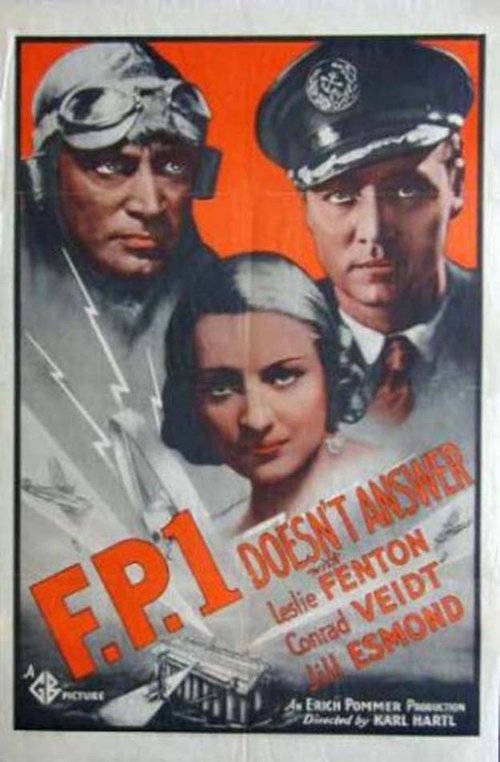
Urged by famous airman Ellissen the Lennartz Company puts into reality the project proposed by his friend Droste: F.P.1, a huge floating platform in the Atlantic that makes long-distance flights viable. Ellissen is in love with company heiress Claire, but when he returns from his adventures to save the endangered F.P.1 he finds out that he has lost her to Droste. English version of F.P.1 antwortet nicht with Conrad Veidt replacing Hans Albers as the jaded pilot Ellissen.
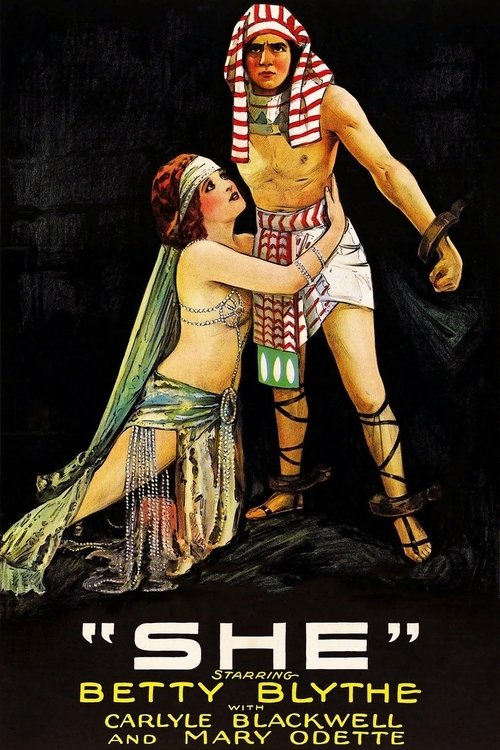
Mr. Blackwell discovers a relic that informs him about Blythe (as Ayesha, or "She-Who-Must-Be-Obeyed"), who loved his father and others in the ancestral line. Blackwell accompanies pal Heinrich George and handyman Tom Reynolds to Arabia.
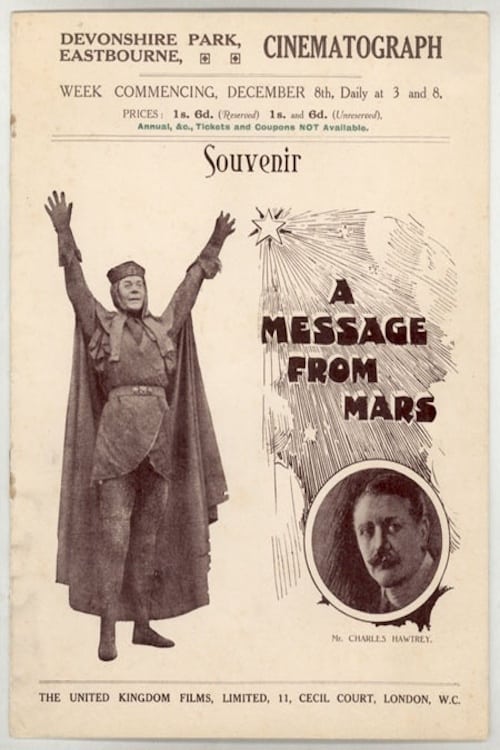
A Martian is sentenced to visit earth to cure a selfish man.

A batty Scottish professor attempts to prove the existence of the Loch Ness Monster, but everyone thinks he's crazy. Meanwhile, a foolish young reporter attempts to get a scoop on the story.
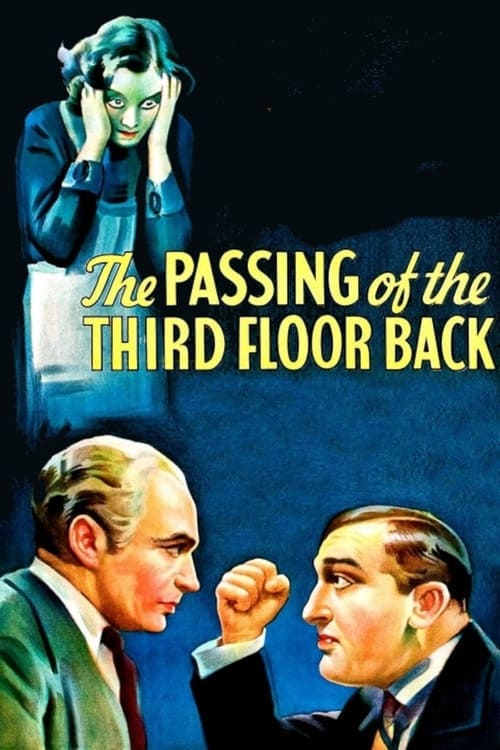
The tenants of an old London boarding house spend their time in petty bickering and sniping until a mysterious stranger arrives at their door.
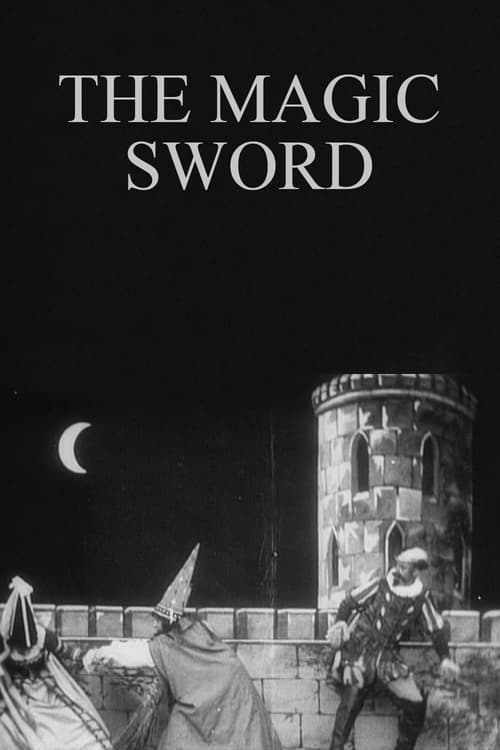
On the roof of an ancient palace appear a young Knight and his lady. While they are making love an ugly old witch appears and is rather troublesome. The Knight commands her to leave, and when he is about to force her away she sits on her broom and rises to the moon. After disappearing she causes various hob-goblins to haunt the pair, the last of them stealing away the lady while the Knight's back is turned. The Knight, frantic with grief, is suddenly confronted by a Fairy, who presents him with a magical sword, and tells him that he can use it to regain the young woman.

The Sorrows of Satan is a 1917 British silent fantasy film directed by Alexander Butler and starring Gladys Cooper, Owen Nares and Cecil Humphreys. Made at Isleworth Studios, and based on the novel of the same name, the plot involves a poverty-stricken author so depressed that he agrees to sell his soul to the Devil.
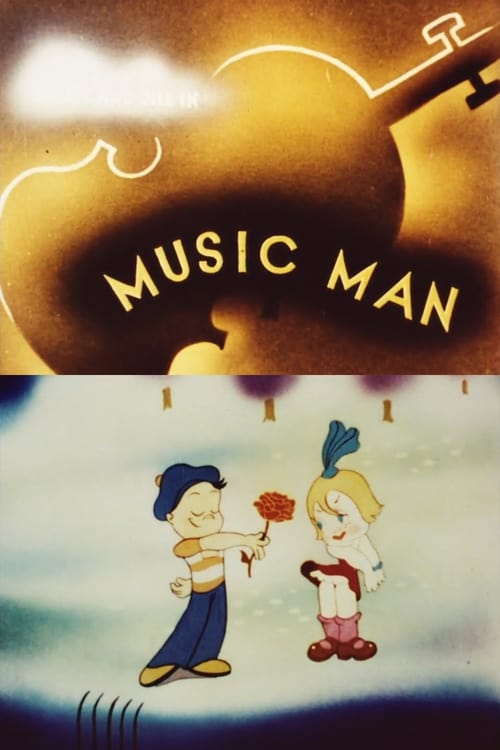
The first British animated Technicolor film.
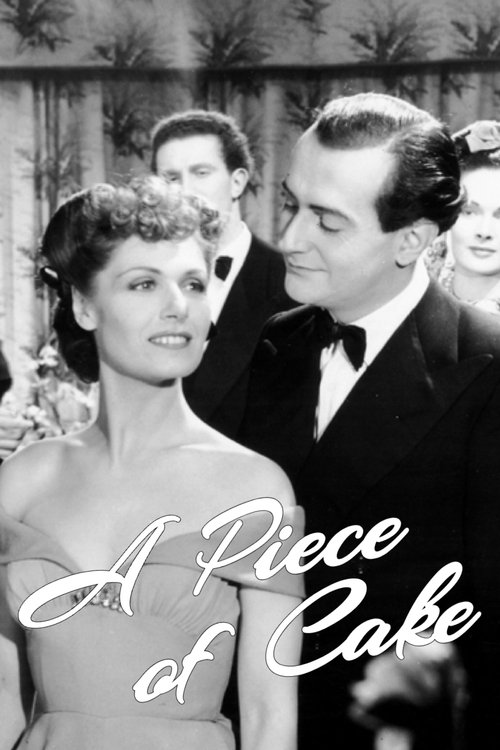
Set in the austere post–World War II British world of rationing, Cyril dreams up an ode to an imaginary character named Merlin Mound who can provide anything one can wish. Merlin becomes real and grants his host's wishes; not by conjuring the items out of thin air, but depriving them from other people's ownership, which leads to trouble.
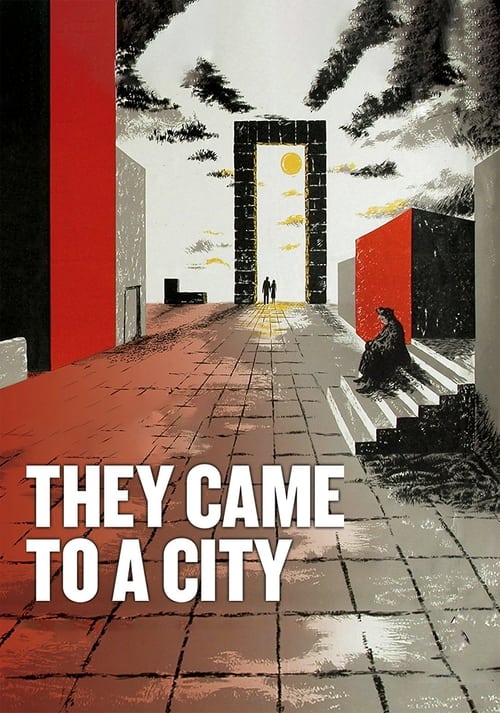
People from different walks of life mysteriously find themselves at the gate of an unknown city
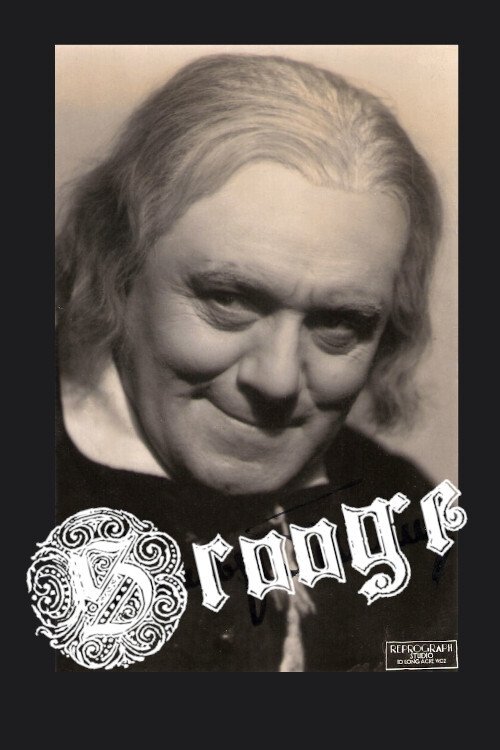
The miserly Scrooge changes his ways after being haunted by ghosts on Christmas Eve.
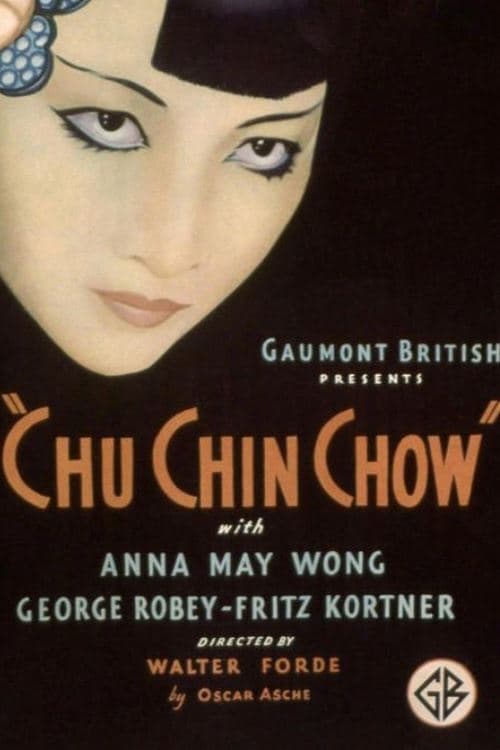
Musical retelling of the "Ali Baba and the 40 Thieves" Arabian Nights tale.
A séance proves a ghost compelled a spiritualist to kill his rich father.
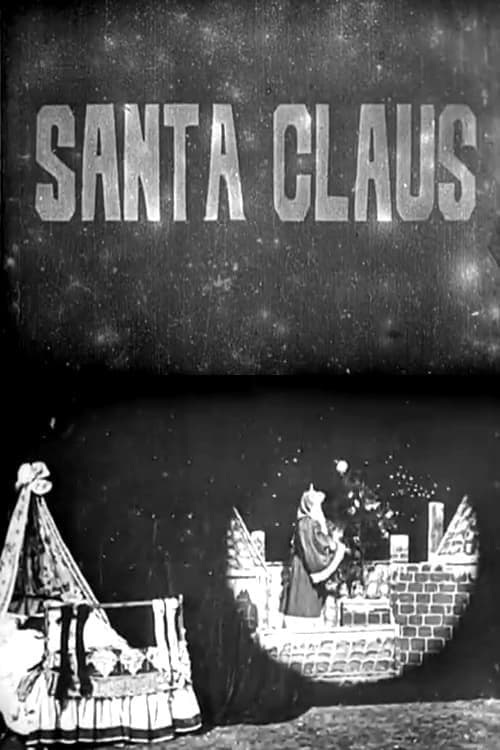
Santa arrives at a house on Christmas Eve to deliver his presents for the children.

Dr Faust is continually obsessed with his quest for knowledge and absolute pleasure. One day, the demon Mephistopheles appears to him in his study in human guise and offers him a deal: a lifetime of total pleasure in exchange for the life of his fiancée Margaret. Faust accepts but is soon forced to realise the impossibility of crossing the boundaries of knowledge and the limits imposed by God.
'Club-owner crashes plane in Arcady, land of truth and beauty.' (British Film Catalogue)
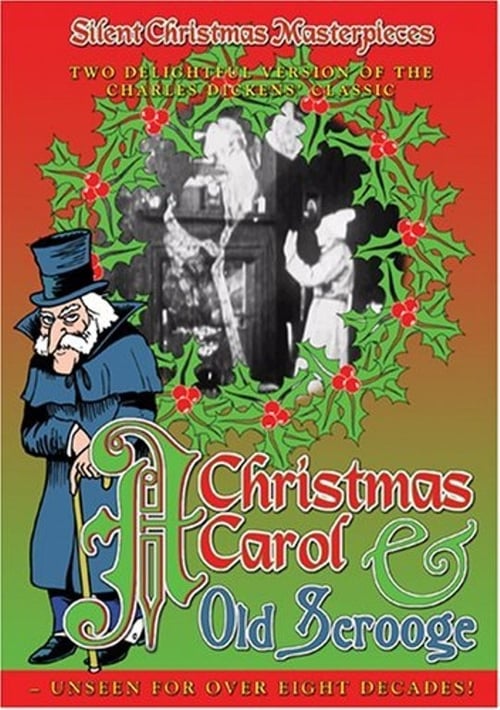
A 1913 British black and white silent film based on the 1843 novel A Christmas Carol by Charles Dickens. It starred Seymour Hicks as Ebenezer Scrooge. In the United States it was released in 1926 as Old Scrooge.
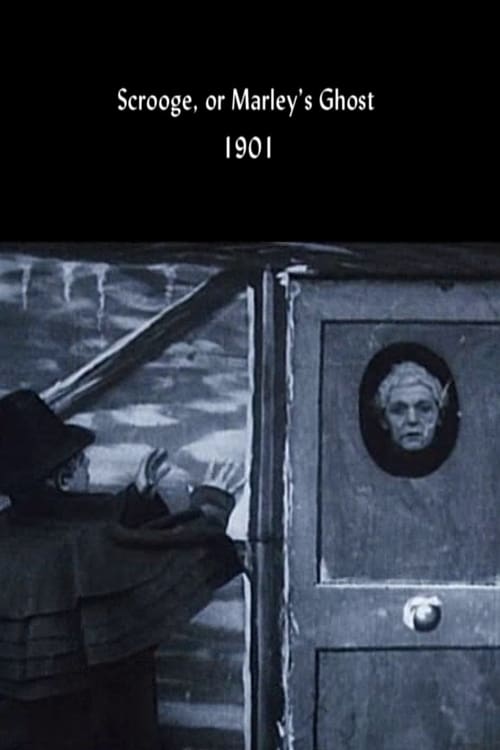
Filmed in 35mm and in black and white, this short silent film was produced by the English film pioneer R. W. Paul, and directed by Walter R. Booth and was filmed at Paul's Animatograph Works. It was released in November 1901. As was common in cinema's early days, the filmmakers chose to adapt an already well-known story, in this case A Christmas Carol by Charles Dickens, in the belief that the audience's familiarity with the story would result in the need for fewer intertitles. It was presented in 'Twelve Tableaux' or scenes.
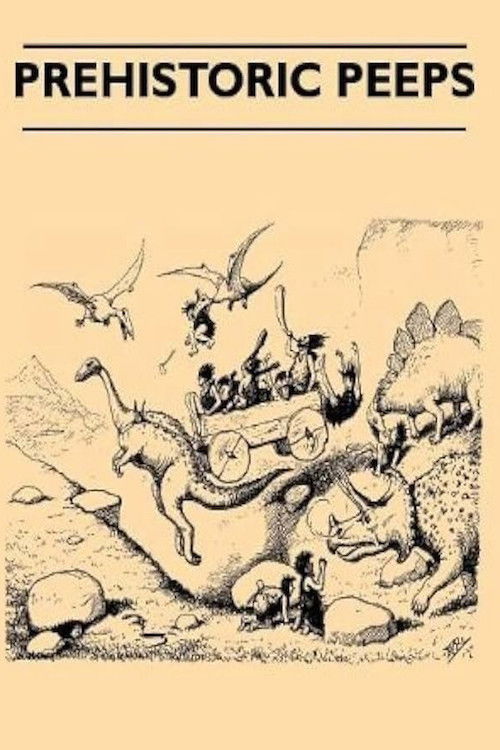
A scientist dreams of prehistoric monsters. He awakes in a cavern. A dinosaur chases him, even though he tries to shoot it with his revolver. The chase continues onto the surface. The professor meets a group of prehistoric women, who flee when other monsters appear. The professor's wife finds him sleeping in the laboratory, surrounded by fossils, and wakes him with water from a siphon. This short film is only viewable at the BFI, and its generally believed to be the first film depiction of dinosaurs, here accomplished through the use of simple pantomime costumes.
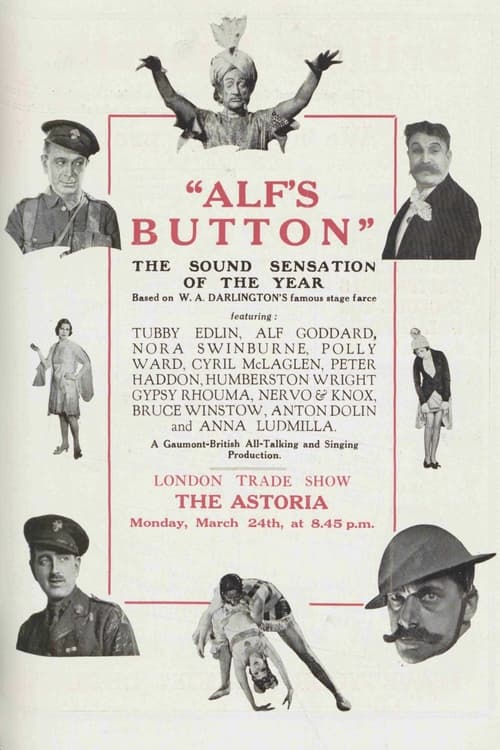
A soldier discovers a button made from Aladdin's lamp grants wishes when rubbed.
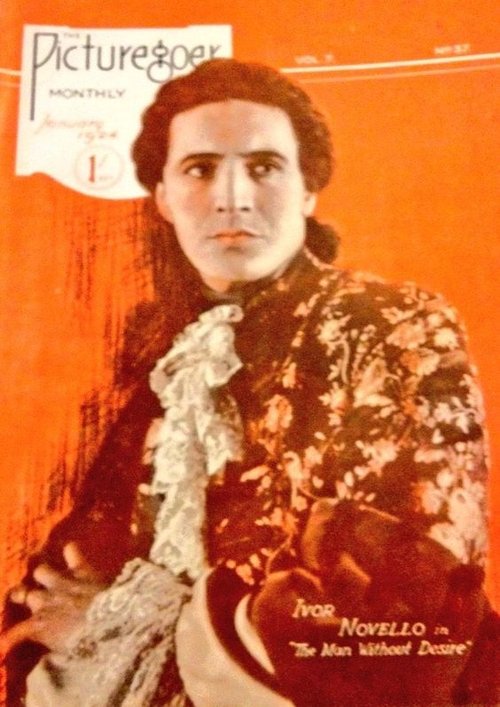
A grief-stricken 18th-century Venetian gentleman is thwarted in love and placed in suspended animation. When he wakes up 200 years later, he finds the experiment has more serious unexpected consequences.
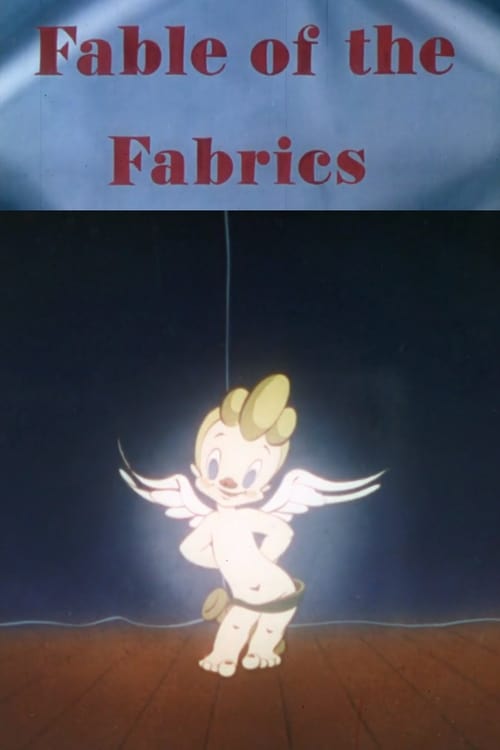
A particularly vicious Father Time with a hit-list in his Book of Doom seeks to wipe out characters brought to life from fabric patterns. This neat concept for a cartoon washing powder commercial can be credited to Alexander Mackendrick, who worked at the J Walter Thompson advertising agency before making films at Ealing and then Hollywood.
A boy breaks his sister's doll and it mends, grows, tears him up and eats him.
A film based on a story by Leo Tolstoy about a cabinet maker, his wife and an angel punished by God.
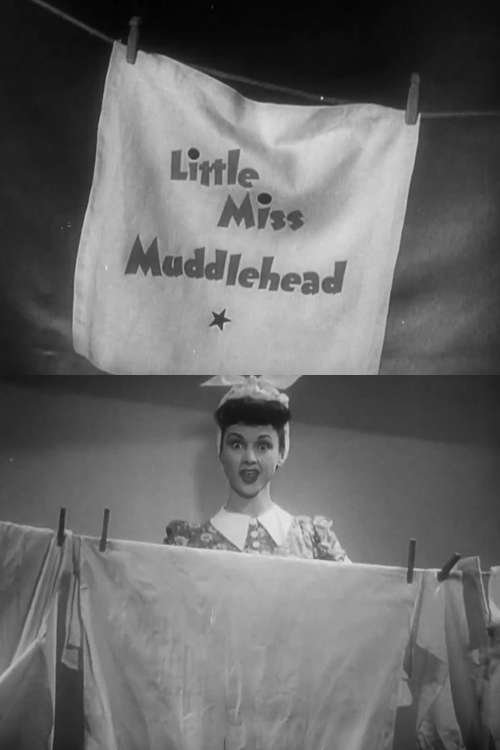
Laundry soap brand Rinso was quick to jump on the 1940s fuel rationing bandwagon and remind housewives that, unlike other soaps, Rinso required very little hot water (it was customary to boil clothes at the time). This ingenious two-pronged marketing approach - bolster the war effort while increasing sales - was in keeping with the soap manufacturer's pioneering approach to advertising.

In Baghdad a girl escapes from a robber sheikh and thwarts a plot to rob a merchant.
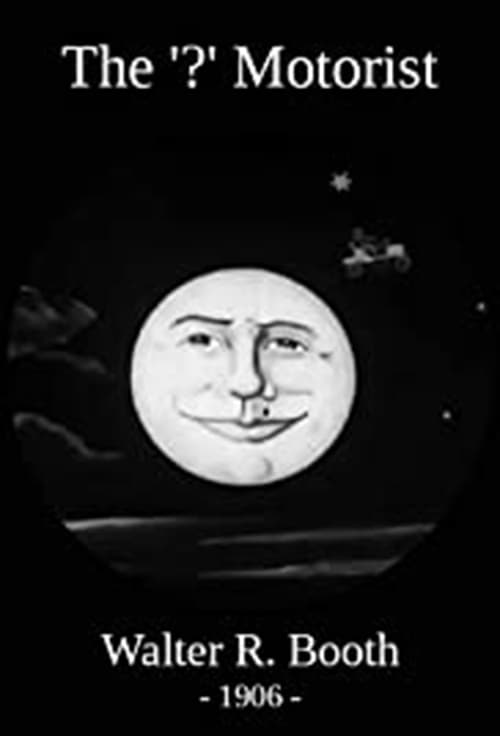
A magical glowing white motorcar ignores policemen, drives up buildings, flies through outer space, and can transform into a horse and carriage.
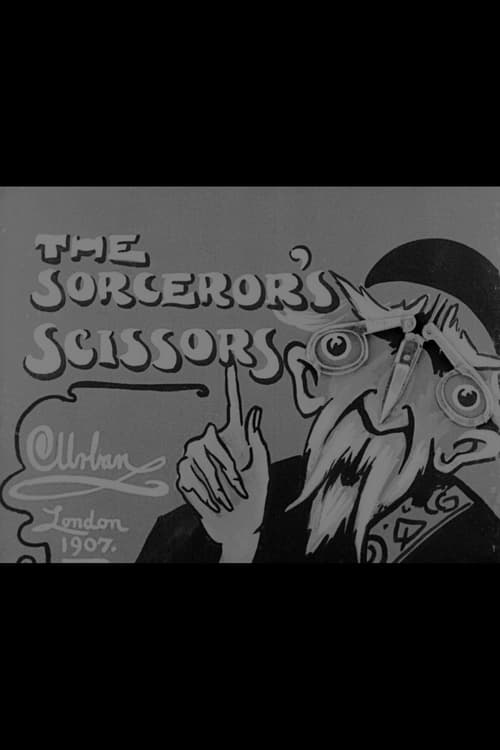
A mix of spectacle, animation and dance, the film reveals an early delight in the potential for creative fun with film form. Its director, Walter R. Booth had been described as making British films which attempted to out-Méliès Méliès.
A young Victorian couple spends time with the wife's aunt, who behaves as if her late husband were still alive, and his ghostly voice is heard.
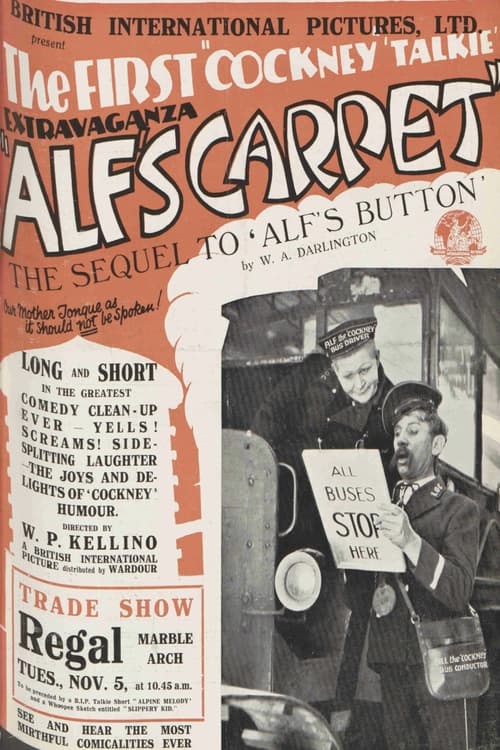
Busmen find a magic carpet and save a girl's father from the caliph.
An adaptation of the folk tale.
A wealthy man who acquires a mind-reading machine is soon horrified to discover what people are really thinking.
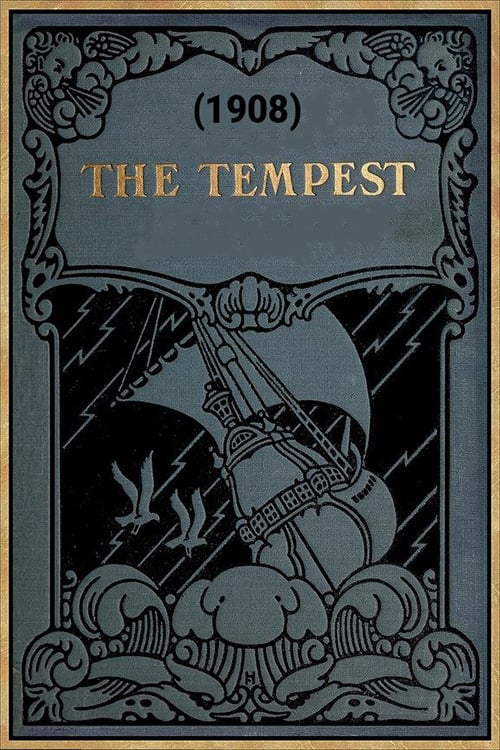
Prospero and his daughter Miranda must take refuge on an enchanted island. There Prospero, who himself has magical powers, releases the spirit Ariel from a spell, and also meets the savage Caliban. Then Prospero uses his powers to create a tempest that shipwrecks some of the persons who caused his exile.
A car crash blows a lady with a parasol onto a steeple. An inventor with an airship comes to the rescue.
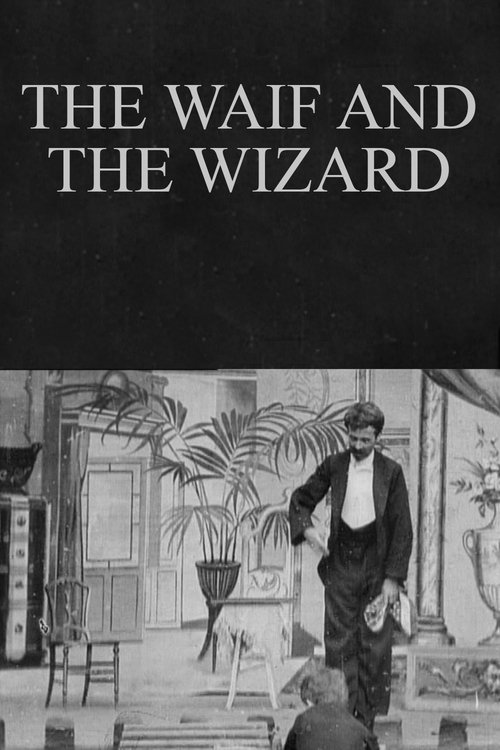
The Waif and the Wizard features the same young man who appeared in Undressing Extraordinary (and who might be early filmmaker Walter Booth). It's another early example of a two-shot film along the lines of Paul's earlier film Come Along Do!. The young man plays a magician who, after completing his act, agrees to go home with the young boy from the audience who helped him perform his tricks. At the boy's home he finds a sick sister and a worried mother being threatened with eviction by her landlord.
One fateful Friday 13th, a man rubs a gold ring and turns into a chimpanzee...so he has a look around Dublin and Chessington Zoos.
Animated film featuring the hand of Walter R. Booth drawing a coster and his donah who come to life and dance. The hand then crumples up the paper and dispenses it in the form of confetti. (BFI)
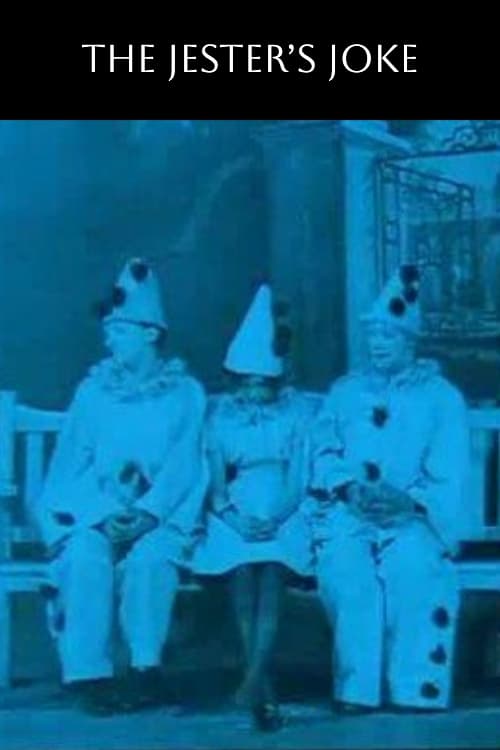
A cheeky female jester uses the smoke of her cigarette to make things appear and disappear. After showing her talents by playing with a chair or a dog, she lets clowns appear; one female, and two male. The male clowns fight each other over the girl who gets changed over and over again by the jester.
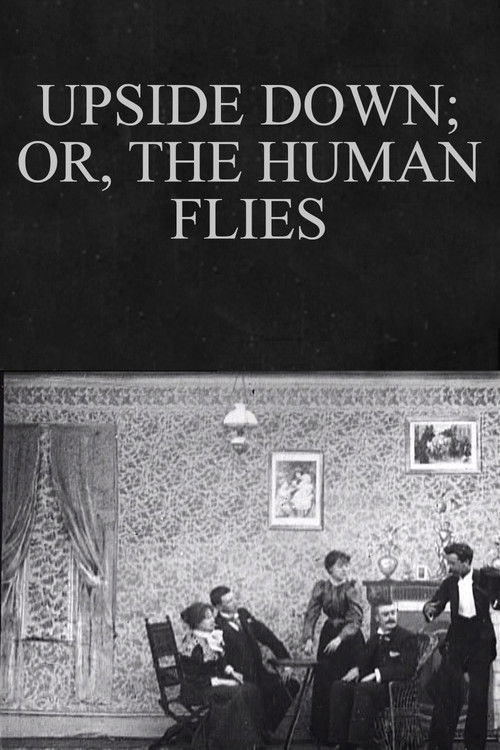
A magician performs tricks. First with a top hat, then with his audience.
A soldier serving in the trenches during the First World War falls asleep and travels through time, encountering a number of historical figures.
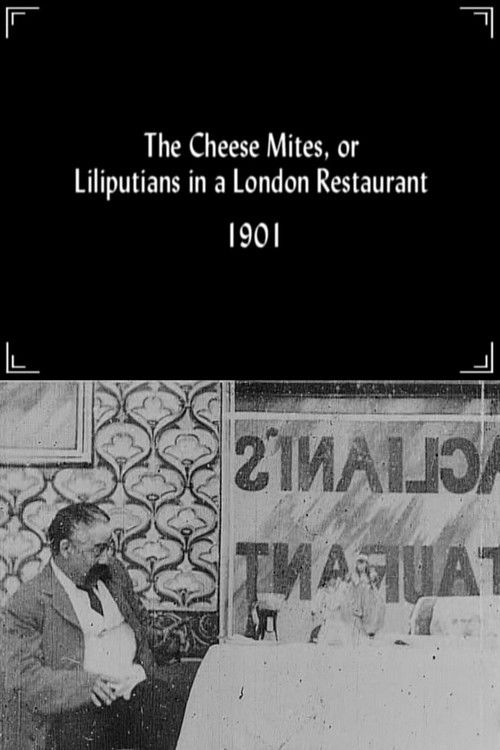
A jovial looking man is seated nearest the window of a restaurant. He has just finished his meal and the waiter brings a glass of beer, and when he places the glass upon the table, lo, a little sailor boy about six inches high appears from the foam, and climbing down the side of the glass, proceeds to dance a sailor's hornpipe on the table.
A clerk, unable to stop playing the game of Diabolo, strays in and out of precarious situations while playing with the toy.
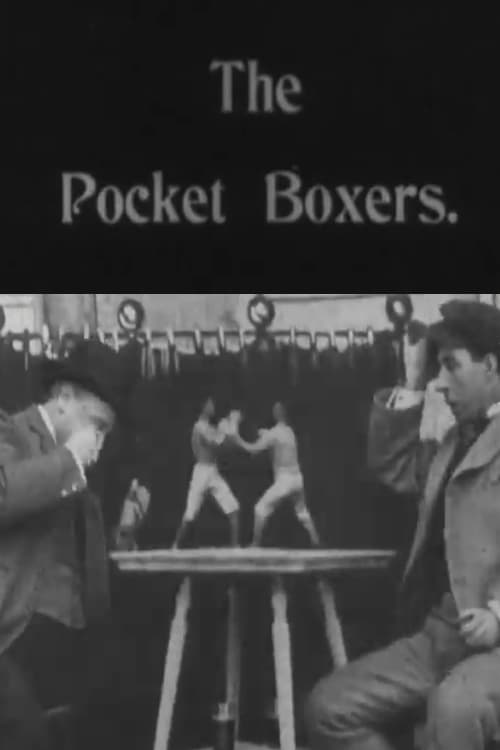
Two sports are seen drinking beer and arguing as to the qualities of certain prize fighters. They make a bet, and to prove it, each pulls his favorite pugilist from his pocket, and they set them on the table. A hot battle ensues, in which one of the midgets is knocked out. The sport whose favorite won the fight takes the money with a look of satisfaction, and replaces his man in his pocket. The loser looks very much disgusted as he picks up his man and puts him back in his pocket. Very mystifying.