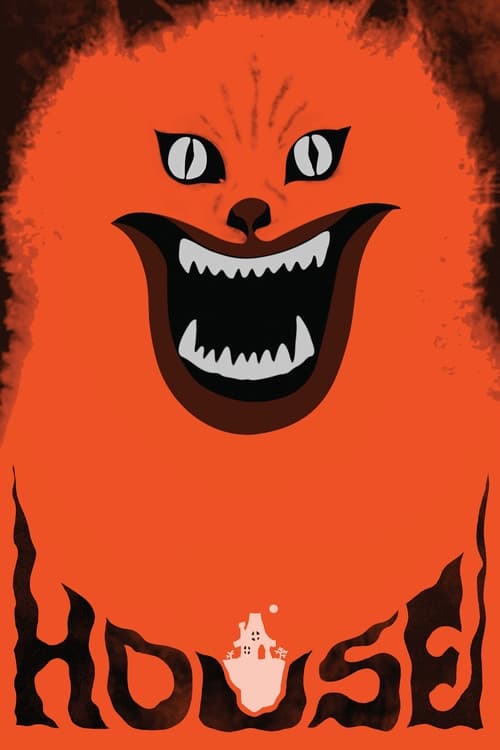
Hoping to find a sense of connection to her late mother, Gorgeous takes a trip with her friends to visit her aunt's ancestral house in the countryside. The girls soon discover that there is more to the old house than meets the eye.
House
7.3 1977
67 Matches Found
Hoping to find a sense of connection to her late mother, Gorgeous takes a trip with her friends to visit her aunt's ancestral house in the countryside. The girls soon discover that there is more to the old house than meets the eye.
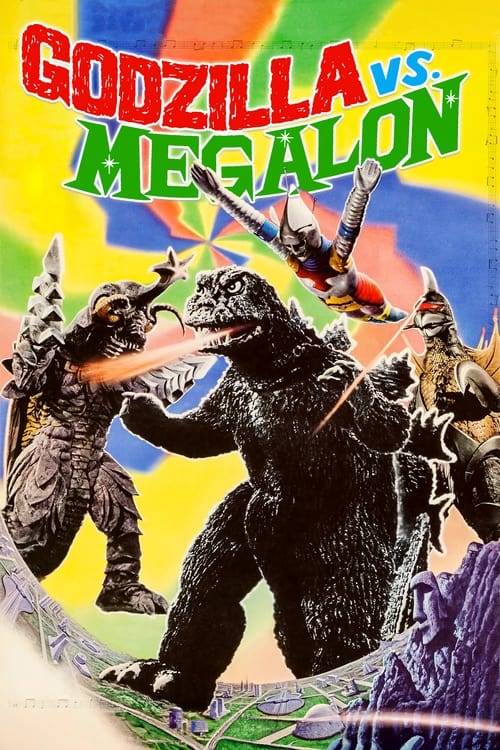
Inventor Goro Ibuki creates a humanoid robot named Jet Jaguar. It is soon seized by an undersea race of people called the Seatopians. Using Jet Jaguar as a guide, the Seatopians send Megalon as vengeance for the nuclear tests that have devastated their society.

An evil feudal lord rapes a village girl on her wedding night and proceeds to ruin her and her husband's lives. After she's eventually banished from her village, the girl makes a pact with the devil to gain magical ability and take revenge.

The story of a beautiful mermaid who gave up a kingdom for her beloved prince.

With most of his family already dead at Ogami Itto's hands, Retsudo launches one final plot to destroy him, and when that fails, unleashes the fury of every remaining member of the Yagyu clan.
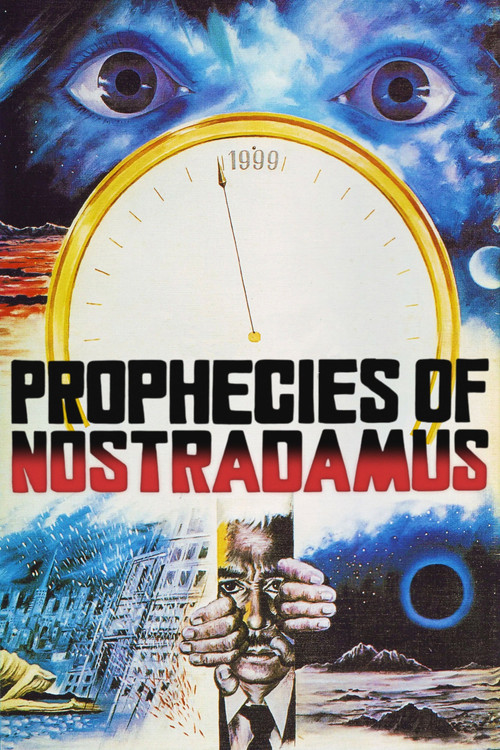
Professor Nishiyama, after studying and interpreting the prophecies of Nostradamus, realizes that the end of the world is at hand. Unfortunately, nobody listens to him until it is too late. As the effects of mankind's tampering of the earth - radioactive smog clouds, hideously mutated animals, destruction of the ozone layer - rage out of control, the world leaders hurtle blindly toward the final confrontation. The film sparked controversy in Japan and was subsequently pulled out of circulation, with no official video release of the uncut film.
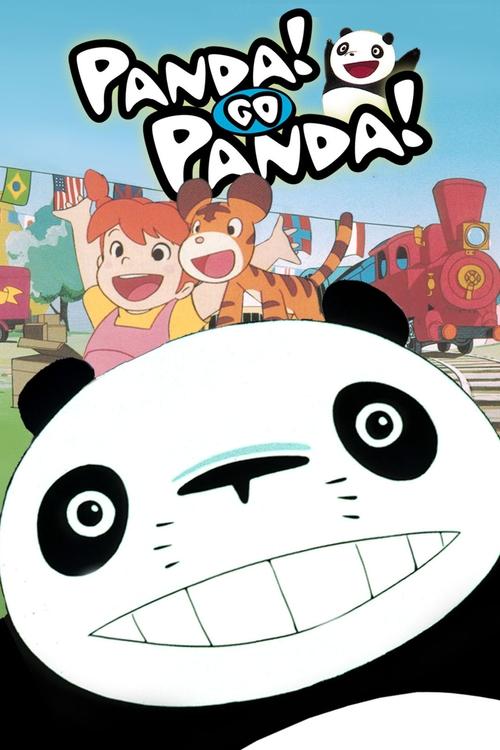
Cheerful Mimiko has a wonderfully strange family—a Panda for her Papa; and his son Panny, calls her Mom! When Panny follows Mimiko to school, he must pretend to be a teddy bear so Mimiko won't get into trouble. Despite his efforts to behave, Panny causes trouble in school and now the school is after Panny! Then, Panny makes a new friend, Tiny, a baby tiger who's wandered off from the circus.
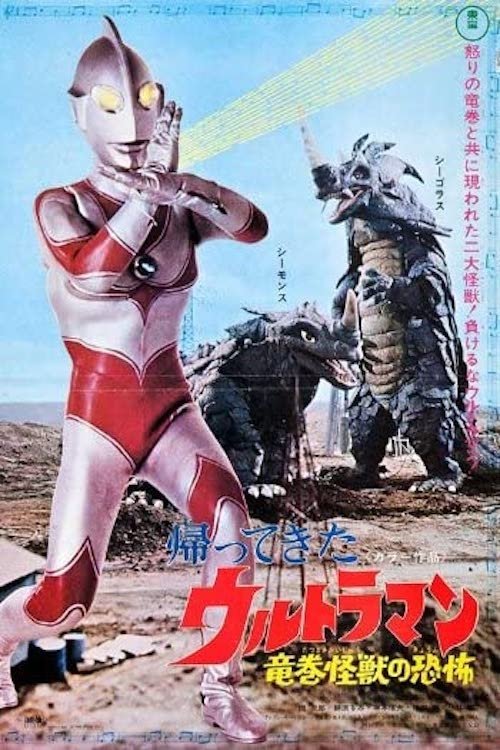
A theatrical release of The Return of Ultraman episodes 13-14. It was released on December 12, 1971 as part of the Toho Champion Festival along with Godzilla, Mothra, King Ghidorah: Earth's Greatest Battle (edited from Ghidorah, the Three-Headed Monster) and shorter versions of The Adventures of Hutch the Honeybee, and The Little Match Girl.

When a lone traveler stumbles upon a remote, drought-stricken village, he finds himself engulfed in a whirlpool of myth, mystery, and magic: in a nearby pond reside spirits who hold the fate of the town’s inhabitants, including lovers Akira and Yuri, in their hands.

A director faces creative block while working on his latest film – a reimagination of his adolescence growing up in a mountain village in rural Japan.

A woman believing to be a legendary immortal nun attracts people looking for answers to their life struggles.
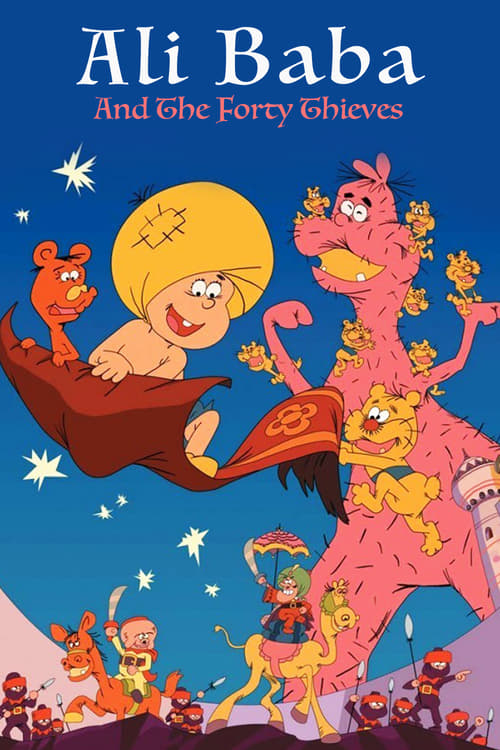
A peasant boy and 38 cats band against the tyrannical Ali Baba the 33rd and his cat-phobic genie.

A mountain man beheads his many wives to prove his love to an alluring woman he meets in an enchanted forest.

The plot of Marine Express can be described in two parts. The first part focuses on the people boarding the train and the problems they encounter on it. The second part takes place after the train has stopped at its half-way point, an island that used to be home to an ancient civilization millennia ago and has its fair share of secrets.
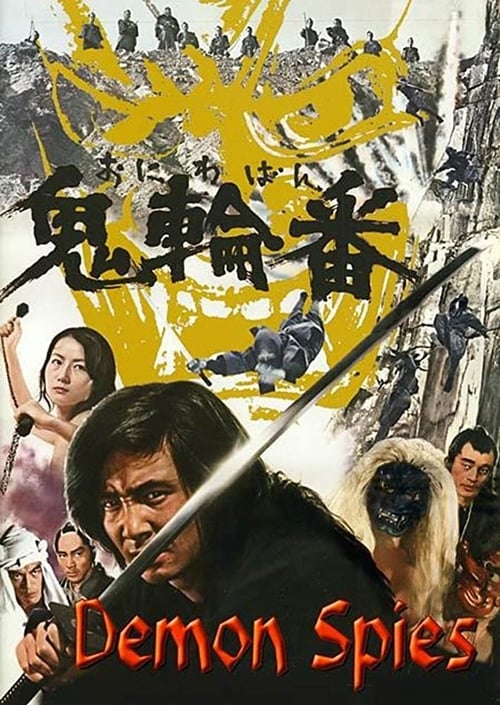
Deep in the mountains of feudal Japan, a group of children endure cruel and unorthodox training in order to become the Shogunate's most secret and deadly weapons - the Demon Spies! Their true identities are hidden - even from each other. Behind their demon masks, they are educated in the deadly arts of infiltration, espionage, assassination - and seduction! If they survive to become strong enough to kill their teachers, they will become - the Demon Spies! Sent on a suicide mission to uncover a deadly conspiracy, five inexperienced Demon Spies must infiltrate a powerful fief, discover the location of its secret arsenal, and destroy it. But Lord Shogen, the Demon Hunter, plans to brutally interrogate, ingeniously torture, and cruelly execute - the Demon Spies!
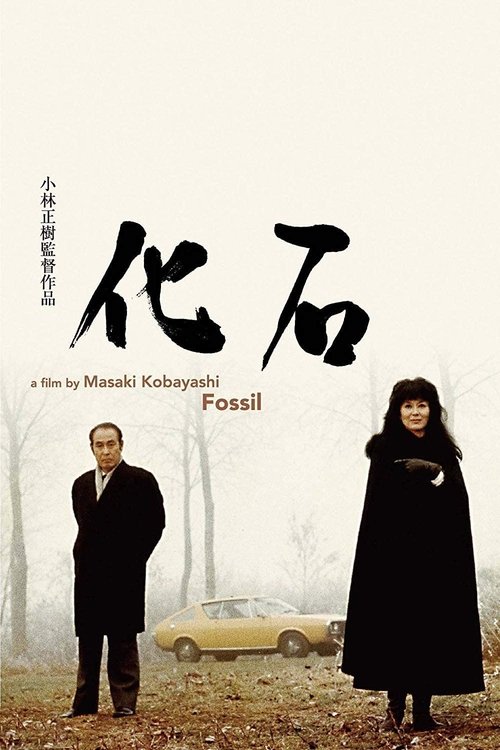
An industrialist is diagnosed with terminal cancer. He is abroad in Europe at the time, and a glimpse of a Japanese woman in that setting causes him to imagine her as the personification of his impending fate. As his dialogue with his imagined mortality continues, he meets the living woman, the template for his fantasy, and together, they tour rural churches. Gradually, he comes to some kind of peace about the diagnosis. When he returns to Japan, he is met with a series of challenges that profoundly test the lessons he has learned.
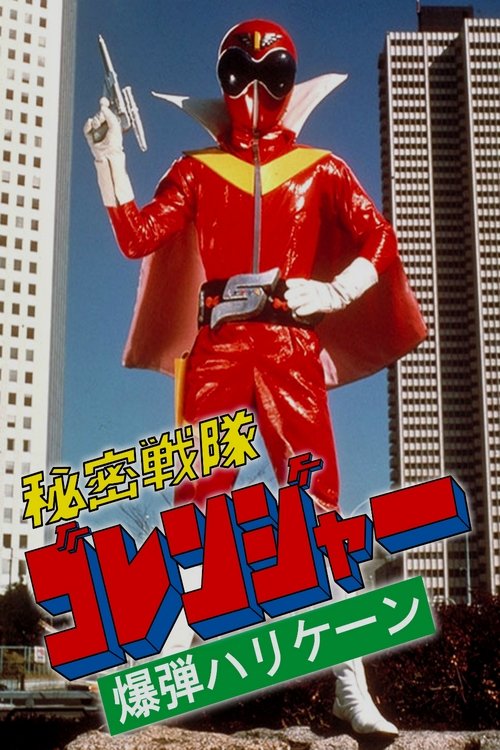
The Gorenger head for Matsuyama to prevent the Black Cross from firing a missile to destroy Japan. Himitsu Sentai Gorenger: The Bomb Hurricane is a theatrical film based on the Himitsu Sentai Gorenger television series. It was originally shown on July 22, 1976 (between Episodes 56 and 57 of the TV series) as part of the Toei Manga Matsuri film festival. It was the only Gorenger film that was a completely original work and not a theatrical version of a TV episode.

Patterned after Japanese art and silk screens, Taro, The Dragon Boy is an animated feature about Japanese mythology and cultures, focusing on Taro, a young boy who has to make a voyage to a distant lake to save his mother, who has been turned into a dragon.
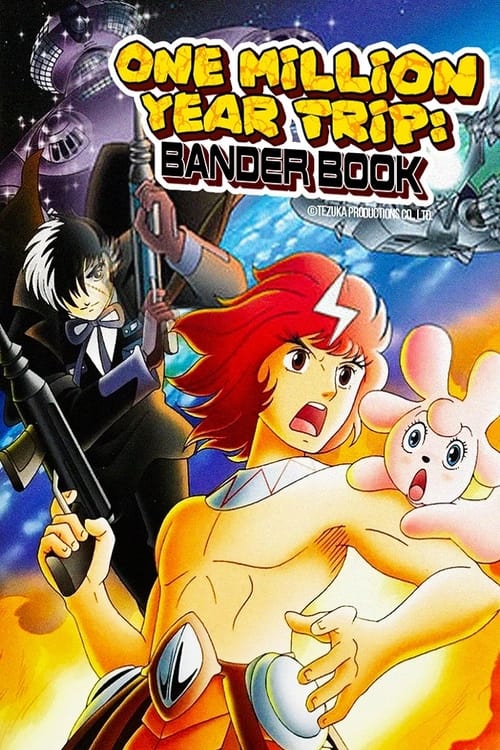
Bander is a 17-year-old boy from Earth who lives on a distant planet, which is populated by human shape-shifters who feed off of vegetables and animal tails. Violence soon breaks out, as invaders launch an attack on Bander's new planet. This was Japan's first 2-hour animated film for television. The program received high ratings when broadcast as part of a set of 24-hour TV programs called "Ai wa Chikyu wo Sukuu" on Nippon Television. After a long gap since his last animated film for television, this work fully reflects Osamu Tezuka's desire to achieve theatrical quality with this production.
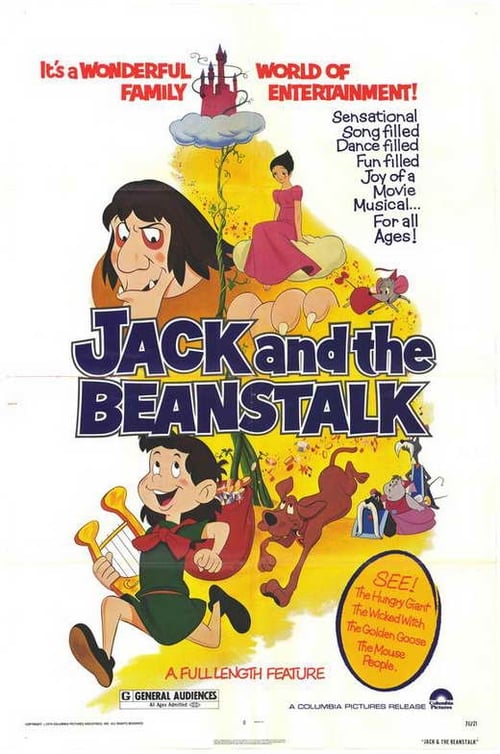
An adventurous young boy named Jack climbs a giant beanstalk to a magical kingdom governed by a greedy, tyrannical giant.

The Goddess Venus is jealous of the beautiful human girl Psyche and blames her pet unicorn, Unico, as Psyche's source of good luck that keeps her from the harm of the goddess' cruel intentions. Unico has the amazing power to make anyone he meets happy. Whether it's because of his personality or the powers of his horn, no one knows. Venus has Unico banished, and the West Wind now takes Unico from one place and time to the next. Taken to a heavily polluted city, Unico meets a sickly girl named Chiko who is suffering because of the pollution of a nearby factory that darkens the entire sky. Unico then is determined to cheer her up, cure her, and destroy the nearby factory.
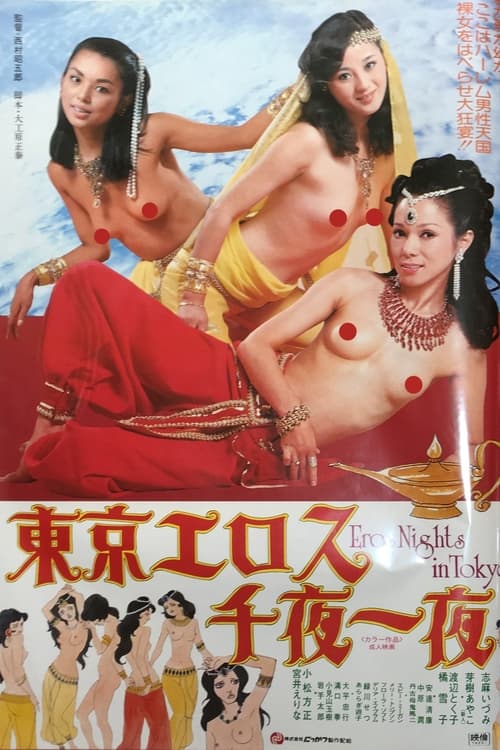
A horny college student is spotted peeping and is chased into a dark tunnel. He mysteriously emerges into a topsy turvy erotic dreamland.

In historical times, the Shogun family employs a group of Iga ninjas to take over the Akizuki clan's lands. The Akizuki hire the Fumi ninjas, a group of female warriors who enhance their fighting ability with sexual magic such as the "white snake spell". When the Akizuki emerge victorious, Tsukinojo, the leader of the Fumi ninjas, marries Lord Akizuki.
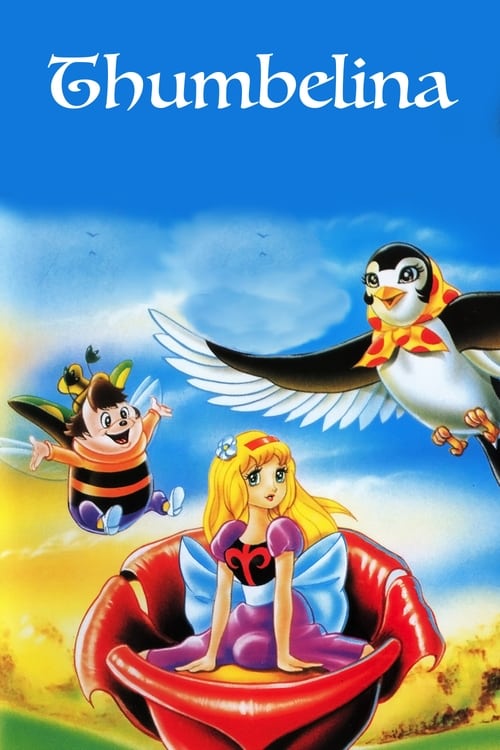
A tiny girl, only as long as a man's thumb, is born to a childless woman, abducted by frogs who want her to marry their son, but escaping instead (with the help of a bumblebee) to find a real prince without having to kiss the frog first.

The Japanese pop music duo Pink Lady are circus performers who show kindness toward a captured "monster," a sad, furry being (played by a man in a bulky, over-sized pink acrylic costume) who suffers acts of unusual cruelty by the keeper and ringmaster before the girls escape with the creature in a circus trailer.
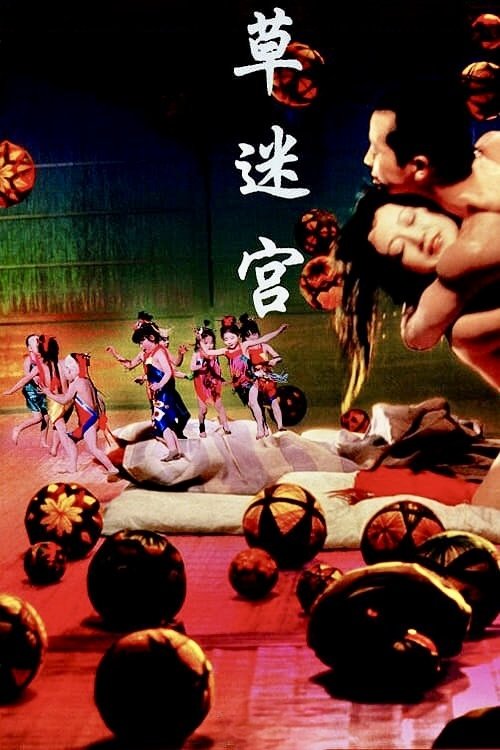
Akira is haunted by a "bouncing ball" song that he remembers his mother singing when he was a small child, and now on the verge of a sexually active adulthood, he wants to find the origins of the song. The young man ostensibly wanders into a time-warp in which aspects from his childhood and adulthood mix together. In this never-never land he comes across a beautiful woman/witch who is lost inside the labyrinth of her mansion, just as the young man is lost in the labyrinth of time — and on some levels, perhaps the labyrinth of his subconscious.
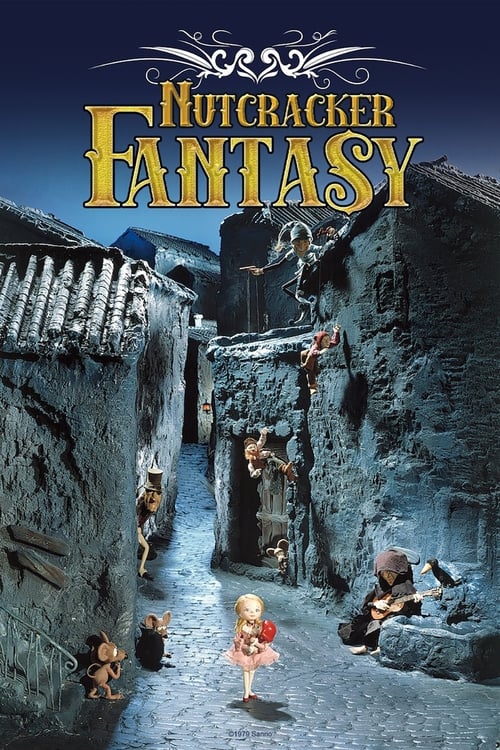
Based off of the novel, "The Nutcracker and the Mouse King" and the ballet, "The Nutcracker", Sanrio shows their take on the classic story in a stop-motion animated film.

Feature film adventure of Robocon and his pals.
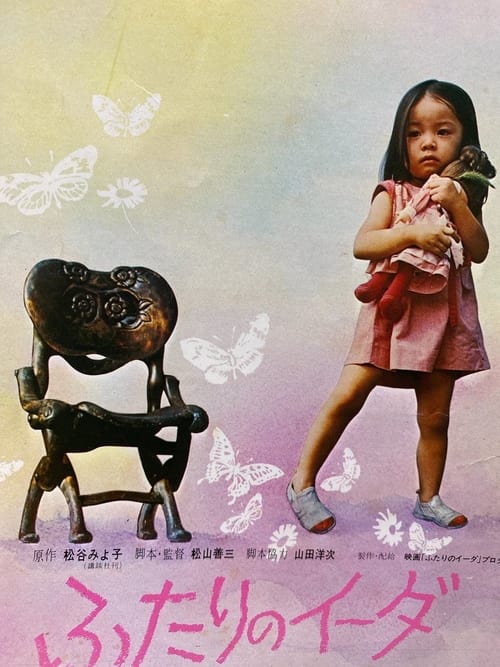
Based on a children's book. Two children encounter a wooden chair that moves and speaks. The chair awaits their return, unaware the sister died in the atomic bombing of Hiroshima.
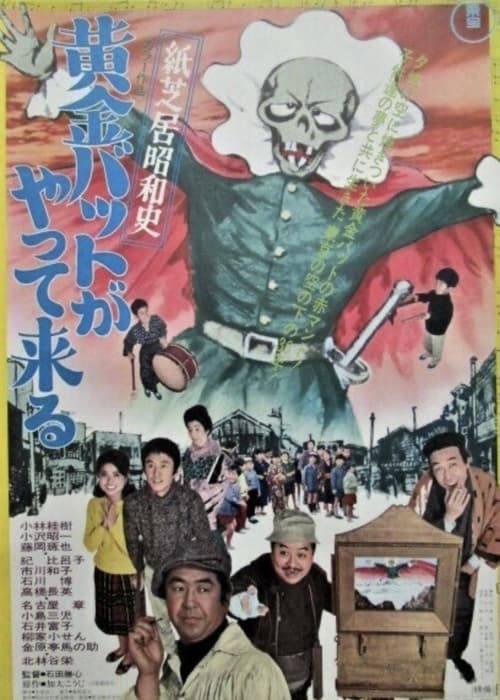
The dramatized tale of the 1935 creation of Japan's first superhero, the "Golden Bat", alongside the changes during and after the Second World War, not just to the hero himself, but the art of "kamishibai" picture stories that he originated from.
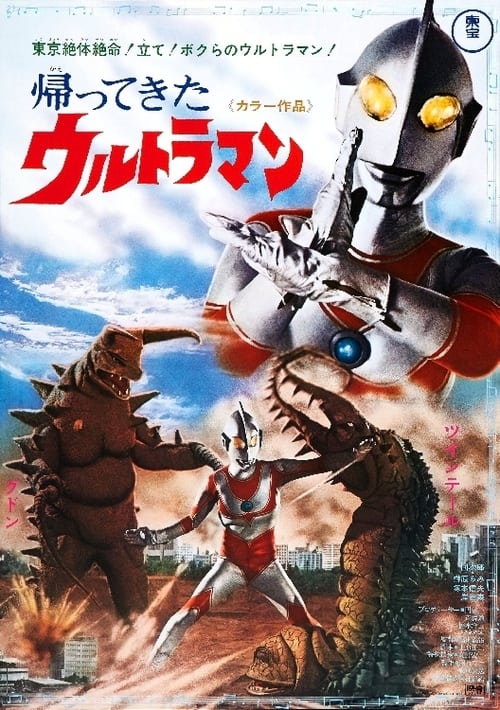
Episodes 5 and 6 of Return of Ultraman show, screened at Toho Champion Festival.
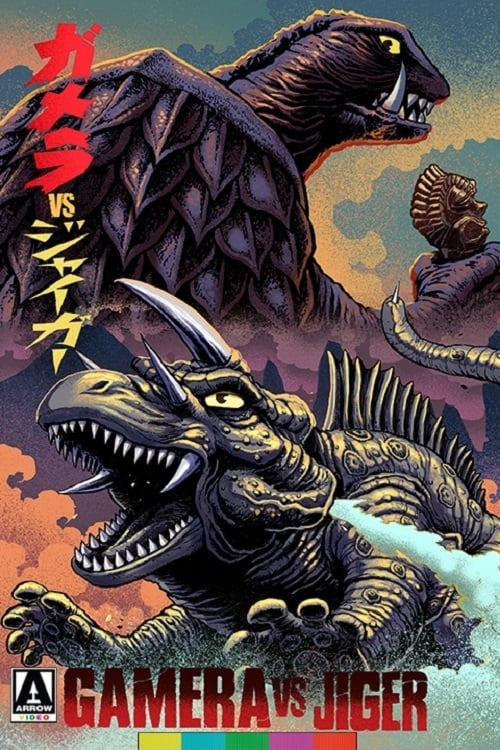
When a giant stone statue on Wester Island is disturbed, the legendary monster Jiger appears and heads for Japan. Gamera tries to stop this new rival, only to be injured when Jiger lays eggs inside of him. As two boys in a submarine go on a dangerous quest inside of Gamera's body to save him, Jiger threatens the Expo '70 world's fair in Osaka.
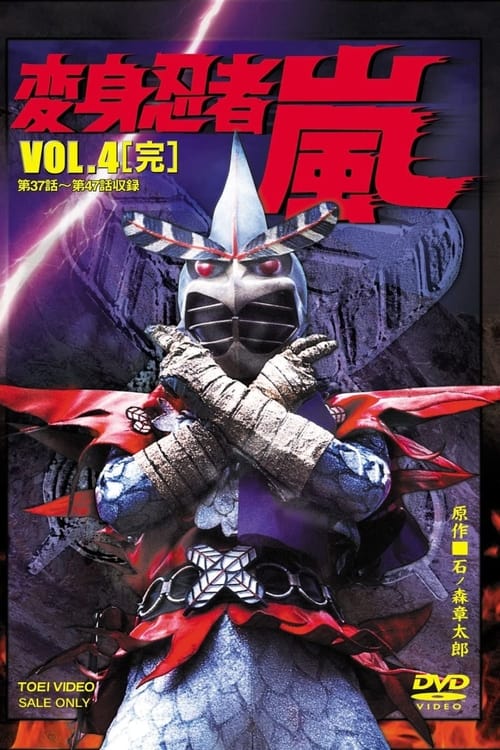
During the Edo period, Henshin Ninja Arashi and his allies fight for peace. (extended version of episode 6 of the TV series)

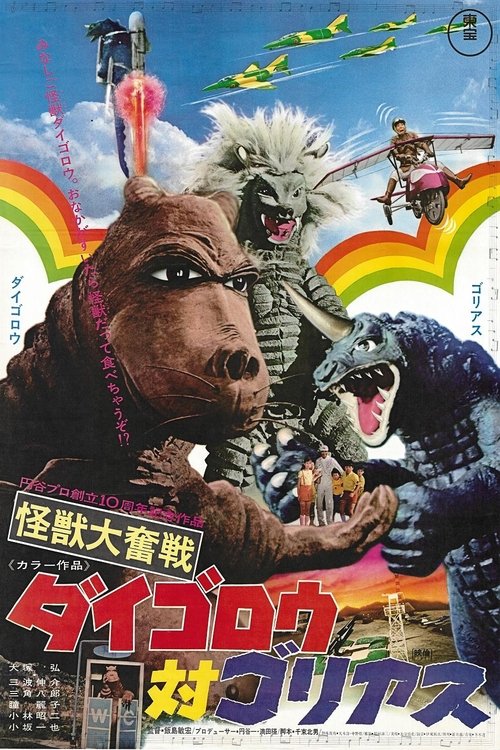
An inventor and his family try to raise funds to feed a giant monster named Daigoro so that he doesn't shrink. Meanwhile, a meteor lands into the sea bringing with it another giant monster named Goliath. Will Daigoro be able to stop Goliath?
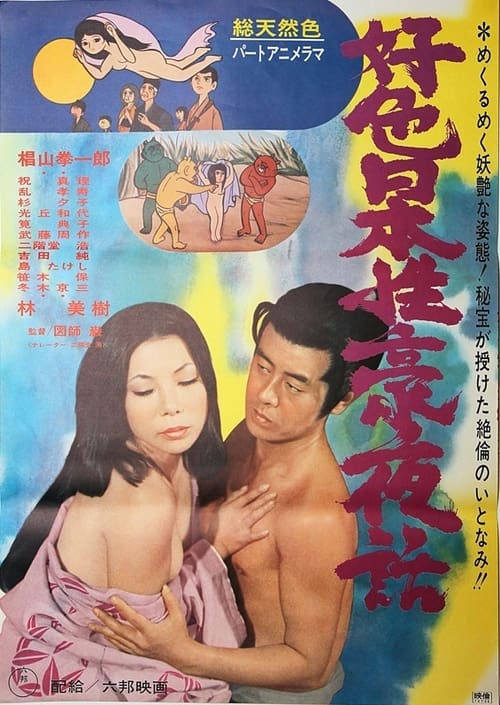
A rarity that erotically parodies the fairy tales "Issunboshi," "Kaguyahime," and "Tsuru no Ongaeshi." Blends live action and animation.
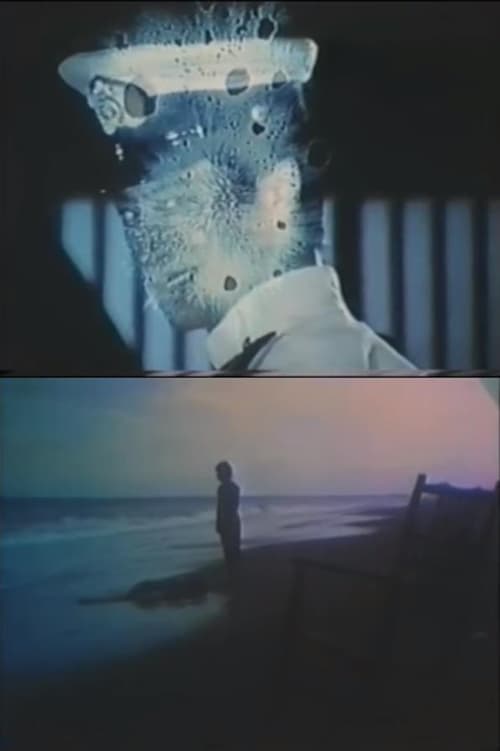
Visions of characters by the seaside from one's memory are erased by the filmmaker's hand.
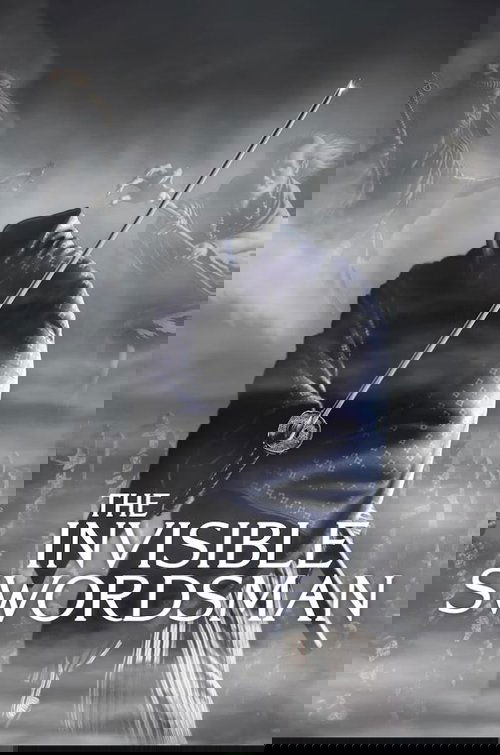
A cowardly boy fencer becomes invisible and matchless through a magic potion.

An impotent salaryman learns a psychic technique from his boss that can put women under his control. He practices a lot.

A trio of renegade demons fight their evil brothers in a theatrical release of the first episode of the TV series.
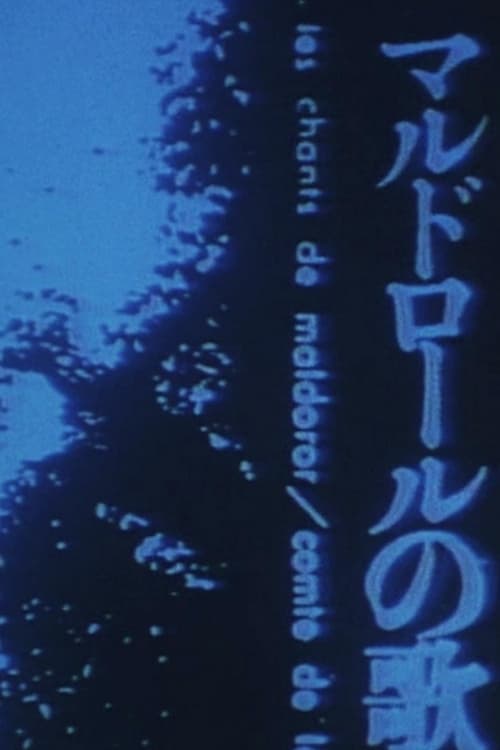
A “reading film” of delirious image and text, Les chants de Maldoror takes its title and inspiration from Comte de Lautréamont’s 1869 proto-Surrealist poetic novel which, for instance, describes beauty as the chance encounter of a sewing machine and an umbrella on an operating table. In the novel’s six cantos, a young misanthrope indulges in depraved and destructive acts. Unexpected encounters abound, with turtles and birds joining Terayama’s regular cast of snails and dogs to wander over books and bare torsos. Feverish video processing posterizes, inverts and overlays images that are further colored by sound—pushing the limits of his literary adaptation. Terayama wrote that the only tombstone he wanted was his words, but, as Les chants de Maldoror demonstrates, words need not be confined to carved monuments or bound hardcopies.

A dreamlike portrayal of a hangover after a decadent party.

Experimental short film about two men carrying a door.
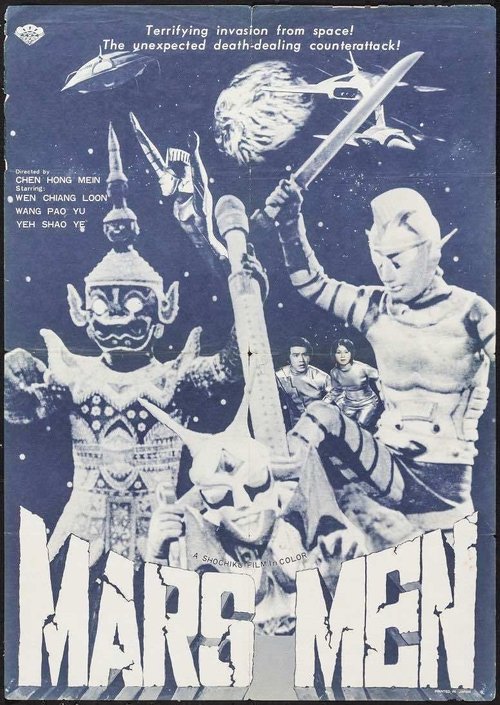
A child finds a magic statue in a cave. This is a Thai idol that protects the world from an invasion by extraterrestrial giants. Edited from the Tsuburaya-Chaiyo co-production Jumborg Ace & Giant (1974), combining the special effects footage with newly shot drama scenes featuring a Taiwanese cast to create a loose adaptation of the original story that jettisons the connections to Tah Tien (1973) and Jumborg Ace (1973).
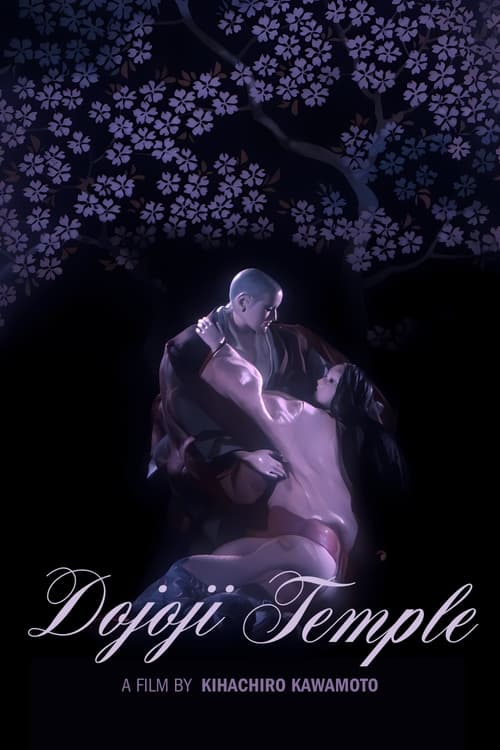
A man who is on a pilgrimage spends the night with a woman. After they share a moment of passion, he runs away and she chases him.
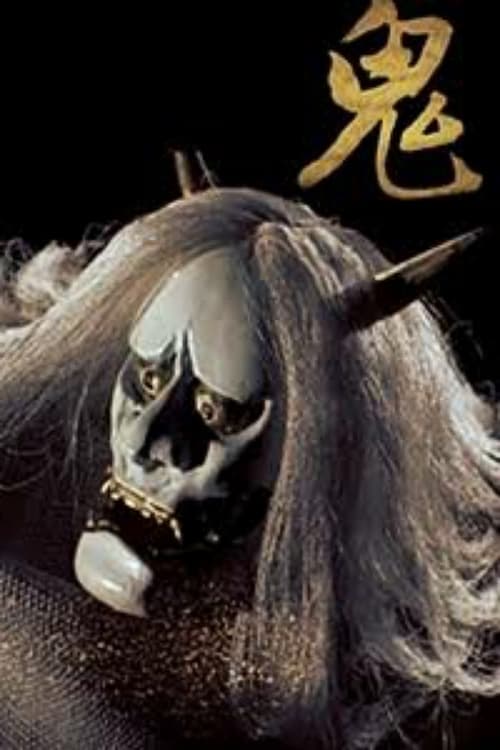
Two brothers, who are both hunters and live with their mother, go to the mountains to set traps for deer. Suddenly, a demon grabs the younger brother. The older brother shoots an arrow, severing the demon's arm, which they plan to take home. But they make a grisly discovery on the journey home.
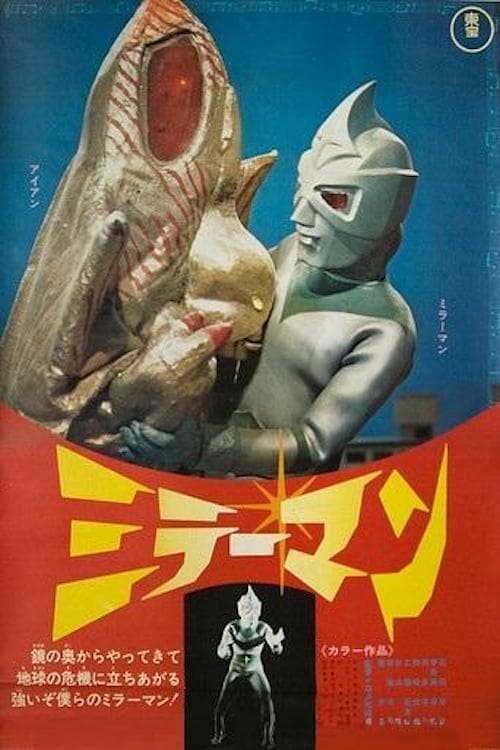
A theatrical release of the 1st episode of Mirrorman as part of the 1972 Spring Toho Champion Festival.
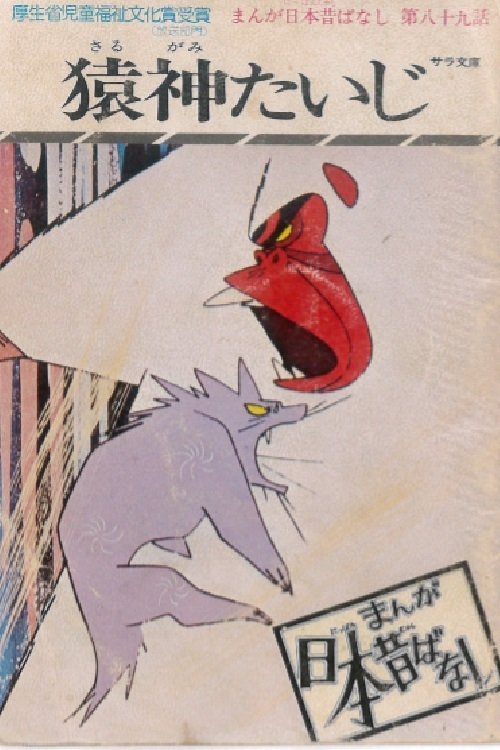
A traveling monk discovers that three monsters have deceived a village into sacrificing a young girl to their appetites every autumn, for fear that their harvest will be ruined. The monsters leave a hint as to who could stop them: Hayatarō of Kōzenji in Shinano Province. Thus, the monk sets out to find this mysterious figure who could end the needless sacrifices for good.
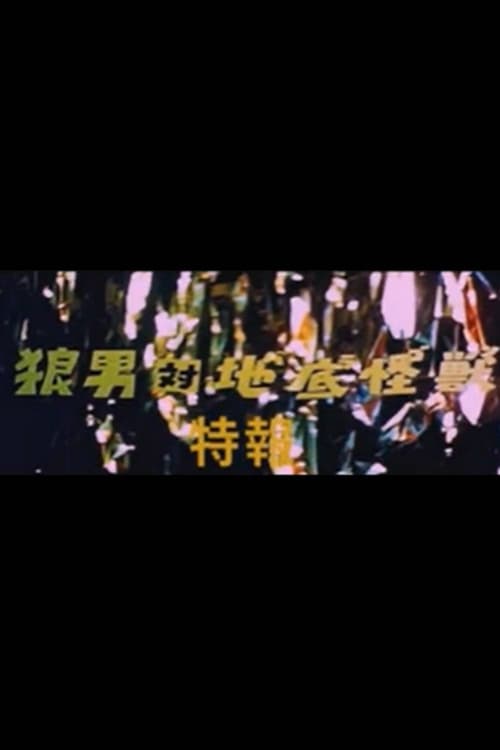
Wolfman instantly appears from behind some trees where he is reputedly abused by armed Japanese army tanks, he allegedly flees and later battles Baragon at a burning construction site.

A stop-motion film adaptation of Hans Christian Andersen's The Little Mermaid.
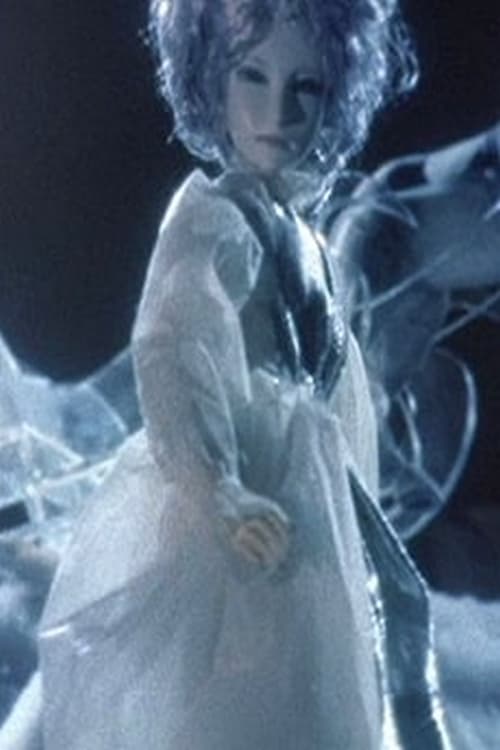
Gerda and Kai were close friends. But one day, a shard from a mirror that distorts everything it reflects entered Kai's eye. Drawn in by the Snow Queen, he disappeared beyond the icy plains. Gerda set out on a journey to find him, and eventually reunited with Kai in the Snow Queen's castle.
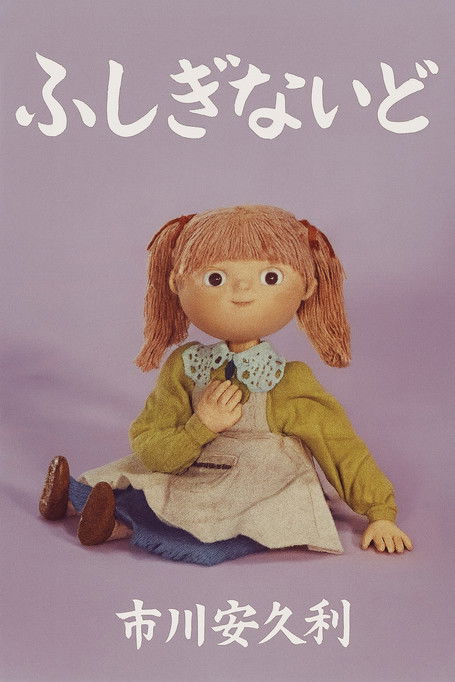
A stop-motion animation about sisters doing chores. One of them falls into a well and gets transported to a wonderland trying to retrieve a pail. There she helps the various creatures in wonderland and receives rewards. Upon returning home the other sister is jealous and tries the same but is rude and helps no one out of her selfishness.
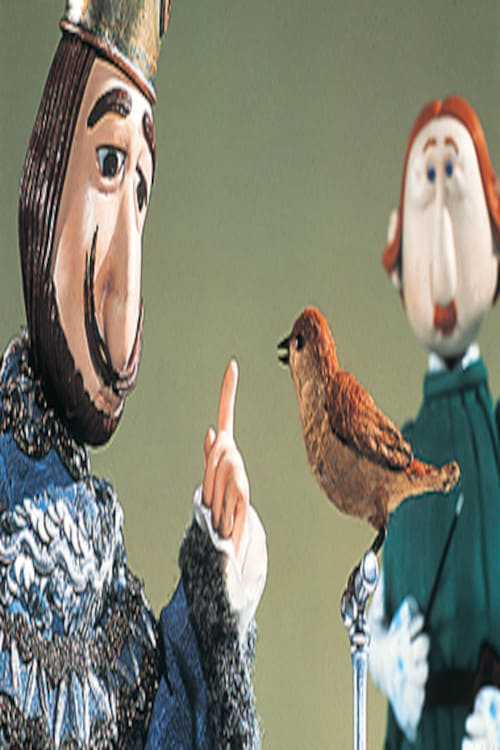
A stop-motion adaptation of Hans Christian Anderson's The Nightingale.
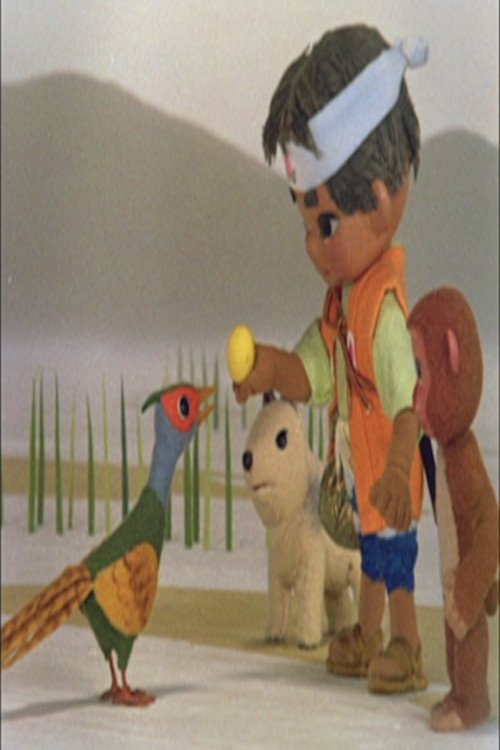
Momotaro was born from a peach, raised by his grandfather and grandmother, and grew up to be a strong child. One day, he sets off on a journey to Onigashima Island with a dog, a monkey, and a pheasant as his companions in order to defeat an ogre that has been ravaging the village.
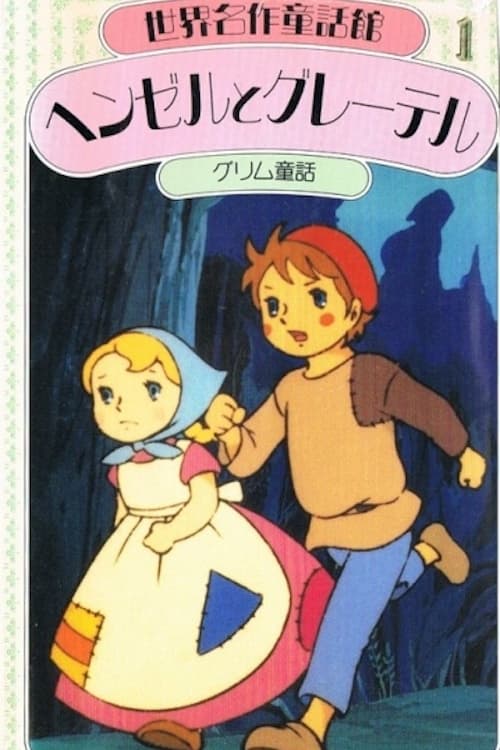
Adapted from the Brothers Grimm fairytale.
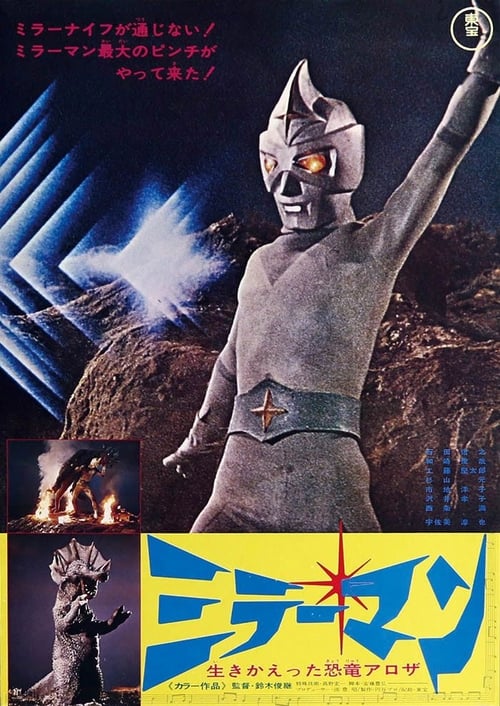
Theatrical compilation film of episodes from the Mirror Man series released as part of the Toho Champion Festival.
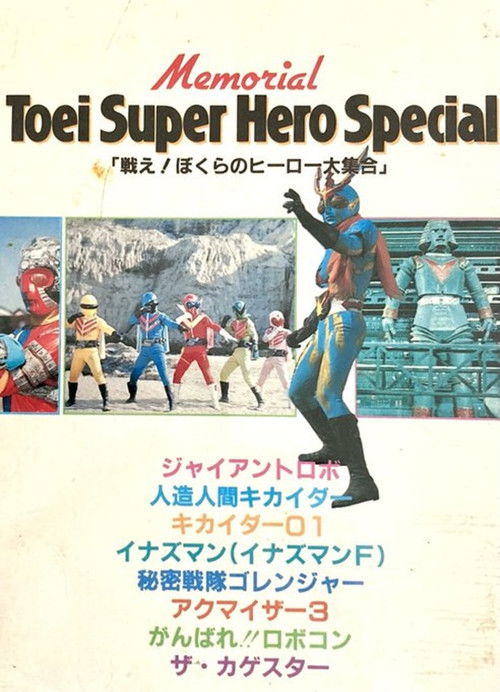
Fight! Our Heroes Gather was a televised celebration of tokusatsu heroes in 1975.

A short film by Furukawa Taku.
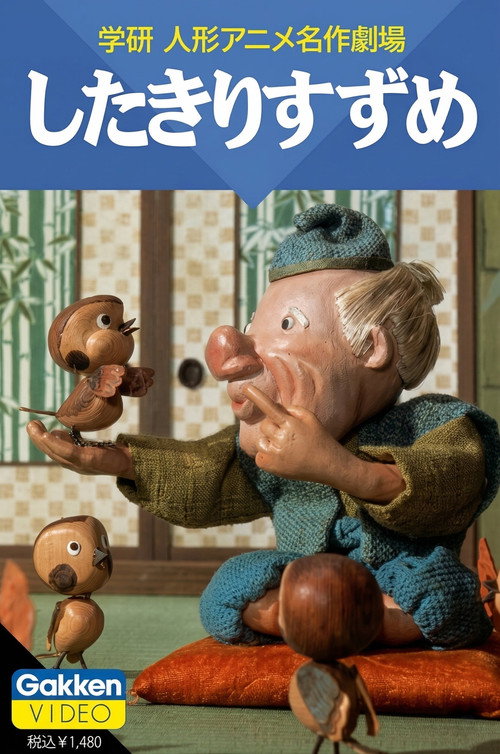
A traditional Japanese fable telling of a kind old man, his avaricious wife and an injured sparrow. The story explores the effects of greed, friendship and jealousy on the characters.
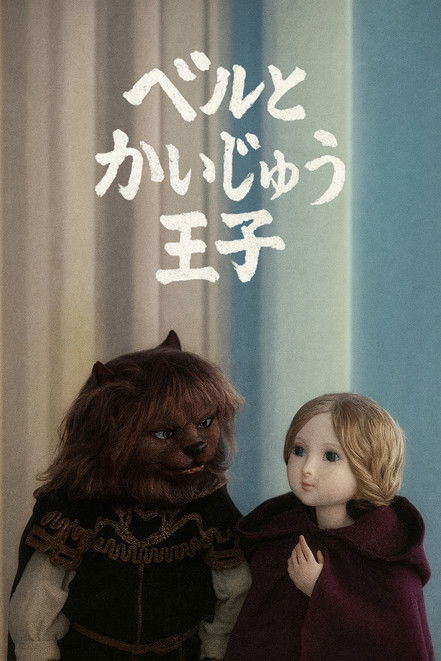
A stop-motion puppet animation adaptation of the fairy tale Beauty and the Beast.