42 Matches Found

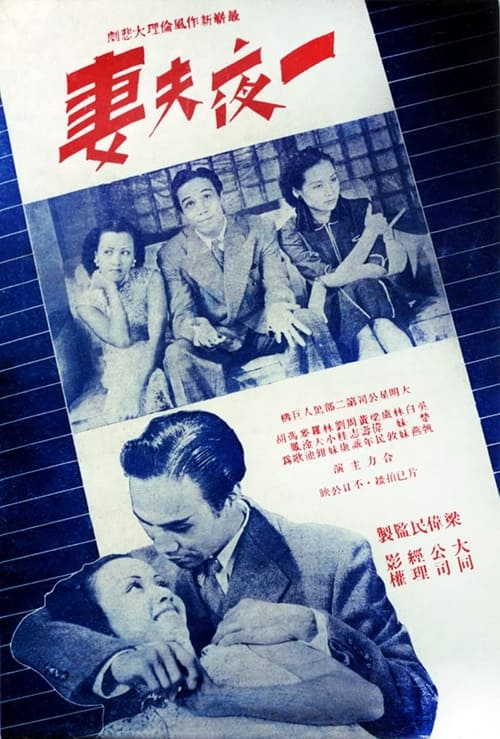
Our Husband

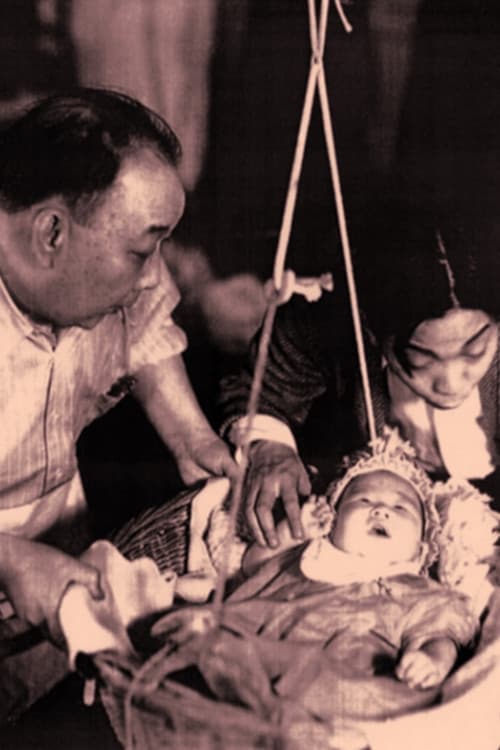
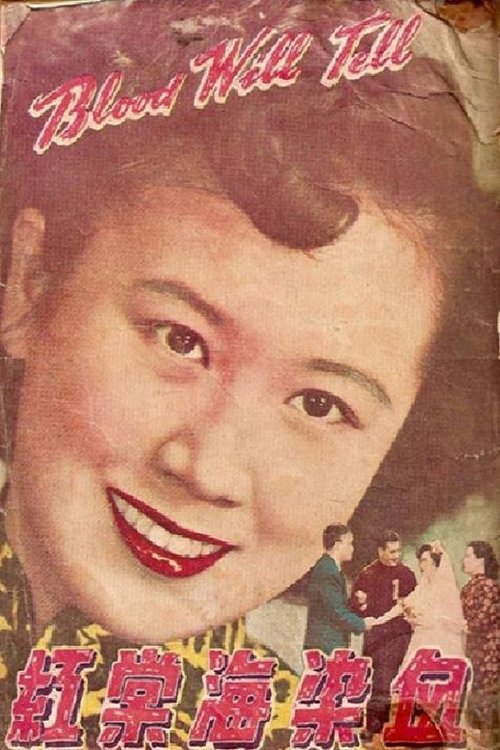
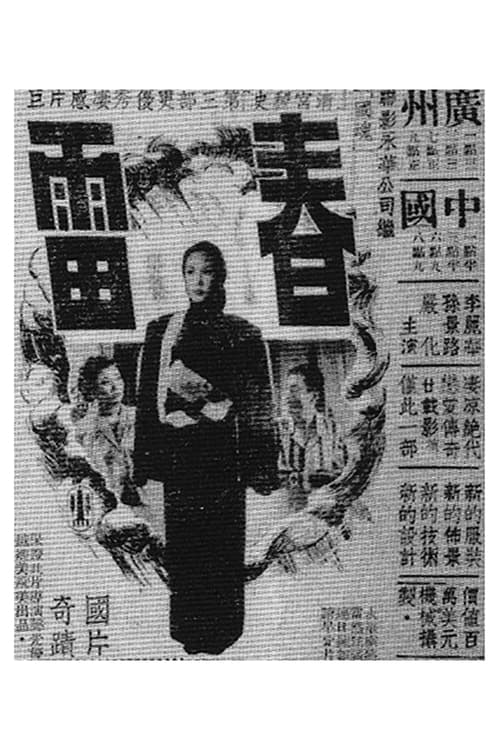
Li's first directorial work in Hong Kong is adapted, by himself, from the Hollywood movie The Great Lie (1941) starring Bette Davis. When a husband disappears in an accident, the wife is dismayed by a social butterfly pregnant with her husband's child. To preserve the husband's blood line, the wife takes care of the expectant mother and raises the child. Featuring the two ravishing beauties Li Lihua and Sun Jinglu, Our Husband foregoes juicy feuds between the leads and delivers an allegorical message: parents should provide an ideal environment for the next generation. Addressing the rocky times in China, it is equally overt in its remonstration as Yung Hwa's earlier works, The Soul of China and Sorrows of the Forbidden City.

Our Husband

0.0 1949
Sable Cicada

Diaochan (aka Diau Charn and Sable Cicada), one of the Four Beauties of China, is supposed to be so stunningly lovely that the moon was shamed to hide behind clouds. Despite being the only Beauty among the four who is not a real historical figure but one conjured by storytelling imagination and embellished by public fascination, her story was nonetheless incorporated by author Luo Guangzhong into his popular and influential novel Romance of the Three Kingdoms. Her tale is one of Machiavellian intrigue, in which she schemes with her godfather Wang Yun to restore moral order to the land, sowing discord between the corrupt Minister Dong Zhuo and his adopted son Lu Bu, a man of martial and military prowess.

Sable Cicada

6.0 1938
Wong Fei-Hung Burn the Tyrant's Lair

Shot at the same time as the inaugural chapter, The Story of Wong Fei-hung, Part Two is a continuation of the story. Solving the cliffhanger at the end of Part One and carrying on with a series of fights against a lineup of martial artists recruited by Master Wong's nemesis, Part Two culminates in a showdown with Grey Hair Fu, played by the great character actor Sek Kin, who is to appear as the archvillain in most of the following chapters, each time in a different guise.

Wong Fei-Hung Burn the Tyrant's Lair

0.0 1949
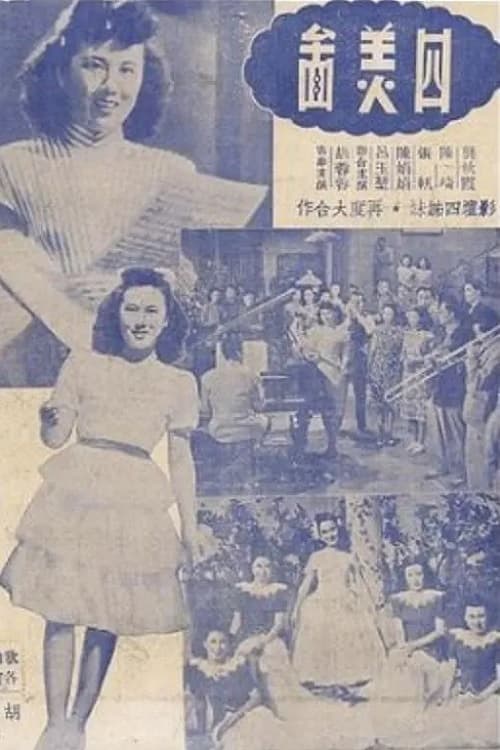
An All-Consuming Love

Gao Zhijian is the good friend of married couple Li Xiangmei and Hou Xinming. They live in the foreign settlement quarter of Shanghai. zhijian is a teacher,Xinming is involved in underground work against the Jpanese, while Xiangmei is a musician. The Pacific War erupts; the Japanese occupy the foreign settlements. Xinming is called off to work for the war effort, leaving behind his wife and blind mother. Zhijian aids Xiangmei and her mother-in-law with financial assistance. To earn money, Xiangmei becomes a song girl in a dance hall through the recommendation of her friend Liu Qing, arousing anger in Zhijian. Zhijian is soon arrested for teaching anti-Jpanese propaganda to his students and it is due to Xiangmei and Liu qing's efforts that he is released. From this,Zhijian learns of Xiangmei's difficulties and feelings of love grow between the two friends. The war ends. Xinming, minus an arm, returns to his wife and mother. Seeing his friend reunited with his family, Zhijian leaves.

An All-Consuming Love

0.0 1947
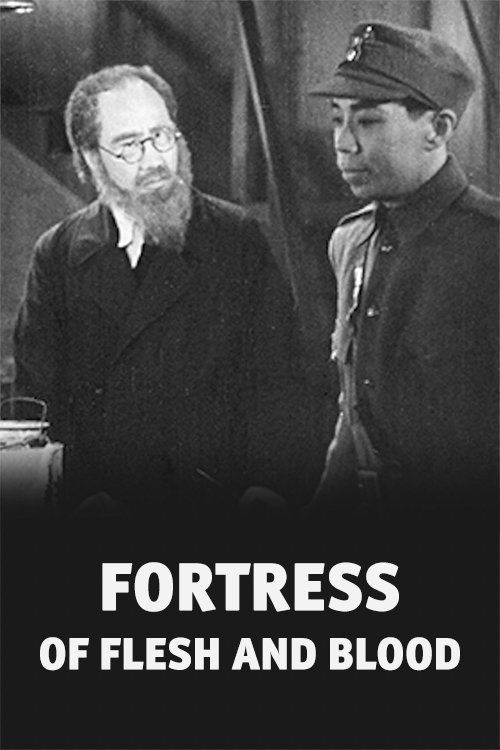
Fortress of Flesh and Blood

Professor Lo Yeung-guo (Hou Yao) and his students escape death from the Japanese army, and call on villagers in the countryside to form a guerrillas group. His son Lo Yung (Lau Hark-suen), however, indulges in debauchery. Entrapped by the Japanese, chicken-hearted Yung leaks information about the guerrilla that leads to deaths and injuries in the group. Yeung-guo reprimands his son for being an invisible traitor, inflicting even more harm than an outright traitor. Placing righteousness before family, he decides to execute his own son. As a writer-director-actor in the film, Hou Yao proclaimed his unwavering stance on resistance on the screen, and delivered a scathing attack on the cowardly ‘invisible traitors‘ at that time. Not long after, Hou was sadly arrested and executed by the Japanese army in Singapore.

Fortress of Flesh and Blood

0.0 1938
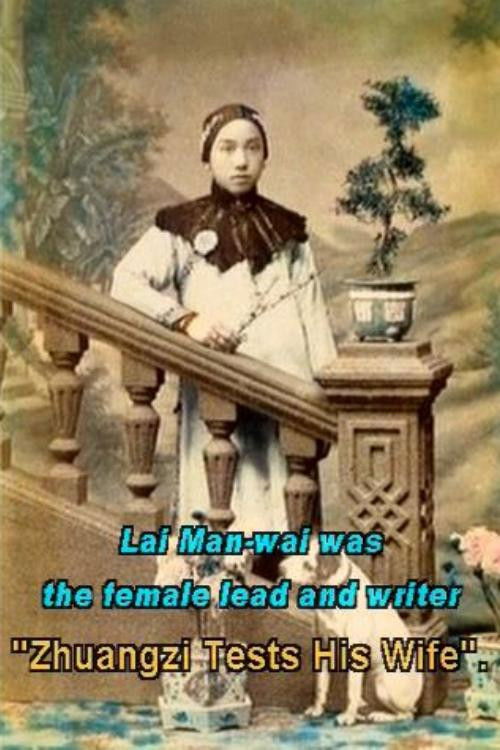
Zhuangzi Tests His Wife

Philosopher-eccentric Chuang Tsi comes across a woman fanning the newly built grave of her dead husband because she desires to marry again. On returning home, Chuang Tsi decides to put his wife to the test - he fakes his own death; the wife is grief-stricken and goes into mourning. While funeral arrangement are in progress, a handsome young man come to call on Chuang Tsi. Later, there is talk of marriage between Chuang Tsi wife and the man. However, the young man falls ill; his servant says that taking the human brain is the only medicine to cure him.

Zhuangzi Tests His Wife

1.0 1913
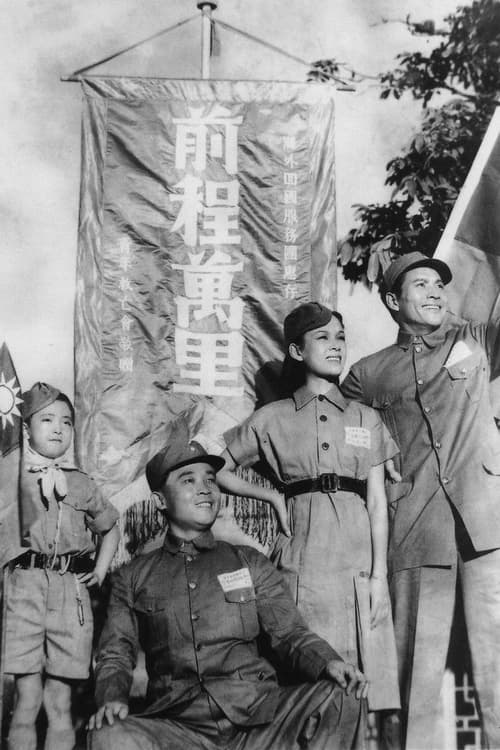
Ten Thousand Li Ahead

Driver Ko Wah (Lee Ching) refuses to transport ammunitions for the enemy, and is sent to jail after a scuffle with his traitorous boss. Although down and out, Ko takes in Siu-fung (Yung Siu-yi), an unwilling erotic dancer who has fled the war to Hong Kong. They may lead destitute lives, but their conscience remains intact. Director Cai Chusheng co-founded the National Salvation Association of Cinema. When Ko makes a uproar at the dance parlour and rips apart his friend's zombie costume, it represents Cai's criticism on the muddling-along attitude of Hong Kong society at the time. The characters' decision to return to the mainland to join the resistance effort also foretells Cai's decision to do the same in real-life.

Ten Thousand Li Ahead

0.0 1941
Song of a Songstress

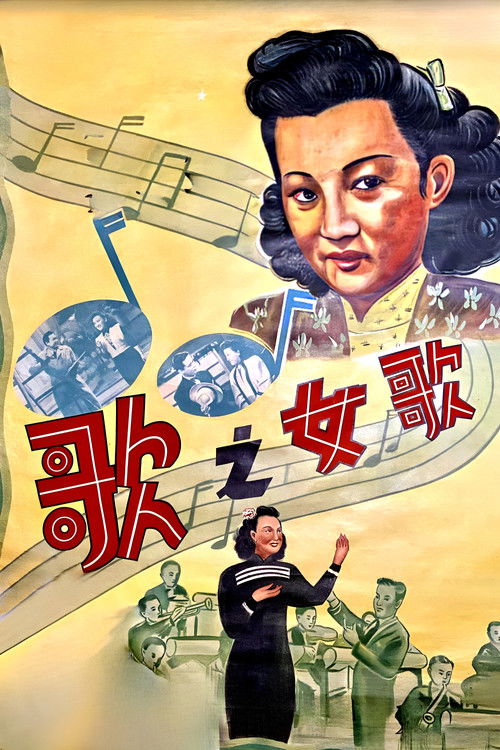
Starring in numerous singing films, Zhou Xuan was one of the most beloved singers in both cinema and recording industries for her 'golden voice'. Popular nightclub singer Zhu Lan (Zhou) is originally in love with impoverished painter Fang Zhiwei (Gu Yelu), but is taken advantage of by rich playboy Ye Chunhua (Wang Hao) at her most vulnerable time. To add to her misfortune, Zhu discovers her being an adoptee. She also learns the heartbreaking truth about her birth parents which intertwines with her own life across generations. Eventually, irreversible tragedy awaits with revenge exacted for past wrongs. In a case of art imitating life, the songstress's life and upbringing resemble Zhou Xuan's own, making the film even more heart-wrenching. The 'Song Fairy' Chen Gexin composed the film's entire music with six songs sung by Zhou. 'Song of a Songstress', sung towards the end of the film, adds poignancy to the film with its discourse on the joy and sorrow in life.

Song of a Songstress

0.0 1948
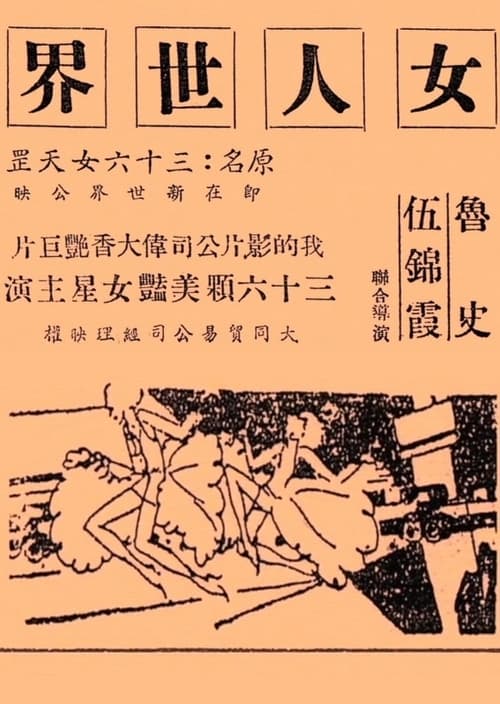
The Third Generation

The Goddess (1934) is remade once again. In this version, Zhu Shilin tackles the anxiety concerning the clash of 20th century Chinese traditions and modern Western culture. Despite her father’s strict discipline, Fun still manages to have a boyfriend secretly and give birth to twins. After leaving her son to her father, she takes off with her daughter. Twenty years later, Fun has become a streetwalker. The three generations finally come face-to-face at the police station. Her father laments that his generation should be ousted while Fun’s generation has been sacrificed, leaving the future for the next generation to establish. Zhu carefully depicts the shame of selling one’s body without passing judgment while he finds balance and reflects on the pain in the age of progress. Even though the production was far from lavish, Zhu’s astute handling of the narrative and mise-en-scène makes this a vivid and exciting film to watch.

The Third Generation

0.0 1948
The Light of Women

‘After two relationships that fail to lead to marriage, Luk Mo-jing (Lee Yi-nin) moves to a nearby town to escape being married off to a rich factory owner. In her new life, she finally meets a man she loves, only to discover that he, too, is an incompetent coward. With her adopted daughter Sau-wah (Leong Tim-tim) in tow, Moying establishes a vocational school for children from poor families. Showing the harsh obstacles that face a woman in 1930’s Chinese society, the film depicts a new generation of women who believe in free will and independence.

The Light of Women

0.0 1937
A Maid's Bitter Story

Nurse Lin is hired by a wealthy family to care for Mr. Kao, who has lost his mind since his daughter, Ling Kuan, died. As Lin resembles Ling Kuan, her nanny asks Lin to impersonate her to help Mr. Kao recover, which works well. Lin then uncovers a secret: Ling Kuan had loved a music teacher, Qiufan, but her cousin, Yiu Tong, envious of Mr. Kao’s wealth, slandered Qiufan. One night, Yiu Tong attacked Qiufan and attempted to assault Ling Kuan, accidentally killing her. To cover up the crime, he staged her death as a suicide. Later, Nurse Lin and Qiufan, pretending to be ghosts, trick Yiu Tong into confessing. In a panic, Yiu Tong escapes, but his mistress Huigu causes a fire that kills them both. Disheartened by the truth and his burning home, Mr. Kao walks into the flames.

A Maid's Bitter Story

0.0 1949
White Powder and Neon Lights

This is the first 16mm Cantonese film in full colour, shot on 1940s state-of-the-art Technicolor film stock. Opera star Man-ha (Leung Bik-yuk) enjoys tremendous popularity during her performances in San Francisco, but drowns herself in the vices and temptations of the big city. Increasingly, she fails to show up for performances, almost causing the theatre to go bankrupt. When she sees her lover for the scoundrel that he is, she also sees the errors of her own ways and saves the theatre, restoring it to glory. Joseph Sunn Jue established the Grandview Film Company in Hong Kong during the 1930s and continued making films in the USA during wartime by collaborating with Chinese opera performers in exile there. Wong Hok-sing, an opera actor himself, directed, wrote and starred in this film. He staged a spectacular play-within-a-play at the end, not only to promote the art of Cantonese opera but also to boost solidarity among overseas Chinese through difficult times.

White Powder and Neon Lights

0.0 1947
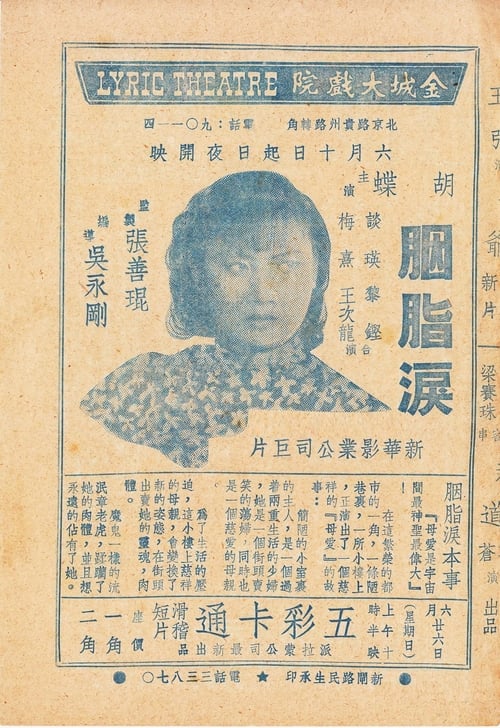
Rouge Tears

This sound film remake of The Goddess (1934) was headlined by Hu Die, who found stardom at the same time as Ruan Lingyu. Henry Lai Hang and Zhang Zhizhi reprised their roles from the earlier film. The first half of the story follows The Goddness but the second half references Bu Wanchang’s Love and Duty (1931) and King Vidor’s American film Stella Dallas (1937) with additional plots of the heroine’s post-prison story. After years of separation, she hesitates whether to reunite with her son. This new version poses a bigger challenge to a mother’s love and pushes towards the completion of her fate. The characters use dialogue to express their pain and connection, which strengthens the dramatic dilemma and makes the film more straightforward than its predecessor. Hu Die possesses a sort of allure that shows the sadness, shame, and will of a common woman from middle age to old age.

Rouge Tears

0.0 1938