582 Matches Found

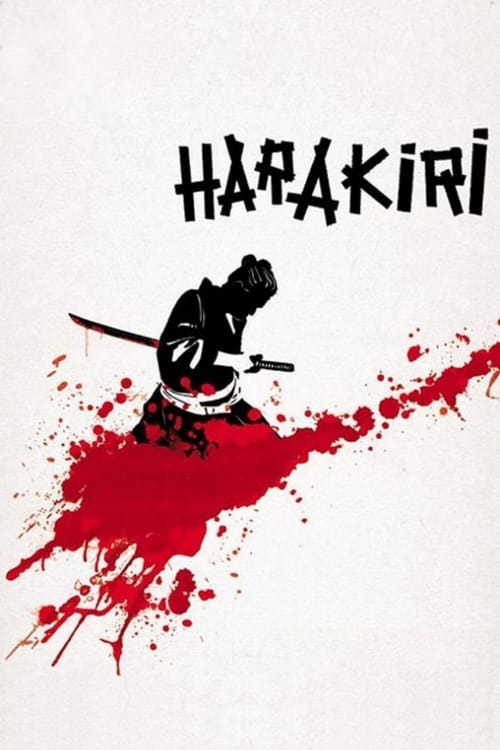
Harakiri

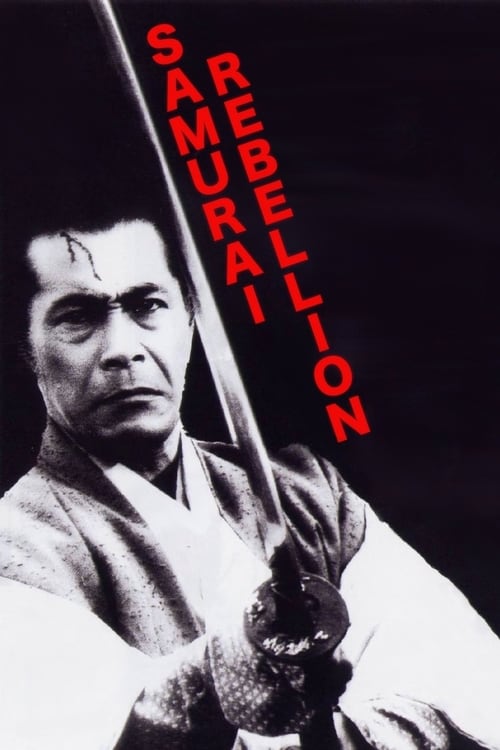
Down-on-his-luck veteran Tsugumo Hanshirō enters the courtyard of the prosperous House of Iyi. Unemployed, and with no family, he hopes to find a place to commit seppuku—and a worthy second to deliver the coup de grâce in his suicide ritual. The senior counselor for the Iyi clan questions the ronin’s resolve and integrity, suspecting Hanshirō of seeking charity rather than an honorable end. What follows is a pair of interlocking stories which lay bare the difference between honor and respect, and promises to examine the legendary foundations of the Samurai code.

Harakiri

8.4 1962
Gorath

In 1976, a drifting star named Gorath is discovered to be on a collision course with Earth. Although it is smaller than Earth, its enormous mass is enough to destroy the planet totally. A mission sent to observe Gorath is destroyed after the ship is drawn into the star, with a later mission barely escaping the same fate. However, Astronaut Tatsuma Kanai is left in a catatonic state due to his near death experience. Unable to destroy the invading star, Earth's scientists undertake a desperate plan to build giant rockets at the South Pole to move the planet out of Gorath's path before it is too late.

Gorath

6.4 1962
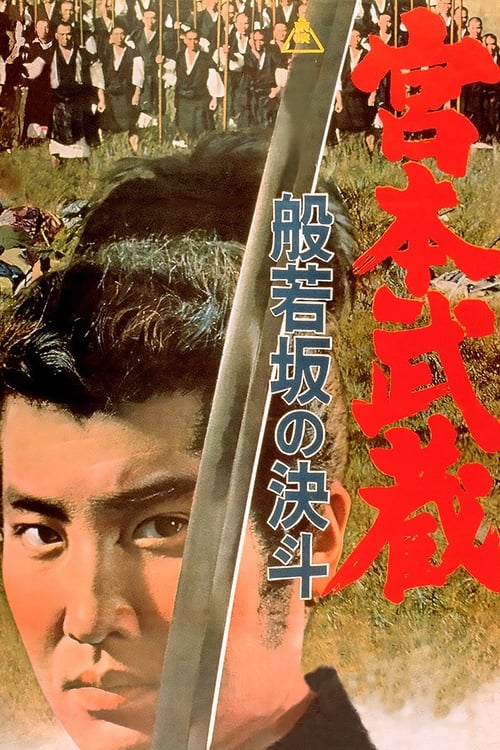
Samurai Banners

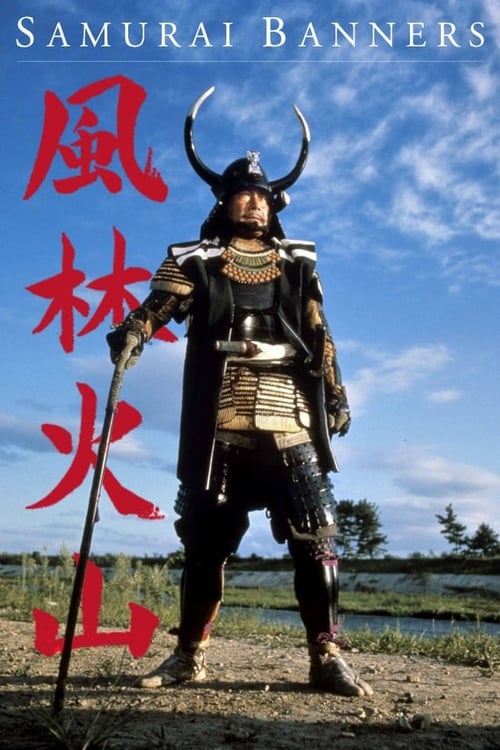
Kansuke Yamamoto is a samurai who dreams of a country united, peaceful from sea to sea. He enters the service of Takeda, the lord of Kai domain. He convinces Takeda to kill the lord of neighboring Suwa and take his wife as a concubine. He then convinces the widow, Princess Yu, to accept this arrangement and to bear Takeda a son. He pledges them his life. He then spends years using treachery, poetic sensibility, military and political strategy to expand Takeda's realm, advance the claim of Yu's son as the heir, and prepare for an ultimate battle with the forces of Echigo. Has Kansuke overreached? Are his dreams, blinded by love, too big?

Samurai Banners

7.4 1969
13 Assassins

A sadistic Daimyo (feudal lord) rapes a woman and murders both her and her husband, but even when one of his own vassals commits suicide to bring attention to the crime, the matter is quickly hushed up. Not only will there be no punishment, but because the Daimyo is the Shogun's younger brother, he will soon be appointed to a high political position from which he could wreak even more havoc. Convinced that the fate of the Shogunate hangs in the balance, a plot is hatched to assassinate the Daimyo. The two most brilliant strategic minds of their generation find themselves pitted against each other; one is tasked to defend a man he despises, and has a small army at his disposal. The other is given a suicide mission, and has 12 brave men. They are the 13 Assassins.
13 Assassins

7.4 1963
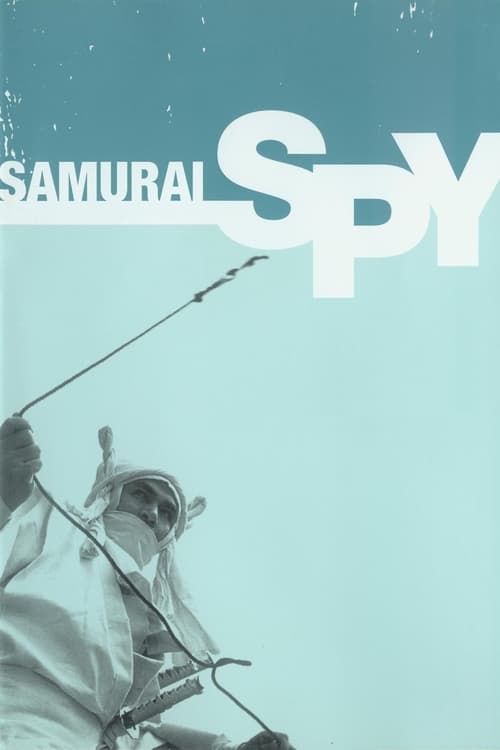
Samurai Spy

Years of warfare end in a Japan unified under the Tokugawa shogunate, and samurai spy Sasuke Sarutobi, tired of conflict, longs for peace. When a high-ranking spy named Tatewaki Koriyama defects from the shogun to a rival clan, however, the world of swordsmen is thrown into turmoil. After Sasuke is unwittingly drawn into the conflict, he tracks Tatewaki, while a mysterious, white-hooded figure seems to hunt them both. By tale’s end, no one is who they seemed to be, and the truth is far more personal than anyone suspected. Director Masahiro Shinoda’s Samurai Spy, filled with clan intrigue, ninja spies, and multiple double crosses, marks a bold stylistic departure from swordplay film convention.

Samurai Spy

6.4 1965
Sanshiro Sugata

Remake of Akira Kurosawa's films "Sanshiro Sugata and "Sanshiro Sugata Part II". A young man, Sanshiro Sugata, troubled by personal problems, takes up judo. His teacher, Shogoro Yano, is a devout man who has aroused the enmity of the local practitioners of jujitsu, the older and more accepted of the two sports. Sugata uses his newly learned prowess to gain a measure of respect from others; however, Shogoro insists that the sport has a spiritual side, a lesson Sugata has yet to learn. Eventually, in hand-to-hand combat with the father of a young woman he loves, he comes to understand the true meaning of judo.

Sanshiro Sugata

6.8 1965
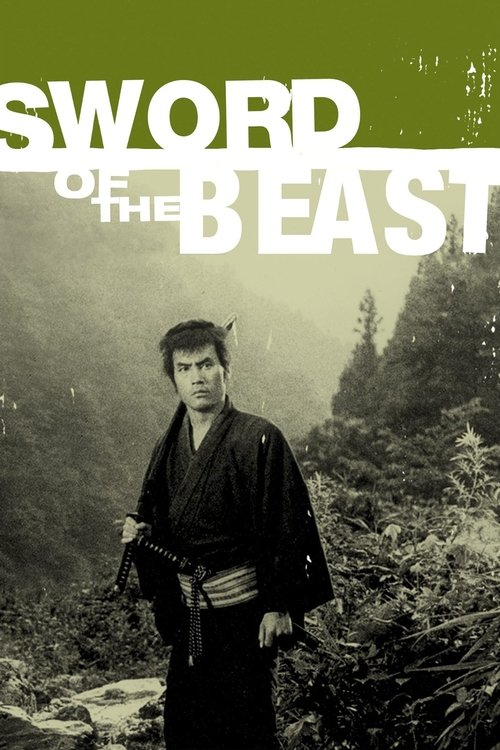
Sword of the Beast

Legendary swordplay filmmaker Hideo Gosha's Sword of the Beast chronicles the flight of the low-level swordsman Gennosuke, who kills one of his ministers as part of a reform plot. His former comrades then turn on him, and this betrayal so shakes his sense of honor that he decides to live in the wild, like an animal. There he joins up with a motley group who are illegally mining the shogun’s gold, and, with the aid of another swordsman, gets a chance not just at survival but to recover his name and honor.

Sword of the Beast

7.5 1965
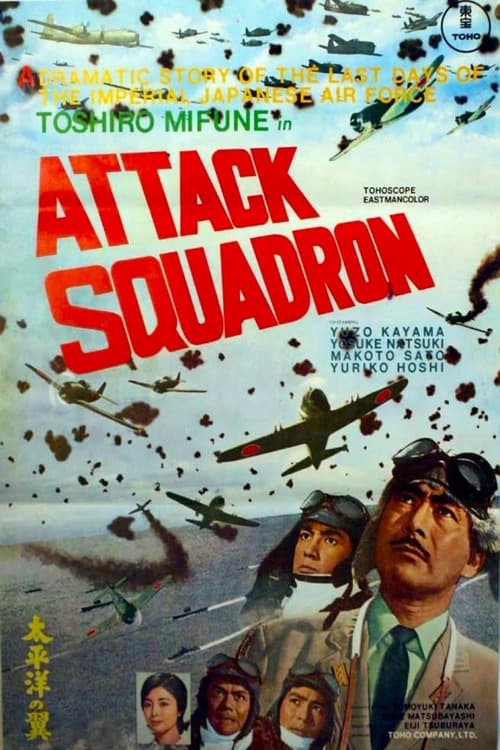
Attack Squadron

Lt. Col. Senda resists the idea of sending Japanese fighter pilots on suicide missions. He believes that what is really necessary for Japan to regain momentum in the war is for the air force to gather its most brilliant pilots into an elite squadron and use the unit to pinpoint attacks on the Americans. Disrespected by the kamikaze pilots who think the "non-suicidal" pilots are afraid, the unit redeems itself by stunning victories. But success leads the military leaders to expect too much of the unit, and new orders portend disaster.

Attack Squadron

6.0 1963
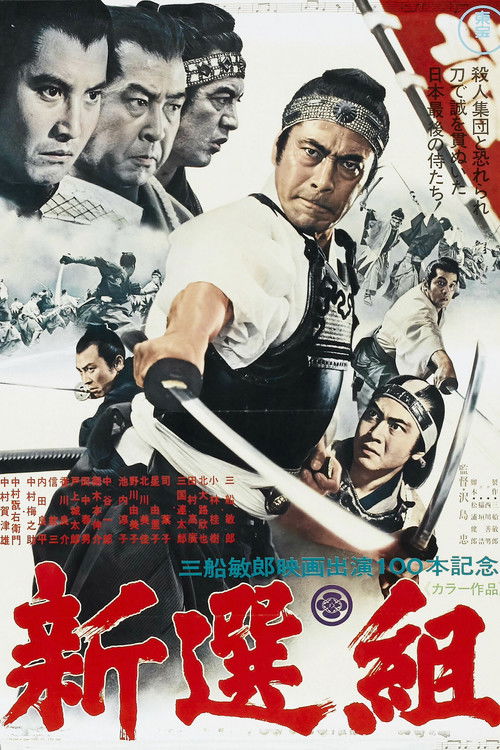
Shinsengumi: Assassins of Honor

Near the end of the nineteenth century, as the balance of power shifts from Shogunate towards the Emperor, Japan restlessly awaits the dawning of a new age. But not all are content...The Shinsengumi, a small army of samurai, farmers and peasants, band together to do battle against the tide of history. Their leader, Isami Kondo is a man who rises from farmer to fighter to head the fierce Shinsengumi brigade. Using a stern hand and a heart of gold, he rallies his men in defense of the tottering Shogunate. But bloodshed and treachery lurk around every corner.

Shinsengumi: Assassins of Honor

6.8 1969
The Last Gunfight

Japanese police detective Saburo Fujioka is suspected of corruption, demoted, and sent to the city of Kojin. Kojin is the scene of fierce fighting between rival gangs. Fujioka is assigned to investigate the death of the wife of gangster Tetsuo Maruyama of the Kozuka gang, probably at the hands of one of the Oka gang. During a gang gunfight, Maruyama is rescued by Detective Fujioka and the two become friends. But Maruyama insists on avenging his wife's murder, even if it means conflict with his new friend.

The Last Gunfight

6.1 1960
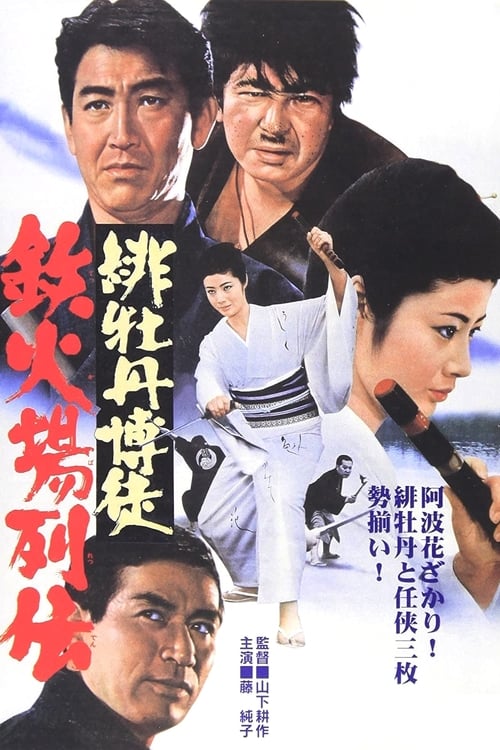
Red Peony Gambler: Biographies of a Gambling Room

Oryu the Red Peony, a wandering female yakuza on a soul-searching journey after the death of her father. After collecting her sickly follower from jail, she is taken in by a fishing village. Feeling indebted to their generosity, she stays to work for the village and promises to leave her yakuza ways behind. When a dispute breaks out for the gambling rights to a local festival, the villagers are harassed by a gang of thugs. When the harassment turns violent, Oryu must decide wither to keep her promise or protect the villagers.

Red Peony Gambler: Biographies of a Gambling Room

5.9 1969