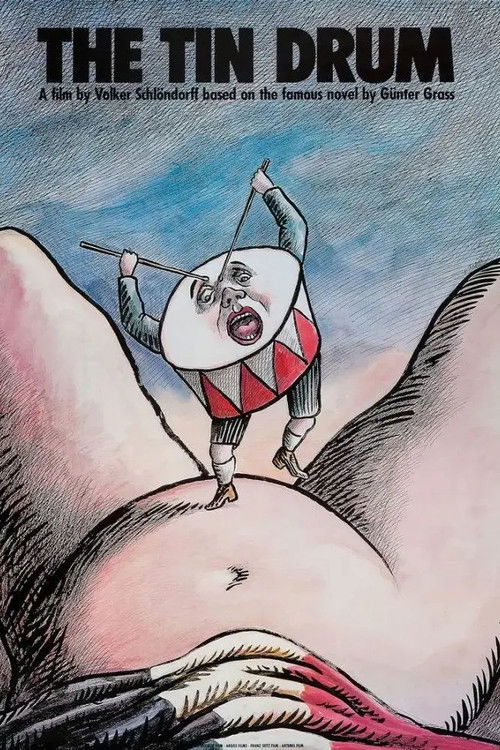
In 1924, Oskar Matzerath is born in the Free City of Danzig. At age three, he falls down a flight of stairs and stops growing. In 1939, World War II breaks out.
The Tin Drum
7.0 1979
72 Matches Found
In 1924, Oskar Matzerath is born in the Free City of Danzig. At age three, he falls down a flight of stairs and stops growing. In 1939, World War II breaks out.
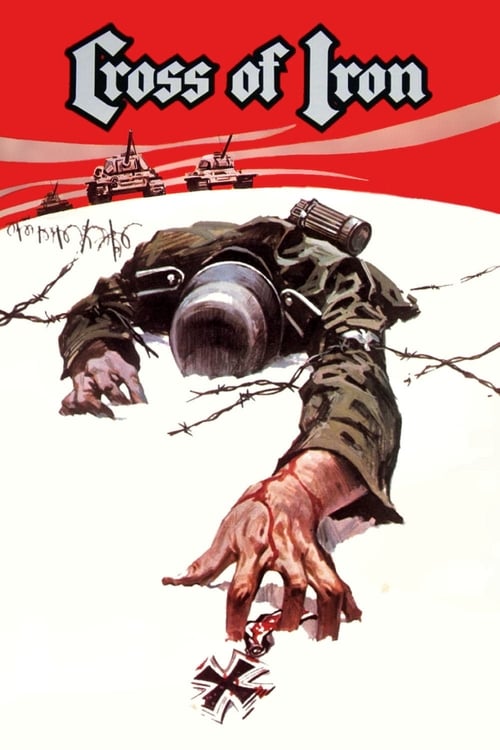
It is 1943, and the German army—ravaged and demoralised—is hastily retreating from the Russian front. In the midst of the madness, conflict brews between the aristocratic yet ultimately pusillanimous Captain Stransky and the courageous Corporal Steiner. Stransky is the only man who believes that the Third Reich is still vastly superior to the Russian army. However, within his pompous persona lies a quivering coward who longs for the Iron Cross so that he can return to Berlin a hero. Steiner, on the other hand is cynical, defiantly non-conformist and more concerned with the safety of his own men rather than the horde of military decorations offered to him by his superiors.
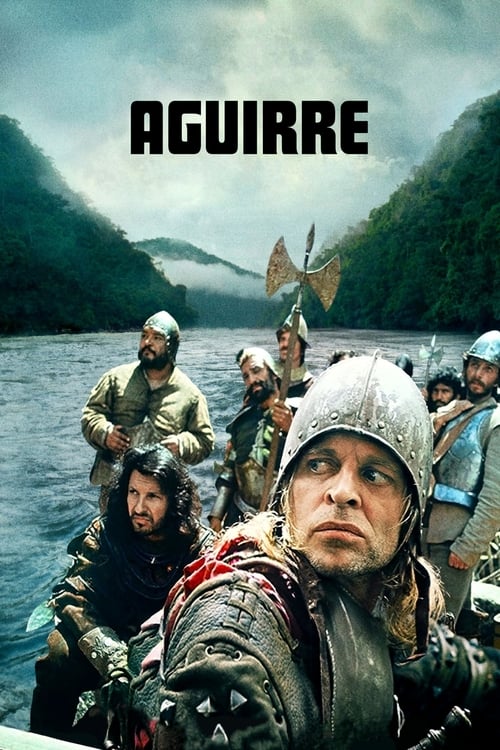
A few decades after the destruction of the Inca Empire, a Spanish expedition led by the infamous Aguirre leaves the mountains of Peru and goes down the Amazon River in search of the lost city of El Dorado. When great difficulties arise, Aguirre’s men start to wonder whether their quest will lead them to prosperity or certain death.
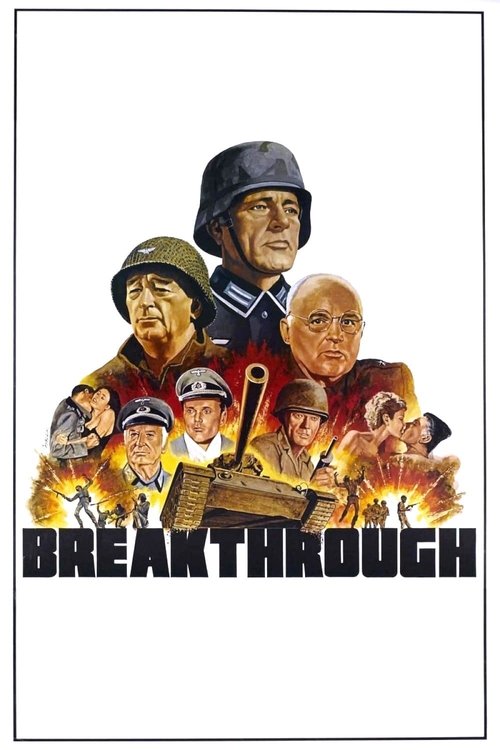
Starting in late May 1944, during the German retreat on the Eastern Front, Captain Stransky (Helmut Griem) orders Sergeant Steiner (Richard Burton) to blow up a railway tunnel to prevent Russian forces from using it. Steiner's platoon fails in its mission by coming up against a Russian tank. Steiner then takes a furlough to Paris just as the Allies launch their invasion of Normandy.

In Nazi-occupied France, a German officer is assassinated. The Germans demand justice, and the Vichy government is quick to capitulate. Unable to apprehend the actual culprits, Minister of Justice Joseph Barthélémy decides the execution of token Frenchmen will suffice, but the problem is finding judges and jurors eager to participate in a sham trial of innocent men. The solution is a Special Section, a court comprised of individuals handpicked for this exact purpose.
Josefine is a young streetwalker in Vienna at the turn of the 20th century. She manages to sleep her way to the top by marrying a British aristocrat, and she delights in telling ribald stories of her sordid past to moralistic prudes.
A keen chronicle of the unlikely rise to power of Adolf Hitler (1889-1945) and a dissection of the Third Reich (1933-1945), but also an analysis of mass psychology and how the desperate crowd can be deceived and shepherded to the slaughterhouse.

In 1700s Austria, a witch-hunter's apprentice has doubts about the righteousness of witch-hunting when he witnesses the brutality, the injustice, the falsehood, the torture and the arbitrary killing that go with the job.
The film follows Kaspar Hauser, who lived the first seventeen years of his life chained in a tiny cellar with only a toy horse to occupy his time, devoid of all human contact except for a man who wears a black overcoat and top hat who feeds him.

When 17-year-old Effi Briest marries the elderly Baron von Instetten, she moves to a small, isolated Baltic town and a house that she fears is haunted. Starved for companionship, Effi begins a friendship with Major Crampas, a charismatic womanizer.
Europe in 1793. For years, England and France have been at war with each other. Now, France sends three men to the British colony of Jamaica to organize a slave revolt. The envoys are Debuisson, the grandson of a Jamaican rum manufacturer, who knows the island very well, his old friend Sasportas, and the sailor Galloudec. After having established contact with the fragmented rebel groups, they receive the surprising news of Napoleon′s takeover in France. Whereas Debuisson, who by now has gotten used to his role as a rich heir, wants to wait for new instructions from home, his companions are determined to press ahead with the revolt. When a slave kills a British guard, the situation escalates.
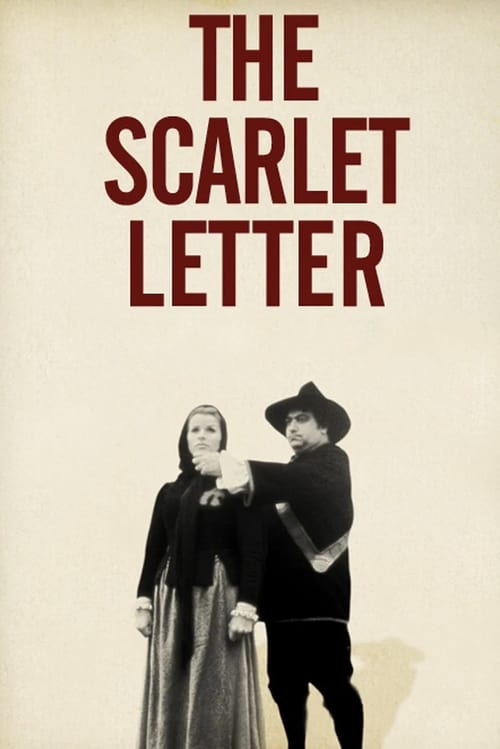
In 17th-century Salem, Hester Prynne must wear a scarlet A because she is an adulteress, with a child out of wedlock. For seven years, she has refused to name the father. A vigorous older stranger arrives, recognized by Hester but unknown to others as her missing husband. He poses as Chillingworth, a doctor, watching Hester and searching out the identity of her lover. His eye soon rests on Dimmesdale, a young overwrought pastor. Enmity grows between the two men; Chillingworth applies psychological pressure, and the pastor begins to crack. A ship stops in Salem, and Hester sees it as a providential refuge for her daughter, herself, and her lover. But will Dimmesdale flee with her?
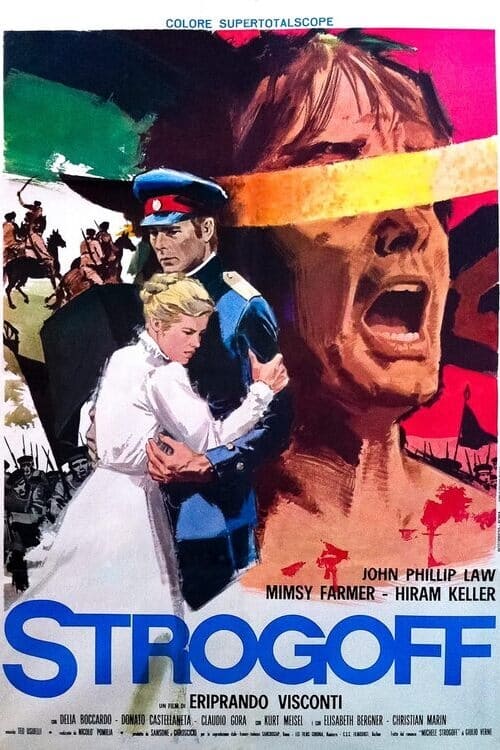
A captain in the Czar's army encounters danger and romance while carrying a secret message across 19th-century Russia.
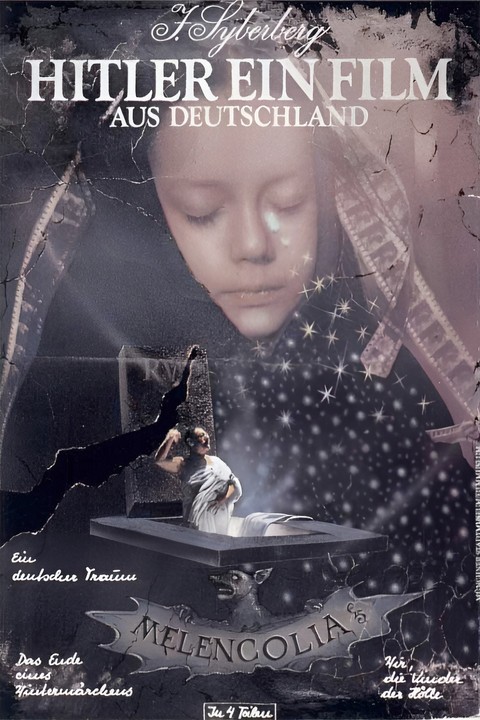
A structure-free, four-part examination of the rise and fall of the Third Reich. Each part explores a different topic, from Hitler's cult of personality in propaganda to how said propaganda was associated with pre-Nazi German cultural, spiritual, and national heritage to the Holocaust and the ideology behind it, particularly from Himmler's point of view.
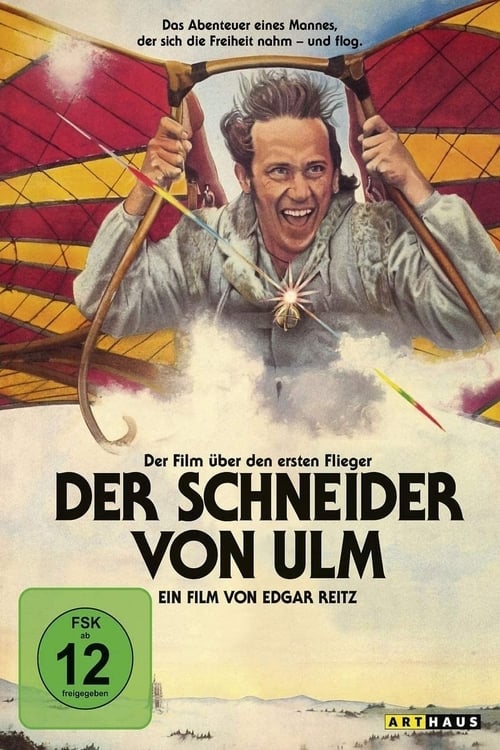
The true story of the Bavarian Tailor Albrecht Berblinger who, after a strange encounter with a balloon starts building a flying machine. Although not an engineer by profession, he never gives up. No matter how many obstacles are put in his way nor how many failures he endures, his ardour is never dampened. He continues with his dream to fly like a bird.
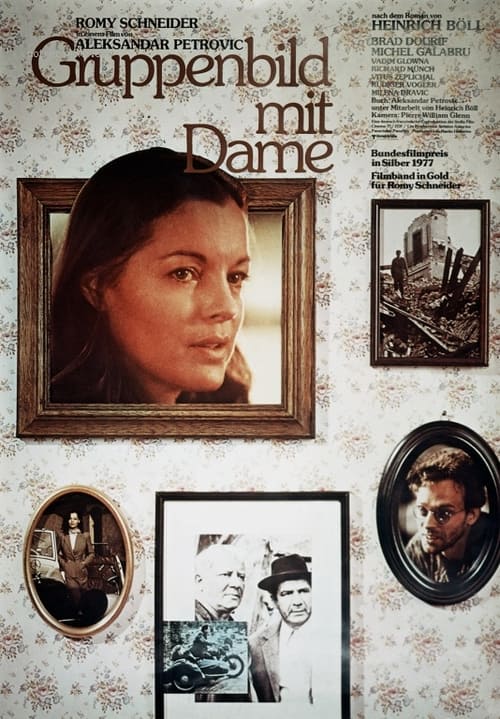
Leni Gruyetin, a resident of Nazi Germany, lives a tumultuous life as she bears witness to the fascist regime of the Nazis.
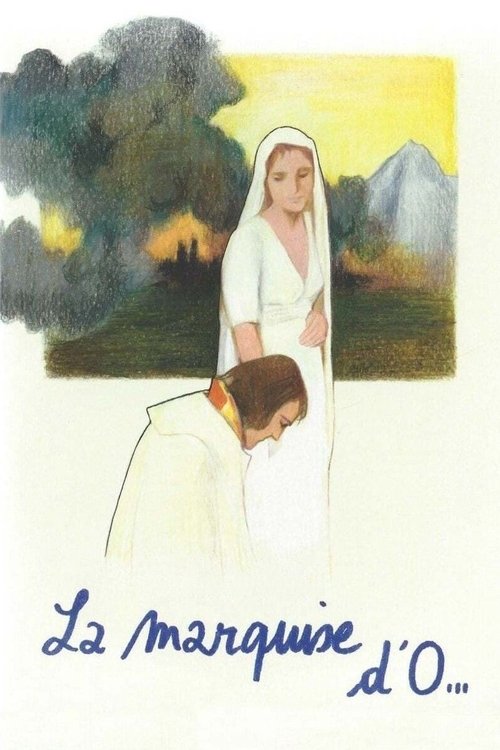
A German Marquise has to deal with a pregnancy she cannot explain and an infatuated Russian Count.

A historical drama about the revolution of 1848/1849 in the Austrian empire.

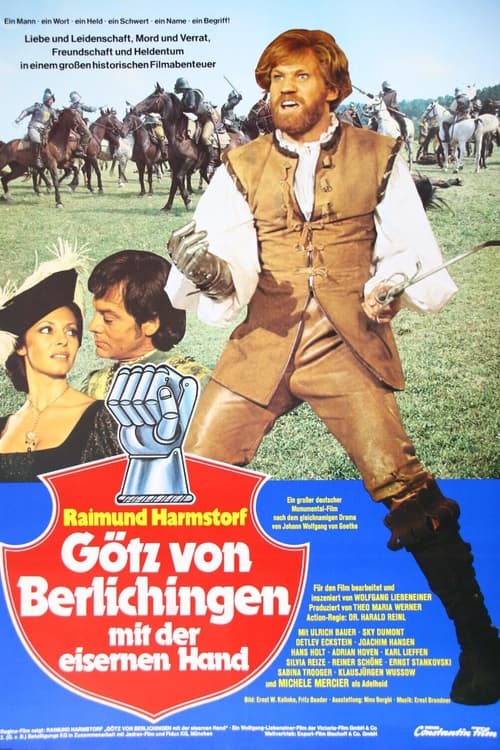
During the time of the Peasants' Wars, the free knight Götz von Berlichingen gets into all kinds of private and political entanglements when he defends the Bishop of Bamberg. He is declared an enemy of the empire and ostracized as a robber. Insurgent peasants, of whom he becomes the leader, also betray him by attacking a town against the condition that no violence be used.
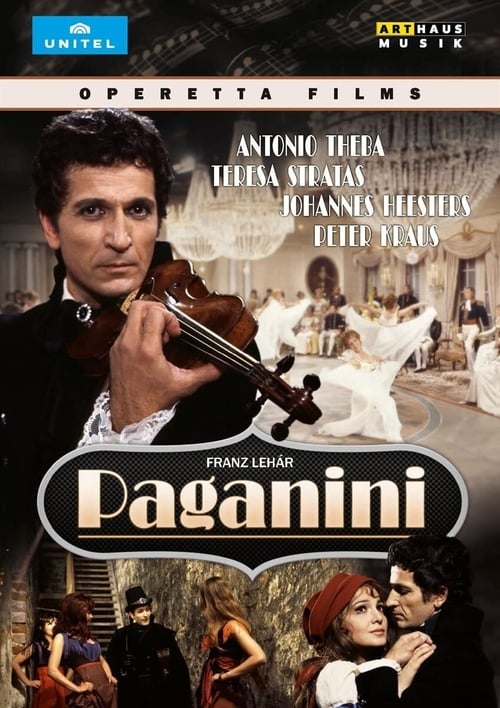
Operetta concerning the love affair of Niccolò Paganini, the violinist, and Élisa Bonaparte, the younger sister of Napoleon.
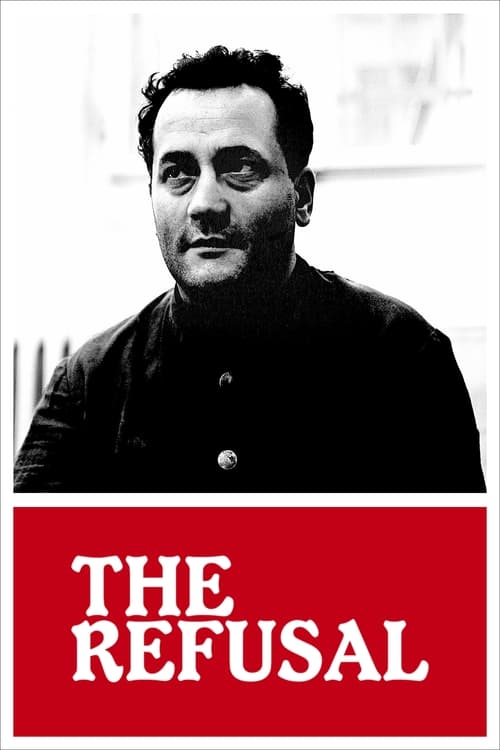
The story of the last days of Austrian farmer Franz Jägerstätter (1907-43), who was executed by the Nazi regime because of his refusal to compromise with a perverse system.
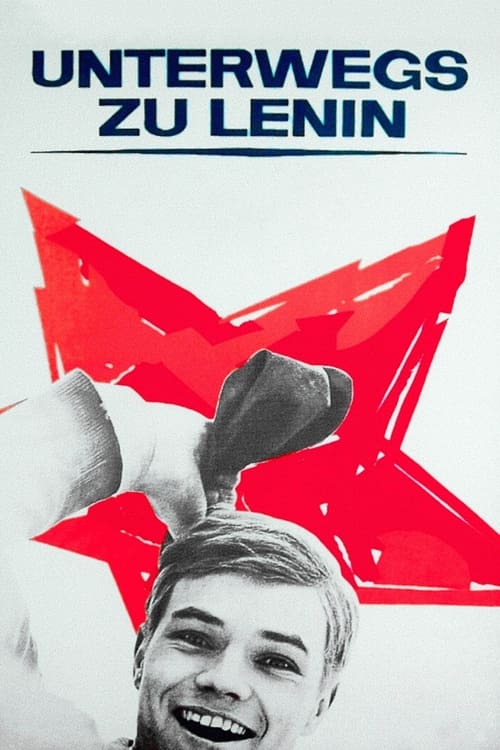
A train travels through the vastness of Russia, a train with German prisoners of war returning home, and Viktor Kleist, a young German communist from an intellectual home in Munich, travels back home with them. During the journey, the stations on his way to Lenin wake up again.
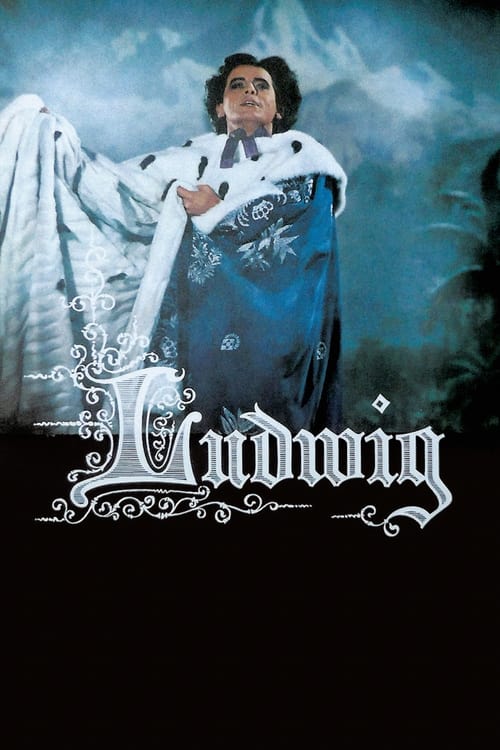
Reflected in an artificial and bombastically staged illusory world with Wagnerian compositions, glossy and satirical time references, 19th century German figures and traditions are stripped of their mythology and interpreted by the Germany of 1972.

Film adaptation of Werner Keller's bestselling non-fiction book, which attempts to show in a "less spectacular way than the original" that archaeological finds and findings do not contradict biblical statements.
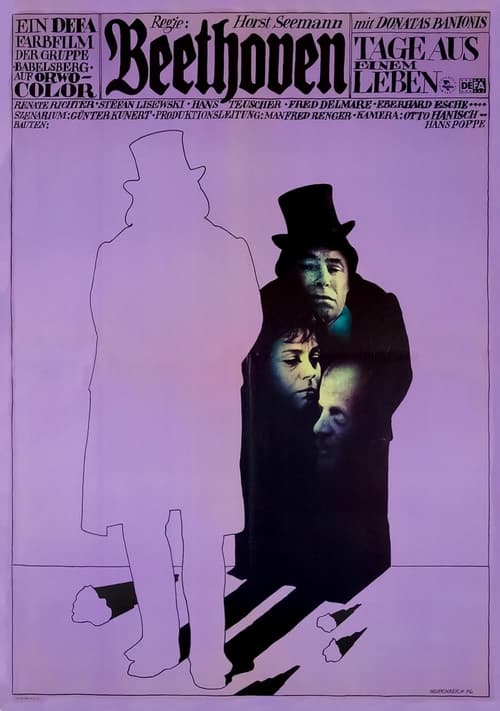
Vienna, 1813-1819: Beethoven (played by Donatas Banionis) is at the peak of his fame. Orchestras all over the world play his music, but he lives modestly and is dependent upon private patrons. Nagged by his patronizing brothers, spied upon by officials for his republican beliefs and faced by his progressive hearing loss, the composer becomes more and more isolated. Seeman’s poetic film explores the joys, heartbreak and artistic spirit of the great composer as he works on his Ninth Symphony.
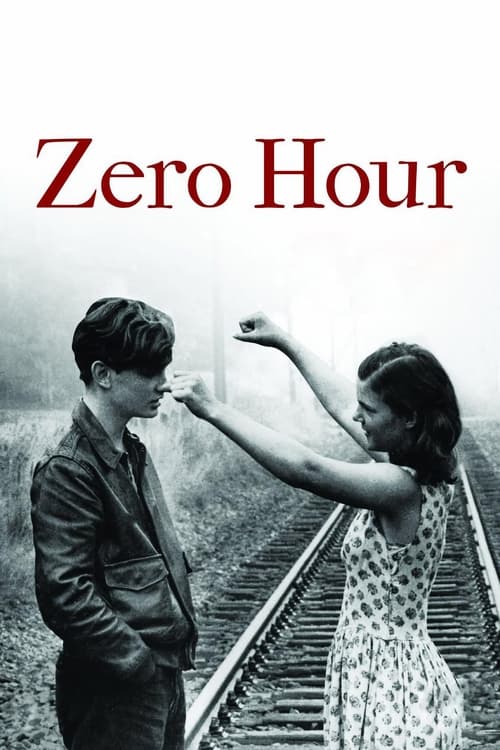
In July 1945, US troops are leaving Saxony and Thuringia while the Red Army takes control of the territories. In a small village near Leipzig, the inhabitants try to adjust to the new authority.

In medieval Germany, poor and witty Till Eulenspiegel fools and cheats citizens, churchmen, and landlords. Although in most cases he uses his wit for personal well-being, he often helps the poor and weak. Eventually, he gains an influential but also dangerous position as royal fool at the court of the emperor.
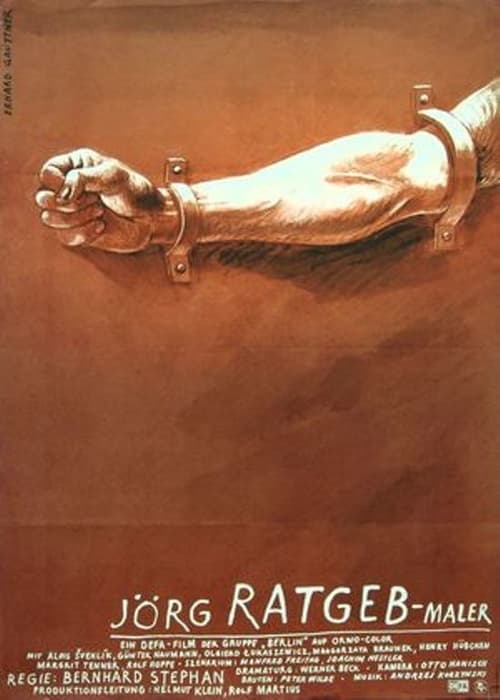
On the eve of the German Peasants' Revolt, painter Joerg Ratgeb is occupied by a crisis of his own: finding a model for a Christ figure. He sets off on a journey to consult with his artistic role model, Albrecht Dürer. Although Ratgeb has always tried to stay out of the political conflict, his journey brings him face-to-face with peasant revolutionaries and the brutality and violence of their daily lives.
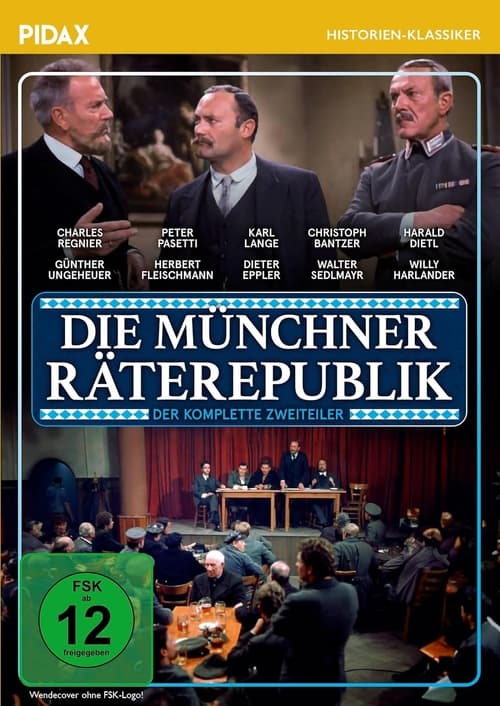
Last years in the Life of german Dramatican Georg Büchner. Around the year 1830 he and his fellow students try to initiate a revolution in Germany, but they are not successful. Büchner has to leave the country and seeks exile in France and Switzerland, where he falls ill with typhus.
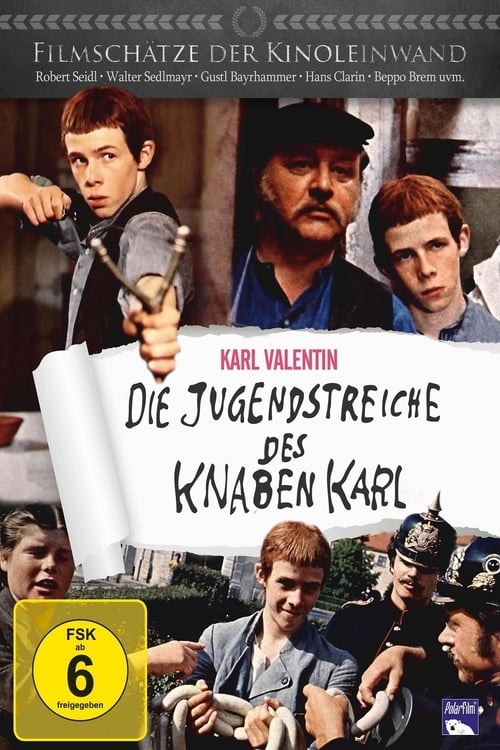
At the behest of his father, the young Karl Valentin is to complete a carpentry apprenticeship. When the father gets into a financial mess by a strict creditor, the boy works with growing success as a comedian to support his parents financiall
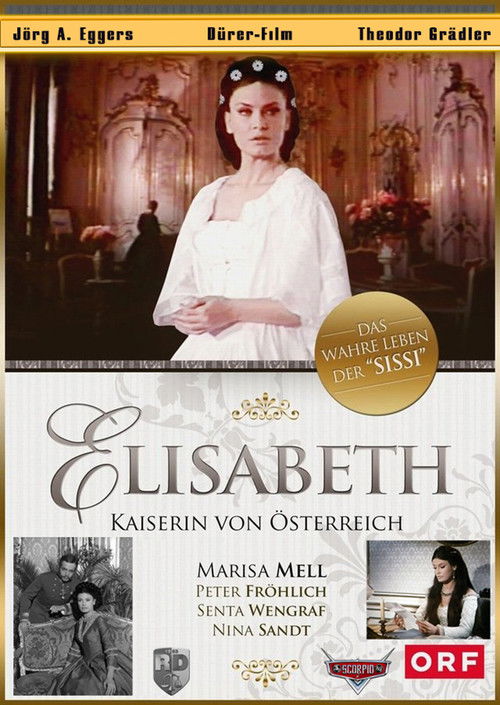
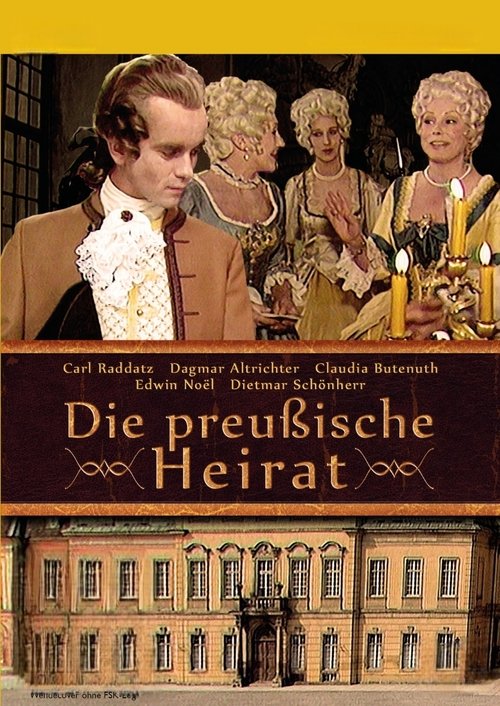
At the court of Frederick William I of Prussia, highly political marriage plans are being forged. Princess Wilhelmine's parents want her to marry into the English or Austrian royal family so that she can become queen or even empress. But she is in love with the crown prince of the small principality of Bayreuth...
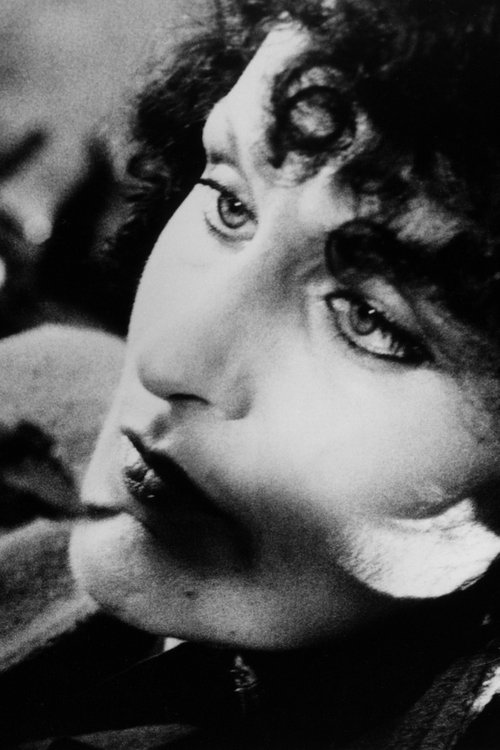
This film is in effect a slideshow of exquisite single photographic images in sparkling black and white, representing Mikesch’s own version of Mary Stuart. “The drama of a woman who attempted a kind of liberal emancipation in a time of upheaval, but got caught in the snares of men,” in her words. Confronted with layers and layers of conflicting information about “how it really was” Mikesch decided not to try to be a historian, but to radicalise the narrative and condense it into striking images of passion, power, love, pain and death.
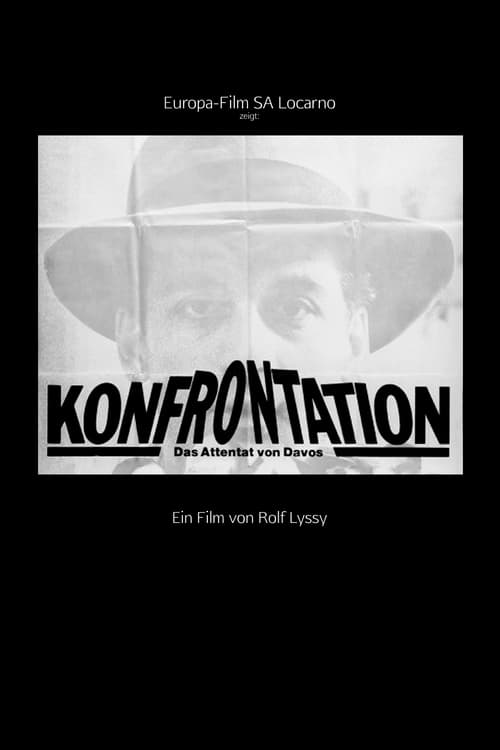
On February 4, 1936, Wilhelm Gustloff, leader of the NSDAP, was shot dead in Davos. His assassin, 27-year-old David Frankfurter, wanted to use the action to highlight the persecution of the Jews. This docudrama describes with great precision the events leading up to the fateful day and the trial that followed. The film was selected as the Swiss entry for the Best Foreign Language Film at the 48th Academy Awards, but was not nominated.
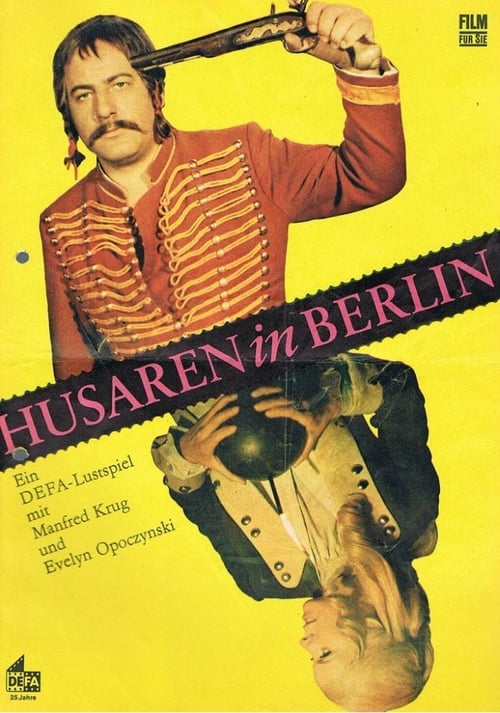
Comedy about the "Husarenstreich", the 1757 Berlin raid during the Seven Years' War.

The film consists of a monologue performed by Walter Sedlmayr, who plays Theodor Hierneis, the chef at the court of Ludwig II of Bavaria. The screenplay was written by Syberberg and Sedlmayr and is based on the memoirs of Hierneis.

In England in 1553, the marriage of Queen Mary Tudor to the Spanish crown prince Philip II is being considered. It is Simon Renard's task to force the issue. Maria, however, has lost her heart to Fabiano, who for his part is betraying the queen and is only interested in gaining power. When his relationship with Jane becomes apparent to both her admirer Gilbert and the queen herself, intrigues begin to unfold on several levels...
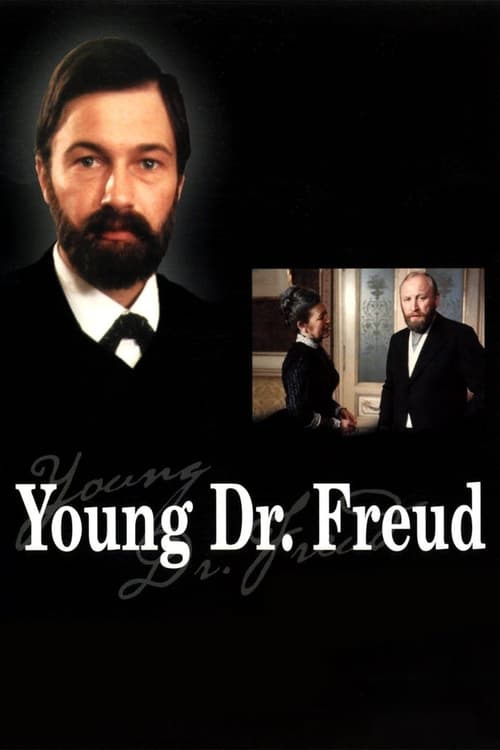
A portrait of Sigmund Freud as a young man.
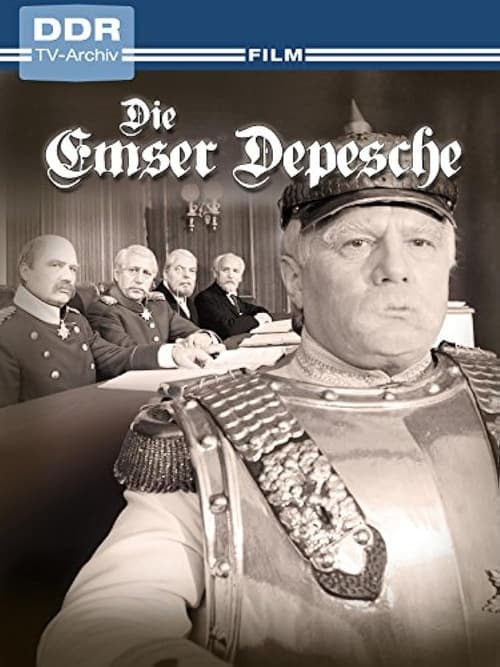
Theme of this scenic documentation is the consistent preparation of the Franco-German War by Bismarck and leading Prussian military, who, with the help of the conservative and liberal Berlin press, created the mood in which the publication of the heavily redacted "Emser Depesche" showed an effect desired by Bismarck. The authenticity of the game plot is supported by documents and documentary material.
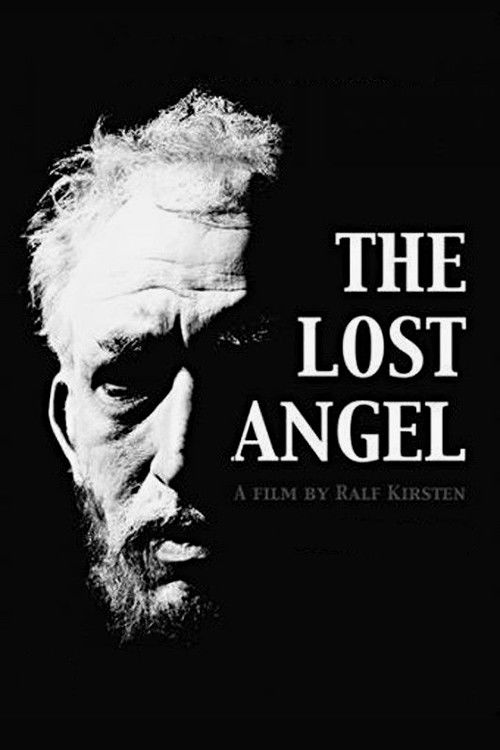
August 24, 1937: a day in the life of expressionist sculptor and author Ernst Barlach (Fred Düren). Barlach lives in the small town of Güstrow, keeping to himself and wanting to steer clear of politics. On this day he learns that the Nazis have dragged his famous 1927 sculpture The Hovering Angel out of the Güstrow Cathedral. Barlach begins to reflect on his life of “inner emigration” and on his work.