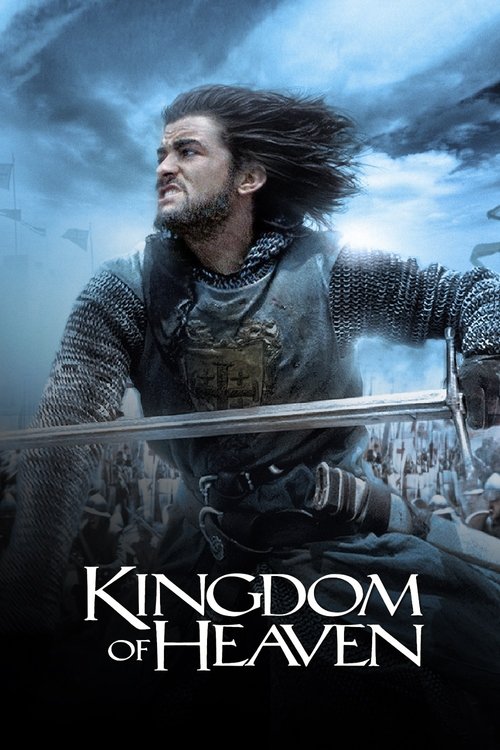
After his wife dies, a blacksmith named Balian is thrust into royalty, political intrigue and bloody holy wars during the Crusades.
Kingdom of Heaven
7.0 2005
90 Matches Found
After his wife dies, a blacksmith named Balian is thrust into royalty, political intrigue and bloody holy wars during the Crusades.
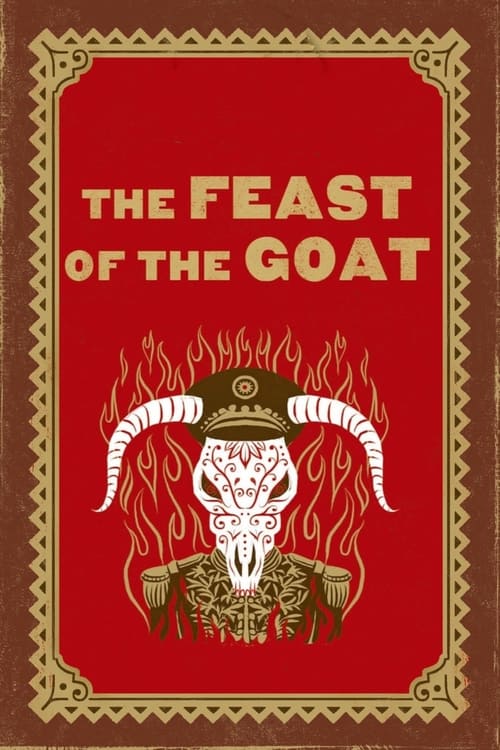
Urania Cabral returns to Santo Domingo, after several years, and remembers her and her family's relationship to Rafael Trujillo, the Dominican dictator, as well as the events surrounding his assassination.
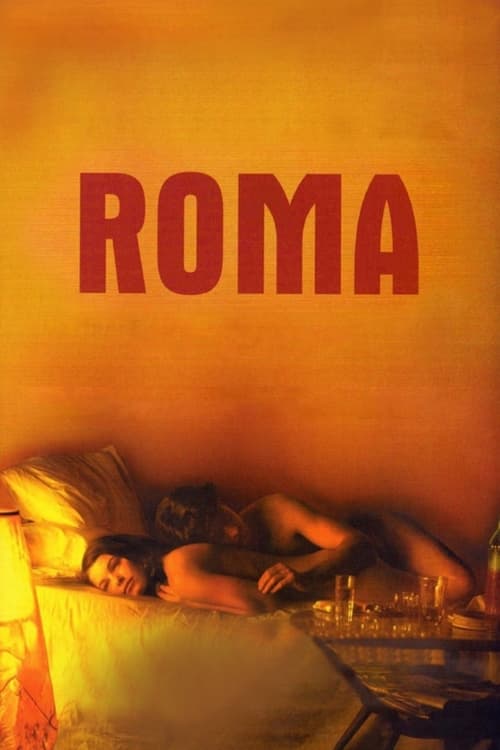
Joaquín Góñez, a novelist in his sixties recalls his emotions, his wild years in Buenos Aires, the memories of old friends, the meaning of loyalty and the intimate relationship with his mother, Roma.
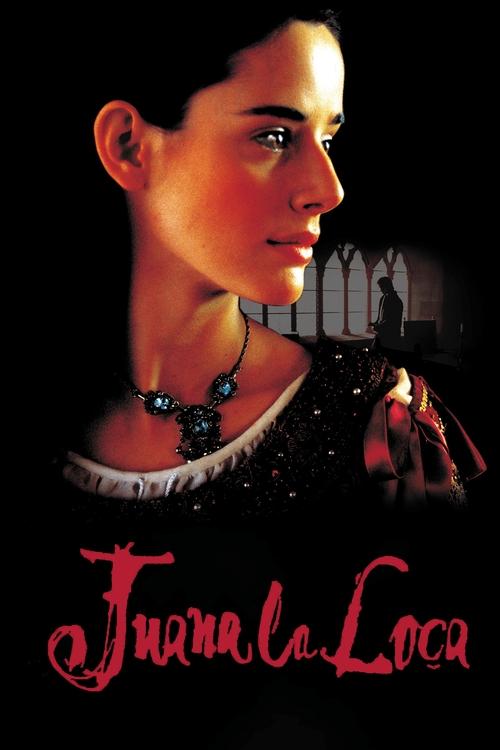
The tragic fate of Juana I of Castille, Queen of Spain, madly in love to an unfaithful husband, Felipe el Hermoso, Archduke of Austria.
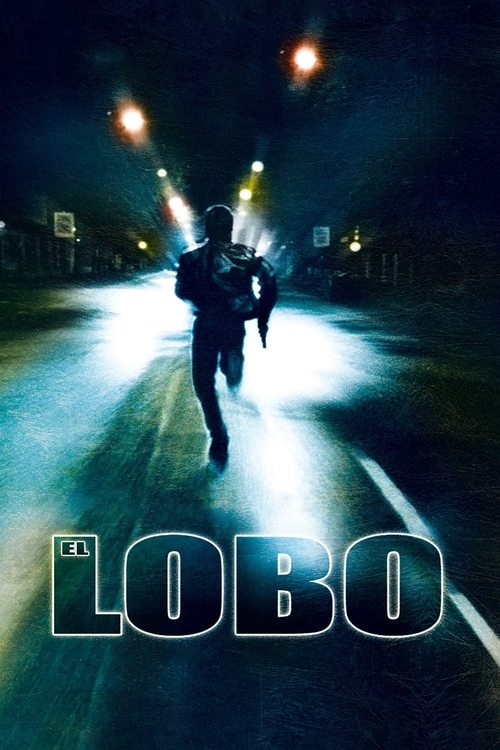
Based on a true story. In the 70s, during the last stages of Franco's dictatorship, Txema, a basque construction worker, is arrested because of his connection to some terrorists who have just committed a murder. The secret service see in him an ideal candidate to infiltrate the terrorist band ETA and become a mole, so they try to offer him a deal if he will do so.
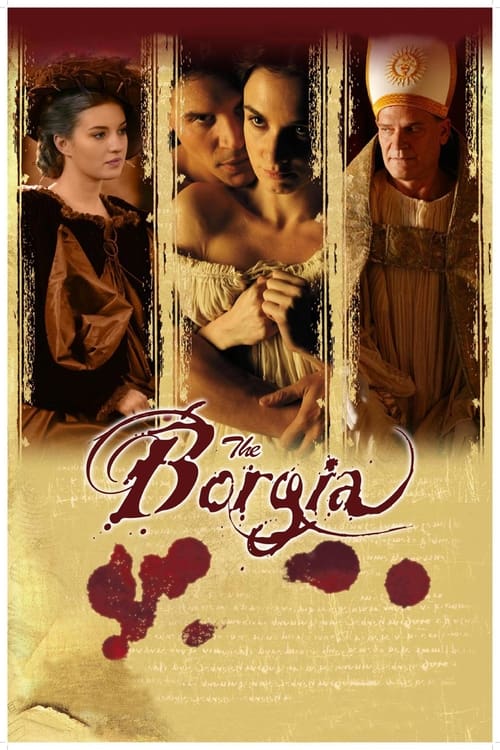
A portrait of the bloody dynasty that spawned a pope, Alexander VI, as well as the role model for Machiavelli's “The Prince,” his son Cesare Borgia, and a legend of femme duplicity, daughter Lucrezia Borgia.
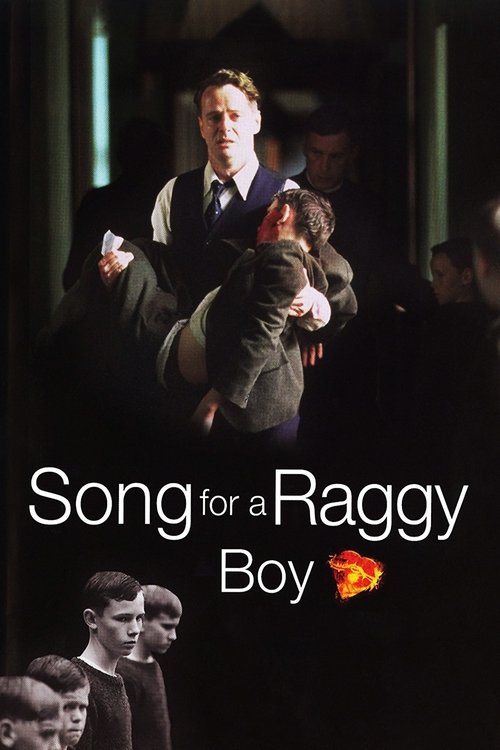
William Franklin is a teacher who was born in Ireland and moved to the United States only to repatriate in 1939 after his leftist political views cause him to lose his job. Franklin becomes the first non-cleric instructor at St. Jude's, a school for wayward boys run by Brother John, who is a firm believer in strong discipline.

Early 80's, Sara is a good-family girl, she has never been with a man, does not drinks, does not take drugs. Following her love, she enters in "El Calentito" a bar where the group "las Siux" is singing.
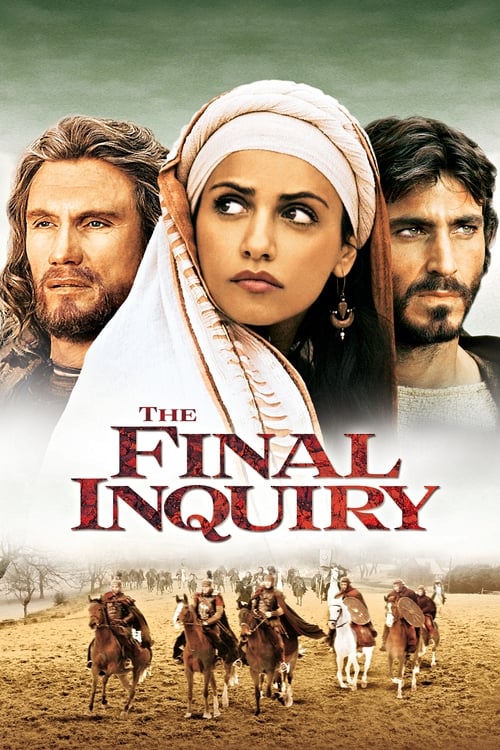
In 35 A.D., a Roman tribune is sent to Palestine to investigate the death and possible resurrection of a certain Jesus from Nazareth.

The story of Salvador Puig Antich, one of the last political prisoners to be executed under Franco's Fascist State in 1974.

1896. Cuba is at a critical juncture. Following the death of Antonio Maceo, one of its independence leaders, the island is torn between two positions: continuing the fight for independence or annexation to the United States. Spain, through its energetic generals, seeks to maintain its hegemony on the island. A difficult period in which, however, strange love stories also occur.

The Spanish Civil War (1936-1939) caused a great impression on the lives of most of the American artists of that era, so many movies were made in Hollywood about it. The final defeat of the Spanish Republic left an open wound in the hearts of those who sympathized with its cause. The eventful life of screenwriter Alvah Bessie (1904-1985), one of the Hollywood Ten, serves to analyze this sadness, the tragedy of Spain and its consequences.
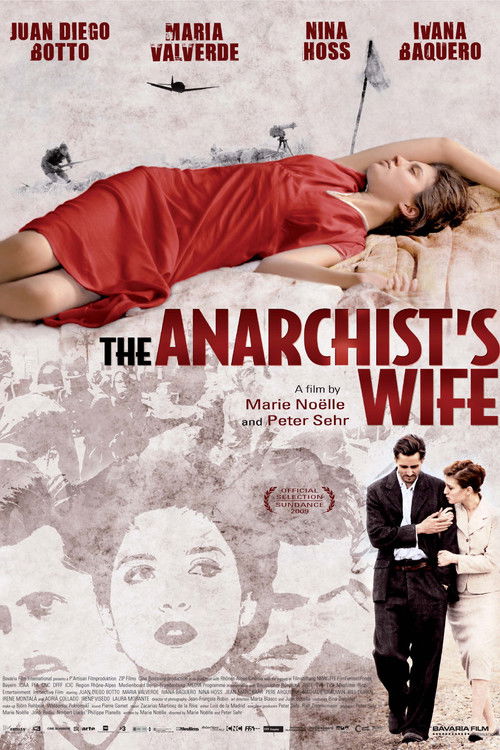
Manuela is left behind when her husband Justo fights for his ideals against Franco's Nationalists during the Spanish Civil War. He is deported to a concentration camp, and upon his release, continues the fight against nationalism in the French resistance. Years pass without a word from him, but his wife never gives up hope of seeing him again.
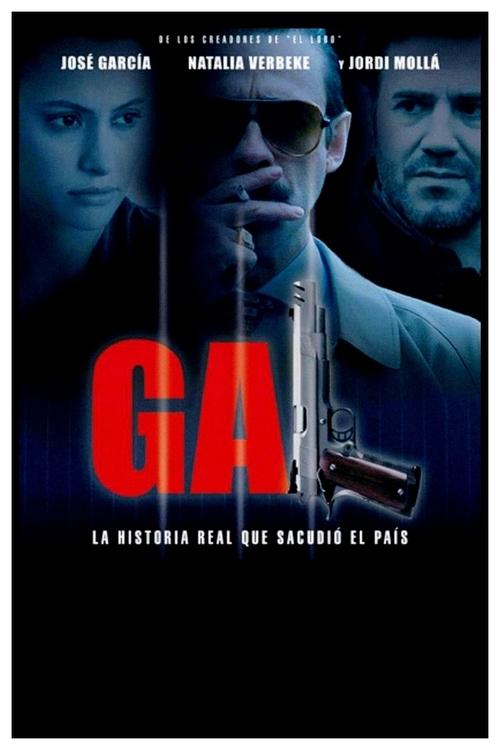
Two journalists investigate the criminal activities of the GAL (Grupos Antiterroristas de Liberación), a secret terrorist organization founded in the eighties and financed by leading figures in the Spanish government and security forces to hunt down and exterminate both members and collaborators of the terrorist gang ETA.
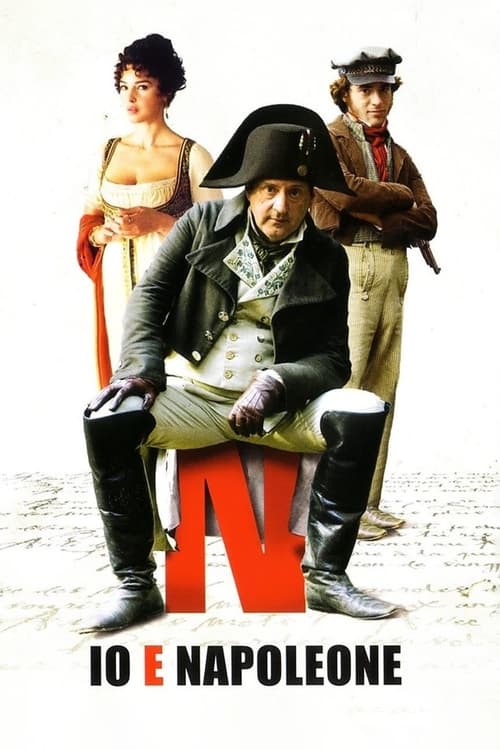
Elba island, 1814. Martino is a young teacher, idealist and strongly anti Napoleon, in love with the beautiful and noble Baroness Emily. The young man finds himself serving as librarian to the Great Emperor in exile, whom he deeply hates, yet soon begins recording Napoleon's memoirs, getting to know and learning to value the man behind the myth. Among seductions and affairs, expectations and fears, he will craft a precise portrait that nevertheless will not manage to hide a final, inevitable, disappointment.
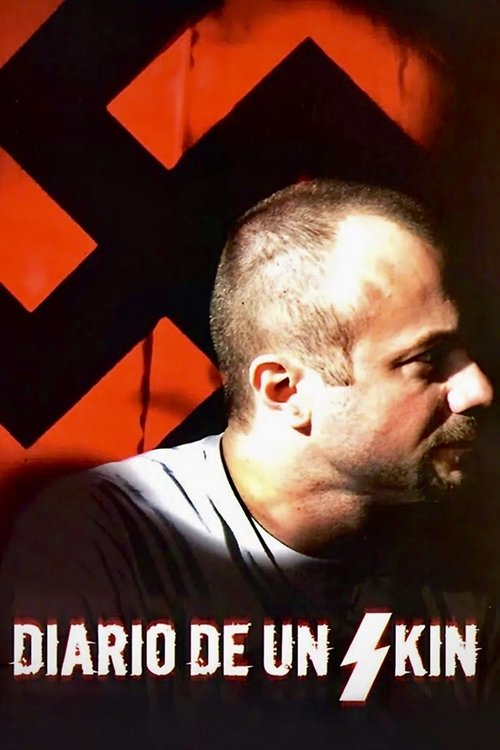
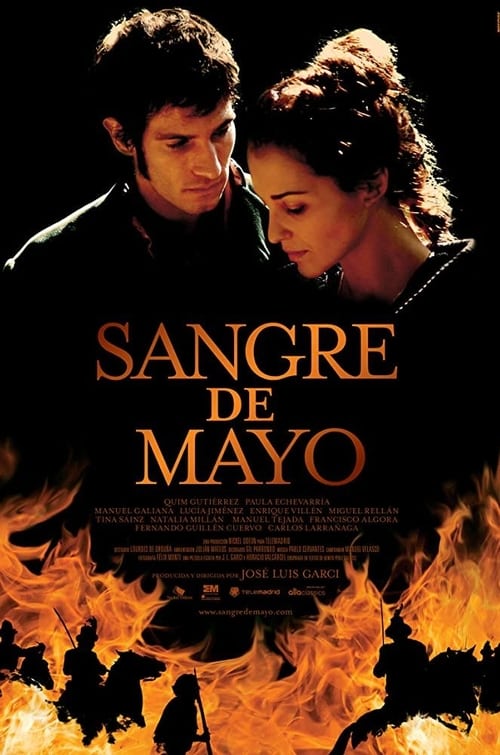
Revolution in Spain, around the events of 2 May 1808, when the people of Madrid rise up in rebellion against French occupation.

Buenos Aires at the outskirts of XIX century. A society rigid in patriarchal rules. A war between brothers of Argentina, Brazil, Uruguay and Paraguay. Two young and very much in love youngsters, fight for their right to be together. Obeyance and fear sets them apart along more than ten years. When they are finally reunited, will they be able to overcome the pain and tragedy that haunts them?
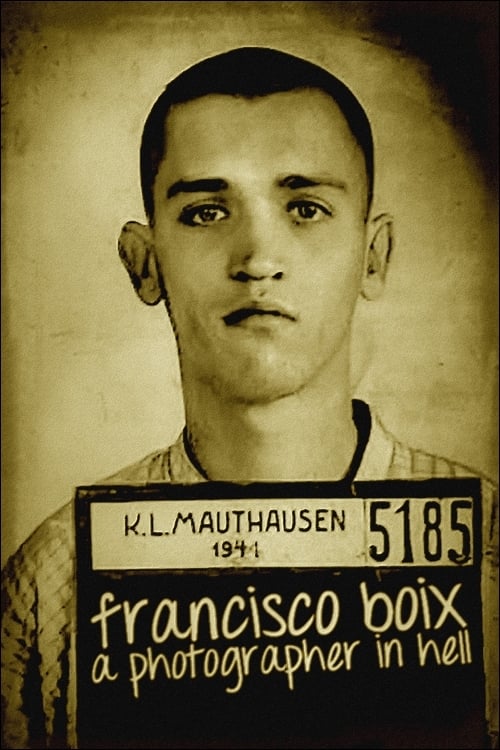
In 1939, just finished the Spanish Civil War, Spanish republican photographer Francesc Boix escapes from Spain; but is captured by the Nazis in 1940 and imprisoned in the Mauthausen concentration camp, in Austria, a year later. There, he works as a prisoner in the SS Photographic Service, hiding, between 1943 and 1945, around 20,000 negatives that later will be presented as evidence during several trials conducted against Nazi war criminals after World War II.
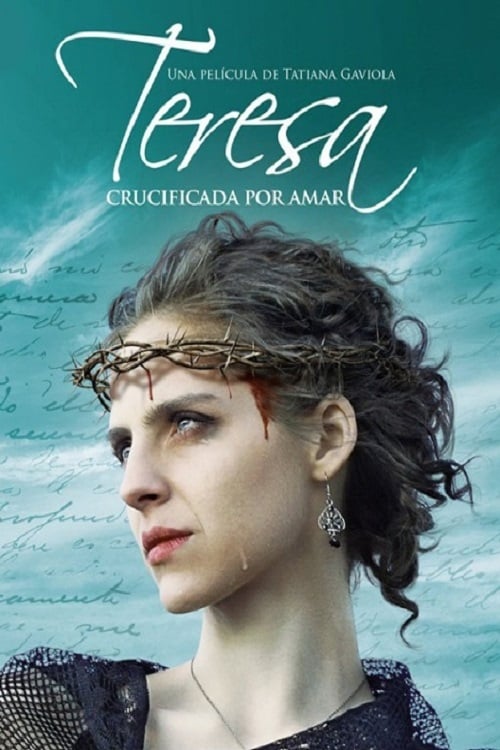
Teresa Wilms Montt is a writer, a rebellious woman, tormented and beautiful. He marries at age 17 challenging family opposition. She falls in love with someone she should not and the family court condemns her to confinement in a convent. Separated from her two daughters, she escapes to Buenos Aires with Vicente Huidobro. From that flight her life becomes an exciting and tragic itinerary.
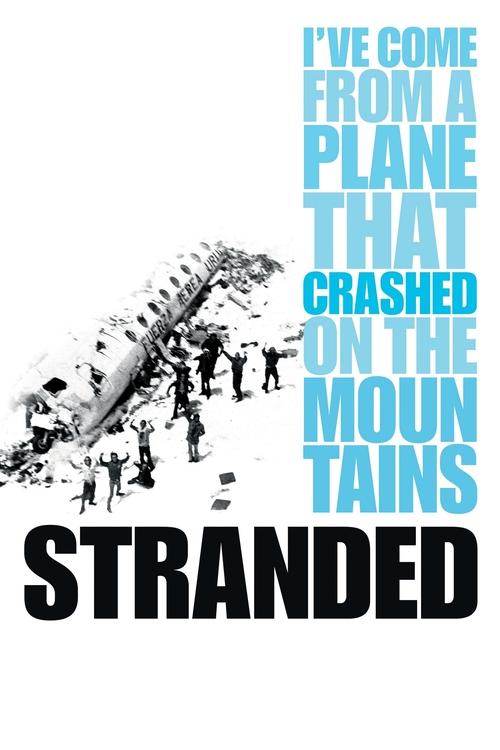
The story, told by the survivors, of a group of young men, members of a Uruguayan rugby team, who managed to survive for 72 days, at an altitude of almost 4,000 meters, in the heart of the Andes Mountains, after their plane, en route to Chile, crashed there on October 13, 1972.

A young worker enjoying an affair with an upper class beauty, Adelaida, is drafted by the Spanish Army to fight in the Cuban War of Independence. After Adelaida receives an unusual announcement regarding her lover's death in combat, she refuses to believe the loss of her lover. Her class-conscious family, led by her jealous sister Maria, believes that Adelaida has lost her mind and places Adelaida in an insane asylum. However, Adelaida continues to to live according to her beliefs of passion and freedom. Fellow "inmates" tell her about the wood-nymphs which inhabit the adjacent forest. Adelaida is convinced these nymphs will lead her to her lover and to happiness.
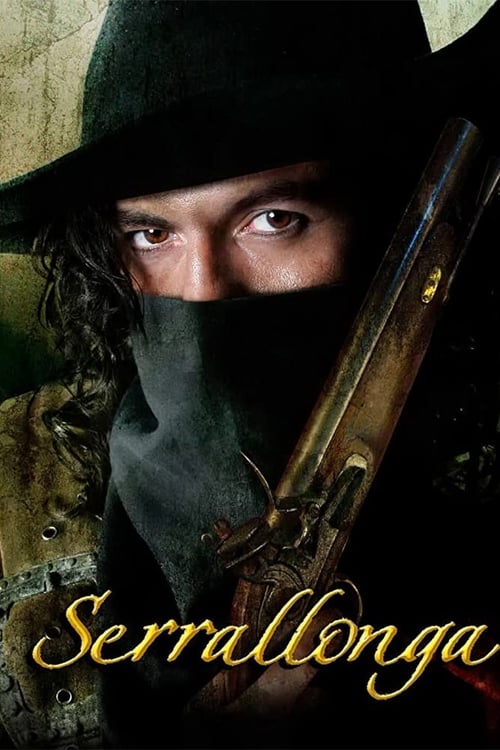
"Serrallonga" is the story of a bandit who becomes a legend, in a hard time when the struggle to survive was the main concern of a people enslaved by hunger and with banditry as one of the few exits from misery. Joan Sala, alias Serrallonga, is above all a rebel. Robberies and assaults make him admired by the people and his legend grows unstoppably until the end of his days.

Professor Lola Sánchez investigates the truth behind the events experienced by Rafael Sánchez Mazas, one of the founders of the Falange Española party, during the Spanish Civil War.
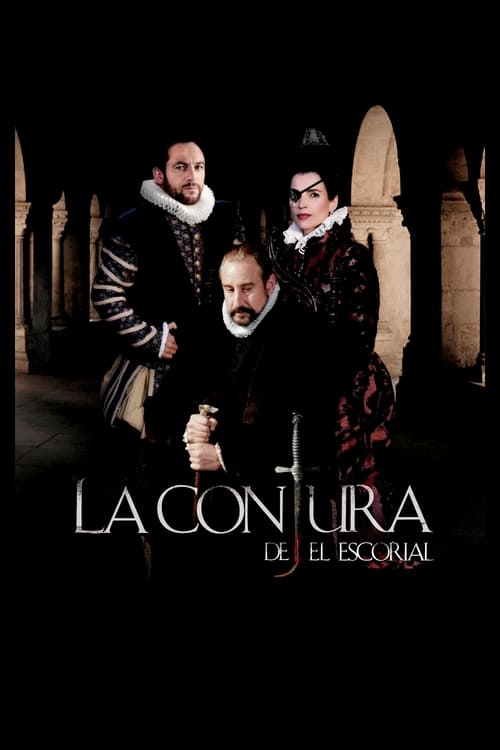
16th century ruler King Philip II of Spain maneuvers within a court of deceit and betrayal

An attempt to create a bridge between the different political positions that coexist, sometimes violently, in the Basque Country, in northern Spain.
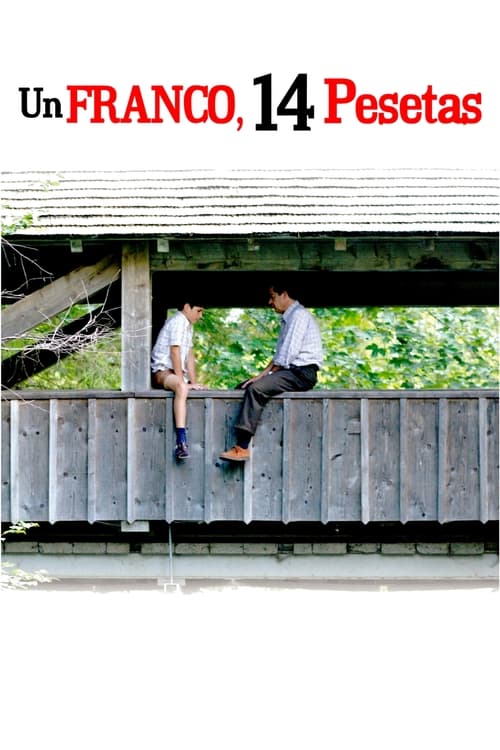
In 1960, Martín and Marcos are forced by their difficult personal circumstances to travel to Switzerland in search of work, leaving their families in the Madrid of Franco's Spain. But they undertake more than a simple journey; they begin the road to a new life.
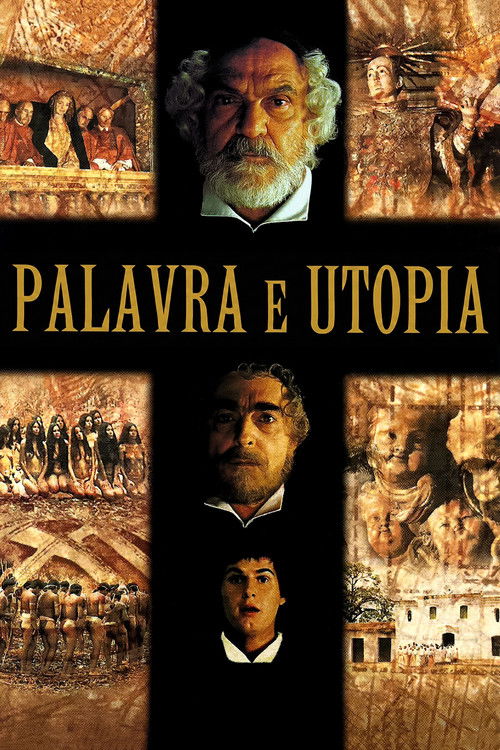
The story of Father Antonio Vieira, a 17th-century Portuguese priest who lived in Brazil and worked for better treatment of the Indians and to abolish slavery.
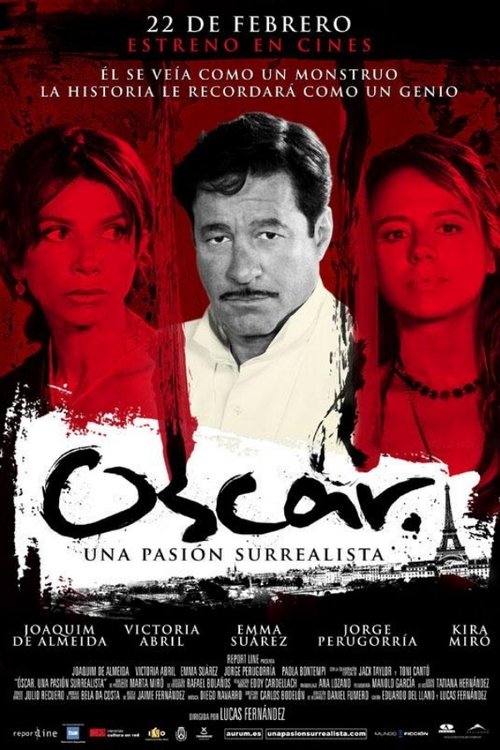
"Óscar. The Color of Destiny" is a revealing portrayal of a forgotten icon of French Surrealism: Spanish painter Óscar Domínguez, contemporary of Picasso. The film rediscovers the life of a talented artist who was ignored after he committed suicide, fifty years ago, victim of a serious illness which had disfigured his body: the Elephant Man's disease. The film is stirring and touching and compels admiration for the bohemian painter whose fate was self-destruction, after a wild crazy life. Lucas Fernández turns the life of a debauchee, who regarded himself a monster because of his disfiguring disease, into a universal story where art is the product of love and loneliness, of sex and violence before, during and after the Nazi invasion of Paris.
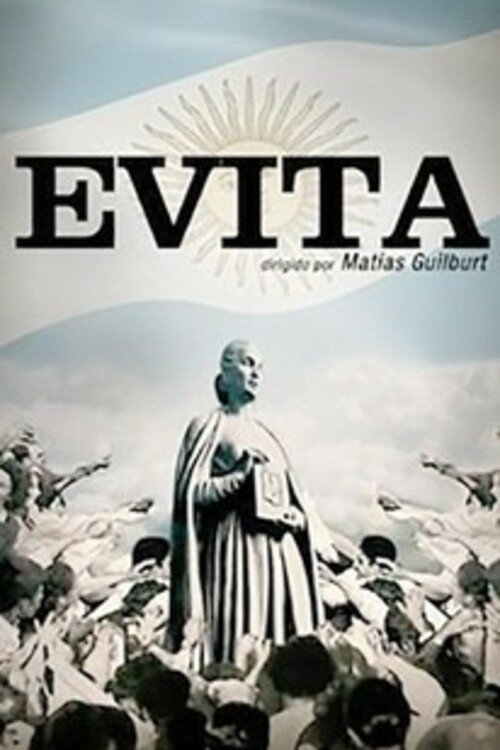
Eva Perón, a champion of women's rights and social justice, was considered the most powerful woman of her time, and she and her husband Domingo Perón, President of Argentina, were a legendary couple.

Film director and screenwriter Seijun Suzuki (1923-2017), who in the sixties was the great innovator of Japanese cinema; and his collaborator, art director and screenwriter Takeo Kimura (1918-2010), recall how they made their great masterpieces about the Yakuza underworld for the Nikkatsu film company.
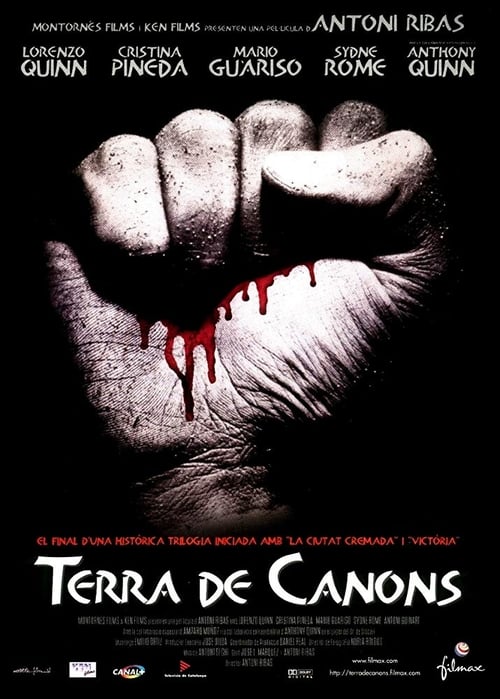
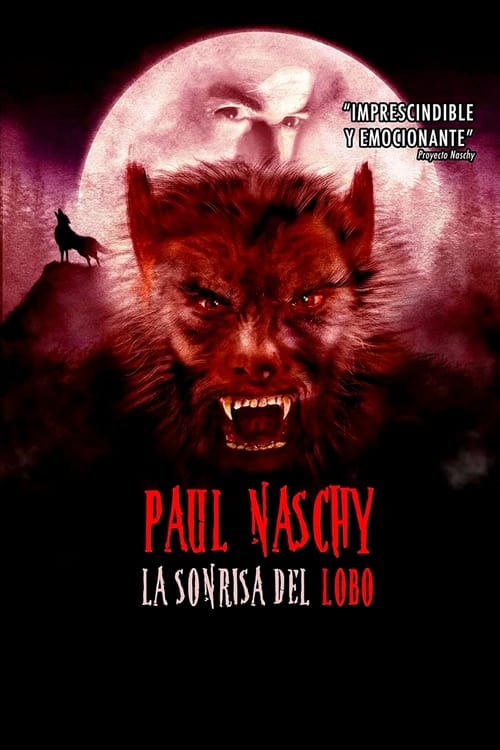
Legendary Spanish actor and director Jacinto Molina, also known as Paul Naschy, tells the mythical story of Waldemar Daninsky, the cursed werewolf, his most iconic character; a relationship that began in 1968.
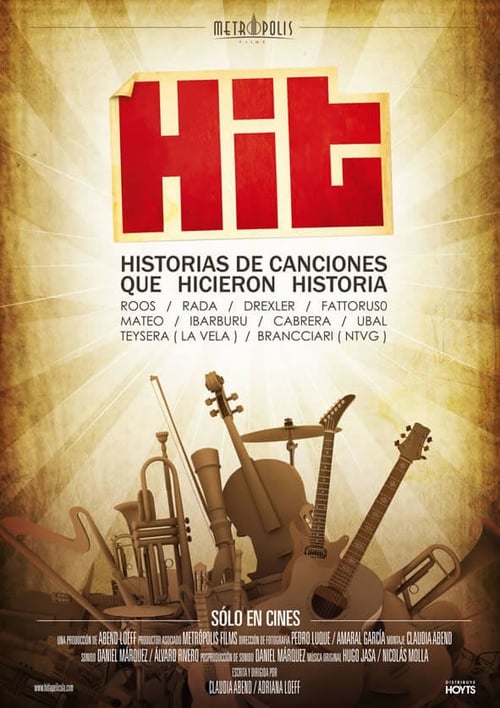
Through the memories and confessions of some of the most important names in Uruguayan music, the film brings back to life the stories of the songs that defined a country and that, in some cases, helped change history.
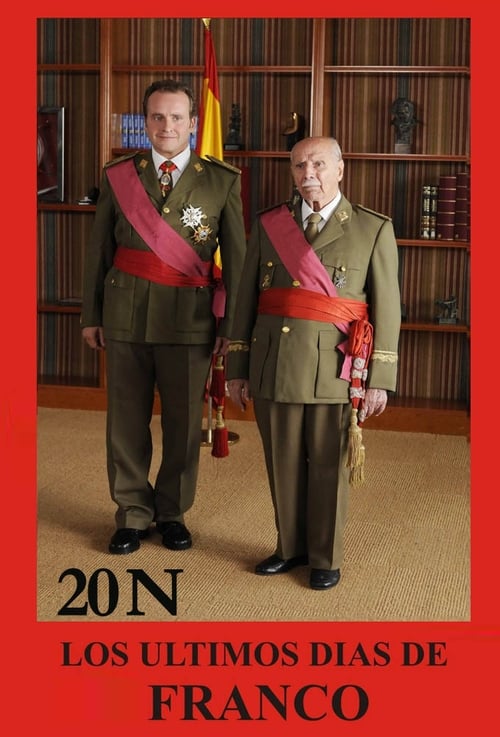

July, 1936. The terrible Spanish Civil War begins. When the streets are taken by the working class, the social revolution begins as well. The public shows are socialized, a model of production and exhibition of films, never seen before in the history of cinema, is created, where the workers are the owners and managers of the industry, through the unions.
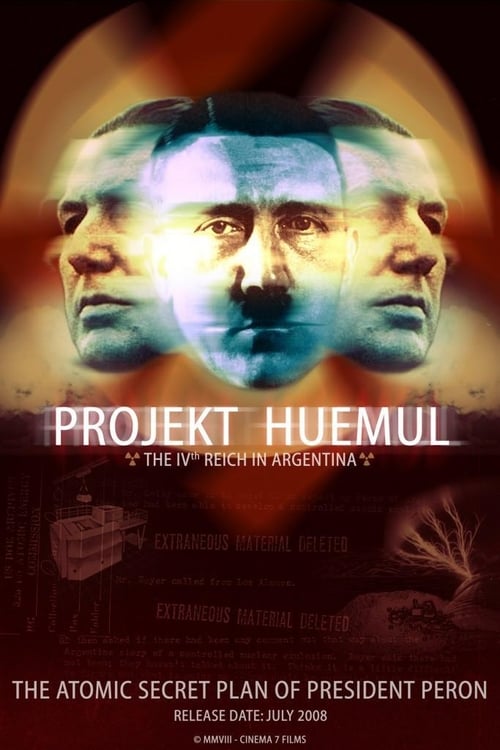
In 1946, President Peron started a secret nuclear project with the help of Nazis refugees which consisted in the use of a new method "Nuclear Fusion". Five years later, he would announce to the world his succeed. Even today, no country around the world has achieved it.

Kukutza III was a gaztetxe (self-managed social centre) in the neighbourhood of Rekalde, Bilbao. It was occupied in 1998, and it was evicted by the police in 2011. The documentary shows some activities that were hosted by the gaztetxe.
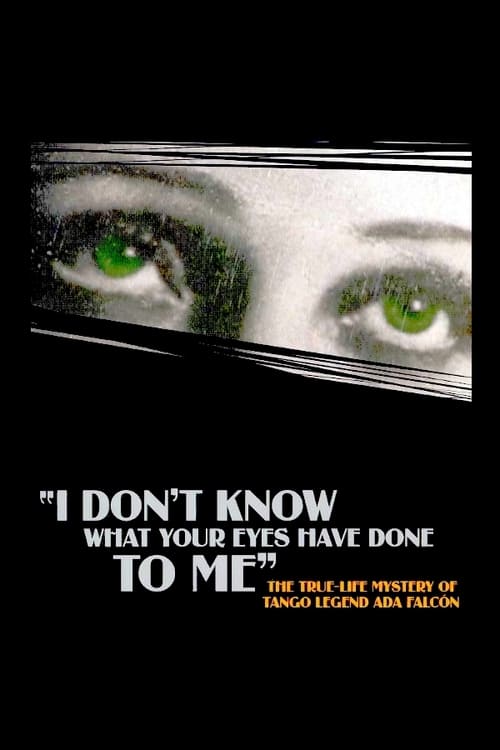
Argentinean singer and tango legend Ada Falcón disappeared without a trace in 1942 at the height of her career. This is the story of how she was located sixty years later, living in an unexpected way, in an unexpected place.
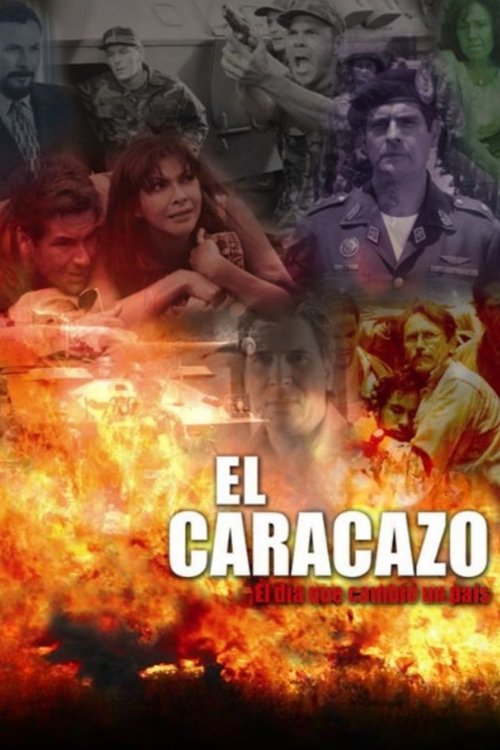
El Caracazo o Sacudón fue una serie de fuertes protestas y disturbios durante el gobierno de Carlos Andrés Pérez, que comenzó el día 27 de febrero y terminó el día 28 de febrero de 1989 en la ciudad de Caracas, e iniciados realmente en la ciudad de Guarenas, cercana a Caracas. El nombre proviene de Caracas, la ciudad donde acontecieron parte de los hechos, recordando a otro hecho ocurrido en Colombia el 9 de abril de 1948; el Bogotazo. La masacre ocurrió el día 28 de febrero cuando fuerzas de seguridad de la Policía Metropolitana (PM) y Fuerzas Armadas del Ejército y de la Guardia Nacional (GN) salieron a las calles a controlar la situación.
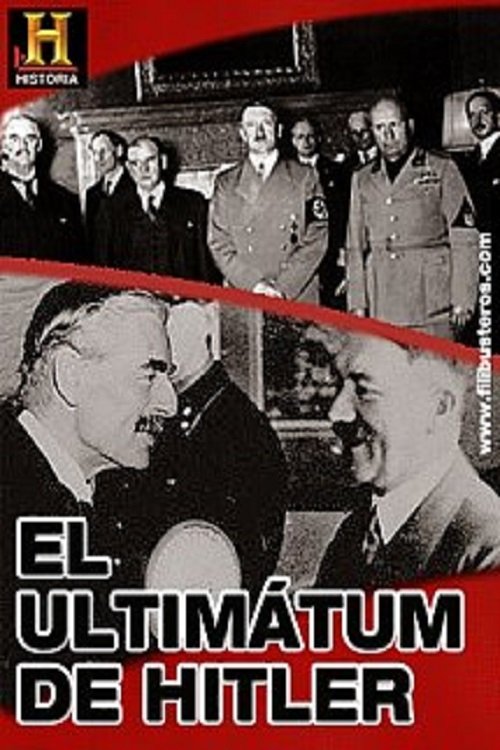
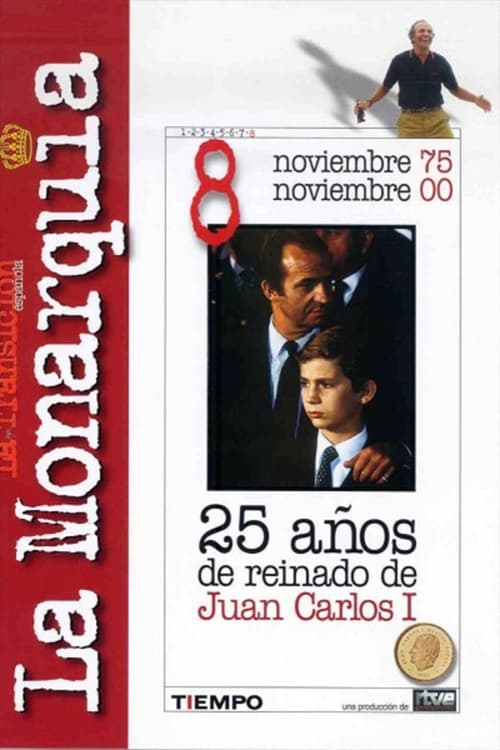
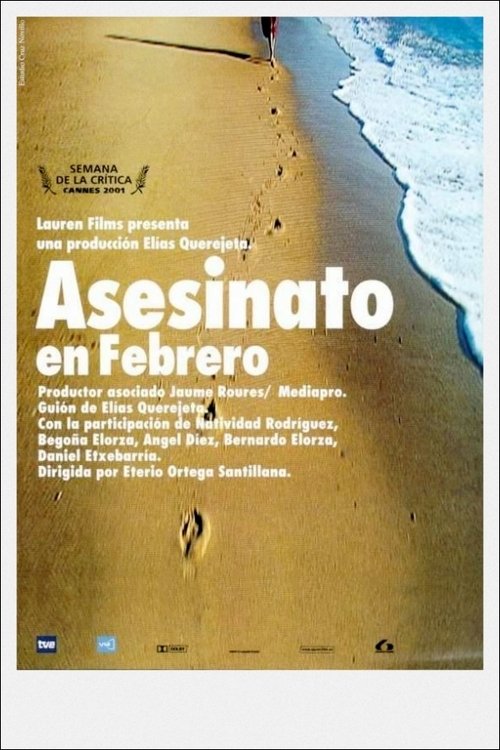
A reflection on the assassinations of social democrat politician Fernando Buesa Blanco and his bodyguard Jorge Díez Elorza, perpetrated by the terrorist gang ETA in Vitoria-Gasteiz, Basque Country, Spain, on February 22, 2000.
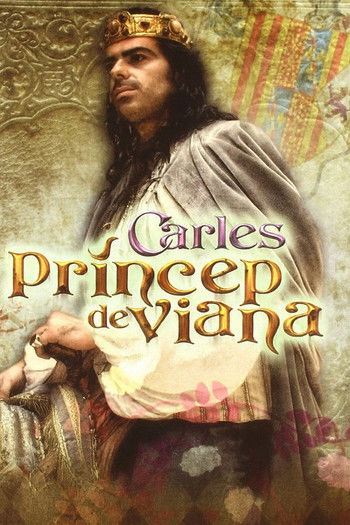
Arnau is a seventeen year old with a totally carefree life. In high school, falls in love with Olga. From there his life changes. To make merit with Olga, pointing to all those involved in activities, including going to care for elders at the weekend that the association is voluntary Olga. This is how he meets Ramon, a man of a past that has a confusing libertarian principle Alzeheimer.
A retrospective analysis of the causes and consequences of the catastrophic accident at the Chernobyl nuclear power plant in Ukraine on April 26, 1986.
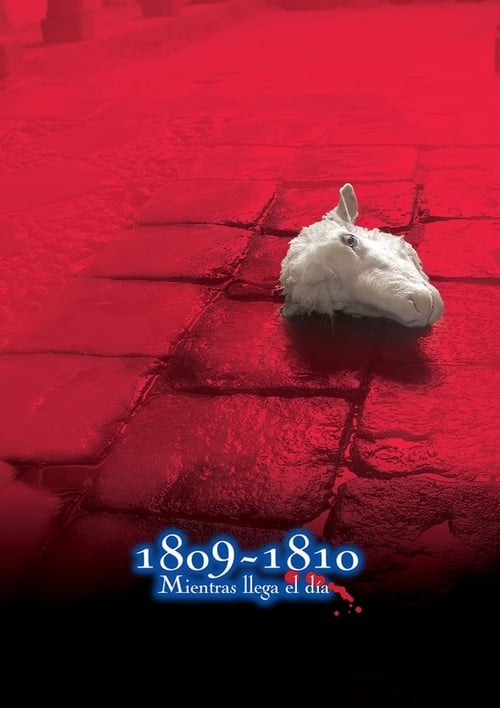
1809-1810: mientras llega el día is a 2004 Ecuadorian historical-dramatic film, directed by Camilo Luzuriaga and starring Marilú Vaca, Aristides Vargas and Gonzalo Gonzalo. The plot is based on the book by Juan Valdano, and revolves around the events that took place in the city of Quito between August 10, 1809, when the First Cry of Independence took place in the Spanish colony of the Presidency of Quito, and on August 2, 1810, when the Massacre of the Próceres occurred in the hands of the peninsular authorities.
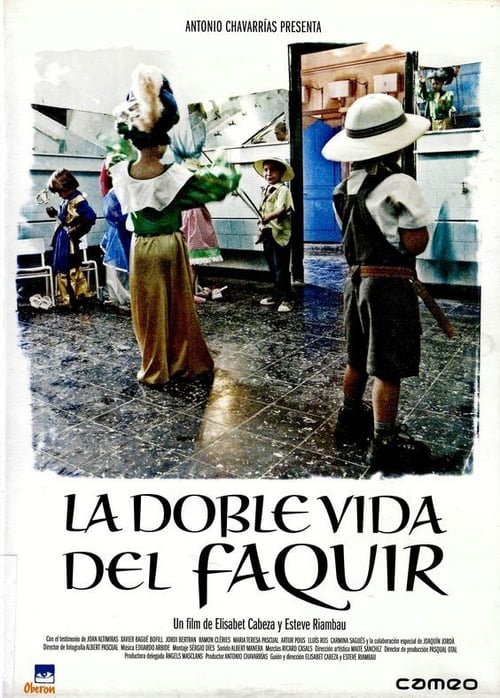
La doble vida del faquir (The magicians) returns to the scene of a school in the Catalan town of Sant Julià de Vilatorta where, in 1937, in the midst of civil war, a film-maker in hiding and a group of orphaned children dressed up as sultans and explorers shot an exotic adventure film. The films protagonists relive those childhood days when they were able to switch their school smocks for oriental turbans, while reality imposed its own fancy dress ball with military uniforms and priests dressed in civilian garb.
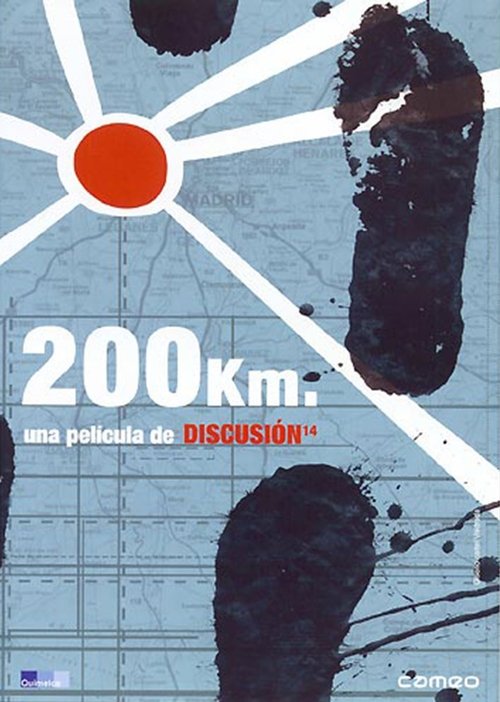
200 km follows the marches carried out by Sintel workers to reach Madrid on May 1, 2002. Sintel was a subsidiary of Telefónica that, when it was privatized, was closed, leaving its 1,800 workers on the streets. One year after setting up the "Camp of Hope" with which they occupied Madrid's Avenida de la Castellana for months, and with the promises they were made unfulfilled, Sintel workers began a 10-day, 200-km march to Madrid to claim your job. Premiered on San Sebastian Film Festival 2003.
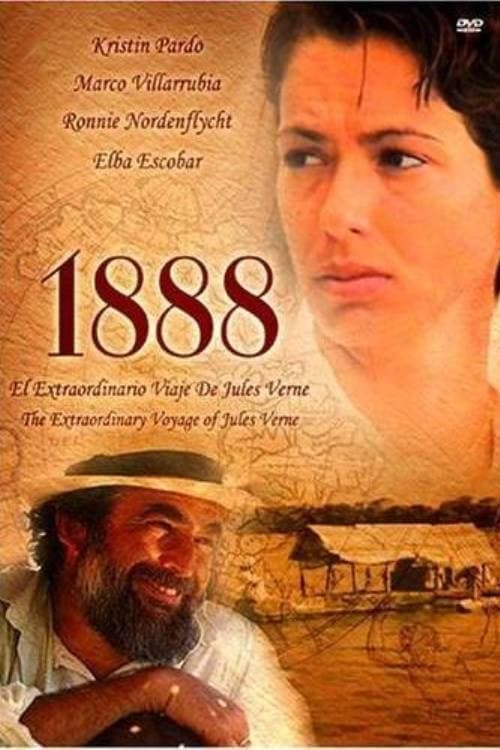
"1888: The Extraordinary Voyage of The Santa Isabel" is a whimsical adventure fantasy about a tired Jules Verne, fleeing from Paris and a bored wife, who joins Italian explorer Stradelli in an expedition on the Orinoco river. Along the way they pickup a young stranger- a woman disguised as a man, searching for her lost father.
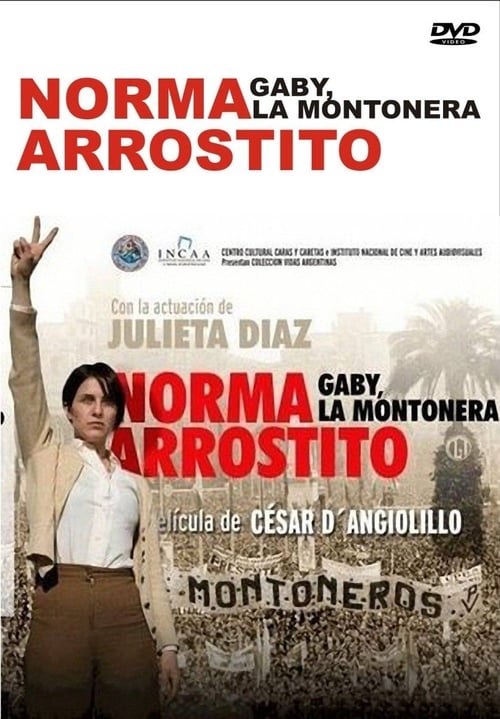
Documentary about Norma Arrostito, an Argentine political activist and leftist militant.
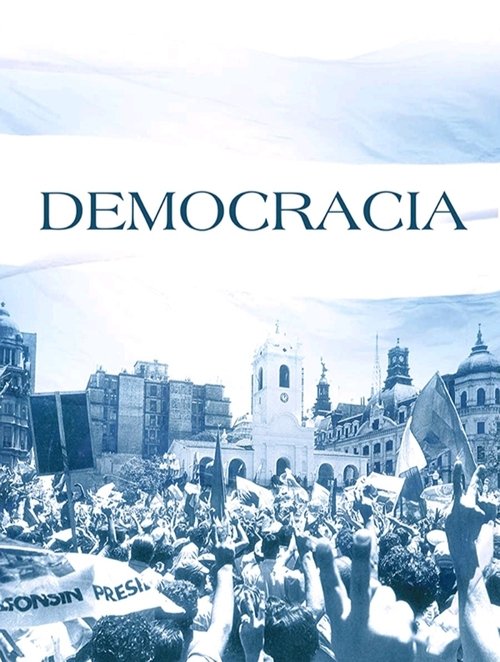
1983: After more than seven years of terror, the Argentineans recover the democracy. The reconstruction of a climate of time and an event that marked a point of break not only in the policy but in the culture and the arts of Argentina
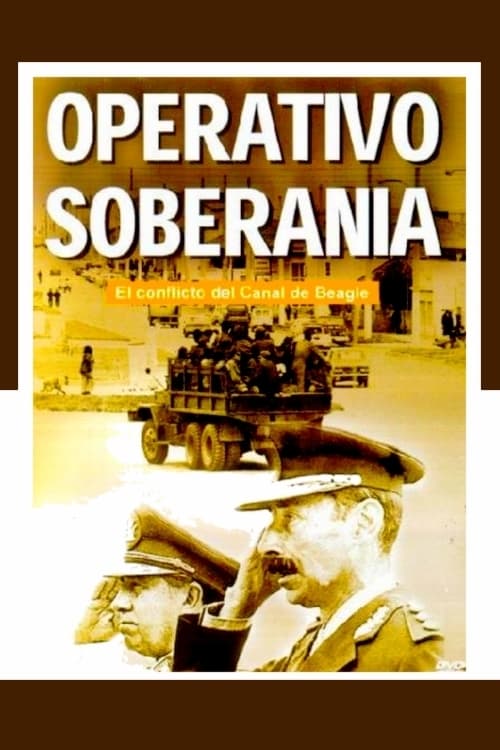
When the fight against a supposed subversive threat seems not to be enough to ensure national unity, the Argentine military dictatorship rekindles the extinguished fire of an old border dispute with Chile in order to make the nation close ranks around the criminal regime: the chronicle of an internal political conflict that was about to turn into a bloody war.
An epic portrayal of the reincarnation of three souls, two brothers and a sister, through the most volatile periods of Puerto Rico's dramatic history. Their mother, Doña Ana, who lost them in a freak storm in the 1850's, is forced to bear witness to their trials and joys over the course of 3 generations.
Portrays the cultural changes experienced in Puerto Rico since the 1950's until 2000, through the story of a family.