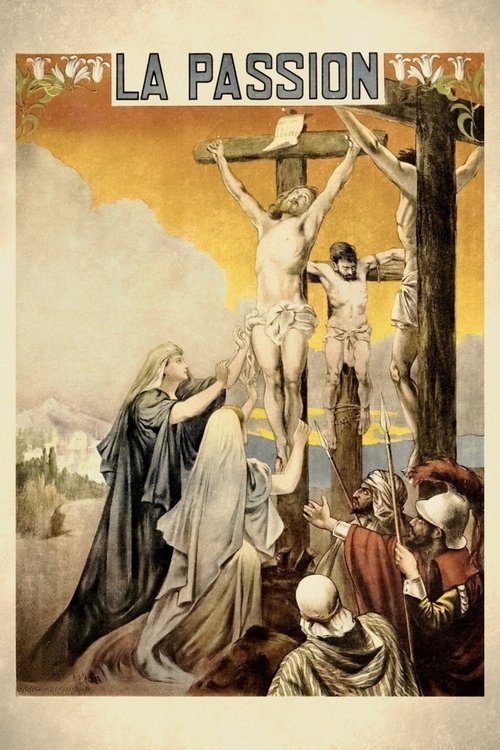
The story of the life and passion of Jesus Christ, from the proclamation of his birth to his ascension into heaven.
The Life and Passion of Jesus Christ
6.5 1903
178 Matches Found
The story of the life and passion of Jesus Christ, from the proclamation of his birth to his ascension into heaven.
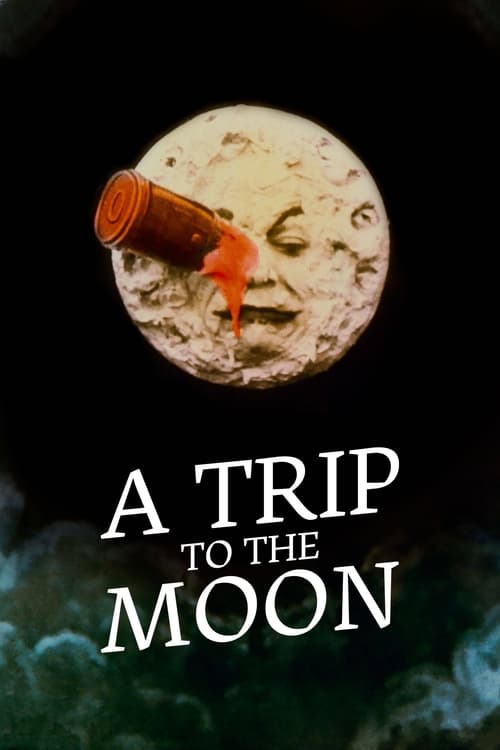
Professor Barbenfouillis and five of his colleagues from the Academy of Astronomy travel to the Moon aboard a rocket propelled by a giant cannon. Once on the lunar surface, the bold explorers face the many perils hidden in the caves of the mysterious planet.
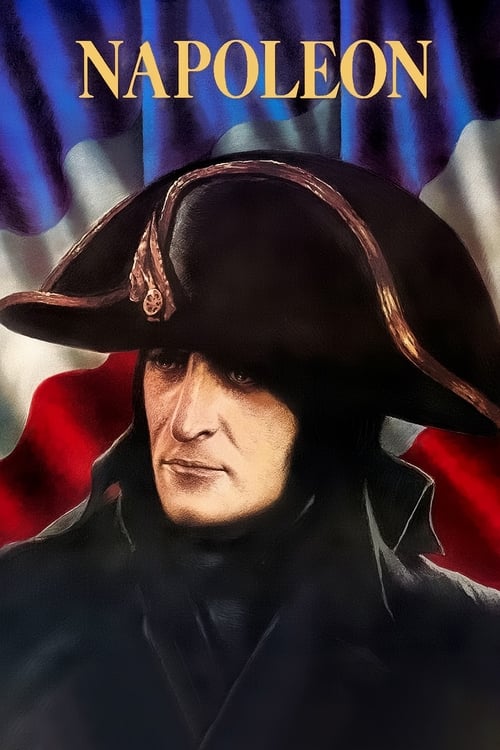
A biopic of Napoleon Bonaparte, tracing the Corsican's career from his schooldays (where a snowball fight is staged like a military campaign) to his flight from Corsica, through the French Revolution (where a real storm is intercut with a political storm) and the Terror, culminating in his triumphant invasion of Italy in 1797.

A group of French soldiers, including the patrician Captain de Boeldieu and the working-class Lieutenant Maréchal, grapple with their own class differences after being captured and held in a World War I German prison camp. When the men are transferred to a high-security fortress, they must concoct a plan to escape beneath the watchful eye of aristocratic German officer von Rauffenstein, who has formed an unexpected bond with de Boeldieu.
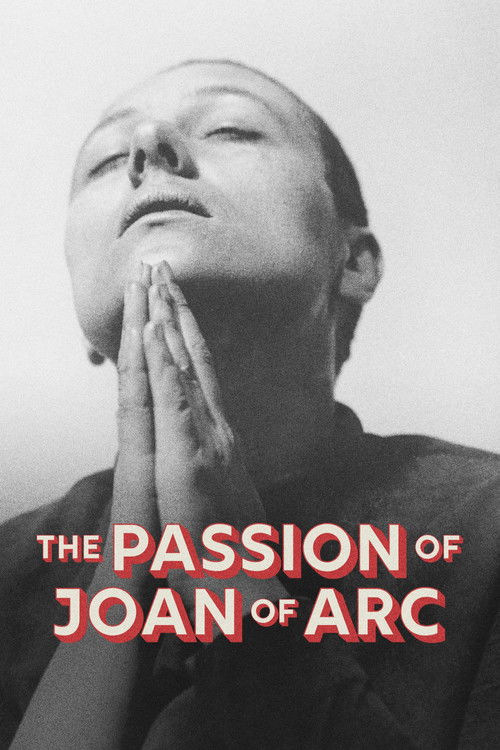
A classic of the silent age, this film tells the story of the doomed but ultimately canonized 15th-century teenage warrior. On trial for claiming she'd spoken to God, Jeanne d'Arc is subjected to inhumane treatment and scare tactics at the hands of church court officials. Initially bullied into changing her story, Jeanne eventually opts for what she sees as the truth. Her punishment, a famously brutal execution, earns her perpetual martyrdom.
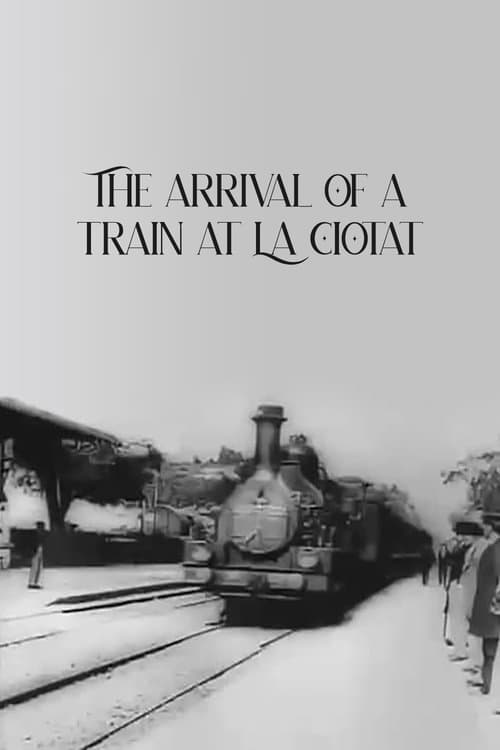
A group of people are standing along the platform of a railway station in La Ciotat, waiting for a train. One is seen coming, at some distance, and eventually stops at the platform. Doors of the railway-cars open and attendants help passengers off and on. Popular legend has it that, when this film was shown, the first-night audience fled the café in terror, fearing being run over by the "approaching" train. This legend has since been identified as promotional embellishment, though there is evidence to suggest that people were astounded at the capabilities of the Lumières' cinématographe.
In 19th century France, Jean Valjean, a man imprisoned for stealing bread, must flee a relentless policeman named Javert. The pursuit consumes both men's lives, and soon Valjean finds himself in the midst of the student revolutions in France.

In war against the Poles, the leader Cossack sees itself betrayed by one of his threads, been in love the girl of an enemy.
Rudolf, the only heir to Emperor Franz Josef of Austria-Hungary, is trapped in a loveless marriage to a Belgian princess. As he seeks to flee his stifling environment, he meets the beautiful Maria, and the two enter into a scandalous affair. Despite the interference of the Emperor, the couple refuse to give each other up.
The Marquis de Montauran was appointed to command the Chouans whose first two revolts were crushed. An aristocrat, Marie-Nathalie de Verneuil, is sent by Joseph Fouché to seduce and capture him.
The early days of the French Revolution, as seen through the eyes of the ordinary citizens in Marseille and the royal court, including King Louis XVI and Marie Antoinette.
In Flanders in the eighteenth century, Ramon de Ortila, a young lord who has been dispossessed of property has turned into a gentleman brigand. His main target is Monsieur de Saint-Brissac, the salt tax farmer. But Solange, his daughter, sets a trap and lures the young man to her father's manor. Little does she know that love is at the rendezvous.
Edmond Dantes is falsely accused by those jealous of his good fortune, and is sentenced to spend the rest of his life in the notorious island prison, Chateau d'If. While imprisoned, he meets the Abbe Faria, a fellow prisoner whom everyone believes to be mad. The Abbe tells Edmond of a fantastic treasure hidden away on a tiny island, that only he knows the location of. After many years in prison, the old Abbe dies, and Edmond escapes disguised as the dead body. Now free, Edmond must find the treasure the Abbe told him of, so he can use the new-found wealth to exact revenge on those who have wronged him.
Franz Ferdinand, heir to the throne of Austria-Hungary, is kept absent from the royal court due to his dangerous political ideas. Sent on a tour of inspections and inaugurations, he falls in love with Countess Sophie Chotek.
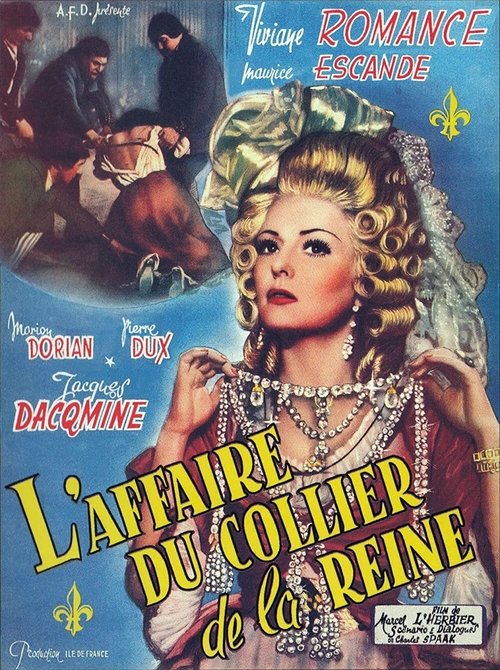
The adventurer Jeanne de Valois-Saint-Rémy, descendant (by the left hand) of the king of France Henri II, and who claims to be "Countess de la Motte", imagines a tortuous plan to steal a magnificent diamond necklace that the queen Marie-Antoinette refused to buy from the jewelers Boehmer and Bassange.

Flanders, Hispanic Monarchy, 1616. The inhabitants of the small town of Boom are busy organizing the annual local festivities when the arrival of the Duke of Olivares, who rules the country on behalf of the King Philip III of Spain, is announced. While the male citizens cowardly surrender to panic like rats on a sinking ship, the brave female citizens, led by the bold wife of the burgomaster, decide to become the best hosts the Spaniards can ever meet.
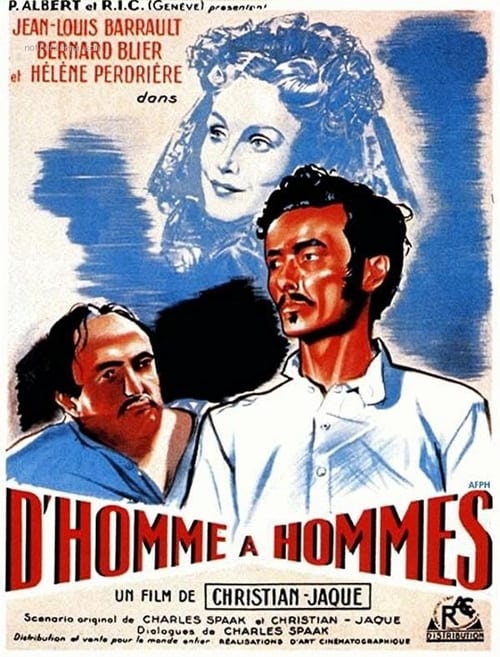
The story of the Swiss soldier, Henri Dunant, who was responsible for the founding of the Red Cross, and who was offered the first Nobel Peace Prize.
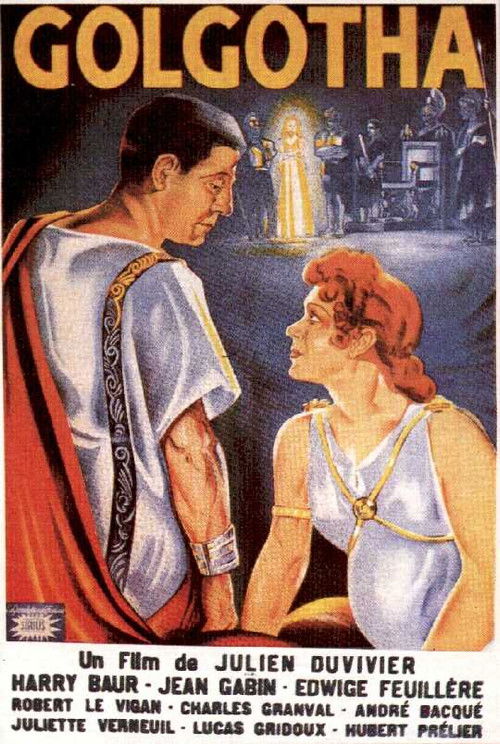
The final days of Jesus from the time he enters the city of Jerusalem. Viewed as a threat, it is decided that he must be captured, tried, and executed as a criminal, a plan aided and abetted by disciple Judas Iscariot.
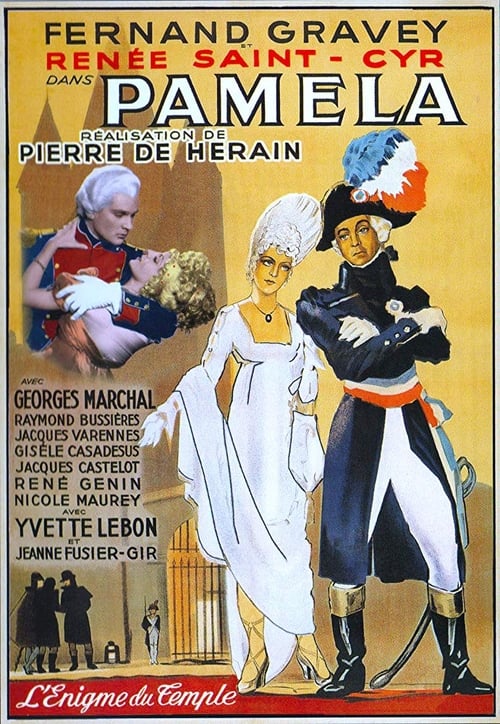
During the Directory, a handful of royalists tried to get the Dauphin Louis XVII to escape from the Temple.
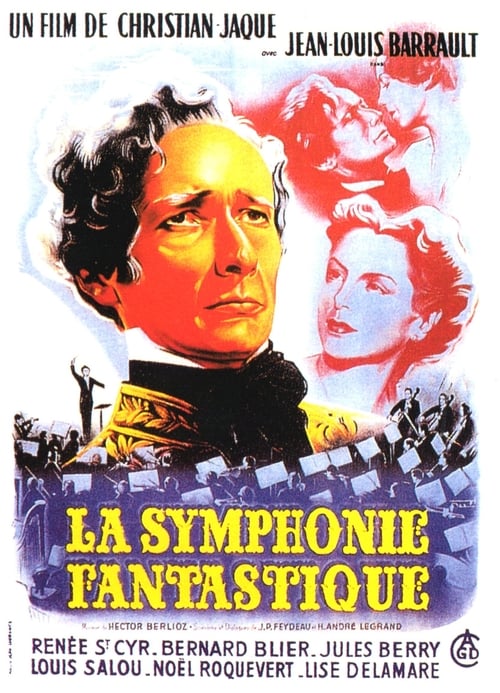
The film is biographical, telling the story of the life and artistic struggles of the French composer Hector Berlioz. Berlioz is shown as a recalcitrant medical student in an anatomy class dreaming of becoming a composer; at a demonstration during a performance at the Paris Opéra conducted by Habeneck; at supper with other young artists (Hugo, Janin, Dumas, Mérimée, Delacroix); and chasing after his future wife Harriet Smithson, after a performance of Hamlet. Also depicted are his life in a garret, while suffering from an illness due to an abscess in the throat; a visit from his mother who curses him; and the composition of the Symphonie fantastique. The film then shows his marital breakdown, the premiere of his opera Benvenuto Cellini, his travels throughout Europe, his second marriage to Marie Recio (called "Marie Martin" in the film), public acceptance in old age and reconciliation with his son.

The film is a 125-minute, black-and-white biography of French priest and diplomat Charles Maurice de Talleyrand-Périgord (1754–1838), who served for 50 years under five different French regimes: the Absolute Monarchy, the Revolution, the Consulate, the Empire, and the Constitutional Monarchy. Its title comes from one of the main historical nicknames for Talleyrand, that he shares with demon king Asmodeus and English poet Lord Byron.
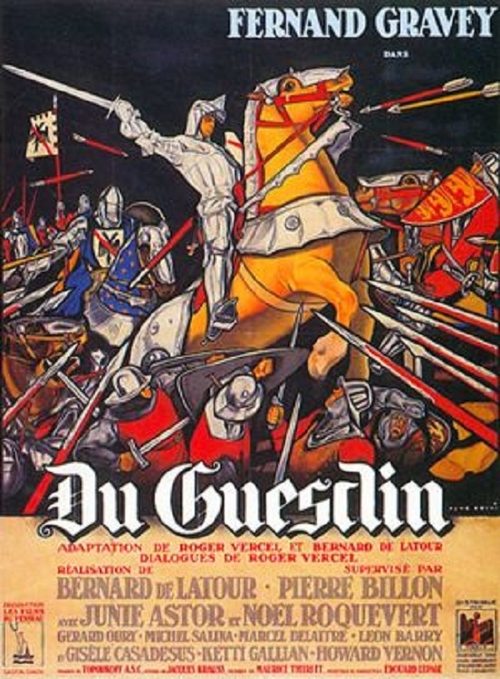
A chronicle of the life of Bertrand du Guesclin, grand officer of the French army in the 14th century.
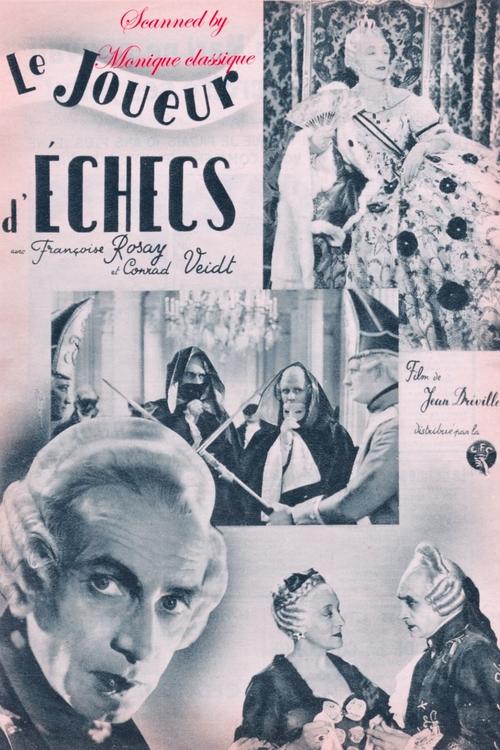
A toymaker in Poland specializes in building lifesize mechanical men. He builds a chess-playing "automaton" to hide a pretty young Polish activist who is being hunted by occupying Russian forces.
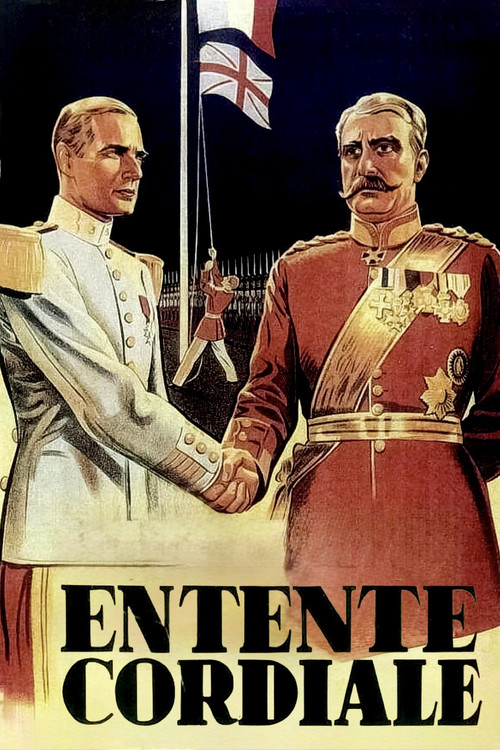
The film depicts events between the Fashoda crisis in 1898 and the 1904 signing of the Entente Cordiale creating an alliance between Britain and France and ending their historic rivalry. It was based on the book King Edward VII and His Times by André Maurois. It was made with an eye to its propaganda value, following the Munich Agreement of September 1938 and in anticipation of the outbreak of a Second World War which would test the bonds between Britain and France in a conflict with Nazi Germany.
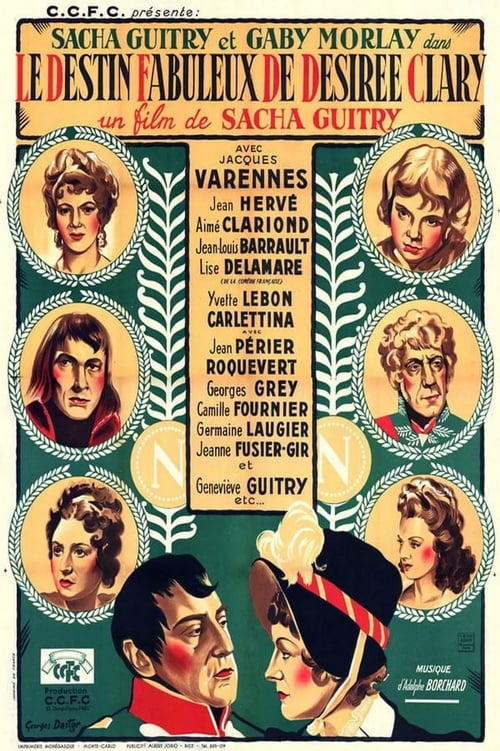
Julie and Désirée Clary are courted by the brothers Joseph and Napoleon Bonaparte. Joseph marries Julie and Napoleon is affianced to Désirée. When Napoleon breaks the engagement and marries Joséphine de Beauharnais, Désirée becomes involved with General Bernadotte.
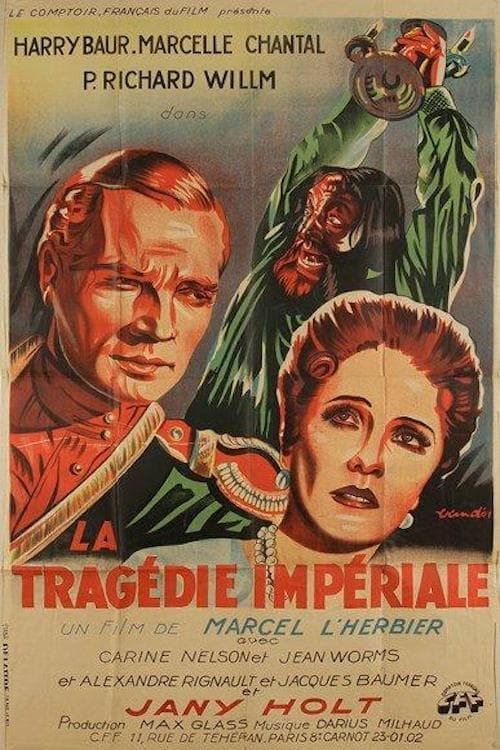
Story of the Siberian monk Gregory Rasputin and the hold he exerted over the court of the last Russian czar, Nicholas.
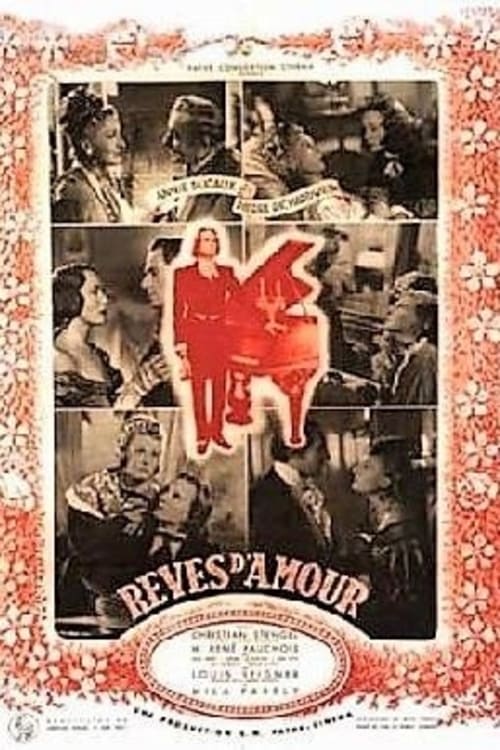
Paris, 1833. The famous composer Franz Liszt is friends with Chopin who introduces him to Countess Marie d'Agout. Very quickly Liszt falls in love and she, who is already married and has two children, abandons honor and reputation to follow him. They leave to live a great passion in Italy. Then, Franz Liszt gives concerts, the triumph awaits him everywhere. Little by little the fame of the composer will move the two lovers away.
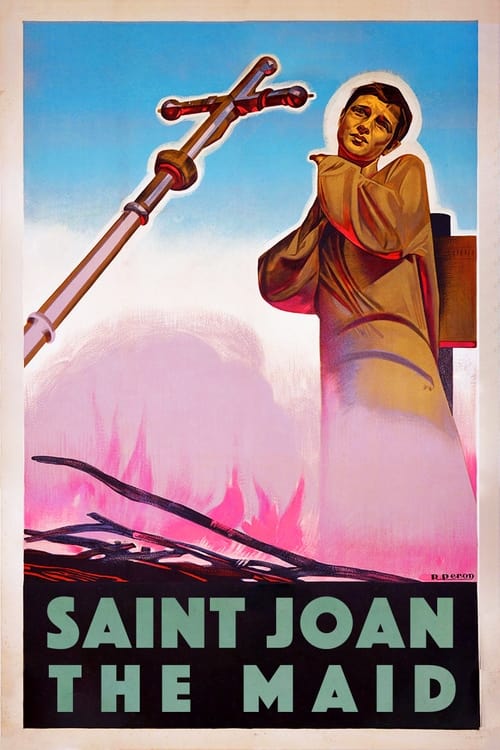
This relatively straightforward dramatic biography was one of two films commissioned to honor Joan of Arc on the 500th anniversary of her death, but it was soon undeservedly relegated to obscurity in favor of Carl Dreyer's triumphant 'La Passion de Jeanne d'Arc'. The comparison is unfair: Dreyer was an artist, but director Marco de Gastyne certainly proved himself a distinguished craftsman, and his emphasis on the Maid of Orléans early life in Domrémy serves as a picturesque, matching bookend to Dreyer's impassioned courtroom drama.

A divinely inspired peasant woman becomes an army captain for France and then is martyred after she is captured.
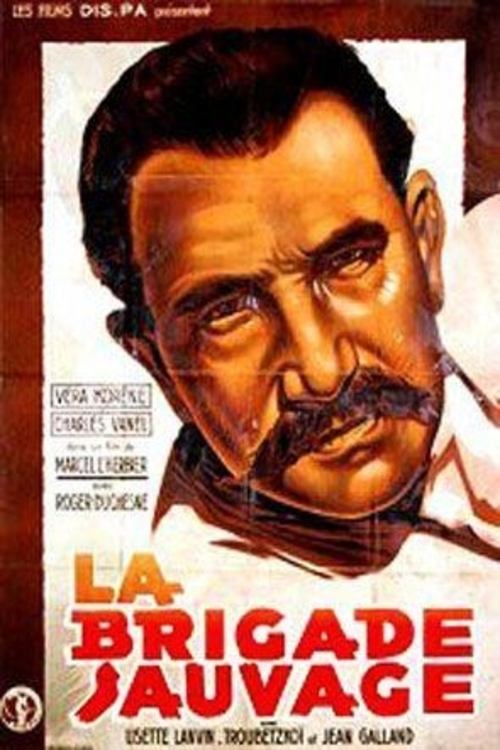
The duel between a Czarist general and a lieutenant, over the general's wife, is postponed with war approaching. Years later, the rivals meet again but the general realizes his wife has been faithful to him after all.
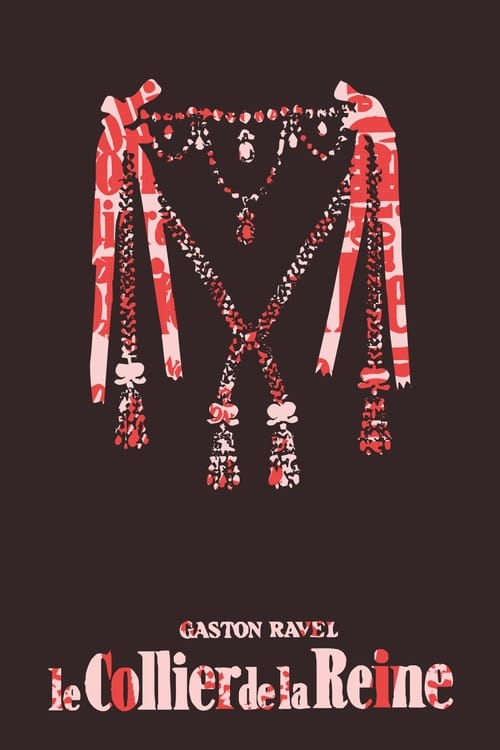
Adaptation of Alexandre Dumas's novel 'The Queen's Necklace' which portrays the Affair of the Diamond Necklace which occurred before the French Revolution.
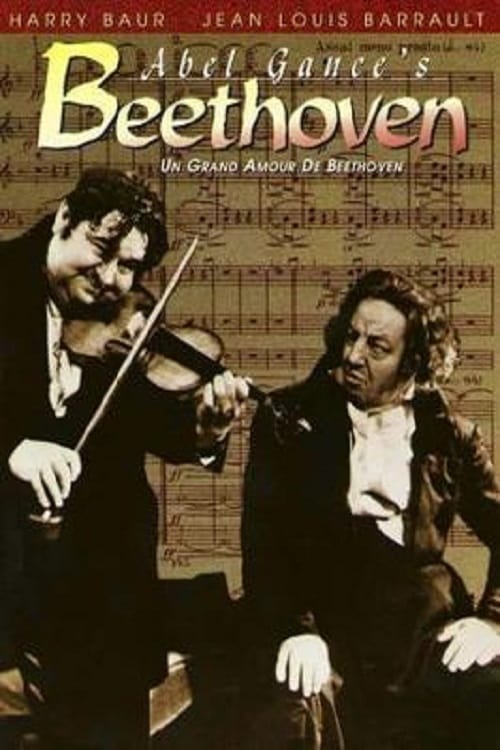
Lyrical biography of the classical composer, depicted as a romantic hero, an accursed artist.
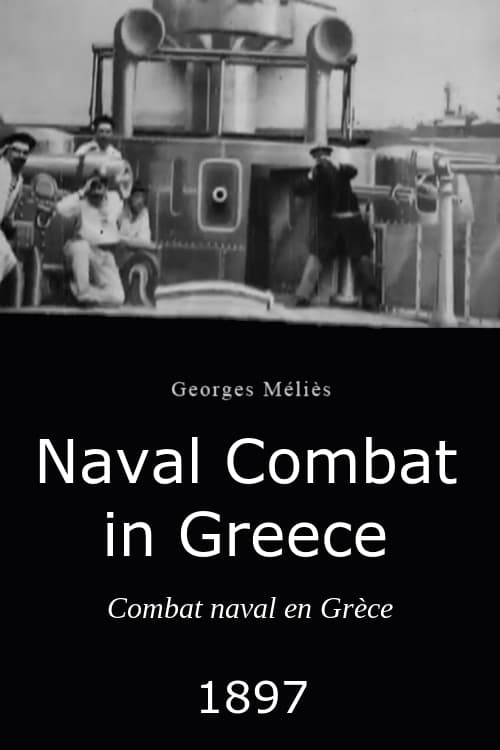
An officer calls his sailors to the deck. They assemble around the canon while the officer scans the horizon. They all turn in the direction of the camera to look in the distance. At the same time the ship is hit! This scene is a filmed reconstruction of the 1897 Greek-Turkish war.
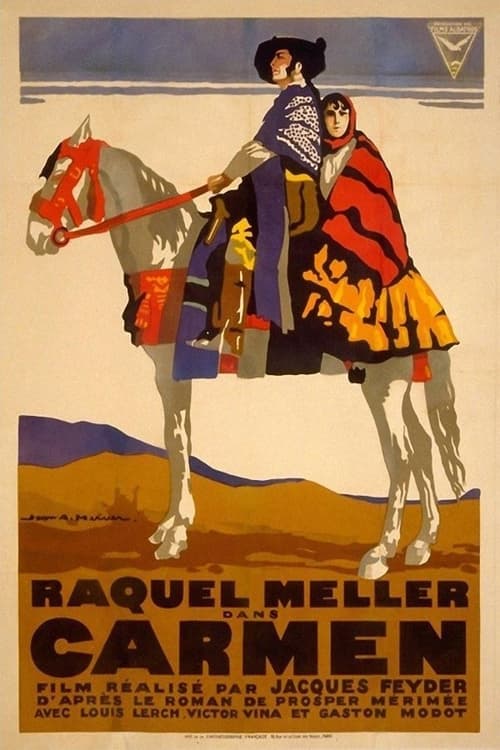
Feyder's scenario very closely follows Don José's own account of his story and his fatal relation with the gypsy Carmen in the third chapter of Mérimée's short novel.
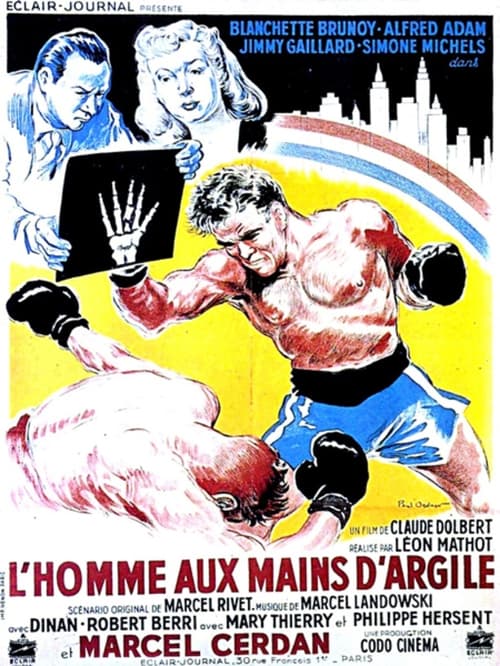
The fictionalized life, and interpreted by himself, of the popular boxing champion Marcel Cerdan. Training sessions, matches, victories, flight to the U.S.A. where the title of world champion is disputed, form the whole subject of the film.
The story of the seven pearls of the English Crown, from Henry VIII to 1937 – three of them missing.

The history of one of France's most famous streets is retold, featuring multiple performances from Guitry himself.
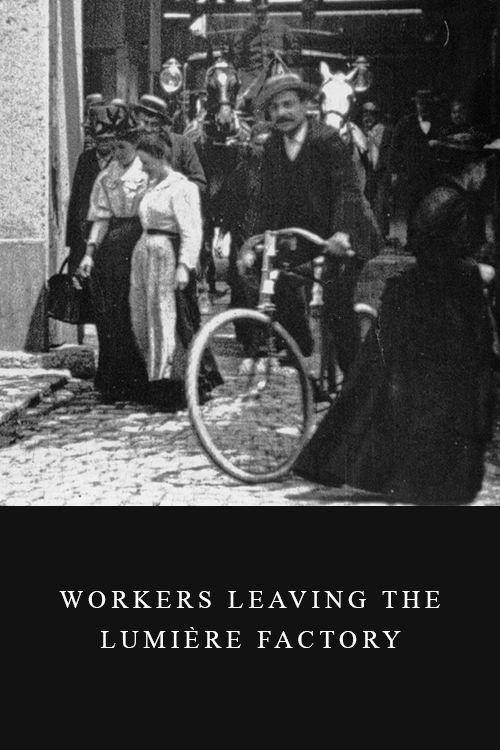
Working men and women leave through the main gate of the Lumière factory in Lyon, France. Filmed on 22 March 1895, it is often referred to as the first real motion picture ever made, although Louis Le Prince's 1888 Roundhay Garden Scene pre-dated it by seven years. Three separate versions of this film exist, which differ from one another in numerous ways. The first version features a carriage drawn by one horse, while in the second version the carriage is drawn by two horses, and there is no carriage at all in the third version. The clothing style is also different between the three versions, demonstrating the different seasons in which each was filmed. This film was made in the 35 mm format with an aspect ratio of 1.33:1, and at a speed of 16 frames per second. At that rate, the 17 meters of film length provided a duration of 46 seconds, holding a total of 800 frames.
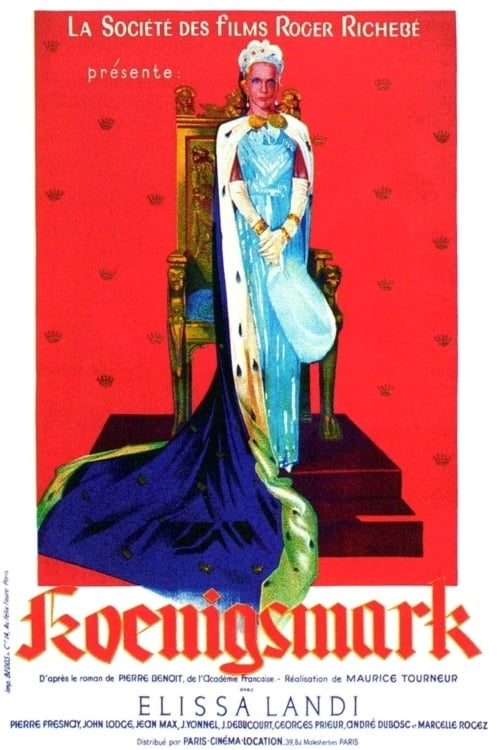
Koenigsmark is a 1935 British-French drama film directed by Maurice Tourneur and starring Elissa Landi, John Lodge and Pierre Fresnay. The film is based on the novel Koenigsmark by Pierre Benoît. It's sets were designed by the art director Lucien Aguettand. The film was known in the United States as Crimson Dynasty.
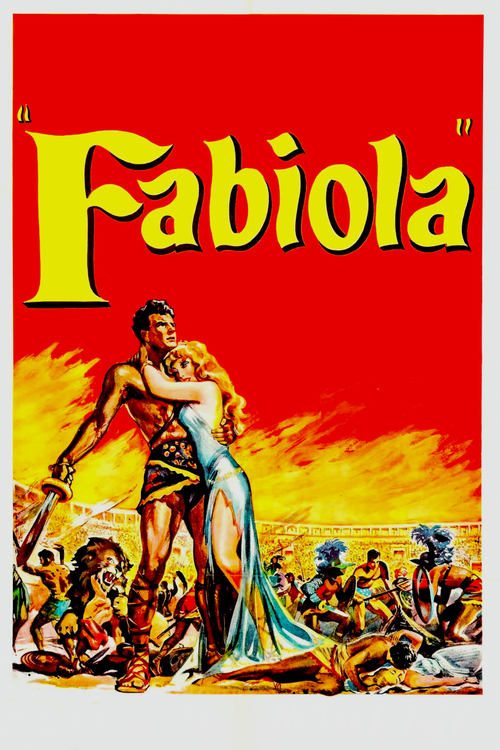
In ancient Rome a love story blossoms between Fabiola, daughter of a senator, and Rhual, a Gallic gladiator. After Fabiola's father is killed, the Romans blame the Christians and the persecution begins. Rhual confesses to being a Christian, is accused of the murder and sentenced to fight to the death in the arena.
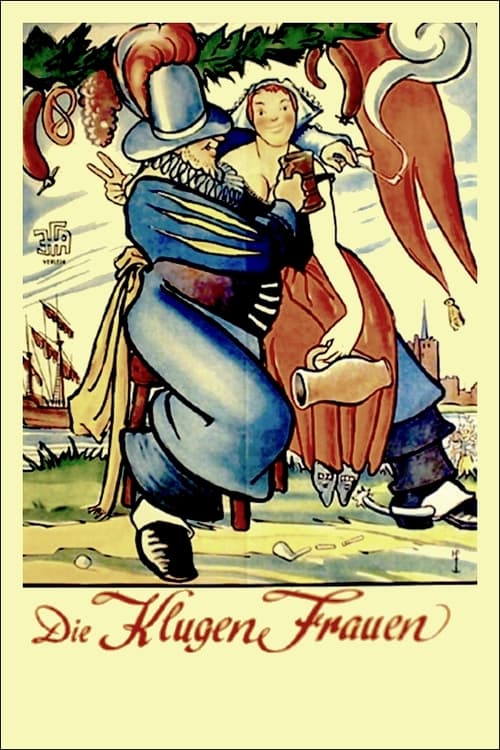
Flanders, Hispanic Monarchy, 1616. The inhabitants of the small town of Boom are busy organizing the annual local festivities when the arrival of the Duke of Olivares, who rules the country on behalf of the King Philip III of Spain, is announced. While the male citizens cowardly surrender to panic, the brave female citizens decide to become the best hosts the Spaniards can ever meet. (German version of the French film La Kermesse héroïque, 1935.)
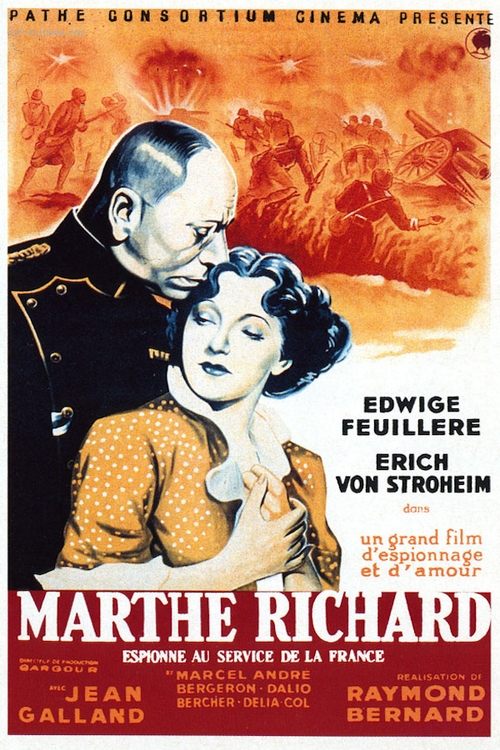
Fictionalized reconstruction of the life of the French spy Marthe Richard who decided to contact the secret services during the First World War.
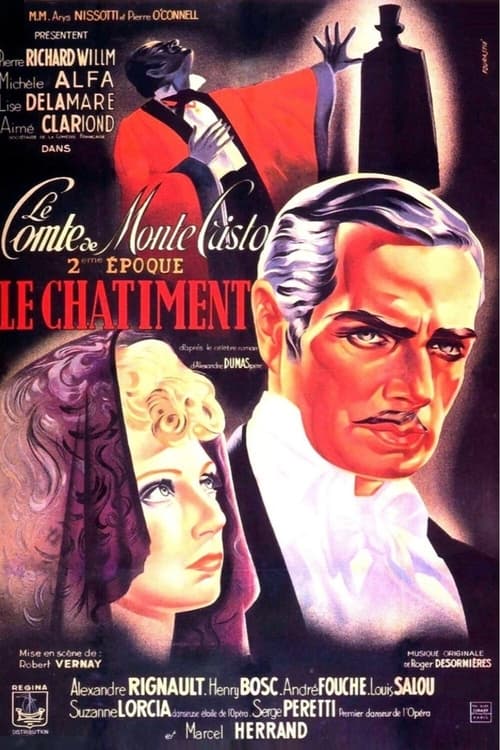
Having found the fabulous treasure of which Abbé Faria had spoken to him, Dantès has only one idea left: revenge. He will succeed patiently, but will not however have the heart to break the poor Mercedes. Then he will leave for the East, accompanied by a lovely Levantine, Haydé, who served him to accomplish his revenge.
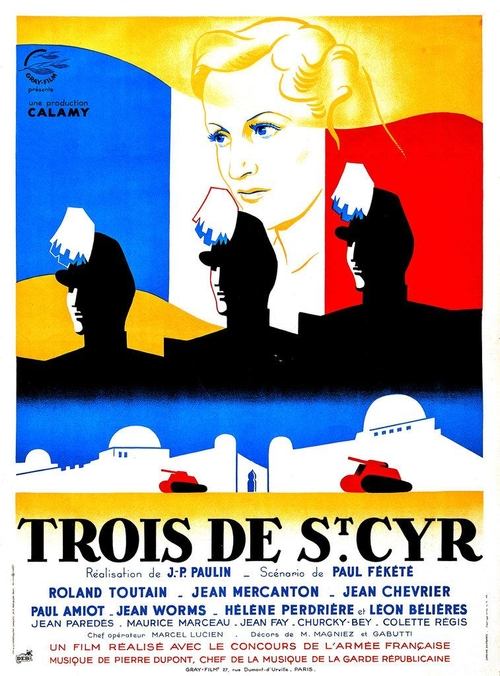
Three students from Saint-Cyr are sent to Syria to fight the rebels in the desert.
This 8 chapter serial drama tells the story of a resistance movement led by Jean "Chouan" Cottereau against the Republicans in Western France starting in 1793.
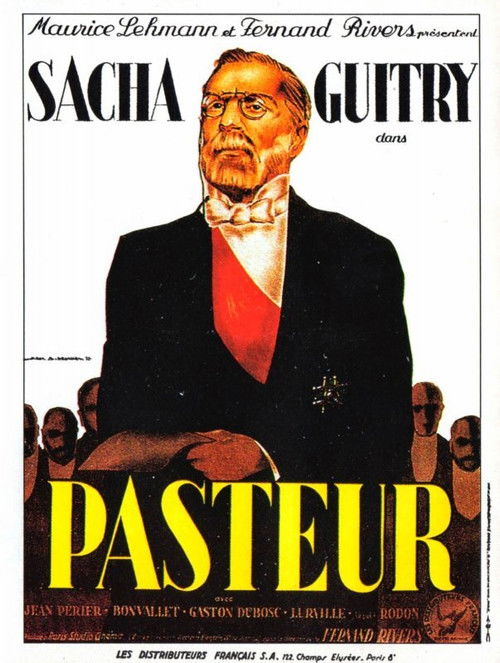
Guitry reprises his role as Pasteur which he played successfully at the Vaudeville Theatre in 1919.

Russia, 1835. Lieutenant Hermann, a compulsive gambler, is fascinated by an infallible martingale held by Countess Tomski, nicknamed The Queen of Spades. The day Hermann wants to wring the secret from her, the countess dies of fear. Following this tragic scene, Hermann sinks into dementia. Luckily, Lisa, his frail lover, brings him back to life and happiness.
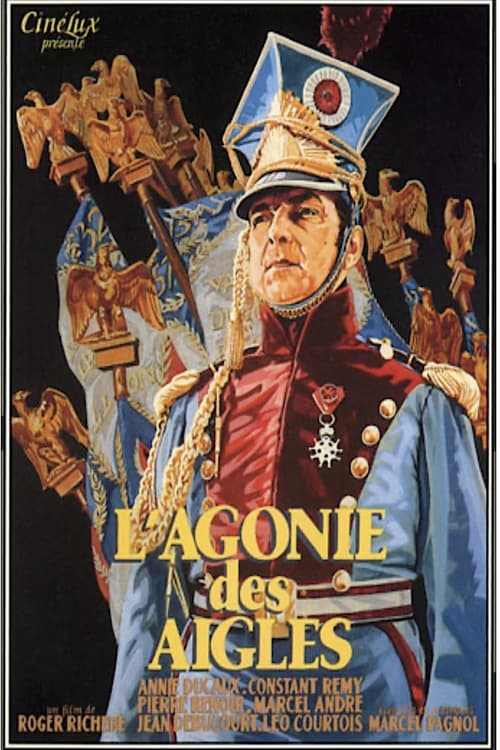
Under the regime of Louis XVIII. Years after Waterloo, Napoleon's loyal officers live in retirement on half-pay. Useless and idle, they have lost their prestige and keep meeting in the hope of the Emperor’s return. When Napoleon dies, they decide to plot the rise to power of Napoleon II.
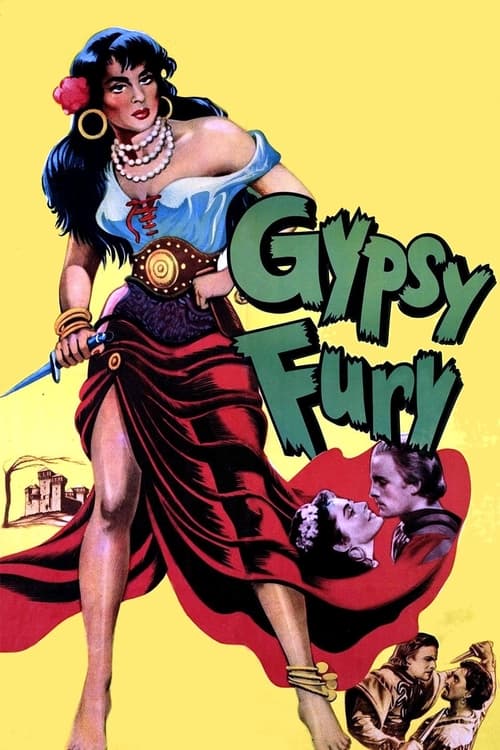
Set in medieval times about the cursed Moonshield family. The young knight Erland Moonshield fall in love with a gypsy enchantress, Singoalla, he meet in the forest.
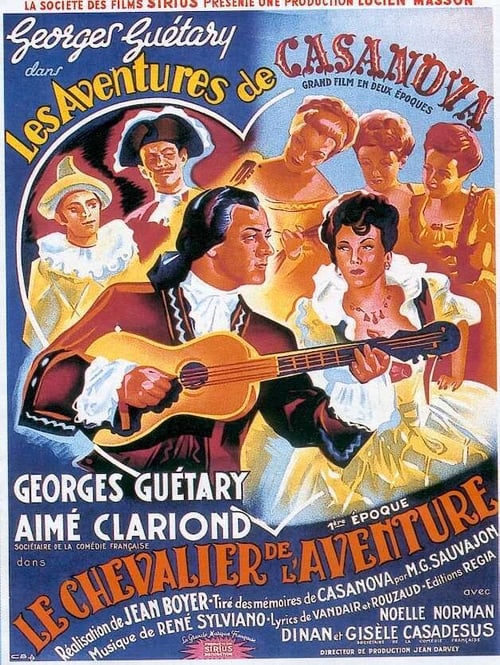
On his way to Paris, Casanova keeps on collecting female conquests, does not shy away from duels and gets into many a colorful adventure. Once in the capital, the fearless knight saves the honor of a great lady, conquers the niece of his implacable enemy but courts disaster for love of Coraline, a faithless opera dancer.
Nero, seated on a throne, has slaves summoned. Each drinks poison and dies, the second even though he can see the corpse of his predecessor.
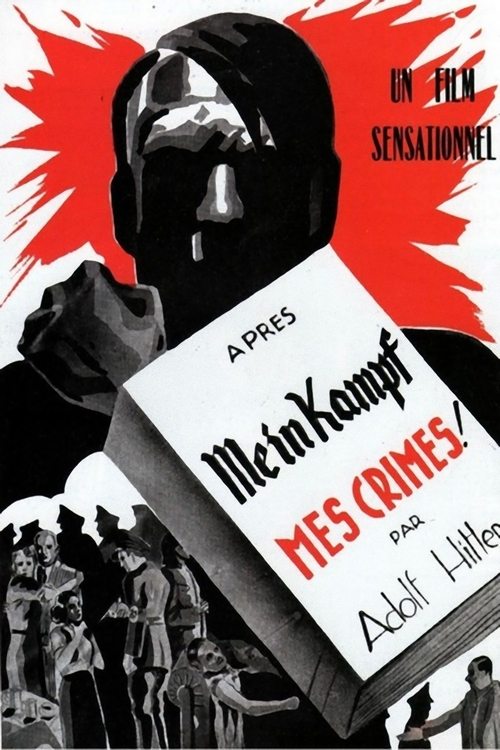
The film shows the seizure of power by the Nazis and Hitler wants a trial, at a time when France has just declared war on Germany (Sept. 3, 1939). Hybrid composition, it alternates originals and reconstructions performed by actors (docudrama). A not-so-subtle condemnation of Hitler, Nazism and Germany by the movie's French film makers, which conveniently makes no mention of how the policies of Great Britain and France created Hitler and allowed him to go as far as he did prior to the beginning of the Second World War.

The scene depicts the well-known episode depicted in a famous painting. Two groups of soldiers follow each other into the room and open fire. A grenade explodes. One of the men falls, wounded. The famous painting in question is by Alphonse de Neuville (1873), entitled Les Dernières Cartouches (The Last Cartridges), depicting one of the most glorious episodes of the day at Bazeilles (September 1, 1870), the defense of the Bourgerie house by a group of French soldiers and officers, led by Commander Lambert and Captain Aubert. There is another unlisted version of this subject in which an intrusive spectator can be seen at the top of the painting.
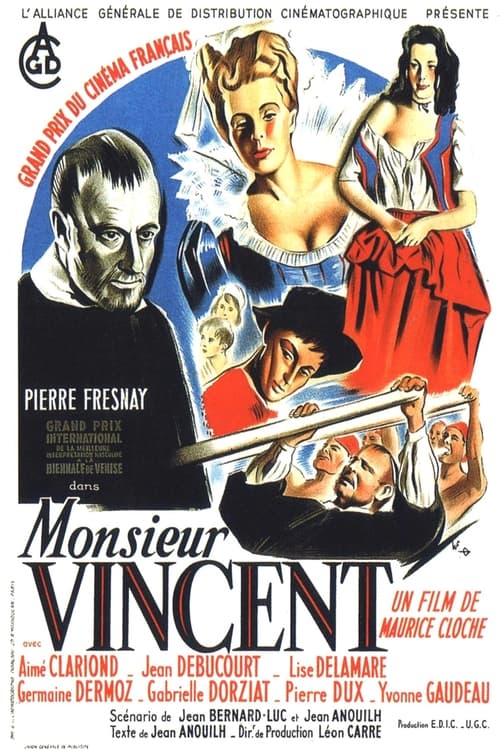
The life of Vincent de Paul, the 17th-century author and priest who founded two religious orders.
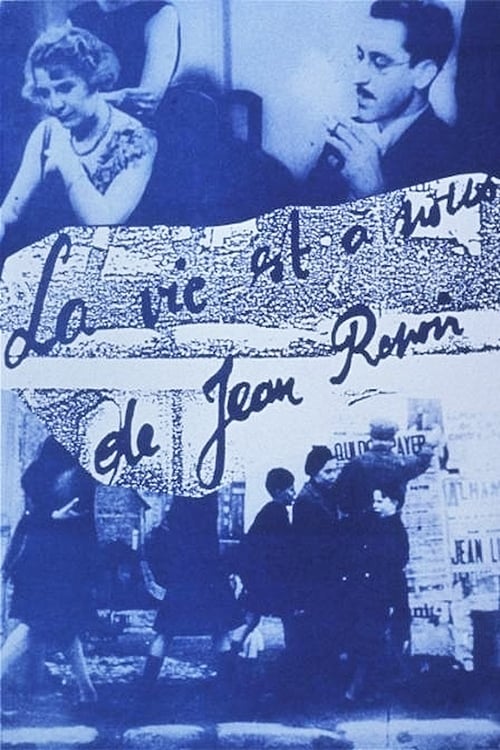
A propaganda film of the communist party of France, showing how the comrades help the proletariat against the capitalists.
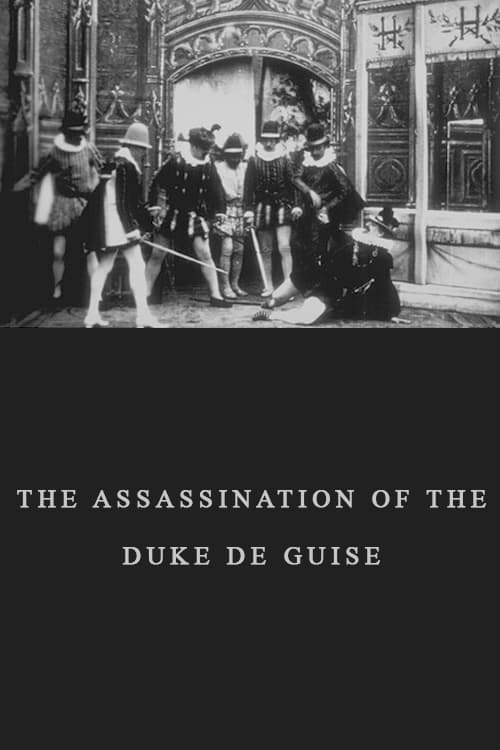
This one is modelled on the painting by Paul Delaroche and is an extension of the stage act known as “tableau vivant”.
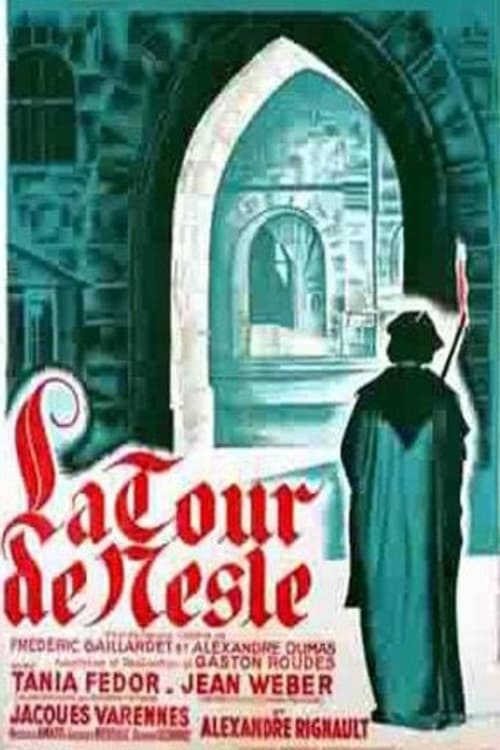
In the 13th century, lovers hurried to the door of Marguerite de Bourgogne. The aristocrat who every day was indulged in orgies that were famous throughout the country. What the suitors do not know is that they will inevitably be executed the day after these festivities and thrown to the Seine.
This reconstruction refers to a meeting that allegedly took place on 25 November 1804 at Fontainebleau between Pope Pius VII and Napoleon to discuss the coronation.
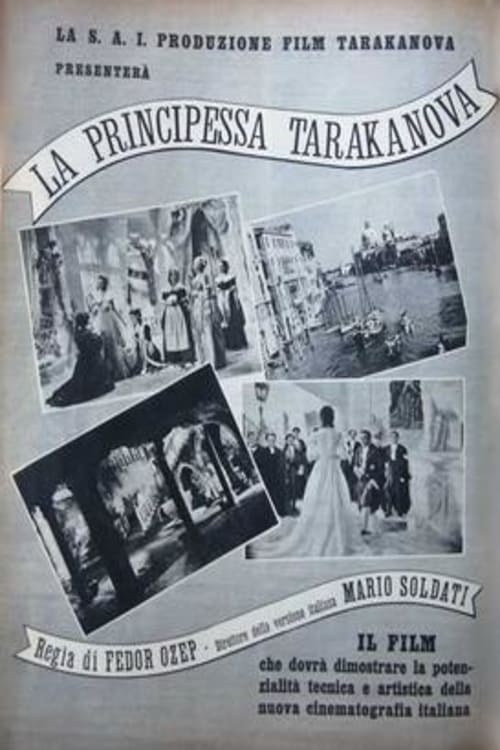
Italian version of 'Princess Tarakanova'. A film about the story of princess Élisabeth Tarakanova.
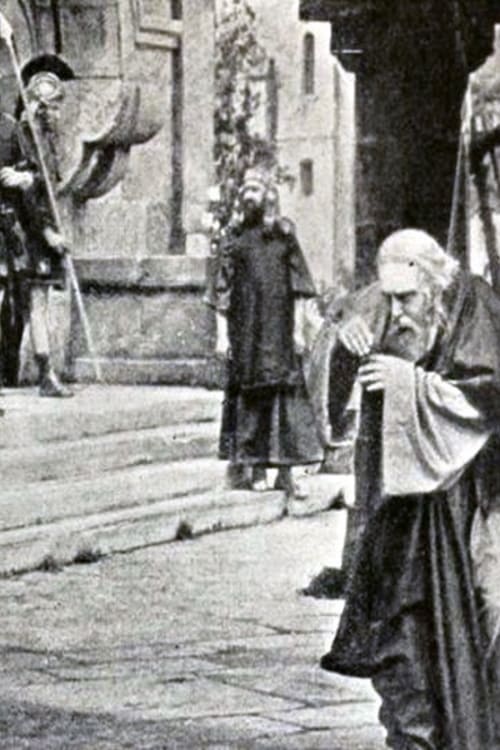
An early film depicting the life of Jesus Christ