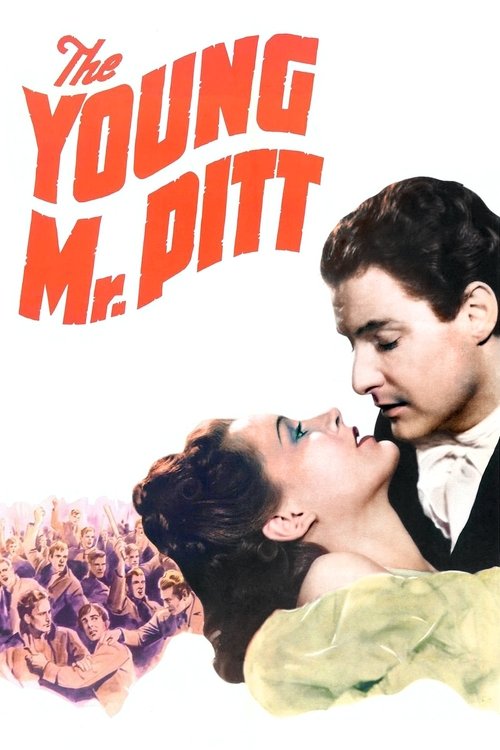
This biopic tells the story of the life of Pitt The Younger, who became Prime Minister of Great Britain at the age of 24.
The Young Mr. Pitt
5.7 1942
76 Matches Found
This biopic tells the story of the life of Pitt The Younger, who became Prime Minister of Great Britain at the age of 24.
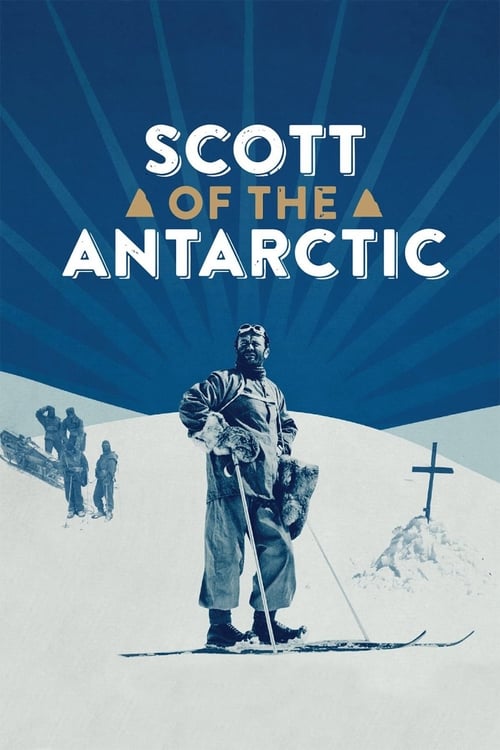
The true story of the British explorer Robert Falcon Scott and his ill-fated expedition to try to be the first man to discover the South Pole - only to find that the murderously cold weather and a rival team of Norwegian explorers conspire against him
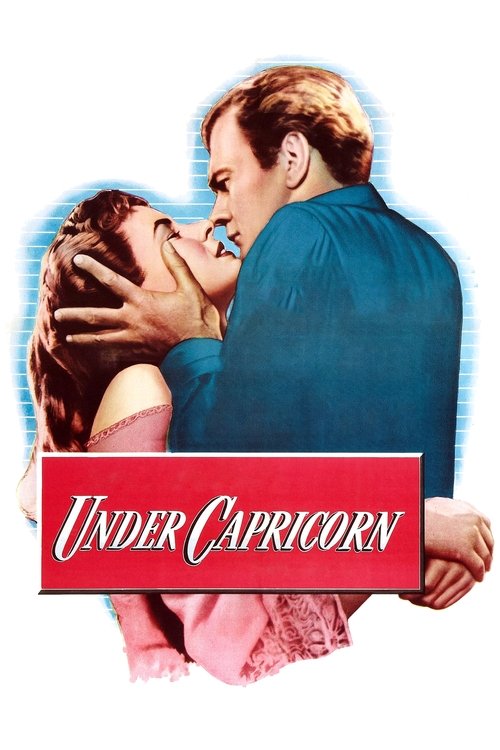
A British ex-convict in colonial Australia and his fragile wife, haunted by the past crime that binds them, struggle to rebuild their lives when a young newcomer stirs long-buried passions and secrets.
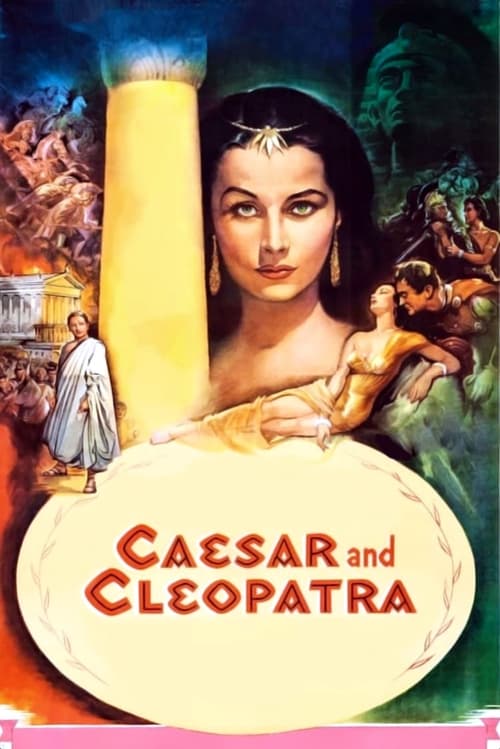
The aging Julius Caesar finds himself intrigued by the young Egyptian queen Cleopatra.
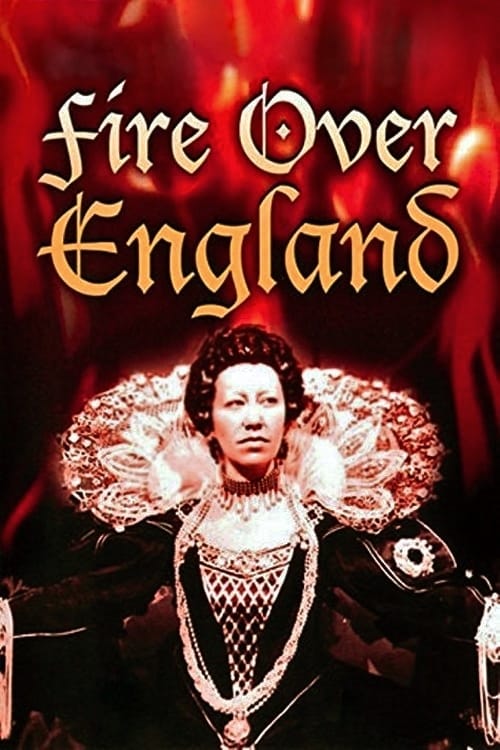
The film is a historical drama set during the reign of Elizabeth I (Flora Robson), focusing on the English defeat of the Spanish Armada, whence the title. In 1588, relations between Spain and England are at the breaking point. With the support of Queen Elizabeth I, British sea raiders such as Sir Francis Drake regularly capture Spanish merchantmen bringing gold from the New World.

Renowned for his excess, King Henry VIII goes through a series of wives during his rule. With Anne Boleyn, his second wife, executed on charges of treason, King Henry weds maid Jane Seymour, but that marriage also ends in tragedy. Not one to be single for long, the king picks German-born Anne of Cleves as his bride, but their union lasts only months before an annulment is granted, and King Henry continues his string of spouses.
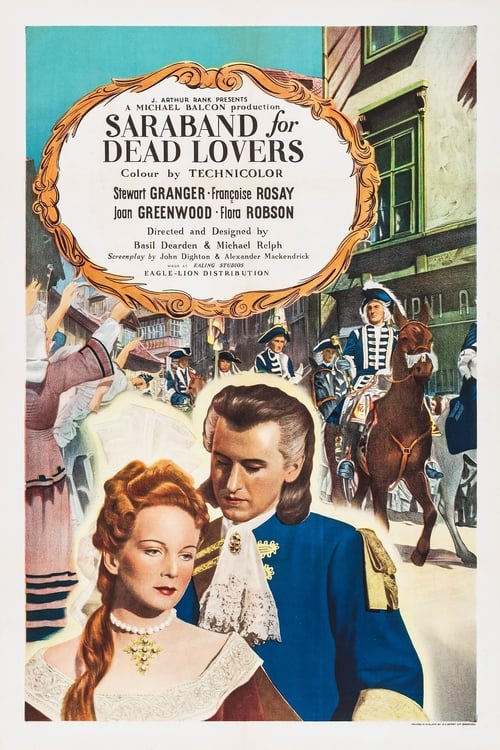
Sophie Dorothea is a young woman forced into a loveless marriage with Prince George Louis of Hanover. George Louis is later crowned King George I of England. Despairing of ever experiencing true love, the depressed queen finds life at court no solace. Sophie then falls for a dashing Swedish soldier of fortune, Count Konigsmark.
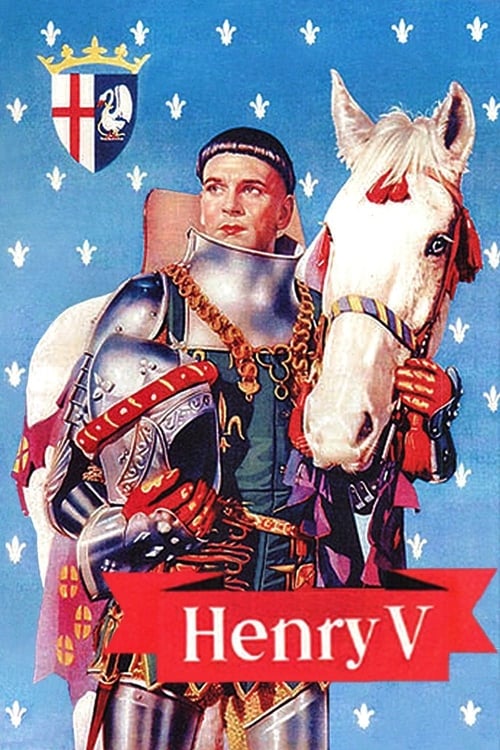
In 1415, in the midst of the Hundred Years' War, the young King Henry V of England embarks on the conquest of France.
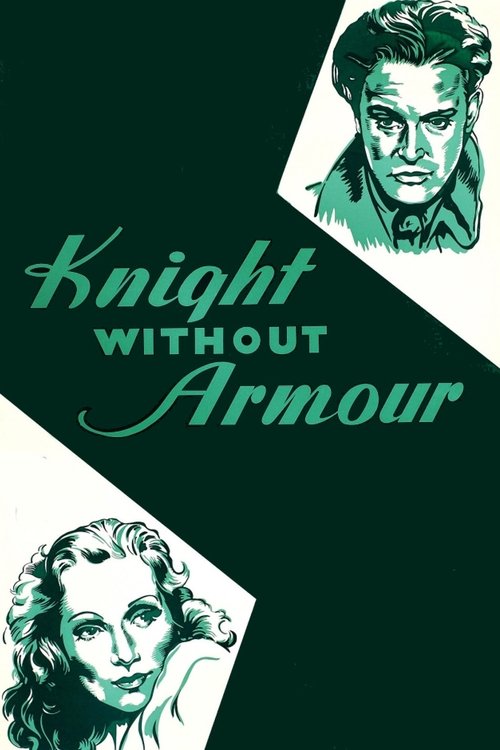
British agent working in Russia is forced to remain longer than planned once the revolution begins. After being released from prison in Siberia he poses as a Russian Commissar. Because of his position among the revolutionaries, he is able to rescue a Russian countess from the Bolsheviks.
A married woman finds new thrills as a masked robber on the highways.
Scotland, 1745. After decades of exile, Prince Charles Edward Stuart secretly lands with the purpose of revolting the Highland chieftains against the German House of Hanover, ruler of Great Britain.
The film biography of Queen Victoria focusing initially on the early years of her reign with her marriage to Prince Albert and her subsequent rule after Albert's death in 1861.
A biopic of the legendary Benjamin Disraeli, his rise from a foppish young novelist to the Prime Minister of the United Kingdom and confidante of Queen Victoria.
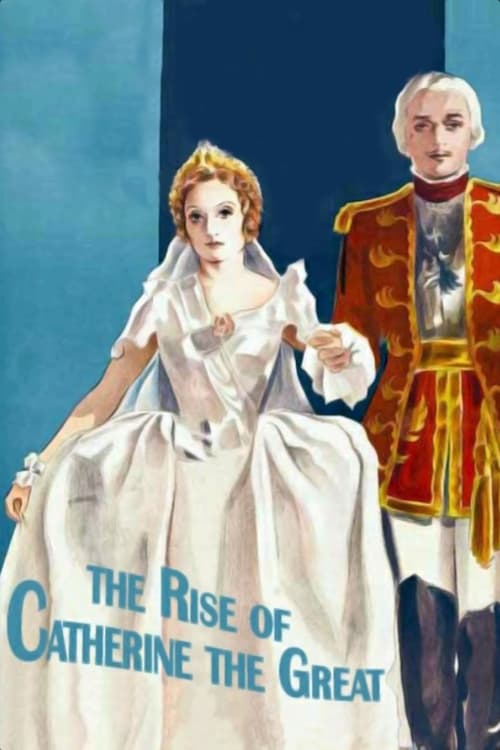
The woman who will become Catherine the Great marries into the Russian royal family when she weds Grand Duke Peter, the nephew of Empress Elizabeth. Although the couple has moments of contentment, Peter's cruel and erratic behavior causes a rift between him and Catherine. Mere months after Peter succeeds his aunt as the ruler of Russia, a revolt is brewing, and Catherine is poised to ascend to the throne as the country's new empress.
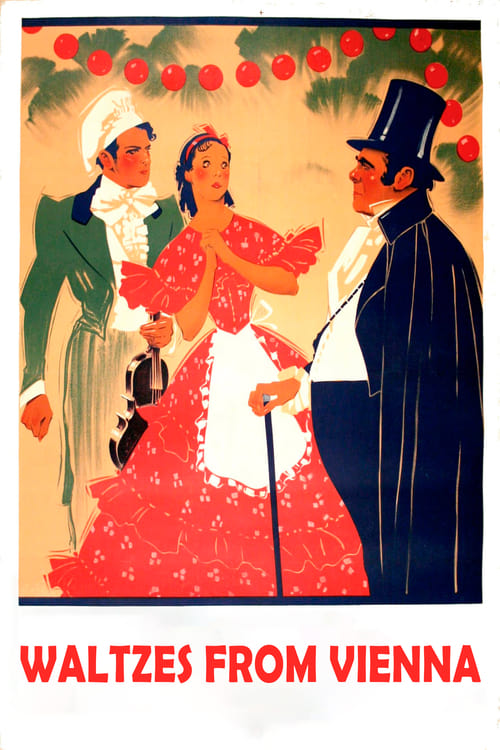
In Vienna, aspiring composer Johann Strauss Jr. clashes with his domineering father, who wants him to abandon music for a steady job in a bakery. Torn between his love for the baker’s daughter, Resi, and the encouragement of a wealthy countess, Strauss finds inspiration that leads to the creation of "The Blue Danube."
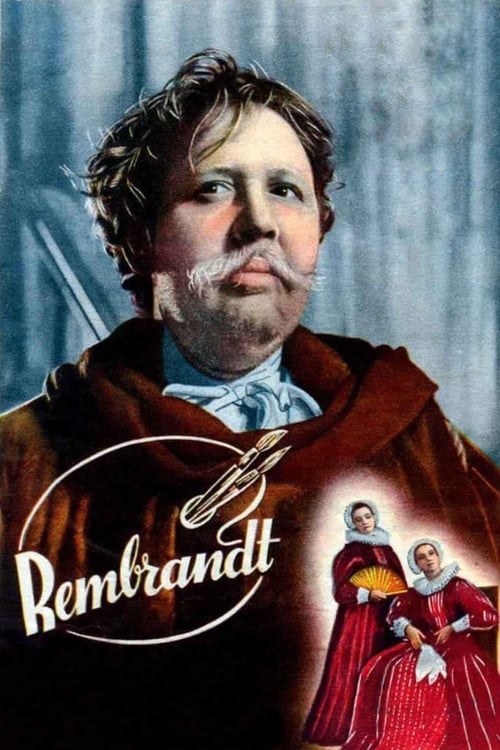
A character study depicting the life of Rembrandt Van Rijn at the height of his fame in the mid 1600s. Beginning with the death of his wife, Rembrandt's work takes a dark turn, which offends many of his patrons.

A disgraced officer risks his life to help his childhood friends in battle.
The tangled affairs of George, Prince of Wales, leading to his illegal marriage to commoner Mrs. Fitzherbert. Also portrayed is the conflict between the future George IV and his father George III.
Pioneer filmmaker J. Stuart Blackton was intrigued by the idea of a film about the history of the movies as early as 1915. He finally released a 52-minute feature called The Film Parade that was shown in New York and favorably reviewed by "Variety" in 1933. He continued tinkering with the film for the rest of the decade, and later filmmakers and distributors used Blackton's footage for stock or to produce their own variously titled and truncated versions. -UCLA Film & Television Archive
The story of a romance between the daughter of the Prince Regent and Prince Leopold of Saxe-Coburg.
This early docudrama uses dramatic reenactment, working models of early flying machines, and archival footage to trace man's attempts to fly from ancient times through the 1930s.
In 1908, Sultan Abdul Hamid rules the Turkish Empire, but he is faced with the threat of revolt by the Young Turk party. He allows Hilmi Pasha, the leader of the Young Turks, to return from exile and form the country's first constitutional government. With tensions still growing, chief of police Kadar Pasha assassinates Hassan Bey, the leader of the Old Turk party, and makes it look as if a Young Turk committed the crime, in order to give Abdul an excuse for arresting the Young Turk leaders. Meanwhile, Abdul becomes infatuated with a visiting Austrian singer. When she rejects his advances, she endangers both herself and her fiancé, a Turkish officer who also knows who really shot Hassan Bey.

King Charles II first meets Nell Gwyn after seeing her do a turn at Drury Lane. They soon become close, the King preferring her feisty irreverent company to that of the aristocratic French Duchess of Portsmouth. Nell becomes his most loyal subject, while ever-ready to take the Duchess down a peg. But the actress can never hope to be fully accepted by the King's circle despite his constant attentions.

A historical satire critical of the rising tide of Anti-Semitism in Germany. Based on the novel by Lionel Feuchtwanger, Jew Süss is the story of life in the 18th-century Jewish ghetto of Württemberg. Süss works himself out of the ghetto and into a position of power with the help of an evil duke.
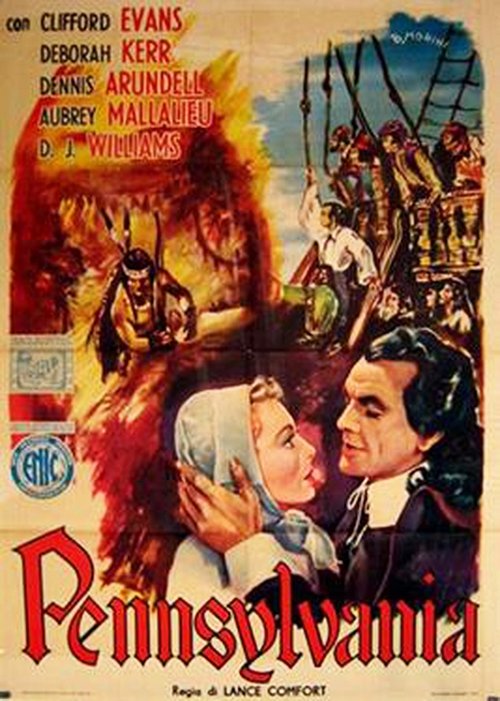
Penn of Pennsylvania is a 1941 British historical drama film directed by Lance Comfort and starring Deborah Kerr, Clifford Evans, Dennis Arundell, Henry Oscar, Herbet Lomas and Edward Rigby. The film depicts the life of the Quaker founder of Pennsylvania, William Penn. It portrays his struggle to be granted a colonial charter in London and attracting settlers to his new colony as well as his adoption a radical new approach with regard to the treatment of the Native Americans. It is also known by the alternative title Courageous Mr. Penn.

Dramatization of the first climbing of the Matterhorn in 1865.
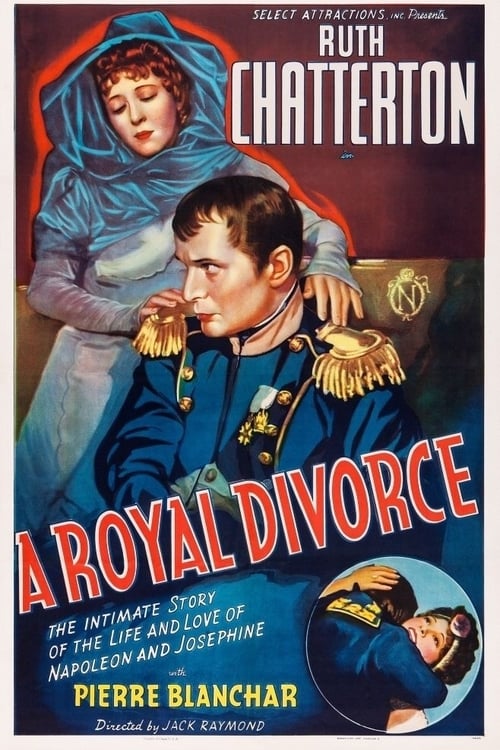
The love affair between the French Emperor Napoleon and the lady Josephine leads through Napoleon's rise to power and their eventual divorce.
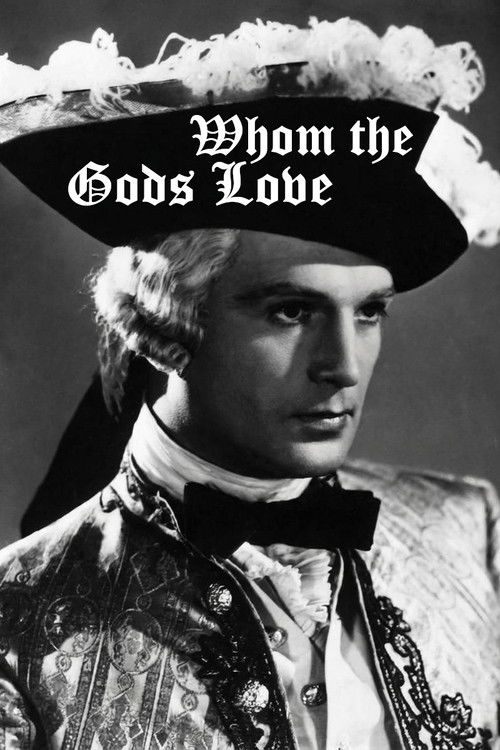
The story of Mozart and his wife Constance, set against a background of court intrigue and professional jealousy, with music conducted by Sir Thomas Beecham.
During the 16th century the Cossacks and their Ukraine homeland is ruled by Poland. This is the story of the leader of the Cossacks and how his son was sent to study under the Poles to learn how to defeat them in battle. However, the son falls in love with the daughter of a Polish nobleman.
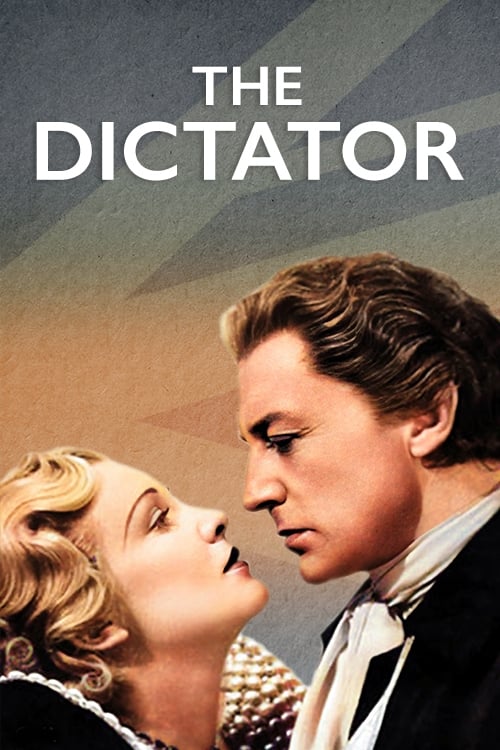
The film depicts a dramatic episode in Danish history: the tumultous relationship between King Christian VII of Denmark and his English consort Caroline Matilda in Eighteenth century Copenhagen and the Queen's tragic affair with the royal physician and liberal reformer Johann Friedrich Struensee.
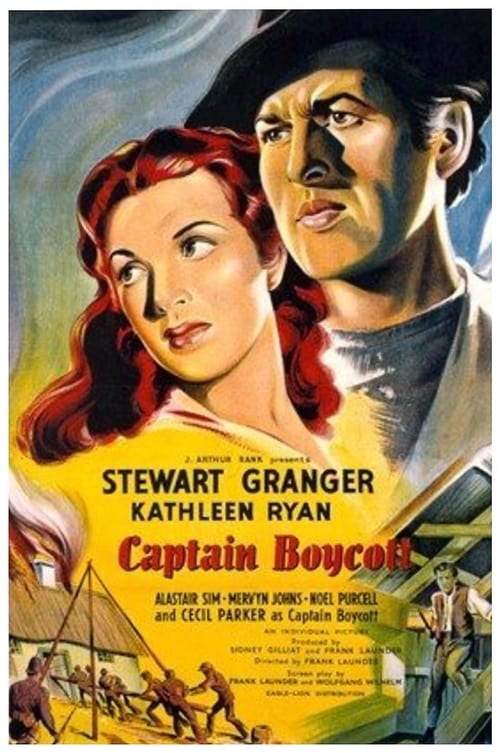
Based on real events, this historical drama is set in 19th-century Ireland, when poverty-stricken tenants dispossessed by greedy landowner Capt. Boycott (Cecil Parker) band together to assert their rights. Patriotic farmer Hugh Davin (Stewart Granger) leads the rebels. Choosing nonviolent resistance, the villagers ostracize their nemesis, who squanders his fortune to repair his ruined reputation and wagers what's left on a horse race.
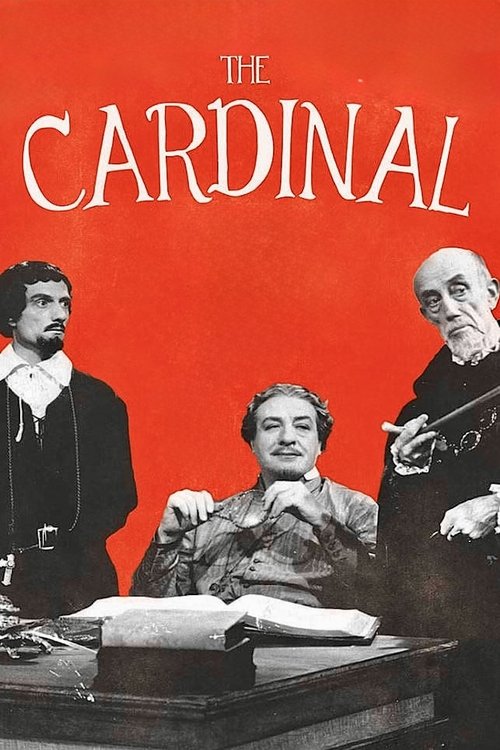
Set in 15th-century Italy, The Cardinal stars Matheson Lang as one Cardinal de Medici. Bound by the rules of the confessional, the cardinal is unable to disclose the multitude of sins revealed to him by one of his most influential parishioners. De Medici's dilemma is compounded by the fact that the confessor has committed a murder for which the Cardinal's brother has been arrested. The basic plot gimmick was good for another go-round in the 1953 Hitchcock flick I Confess. This 7-reel British film was based on a play by Louis N. Parker.
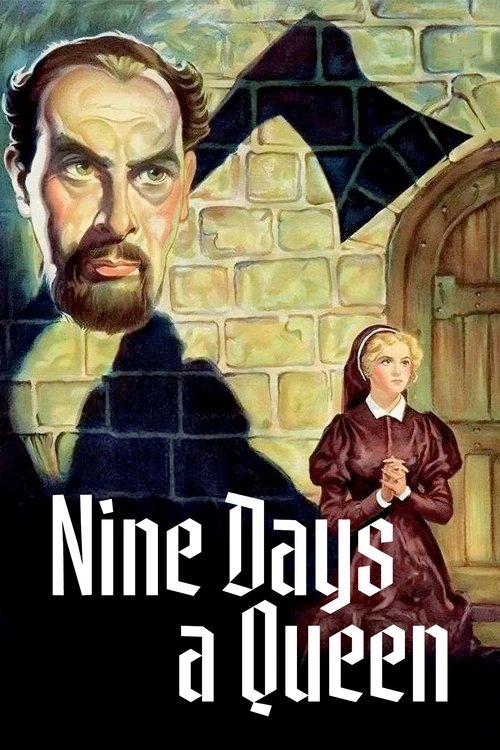
The tragic story of Lady Jane Grey, the young queen who reigned in England for nine days before she was executed.

Rhodes of Africa is a 1936 British biographical film charting the life of Cecil Rhodes. It was directed by Berthold Viertel and starred Walter Huston, Oskar Homolka, Basil Sydney and Bernard Lee.
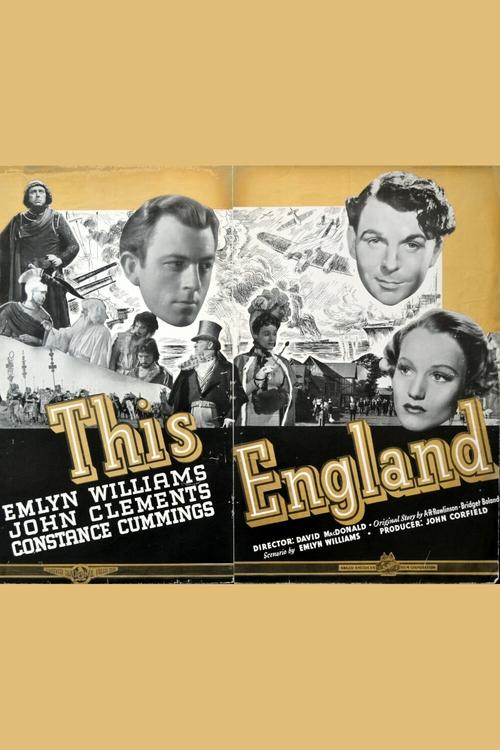
Set in Claverly Village, it follows the fortunes of the Rookebys (Clements) and the ne'r-do-well Appleyards (Williams) from the time of the Normans, 1588, 1804, 1914, and 1940. Made to support morale during the war, its message is basically that you can't suppress the British; they've been there since the beginning; they'll be there to the end.
In France the Queen poisons the Huguenot Queen and weds her son to the King's sister as part of an assassination plan.
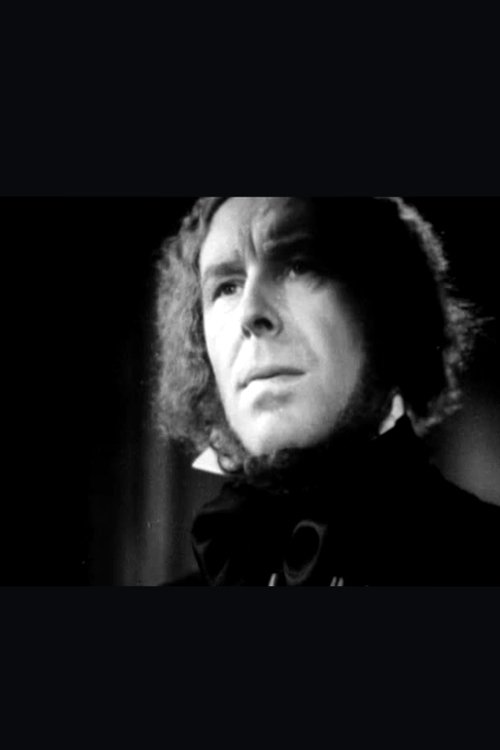
Dramatised account of the achievements of Glasgow's William Thomson, Lord Kelvin.
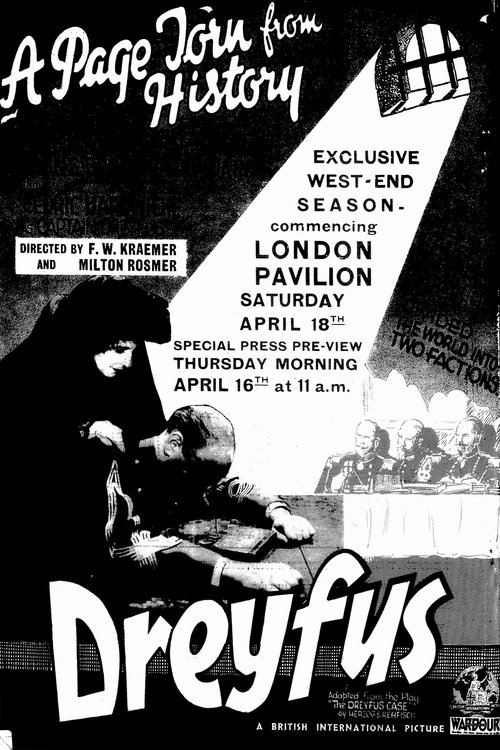
In 1894, French officer Alfred Dreyfus is wrongly convicted for the treasonous acts of another man, Major Esterhazy. When investigations begin into the dubious evidence used in the trial, an institutional coverup begins, aided by fears of army disgrace and anti-Semitic paranoia against Dreyfus. But a determined group, headed by prominent author Émile Zola, leads a mounting public call to reopen the Dreyfus case.
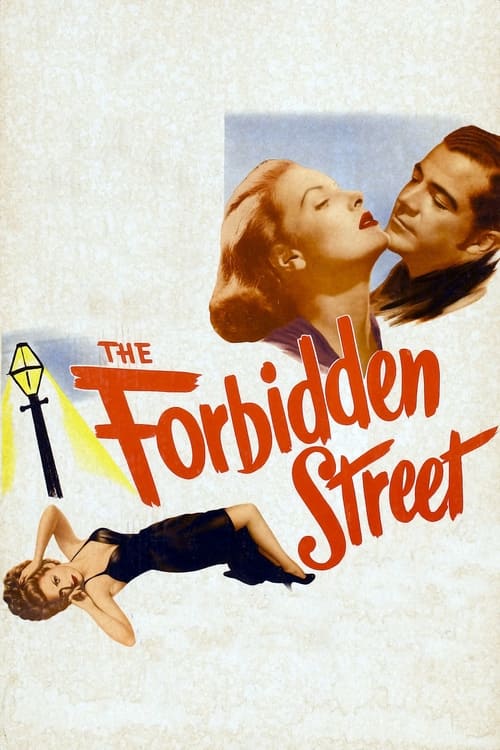
In Victorian London, young Adelaide is born into luxury, but marries starving artist Henry. His alcoholism and their lack of money lead to many quarrels. During one such fight, Henry slips down a flight of stairs and dies. A neighbor, Mrs. Mounsey, is the only witness, and she blackmails the young widow by threatening to tell the cops that Adelaide killed her husband. Luckily, lawyer Gilbert swoops in to help Adelaide.
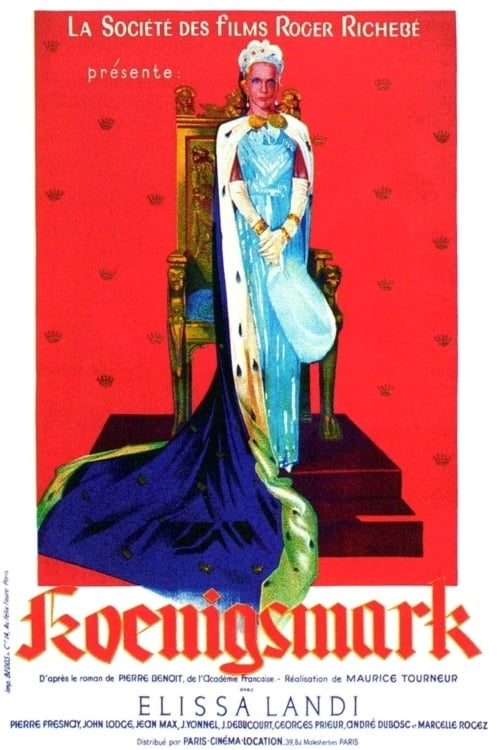
Koenigsmark is a 1935 British-French drama film directed by Maurice Tourneur and starring Elissa Landi, John Lodge and Pierre Fresnay. The film is based on the novel Koenigsmark by Pierre Benoît. It's sets were designed by the art director Lucien Aguettand. The film was known in the United States as Crimson Dynasty.
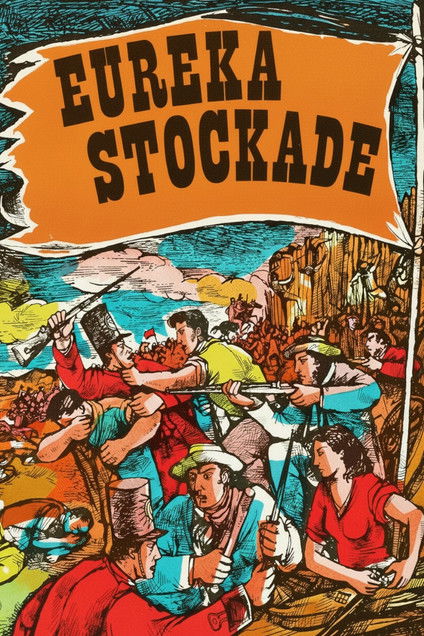
In 1854, Australian gold rush miners struggle for their rights against an oppressive government.
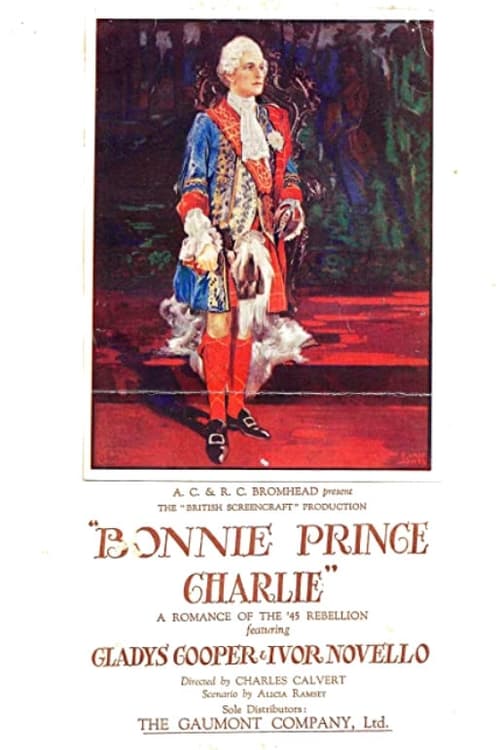
In the Jacobite Rising of 1745, the Young Pretender Bonnie Prince Charlie leads an insurrection to overthrow the Protestant House of Hanover and restore his family, the Catholic branch of the House of Stuart, to the British throne.
King Charles flees and hides in a huge oak tree when the troops loyal to Oliver Cromwell close in. The royal entourage is disguised, and the king's sweetheart masquerades as Charles. Only when she is brought before Cromwell is it discovered the switch has been made.
The titles tell us this film is based on an incident in the Boxer Rebellion. A man tries to defend a woman and a large house against Chinese attackers. They attack with swords, guns, and paddles. He's over-matched. What will become of the mission, its defenders, and its occupants?

Continuing the story of 'Victoria the Great'.
The Vicar of Bray is a satirical description of an individual fundamentally changing his principles to remain in ecclesiastical office as external requirements change around him. The religious upheavals in England from 1533 to 1559 and from 1633 to 1715 made it almost impossible for any individual to comply with the successive religious requirements of the state.
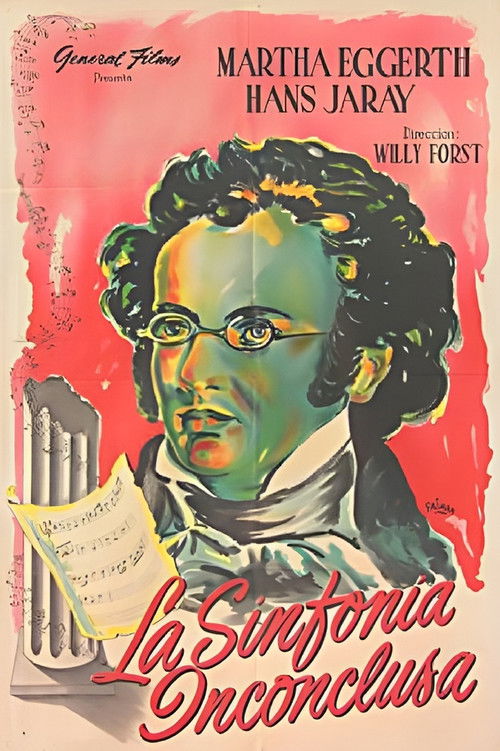
Composer Franz Schubert--broke, struggling and unhappy--gets a break when a wealthy friend wangles him an invitation to a command performance in front of a princess of the royal family. Schubert performs a version of his new work, "Symphony in B Minor", for the princess, but a misunderstanding results in Schubert storming out of the concert in a rage. Complications ensue. English-language version of "Leise flehen meine Lieder."
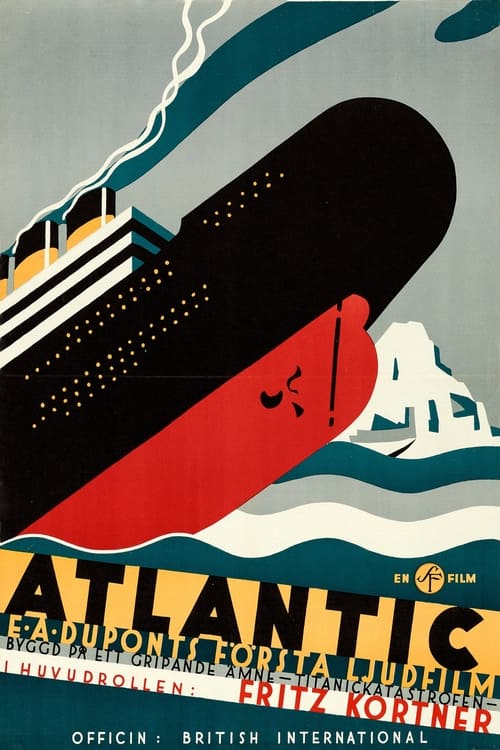
German-language version. "Atlantic" is a drama film based on the sinking of the RMS "Titanic" and set aboard a fictional ship, called the "Atlantic". The main plotline revolves around a man who has a shipboard affair with a fellow passenger, which is eventually discovered by his wife. The ship also has aboard an elderly couple, Heinrich and Anna Thomas, who are on their anniversary cruise. Midway across the Atlantic Ocean, the "Atlantic" strikes an iceberg and is damaged to the point where it is sinking into the Atlantic. The German version was filmed at the same time as the British version, with each scene first being filmed in English for the British version, then the same scene being filmed in German by a German cast, using the same sets.
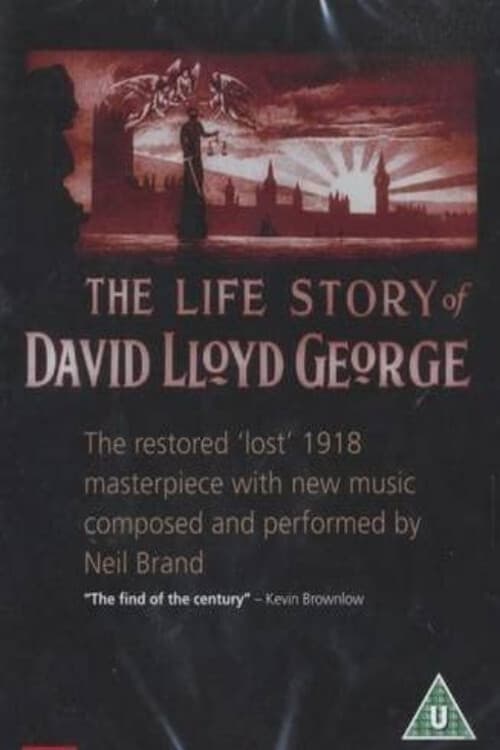
A biopic of Britain's Great War Prime Minister.

Shot by Methodist missionaries, this is an incredibly charming record of small-town life in an unidentified location in China. We see a bustling wharf town with canal-side dwellings, distinctive school buildings, and a hospital where newly graduated nurses pose for a group portrait. The relaxed smiles of Chinese and Europeans are captured in intimate close-ups, suggesting a tight-knit community.
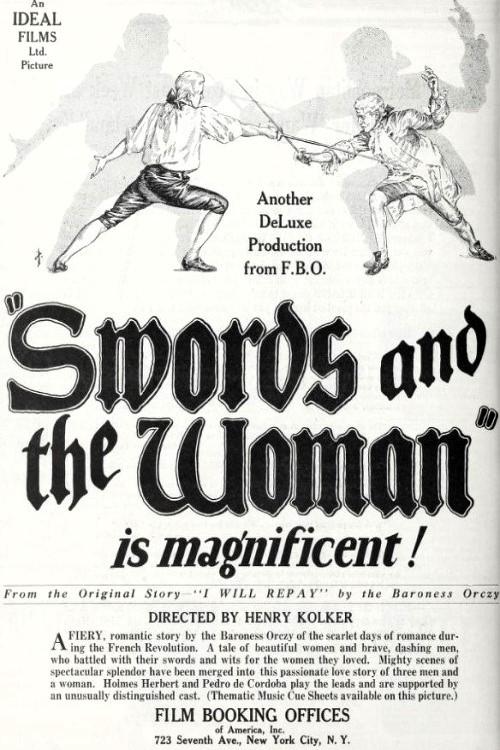
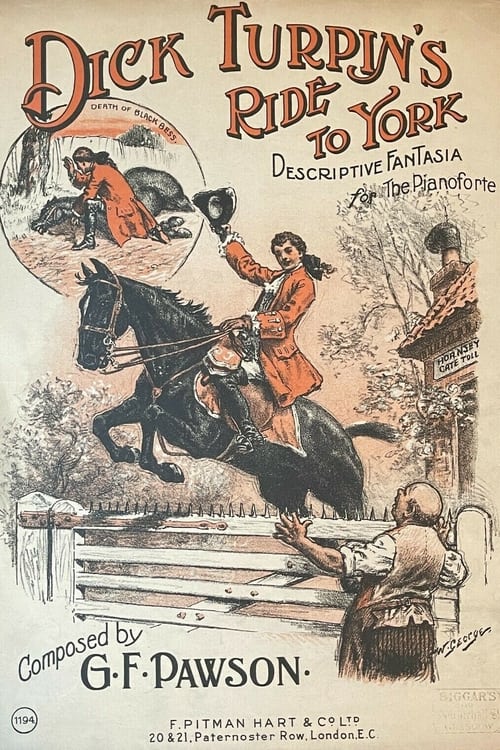
A highwayman rides to York to stop a lady marrying a usurper.
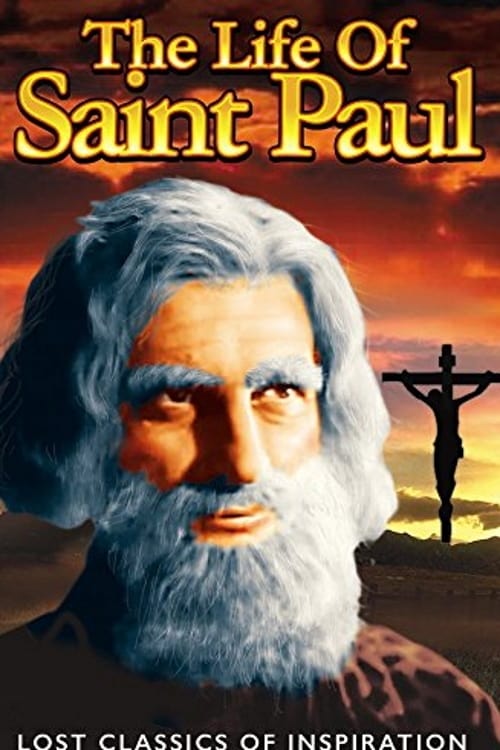
The Life of St. Paul, including reenactment of the Book of Acts, and St. Paul's Epistles.
Silent historical film depicts the significant events of Queen Victoria's reign through the experiences of three young girls.
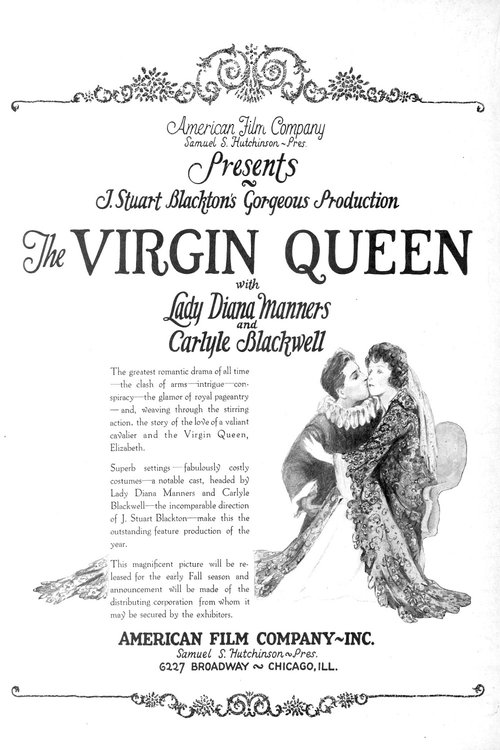
An aged ambassador's wife loves an admiral but is rejected by society after his death.
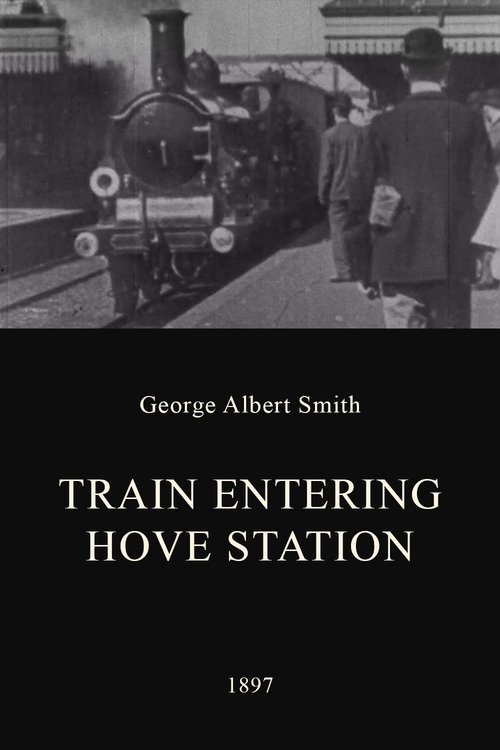
Most movie fans know that the first filmmakers liked to shoot trains entering stations. This example by Sussex film pioneer George Albert Smith illustrates why. The train's rush towards the audience brings movement and visual drama. The flurry of human activity offers plenty for the audience to engage with - who are these people and where are they going? And the time pressure exerted by the fact that the train must soon depart adds narrative tension - will everyone get on and off in time?
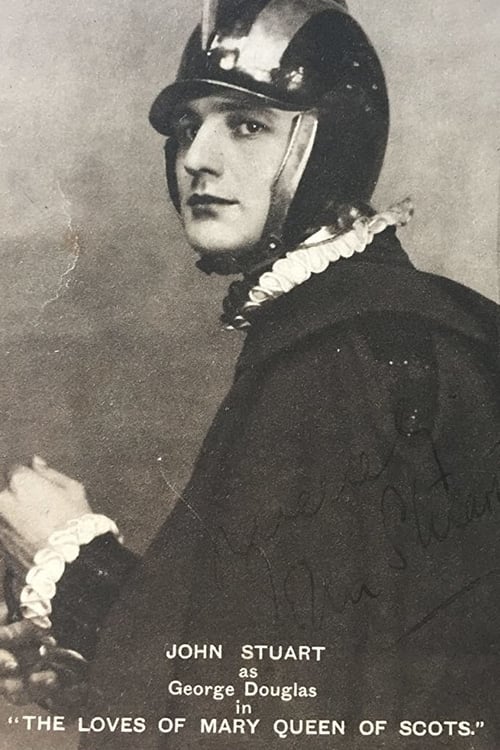
The Dauphin's widow weds a lord and is executed for plotting against the queen.
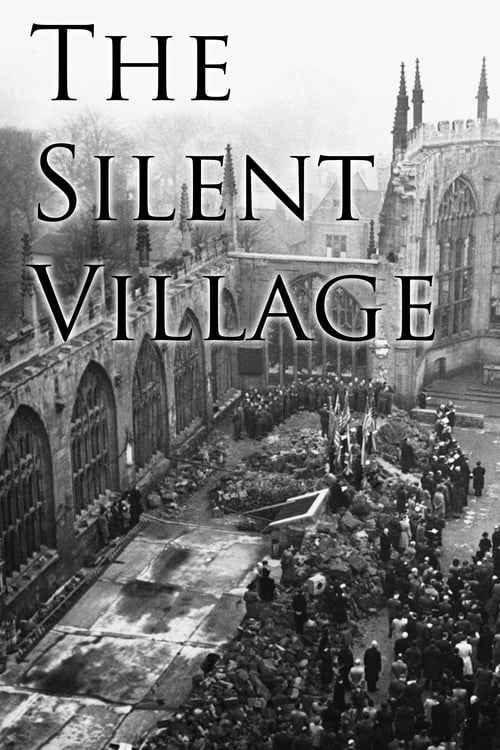
The true story of the massacre of a small Czech village by the Nazis is retold as if it happened in Wales.
Papists hire a Dutchman to blow up Parliament in revenge for an anti-Catholic decree.