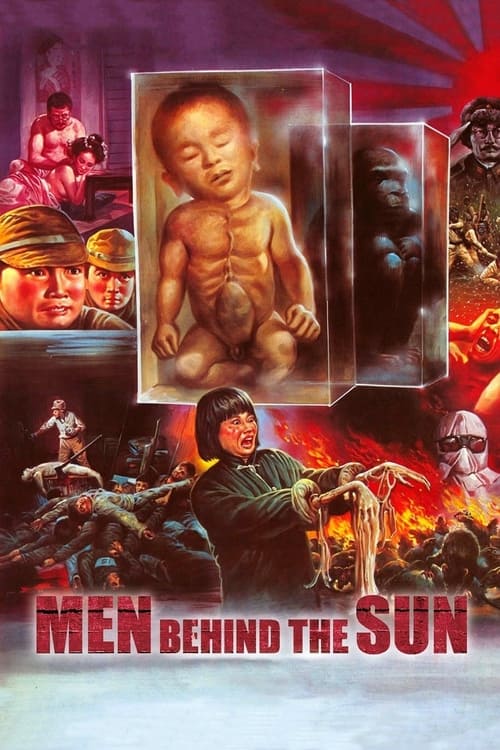
Japanese troops round up Chinese and Russian prisoners of war and take them to unit 731, where they're horribly tortured and experimented on to test new biological weapons.
Men Behind the Sun
6.2 1988
14 Matches Found
Japanese troops round up Chinese and Russian prisoners of war and take them to unit 731, where they're horribly tortured and experimented on to test new biological weapons.
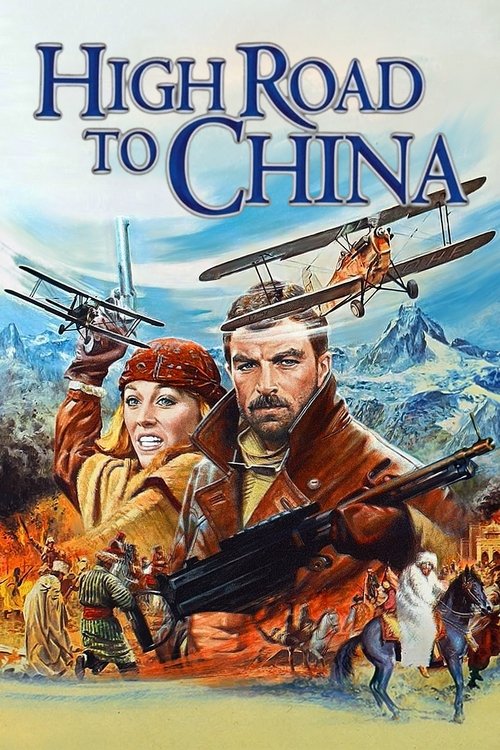
A biplane pilot is saddled with a spoiled industrialist's daughter on a search for her missing father through Asia that eventually involves them in a struggle against a Chinese warlord.
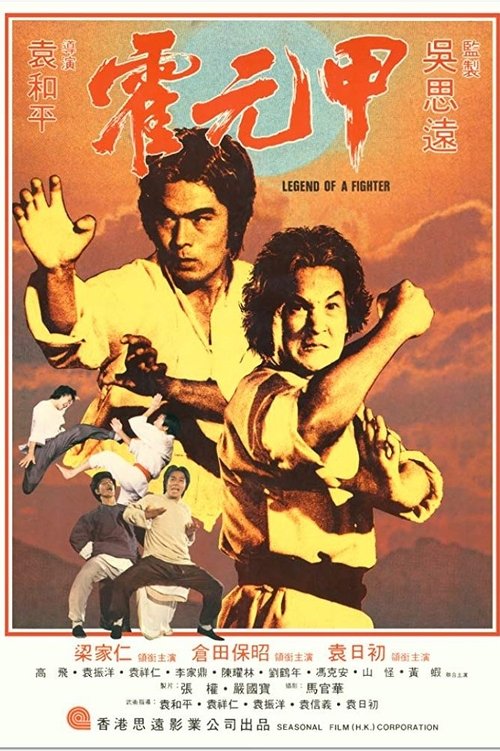
This is a powerful, yet fictionalized life story of Huo Yuan Chia, a real kung fu master in Southern China who brought respect to the populace and allowed kung fu to be taught to all Chinese during a time of revolt and low morale in the country's history.
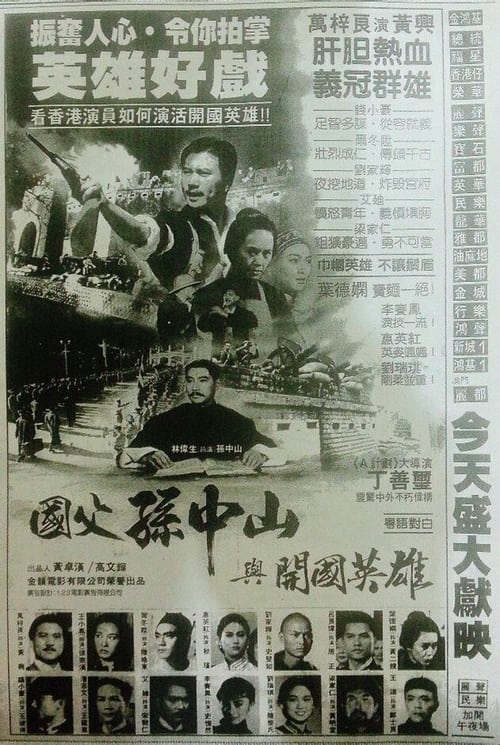
As befits the telling of the story of perhaps the most universally beloved hero of modern-day Chinese history Dr. Sun Yat-Sen (1866-1925), this lavishly produced biographical film uses techniques culled from Chinese Opera to dramatize the great man's political history. Concentrating on the period following his rise to political prominence in 1894 until his death in 1925, the movie is couched in terms of heroes who look heroic and villains who look villainous. Huge numbers of extras and vast battle scenes dot this production, and well-known Hong Kong and Taiwan-based movie stars appear in many cameos.
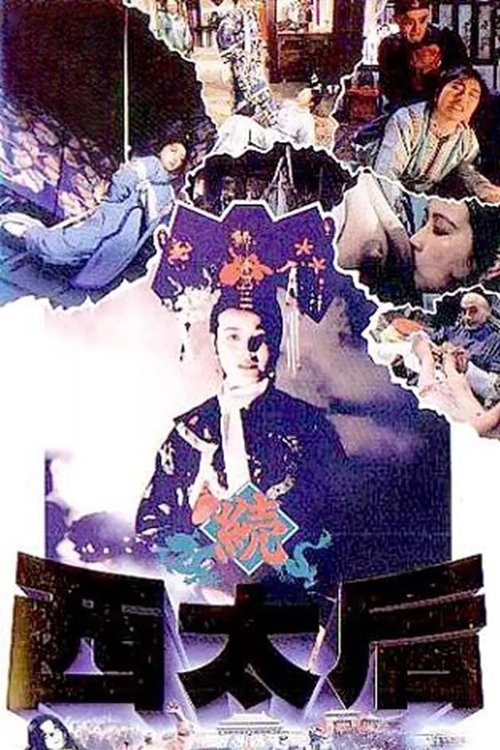
Han Hsiang Li's lush epic re-creates the fascinating life and times of Tzu Hsi, the Manchu Qing dynasty empress who rose from the ranks of Emperor Xianfeng's many concubines to become the de facto ruler of China for nearly 50 years.
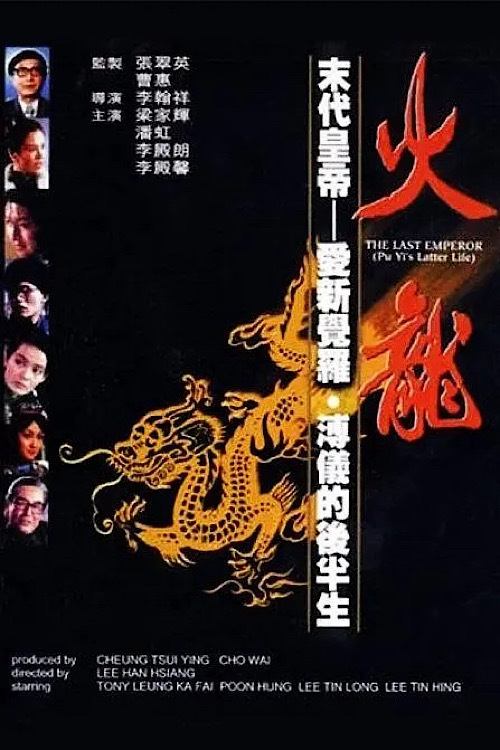
A 1986 film directed by Li Han-Hsiang. Nominated for Best Film in the 6th annual Hong Kong Film Awards.
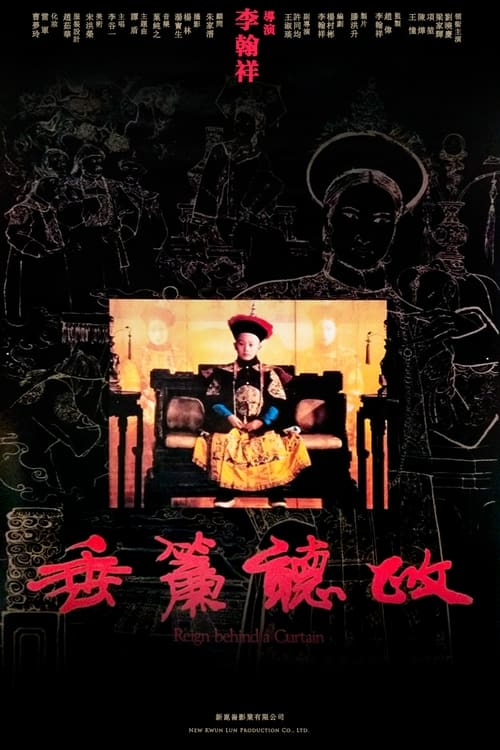
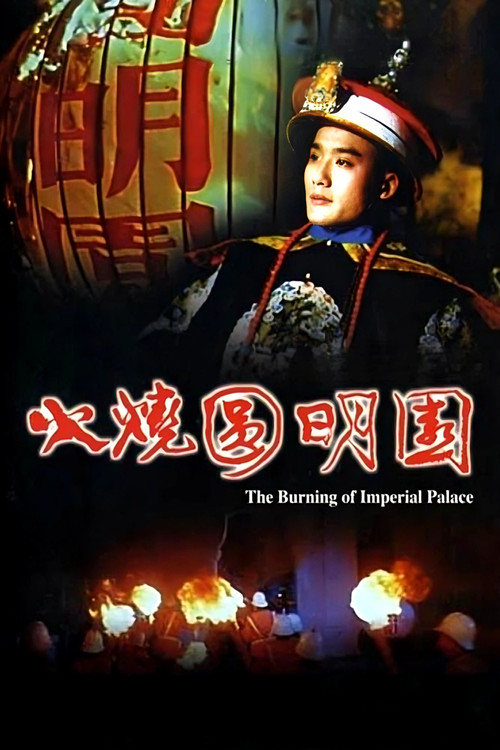
Dramatization of events from the Second Opium War which culminated in the looting and destruction of imperial estate "Yuan Ming Yuan", AKA the Old Summer Palace by invading English and French troops.
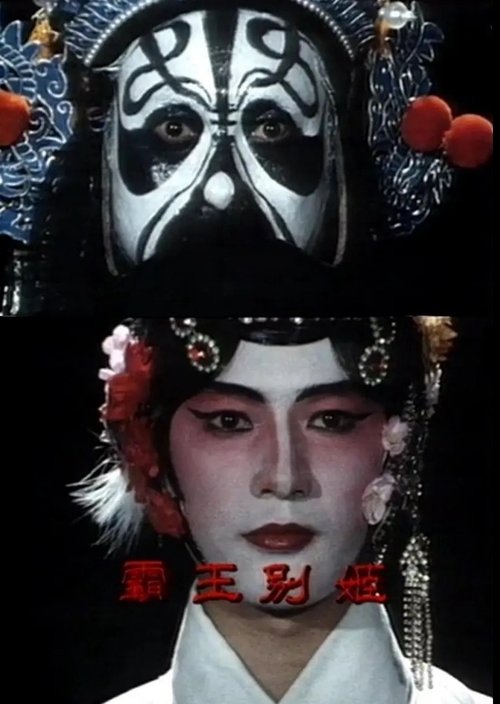
The story of Farewell to My Concubine is itself very dramatic. Lillian Lee is rumoured to have written the original screenplay in the late 1970s, which was made into a two-part television series on RTHK by Alex Law under the name King Chau and Lady Yu. Lee then adapted the story into a novel in 1985, which later inspired a feature film, scripted again by Lee and directed by Fifth Generation mainstay Chen Kaige, going on to become an international sensation that won the Palme d'Or at the Cannes Film Festival and Best Foreign Film at the Golden Globe Awards among other accolades. What's more, the Peking opera of the same title featured prominently in the novel, the TV programme and the film was itself adapted from a Kun opera, which was in turn based on the historical chronicle Basic Annals of Xiang Yu, from Records of the Grand Historian.
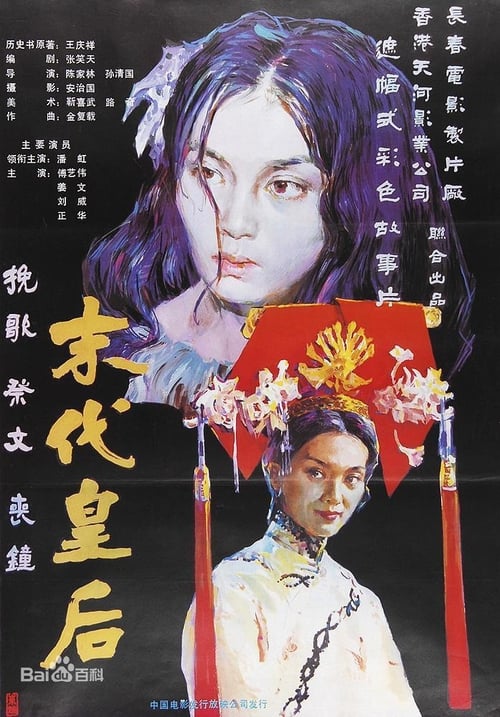
There were three women lived with Pu Yi, the last emperor of China, during 1922 and 1924. Wan-jung, the Queen, ended up with being insane. Tan Yuling died. Wenxiu, a concubine, was eliminated from the Royal family. This is the story of the fate of three women, including the wife and cousin of who have a lesbian relationship
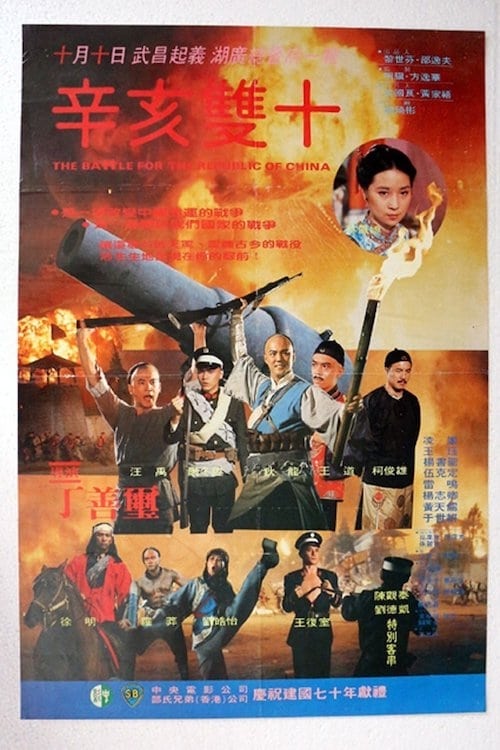
Patriotic extravanganza concerning early 20th century political events in Taiwan (i.e. the Republic of China), told in an ensemble format
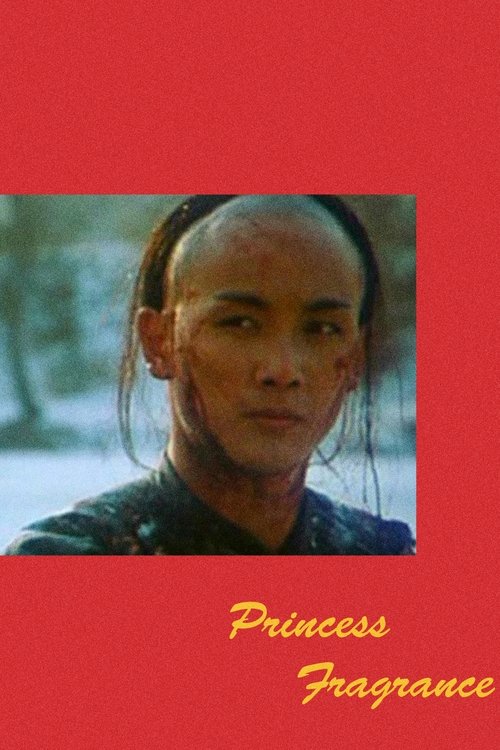
Princess Fragrance is a 1987 Hong Kong film based on Louis Cha's novel The Book and the Sword. The film is a sequel to The Romance of Book and Sword, which was released earlier in the same month and was also directed by Ann Hui.
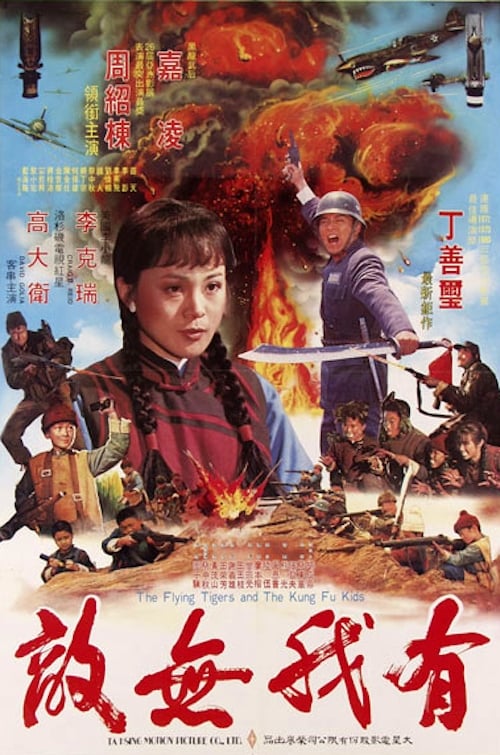
The kung-fu kids return to stop an evil dictator.