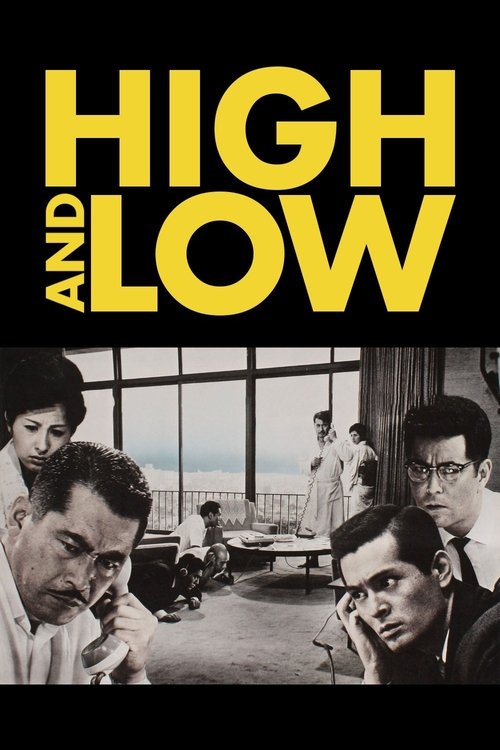
A Yokohama shoe executive faces a wrenching choice when kidnappers mistakenly seize his chauffeur’s son but demand the ransom anyway.
High and Low
8.4 1963
556 Matches Found
A Yokohama shoe executive faces a wrenching choice when kidnappers mistakenly seize his chauffeur’s son but demand the ransom anyway.
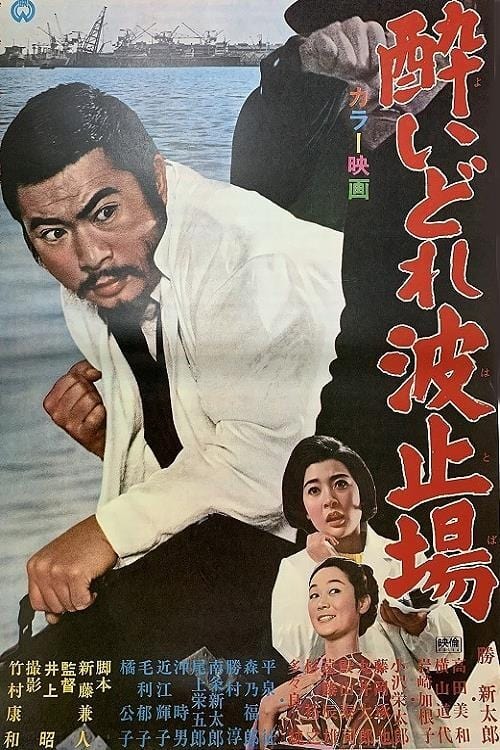
Third film of the yoidore hakase series

In this loose adaptation of "Hamlet," illegitimate son Kôichi Nishi climbs to a high position within a Japanese corporation and marries the crippled daughter of company vice president Iwabuchi. At the reception, the wedding cake is a replica of their corporate headquarters, but an aspect of the design reminds the party of the hushed-up death of Nishi's father. It is then that Nishi unleashes his plan to avenge his father's death.
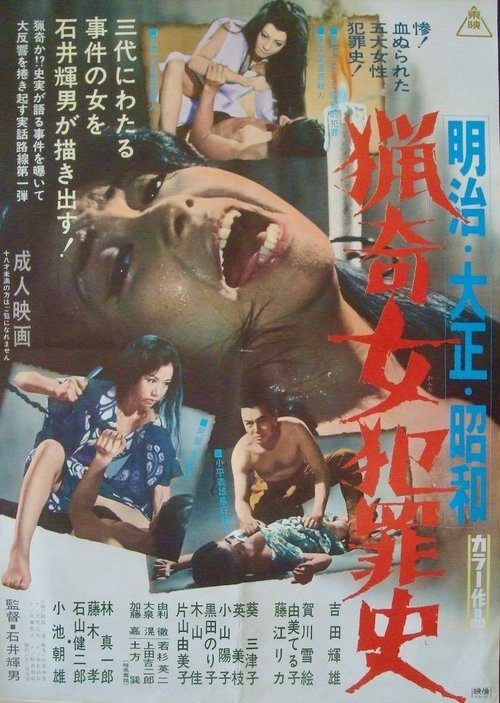
A series of short stories about bizarre crimes committed by females in the Meiji, Taisho, and Showa Eras. Discover 4 famous Japanese murderers: Takahashi Oden, the last woman beheaded in Japan, Sada Abe, a crazy lover, Kunihiko Kodaira, a rapist-killer and finally, the Toyokaku case, a woman who did everything to own a hotel.
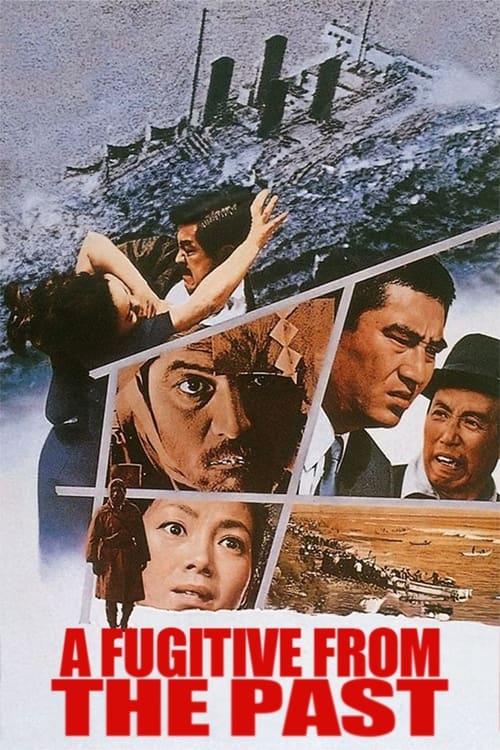
Three robbers escape with loot from a heist before one of them kills the others. Their corpses wash up near the aftermath of a maritime calamity, provoking a policeman's interest.
After botching his latest assignment, a third-ranked Japanese hit man becomes the target of another assassin.
During the mayoral election, two ex-prisoners decide to replace the lucky pen of an annoying candidate with a mini-bomb.
In the shady black markets and bombed-out hovels of post–World War II Tokyo, a tough band of prostitutes eke out a dog-eat-dog existence, maintaining tenuous friendships and a semblance of order in a world of chaos. But when a renegade ex-soldier stumbles into their midst, lusts and loyalties clash, with tragic results. With Gate of Flesh, visionary director Seijun Suzuki delivers a whirlwind of social critique and pulp drama, shot through with brilliant colors and raw emotions.
A gangster gets released from prison and has to cope with the recent shifts of power between the gangs, while taking care of a thrill-seeking young woman, who got in bad company while gambling.

A floating amorphous life-form descends from the atmosphere to consume carbon in the form of diamonds.
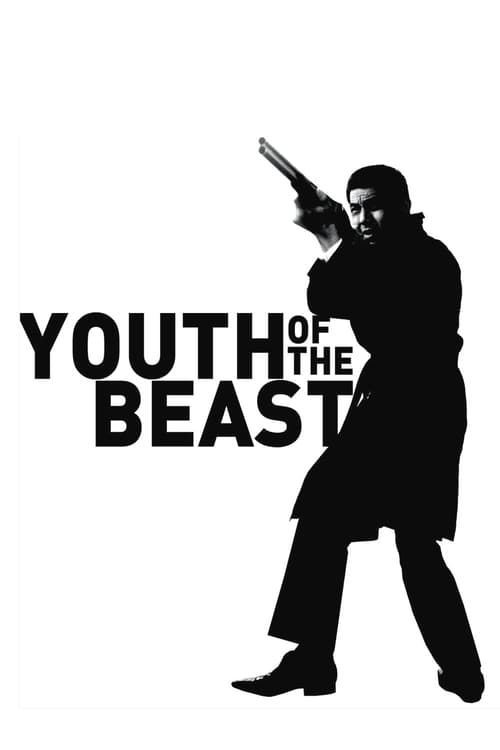
When a mysterious stranger muscles into two rival yakuza gangs, Tokyo's underworld explodes with violence.
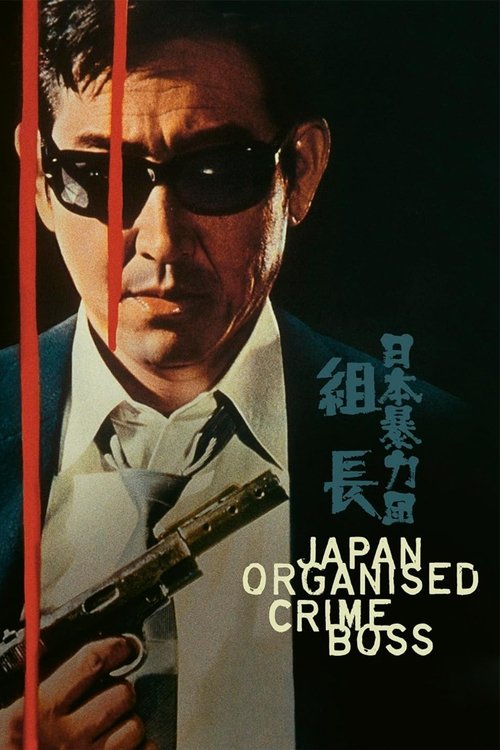
Coming out of jail and hoping for a quiet life, Yokohama yakuza has to take the lead of his gang after the death of his boss. His small group is is taken in a crossfire between a big yakuza group from Osaka at war with the Tokyo alliance for the control of the city. He tries to keep to the old yakuza code but he is no match for the new thugs who live and fight without honor.
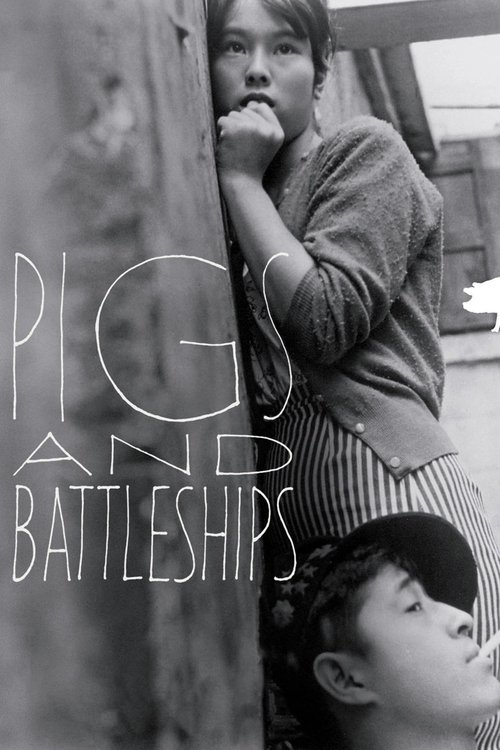
In the city of Yokosuka, Kinta and his lover Haruko, both involved with yakuza, brave the post-occupation period with a goal to be together.
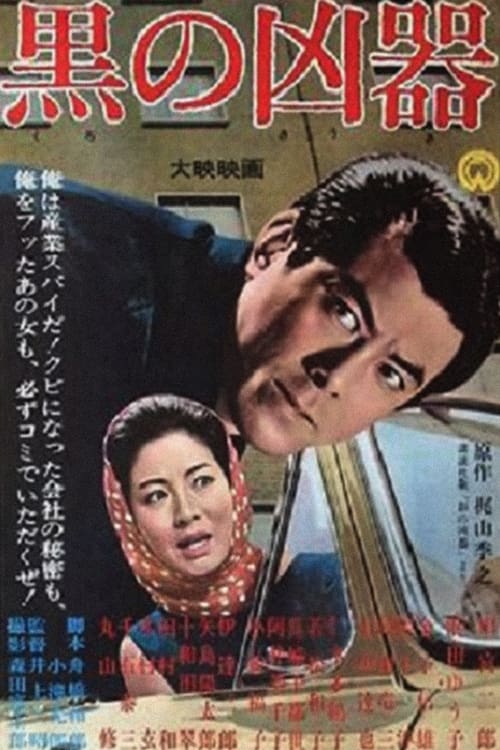
Industrial espionage gets in the way of love and marriage for factory worker Katayanagi.

In Osaka's slum, capricious folks without futures engage in pilfering, assault and robbery, prostitution, and the trading of ID cards and blood.
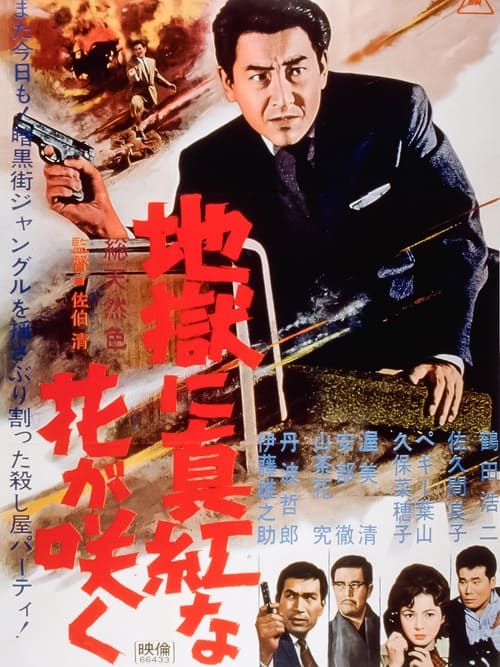
1961 gangster film.

A failed science experiment gives a librarian the ability to turn into a gaseous substance. He goes on to rob banks to fund his dancer girlfriend's career, killing those who interfere. Now Tokyo's most wanted criminal, can authorities stop him?
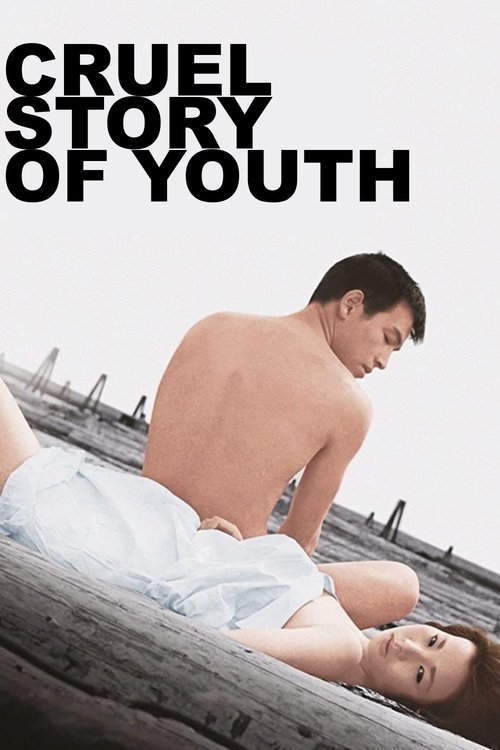
A harsh young man seduces a freeloading young woman and eventually takes advantage of her knack for hitchhiking to rob middle-class men.
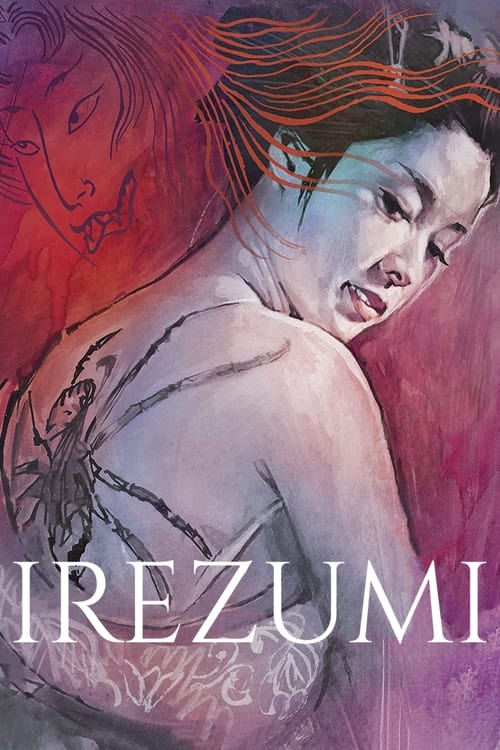
Otsuya, the daughter of a rich merchant, elopes with her lover Shinsuke, an employee of her father's. During their flight, Otsuya's beauty attracts the gaze of Seikichi, a mysterious master tattooist who sees her pristine white skin as the perfect canvas for his art. The image of the large demonic spider that he emblazons across Otsuya's back marks her as the property of another man, radically altering her relationships with all around her as her personality seems to transform under its influence.
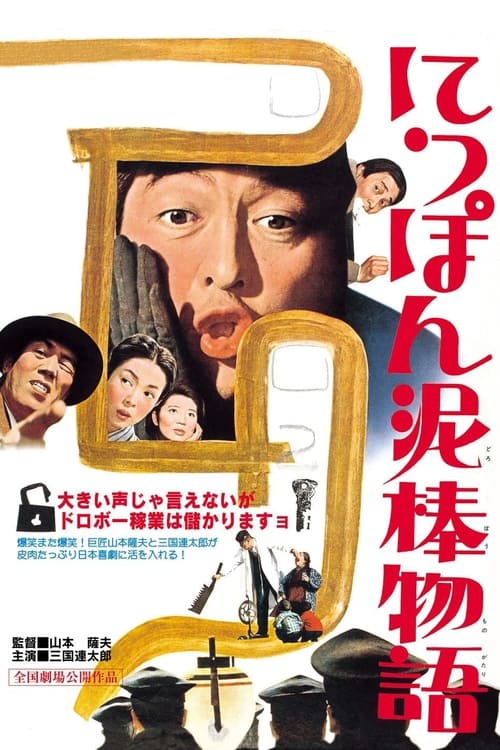
Gisuke Hayashida is an illegal dentist during the day and a burglar by night. One night during a burglary he witnesses a train derailment. Some communists are found guilty of causing the incident, but he knows it wasn't them. He can save innocent people but for that he must confess his own crime.

Japanese police detective Saburo Fujioka is suspected of corruption, demoted, and sent to the city of Kojin. Kojin is the scene of fierce fighting between rival gangs. Fujioka is assigned to investigate the death of the wife of gangster Tetsuo Maruyama of the Kozuka gang, probably at the hands of one of the Oka gang. During a gang gunfight, Maruyama is rescued by Detective Fujioka and the two become friends. But Maruyama insists on avenging his wife's murder, even if it means conflict with his new friend.
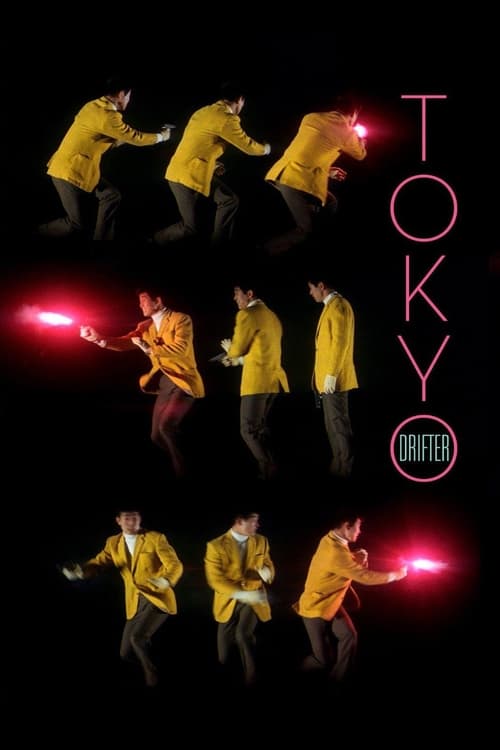
After yakuza boss Kurata dissolves his own criminal empire, a rival kingpin offers a position to Kurata's top operative, Tetsuya "Phoenix Tetsu" Hondo. When the fiercely loyal Tetsu declines, Otsuka taps unstoppable Tatsuzo the "Viper", a ruthless gun-for-hire, to assassinate him. As the Viper trails his target through the countryside, the agile Phoenix Tetsu grows concerned that one of his former associates has betrayed him.
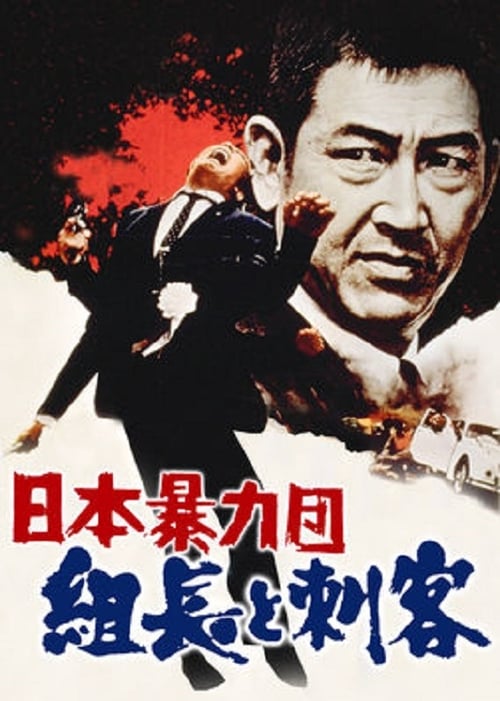
An honorable yakuza syndicate deeply rooted in Kyoto fights for survival when a new breed of gangsters threaten their very existence.
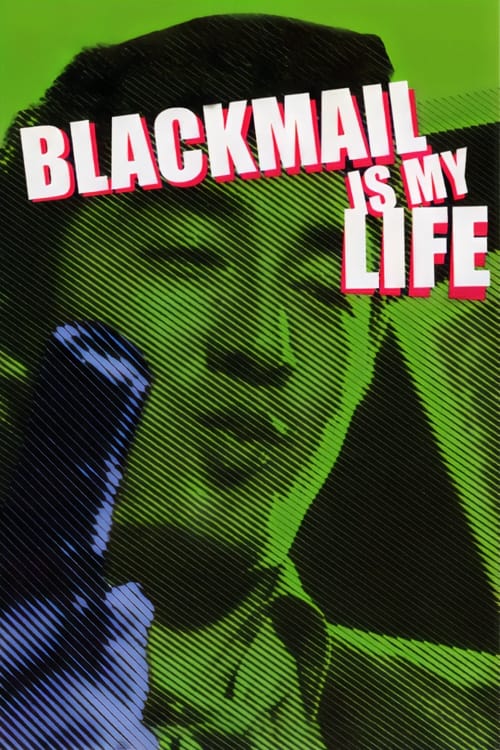
Though he has come from a rough background on the streets, Muraki quickly rises through the ranks by means of his well-honed blackmailing instincts. Desperate to keep rolling with his freewheeling lifestyle, Muraki sees his luck begin to crumble when he sets his sights on the business partners of a powerful gang boss.
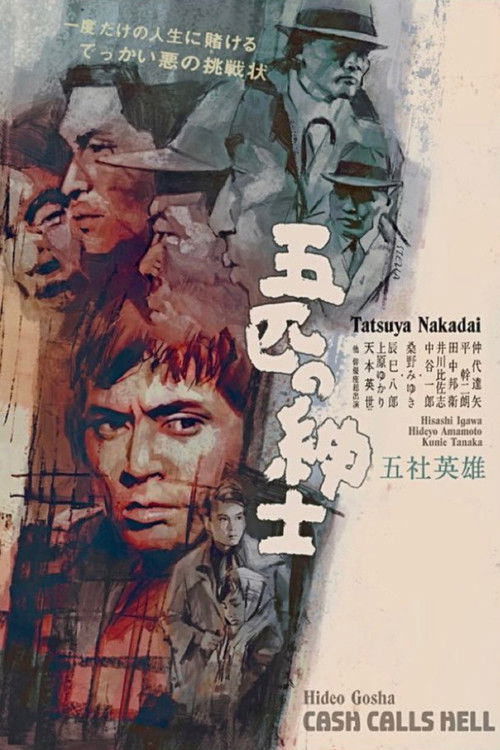
Before leaving prison, Oida uncomfortably enters into an agreement with his cell mate: in exchange for a half-share of 30,000,000 yen, he is to assassinate three strangers given to him on a list. However, upon meeting his first potential victim, Oida has second thoughts. Yet, even as he tries to back out, the body count starts climbing. Oida must now try to alert the people on his list of their impending danger, and find out why they are being targeted in the first place.
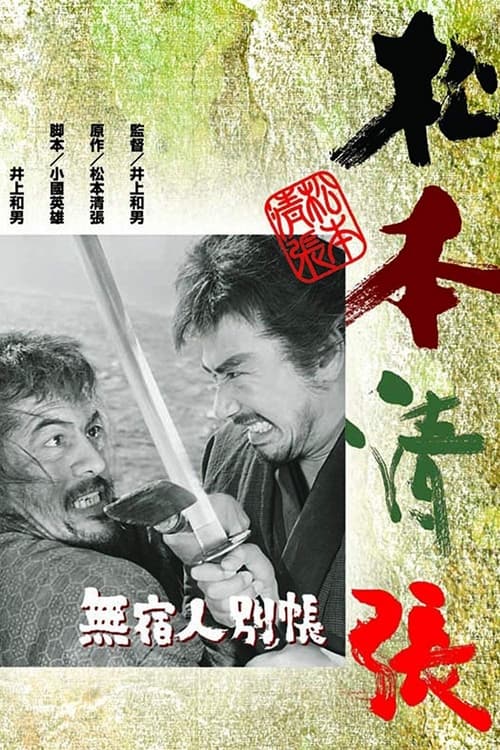
This suspense drama set in the mid 1700's depicts the plan of the Tokugawa rulers to send a number of homeless men to a remote island Sado to perform forced labor. Living conditions on the island are terrible and the men soon become rebellious. Based on a short story by Seichō Matsumoto.
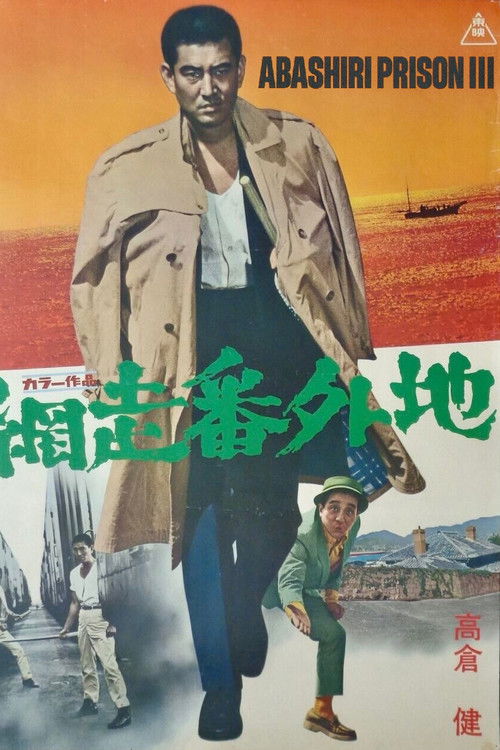
Upon returning to his hometown of Nagasaki, recently released prisoner Tachibana Shinichi must rejoin the Asahi gang family in order to pay back a past debt. Trouble brews when the rival gang that was responsible for sending him to prison learns of his return. Left with no alternative to their constant harassment and threats, Tachibana decides to take them on.
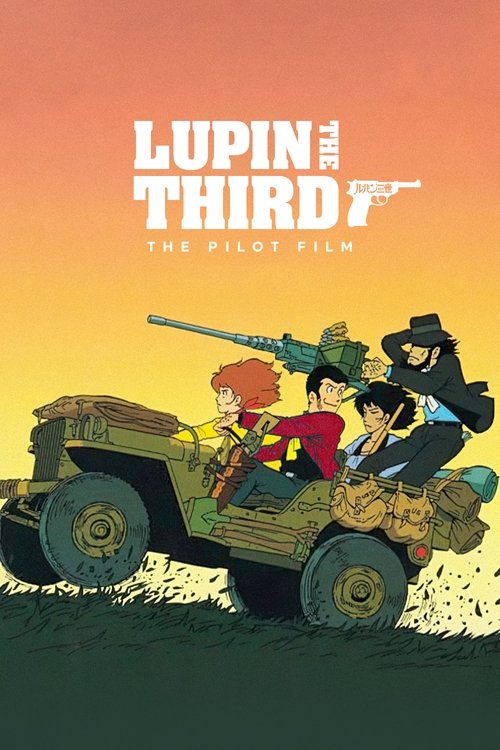
The first animated adaptation of the popular manga series, this pilot introduces the main characters of "Lupin the Third" with montages, presented through a short frame narrative illustrating a typical gang escape.
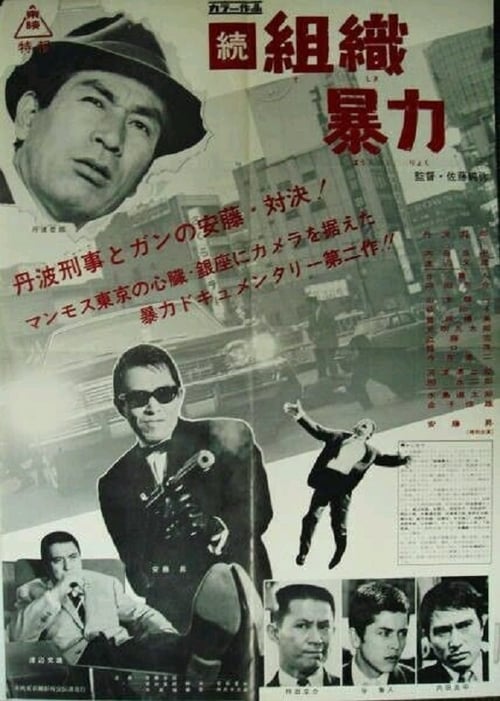
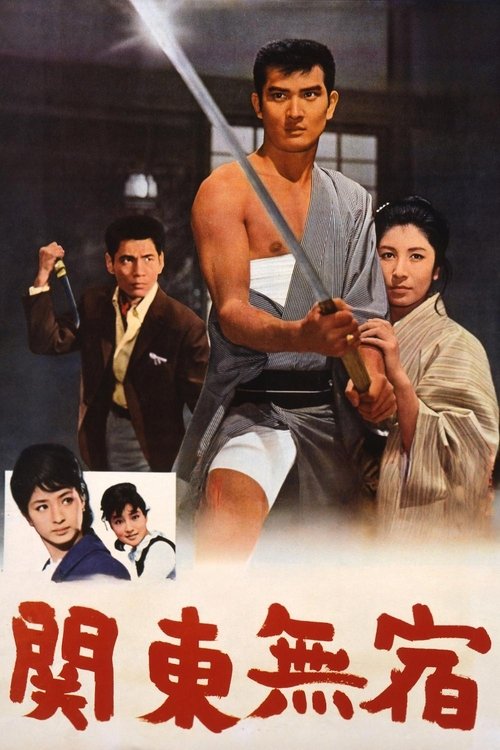
Handsome young Katsuta tries to follow the yakuza code, but even his boss doesn't believe in it. Diamond Fuyu is less ethical, and allows the idiotic Tetsu to trick a schoolgirl he fancies, Hanako, into a type of bonded prostitution. Because of gang conflict, the Izu family (to whom Katsuta belongs) has their last gambling den taken over, and he seeks revenge. This brings him back into contact with a former lover who is also a card trickster - she is also Diamond Fuyu's sister, and is now married to Okaru-Hachi, who has mastered a clever card cheating trick called Okaru, which involves the deft use of mirrors.
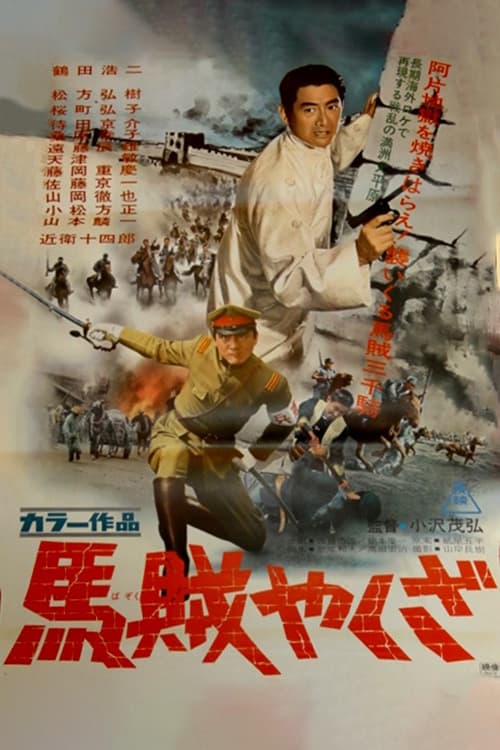
Action drama about a Japanese gangster in Manchuria circa 1932, who finally joins some Chinese mountain bandits.
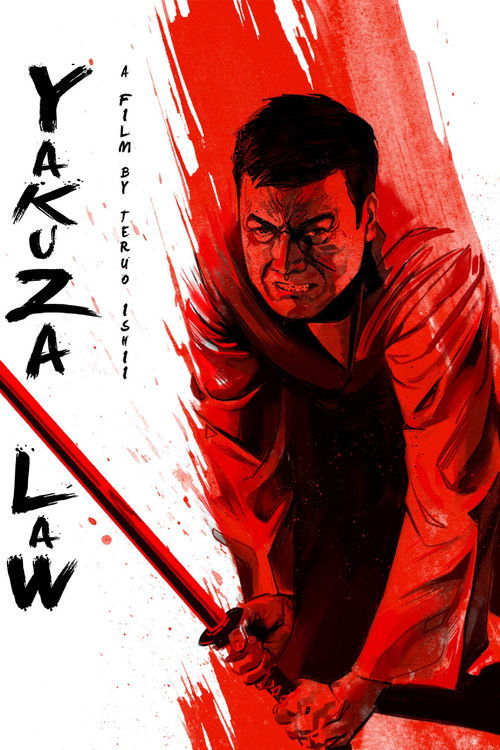
A story of yakuza lynching during the Edo, Meiji, and Showa periods.
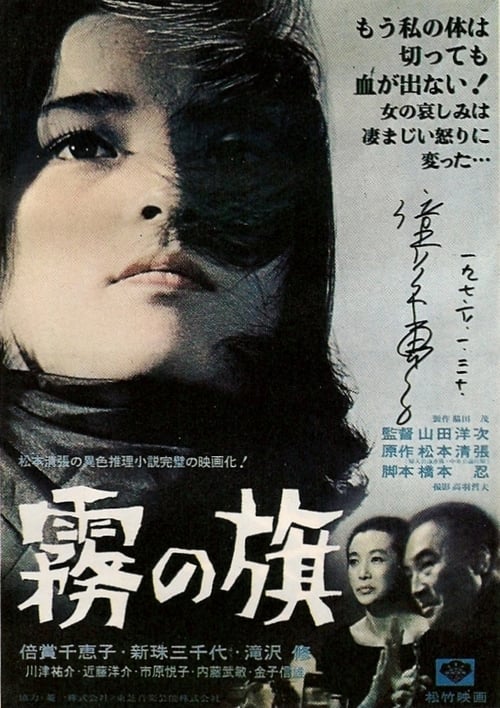
When her only relative, her elder brother is accused of robbing and murdering an old woman loan-shark, pretty, young Kiriko travels from her home in Kyushu to Tokyo to get Japan's top lawyer to defend her brother. Unfortunately her naive idealism is shattered when the lawyer refuses to take the case based on her insufficient funds. What follows is a long determined revenge plot that sees the heroine become a Tokyo bar hostess and worse to punish the lawyer. The plot thickens with another murder mystery and a sleuthing reporter.

The third chapter of the ‘Red Peony Gambler’ saga depicts the happiness and sadness of Red Peony Oryu’s life as she seals her femininity with a red peony tattoo and lives in world of chivalry and honor of the yakuza. This story takes place in the middle of the Meiji era in Nagoya. Oryu is wandering the country, training herself to reinstate her family name. With a written recommendation from Kumatora, she appears at the door of the Nishinomaru family. At the same time, the family is preparing for the gambling competition at the Netsuda Shrine Festival, which they have been hosting for generations. Meanwhile, the crooked Kinbara family is plotting to take over the competition. And now Oryu is forced to get involved in the struggle…
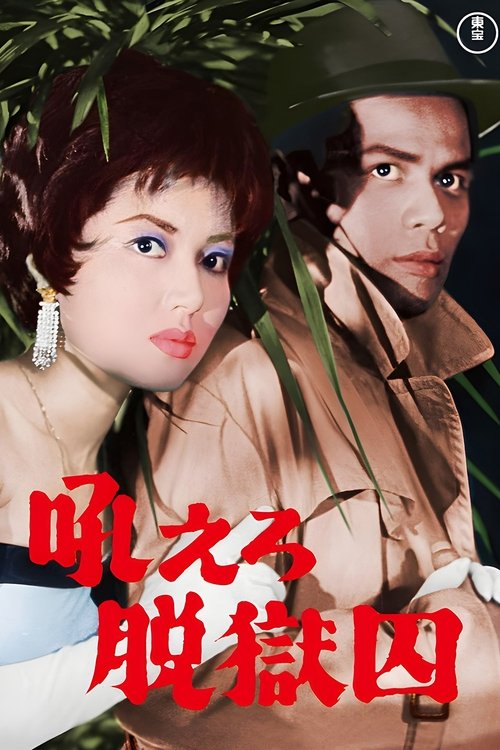
Ryusuke and Joe Oki escape from prison. Ryusuke was incarcerated for killing his younger brother Yasuhiko, who was a bouncer at the cabaret "Three Cats" and Junko's lover who worked at the same restaurant. Of course, Ryusuke did not commit this crime...
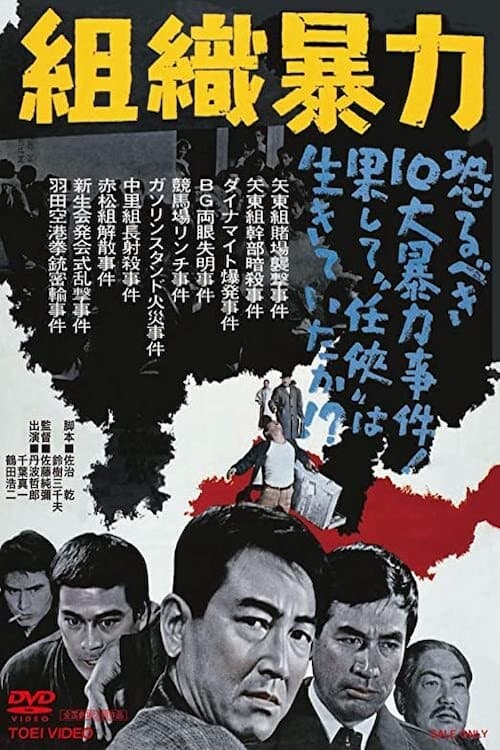
A war breaks out on the streets between rivaling Yakuza clans.
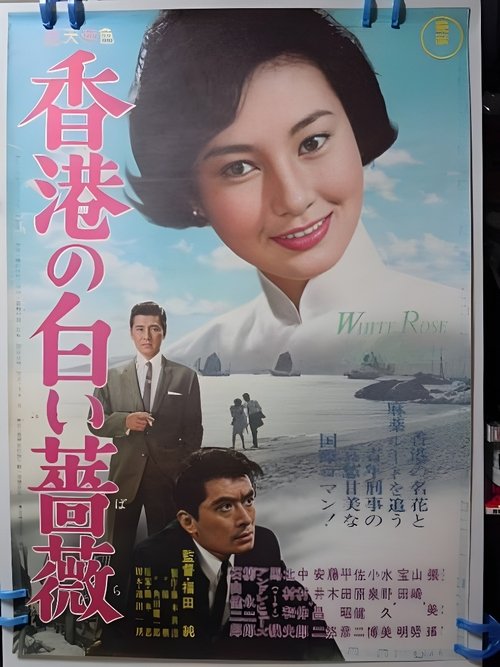
Narcotics officer Matsumoto’s investigation into a drug smuggling ring leads him from Tokyo to Hong Kong, where personal ties and painful secrets unravel a complex web of betrayal. As love, family, and justice collide, Matsumoto must face a truth too deep to escape—and a loss too great to mend.
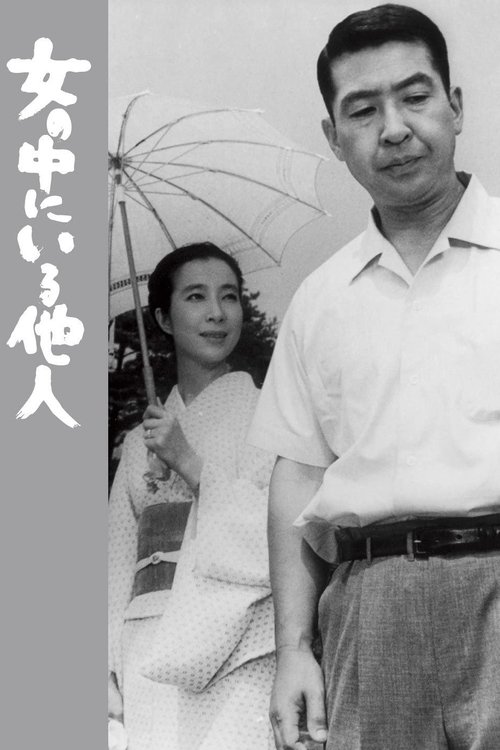
Tashiro coincidentally meets his best friend Sugimoto in a bar very close to the apartment in which Sugimoto’s wayward wife is found dead. Although Tashiro is not a suspect in the police investigation, he is racked with guilt and confesses to his wife, Masako. In an effort to further relieve his tortured sense of guilt, he then confesses to Sugimoto. Neither his wife nor his friend can believe that he could have been involved.

Yoshida's first feature follows the lives of young students against a background of jazz, emptiness and boredom. The plot is fairly simple: a "good-for-nothing" from a poor background falls in love with the young secretary of his rich friend's father. The woman senses good in him and tries to lead him on the right path.
A family of four lives off of scams in which they pretend to be injured by automobiles.
Kikumori runs a cabaret on the docks, while his friend Kaji operates transport boats. When a gang of drug dealers tries to force the pair to cooperate in a smuggling scheme, conflict arises between the two friends. Falsely blamed for murder, Kikumori is blackmailed into an attempt to sabotage Kaji's boats and kill him. But the friendship between the two men proves an obstacle to the gangleader's plans.

Goro has always been a lone wolf. When he arrives at an industrial city in Keihin, there is certain restlessness in the air. The Iriezaki family and the Kanto Touyu-kai were in the midst of a territorial dispute. Goro was quick to notice, but had no intent to take sides. At a department store nearby, he sees an elevator lady being harassed by a couple of hoodlums. Goro decides to intervene. Unbeknownst to him, the hoodlums are Touyu-kai members – and the girl has strong ties with the opposing family.
Second film of Makino's Nihon Kyokakuden series set in Osaka's harbor. The series also known as "The Domain" Each a stand alone film in it's own, none are connected other than starring the famous Ken Takakura as the main Character. This story begins with Ken Takakura's character coming to Osaka after his brother's death. Another exciting yakuza story with superb yakuza action!!
A young yakuza in love with the girl who's to marry his clan oyabun, kidnaps the girl before fleeing with her. In Tokyo, he hides under the identity of a worker while the young woman becomes a waitress in a restaurant.
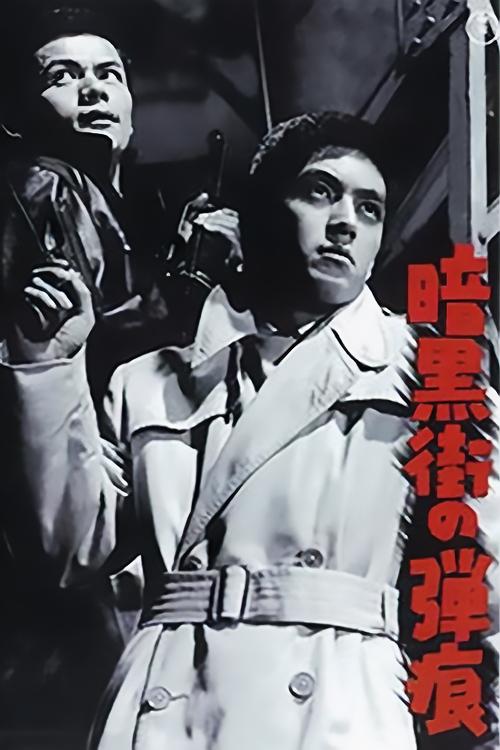
Yuzo Kayama plays the protagonist, a whale-hunting cannon manufactuing supervisor, whose brother is an automobile tester for Komatsu Motors which has a fatal accident. As his brother investigates the "Accident" with his old college friend (makoto Sato), now a reporter... They stumble across murder, espionage and cover-ups. High-class night club, femme fatale, and a "Blueprint of Murder" all adds up to a bigger plot then first expected.
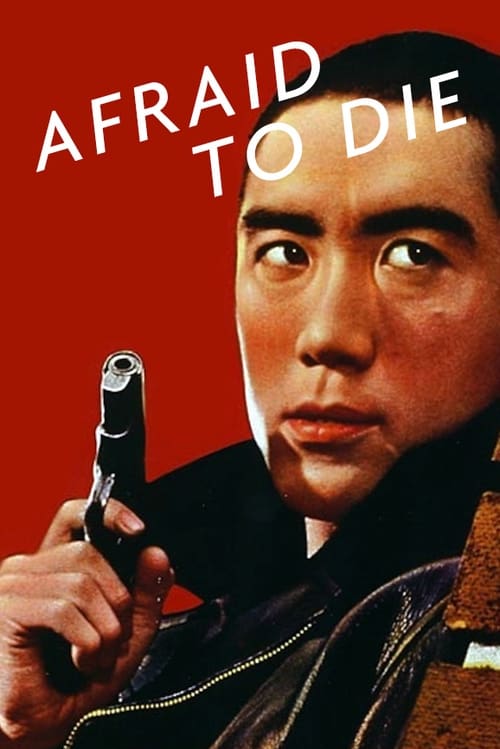
On his release from prison a young yakuza, along with his brother, decides to turn his back on criminal life instead of taking over the position of his recently deceased father, boss of the Asahina clan. But their exit proves more difficult than planned when their rival clan steps in to exact revenge.
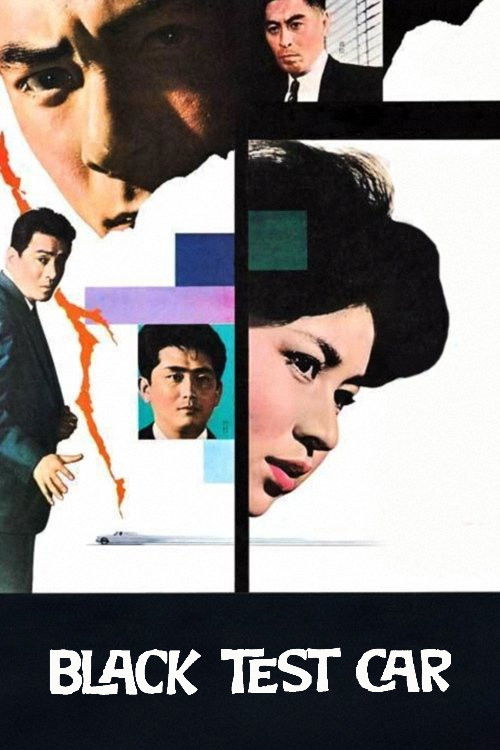
Two car manufacturers spy on each other to try to find out details and prices of a new sports car each is about to launch.
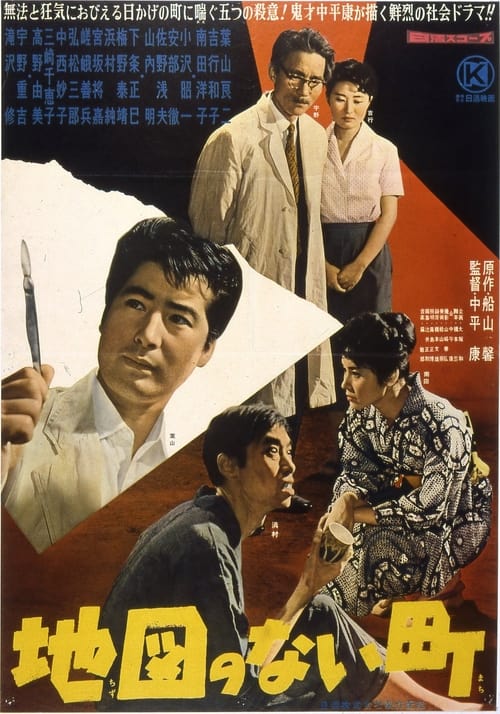
A young doctor falls into a despair of developments. He plans to revenge the disgrace inflicted upon his sister, whose engagement was broken as a result.
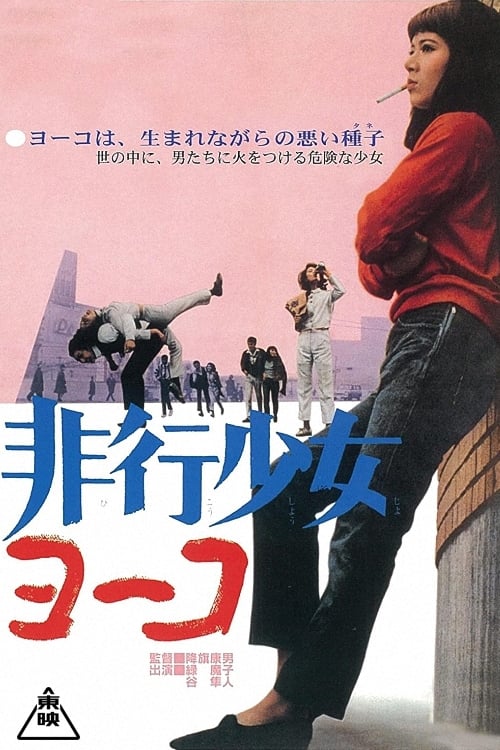
Easily bored, but still innocent and naive countryside girl (Mako Midori) discovers partying in Tokyo is a ton of fun. Yakuza-to-be (Ichiro Araki) is an acquaintance who tries to rape her, and the typically bland but very-good-here (Hayato Tani) the first boyfriend. Director Yasuo Furuhata (his first picture) lets his camera roll in trendy clubs amongst partying youngsters in a way that could've been out of 60s England or a Nikkatsu film. The film was inspired by an article in Life magazine (Volume 57, 1964) titled The Young Rebellion.
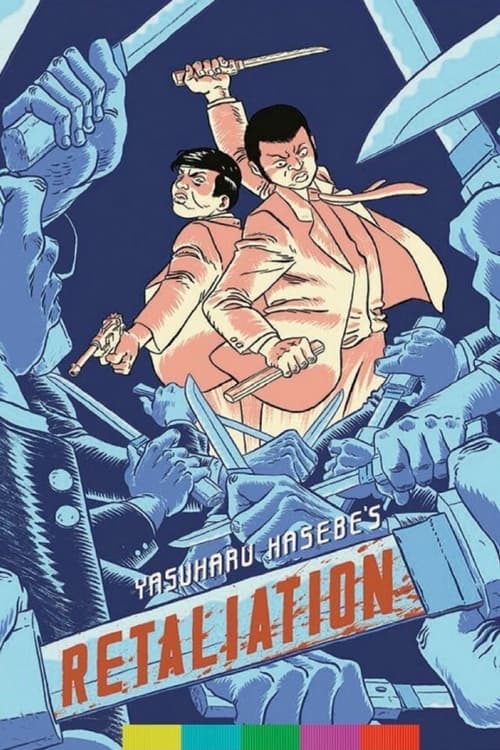
Emerging from a stint in prison, yakuza lieutenant Sumukawa discovers that his gang has disintegrated. An ambitious type, he quickly hooks up with another gang who promise him a prominent position if he helps them deal with a rival family. But bonds are made to be broken, and pledges of loyalty soon give way to competition, betrayal and — naturally — retaliation.
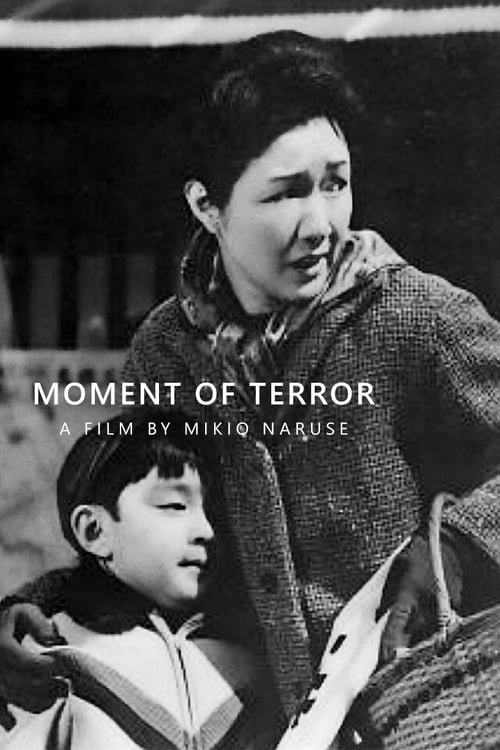
When an only son is fatally struck by a car, his mother seeks vengeance against the driver, the adulterous wife of a company president. The woman's husband buys silence about the incident, but the mother, discovering the driver's identity, secures a job in the corrupt couple's home, where she plots to murder their son when he reaches the age of her late son.
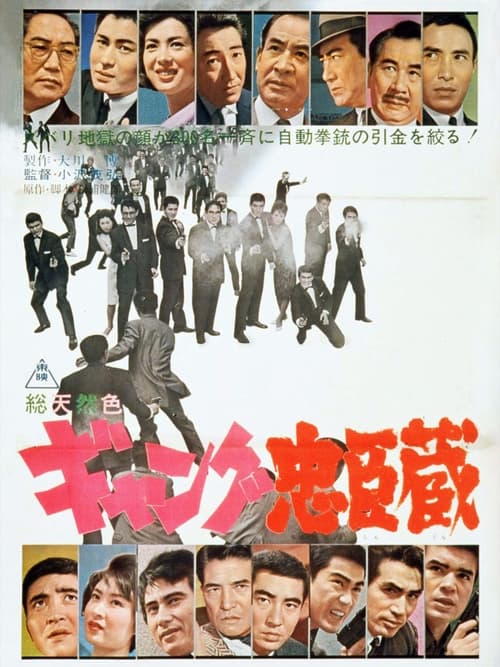
A modern gang version of Chushingura, chronicling almost scene for scene the Brave 47 Ronin story, transposed from the Genroku Period to the Showa Era.

A juvenile delinquent gets out of the pen and immediately embarks on a rampage of untethered anger, most of it directed at the girlfriend of the journalist who helped send him up.

A gang lord hires Kamimura, a hit man, to take out a rival boss who's gotten greedy.

Grown up son arrives home to learn his father, the newly elected mayor, has been assassinated. So he journeys down a path to find the assassin and gets involved with two opposing yakuza gangs.
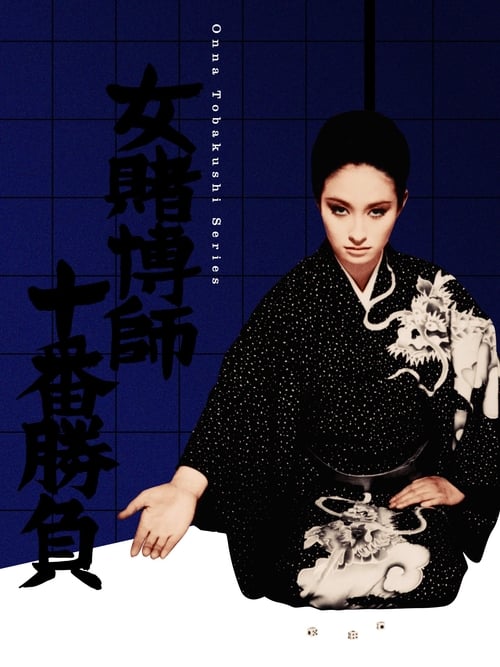
13th in the 17 film Daiei "Woman Gambler" series
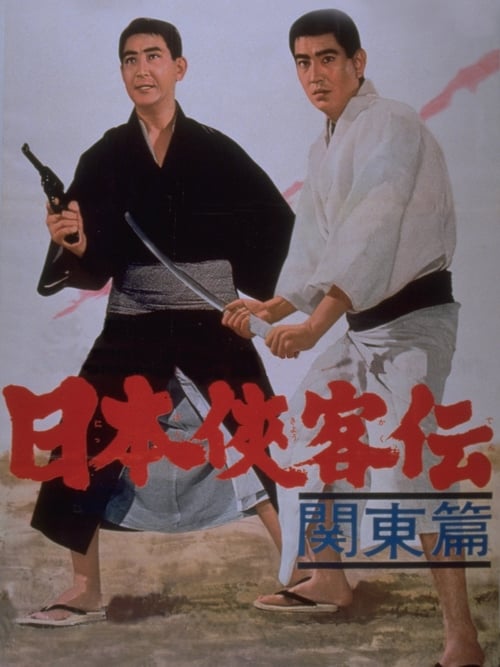
Third part of Nihon Kyokakuden series is set in Kanto in 1924. Ken Takakura playing a ship's mate befriending fish shop owners harassed by yakuza.
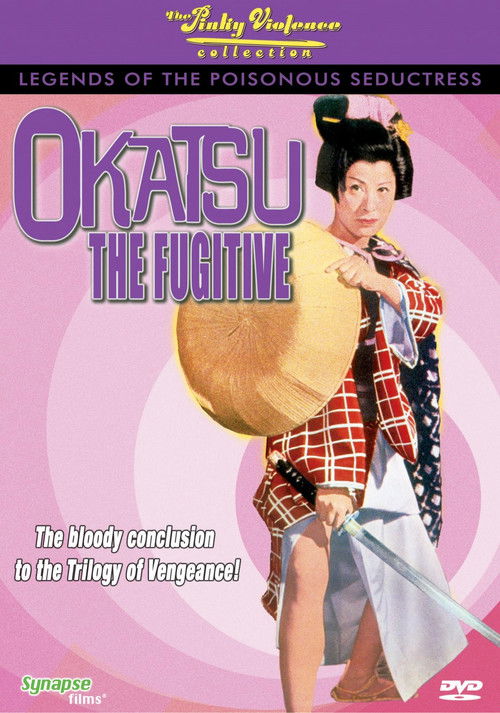
Okatsu the Fugitive is the third film in the "Ohyaku/Okatsu" series. Okatsu; a "tomboy" who is good with a sword. Her father has found her a man to marry and actually she doesn't seem too upset about the situation. At the same time, a bunch of farmers are being slaughtered by a corrupt group running a tobacco smuggling ring. They're being investigated by a man who is documenting their crimes and when they find out about it, they torture him for information but get none. It's not long before he and Okatsu's mother wind up dead and she sets out for revenge.
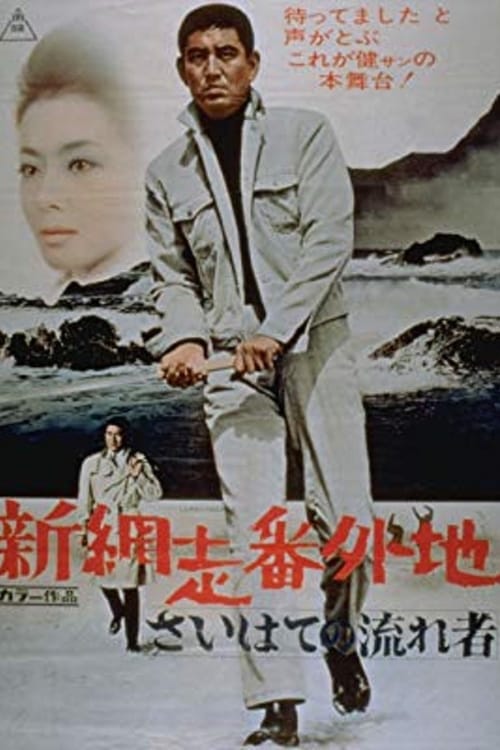
Katsuji takes revenge on evil Tamaru who forcefully took control of the fishery business run by Katsuji’s friend.
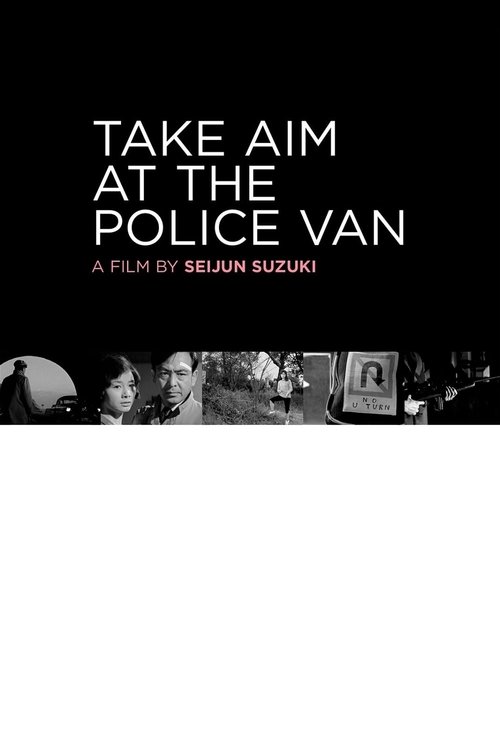
A sniper kills two prisoners in a police van, and the driver sets out to find the killer.