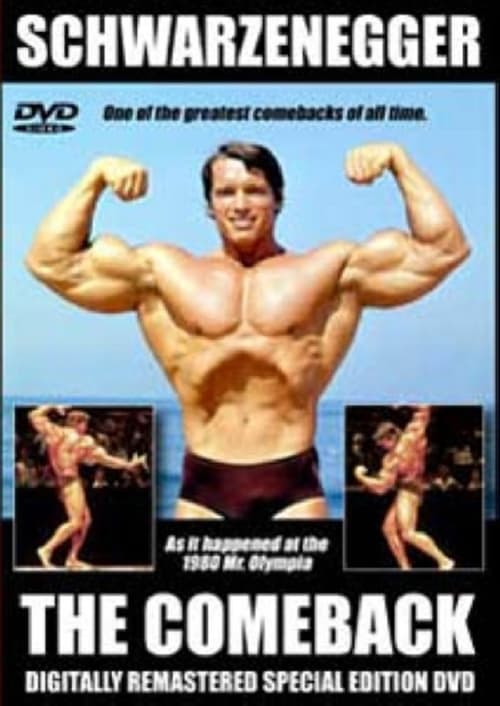
After an absence of five years, six times Mr Olympia winner Arnold Schwarzenegger makes a comeback and attempts to take the World Body Building Championship for the 7th time.
The Comeback
6.0 1980
135 Matches Found
After an absence of five years, six times Mr Olympia winner Arnold Schwarzenegger makes a comeback and attempts to take the World Body Building Championship for the 7th time.

A look at the work of volunteer firemen fighting bushfires in the Blue Mountains at the height of the fire season in 1980.

Peter Watkins' global look at the impact of military use of nuclear technology and people's perception of it, as well as a meditation on the inherent bias of the media, and documentaries themselves.
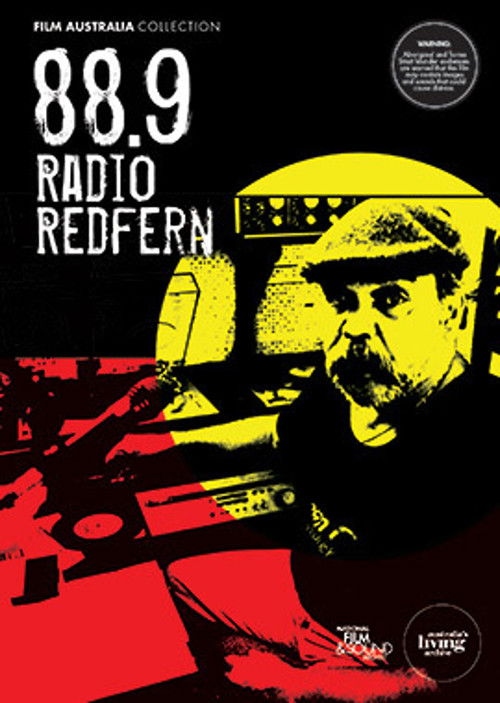
An observational documentary which looks at Sydney’s first community Aboriginal radio station, 88.9 Radio Redfern. Set against a backdrop of contemporary Aboriginal music, 88.9 Radio Redfern offers a special and rare exploration of the people, attitudes and philosophies behind the lead up to a different type of celebration of Australia’s Bicentennial Year. Throughout 1988, 88.9 Radio Redfern became an important focal point for communication and solidarity within the Aboriginal community. The film reveals how urban blacks are adapting social structures such as the mass media to serve their needs.

Admired as one of the best lyricists of pop rock, Bob Dylan has his name recorded in music history. During his four decades career, he has been through many facets: from acoustic to electric guitar; from politicized to religious lyrics; from minimalist to very highly sophisticated arrangements. And his characteristic voice, for some, hoarse and full of style, for others a little out of tune, still influences many musicians. In this presentation filmed at the Sydney Entertainment Centre in Australia over February 24-25 1986, Dylan is accompanied by Tom Petty and the band The Heartbreakers, as well as a very fine selection of new compositions. To close the spectacle, Bob Dylan and Tom Petty perform a vocal duet in "Knockin' on heaven's door", one of the most famous songs of this compositor.
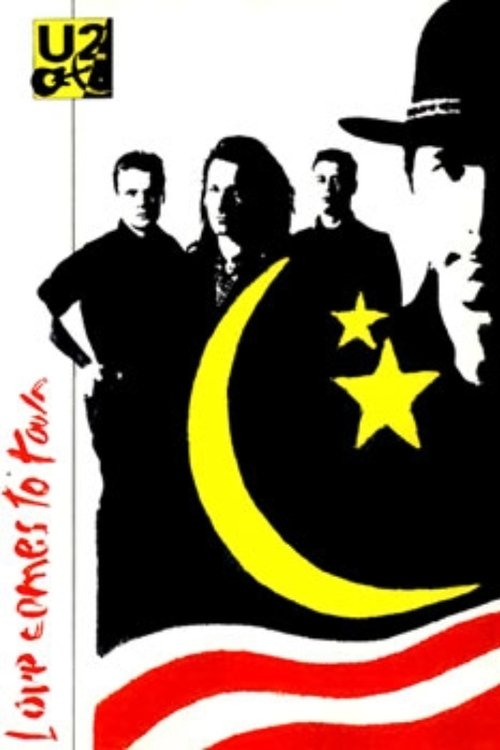
Documentary of U2's 1989 tour of Australia.
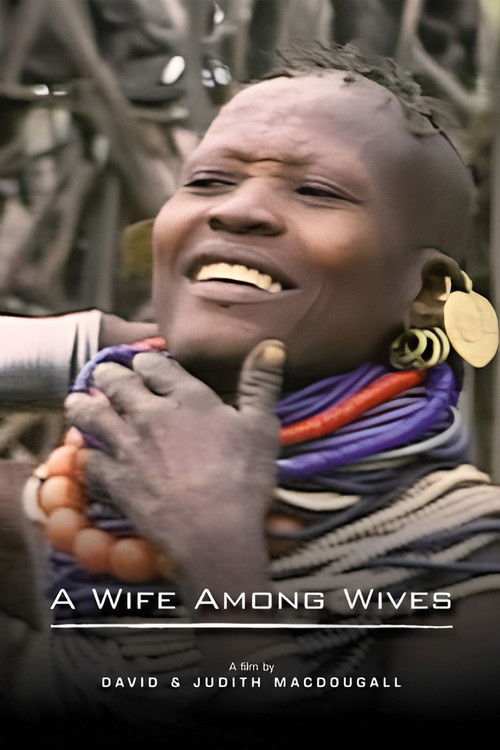
David and Judith MacDougall are exploring the marriage rituals and roles of Turkana women in this ethnographic documentary. The film's biggest part is taken up by talks between the Turkana people. As one of the first ethnographic documentaries "A Wife Among Wives" subtitles these talks so that the viewer can get a better and probably more personal understanding of the life of the Turkana.
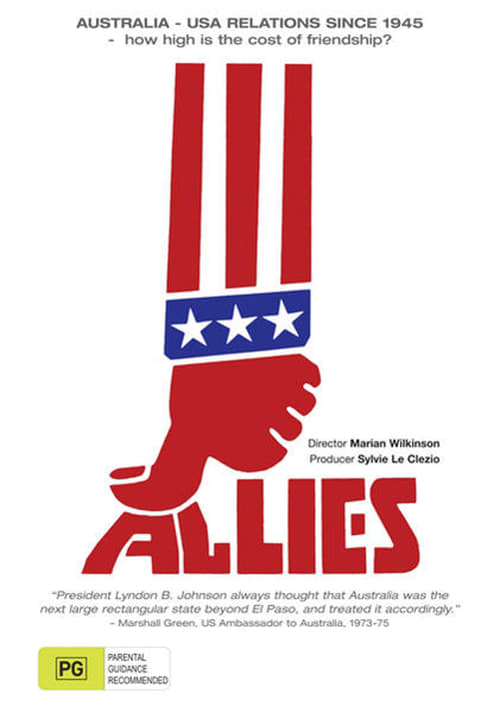
ALLIES is a landmark documentary from 1983, made at the time of Bob Hawke’s unequivocal embrace of the American alliance.
Armageddon explores centuries of predictions that seem to converge on a single message—the end of human history may be near. From Saint Malachy’s 12th-century vision foretelling every Pope, to Nostradamus’s chilling prophecies of war and the rise of three Antichrists, to Edgar Cayce’s uncanny insights into modern events, the film weaves together history’s most haunting forecasts. Alongside the miracles of Fatima and Garabandal and the biblical prophecies of both Old and New Testaments, these revelations form a powerful warning about the times we may now be entering.
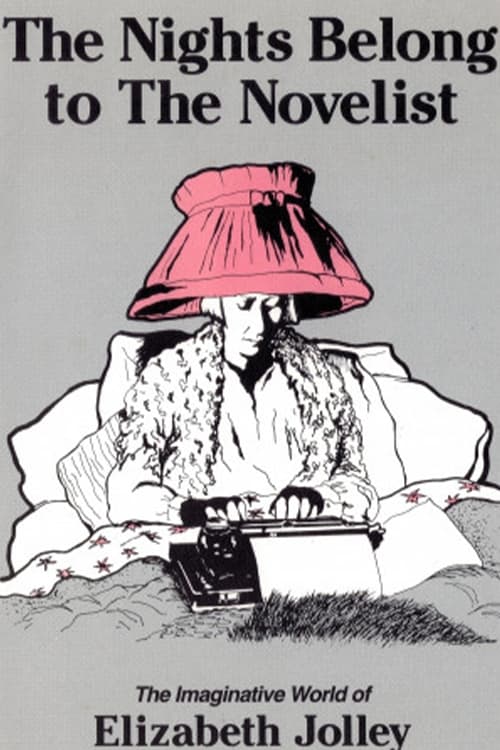
This documentary explores the imaginative world of Australian novelist Elizabeth Jolley. It combines readings, dramatised segments, and witty and playful interviews in which Jolley talks about the craft and practical problems of writing, and her fictional treatment of old age, women's relationships, exile and displacement. Dramatic sequences bring to life Jolley's unforgettable characters. We see the funny, sad and bizarre worlds created in 'Woman in lampshade', 'Milk and Honey', 'Miss Peabody's Inheritance', 'Mr Scobies' Riddle' and 'Palamino'.
A documentary foray into the world of the unattached which takes a look at the best and worst of the singles lifestyle.
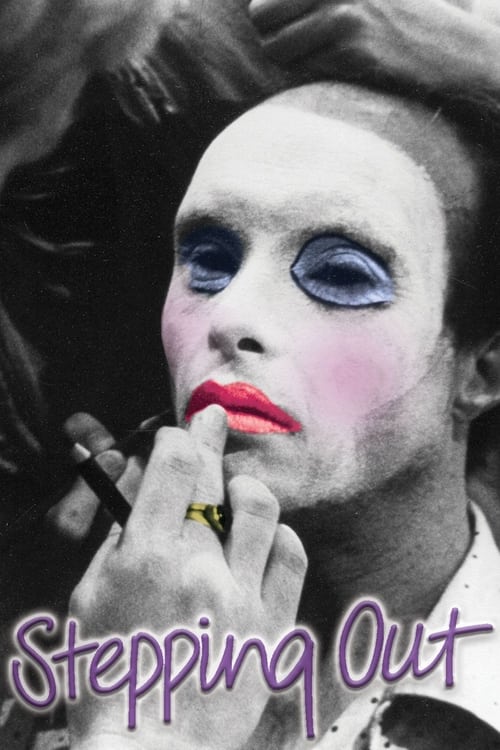
One of the most honoured and distinguished documentaries in Australian film history. Stepping Out draws attention to the talents of people with intellectual disabilities. The group went on to perform at the Sydney Opera House.
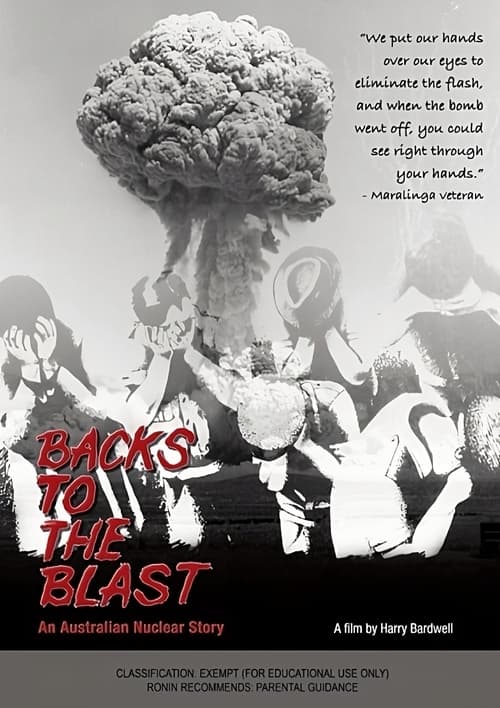
A document of Australia's nuclear industrial history, from uranium mining and its toxic legacy to the nuclear weapons tests conducted at Maralinga in South Australia.
Teno looks at a widespread workplace illness, tenosynovitis - a crippling and often misunderstood disease. The nature of modern work practices can inadvertently lead to the illness, which mostly strikes women, since they predominately work in jobs requiring repetitious activity. This is especially evident among migrant workers. The program also considers the responsibility of both employers and employees.

A documentary detailing the spread of Hawaiian sugar-cane toads through Australia in a botched effort to introduce them as counter pests.
As much a parody of the typical BBC documentary style as an extravagant curtsy to Dame Edna Everage, Housewife Superstar. The Dame is known mostly through her special broadcast in 1983; in Britain s/he is a household name. This 1984 birthday tribute is a deeply probing investigative profile of one of the world's spookiest celebrities.
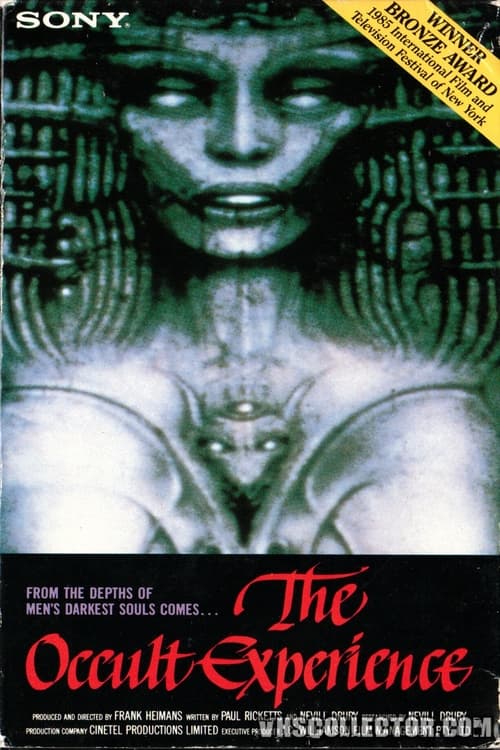
An examination of occultism as practiced in different parts of the world.

Mt. Kilimanjaro – it’s here that World Hang Gliding Champions Bill Moyes and his son Steve defy freezing temperatures and lack of oxygen to break the World Descent Record by flying their hang gliders from the 3 mile-high peak.
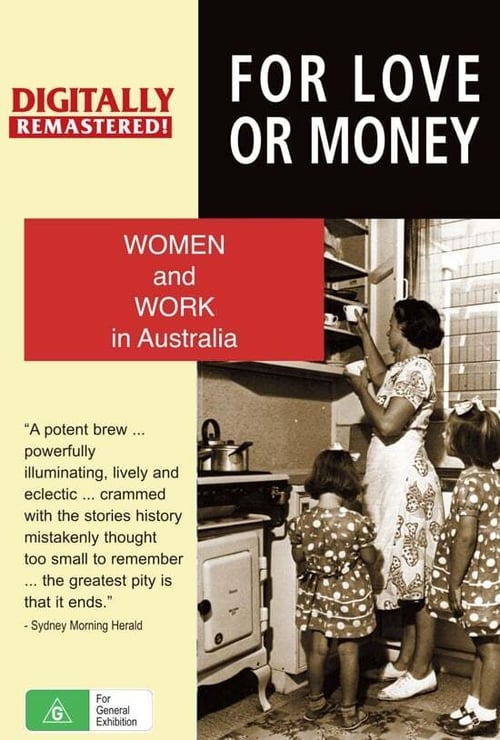
Using almost totally historical material, For Love or Money encompasses the role of Australian women in both paid and unpaid work, over a 200 year period.
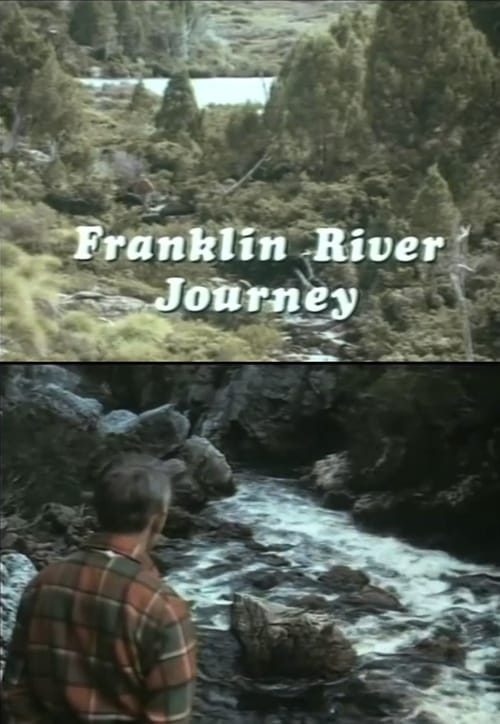
Follows amateur botanist Antonius Moscal's raft journey down the Franklin River (Tasmania, Australia).
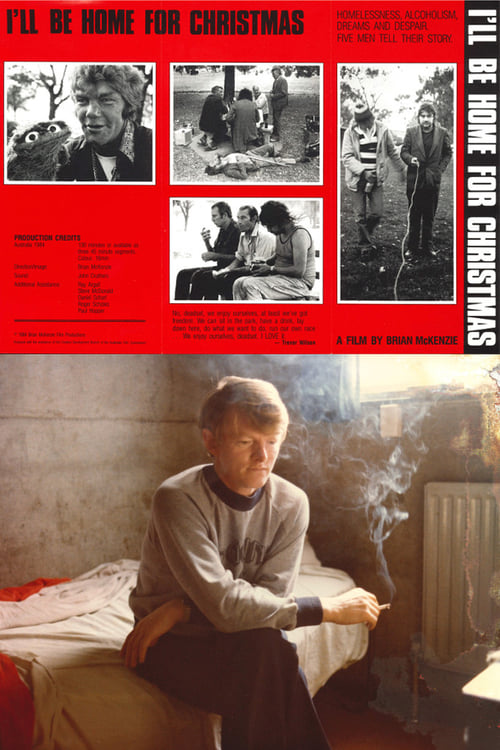
I'll be Home for Christmas cuts through social taboos to explore the subculture of people commonly dismissed as ‘derelicts'. In its portrayal of five homeless men, the film challenges conventional views of alcoholism and homelessness by depicting these men as members of a social network with a highly developed sense of mutual concern and camaraderie.
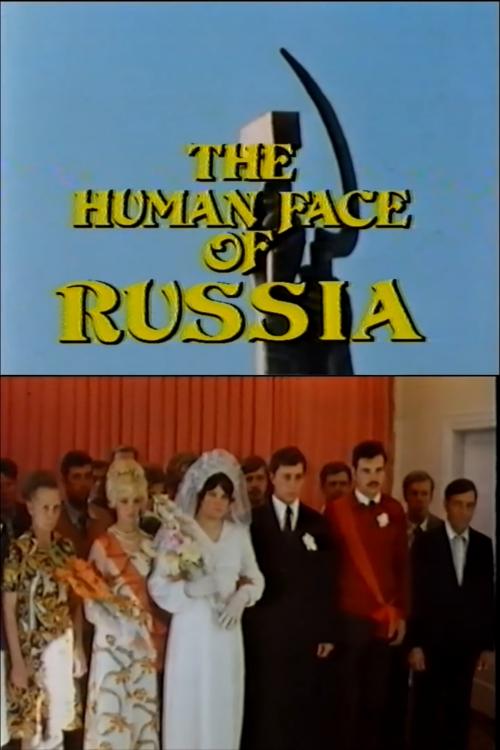
Documentary on the USSR
A documentary style drama depicting the life and times of one of Australia's greatest explorers. Matthew Flinders was the first man to circumnavigate the vast island continent known in the 18th century as New Holland. However few people are aware that he was also the first person to formally name it Australia.
Reveals how Australia's first people are still suffering from social oppression, with many living on reservations where alcoholism is rampant and unemployment the major occupation. Aboriginal land rights are a central theme: Miller clearly demonstrates the contrast between the attitudes of European Australians, who see the land only as a resource to be mined, farmed, grazed and built upon, and Aboriginal Australians, who regard the land as sacred. Archival footage compares the original lifestyle of Aboriginal Australians to their current pitiful condition, and shows how European settlers attempted to "civilise" mixed blood children by taking them away from their parents and enrolling them in boarding schools.
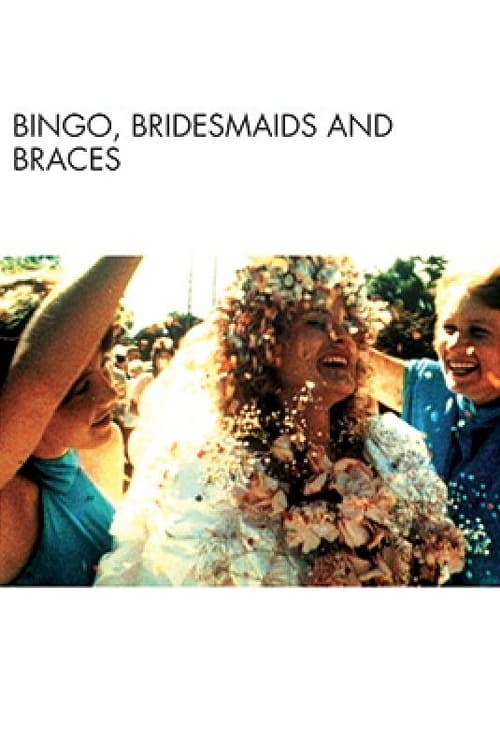
The third film in a documentary series from acclaimed director Gillian Armstrong, about the lives of three working class women. as they grow up from the age of 14. They're now at the ripe old age of 26, and we witness the women confronting the very real issues of teenage pregnancy, and love versus sex, marriage and career.
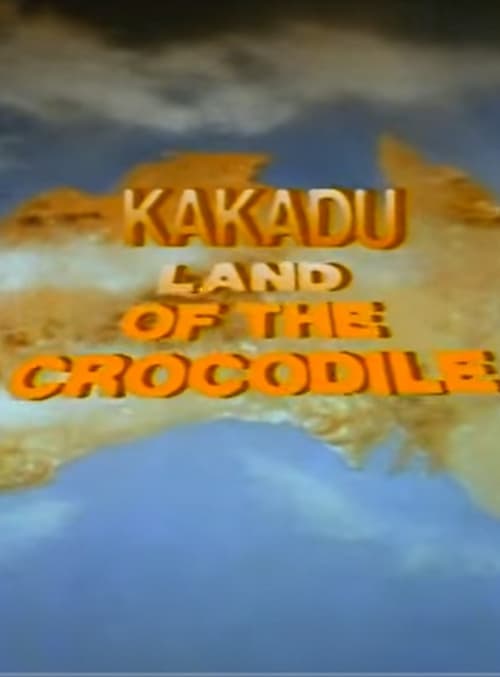
Val Plumwood, environmental philosopher returns to Kakadu, where she was the victim of a crocodile attack. Against the backdrop of the steamy, intensely beautiful Kakadu National Park, she shares her thoughts on wilderness and wildlife.
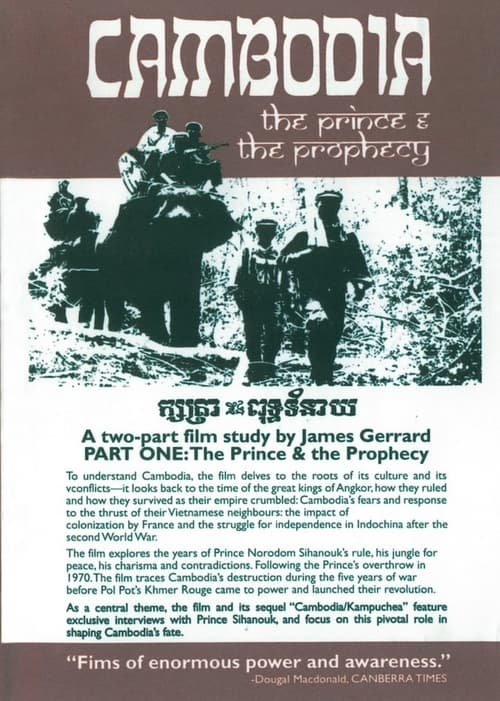
CAMBODIA: THE PRINCE AND THE PROPHECY explores the years of Prince Norodom Sihanouk’s rule, his juggling for peace, his charisma and contradictions. Following the Prince’s overthrow in 1970, the film traces Cambodia’s destruction during the five years of war before Pol Pot’s Khmer Rouge came to power and launched their revolution… As a central theme, the film and its sequel CAMBODIA/KAMPUCHEA feature exclusive interviews with Prince Sihanouk, and focus on his pivotal role in shaping Cambodia’s fate.
Visual observation of psychic phenomena including psychic surgery, prior life regressions, skin vision, metal bending, and tongue skewing.
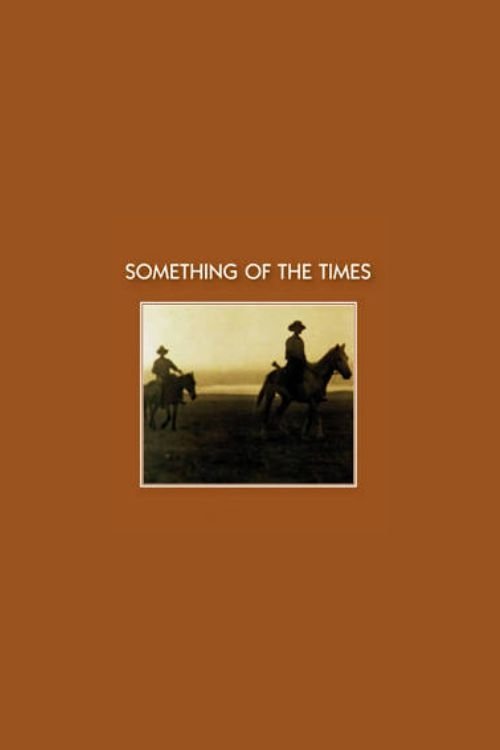
Archival photographs help reconstruct the life of white buffalo hunters, and the Aboriginal labour that supported them, in the remote wetlands of the NT in the 1930s. Former hunter Tom Cole visits hunting camps and discusses the trade.
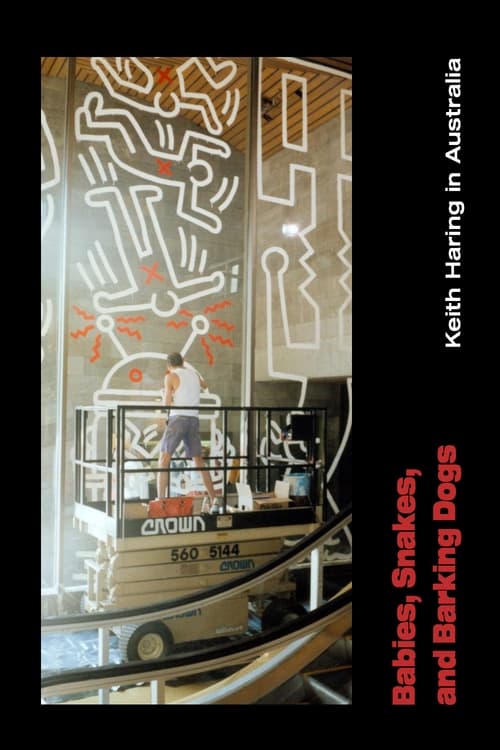
Rare documentary chronicling Keith Haring's visit to Australia in 1984, including working and painting at the National Gallery of Victoria and the New South Wales Art Gallery.
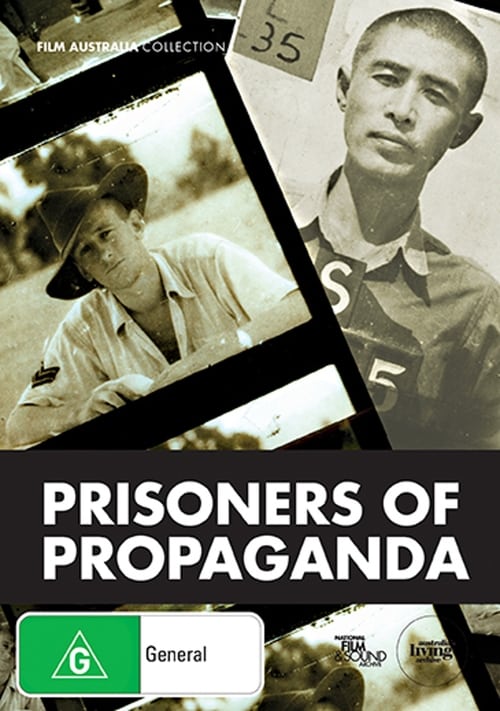
In 1943, the Imperial Japanese Secret Service made a film called Calling Australia! to show the "exemplary conditions" under which prisoners of war were kept, and to "soften up" the Australian public for the anticipated occupation of their country by Japanese forces. Prisoners of Propaganda tells why the film was made, and how it came to be forgotten.
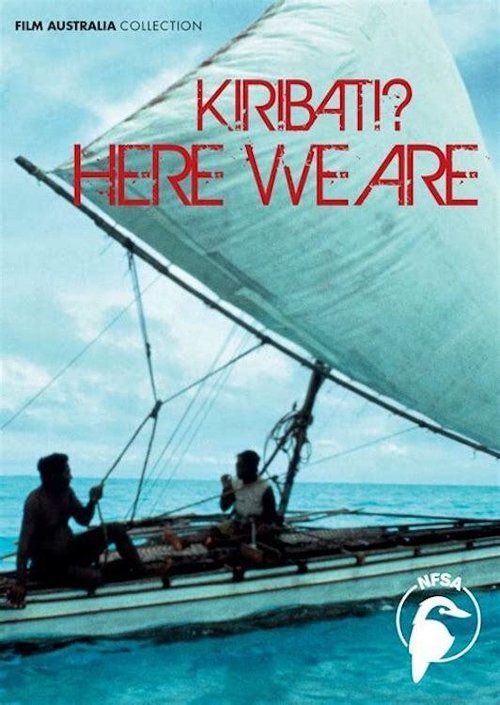
On 12 July 1979 the Gilbert Islands in the central Pacific became independent from British rule. The country then became known as Kiribati. This film shows the lifestyle of the people of these 33 islands, their history and culture, the natural resources and the effects of colonialism, World War Two, nuclear testing and foreign industry. It also records the celebrations that took place at this important moment in the country's history and looks to the nation's future.
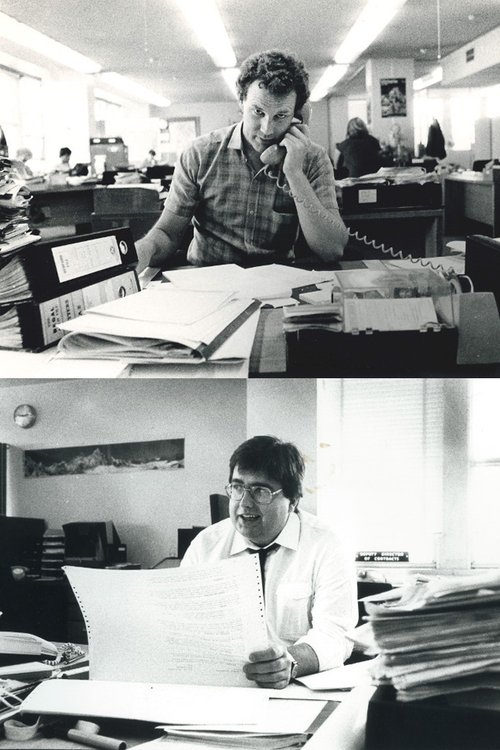
Work is becoming more service oriented and more and more services rely upon us doing harm to each other. In most people's lives, work operates as a degrading and debilitating force. It disables people's critical and perception capacities. Unless workers assume responsibility for evaluating the meaning and implications of the work they do, there will never be the capacity to redirect the modern work institutions from their courses of violence and exploitation. Built in seven parts which correspond to each day of the week, this film studies the relationship between work being done and the nature of the people that are doing it.
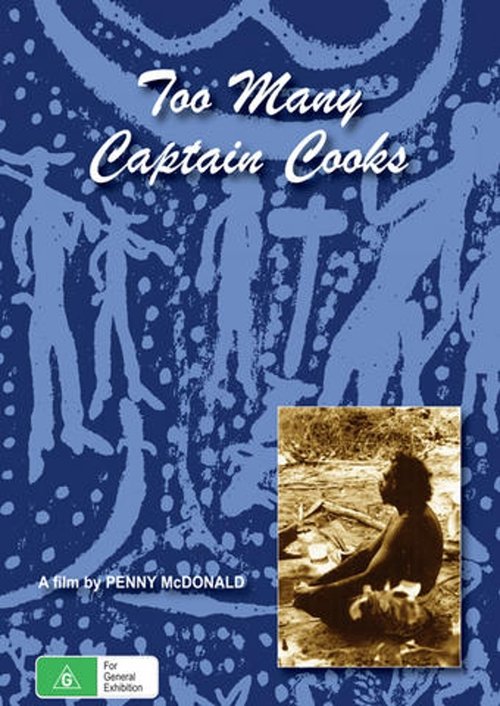
For both Aboriginal and non-Aboriginal Australians, Captain James Cook is a figure of great historical significance.
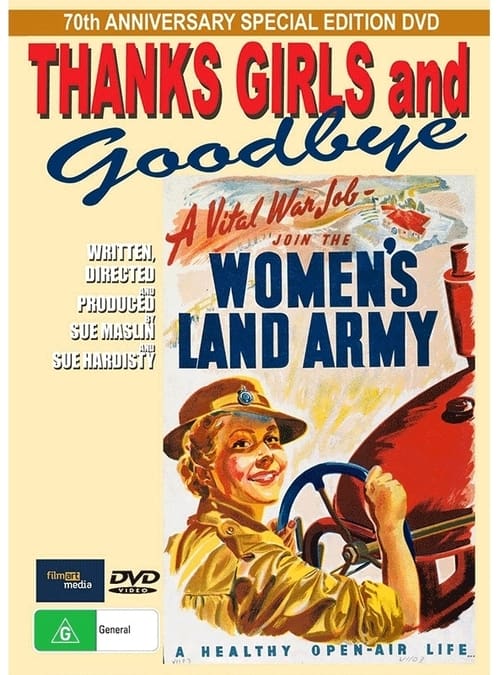
Documentary using archival footage, newsreels and contemporary interviews with women of the WW2 Australian Women's Land Army.
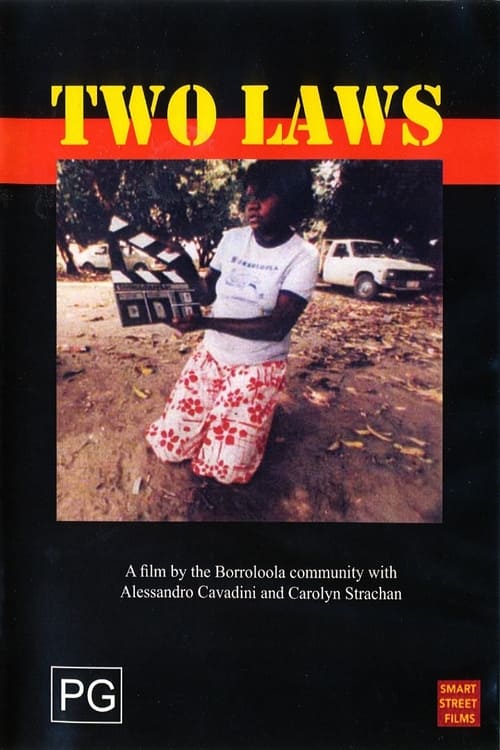
White people don't understand that there are two laws - white people have different laws from Aboriginal people. TWO LAWS is a film about history, law and life in the community of Borroloola in far North Queensland. The films offers viewers a remarkable and different way of seeing and hearing. Like the film, BACKROADS, it is one of the few productions at that time in which Aboriginal people had creative input. The impetus for TWO LAWS came from the community themselves. There was substantial collaboration with the film makers before and during the shooting period. It is one of the most outstanding films to be made during the 1980s. It is an historical analysis of what, nearly forty years later, is an increasingly contemporary question. Two Laws.
During the height of the Cold War, the Waterside Workers' Federation Film Unit produced eleven (11) films for several trade unions on political and industrial issues. Independent film-makers worked with them to develop critical dialogue from one generation of concerned film-makers onto another. FILM-WORK looks at sequences from 4 of these films and interviews some of their makers, raising a diversity of issues pertinent to current debates in film, history and politics. The 4 films that are looked at are PENSIONS FOR VETERANS (1953, NSW Branch, WWF), THE HUNGRY MILES (1954, WWF), NOVEMBER VICTORY (1955, WWF), and HEWERS OF COAL (1953, Miners Federation). PENSIONS FOR VETERANS covers the issue of the need for pensions to be given to workers who have worked on the waterfront all their life. THE HUNGRY MILES shows the strength of the workers, the union and its democracy. HEWERS OF COAL is about the coal miners and their struggle to get better working conditions and pensions.
Short experimental documentary about legendary post-punk venue Crystal Ballroom, St Kilda.
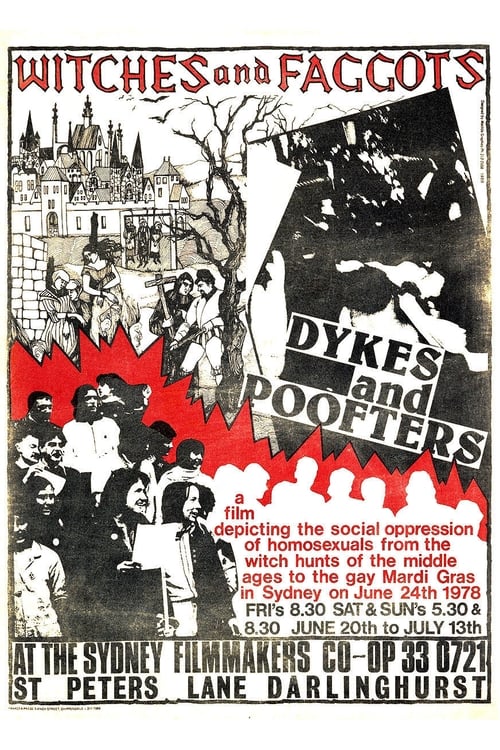
In 1978 the police attacked demonstrators at the Sydney (Australia) Mardi Gras celebrations. This film details the communities' responses.
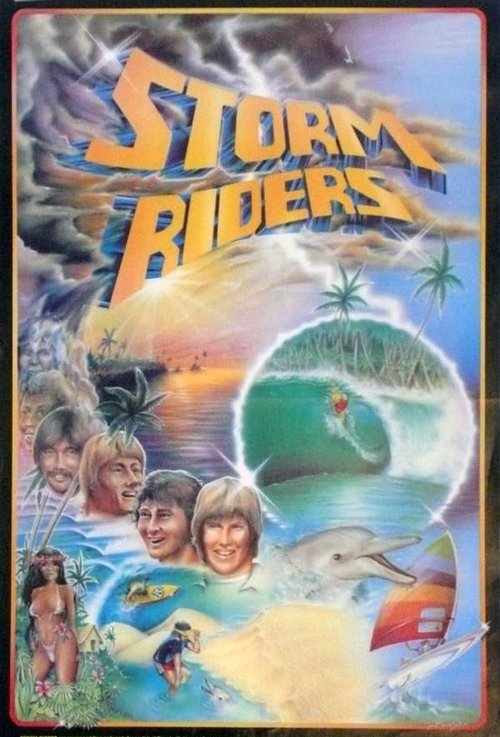
Feature length surf film described as one of the slickest and most professional ever made featuring the worlds top surfers Mark Richards, Gerry Lopez, Simon Anderson plus Wayne Lynch and many more. The film featured a rocking soundtrack with music by The Doors, Australian Crawl, Split Enz, The Church, Sunnyboys and many more. Special features on this DVD include the cult short surf film KONG's ISLAND.
In April 1978, almost 200 Greek immigrants are arrested on the spurious charge of attempting to defraud Australia's Department of Social Security.
In 1978 the revolutionary Sandinista movement came to government after 43 years of organised resistance and the death of 50,000 Nicaraguans. This film follows charismatic guerilla leader Tomas Borge opposing CIA attempts to overthrow the Sandinistas.
Philippines my Philippines (1989) is a feature length documentary about the situation in the Philippines two years after the notionally democratic Cory Aquino replaced the dictator Ferdinand Marcos in the ‘People Power’ revolution of 1986. Touching on the influence and interests of the United States and Australia, it examines the social context and dimensions of the violent conflict between government and big business on one hand and the rural and urban poor (led by the Communist Party of the Philippines and its New People Army) on the other.
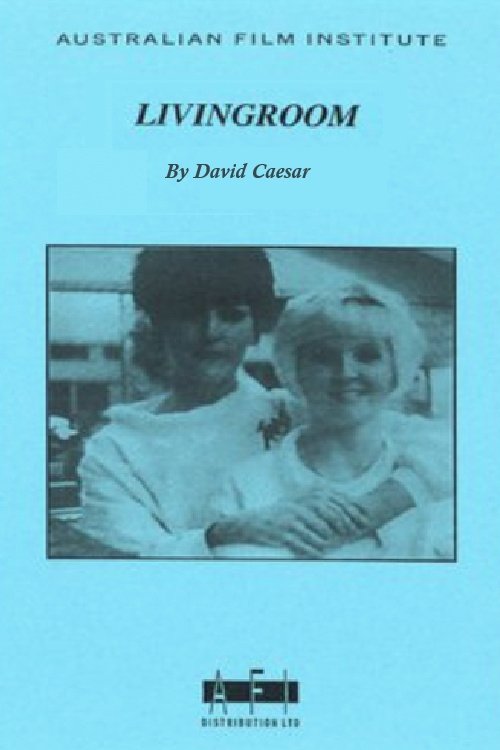
This beautiful, unsettling experimental documentary is a meditation on Australian suburbia and notions of home.
In 1978, Genni Batterham contracted Multiple Sclerosis. The battle with this debilitating illness changed the course of Genni’s life and that of her husband, Kim - both individually and as a partnership. This documentary is about Genni’s disability and how she and her husband confronted Multiple Sclerosis and the issues surrounding it.
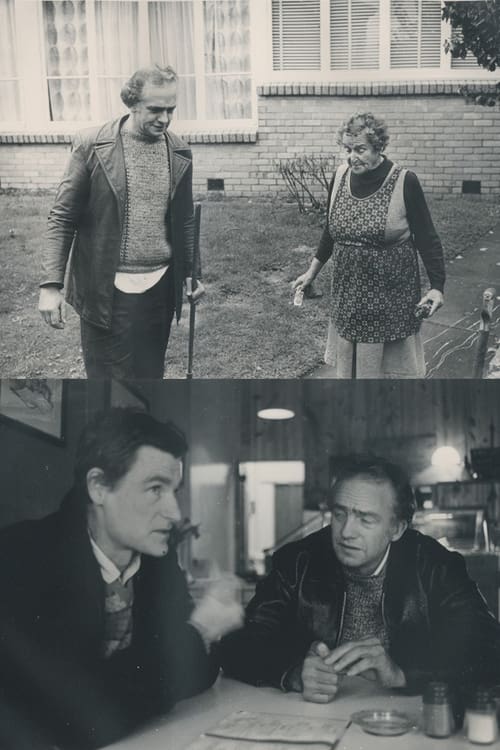
A closely observed portrait of a single man in his 40's who lives in St. Kilda. Although he has none of the trappings of conventional existence, Kelvin's obsessive interest in born again Christianity, physical culture and recent German/Jewish history has given him a way of making sense of the world and led him to a number of people, friends through whom we see something of his life and beliefs.
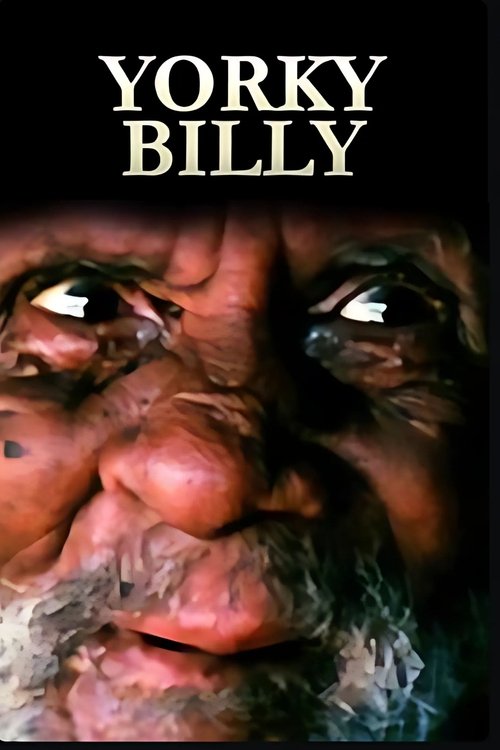
YORKY BILLY is set in Ngurgdu (Spring Peak) in the Northern Territory, an area irrevocably disturbed by uranium mining. There, 80-year-old William Alderson (known as "Yorky Billy") reflects on his life in the outback. Yorky's mother was an Aboriginal woman who died when he was three, and his father was an Englishman who spent 45 years in Australia and "tried everything" as a prospector, railwayman, drover and buffalo hunter, often with his young son working with him. After the WWII, Yorky married an Aboriginal woman and worked in various jobs. He and his wife had a large family, and in 1977, Yorky Billy recorded his story and died soon thereafter, and was buried near his father at Ngurgdu. Filmed simply with minimal editing, this is a poignant, elegiac reflection on a disappearing way of life, capturing Yorky's slow and quiet rhythm of speech, his wry humour, and with his weather-beaten face only just emerging from the deep shadows inside his corrugated iron shack.
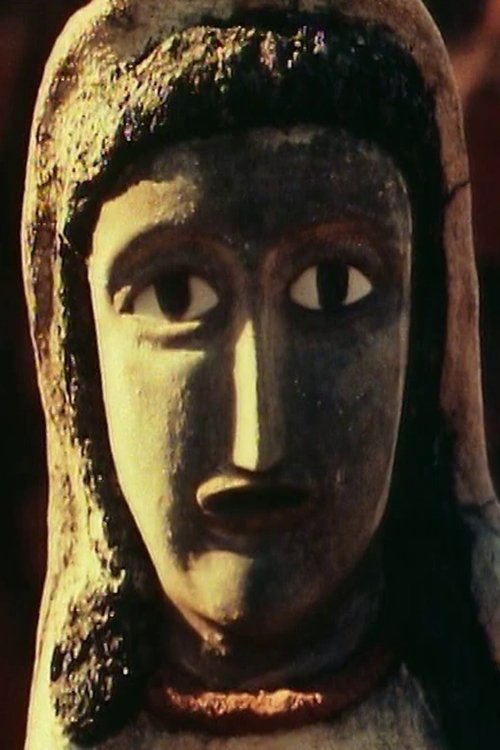
A documentary shot in India about the artist Nek Chand who built an extraordinary garden using rock and waste material
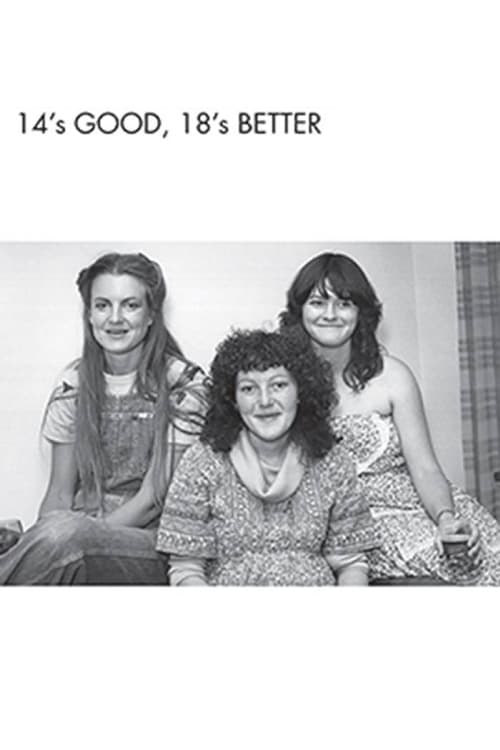
Profile on three young Adelaide women. Diana, Kerry and Josie are now 18 years old, and continue to have open and frank discussions about their lives.
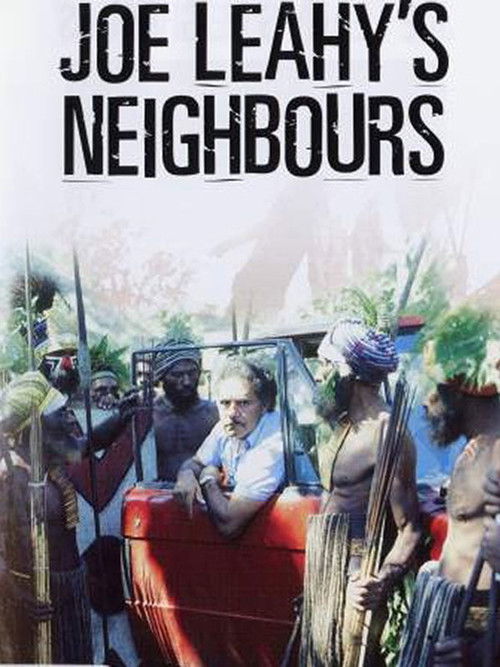
Joe Leahy and his complicated relationship with the Guniga people in the Papua New Guinea highlands.
Helena Rubinstein is rightly seen as one of the pioneers of a market worth millions - the female beauty market. Born in Krakow, Rubinstein started her career in the early years of the twentieth century in Australia, from where she quickly went on to conquer Europe and the United States. What began with twelve jars of her mother's beauty cream was to develop into a company with 100 branches in 14 countries and a workforce of 30,000 employees.
One thousand power workers went on strike against the South East Queensland Electrical Board (SEQEB)in February 1985 in protest against the introduction of contract worker hire. This documentary details the industrial relations dispute between the ensuing Joh Bjelke Peterson coalition government and the Electrical Trades Union in Queensland, Australia during 1985.
A film about being young in Australia, shot at Parramatta Shoppingtown.
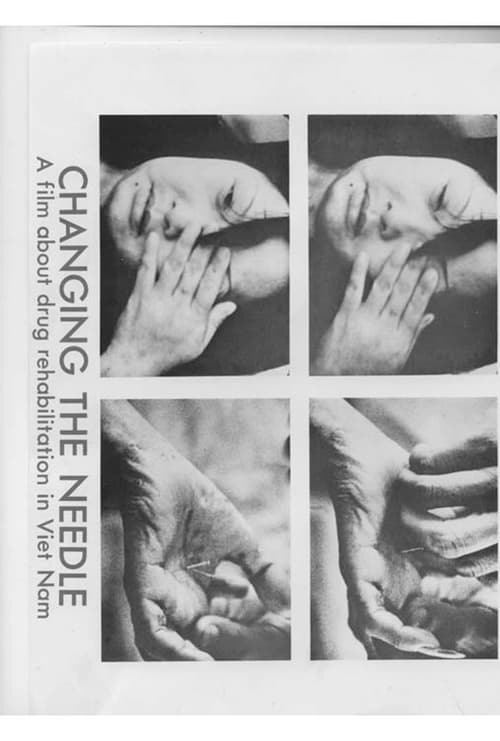
A quarter of a million drug addicts —one of the most serious consequences of the Vietnam War. These addicts were the citizens of the South, and of Ho Chi Minh City, the former Saigon. Shot in 1981 by three Australian women, Changing the Needle was the first in-depth film to be made about Vietnam’s unique approach to drug rehabilitation at a time when few foreign film crews had access to Vietnam at all.
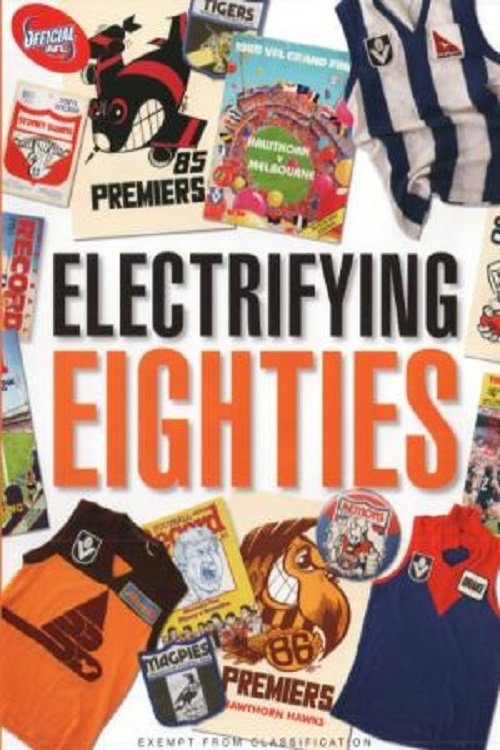
It's not until you actually sit down and relive those great ELECTRIFYING '80s year by year that the myriad of memories come flooding back. Trying to work out which was the greatest highlight of the decade is the hardest part, but they're all here. The great Grand Finals, the marks of the decade, the bone jarring stoushes and the Brownlow Medals - one by one, year by year, they're all here, making up the ELECTRIFYING '80s.
Examines how the political and economic struggle in Central America is expressed through the vibrant and passionate music of the people south of the border, from Mexico to Managua.