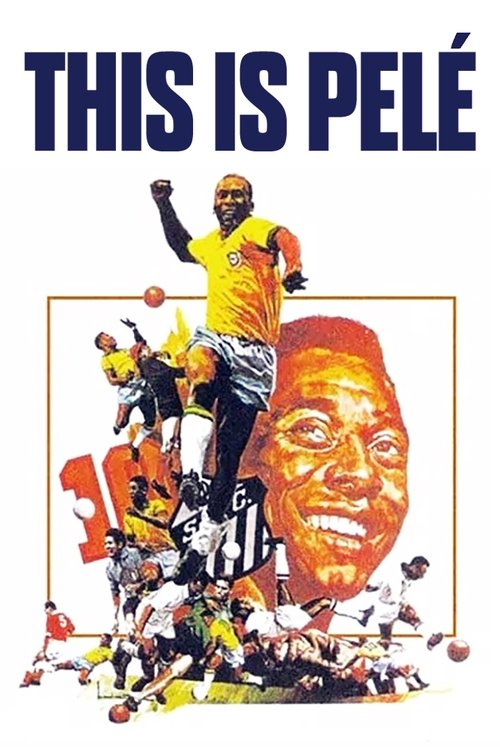
This Is Pelé
0.0 1974
446 Matches Found

Brazilian documentary film directed by Salvyano Cavalcanti de Paiva that showcases the evolution of Brazilian artists in the American film industry between the late 1920s and 1950s. Using archive footage, it highlights the contributions of figures like Carmen Miranda.

In the words of the director, a movie about 'the colonizers in the view of the colonized', the movie presents a series of disconnected happenings throughout Europe and Brazil emphasizing the perception of human life as trance-like experiences and thus offering a view of the human history as a connection of symbolic behavior.
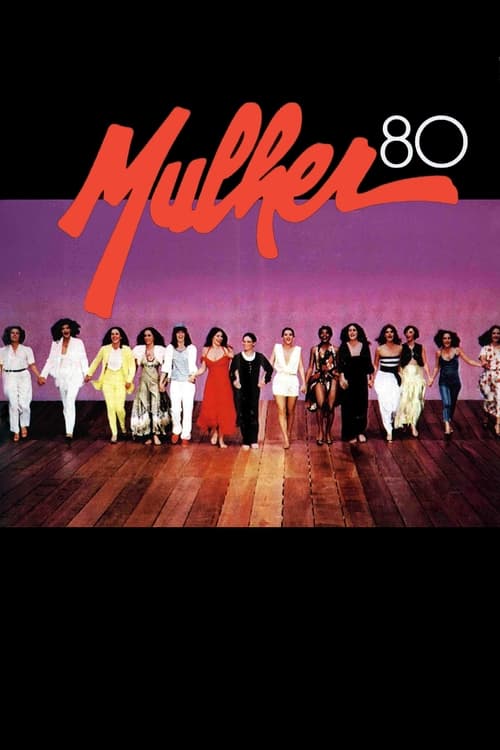
Mulher 80 emerged as a result of the success of 'Malu Mulher' (1979), a miniseries starring Regina Duarte, which addressed the female situation in Brazilian society at that time. The main focus of the special was the female presence in music, honouring the singers and songwriters of MPB with musical numbers and testimonials.
A look at Brás, one of São Paulo's main Italian districts from its start until the 70s.


The importance of the Cannes Film Festival in world terms and what it represented for Brazil in 1971. For Brazilian cinema, Cannes 71 represented the transition from film to industrialized production. It is the meeting of producers, technicians, critics , celebrities in general, offering opportunities for greater knowledge and renewal of values
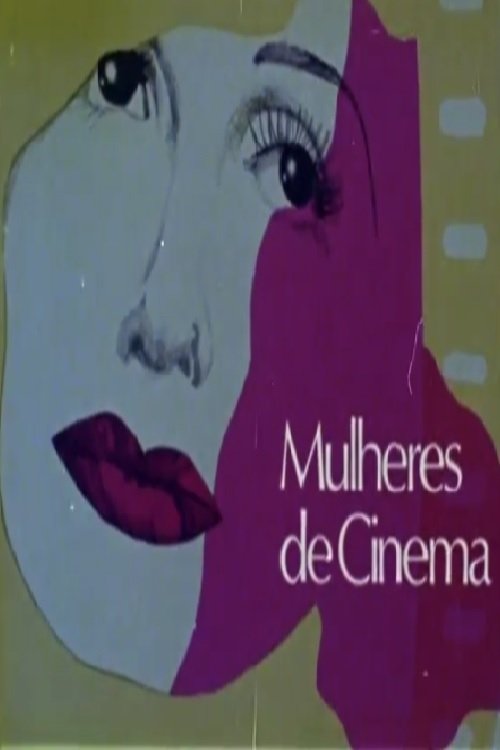
Documentary on famous Brazilian actresses, female directors and the role of women in Brazilian film history.
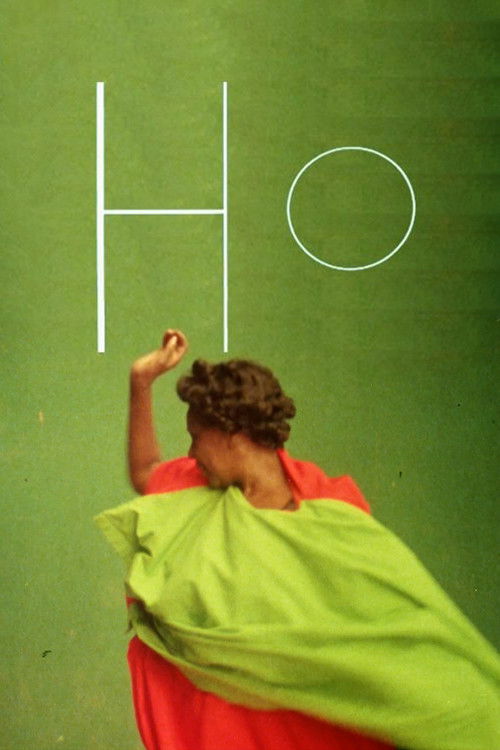
An experimental film on Brazilian avant-garde artist Hélio Oiticica and his works, especially the Parangolés.
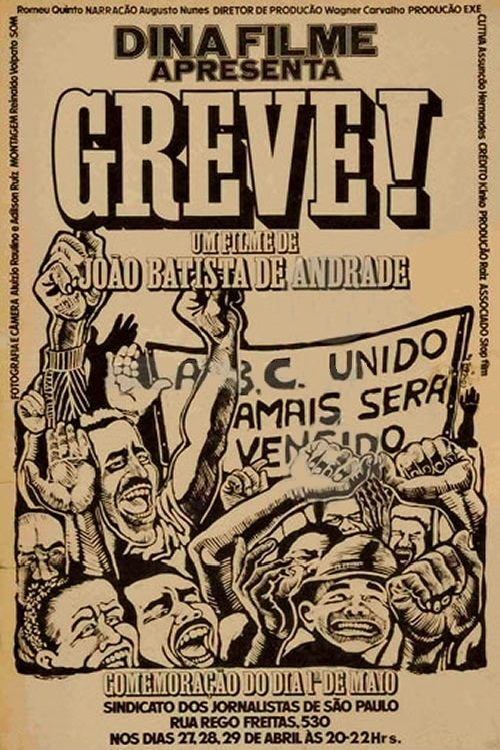
A documentary about the 1979 workers strike.

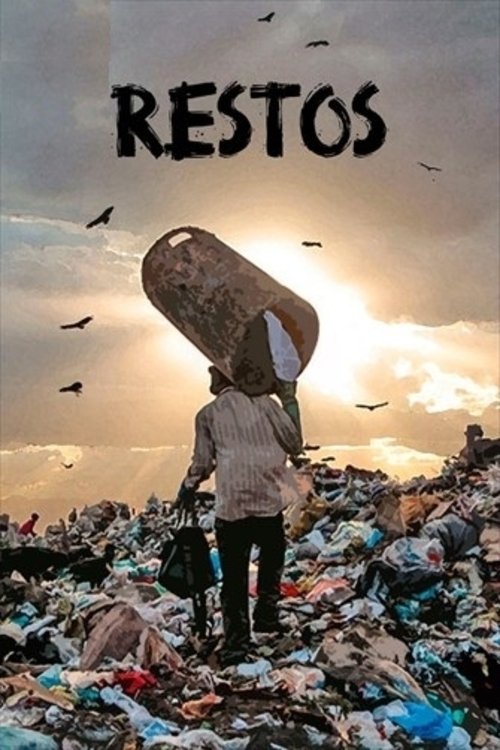
Inspired by the testimony of an American technician who, examining the São Paulo dump, stated: "Sao Paulo rubbish is the richest in the world." The film shows the misery of those who live on this garbage and the police repression on the scavengers.
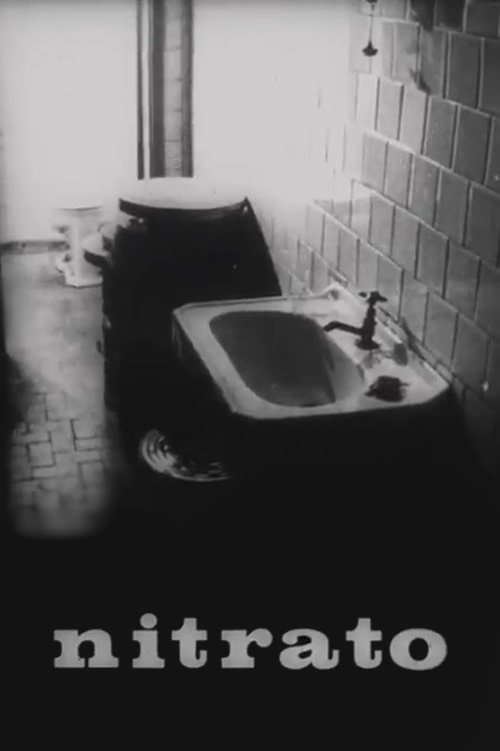
Nitrato expresses the ambiguities and contradictions of the Cinemateca Brasileira. The film deals with the richness of its collection, the recognition of international entities, and explores what its relationship to the general public was like. Nitrato also portrays the neglect with which the institution is treated, as seen in how precarious its building infrastructure is, how politicians neglected to communicate with the institution’s staff, and the aftermath of another fire in the building.
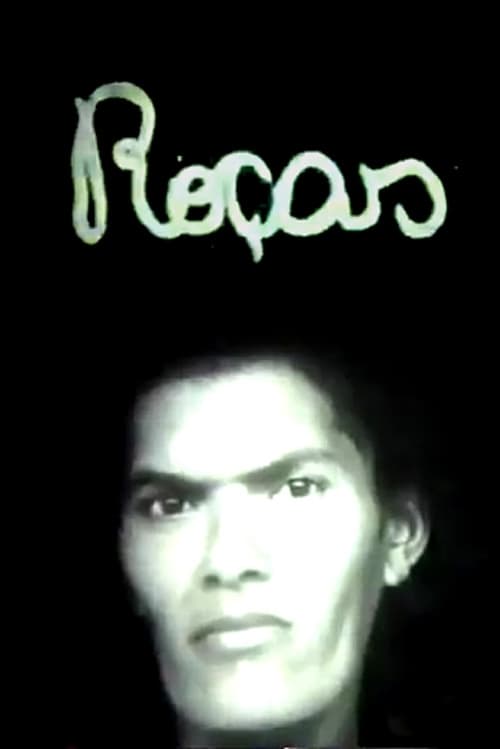

Documentary about the painter Ismael Nery, which intersperses daily street scenes with paintings by the artist, under the narration of his 1931 Post-Essencialista poem.
Starting from a starting point of a bus line, the film discusses the deficiencies of urban transport and the problems caused to workers. Interviews reveal a population on the periphery that was the hidden counterpoint to the economic miracle. In the big image of the film, the cameraman travels hanging on the bus, along with other passengers. This subjective image in the narrative places the viewer on the side of the population who daily risk themselves to go to work.
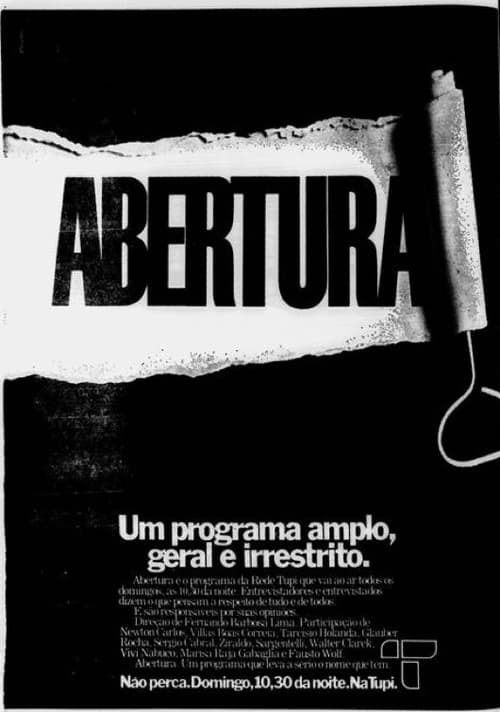
One of the most daring and radical shows presented in Brazilian television: "Abertura". It was broadcast between February and October, 1979, with weekly editions, presented by Brazilian filmmaker Glauber Rocha. The video is a compilation of characters, statements, and interviews about the political and cultural situation of the country during the final stages of the Military Dictatorship.
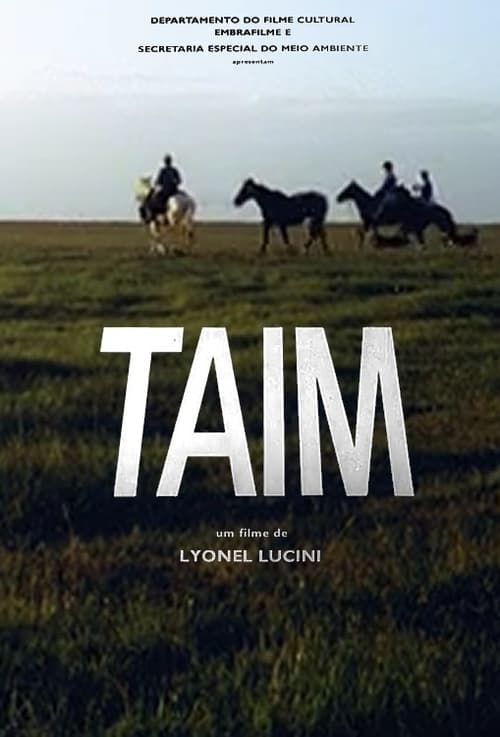
Ecology - the eco system, a nature reserve in the south of the country - RS (between the Mirim lagoons) shows the harmony between nature and animals.
A film portrait of Jose Mojica Marins.
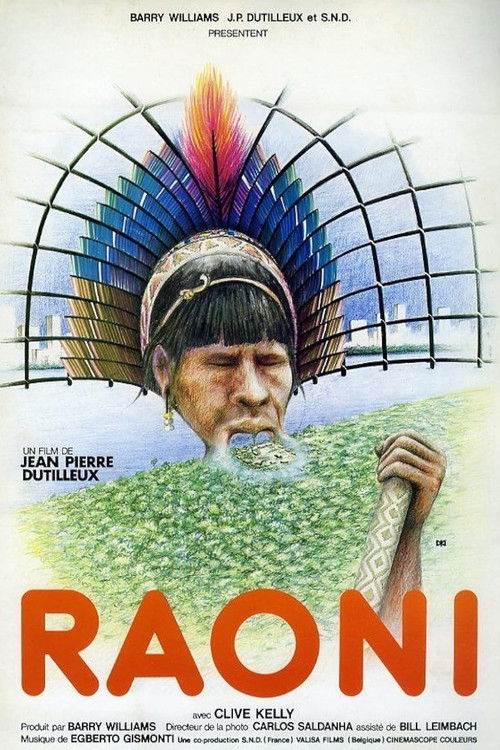
A documentary on the life of Raoni Metuktire. The film portrays issues surrounding the survival of the indigenous Indian tribes of north central Brazil.

Director João Batista de Andrade was filming a documentary about migrants coming from Northeast Brazil to São Paulo in search of a better living. His intention was to give voice to these underprivileged and homeless people. While preparing to interview a man who lived under a bridge, a passer-by interfered, starting an argument about the role of people from other states in the development of São Paulo and the rural problem in the Northeast.
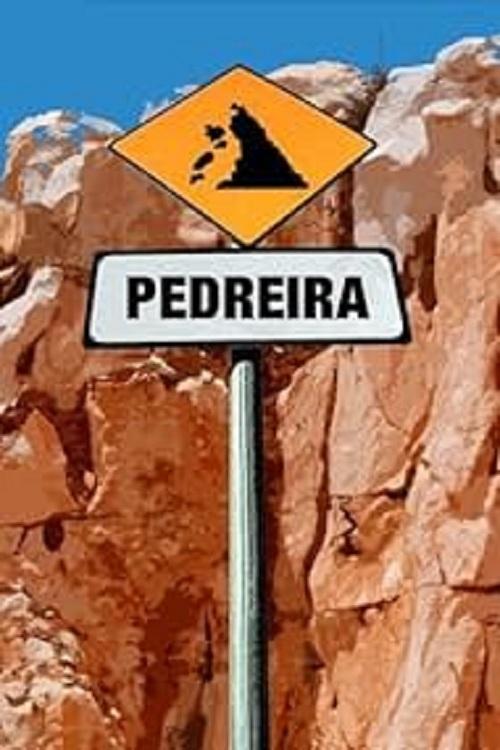
The film addresses the problem of occupational accidents in Brazil, based on the lack of safety in quarries where workers are constantly victimized by the explosions.
The disorderly growth of large urban centers in the country and the discussion about the development and existence of cultural spaces. Based on the example of the Teatro de Ópera in Campinas, a building that managed to consolidate construction and space for the existence of a square, theater and architecture are discussed, pointing out the future coexistence between men and cities. Using models, the film presents a new urban concept of the square, as a point of bringing people together for an encounter with cultural things, combining gardens, concert halls, compilation rooms and libraries. A theatrical rehearsal, held in an unfinished theater in Campinas / SP, designed by the architect Fábio Penteado.
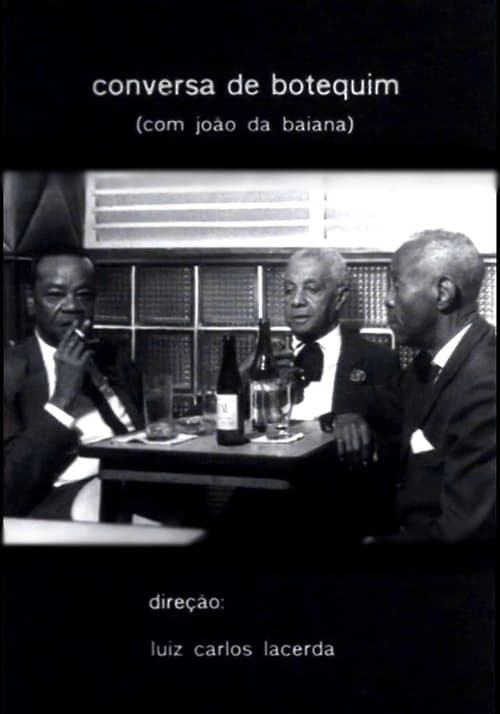
A film about the figure of João da Baiana, the Brazilian samba pioneer who, in an informal conversation, tells us the history of samba from the beginning. On the side of pioneers like Donga and Pixinguinha, he goes on to describe picturesque passages of his life alongside important figures like Pinheiro Machado, Santos Dumont and the beginnings of our popular music.

August 29, 1979, Talavera Bruce Penal Institute, Bangu, Rio de Janeiro. After serving eight years in prison, Inês Etienne Romeu, the only survivor of the "House of Death" in Petrópolis and the first political prisoner sentenced to life in prison in Brazil, left prison benefiting from Amnesty. Norma Bengell filmed this moment: from the prison door to her home with her family, Inês was welcomed by family, friends and members of the Brazilian Amnesty Committee, in what marked the first act of the historic denunciation that Inês would carry out against her tormentors and the Military Regime.

A diary of a trip filmed by Glauber in Punta del Leste (Uruguay – 1972) that documents the reunion of the Rocha familiy: Dona Lúcia, the mother; Anecy Rocha, the sister; Paloma, the daughter, and Walter Lima Jr., the then brother-in-law, with the director, exiled in Europe.
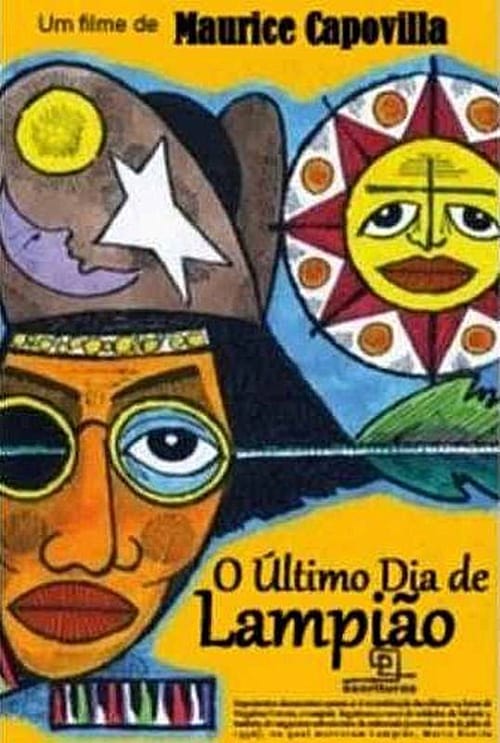
A docufiction film about the fall of Virgulino Ferreira da Silva, widely known as Lampião – the mythical bandit leader from the Brazilian northeast who fought the local power and put his name in history.

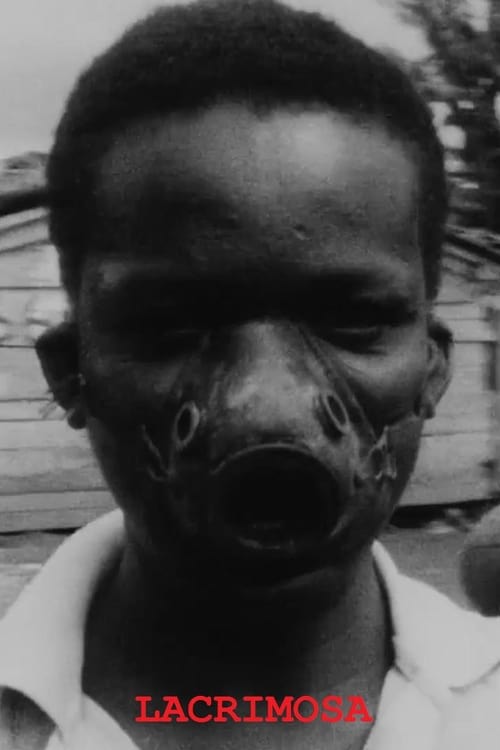
An experimental ethnographic documentary that criticizes the colonizer view of anthropology.
This documentary takes us on a ride through Marginal Tietê, an important avenue in São Paulo, Brazil, then recently opened to the public. The places it crosses and the people living nearby force the viewer to think about the core of this big city.
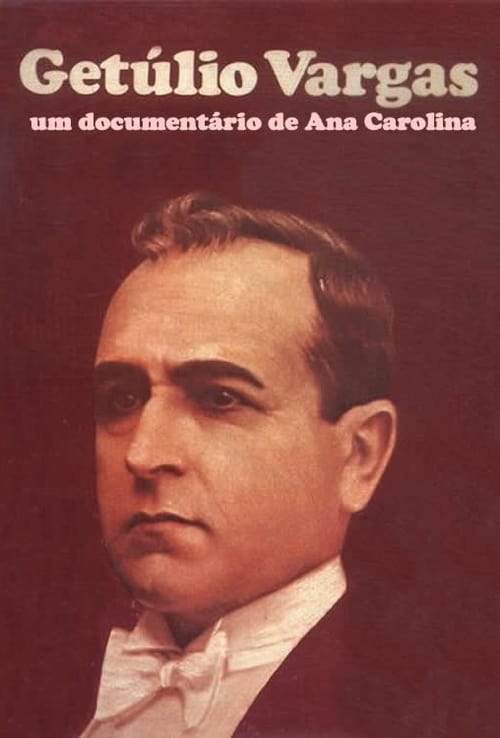
Documentary on one of Brazil's most controversial personalities: Getúlio Vargas, an ex-president.
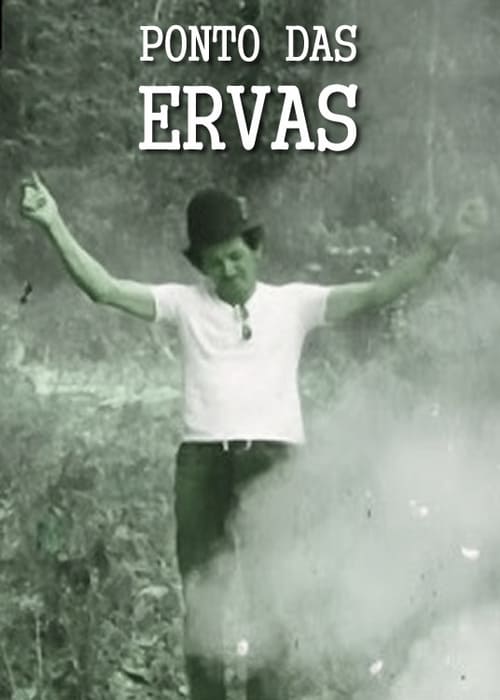
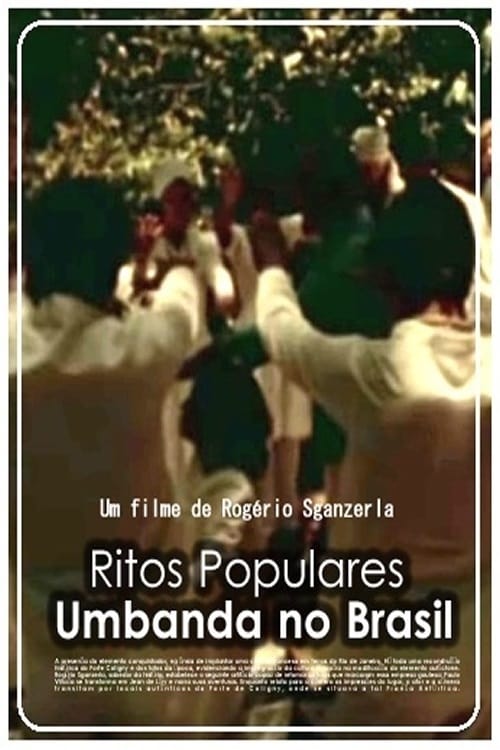
A documentary based on the book Umbanda no Brasil by the scholar Mata e Silva, who is interviewed by the director. The book studies the Brazilian religion known as spiritism, a syncretism of African beliefs and magical rites, Indian beliefs and images, and Catholic symbols.
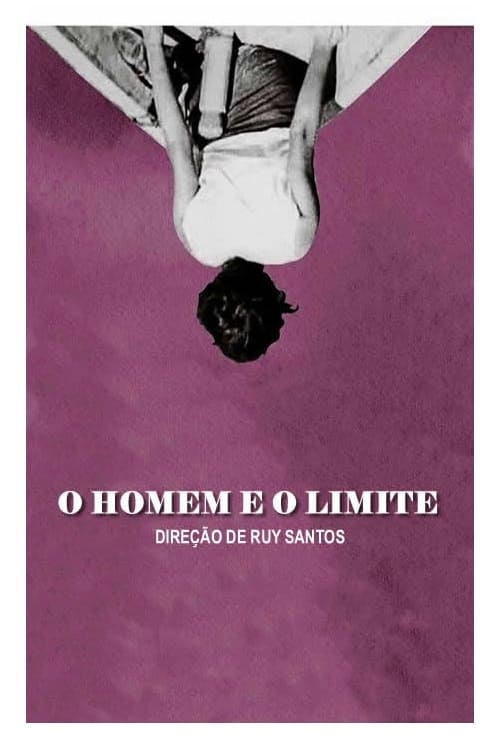
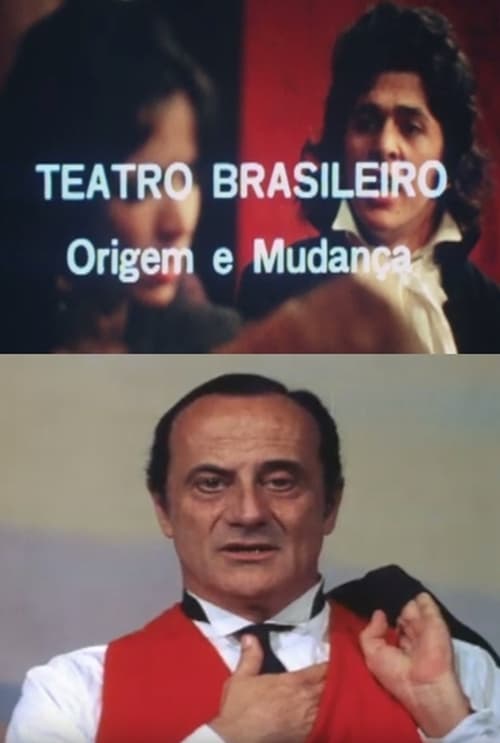
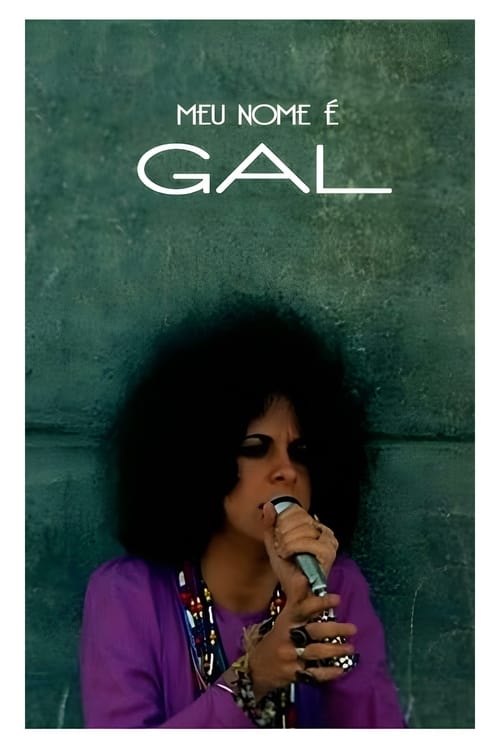
Gal Costa in her privacy. Unkempt hair, colorful clothes, many necklaces and rings, she and the streets of downtown Rio. She laughs a lot, gestures and sings. Rio's landscapes such as Lage Park, a quiet place in the neighborhood of Gávea, an active factory.
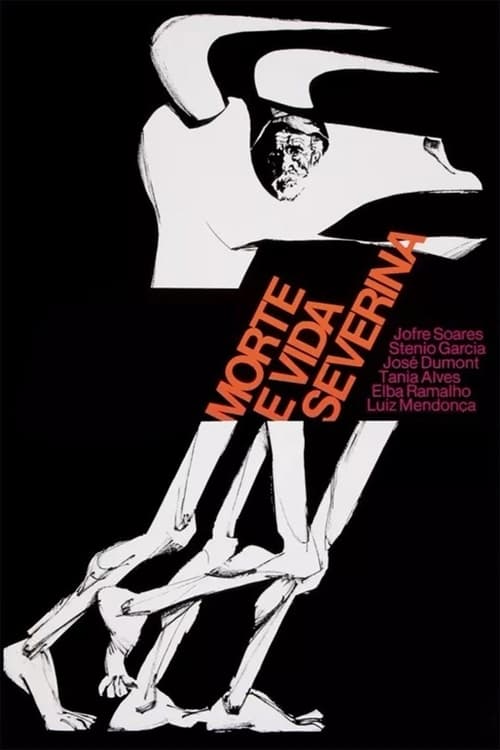
The story of Severino, a man who tries to escape the misery and the drought prevailing in the rural backcountry of the Northeast of Brazil. He heads for Recife, passing through desert and forest regions, expecting to find a better life.
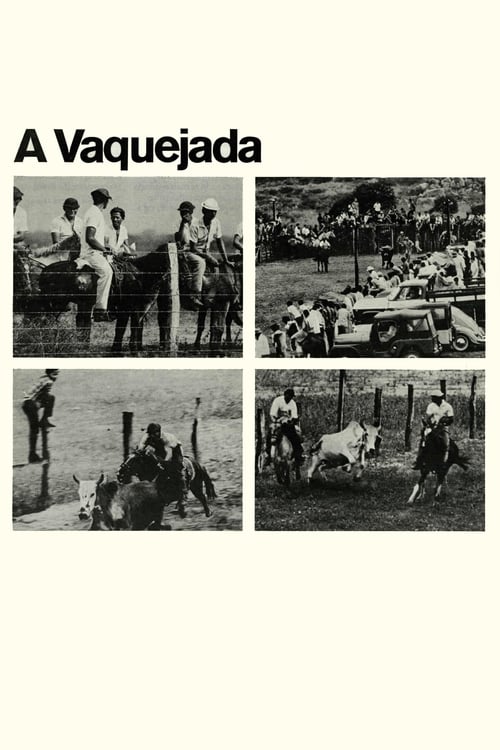
In the interior of Paraíba a tournament between cowboys who must demonstrate mastery in knocking an ox down by the tail while they ride.
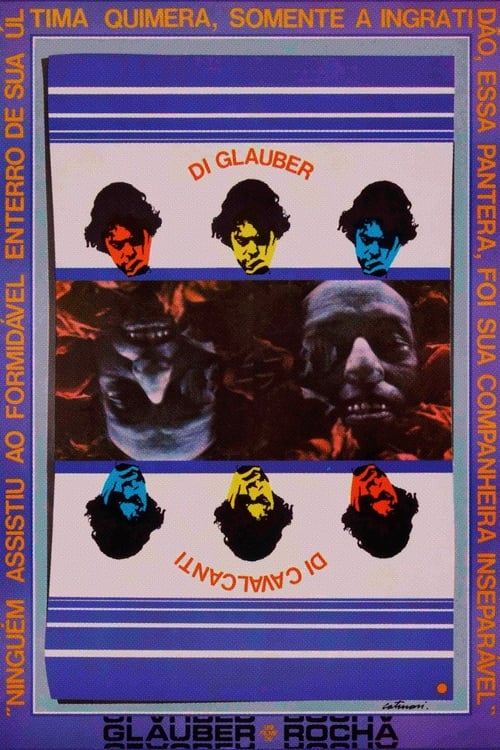
This controversial film from director Glauber Rocha records the funeral of his friend, major Brazilian painter Emiliano Di Cavalcanti.
Based on the life of the player Afonsinho, who was banned from playing football for growing his beard and hair and refusing to cut them. Fighting for his rights, the player managed to become the owner of his own transfer rights, that is, he obtained a "free transfer". From this incident, the film examines labor relations in Brazilian football.
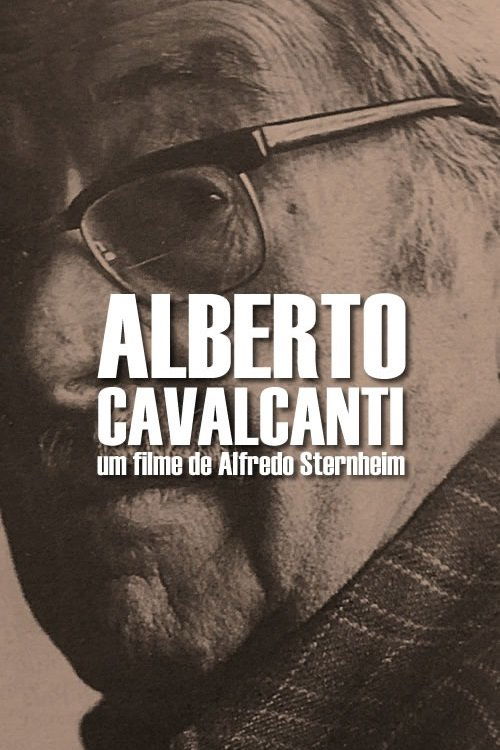

Letícia Parente was a pioneer of video in Brazil, and In is one of her earliest video works. It depicts the artist entering a closet, suspending herself from a hanger, and closing the door. Parente used video as a political tool to protest the military dictatorship in Brazil, and to comment on the mass torture committed by the government. Much of her work concerned domestic space and its association with conventional roles to which women were expected to conform. Several videos by Parente transform daily household tasks into forms of resistance.
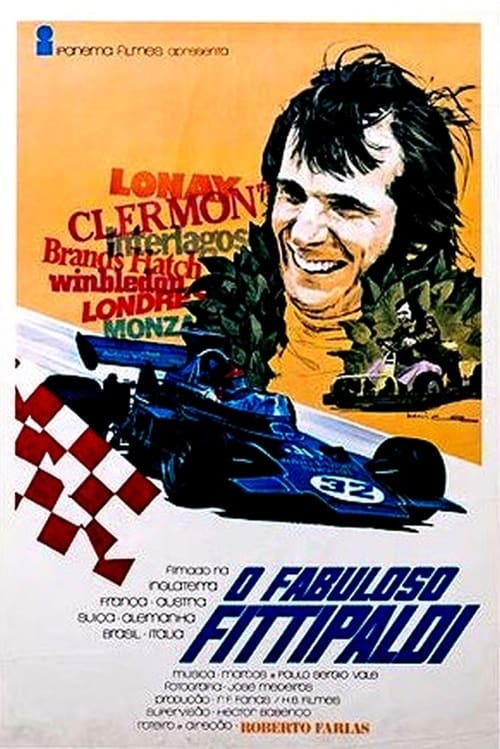
Documentary about race car driver Emerson Fittipaldi
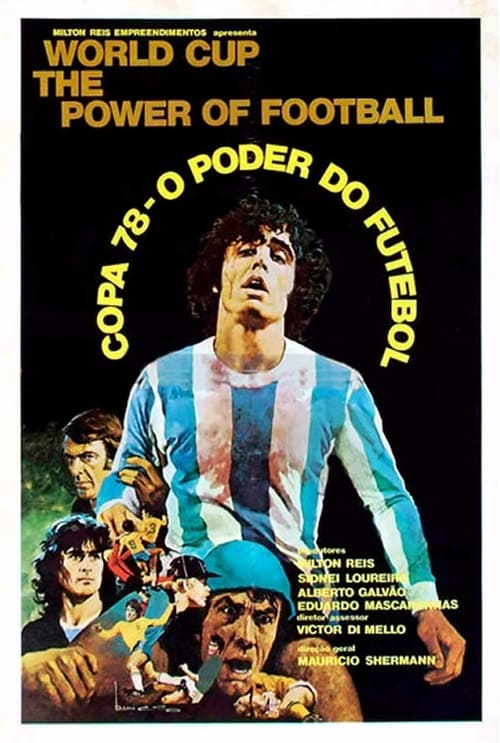
Documentary about the Football World Cup held in Argentina in 1978, focusing on the competition and behind the scenes of the most important soccer competition in the world. Two versions of the 1978 official film exist, the first "Copa 78 - O Poder do Futebol" was made by Brazilian directors Maurício Sherman and Victor di Mello in 1979 but was later withdrawn by FIFA because of its controversial content. The film includes an interview with Rodolfo Galimberti, one of the leaders of the Montoneros guerrilla group and also made accusations that the Argentinian competition organisation committee had deliberately hindered Brazilian chances of success by tampering with the pitch at Mar del Plata.
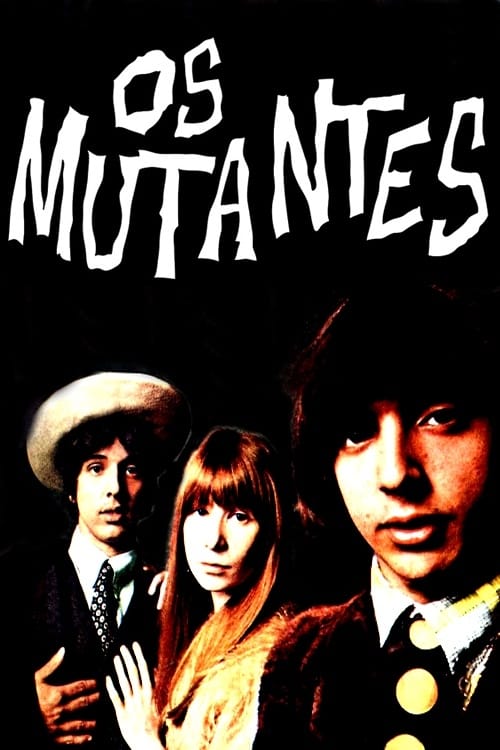
A mutant prank improvised by Arnaldo Baptista, Sérgio Dias, and Rita Lee. Os Mutantes on a unique day in the streets of São Paulo.
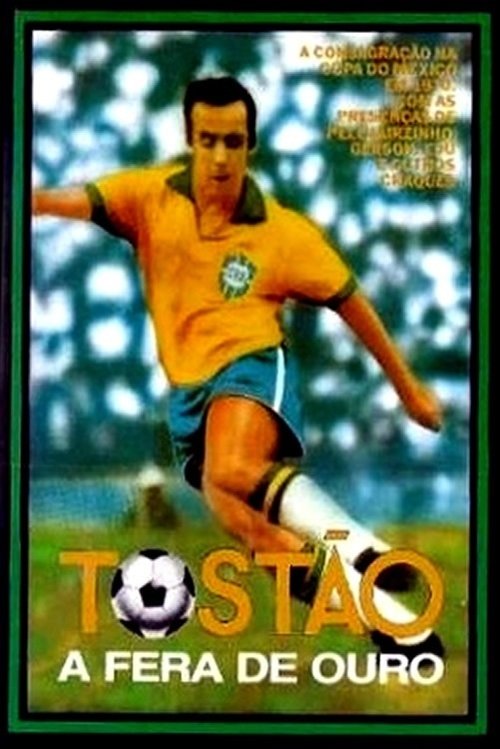
Documentary about Brazilian soccer player Tostão.
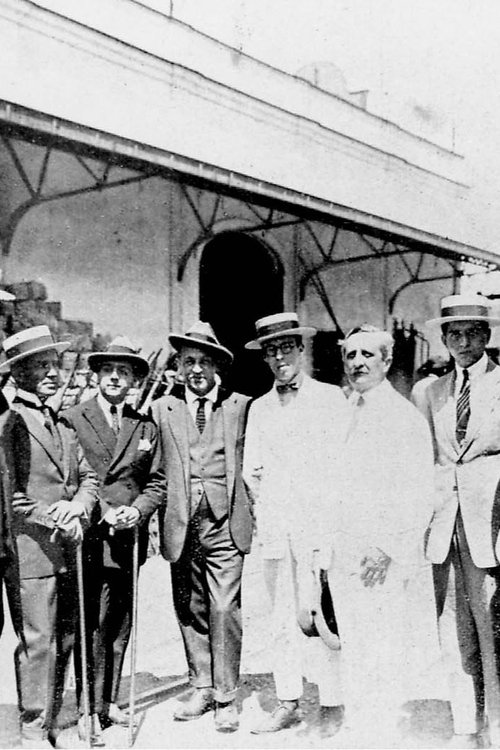
Reconstitution, through photos, films and texts, of the arrival in Brazil of the poet Cendrars, in 1924. Tributes received, visits throughout the country and the desire to make a "100 percent Brazilian film". Testimonials from figures who lived with the intensity of the core of modernist artists: Tarcila do Amaral, Oswald de Andrade, Mário de Andrade and Di Cavalcanti. Scenes from São Paulo, Rio de Janeiro, São Martinho Farm and the 1924 Revolution. Scenes from the movie LES HEURES CHAUDES DE MONTPARNASSE. Reference to Aleijadinho and Febrônio Indio do Brasil.
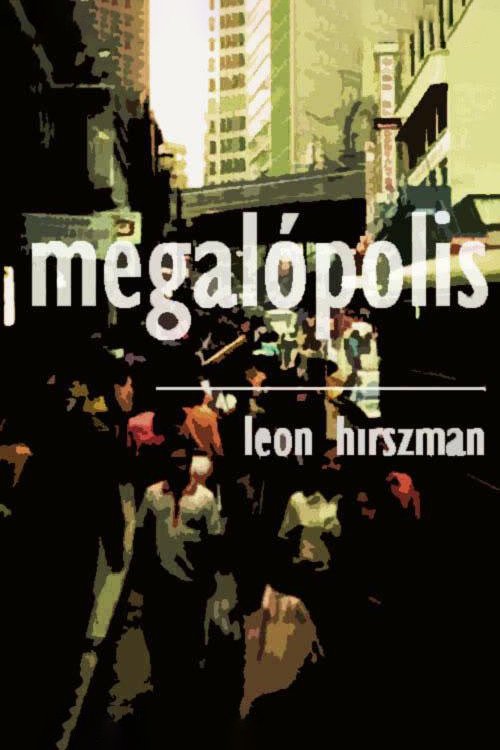
An analysis of the phenomenon of accelerated urbanization in Brazil, and more particularly in Rio de Janeiro and Sao Paulo.
The rare short film presents a curious dialogue between filmmaker Julio Bressane and actor Grande Otelo, where, in a mixture of decorated and improvised text, we discover a little manifesto to the Brazilian experimental cinema. Also called "Belair's last film," Chinese Viola reveals the first partnership between photographer Walter Carvalho and Bressane.
Documentary with fragments and records about the boundaries between art and counterculture, based on a debate held at the Museum of Modern Art, Rio de Janeiro, in October 1968.
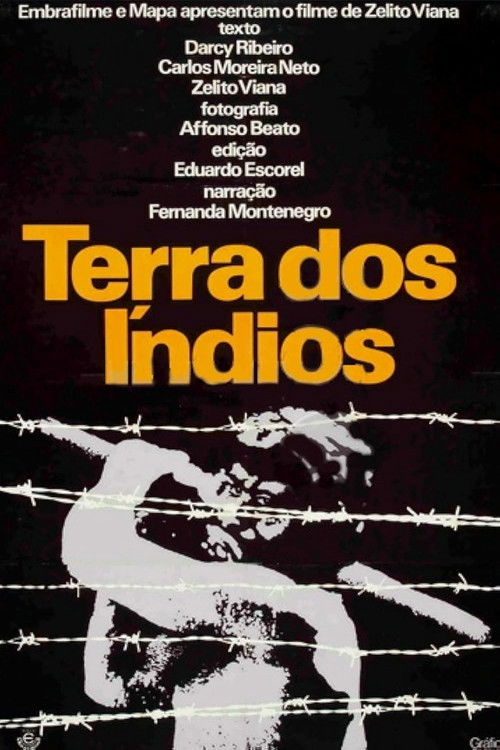
A collection of testimonies from Brazilian indigenous people about the interests of FUNAI (National Foundation for Indigenous Peoples), multinational corporations, and large landowners behind the disastrous policy of indigenous emancipation in Brazil. Narrated by Fernanda Montenegro.
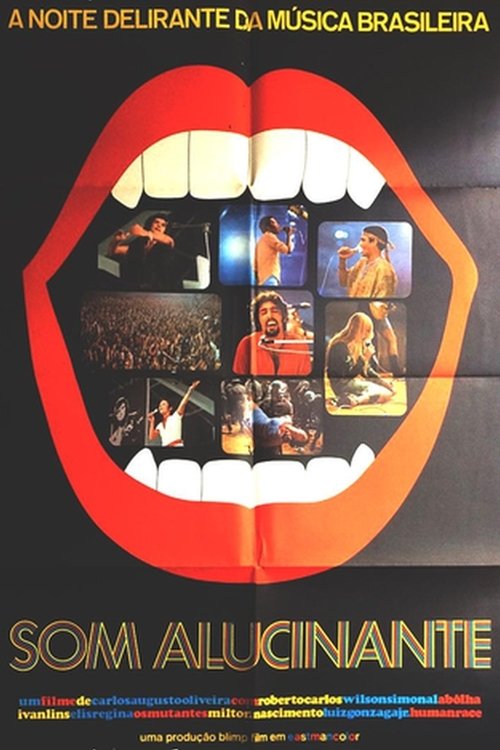
A documentary of profound irony about the bourgeois dream of establishing a film industry in Brazil in the 1930s. The project in question, the Companhia Americana de Filmes, went bankrupt before finishing its only film, which was called 'Eterna Esperança' (Eternal Hope).

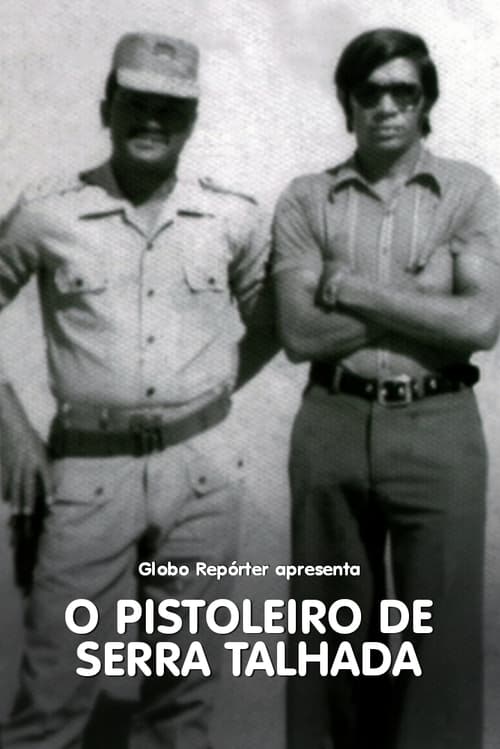
A documentary by Eduardo Coutinho about a hired-gun from Brazil's Northeast.