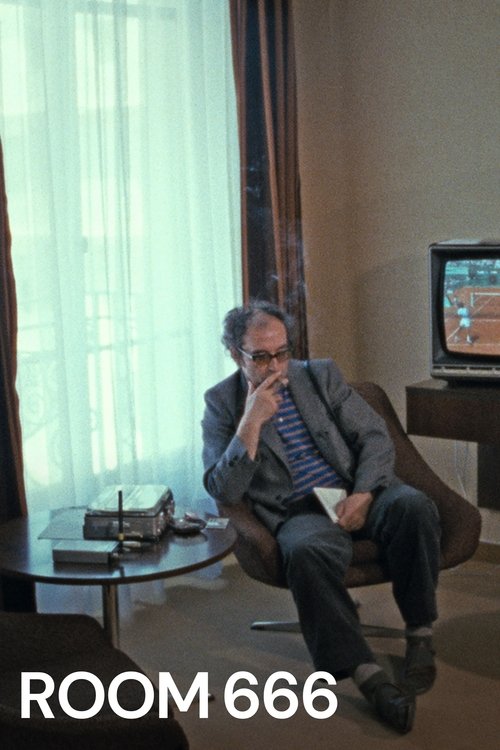
During the 1982 Cannes Film Festival, Wim Wenders asked a number of global film directors to, one at a time, go into a hotel room, turn on the camera, and answer a simple question: "What is the future of cinema?"
Room 666
6.5 1982
822 Matches Found
During the 1982 Cannes Film Festival, Wim Wenders asked a number of global film directors to, one at a time, go into a hotel room, turn on the camera, and answer a simple question: "What is the future of cinema?"
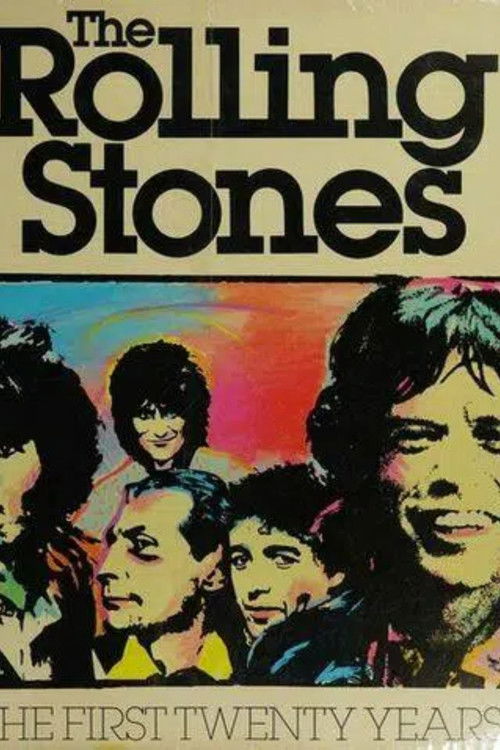
Documentary about the first 20 years of the Rolling Stones with interviews and a lot of rare archive footages all over the world, pictures, TV and live songs 1962-1982 ("Satisfaction", "Jumpin' Jack Flash", "Time Is On My Side" and many more). Hosted by punk star Nina Hagen. Interviews of Mick Jagger, his brother Chris, his father Joe, Keith Richards, Bill Wyman, Ron Wood, Ian Stewart, Bianca Jagger, Paul McCartney, Marianne Faithfull, Rod Stewart, Wendy O'Williams (from the Plasmatics), Diana Ross and Bill Graham (manager).

German director Wim Wenders tries to explore the Tokyo that was depicted in the films of Yasujiro Ozu and finds a very different city.
A very surreal video shot behind the scenes during the production of Blue Velvet in Wilmington, North Carolina in 1985 by Peter Braatz.
The third episodic film, after Deutschland im Herbst and Der Kandidat, in which notable German filmmakers reflect on the state of their country. A collage of documentary and dramatised sequences dealing with such topics as overkill, peace demonstrations, NATO arms policy, and life after the next war.
Documentary looking at the culture of three motels and their owners who remain untouched by homogenization and corporatism, located in Santa Fe, New Mexico; Florence, Arizona; and the semi-ghost town of Death Valley Junction, California. Everyone has an unusual story to tell.

A German TV documentary that chronicles the daily rehearsals, the filming and all the behind the scenes of Jean-Jacques Annaud's classic "The Name of the Rose". From actors perspectives to the ideas used by the director to produce an impeccable international epic adaptation of Umberto Eco's best selling novel, the film presents the obstacles behind the creation of a production of such large scale and also the making of the many difficult scenes, most of the ones presented here are the characters' murders inside the mysterious abbey.
Director 'Nicholas Ray' is eager to complete a final film before his imminent death from cancer. Wim Wenders is working on his own film Hammett (1983) in Hollywood, but flies to New York to help Ray realize his final wish. Ray's original intent is to make a fiction film about a dying painter who sails to China to find a cure for his disease. He and Wenders discuss this idea, but it is obviously unrealistic given Ray's state of health.
Douglas speaks about some of the stars he has directed, like Asta Nielsen, Lili Dagover, Zarah Leander, George Sanders, Signe Hasso, Barbara Stanwyck, Jane Wyman, and many others.
A study of German 19th Century Romantic art through the writings and paintings of Carl David Friedrich and his fellow artist, Carl Gustav Carus.
An autobiographical short film by Werner Herzog made in 1986. Herzog tells stories about his life and career. The film contains excerpts and commentary on several Herzog films, including Signs of Life, Heart of Glass, Fata Morgana, Aguirre, the Wrath of God, The Great Ecstasy of Woodcarver Steiner, Fitzcarraldo, and the Les Blank documentary Burden of Dreams. Notable is footage of a conversation between Herzog and his mentor Lotte Eisner, a photographer. In another section, he talks with mountaineer Reinhold Messner, in which they discuss a potential film project in the Himalayas to star Klaus Kinski.
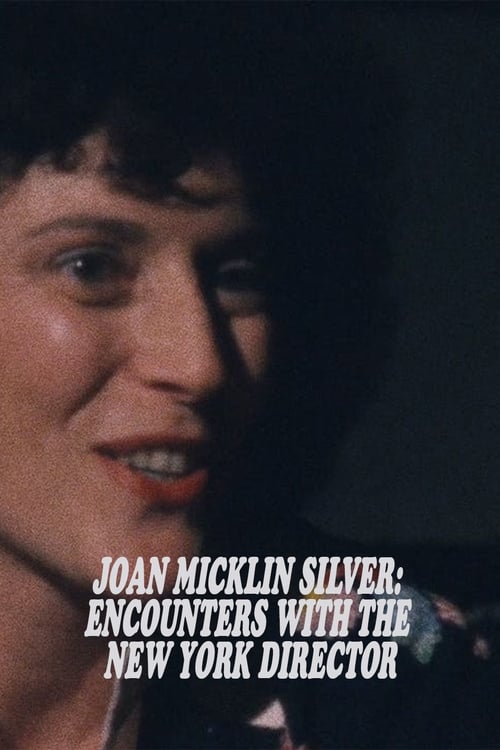
This 1983 German documentary by Katja Raganelli features director Joan Micklin Silver; her husband, Ray Silver; and a handful of key collaborators discussing her film work, from her debut feature HESTER STREET through her romantic comedy HEAD OVER HEELS.
Documentary directed by Jörg Hissen and Rolf Lambert

Bernhard Frankfurter, a young Austrian filmmaker, follows the trails and roots of several German-speaking filmmakers who had been forced into exil by Hitler faschism. He interviewed prominent and less well-known artists who were forced to leave their (artistic) heimat because they were politically or racially no longer "acceptable"... A documentary film in which the personal commitment of the filmmaker is purposely brought to the attention of the viewer.
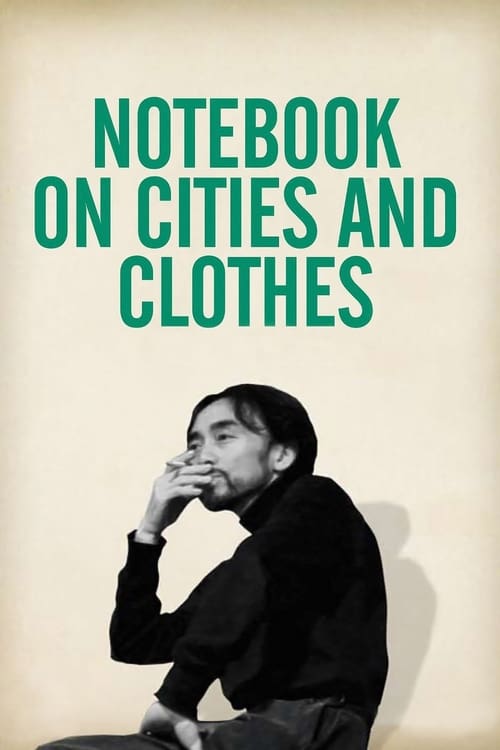
Wim Wenders talks with Japanese fashion designer Yohji Yamamoto about the creative process and ponders the relationship between cities, identity and the cinema in the digital age.
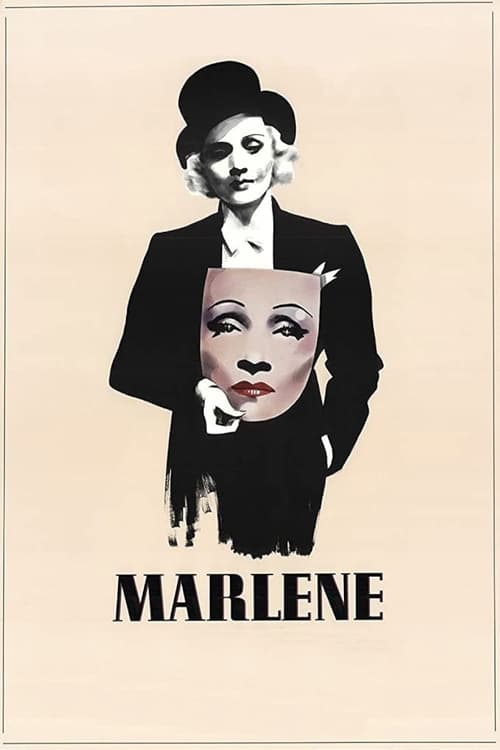
Retrospective on the career of enigmatic screen diva Marlene Dietrich.
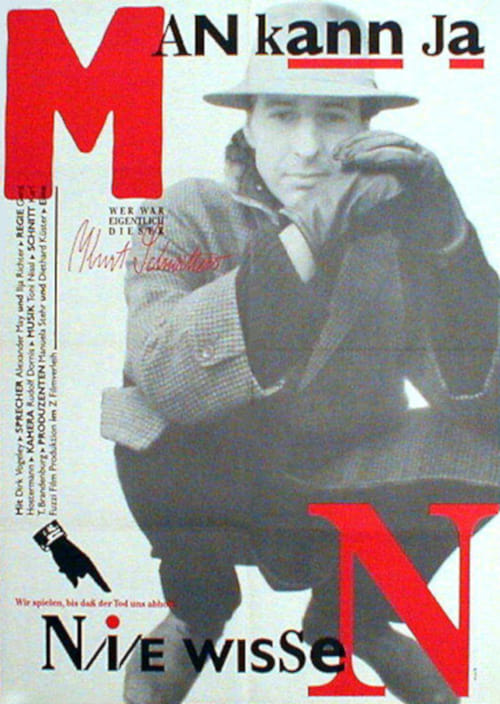
A documentary-feature film mix detailing the life of famous German dadaist Kurt Schwitters.
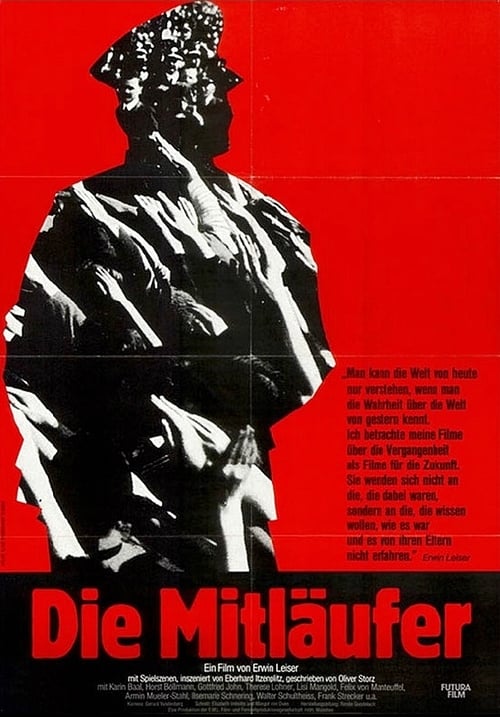
Combining archival footage with dramatized episodes based on real accounts, this film examines everyday life in Nazi Germany through the experiences of ordinary citizens. Directed by Eberhard Itzenplitz and Erwin Leiser, it traces how conformity, opportunism, fear, and routine compromise drew “ordinary” men and women into complicity with the regime, revealing the banality of evil at work in daily life.
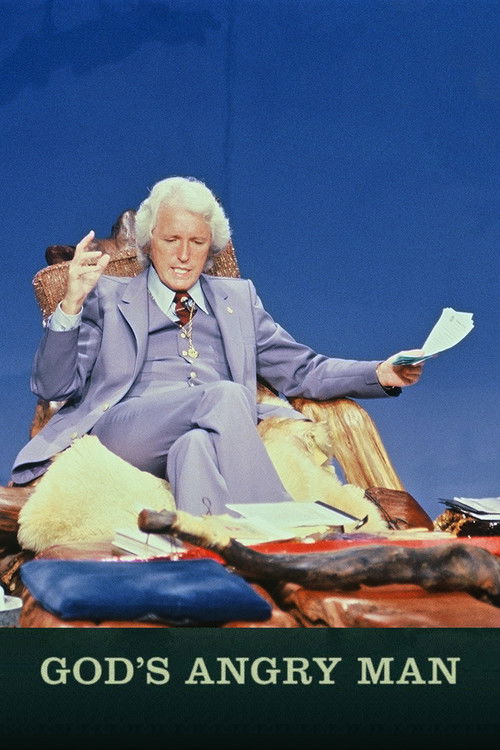
The documentary follows Gene Scott, famous televangelist involved with constant fights against FCC, who tried to shut down his TV show during the 1970s and '80s, and even argues with his viewers, complaining about their lack of support by not sending enough money to keep going with the show.
Observation of the asylum procedure in the Federal Republic of Germany, not limited to depicting an individual case, but rather tracing a basic fate. The film captivates with unpretentious black-and-white images that are emotionally moving and show camp life as an agonizing wait for a decision by bureaucrats.
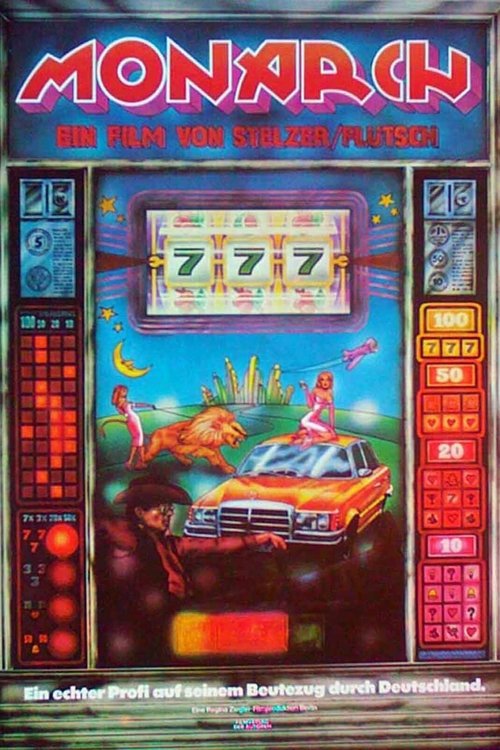
The film takes a look at a professional gambler, who very successfully specialized on the German version of the slot machine.
A documentary about a proposed military training area in Rothenthurm, Central Switzerland, and the village's resistance to those plans.
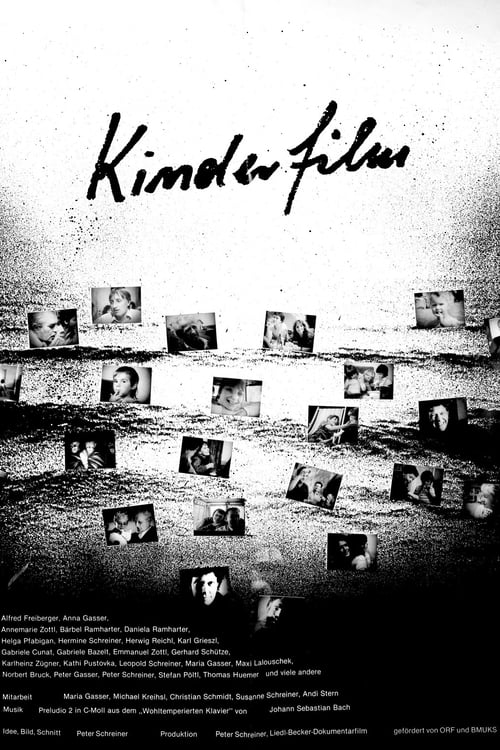
The sunday ritual at home with parents, an alumni meeting of former school colleagues who once again, and some of them as young mothers and fathers, are confronted with the world of (their) children. Shots of mentally and physically disabled people who are brought to work in a bus early in the morning: people who have remained children. Many other images about childhood and being a child.
Documentary about German director Harald Reinl
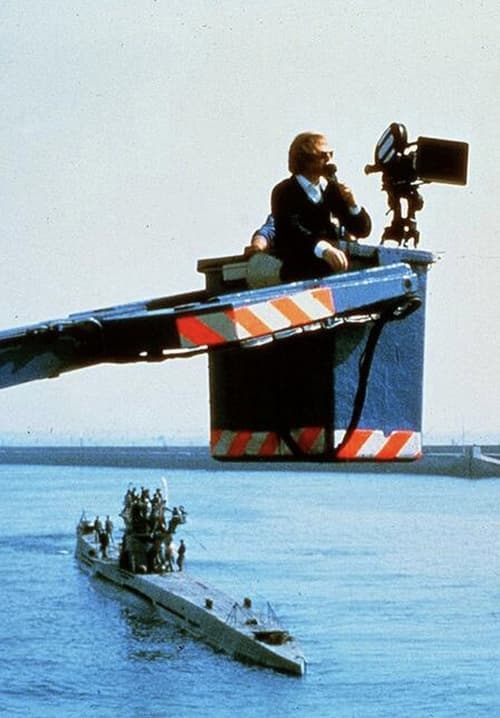
Comprehensive classic piece that looks at the process of creating the movie, told with a strong, well-constructed narrative that plays almost as a movie itself, a detailed retelling of how the movie was made and the dedication to authenticity that's evident right down to the finest little details on the ship. After a narrator sets the scene for various segments from the film, the piece takes its time to take a closer look at all of the elements that are necessary to create the movie and the challenges of shooting such a labor- and authenticity-intensive picture.
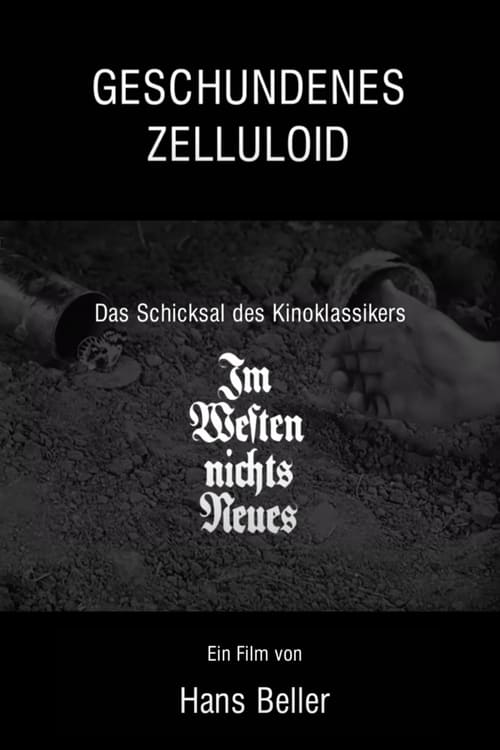
The 1930 Hollywood-produced anti-war film "Nothing New in the West" is one of the great works in film history. But like hardly any other cinema classic, it was ostracized, shortened, censored, altered in image and sound and banned. The documentary deals with the eventful fate and especially the censorship history of the film classic.
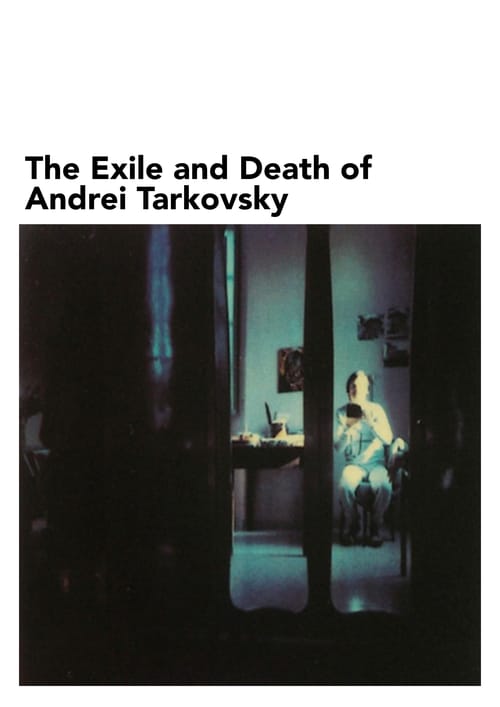
A documentary about the life of Andrei Tarkovsky in exile in Western Europe including Italy, Sweden, Germany and France until his sad demise to a fatal cancer.
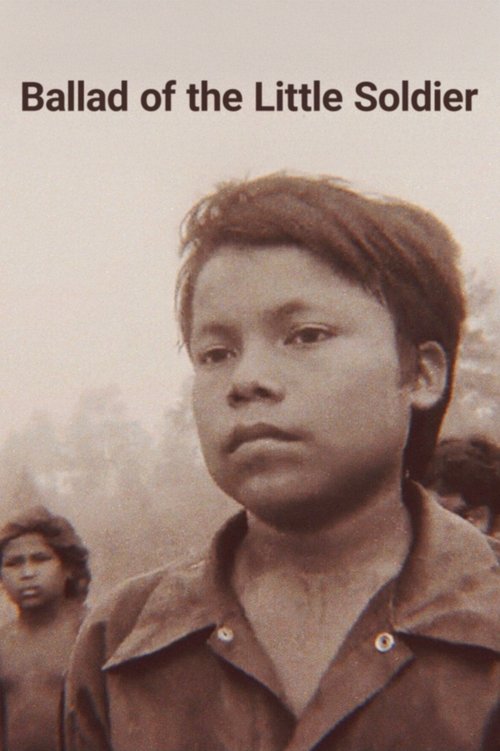
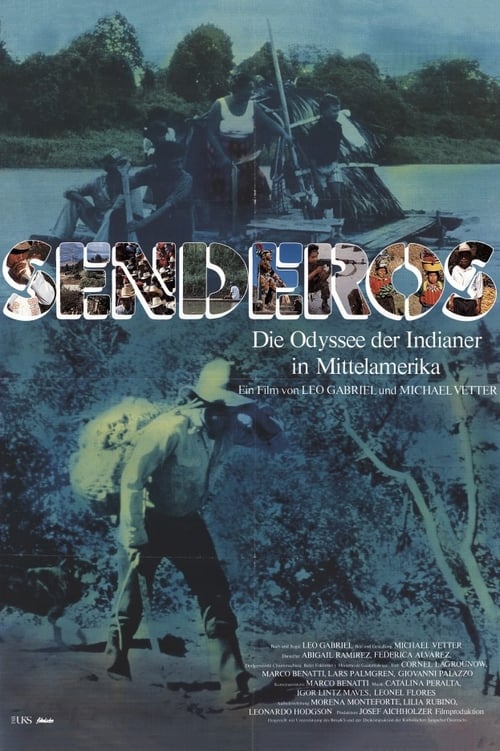
A group of Miskito Indians use Nicaraguan child soldiers in their resistance against the Sandinistas.

Making-of documentary that covers "Cobra Verde," Herzog's last film with Kinski before Kinski's death. This is the documentary that registers the behind the scenes moments of "Cobra Verde", the last project that united director Werner Herzog to actor Klaus Kinski. The notorious and infamous relation between the two filled Cinema theatres with masterpieces, but also filled pages of Cinema History with mutual declarations of both love and hate.
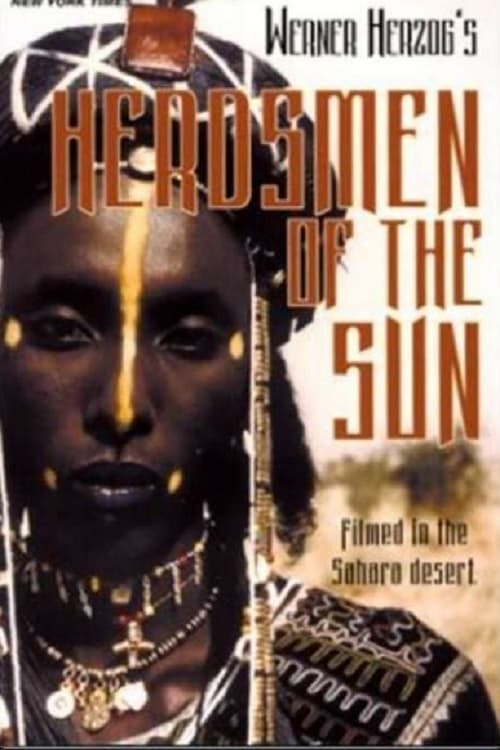
Herzog's documentary of the Wodaabe people of the Sahara/Sahel region. Particular attention is given to the tribe's spectacular courtship rituals and 'beauty pageants', where eligible young men strive to outshine each other and attract mates by means of lavish makeup, posturing and facial movements.
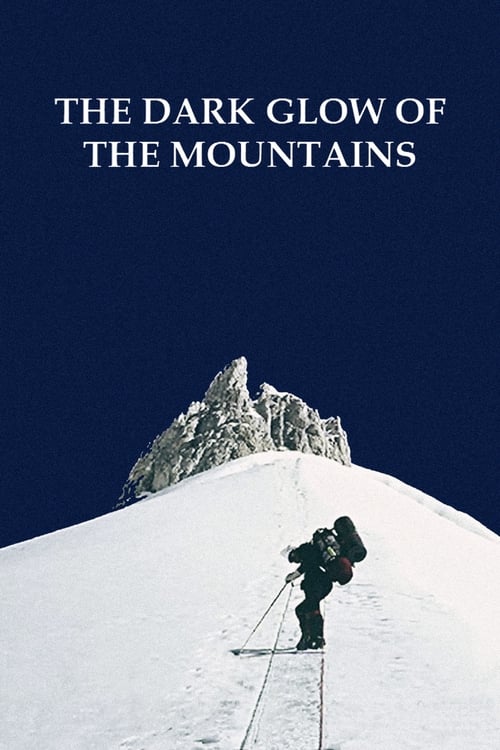
Werner Herzog follows mountaineers Hans Kammerlander and Reinhold Messner during their expedition into climbing the Gasherbrum mountains, which has some of the most difficult peaks to be conquered, and they'll do it without the use of oxygen tanks. Herzog also takes some time to hear about their past experiences with other mountains, their personal tragedies and the reasons why they are so involved with such activity.
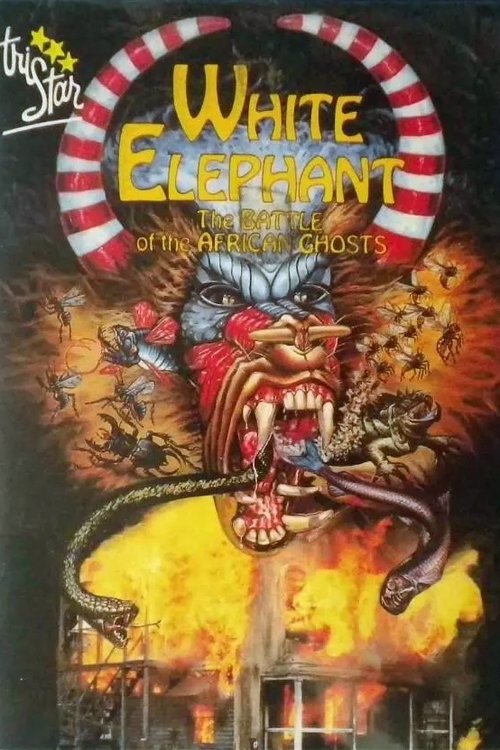
This film was made entirely in Ghana and consists of documentary scenes and a fictitious story about a British engineer who wants to import microchips to Africa. But the reaction of the blacks to his plans to build a fully automatic plastic furniture factory surprises him. His faith in technocracy stands opposed to what they know about the environment. When the conflict has reached its climax, a spell is cast upon him... finally, he gives up... but his attitude toward Africa has changed for the better.
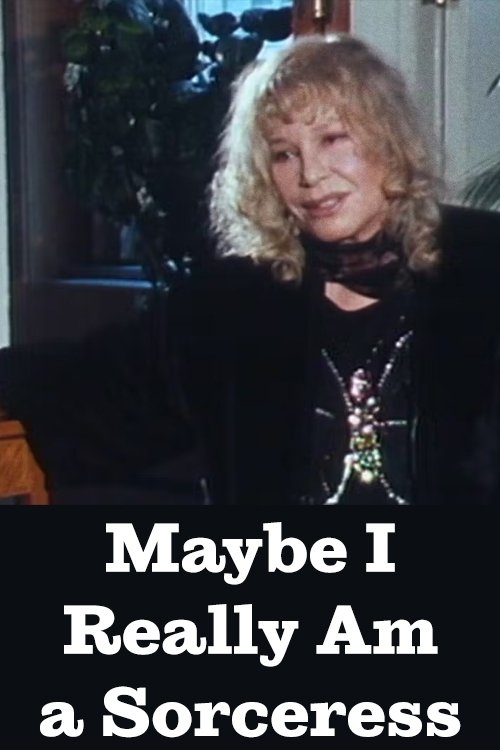
An intimate portrait of director Mai Zetterling that includes interviews with Zetterling, David Hughes (Zetterling’s ex-husband and the cowriter of LOVING COUPLES, NIGHT GAMES, and THE GIRLS), and actors Harriet Andersson, Ingrid Thulin, and Bibi Andersson.
Volker Koepp documents life in the Dorotheenstadt in Berlin-Mitte, which was called "Feuerland" in the 19th century.
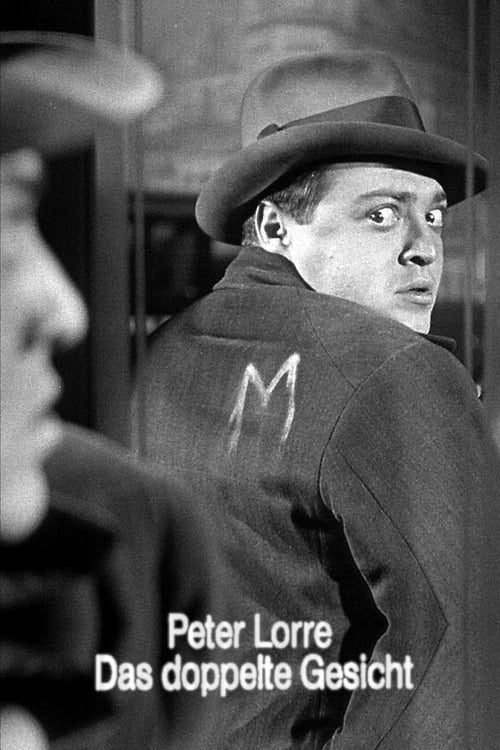
Peter Lorre achieved international fame for his performance in the myth-making role in M. This character has held a peculiar fascination for generations of cinephiles. However, at the time, whilst such success meant recognition, it also weighed on the Hungarian actor as a constrictive burden. Using photographs and film extracts, Das doppelte Gesicht reconstructs the ups and downs of Lorre's career, taking into consideration the economic imperatives and workings of the film industry at the time. (Arnold Hohmann, 1984)
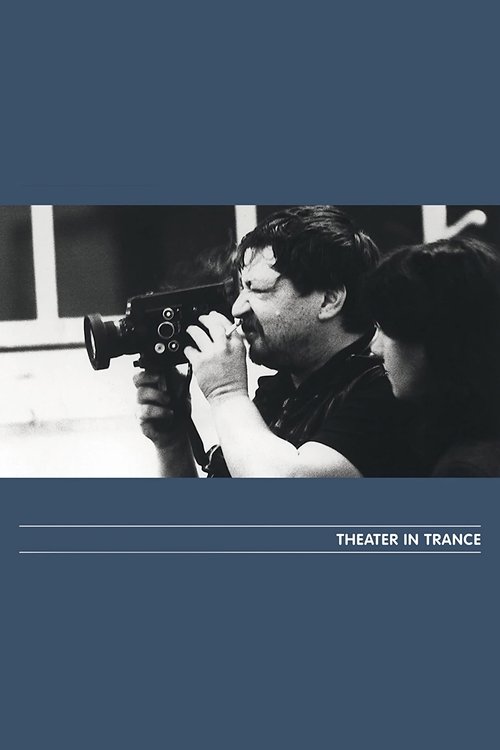
Rainer Werner Fassbinder visited for two weeks the "Theater der Welt" festival in 1981 in Cologne. 30 companies showed in over 100 performances their own visions of a new theater. Framed by Fassbinder's reading of one of the famous essays on theater: Antonin Artaud's "The Theater and its Double". The audience is left to wonder how much of Artaud's radical and beautiful vision is realized in contemporary theater.

This documentary reports on the master potter Otto Engelmann from Klingmühl, who was commissioned to make black painted clay heads of Karl Marx in the spring of 1973. Engelmann briefly explains the individual work steps from mixing the casting slip to firing the clay heads and then painting them. An old craft is vividly captured on camera and accompanied by original sou
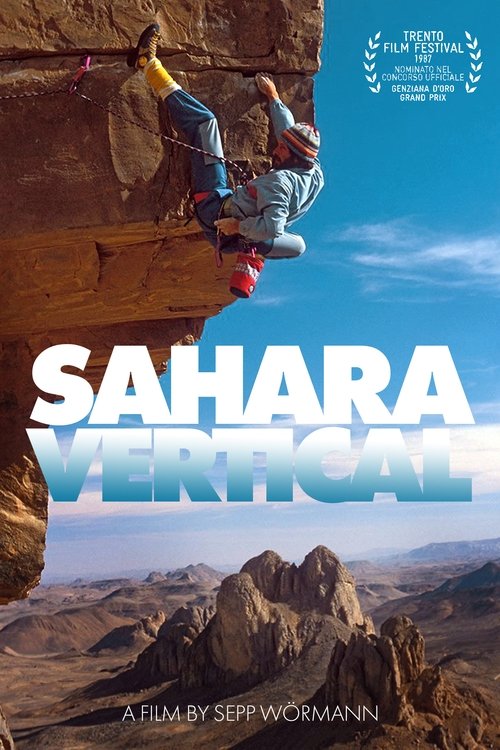
The climbing couple Heinz Mariacher and Luisa Iovane abandon their usual winter training spot to go in search of places more conducive to free climbing in Algeria in the Sahara desert, more precisely in the Hoggar massif, which saw pass the cream of world climbing Lionel Terray, Roger Frison-Roche, Lucien Bérardini, Michel Vaucher, Pierre Mazeaud, Guido Monzino, Patrick Edlinger, Patrick Berhault and many others. Their objective, to climb the east face of Garet El Djenoun, 500 m high, failed because the wall was too smooth and the cracks unstable. The journey continues in the Hoggar massif towards other peaks, where they find the climbing conditions they were hoping for. An overhang in the face of Tizouyag Nord will prove to be a major challenge for Heinz Mariacher.
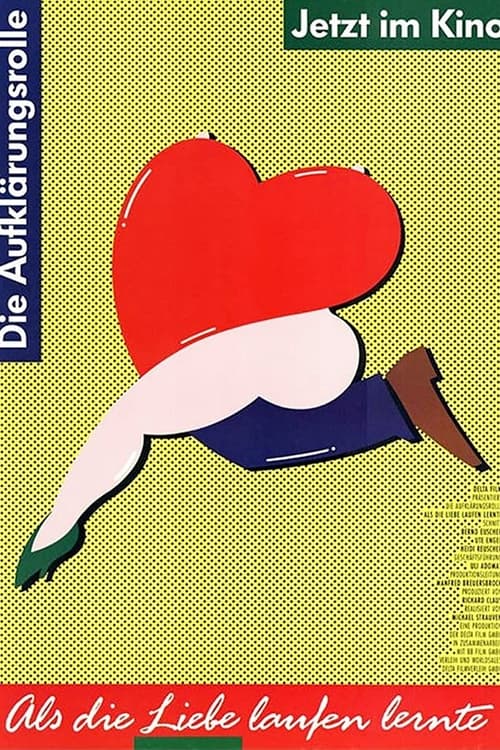
Compilation film with material from German sex education films of the 60s and 70s. A flood of such films started in cinemas at that time and the makers wanted to educate about sexuality and its possible dangers.
On July 24, 1978, a bomb blasted a hole in the outer wall of a prison in Celle, Germany. The attack was blamed on the Red Army Faction. Years later, in April 1986, the true background was revealed. The attack had been staged with the complicity of Lower Saxony's domestic intelligence service, the GSG 9 and high-ranking government officials. The result was the expansion of anti-terror measures to protect citizens. The documentary tries to get to the bottom of the affair, and at the same time asks whether this action is not just the tip of an iceberg, whether much more was not initiated to stir up public sentiment.
Documentary by Ciro Cappellari
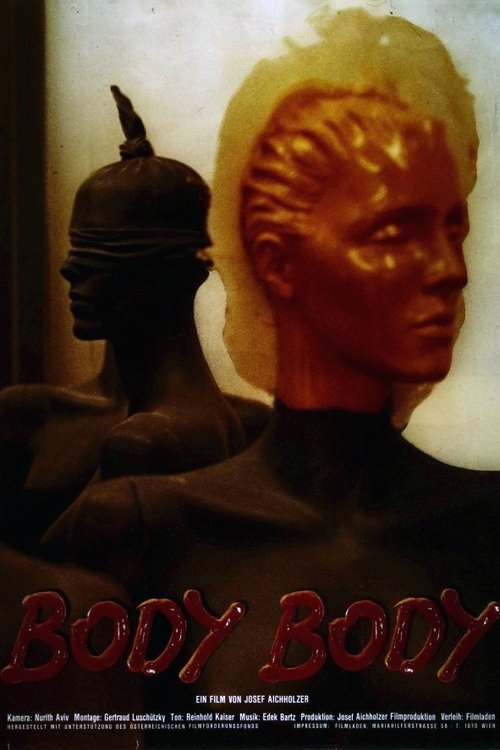
In his film, Josef Aichholzer observes the search for the perfect body, the golden calf of the leisure society: Meditation, sport, medicine or gene technology may be used but the goal remains the same: the individual gets a sense of life, efficiency and recognition from the fitness studio and the operating table. Experiments on genetic methods of selection are carried out under the microscope. The struggle against wrinkled skin, thin legs and flabby bellies is becoming more intensive and successful. The more time a person devotes to his body, the more possibilities he has to perfect it. The human hand seems to have a tight grip on evolution.
181 Berliners gaze at us: infants, chambermaids, workers, managers, dancers, divers, lawyers, confirmation candidates, boy scouts, a circus director. These are faces from West Berlin with which Antje Starost and Hans Helmut Grotjahn aim to capture a piece of reality.
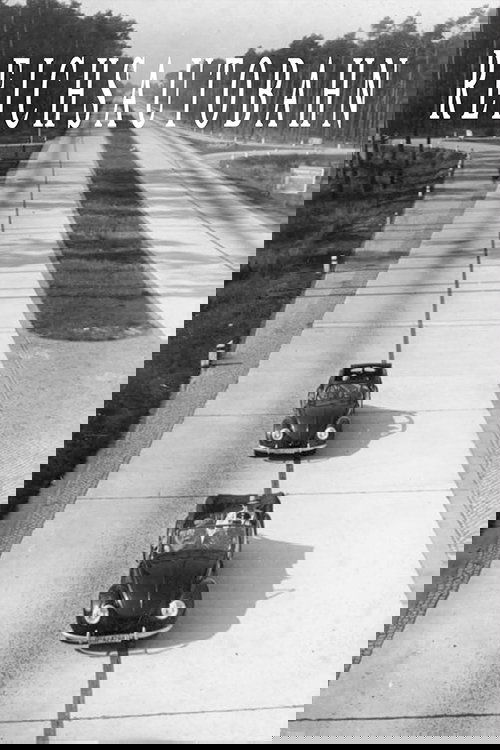
While working on "Deutschlandbilder" (1983), Hartmut Bitomsky was examining film material produced by the Nazi regime when he came across an abundance of footage documenting the planning and construction of motorways. In this found footage documentary he investigates what this material actually says: the motorway is stylized within it as a promise of progress and modernity, a "lifeline of the nation", less a straightforward piece of infrastructure than a prestige object, a work of art.
The social democrats of the sixties and seventies worked on their grand plan to build a highway network in Germany that every German citizen could reach within five minutes of their home. The little film hangs around between and on the streets of this network - where the country discos, pedestrian zones, shopping centers, hospitals and roads home are behind noise barriers.
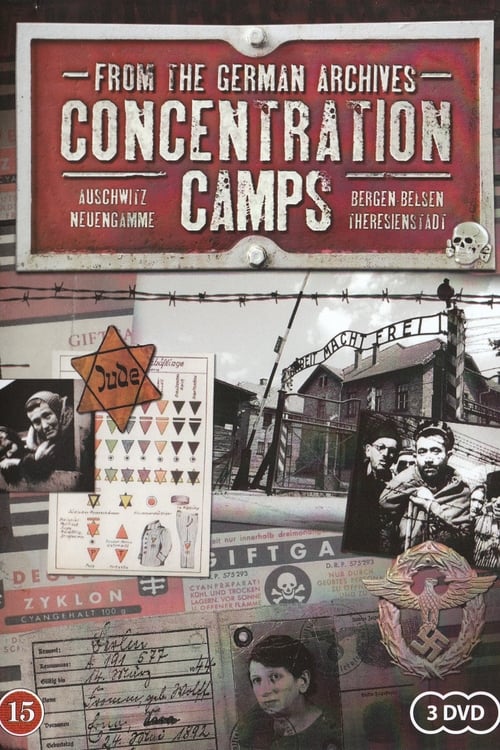
This chilling, vitally important documentary was produced to mark the 40th anniversary of the liberation of Auschwitz Concentration Camp. The film contains unedited, previously unavailable film footage of Auschwitz shot by the Soviet military forces between January 27 and February 28, 1945 and includes an interview with Alexander Voronsov, the cameraman who shot the footage. The horrifying images include: survivors; camp visit by Soviet investigation commission; criminal experiments; forced laborers; evacuation of ill and weak prisoners with the aid of Russian and Polish volunteers; aerial photos of the IG Farben Works in Monowitz; and pictures of local people cleaning up the camp under Soviet supervision. - Written by National Center for Jewish Film
A film about news, life and death. Before the media became so prevalent, we were concerned about our immediate neighborhood. At the end of the day, news was the subject of our conversations, but now it's possible to converse with someone at the other end of the globe. We do it all the time. It's simple. The world has become one big neighborhood. Now Headline News has replaced the back fence. That's the news service of the eigthies. It's a new idea and a new approach.
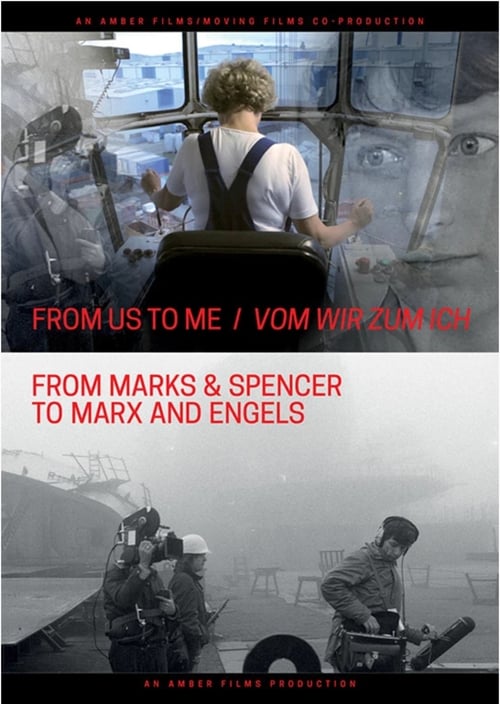
This first co-production between the GDR and Great Britain is intended to contribute to an understanding of the situation and attitudes of millions of working people in opposing social orders. Using the example of shipyard workers, fishermen, the brigade and family of a trade union active cook and unemployed person of various ages and professions in Newcastle on the one hand and a brigade of crane operators of the Warnowwerft and fishermen of the Warnemünde cooperative on the other hand, insights into the way of life and attitudes of people of our time are to be conveyed.
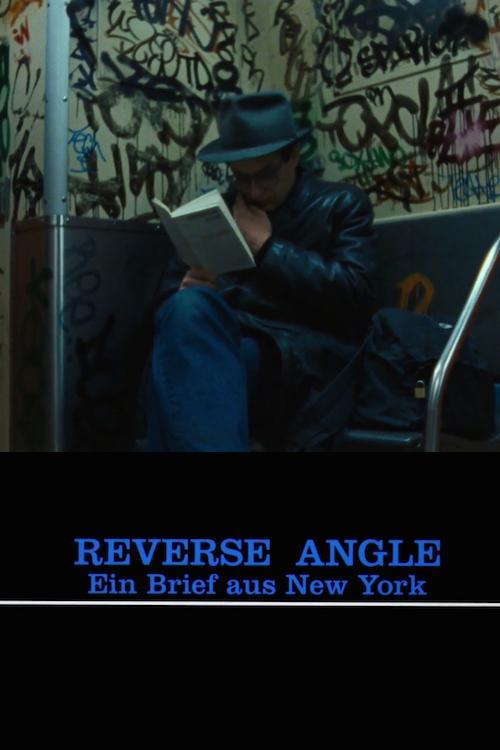
Wim Wenders's atmospheric testimony about the problems he encountered while working on HAMMET(1982) with Francis Ford Coppola, and the differences between the film-making process in Europe and the States.
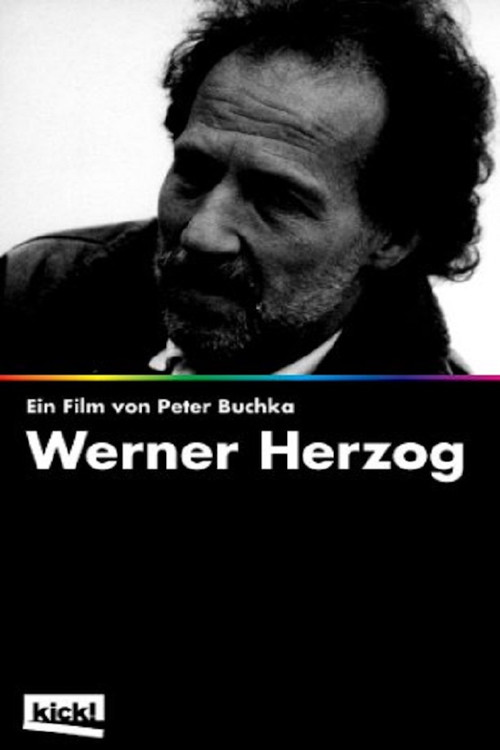
A documentation about Werner Herzog's motif to do movies.
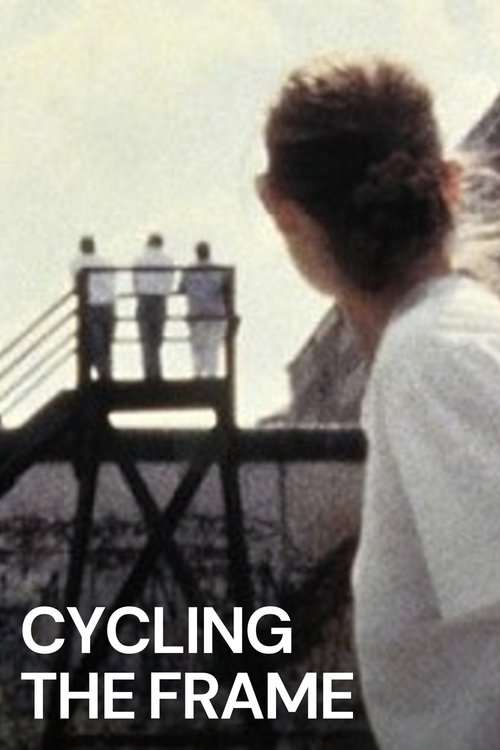
In 1988, Tilda Swinton toured round the Berlin Wall on a bicycle - starting and ending at the Brandenburg Gate - accompanied by filmmaker Cynthia Beatt. As Swinton travels through fields and historic neighborhoods, past lakes and massive concrete apartment buildings, the Wall is a constant presence.
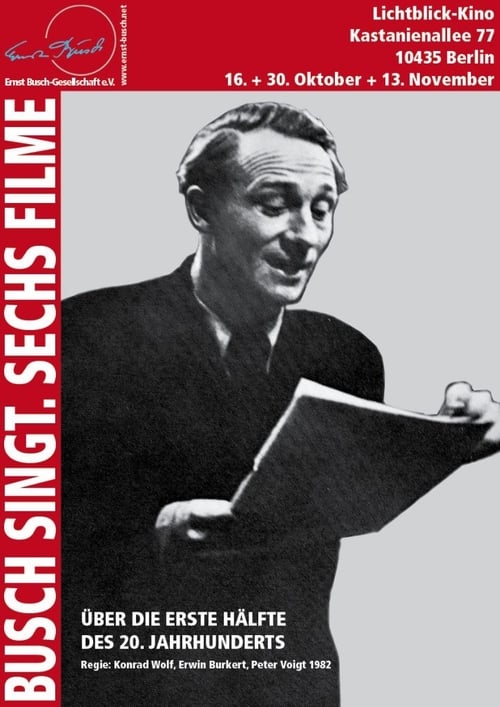
"Busch singt" consists of 6 films "About the first part of our century" and does not present Ernst Busch only as a singer but is a film with and about Busch as a chronicler and fighter for communist ideals of his time. Konrad Wolf died during the production, he directed part 3 "1935 oder Das Faß der Pandora" and part 5 "Ein Toter auf Urlaub".
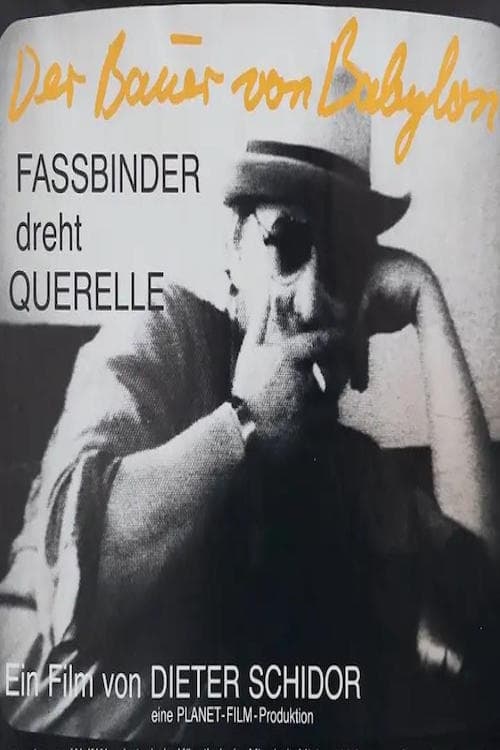
A documentary about German director Rainer Werner Fassbinder, during the time of filming "Querelle," features an interview with Fassbinder only ten hours before his death.