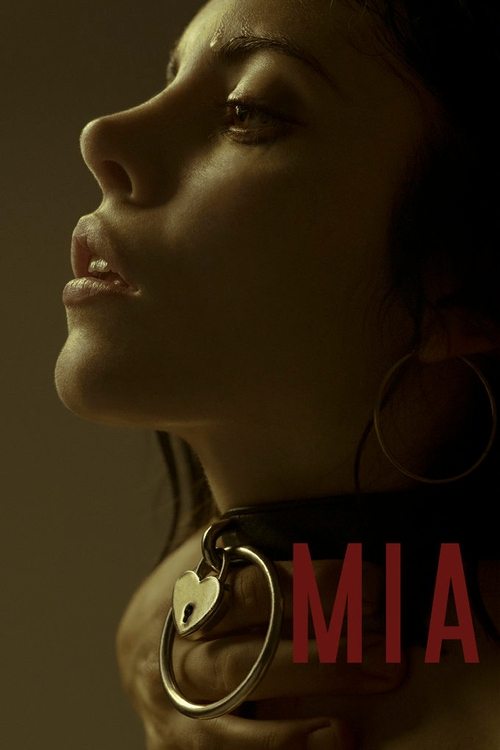
Mia recounts her most intimate confessions, uncensored, in her first approach to a totally new world of domination and submission.
Mia
6.1 2017
2,988 Matches Found
Mia recounts her most intimate confessions, uncensored, in her first approach to a totally new world of domination and submission.
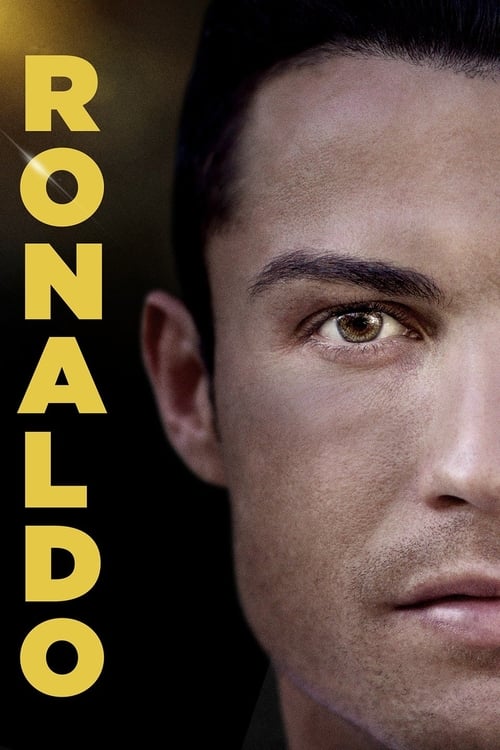
Filmed over 14 months with unprecedented access into the inner circle of the man and the sport, this is the first official and fully authorised film of one of the most celebrated figures in football. For the first time ever, the world gets vividly candid and un-paralleled, behind-closed-doors access to the footballer, father, family-man and friend in this moving & fascinating documentary. Through in-depth conversations, state of the art football footage and never before seen archival footage, the film gives an astonishing insight into the sporting and personal life of triple Ballon D'Or winner Cristiano Ronaldo at the peak of his career. From the makers of ‘Senna’ and ‘Amy’, Ronaldo takes audiences on an intimate and revealing journey of what it’s like to live as an iconic athlete in the eye of the storm.
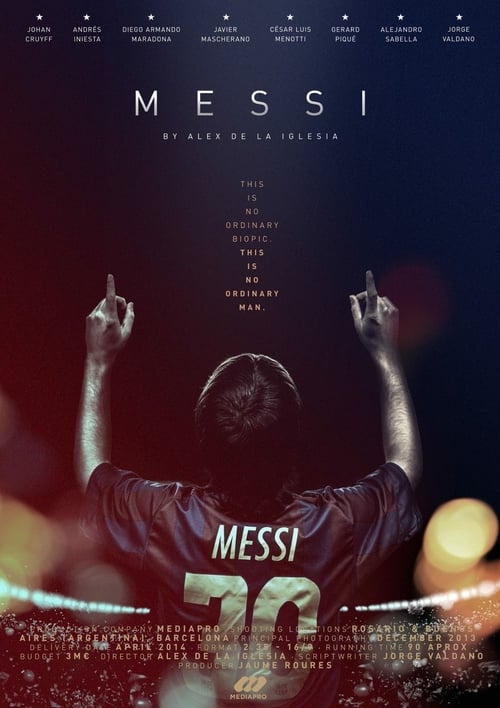
His teachers, coaches, childhood friends and Barça teammates, together with journalists, writers and prominent figures from the history of football, come together in a restaurant to analyze and pick apart Messi's personality both on and off the field, and to look back at some of the most significant moments in his life. Viewed from Álex de la Iglesia's unique perspective, Messi recreates the player's childhood and teenage years, from his very first steps, with a football always at his feet, through to the decision to leave Rosario for Barcelona, the separation from his family, and the role played in his career by individuals such as Ronaldinho, Rijkaard, Rexach and Guardiola.
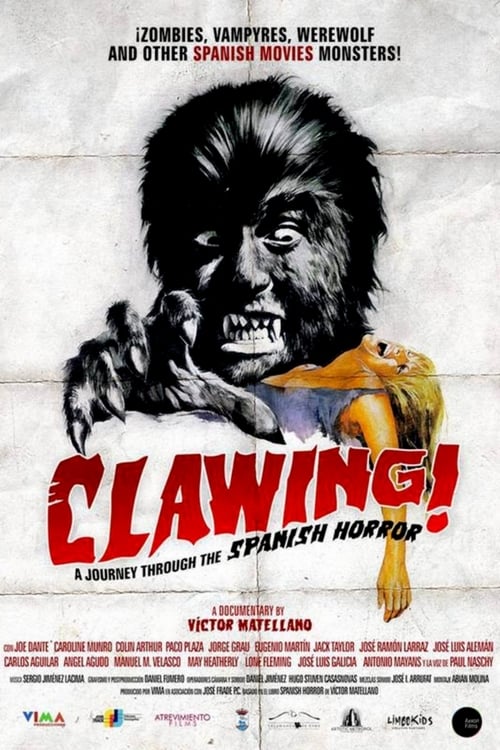
In the late sixties, Spanish cinema began to produce a huge amount of horror genre films: international markets were opened, the production was continuous, a small star-system was created, as well as a solid group of specialized directors. Although foreign trends were imitated, Spanish horror offered a particular approach to sex, blood and violence. It was an extremely unusual artistic movement in Franco's Spain.
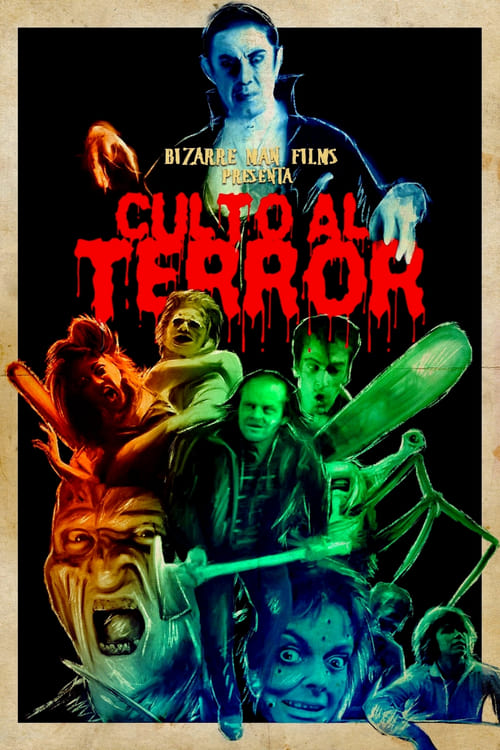
A journey of years through many countries and film festivals; a nostalgic, adrenaline-fueled and rock-spirited immersion into the universe of cinephilia, in search of genre specialists, fans and filmmakers who speak of their shared passion for fantastic cinema; a whole international spiritual community united under the cathartic shadow of horror.
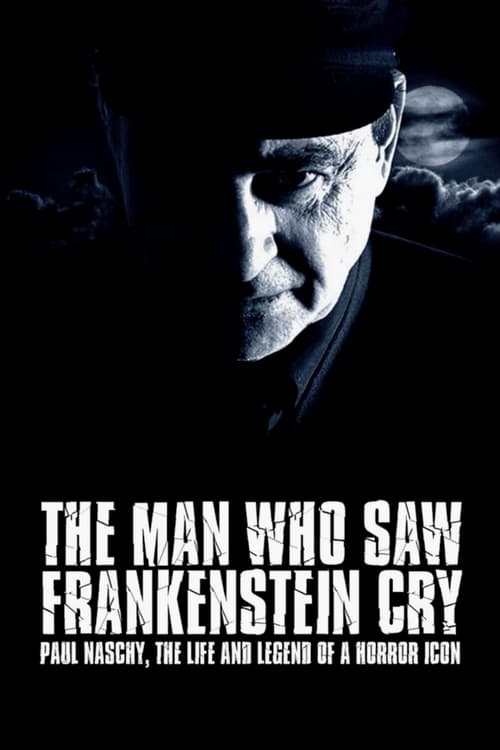
King of Horror, legendary actor, scriptwriter and director, Paul Naschy is regarded as the Spanish Lon Chaney and the most prolific filmmaker dedicated to the fantastic cinema in Spain.
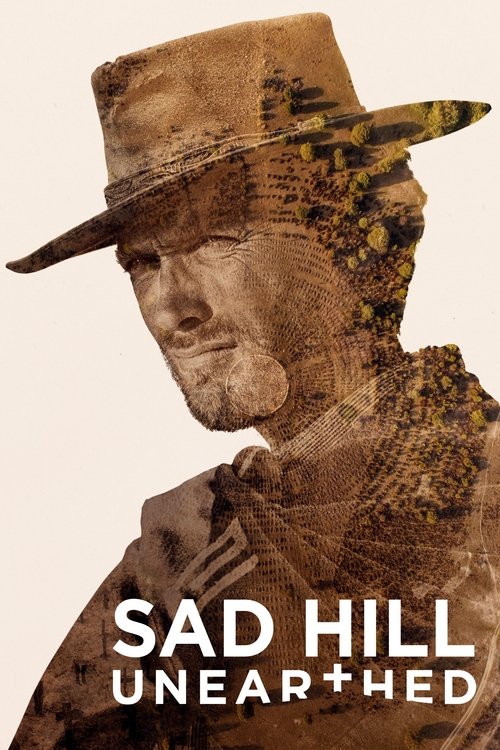
Province of Burgos, northern Spain, October 2015. A group of fans undertake the titanic task of restoring the location of the last scene of The Good, the Bad and the Ugly, the mythical spaghetti western directed by Italian filmmaker Sergio Leone in 1966.

Forty years later, Guillermo Montesinos, the actor who played José María el Cepa in The Cuenca Crime (1980), directed by Pilar Miró, returns to the various locations where the shooting of the mythical film, narrating the infamous Grimaldos case (1910), took place.
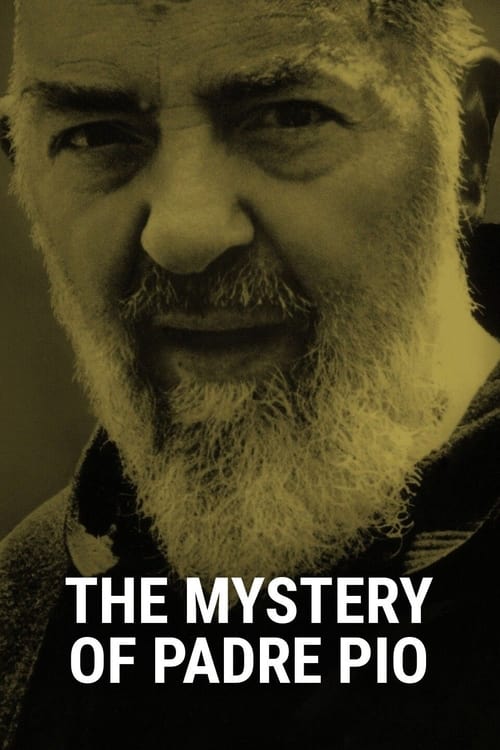
The documentary offers testimonies and documents never disclosed about the plot against its protagonist, who had the stigmata of Jesus Christ in his hands, feet and side for 50 consecutive years.

Porn has shaped the Internet as we know it. Video streaming, high speed broadband, online payment solutions, banner advertising, smartphone design, and even spam were all heavily influenced by an ever growing demand for adult content. This documentary takes a look at the industry behind the global phenomenon and the people that work within it!
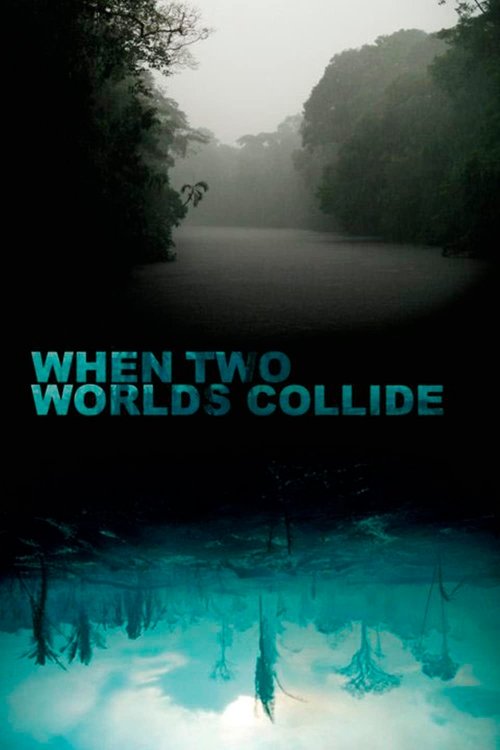
In this tense and immersive tour de force, audiences are taken directly into the line of fire between powerful, opposing Peruvian leaders who will stop at nothing to keep their respective goals intact. On the one side is President Alan Garcia, who, eager to enter the world stage, begins aggressively extracting oil, minerals, and gas from untouched indigenous Amazonian land. He is quickly met with fierce opposition from indigenous leader Alberto Pizango, whose impassioned speeches against Garcia’s destructive actions prove a powerful rallying cry to throngs of his supporters. When Garcia continues to ignore their pleas, a tense war of words erupts into deadly violence.
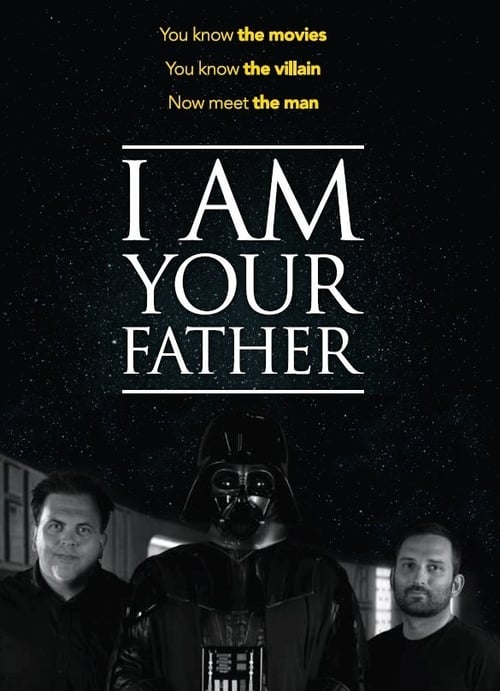
David Prowse is an eighty years old actor, who has lived behind Darth Vader's mask during three decades. A group of Star Wars fans find out why he has been apparently forgotten by Lucasfilm during thirty years, and decide to give him back the glory he never had. This is their last opportunity.
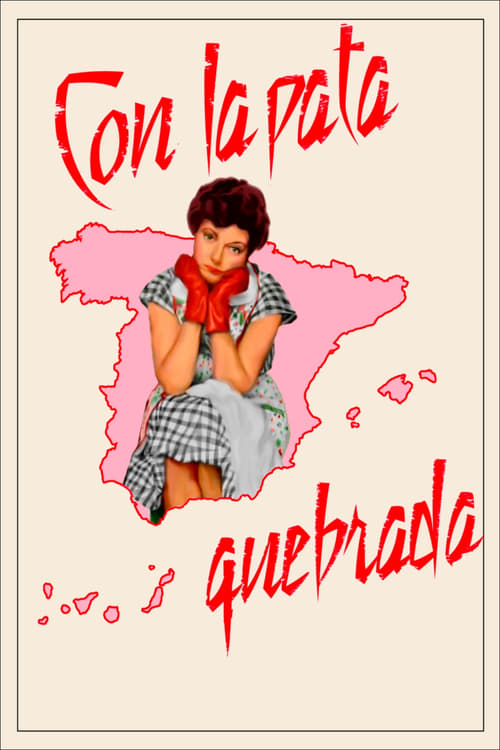
What was the role of women in Spanish cinema from the 1930s to the present explained through fragments of different films, both fiction and non-fiction. (Followed by “Manda huevos,” 2016.)
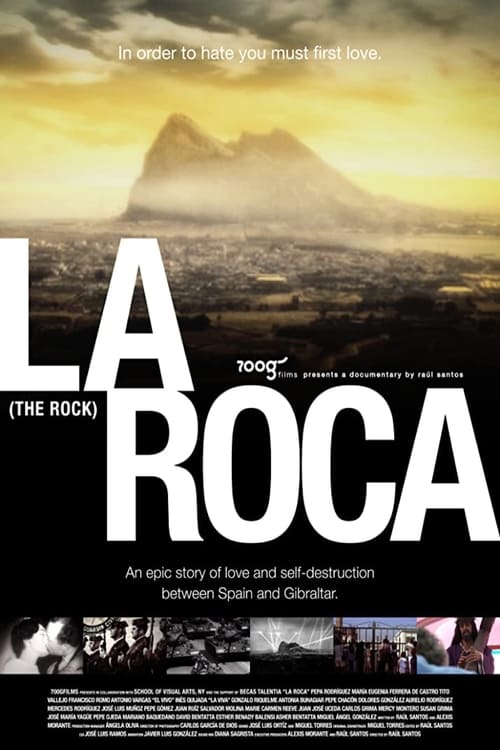
La Roca is an epic Romeo and Juliet love story between the massive Rock of Gibraltar and its neighboring Spanish city of La Linea. Despite being declared enemies by their countries, they used to be inseparable. But in 1969, Francisco Franco, the fascist dictator of Spain, closed the entrance to the British territory of Gibraltar, isolating 30,000 people without food, water, or telephone lines. According to him, The Rock would fall like ripe fruit. Indoctrination on both sides eventually forced the separation of thousands of mixed families, who for over 13 years would meet at the border every Sunday to look through binoculars at their estranged lovers, brothers, parents and babies, screaming messages from a distance. La Roca tells the emotional tale of this important chapter of world history.
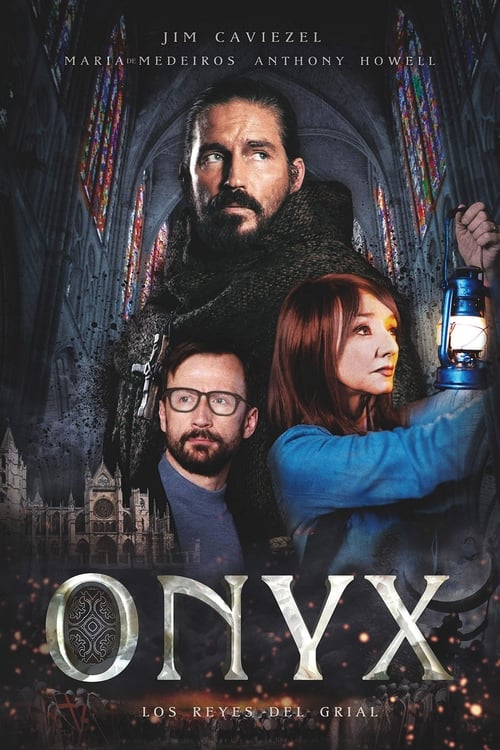
Egypt, 11th century. When a famine ravages the country, the prosperous Andalusian kingdom of Denia comes to the aid of the sultan, who, in gratitude, gives Denia the most sought-after and coveted object in all of Christendom.
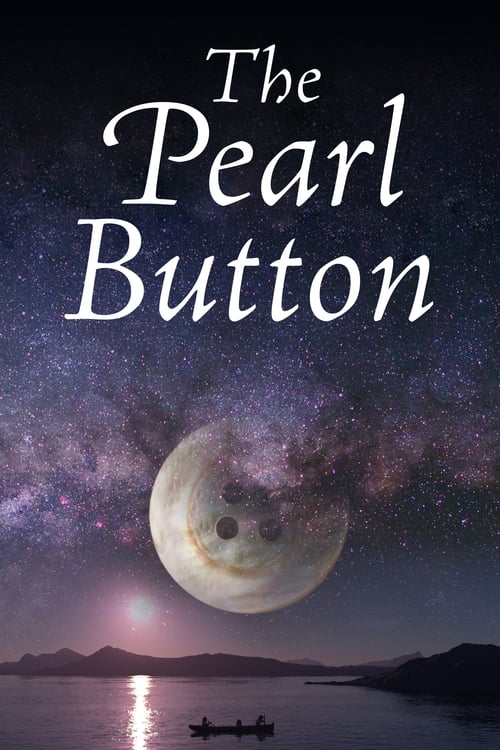
The ocean contains the history of all humanity. The sea holds all the voices of the earth and those that come from outer space. Water receives impetus from the stars and transmits it to living creatures. Water, the longest border in Chile, also holds the secret of two mysterious buttons which were found on its ocean floor. Chile, with its 2,670 miles of coastline and the largest archipelago in the world, presents a supernatural landscape. In it are volcanoes, mountains and glaciers. In it are the voices of the Patagonian Indigenous people, the first English sailors and also those of its political prisoners. Some say that water has memory. This film shows that it also has a voice.

The 70th anniversary of the “Fotogramas” magazine comes in the shape of a sentimental voyage through the history of Spanish cinema thanks to a mosaic of voices represented by people who make films, those who write them and those who consume them. The documentary pays tribute to the readers of “Fotogramas” helped by the leading figures of Spanish cinema, who will read to the camera the most representative letters received at its offices in the history of the magazine.

In the Mediterranean, the sea on which our civilization was founded, miles of refugees await Europe to welcome them. "Stranded" approaches the daily life of these long-term refugees, in occupied buildings or in refugee camps At the gates of Europe these people try to keep hope alive while they live.
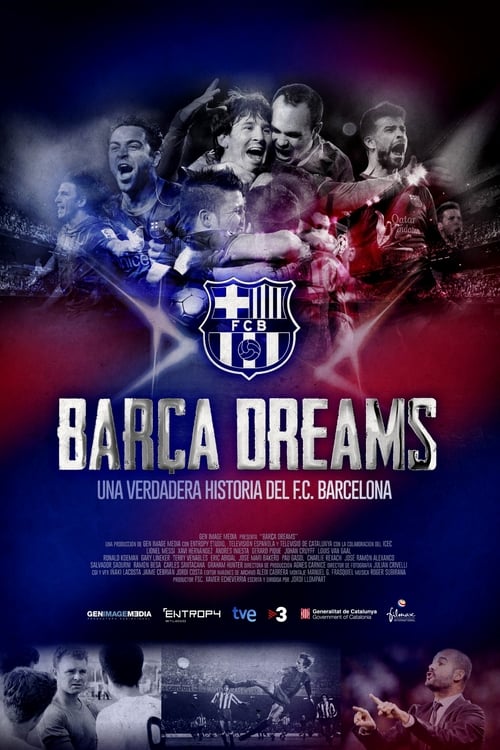
Fascinating chronicle of the ascendancy of FC Barcelona - possibly the top team in the world and powerful emblem of Catalan identity - 'Barca: More than a Club'. Director Jordi Llompart charts the team's inexorable rise from its origins with founder Joan Gamper more than 100 years ago to a Champion's League-winning side that boasts striker Lionel Messi and prestigious coach Pep Guardiola.
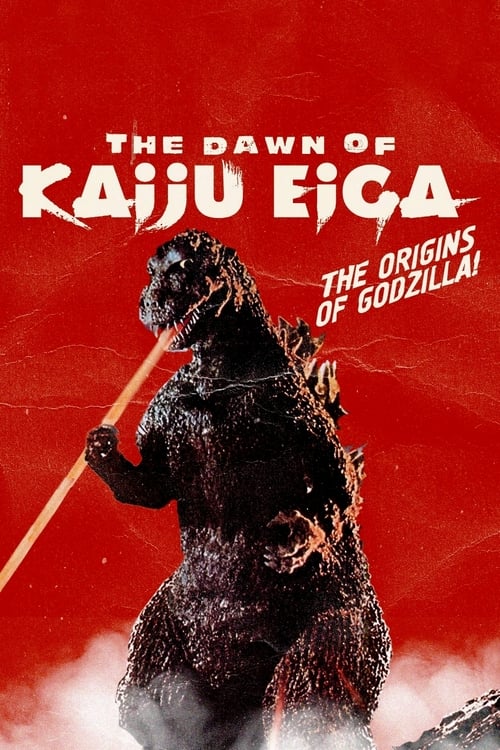
Japan, 1954. A legend emerges from the ashes of Hiroshima and Nagasaki, devastated by atomic bombs in 1945. The creature's name is Godzilla. The film that tells its story is the first of kaiju eiga, the giant monster movies.
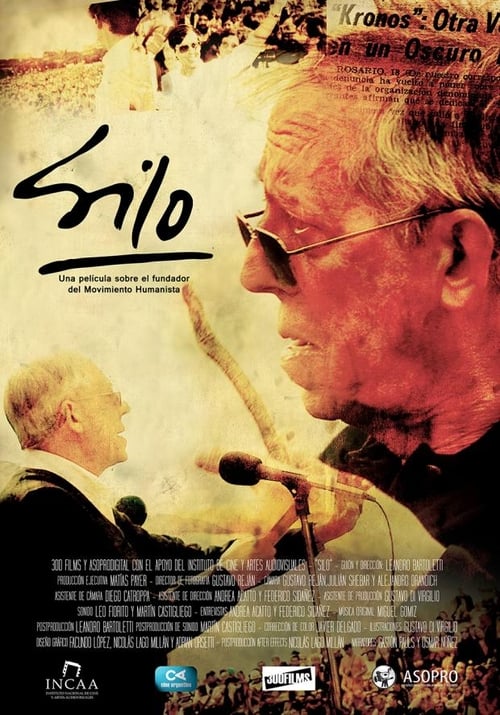
The best kept secret of The Andes will be revealed… For some, he is the thinker that set in motion a spiritual and political movement that passed through borders and extended from Argentina to India. For other, he is the leader of a sect, a skillful manipulator and demagogue. For most, he is still a mystery. Through this feature length documentary film we try to tell the life and work of this extraordinary person, posing a disturbing question: Who is Silo?
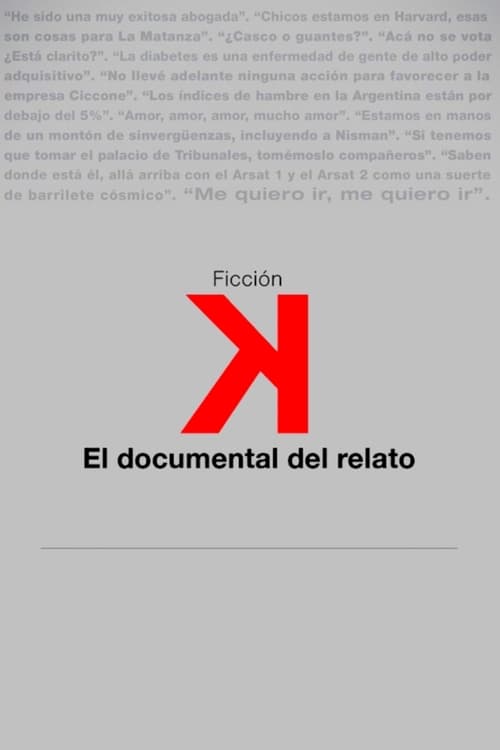
Hard things were said. Incredible things were said. It is time to think about everything that was said. An account of Kirchnerism, a left-wing populist movement that ruled Argentina from 2003 to 2015, led by Néstor Kirchner (1950-2010) and his wife Cristina Fernández de Kirchner.
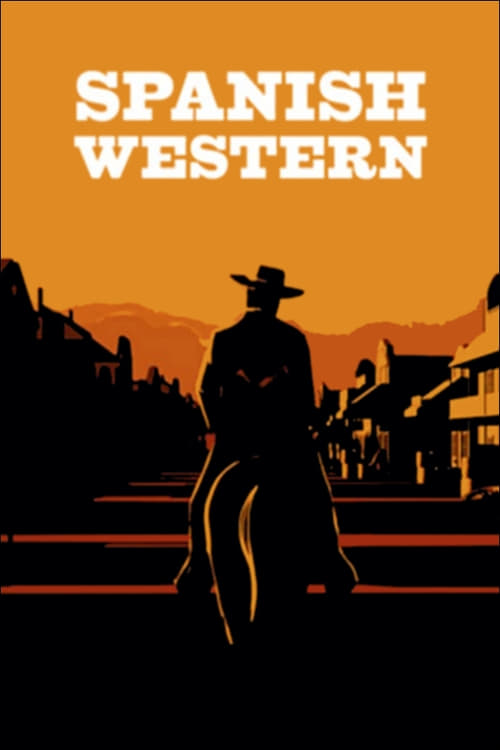
A vindication of the role of the technicians and artists who made spaghetti western genre possible, and a walk through the landscapes that made it possible to recreate in Spain, mainly in the desert of Almería, hundreds of adventures set in the remote American Far West.
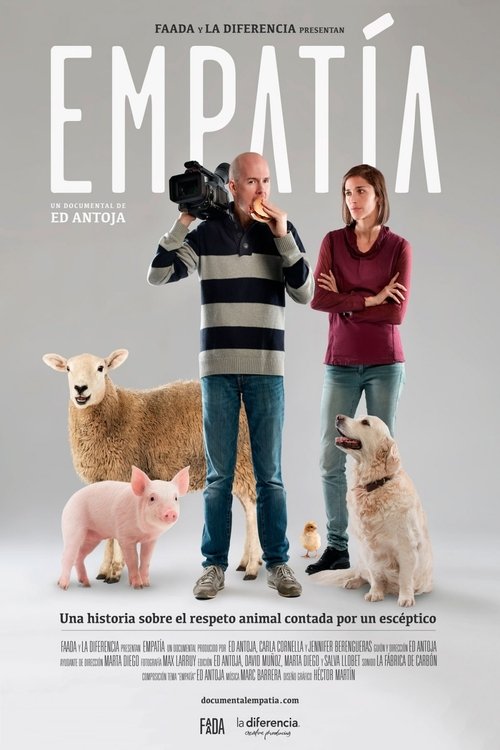
Ed is commissioned to make a documentary intending to change those habits of society that are harmful to animals. But completely alien to the animal protection movement, he will realize that to carry out the project, he must first convince himself.
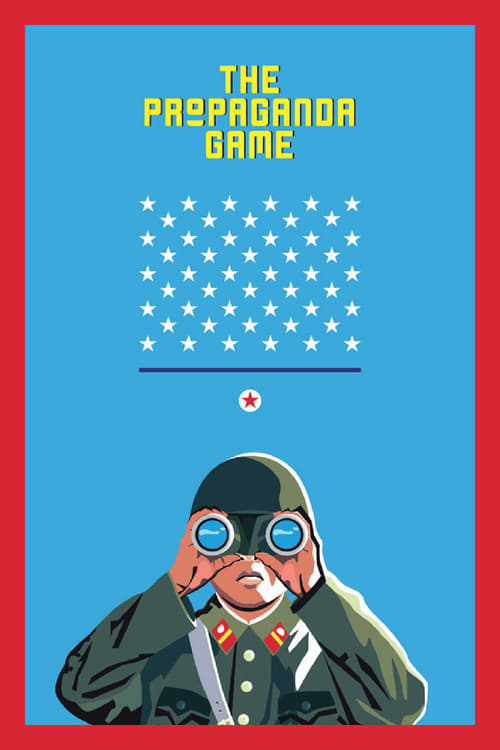
North Korea. The last communist country in the world. Unknown, hermetic and fascinating. Formerly known as “The Hermit Kingdom” for its attempts to remain isolated, North Korea is one of the largest sources of instability as regards world peace. It also has the most militarized border in the world, and the flow of impartial information, both going in and out, is practically non-existent. As the recent Sony-leaks has shown, it is the perfect setting for a propaganda war.
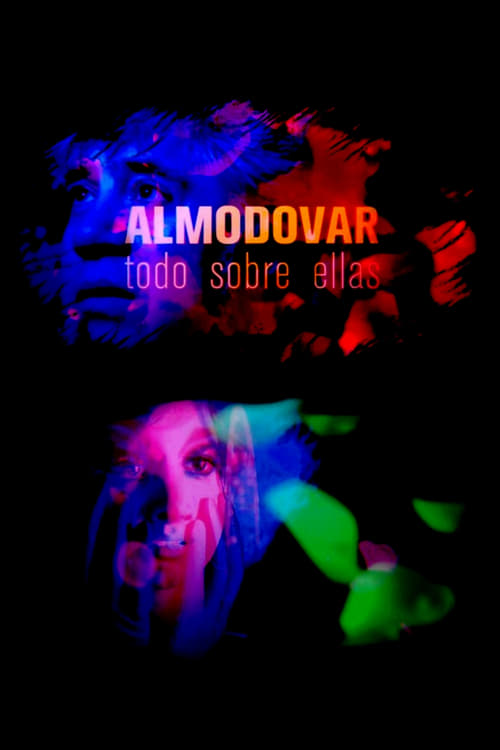
When looking at Pedro Almodóvar’s filmography, it becomes evident that women are everywhere; in fact, his work revolves around them. His divas are the best to create a real portrait of Almodóvar and evoke the emotional power of his films. These women are the ideal observers of a cinematic career that, from La Mancha to Hollywood, has changed the image of Spain in the world.
How Don Quixote de la Mancha, the immortal character created by Miguel de Cervantes in 1605, has been depicted in cinema, television, cartoons, theater, opera, ballet and other artistic disciplines. An adventure that began more than four hundred years ago in the pages of a book and is far from coming to an end.
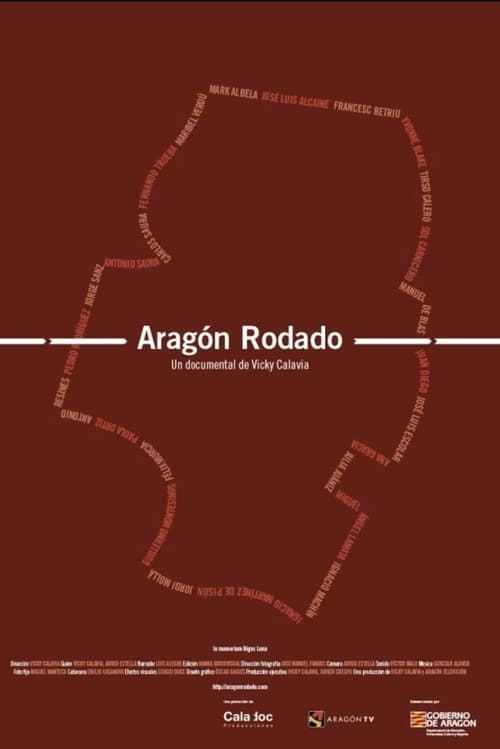
A look at the Aragonese countryside, star of the movie screen, accompanied by various trades of cinema.
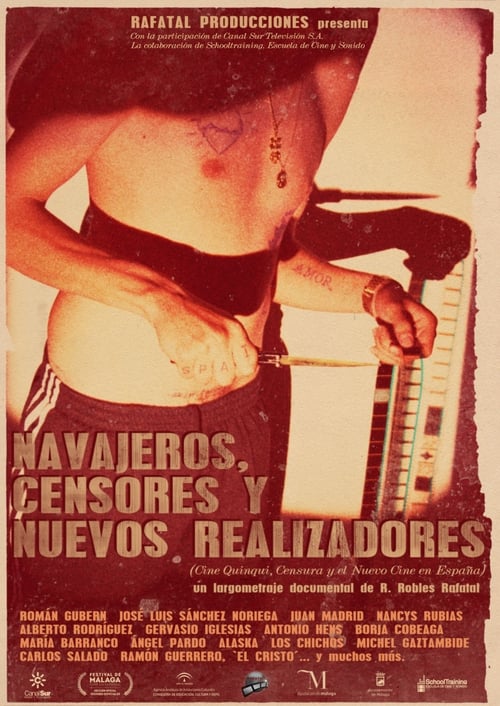
Spain. 1978. Year of the first democratic elections following the dictatorship, and of the birth cine quinqui (delinquent movies): films that rapidly became a big commercial success, showing things that were banned by the censorship not too long before.
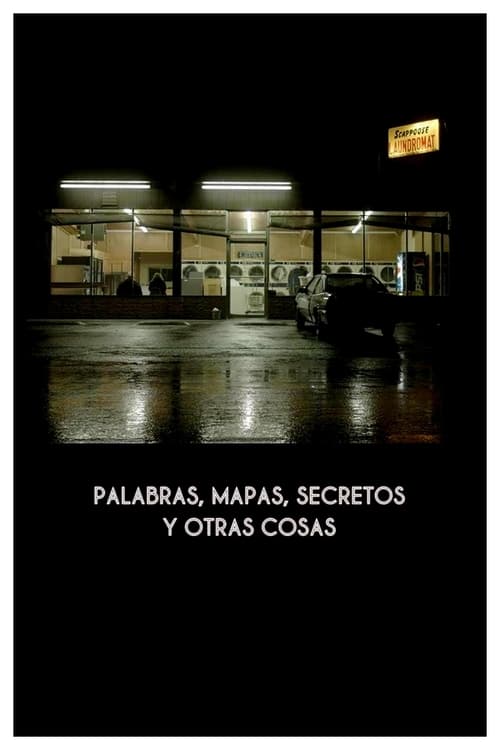
A portrait of the internationally acclaimed Spanish film director Isabel Coixet and an analysis of her particular world and her sensibility as a creator: her fictional universe, her career and her life through the words of actors, technicians, family, friends, journalists, specialized critics and those filmmakers who have been inspired by her work.
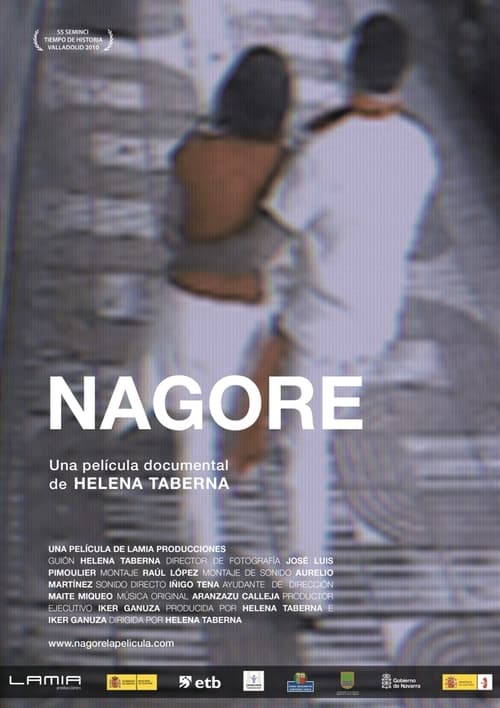
Seen through the eyes of Asun Casasola, mother of Nagore Laffage, we take a look at the woman's life since her daughter was murdered. The crime, committed during Pamplona's San Fermin celebrations in 2008 by a psychiatric intern, shook society and hit the media headlines as never before. The trial took place in November 2009, with the defendant being convicted of manslaughter. Asun, her family, and all those who support them, continue their struggle to see justice done and have the culprit sentenced for murder with intent. This documentary talks about Nagore's murder, converting it into an emblematic story representing the countless similar cases taking place throughout today's society.
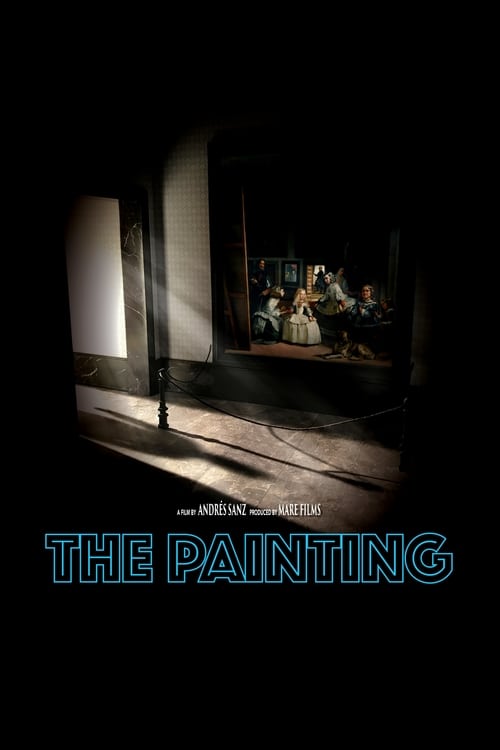
For three and a half centuries, from the same day that Diego Velázquez (1599-1660) applied his last brushstroke to the canvas, the enigma of “Las meninas, o La familia de Felipe IV” (1656) has not been deciphered. The secret story of a painting unveiled as if it was the resolution of a perfect crime.

In 1970, the iconoclast Jess Franco directs a version of Dracula with Christopher Lee and Klaus Kinski. Making the most of the occasion, Pere Portabella, icon of avantgarde cinema, directs a parallel and totally converse movie during the same shoot. This short film compares both versions.

The personal stories lived by the Uncle, the Father and the Son, respectively, form a tragic experience that is drawn along a line in time. This line is comparable to a crease in the pages of the family album, but also to a crack in the walls of the paternal house. It resembles the open wound created when drilling into a mountain, but also a scar in the collective imaginary of a society, where the idea of salvation finds its tragic destiny in the political struggle. What is at the end of that line? Will old war songs be enough to circumvent that destiny?
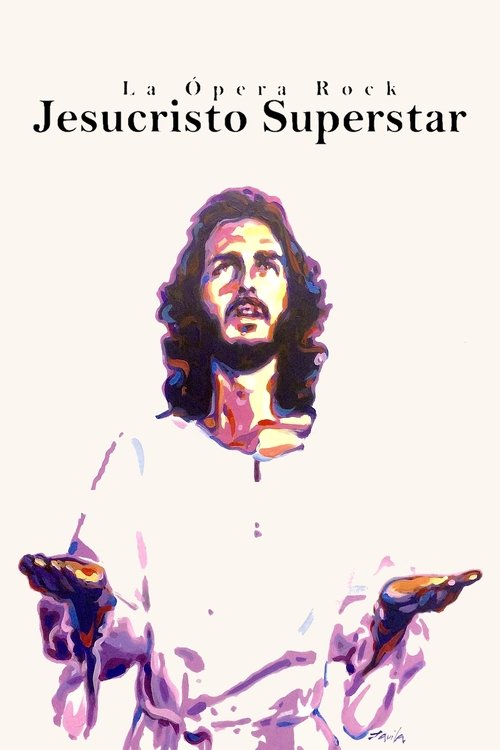
On November 6, 1975, a few days before the death of dictator Francisco Franco, the Spanish version of the rock opera Jesus Christ Superstar, originally written by Tim Rice and composed by Andrew Lloyd Webber, premiers in Madrid, starring and produced by singer Camilo Sesto, a controversial work that became a mass phenomenon.

In Spain, on May 11, 1896, at the Price circus, the first moving images ever shown in the country are projected. From that event, the Spanish actor Antonio Resines intends to compile a series of anecdotes to shape the amazing history of Spanish cinema, holding several conversations with prominent figures of the Spanish film industry.
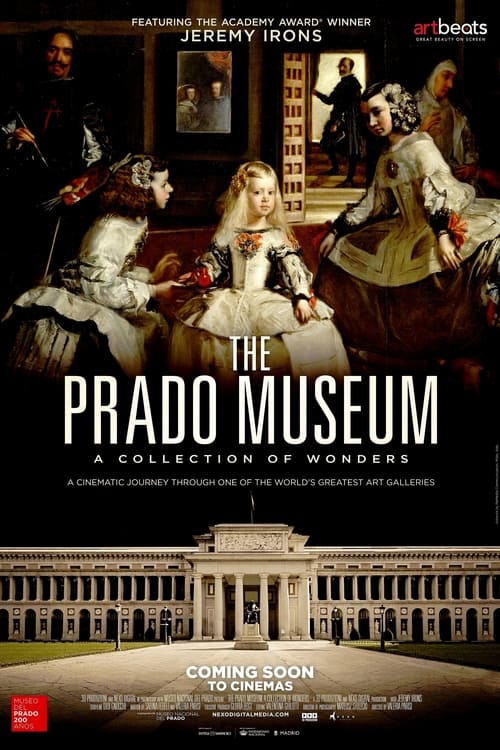
Actor Jeremy Irons embarks on an epic journey through the halls of the Prado Museum in Madrid, Spain, two hundred years after its inauguration, along corridors where thousands of masterpieces of all time tell the lives of rulers and common people, and tales about times of war and madness and times of peace and happiness; because, as Goya said, imagination, the mother of the arts, produces impossible monsters, but also unspeakable wonders.
An analysis of the impact on the United States Latino community of immigration policies promoted by President Donald Trump.
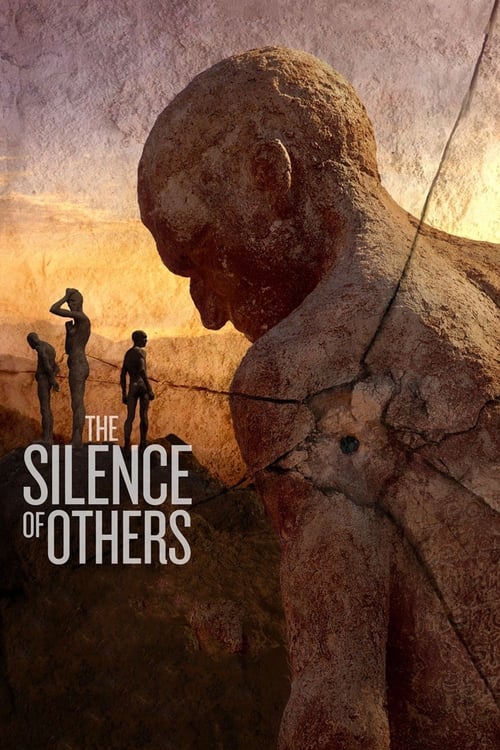
The story of the tortuous struggle against the silence of the victims of the dictatorship imposed by General Franco after the victory of the rebel side in the Spanish Civil War (1936-1975). In a democratic country, but still ideologically divided, the survivors seek justice as they organize the so-called “Argentinian lawsuit” and denounce the legally sanctioned pact of oblivion that intends to hide the crimes they were subjects of.
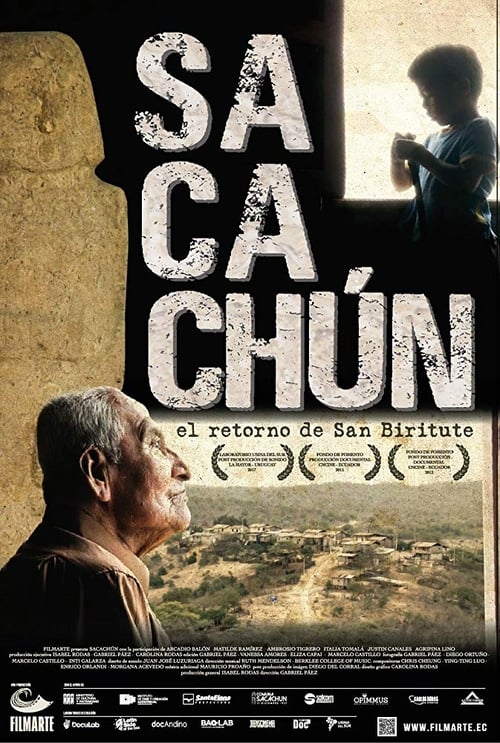
A documentary about faith through an essay on aging and the fear of death. A story about a group of elders in a ghost town and their lifetime struggle for the respect of their culture and their different ways of understanding faith, where the need of water is the main element that supports their demands and ancient culture is presented as an heritage for new generations to come, that if their home town survives after they are gone. A film that portrays youthfulness as hope, while the main characters reminds us all that nothing is more powerful than our own will and that there is no such thing as a lost cause.
J.A. Bayona portraits in "9 days in Haiti" the daily life of the Caribbean country and how it struggles against poverty, with the help of children of school IDP camp Corail-Cesselesse.
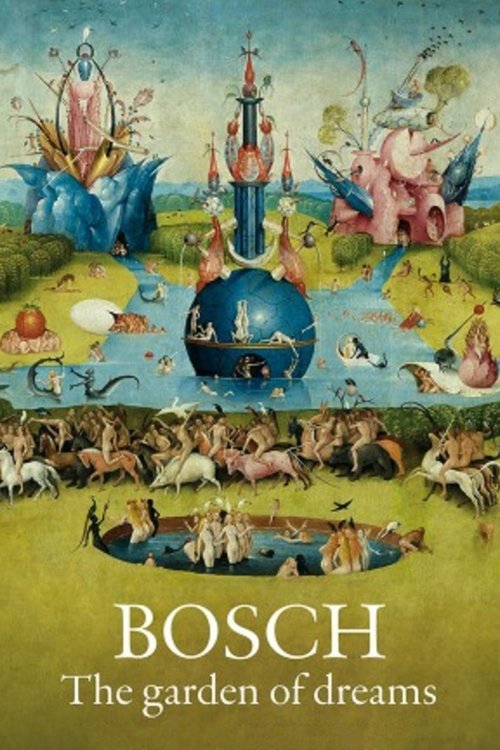
2016 marks the 500th anniversary of the death of Hieronymus Bosch. It is almost the only information about the artist of The Garden of Earthly Delights that we can put a precise date to. Bosch, the garden of dreams is a film about his most important painting and one of the most iconic paintings in the world: The Garden of Earthly Delights.

In 1971, John Lennon and Yoko Ono embark on a search for a girl named Kyoko. On April 23rd, they are arrested by the police at a hotel in Palma de Mallorca, Spain.
Plague: From the Latin word “plaga” meaning 'blow', 'wound'. Meaning: Massive, sudden appearance of living beings of the same species that cause serious damage to animal or plant populations. Abundance of something harmful.
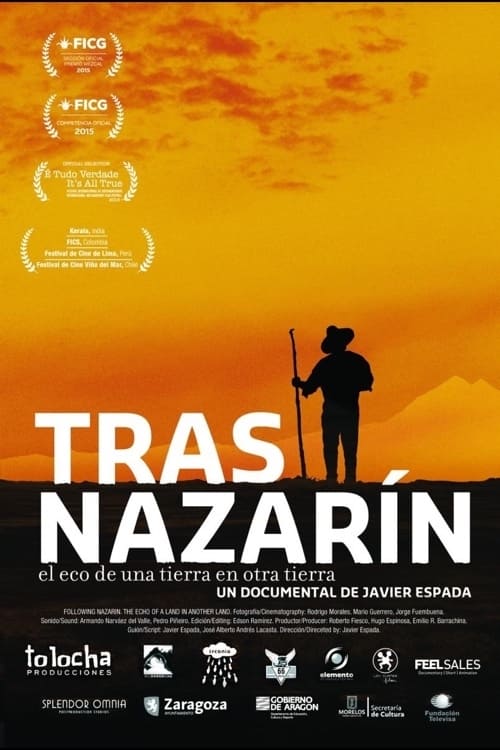
"Nazarín is a Quixote of the priesthood " "Among the films I have made in Mexico, Nazarin is one that I prefer." "As inexplicable as the accidents that set it off, our imagination is a crucial privilege."
More than a genre, salsa was a cultural movement that arose in a time of need for strengthening the Latino culture and spread across the world with such force that, 50 years later, is still moving the feet of dancers in the most inhospitable corners world. At the heart of the movement is the figure of Johnny Pacheco, know as one of the great musical legacies responsible for salsa music.
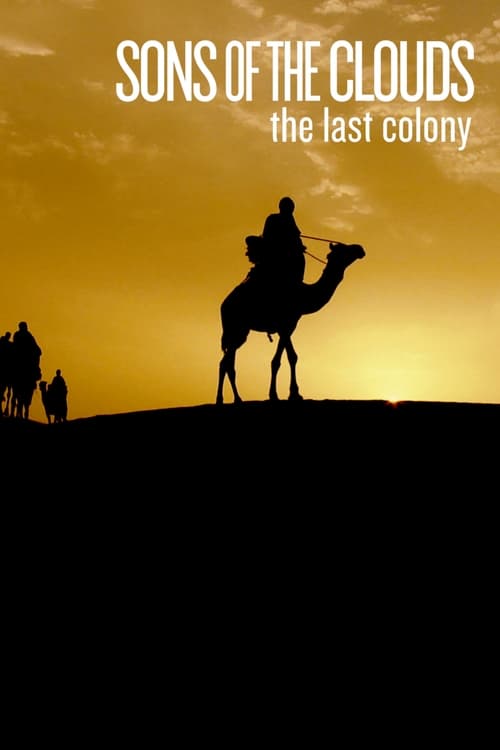
The political upheaval in North Africa is responsibility of the Western powers —especially of the United States and France— due to the exercise of a foreign policy based on practical and economic interests instead of ethical and theoretical principles, essential for their international politic strategies, which have generated a great instability that causes chaos and violence, as occurs in Western Sahara, the last African colony according to the UN, a region on the brink of war.
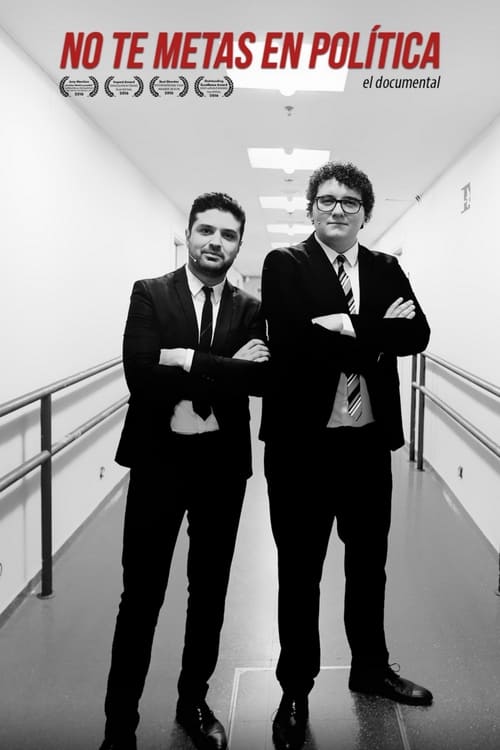
Comedians Facu Díaz and Miguel Maldonado, along with filmmaker Nacho Vigalondo as host, tell the brief story of “No te metas en política,” a Spanish late-night talk show that was broadcast online between 2016 and 2019.
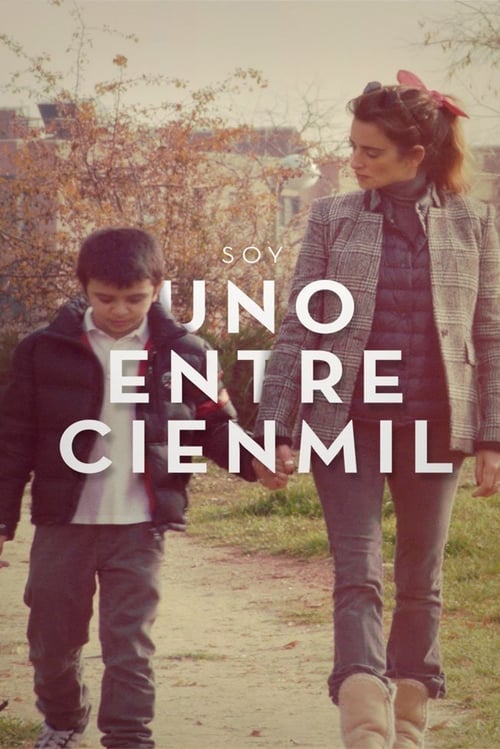
Childhood leukemia, which accounts for 30% of childhood cancer, affects the lives of three in every 100,000 children. Of those affected, 20% do not survive, and these statistics have remained unchanged for over 20 years. But there's a way we can improve this outcome: through research.
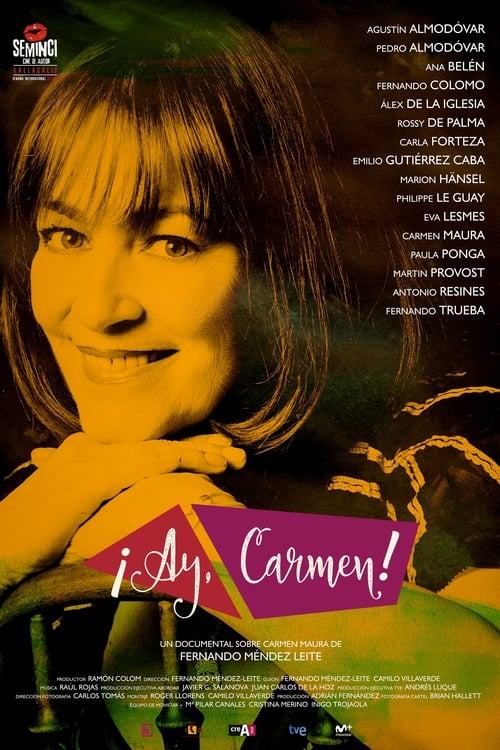
The personal and professional story, told in first person, of Spanish actress Carmen Maura, director Pedro Almodóvar's first muse and a brilliant artist in her own right.
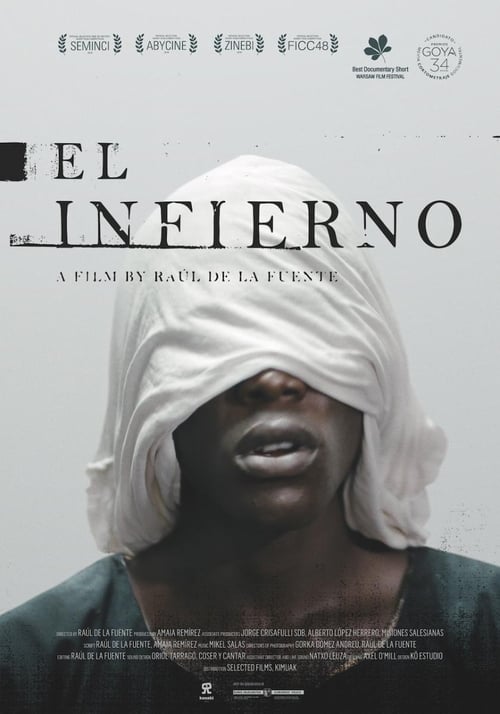
Chennu committed his first crime when he was 15 years old: being a street kid. And he entered hell: Pademba Road. The adult prison in Freetown. In hell, Mr. Sillah is in charge, and there is no hope. Chennu got out after four years. Now he wants to go back.
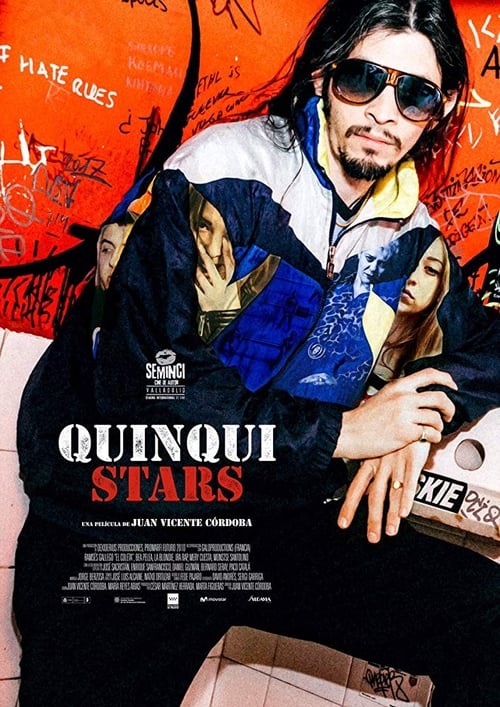
QUINQUI STARS begins in the years of the transformations that took place between the 70s and the 80s in the peripheral neighborhoods of Madrid that affected many young people and drove them towards delinquency.
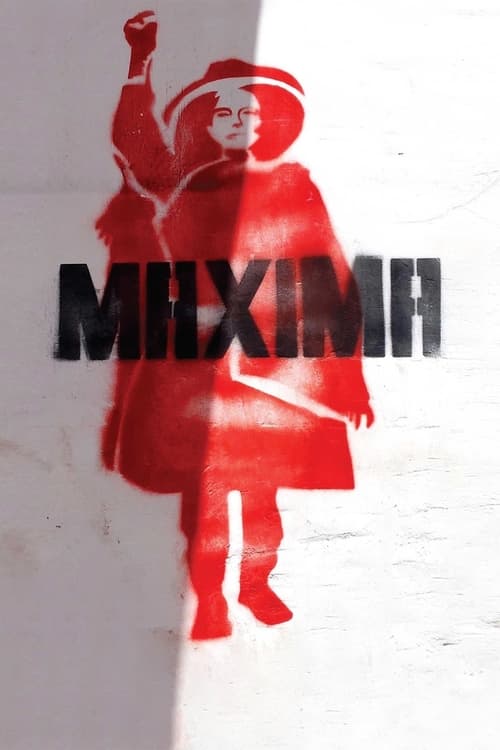
A multi-billion-dollar mining project is launched by the American Newmont Mining Corporation and lays claim to the land belonging to Preuvian highlander Máxima Acuña.
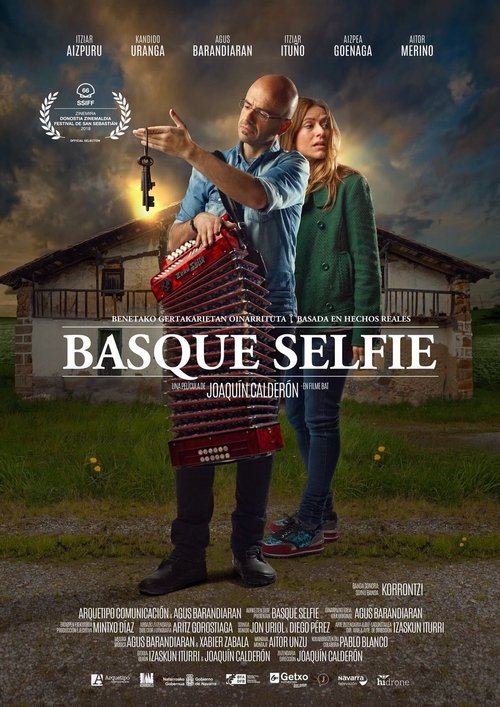
Agus Barandiaran, ambassador of traditional Basque music and dance all over the world, is confronted with the worst thing that can happen to a Basque person: the demolition of his 1540 baserri (family farmhouse) to make way for a new road. Agus must fight the circumstances to try and protect his roots, because in the Basque culture "etxea" means much more than four walls. Basque Selfie is a sad but edifying story articulated around tradition, the tradition of keeping the signs of one’s own identity alive.
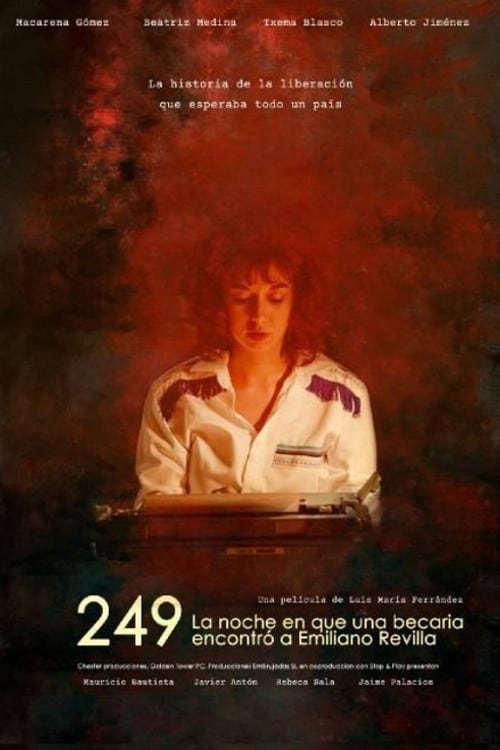
On October 30, 1988, the businessman Emiliano Revilla had been kidnapped by ETA for 249 days. After more than eight months of captivity, hopes of liberation were increasingly scarce and very few journalists were still standing guard at the employer's house. María José Sáez, a young editor, formerly of the EFE Agency, was the only one who was close to the house on the night of October 30th.

Spain, 1961. Life in the small village of Torrelobatón, in the province of Valladolid, was turned upside down when the cinematic magic circus of a future Hollywood blockbuster, produced by Samuel Bronston, the rogue mogul of his own film empire, came to town: its inhabitants became participants and witnesses of the shooting of “El Cid,” a film directed by Anthony Mann, starring mythical actors Charlton Heston and Sophia Loren. Those days, legends came alive.