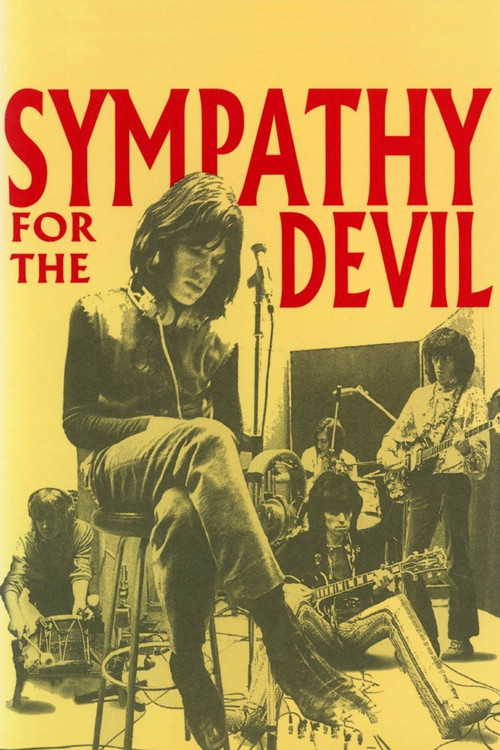
While The Rolling Stones rehearse "Sympathy for the Devil" in the studio, an alternating narrative reflects on 1968 society, politics and culture through five different vignettes.
Sympathy for the Devil
6.2 1968
808 Matches Found
While The Rolling Stones rehearse "Sympathy for the Devil" in the studio, an alternating narrative reflects on 1968 society, politics and culture through five different vignettes.
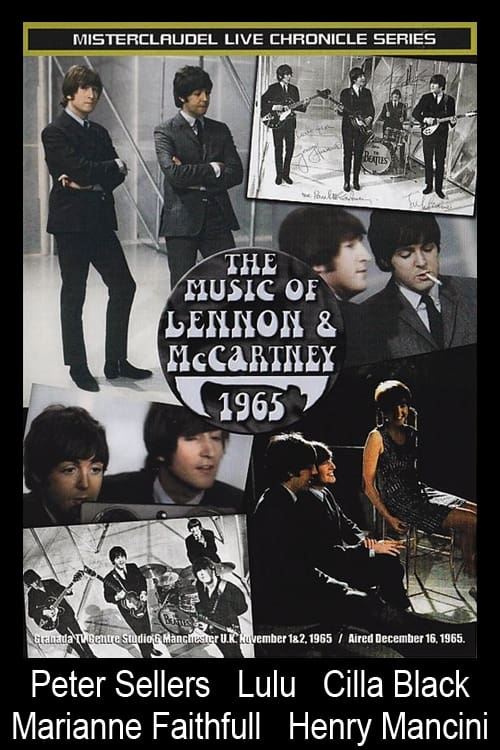
A 1965 British television special honouring the songwriting partnership of John Lennon and Paul McCartney. It was produced by Granada Television and aired on that network on 16 December 1965 before receiving a national broadcast the following evening. The programme mainly consisted of other artists miming to their recordings of the songs. The Beatles performed Day Tripper and We Can Work It Out, and Peter Sellers delivered a comedic interpretation of A Hard Day's Night, in the style of stage actor Laurence Olivier's portrayal of Richard III.
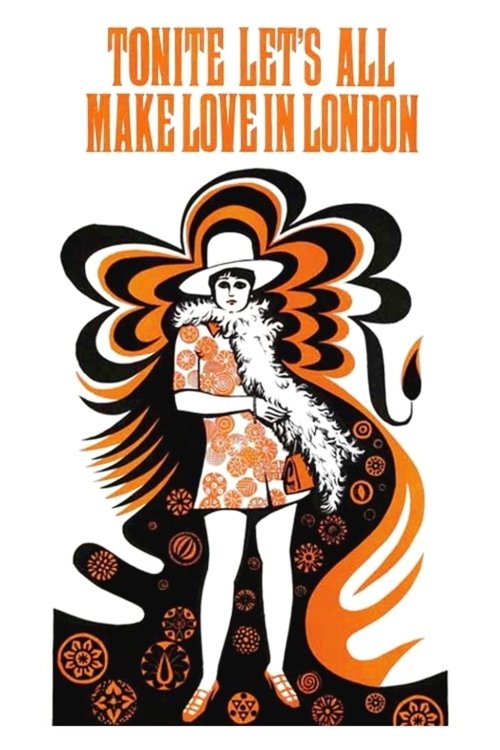
Peter Whitehead’s disjointed Swinging London documentary, subtitled “A Pop Concerto,” comprises a number of different “movements,” each depicting a different theme underscored by music: A early version of Pink Floyd’s “Interstellar Overdrive” plays behind some arty nightclub scenes, while Chris Farlowe’s rendition of the Rolling Stones’ “Out of Time” accompanies a young woman’s description of London nightlife and the vacuousness of her own existence. In another segment, the Marquess of Kensington (Robert Wace) croons the nostalgic “Changing of the Guard” to shots of Buckingham Palace’s changing of the guard, and recording act Vashti are seen at work in the studio. Sandwiched between are clips of Mick Jagger (discussing revolution), Andrew Loog Oldham (discussing his future) – and Julie Christie, Michael Caine, Lee Marvin, and novelist Edna O’Brien (each discussing sex). The best part is footage of the riot that interrupted the Stones’ 1966 Royal Albert Hall concert.
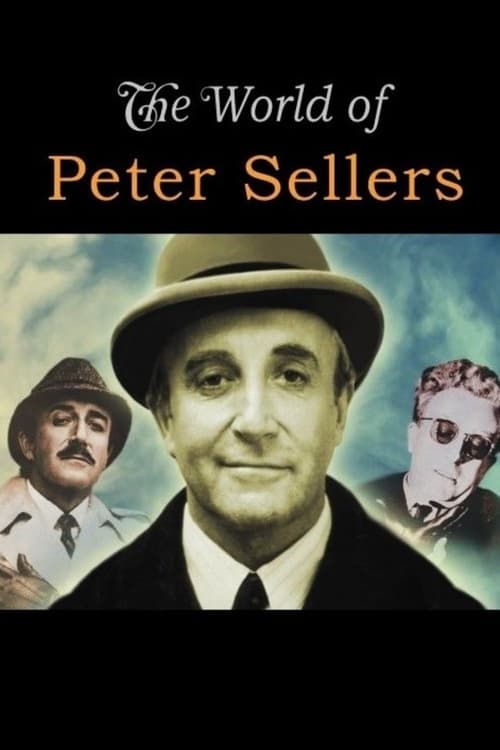
Banned by the BBC in 1971, director Tony Palmer's profile of the late Peter Sellers was, in the words of the film's subject himself, "the only portrait which really understood me." Sellers was an icon of comedy and a true innovator, but a look inside reveals a tragic figure. How could one of the world's most beloved comic talents have such a morbidly distorted opinion of himself? In this documentary, interviews with such friends, fans, and colleagues as Raquel Welch, Yul Brenner, Spike Milligan, Laurence Harvey, and others reveal the true personality behind the man who was loved by everyone, but still viewed himself as entirely alone.
Impressions of contemporary British arts and fashion. Summary of art through the ages taking in every thing from Mary Quant to the Marat/Sade production. Made for the Montreal "Expo '67" exhibition.
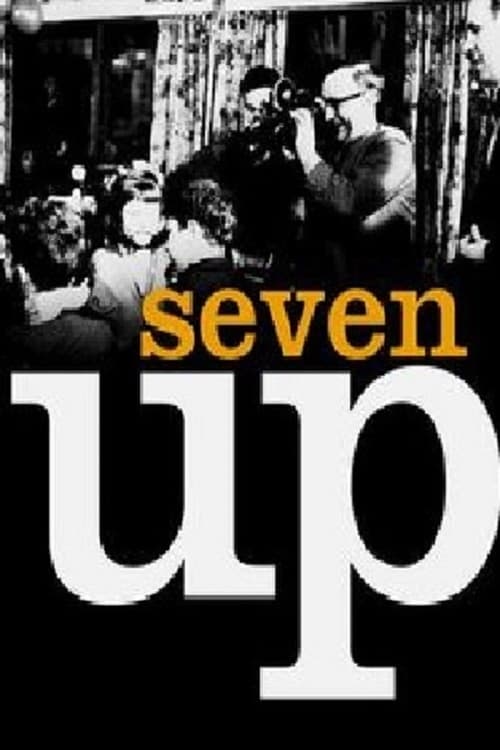
A group of British children aged 7 from widely ranging backgrounds are interviewed about a range of subjects. The filmmakers plan to re-interview them at 7 year intervals to track how their lives and attitudes change as they age.
Dramatically portraying the Peasants' Revolt of 1381, the film reveals the conditions of virtual slavery which persisted throughout the Middle Ages, and the weaknesses of the feudal system; its oppressive tax structure, its cruelty and its social inequality
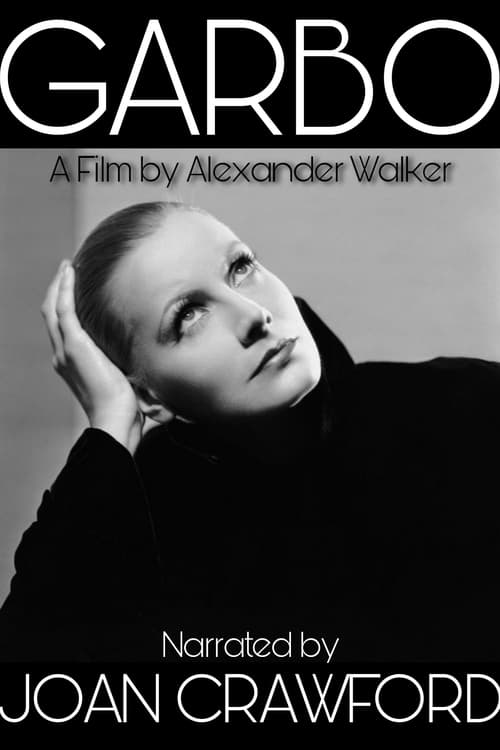
Joan Crawford narrates this documentary about the career of Greta Garbo.
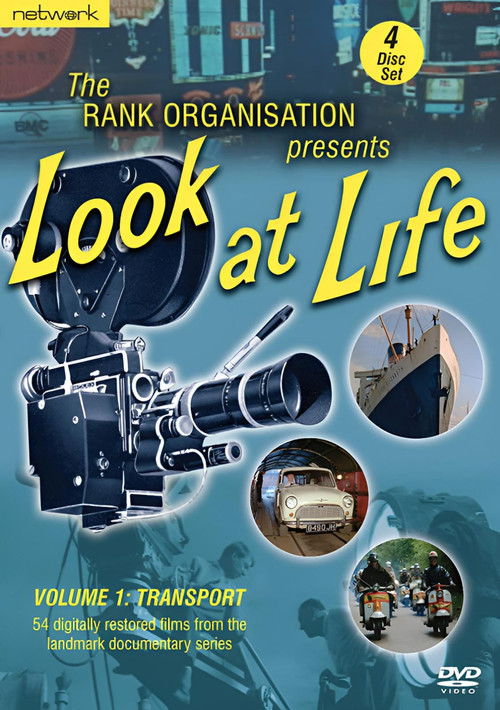
A look at people who travel the world by air as part of their everyday jobs, including businessmen and women who fly around the world as easily as taking a taxi.
The story of the aborted 1937 filming of "I, Claudius", starring Charles Laughton, with all of its surviving footage.
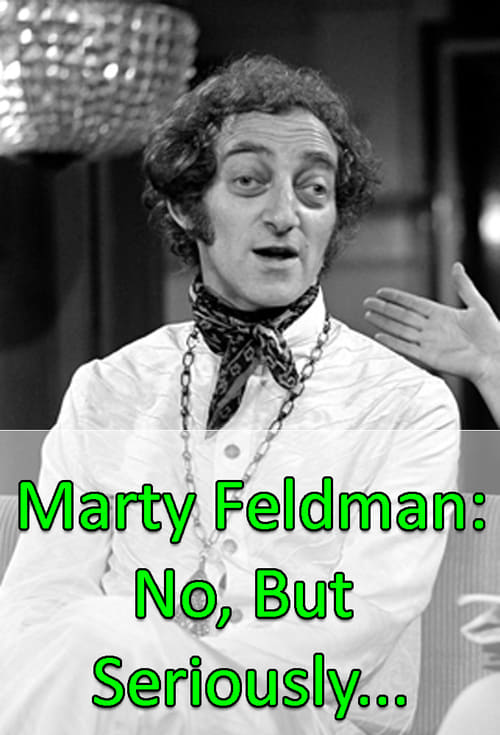
Marty Feldman, for many years a successful comedy writer before turning to performing, explores humour through the people who create it, comparing their traditions, motivations and anxieties with his own. Among the people Marty talks to are Peter Sellers, Eric Morecambe, Peter Brough and Archie Andrews, Dudley Moore and Barry Took.
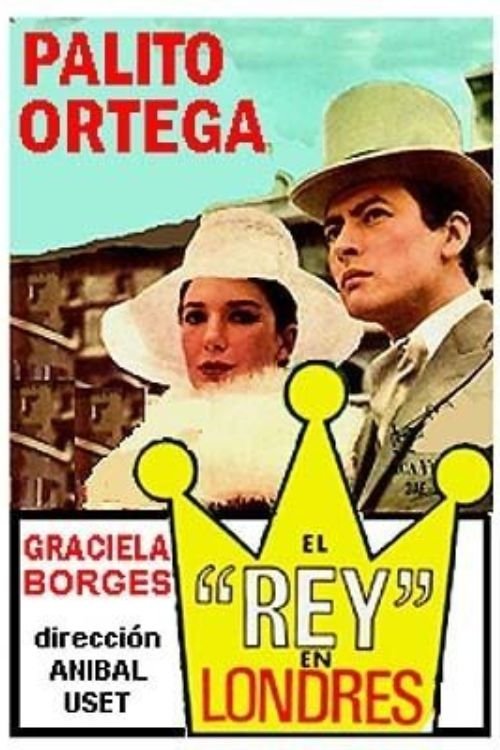
The film shows as a documentary the trip to London of Palito Ortega and Graciela Borges
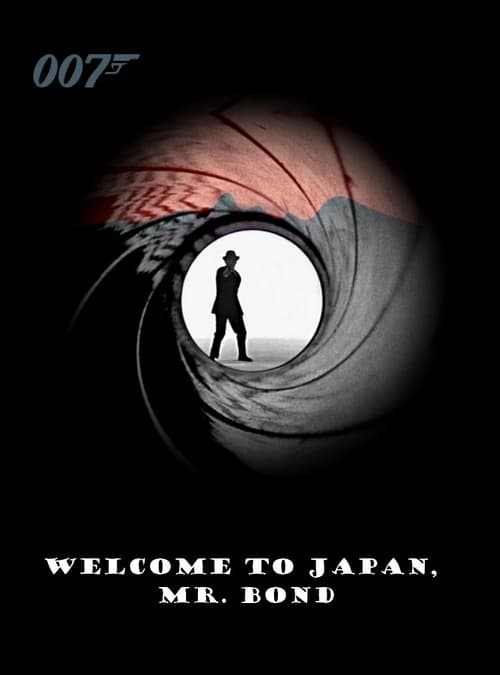
Moneypenny and Q discuss the rumors that James Bond is getting married. Promotional clip show to coincide with the release of the James Bond movie You Only Live Twice (1967) featuring clips from the earlier 007 movies.
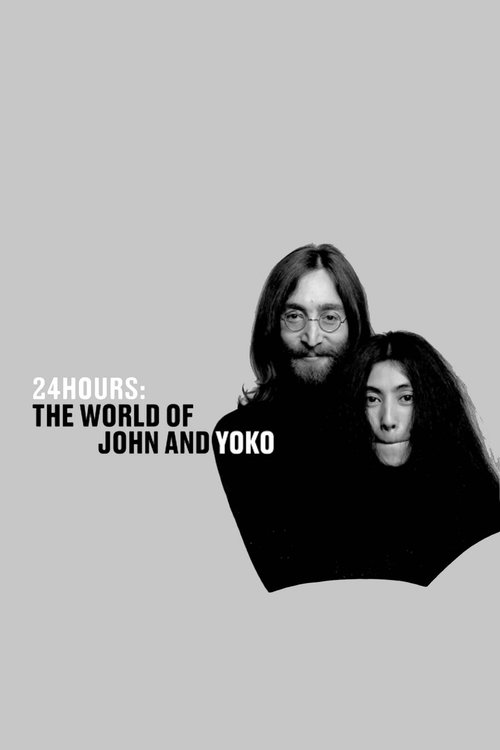
Initially Broadcast in 1969 on the BBC, this documentary short spotlights the creativity and activism of John Lennon and Yoko Ono
The outrageous life of the American dancer of the 1920s, Isadora Duncan, whom Ken Russell described as "part genius and part charlatan".
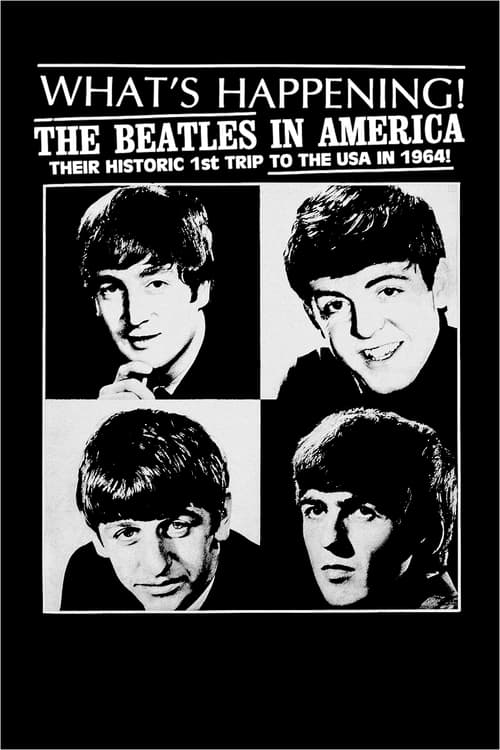
New York, USA, February 1964. Five grueling days in the life of George, John, Paul and Ringo, the Fab Four, The Beatles: the hysterical fan reception at JFK airport; several press conferences; in their rooms at the Plaza Hotel; in the backstage at the Ed Sullivan Show; hanging out with the legendary DJ Murray the K; and the frantic return home.

Hello London is a 1958 documentary film starring Sonja Henie and Michael Wilding.
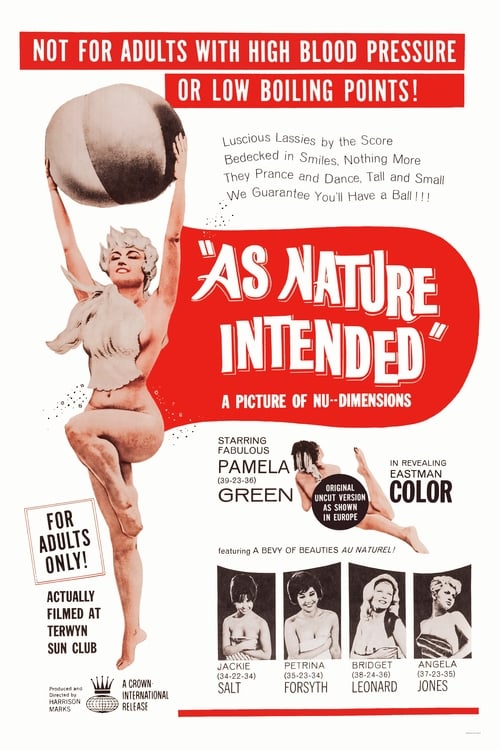
Three girls on a tour of the English countryside meet up with two young women who introduce them to the joys of life in a nudist camp.
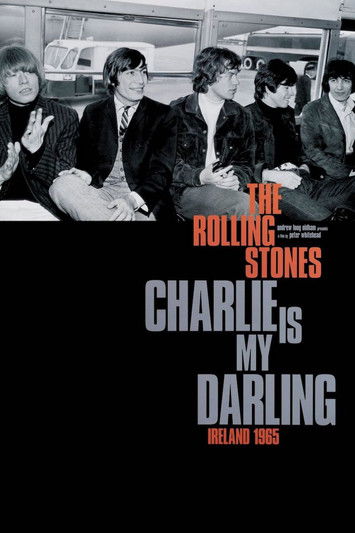
Charlie Is My Darling, directed by Peter Whitehead, was the first documentary film about The Rolling Stones. The movie was shot during the band's two-day tour of Ireland on 3 and 4 September 1965, and was completed in the spring of 1966. It received only spotty release in 1966 before being withdrawn, and has seldom been seen since then.
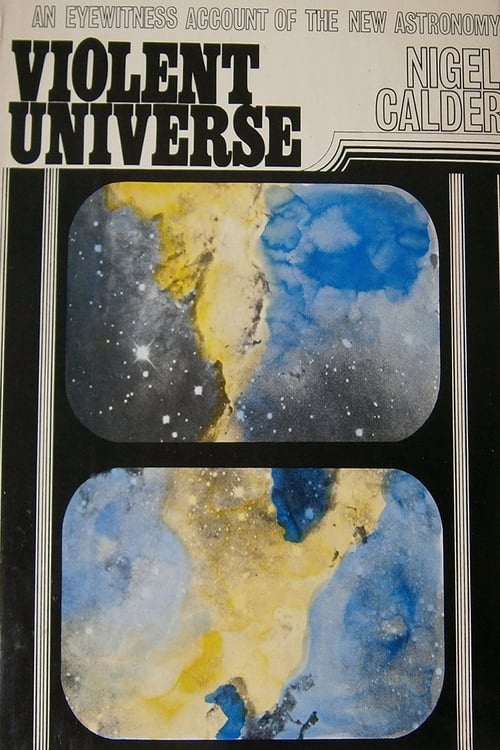
Thirty distinguished astronomers are visited at their observatories throughout the world in this comprehensive report of astronomical theories, research, and discoveries.
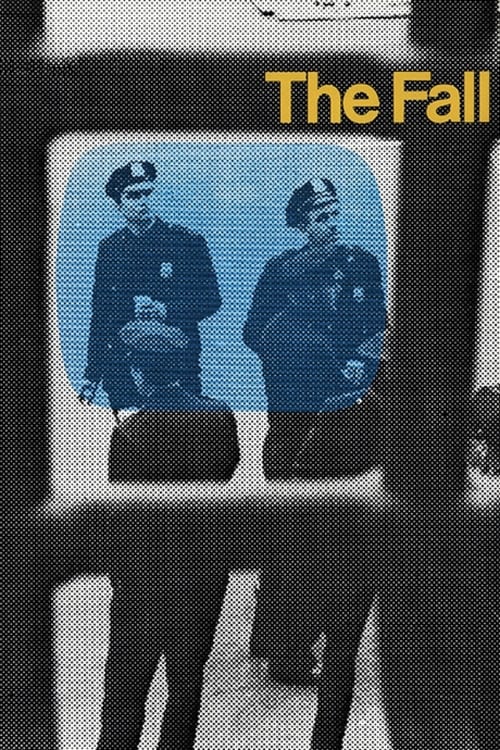
"The Fall" depicts certain scenes in New York City between October 1967 and March 1968, shot by the independent filmmaker, Peter Whitehead. It is a very personal documentary, and Whitehead appears in a large number of scenes, and we hear his lengthy ruminations on the state of the United States and the war in Vietnam.
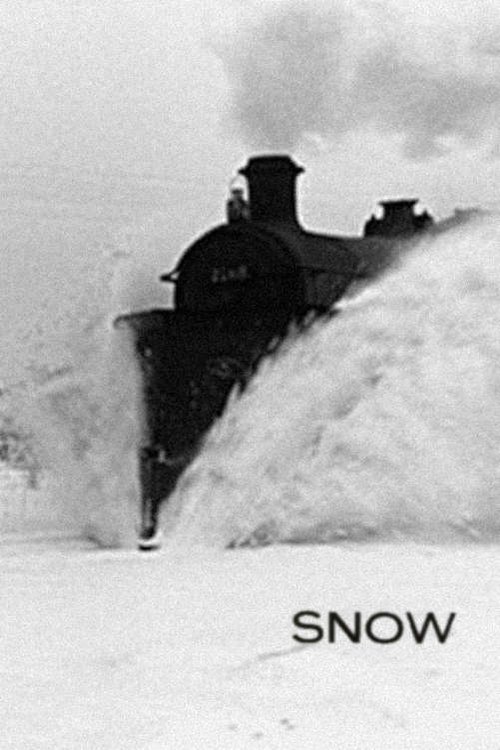
Comprising train and track footage quickly shot just before a heavy winter's snowfall was melting, the multi-award-winning classic that emerged from the cutting-room compresses British Rail's dedication to blizzard-battling into a thrilling eight-minute montage cut to music. Tough-as-boots workers struggling to keep the line clear are counterpointed with passengers' buffet-car comforts.
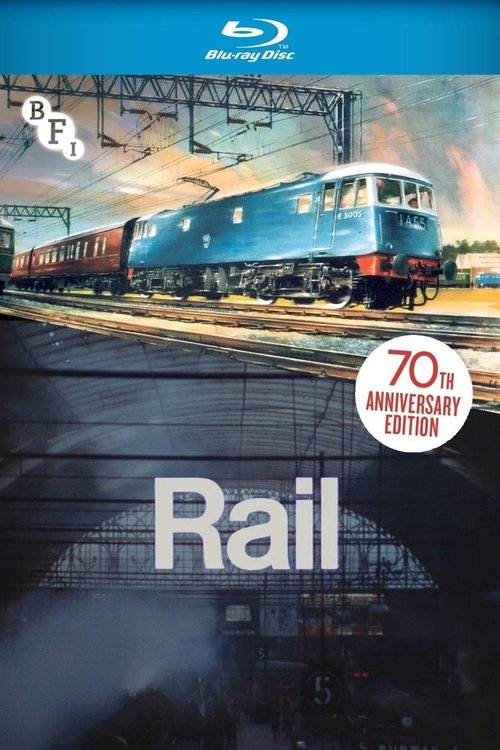
"Rail" captures British Railways at a major turning-point in its history. In certain respects, this was a period of considerable upheaval and loss. There was a facing-up to the increasing need for a big modernisation drive. Full and speedy electrification, or the wider promotion of diesel-power on remaining lines, became a matter of top priority. Geoffrey Jones recorded a rapidly disappearing world of everyday steam travel, with its labour-intensive rail workforce : some of the footage in "Rail" (recognisable from "Snow") dates from around 1962.
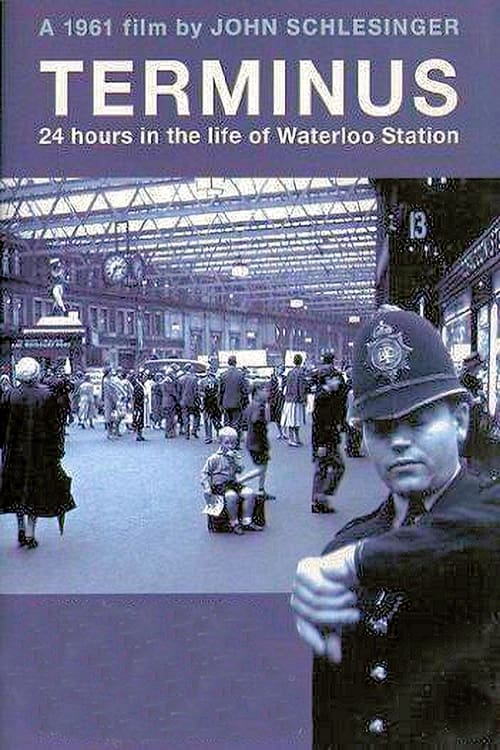
This fly on the wall-style documentary from 1961 won an Oscar for best documentary, and shows the changing patterns of human emotions during 24 hours in the life of Waterloo Station.
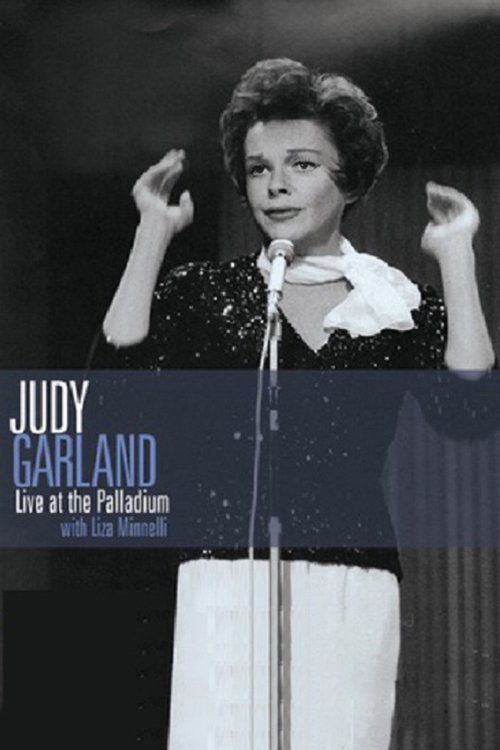
This classic show was one of Judy's last appearances at the historic Palladium Theatre in London. This unforgettable night also marked a young Liza Minelli's first public stage performance with her legendary mother. Witness Garland's exquisite talent as she performs the most-loved songs of her career while a budding Liza Minnelli more than holds her own offering a glimpse of the performative talent that would eventually launch a stunning career of her own.
The American documentary makers - The Maysles Brothers, were given exclusive access to almost every minute of The Beatles first American visit. The first 3 days of film footage shot in New York was rushed over to Granada Television in London who quickly edited the footage for a TV special called "Yeah! Yeah! Yeah! The Beatles in New York" which was broadcast on February 12, 1964 at 10:25pm. The majority of the footage in this UK special featured their arrival at JFK Airport; Arriving at their hotel room; Fans outside the Plaza Hotel; footage from inside their hotel room with Murray The K; Murray The K interviewing them on the phone from WINS radio station; Walking through Central Park for a photo session; Limo ride to CBC TV Studios; Ringo & Murray The K dancing at the Peppermint Lounge.
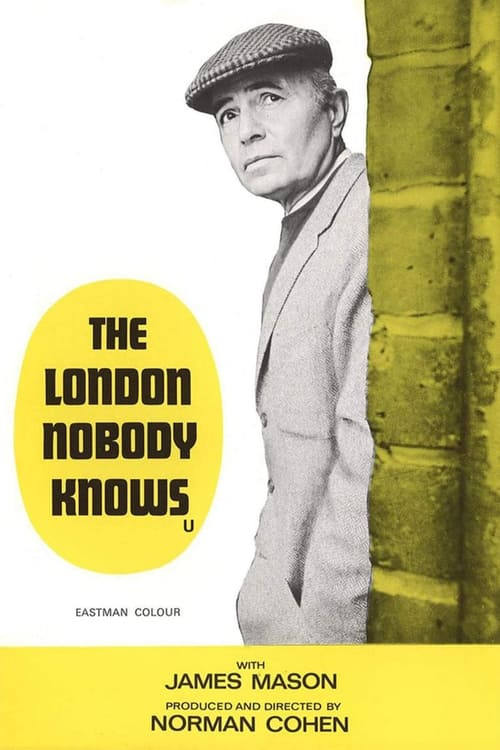
Based on Geoffrey Fletcher’s book, this captivating documentary exposes the real London of the swinging sixties. Turning its back on familiar sights, the film explores the hidden details of a crumbling metropolis. With James Mason as our Guide, we are led on an tour of the weird and wonderful pockets of London from abandoned music-halls to egg breaking factories.
Intimate portrait of the daily life of the British Royal Family drawn from 18 months of filming within Buckingham Palace, Windsor Castle and Balmoral.
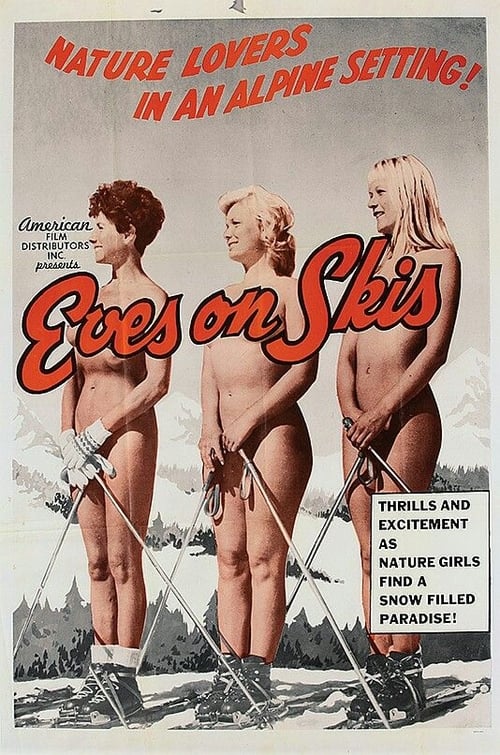
A group of nudists go on a skiing trip.

Series of three short 'Pop Films' directed between 1966 - 67 for French television by Philippe Garrel. Includes footage of The Living Theater in rehearsal, interviews with Julian Beck and Judith Malina, Donovan in concert and The Who in the studio recording 'Pictures of Lily'. Re-broadcast on INA in 1984.
A documentary portrait of Graham Greene, filmed as a traveling interview aboard the Orient Express from Paris to Istanbul. Directed by Christopher Burstall, the film follows Greene in conversation about his life, writing, and worldview, originally presented as part of the BBC’s Omnibus series.
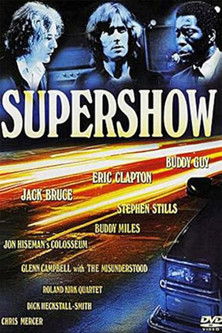
Supershow was intended to be Britain's first music 'super session', with several famous blues, jazz and rock artists of the time coming together to be filmed whilst performing.
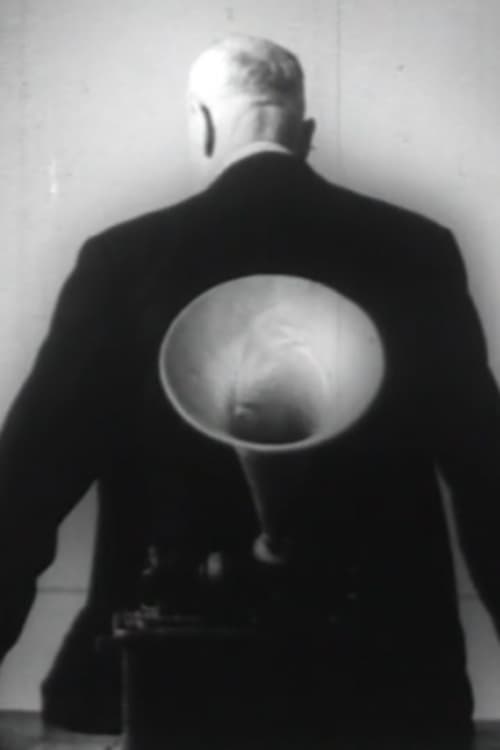
A portrait of the life and work of the great Hungarian composer Béla Bartók, exploring both his music and his passionate interest in his country's folklore.
A BAFTA award nominated documentary looking at music in Britain including soul, folk, pop, rock opera and brass bands.
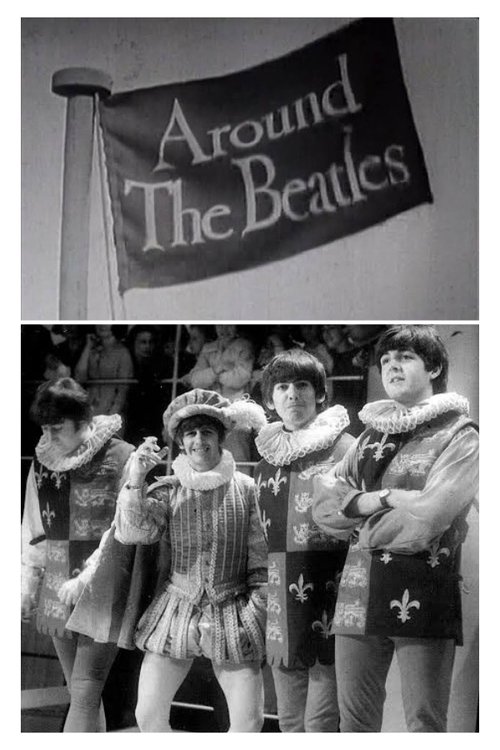
The show opens on an image of the Globe Theatre, with Ringo Starr unfurling a flag with the legend "Around The Beatles". The studio setting is arranged as a theater in the round, (hence the show's name) echoing the seating arrangement of the Globe. The opening act is a humorous rendition of the "play within a play", Pyramus and Thisbe (Act V, Scene I) from William Shakespeare's A Midsummer Night's Dream, with Paul McCartney as Pyramus, John Lennon as his lover Thisbe, George Harrison as Moonshine, and Starr as Lion.
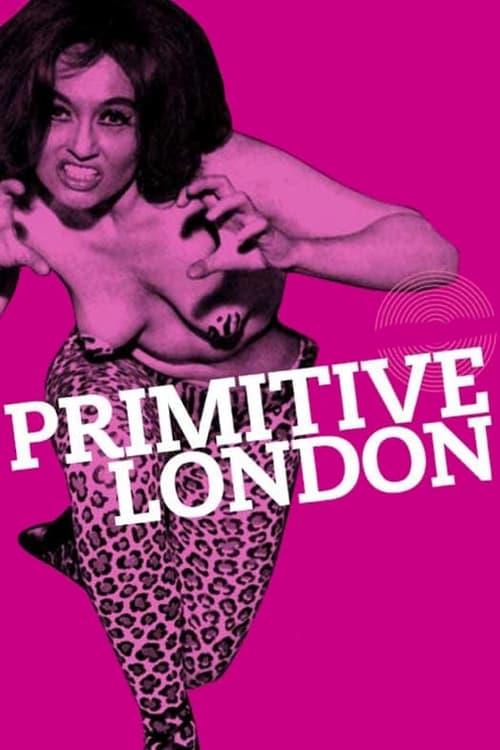
The sensational follow-up to "London in the Raw," "Primitive London" sets out to reflect society's decay through a sideshow spectacle of 1960s London depravity—and manages to outdo its predecessor. Here, we confront mods, rockers and beatniks at the Ace Café, cut some rug with obscure beat band The Zephyrs, smirk at flabby men in the sauna and goggle at sordid wife-swapping parties as we discover a pre-permissive Britain still trying to move on from the post-war depression of the 1950s.
An astonishing documentary of the life of classical composer Sir Edward Elgar. This partly dramatised account is remarkable for its sensitive portrayal of the rise of a young musician from an underprivileged background to international fame.

A biography of Winston Churchill, shown through re-creations and actual film footage and told by Orson Welles.
Dame Barbara Hepworth discusses her work in a voiceover as we see a record of her retrospective exhibition, held at the Tate Gallery in 1968.
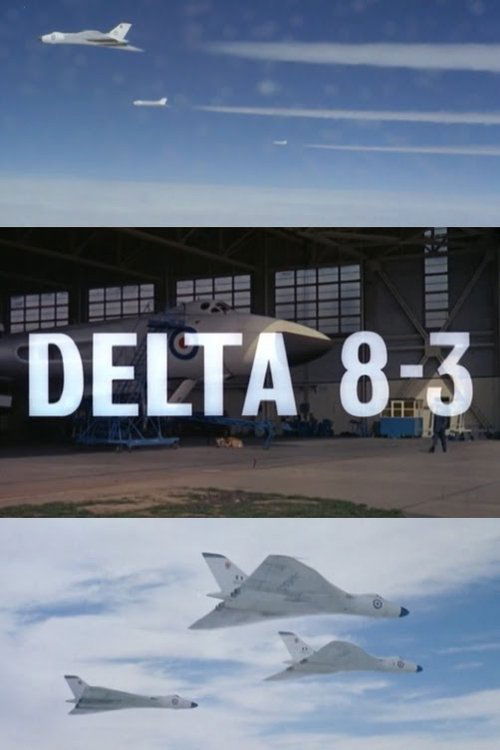
A detailed look at Britain's Vulcan delta wing bomber, including the training of a new crew and unique footage of three of the early Vulcan bombers flying in formation.

In his 70th year, Alfred Hitchcock came to the National Film Theatre in London to talk to fellow director Bryan Forbes and to answer questions from an audience of film enthusiasts.
Interview with Jacques Tati on the set of his 1967 film "PlayTime". Produced for the British television program "Tempo International".
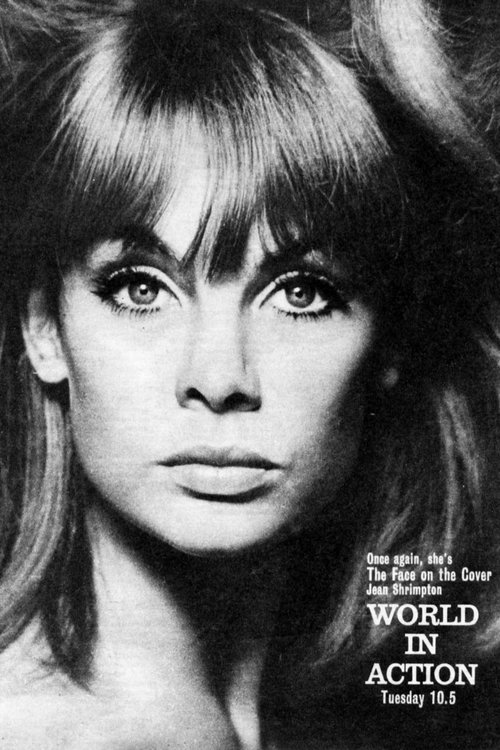
The life of the world’s top model Jean Shrimpton and her svengali photographer David Bailey.
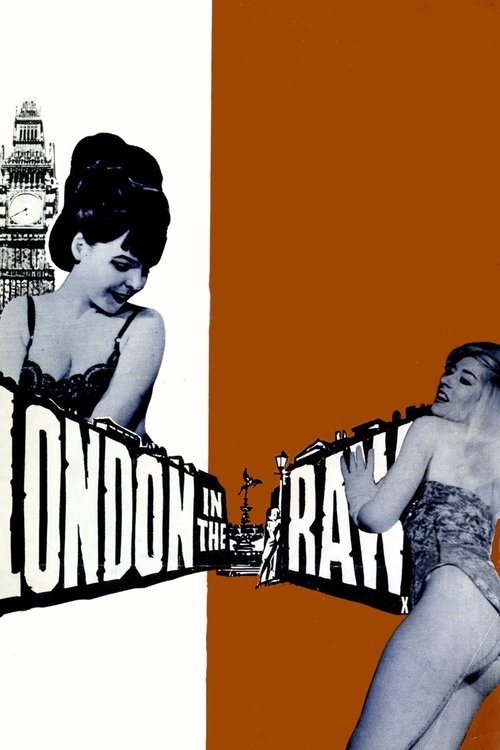
Influenced by the worldwide success of Italian 'Mondo' movies, British low-budget movie mogul Arnold Louis Miller concocted this exploitation-style documentary. Peering behind the grimy net curtains of London life into seedy bars and clubs, and burrowing beneath the glittering façade of the capital's glamorous cocktail lounges and casinos, "London in the Raw" presents a cynical, sometimes startling, vision of life in 1960s London.
Sean Connery examines the gap and suspicion in the relationship between management and workers in industry, and shows how one Scottish shipyard is trying to change that and what could well be a blueprint for other companies to follow.
Examines in detail Pieter Bruegel the Elder’s painting, 'Netherlandish Proverbs', which illustrates over 100 proverbs and allegorises a whole world of sin and folly as relevant today as in the 16th century.
A wonderfully entertaining magic show which will amuse and surprise all audiences.
Orson Welles talks fantasy and magic in this short Vienna travelogue.
The best of the action from over 30 years of FA Cup finals at Wembley Stadium.
'To the May sun of a September life', wrote Henrik Ibsen on the photograph of himself that he gave to 19-year-old Emilie Bardach in Gossensass in September 1889. This is a documentary about the sixty-second year in the life of the great Norwegian dramatist.
A film from the Letraset company featuring beautiful and groovy creations made with their many design tools.
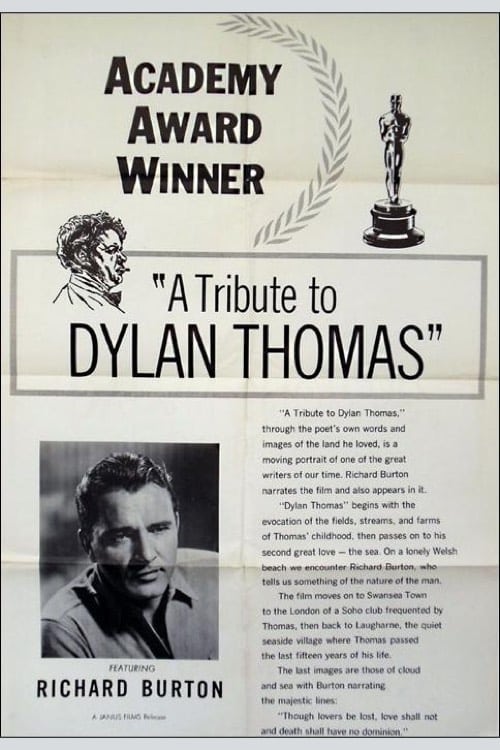
An atmospheric tribute to the genius of Welsh poet and dramatist Dylan Thomas, using many of the windswept locations where Thomas himself grew up and found his inspiration. The film is hosted/presented by Richard Burton, Thomas's friend, who narrates the story and appears from time to time amidst the Welsh landscape. Burton had already appeared in Douglas Cleverdon's acclaimed BBC radio dramatization of Thomas's 'play for voices' Under Milk Wood in the 1950s and, in the early Seventies, would appear in director Andrew Sinclair's film version as First Voice. Preserved by the Academy Film Archive in partnership with The Film Foundation and National Screen and Sound Archive of Wales in 2000.
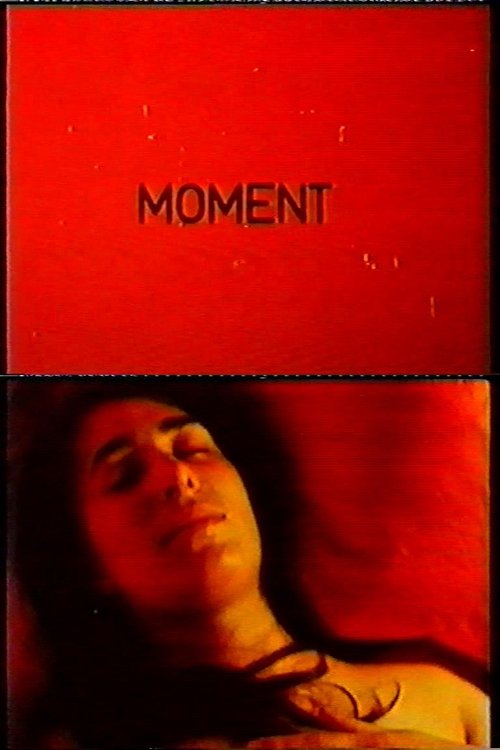
A static camera records, in one single continuous shot, a woman's face before, during and after orgasm. The act of looking and the limits of the film frame are highlighted in this intimate sexual episode with Tina Fraser. Artist Stephen Dwoskin presents a powerful, personal moment while maintaining a distance and resisting the viewer being subsumed into the action on screen.
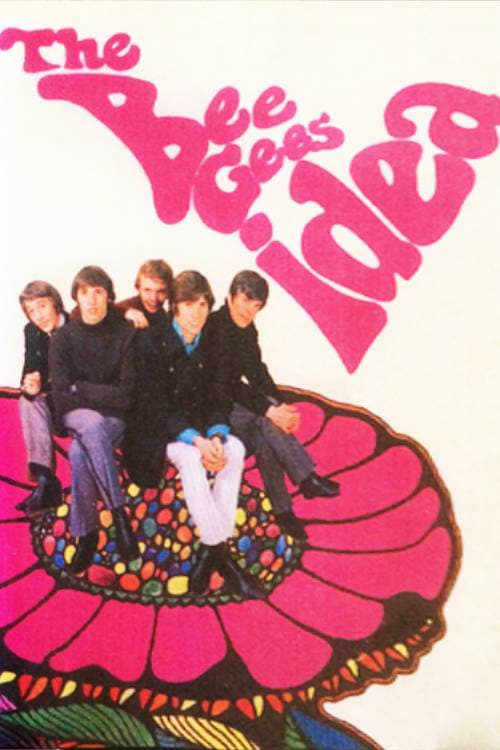
The Bee Gees preform in this special created for German TV. Also featured are Julie Driscoll, Brian Auger, and the Trinity, and Lil Lindfors.
A dramatised documentary about the lives and work of the performers and administrators of a local orchestra. With the BBC Northern Symphony Orchestra.
We are all regularly under stress, because of modern life, of work, of family life and sundry other causes. But the parents of handicapped children have to undergo extra and permanent stress. The film offers an insight into the problem through the study of five families who express themselves candidly before Bernice Rubens's camera.
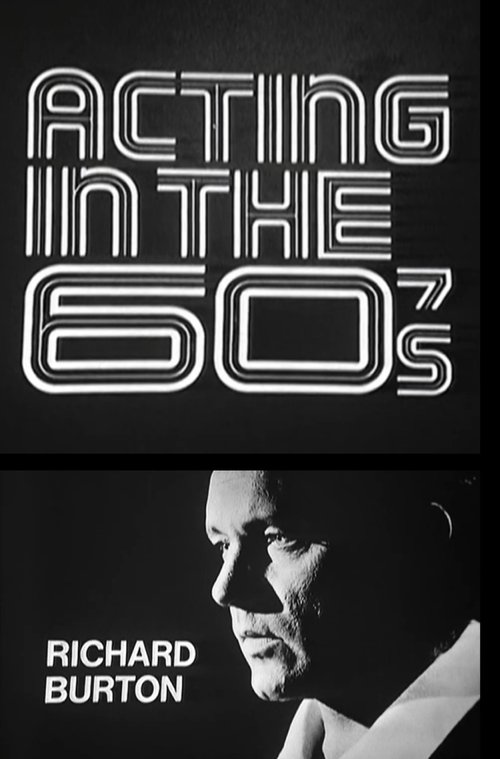
Richard Burton is interviewed by film critic Kenneth Tynan
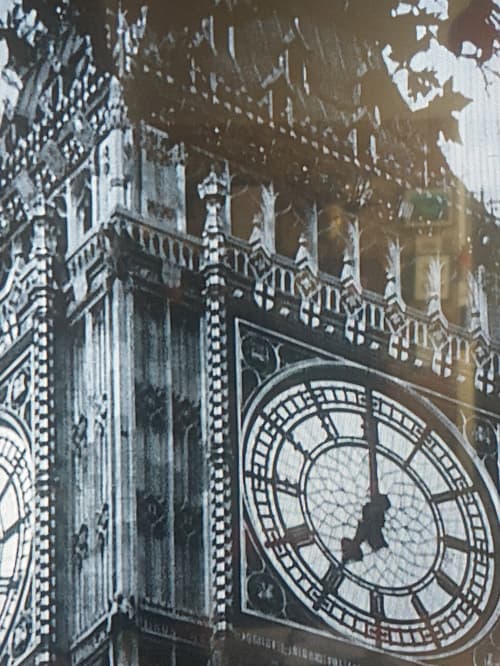
Documentary about the anti-nuclear demonstration staged in Trafalgar Square on 17 September 1961.
An Anglo-French production, directed by Pierre Jallaud, and for Open University Productions. This is a background sketch on the about-to-be-unveiled supersonic airplane.
A look at Hitler's 'Eagle's Nest' in the Bavarian Alps; a construction which survived World War II, that has now become a popular tourist attraction.