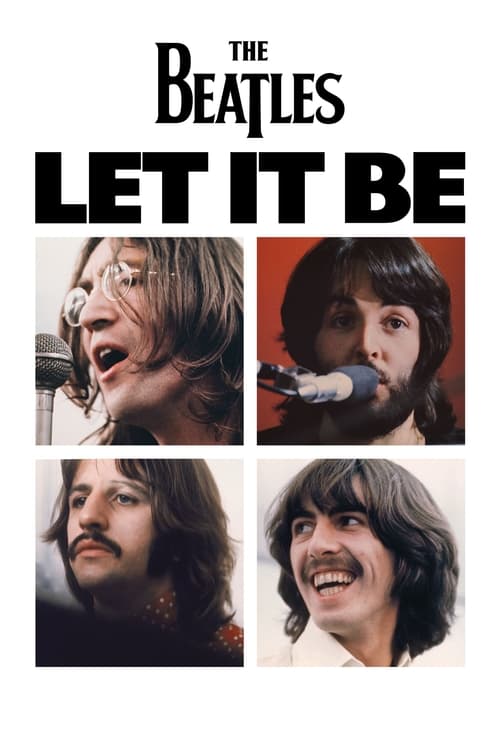
A documentary chronicling the Beatles' rehearsal sessions in January 1969 for their proposed "back to basics" album, "Get Back," later re-envisioned and released as "Let It Be."
Let It Be
7.5 1970
652 Matches Found
A documentary chronicling the Beatles' rehearsal sessions in January 1969 for their proposed "back to basics" album, "Get Back," later re-envisioned and released as "Let It Be."

British progressive rock band Pink Floyd perform at the ancient Roman Amphitheater in the ruins of Pompeii, Italy in 1971. Although the band perform a typical live set from the era, there is no audience beyond the basic film crew.

A look at Shaw Brothers Studios in their prime. Includes: interviews with David Chiang; exploring the Shaw Brothers sets; a look at the craftsmen, foley artists and stuntmen of Shaw Bros.; a profile on Run Run Shaw; Italian-meets-Chinese kung-fu films; and a visit from Peter Cushing.

Stacy Keach narrates this documentary that chronicles the abbreviated life and career of iconic brooding bad boy James Dean, from his obscure early days working in television to his rise to stardom in films such as Rebel Without a Cause. Clips from Dean's movies are intermingled with candid interviews with the star's friends and Hollywood colleagues, including Natalie Wood, Sal Mineo, Sammy Davis Jr. and Dennis Hopper.
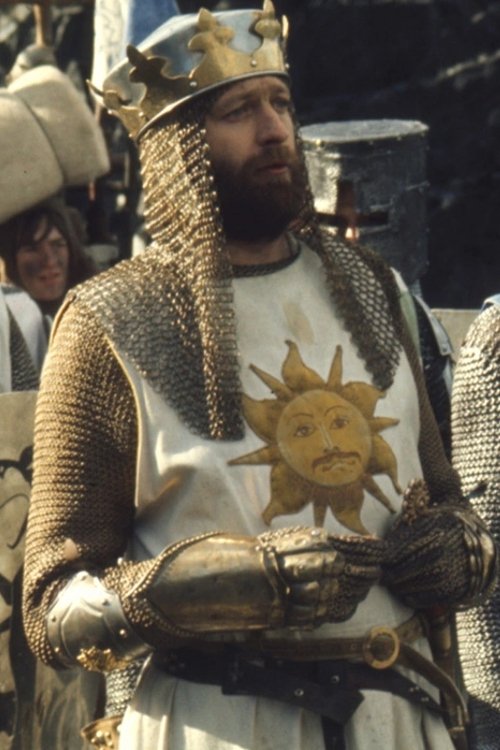
An documentarian from the BBC visits the set of Monty Python and the Holy Grail (1975). This documentary shouldn't be viewed as a making of the film, but rather a goof-off session that is simply there to conjure up laughter.
Fear and Loathing on the Road to Hollywood, also known as Fear and Loathing in Gonzovision, is a documentary film produced by BBC in 1978 on the subject of Hunter S. Thompson, directed by Nigel Finch. The road trip/film pairs Thompson with Finch's fellow Briton the illustrator Ralph Steadman. The party travel to Hollywood via Death Valley and Barstow from Las Vegas, scene of the pair's 1971 collaboration. It contains interviews with Thompson and Steadman, as well as some short excerpts from some of his work.
The first of the Amnesty International comedy benefit galas. The title is a play on the phrase at Her Majesty's pleasure (the show was performed at Her Majesty's Theatre, London). This show came to be considered part of the Secret Policeman's Ball series of shows that it inspired, although it pre-dated the first show in the series by three years. The event was organized by a team of three: Monty Python member John Cleese, Amnesty's Assistant Director Peter Luff and Transatlantic Records executive Martin Lewis. It featured the cream of Britain's comedic talent of the era, setting a precedent that would inspire many subsequent Amnesty galas...

A film about the first benefit rock concert when major musicians performed to raise relief funds for the poor of Bangladesh. The Concert for Bangladesh was a pair of benefit concerts organised by former Beatles guitarist George Harrison and Indian sitar player Ravi Shankar. The shows were held at 2:30 and 8:00 pm on Sunday, 1 August 1971, at Madison Square Garden in New York City, to raise international awareness of, and fund relief for refugees from East Pakistan, following the Bangladesh Liberation War-related genocide.

Through concert performances and interviews, this film offers us a comprehensive look at the British pioneer rock group, The Who. It captures their zany craziness and outrageous antics from the initial formation of the group in 1964 to 1978. It notably features the band's last performance with long-term drummer Keith Moon, filmed at Shepperton Studios in May 1978, three months before his death.
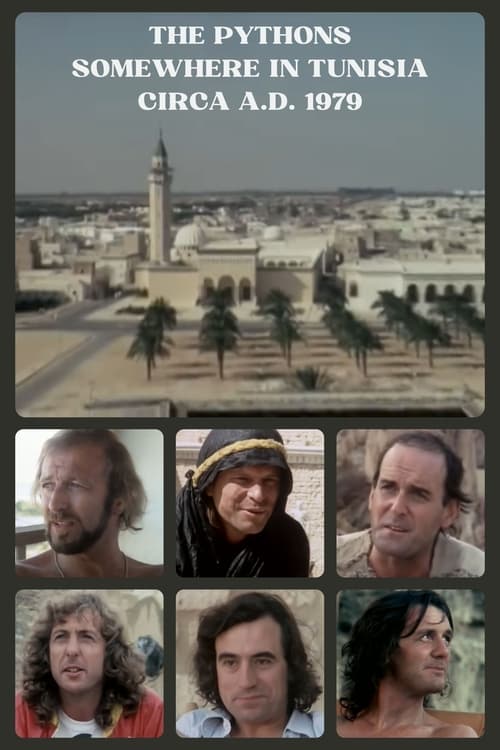
Ten years ago exactly, more or less, give or take a day or two, six young men sat down, or maybe stood, or perhaps some of them just lounged, and wrote the first episode of a new series called Owl Stretching Time. They were called Graham Chapman , John Cleese, Terry Gilliam , Eric Idle,Terry Jones and Michael Palin and later both they and the series became known as Monty Python 's Flying Circus . Today they are the best known British comedy group in the world, famous from Cathay to Kathmandu, from Sydney to Sidcup (except in Japan where the programme is called The Gay Boys' Dragon Show ... say no more). To commemorate their tenth anniversary a BBC team tracked them down in the deserts of Tunisia where they were filming their Life of Brian and almost persuaded them to examine the genesis, the genius and the gender of Monty Python.

A psychedelic documentary of the body electric, with music by Pink Floyd. The film was directed and produced by Roy Battersby. The film's narrators, Frank Finlay and Vanessa Redgrave, provide commentary that combines the knowledge of human biologists and anatomical experts. The film's soundtrack, Music from the Body, was composed by Ron Geesin and Roger Waters.
Narrated by Eric Morecambe and Ernie Wise, this documentary is about "Laurel and Hardy", one of the most popular and critically acclaimed comedy double acts of the early Classical Hollywood era of American cinema. It features interviews with Jerry Lewis, Dick Van Dyke, Babe London, Marcel Marceau, Lucille Hardy (Ollie's wife), Bob Monkhouse, Hal Roach, Marvin T Hatley, Jack McCabe and many more.
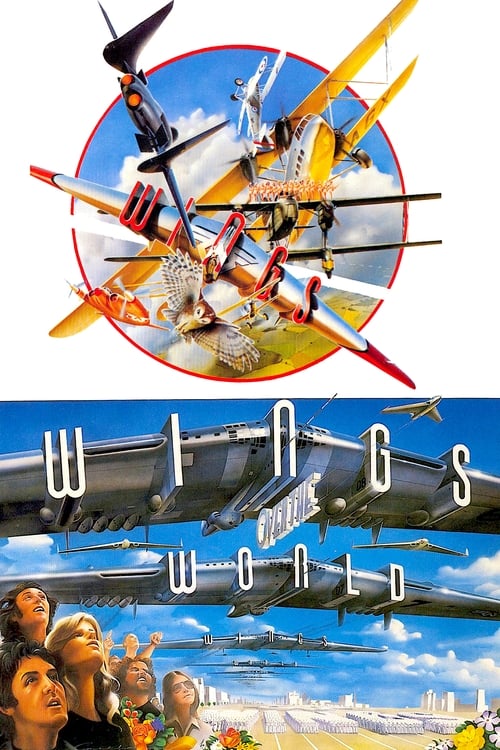
A television documentary film featuring the rock band Wings. It consists of concert performances from their acclaimed 1975–76 world tour, together with behind-the-scenes footage. Also included is a short excerpt of Wings rehearsing at London's Institute of Contemporary Arts before their 1972 UK university tour.
Featurette documenting the making of the film "Death On The Nile".
An indictment of the Greek military junta of 1967–1974. The film tries to give a reconstruction of the events during the students' uprising in the Athens Polytechnic (November 1973) by documents, rehearsals, interviews, songs and poems.
Period music, film clips and newsreel footage combined into a visual exploration of the American entertainment industry during the Great Depression.
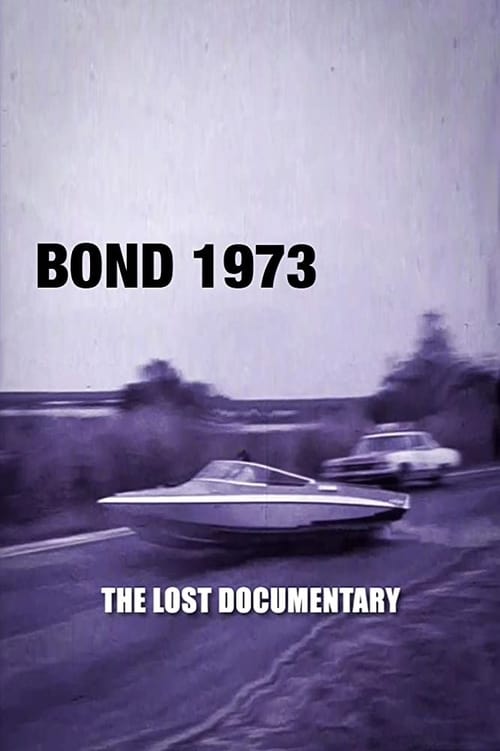
Original 1973 short promotional documentary on the making of the 8th James Bond movie Live and Let Die (1973).

Footage of a concert given in Moscow, Russia, by rock singer Elton John.
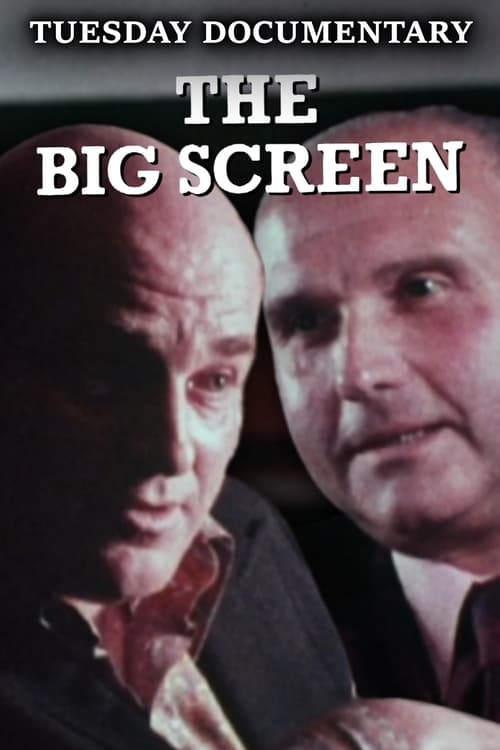
Two of Britain's leading film directors - John Schlesinger and Gerald Thomas - share the anxiety, hopes and risks experienced by those involved with the movie industry. The Big Screen follows the production of four British films: the eighth James Bond film Live and Let Die, The Optimists of Nine Elms, science fiction-thriller The Final Programme and The 14. Actors Peter Sellers, David Hemmings, Jon Finch, Roger Moore and Jenny Runacre are among those seen at work.
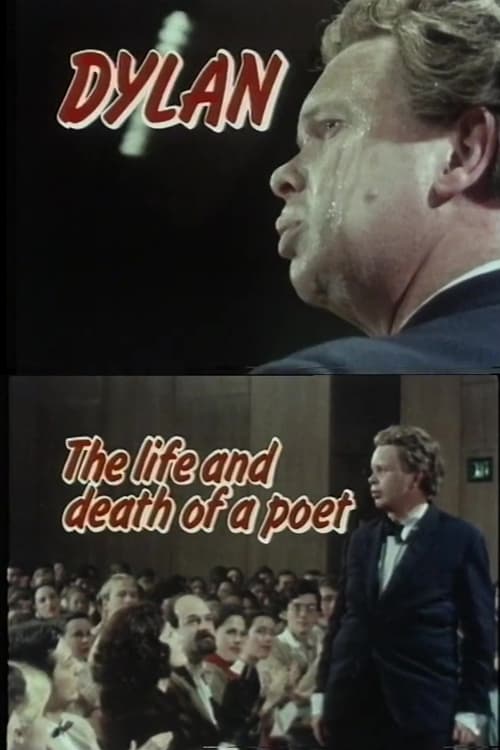
A drama documentary of the life and death of the poet Dylan Thomas, who died in New York 25 years ago at age 39. Alcohol and a doctor's injection of morphine were the immediate causes. Ever since his childhood in Wales his life was a spectacular attempt - comic at times, serious below the surface, tragic at the finish - to survive on his own bizarre terms as the poet to end all poets. By the 1950s, that first postwar decade of uneasiness and change, Dylan Thomas was a legend to his admirers but a burnt-out case to himself. As he tours America to read poetry to rapt audiences, his past crowds in on him, the fractured memories of a man at the end of his tether.
Profile of Clint Eastwood.
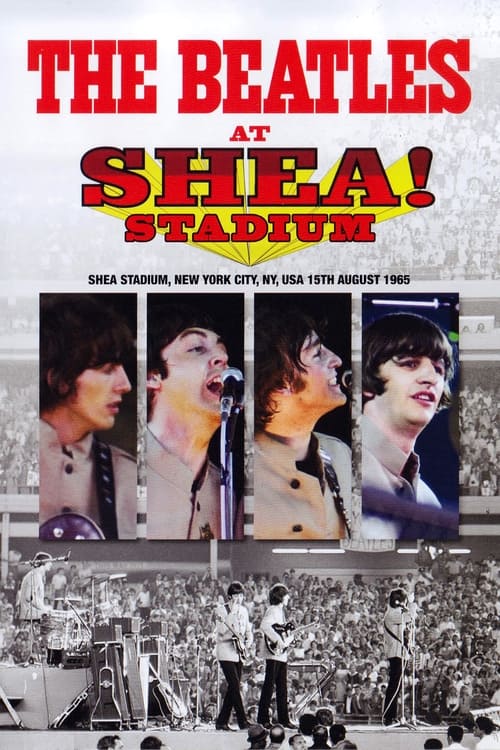
The Beatles at Shea Stadium is a fifty-minute-long documentary of the Beatles' 1965 concert at Shea Stadium in New York, the highlight of the group's 1965 tour.
An educational film about the perils associated with sexually transmitted diseases (STDs). The drama is interspersed with scenes of a medical adviser directly addressing the camera giving advice and information about STDs.

After another 7 year wait, director Michael Apted revisits the same group of British-born children from Seven Up! and 7 Plus Seven. The subjects are interviewed as to the changes that have occurred in their lives during the last seven years.

The 1974 finals in West Germany saw the emergence of "Total Football" in the shape of the classy Dutch led by the legendary Johan Cruyff. The Dutch swept all before them until they came up against the solid hosts in the final. Beckenbauer led West Germany to a tense 2-1 victory.
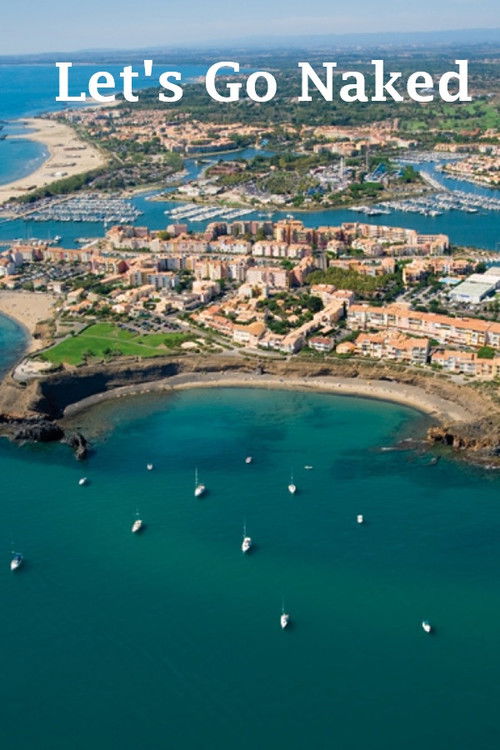
John Pitman reports on the increasing popularity of naturist holidays and the changing attitudes towards them. He traces the growth of the naturist movement, from its small-time beginnings in a park in north Germany, to the multi-million-pound business it is today - especially for France and Yugoslavia.
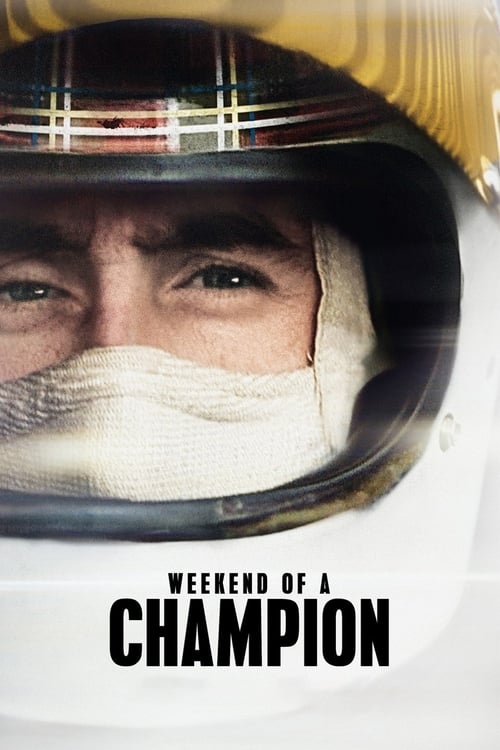
Filmmaker Roman Polanski spends a weekend with world champion driver Jackie Stewart as he attempts to win the 1971 Monaco Grand Prix, offering an extraordinarily rare glimpse into the life of a gifted athlete at the height of his powers.
Penthesilea, the first of six films made by Laura Mulvey and Peter Wollen, traverses thousands of years to look at the image of the Amazonian woman in myth. It asks, among other questions, is the Amazonian woman a rare strong female image or is she a figure derived from male phantasy? The film explores the complexities of such questions, but does not seek any concrete answers.

The documentary depicts Bowie on tour in Los Angeles, using a mixture of vérité sequences filmed in limousines and hotels, and concert footage. Most of the concert footage was taken from a show at the Los Angeles Universal Amphitheatre on 2 September 1974 (Also featured are excerpts from D.A. Pennebaker's concert film shot at London's Hammersmith Odeon on 3 July 1973). Cracked Actor is notable for being a source for footage of Bowie's ambitious Diamond Dogs tour, and also for showing Bowie's fragile mental state during this period.

British documentary filmmaker and producer Tony Maylam reinvigorated the sports documentary genre with WHITE ROCK, an idiosyncratic and utterly engaging account of the XII Olympic Winter Games Innsbruck 1976. He did so by placing music (by organ and synth wunderkind Rick Wakeman) front and center, and by using Hollywood star James Coburn as a "guide for the uninitiated."
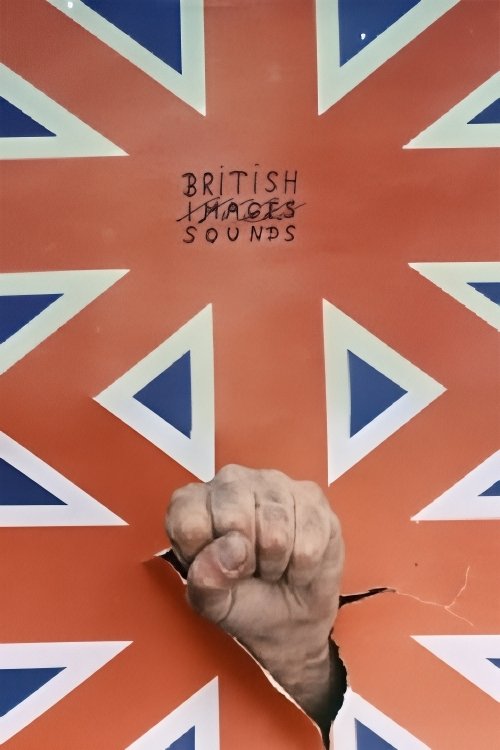
Jean-Luc Godard brings his firebrand political cinema to the UK, exploring the revolutionary signals in late '60s British society. Constructed as a montage of various disconnected political acts (in line with Godard's then appropriation of Soviet director Dziga Vertov's agitprop techniques), it combines a diverse range of footage, from students discussing The Beatles to the production line at the MG factory in Oxfordshire, burnished with onscreen political sloganeering.
Short documentary film on the fashionable nightclubs and the trendy pop culture scenes that were famous in London on the late 70's. Released as a support feature to the first Alien (1979) movie.
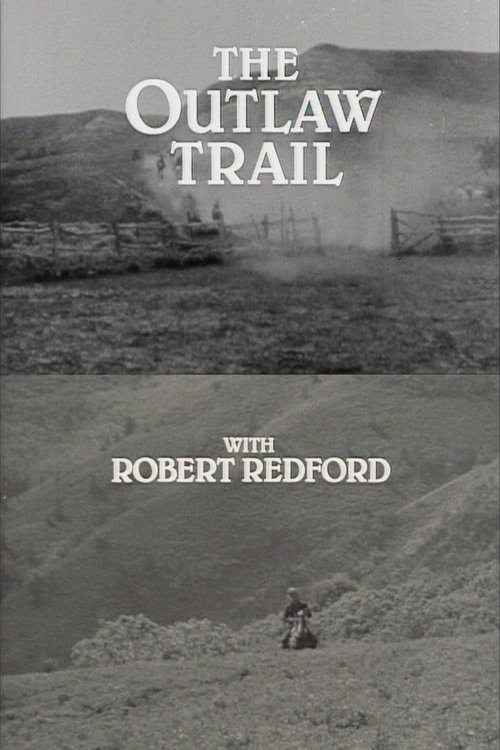
TV documentary in which Robert Redford discusses the Wild West and retraces the old escape route to Mexico.
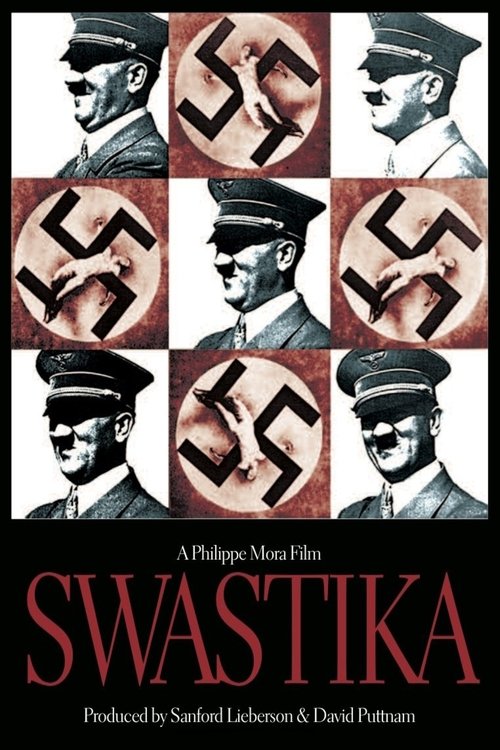
Comprised of video shot during the Nazi regime, including propaganda, newsreels, broadcasts and even some of Eva Braun's colorized personal home movies, we explore the way in which the Third Reich infiltrated the lives of the German population, from 1933 to 1945.

BBC documentary about the rise of the New German Cinema and several of its most important figures.
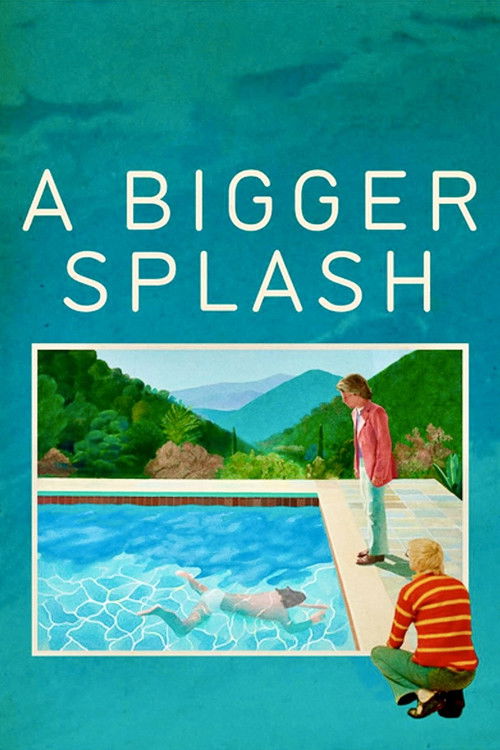
After a difficult break-up, Hockney is left unable to paint, much to the concern of his friends.
A 1971 documentary by Frank Simon featuring rare footage of the film’s cast and crew at work.
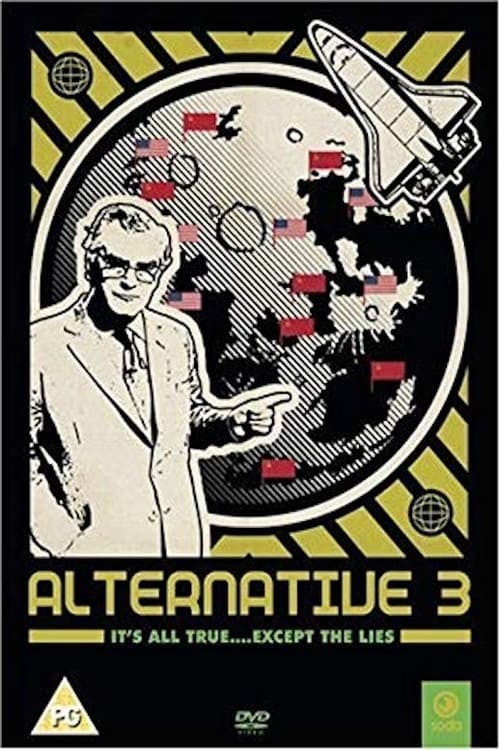
Purporting to be an investigation into the UK's contemporary "brain drain", Alternative 3 uncovered a plan to make the Moon and Mars habitable in the event of climate change and a terminal environmental catastrophe on Earth.
A long, brave reach for a portrait, not of an intimate, private love, but of an inspiration, an icon, a man only ever sketched obliquely however many times he painted himself.
Bill Nighy, Pete Postlewaite and (briefly) Julie Walters, then all of the Everyman Theatre Company, feature in this potent reportage/dramatisation hybrid about the occupation of the Fisher-Bendix Factory in Kirkby. Dohany uses a variety of imaginative techniques to explore the longstanding dispute, and a pronounced sense of urgency pervades this act of solidarity.
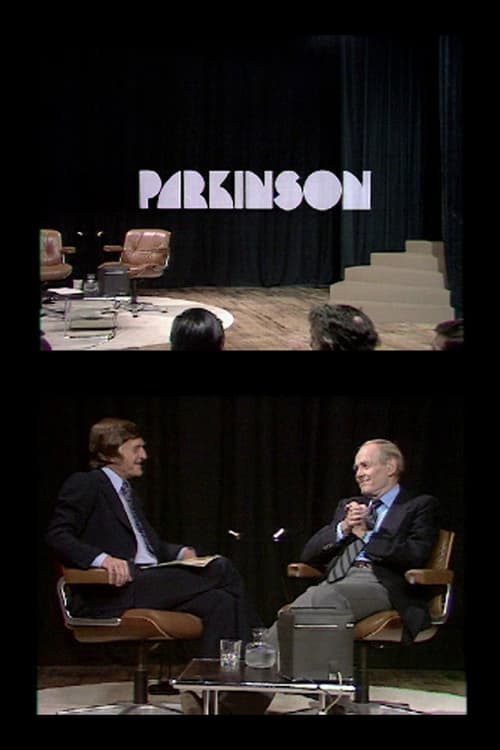
Episode of the BBC television program with host Michael Parkinson interviewing American actor Henry Fonda.
A fictionalised biography of the latter years of the poet, John Milton. Now an old man, blind and out of favour, Milton seeks to leave a plague-ravaged London and set-up home in the countryside.
B. Traven is one of the most mysterious figures of the 20th century. He wrote The Treasure of the Sierra Madre and a dozen other fine books which have sold in millions around the world, but no publisher, no agent, and no fellow author ever met him -he has remained the Marie Celeste of literature, a name without an identity. Nobody knew in what language he wrote. Nobody knew in what country he had been born. Nobody knew if he were one man or several. It was even said that those who sought him were struck down and destroyed. Was this photograph, taken in London in 1923, a picture of Traven? It was certainly a vital clue.
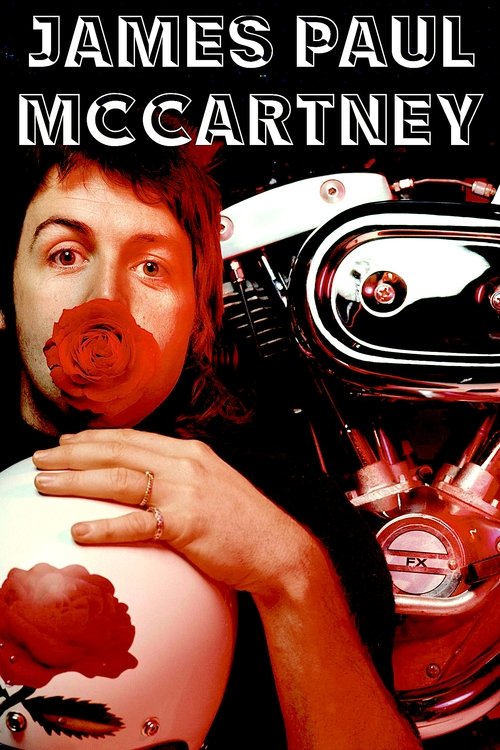
«James Paul McCartney» is a 1973 television special produced by ATV and starring English musician Paul McCartney and his then current rock group Wings. It was first broadcast on 16 April 1973 in the United States on the ABC network, and was later broadcast in the United Kingdom on 10 May 1973. «James Paul McCartney» was McCartney's first such special since the Beatles' 1967 television film «Magical Mystery Tour» and was intended to showcase his versatility as an artist and entertainer.
This educational documentary describes the political, social, and religious conditions of sixteenth century Europe. It also Interprets the reforms of Martin Luther as a part and/of these conditions as indications of future trends.
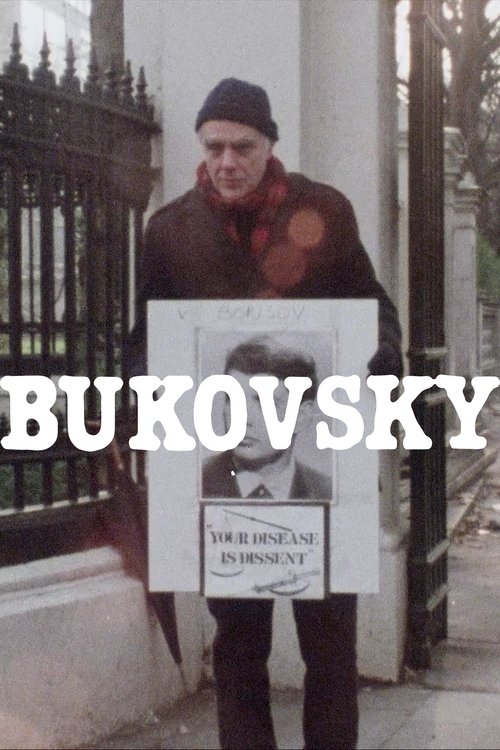
Alan Clarke's documentary about Soviet writer and dissident Vladimir Bukovsky, who had left the Soviet Union in 1976 after years spent in their prisons and psychiatric wards. The film was completed in 1977 but never broadcast, subject only to private screenings. The documentary appears publicly for the first time as a special feature of the BFI's 'Dissent and Disruption: Alan Clarke at the BBC (1969-1989)' box set, alongside 50 minutes of outtakes.
The story of the men and women who produced a series of film comedies that were so original and funny that they put Ealing on the map.
Two women in a living room: smoking, playing cards, listening to the radio. As often in Dwoskin’s films, the use of masks, make-up and costumes allows the characters to playfully transform themselves. Shot in colour film, C-film exuberates swinging London energy. In the second part of the film, the women appear to be watching the rushes of the film on an editing table. ”We are making a movie” we hear them say. As Dwoskin points out, “C-film asks how much is acting acted”, an ongoing question in Dwoskin’s cinema. Produced by Alan Power, with Esther Anderson & Sally Geeson.
The industries of the Scottish Highlands.
A panorama of the Clyde, from Biggar to Brodick, with Billy Connolly as your guide. Directed by Murray Grigor for the Films of Scotland Committee.
Interview with film director John Ford. A 30-minute edited version first aired on the BBC TV program "Film Night." The complete unedited 72-minute interview appears on the Criterion Collection 2010 release of STAGECOACH.

An in-depth look at the making of ‘The Message’, featuring interviews with key figures such as Moustapha Akkad, the film's producer, who shares his personal connection to the project. The documentary covers various aspects of the production, including the construction of the massive historical Mecca set, the creation of costumes, and the challenges of shooting in the desert. It also discusses the decision to shoot the film in two different languages (Arabic and English) and the unique issues that arose from this choice.

Documentary originally from The Russell Harty Show chronicling Elton John’s iconic two-day concert at Dodger Stadium in 1975.
Documentary profiling young Roxy Music fans. They talk about the band and the music, are seen out and about in Manchester, they prepare for a concert at the Opera House. Includes footage of a tribute band, who, due to a lack of musical instruments, use household appliances to make music.
In the documentary, the life of Mustafa Kemal Atatürk, the last period of the Ottoman Empire, the War of Independence and the developments in the first years of the Republic of Turkey are told in parallel. The documentary prepared by Michael Adams consists of recordings made by the BBC in 1970 in Çanakkale, Samsun, Amasya, Sivas and Ankara, as well as historical footage.
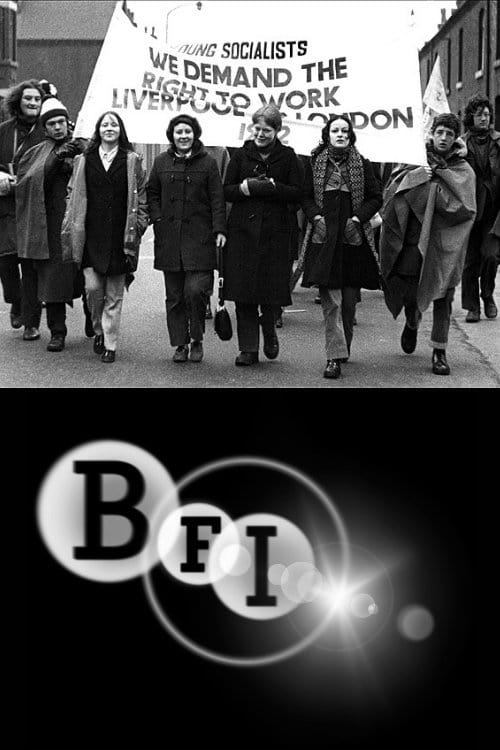
They're young, unemployed and on the march - from Glasgow, Liverpool and Swansea to London.
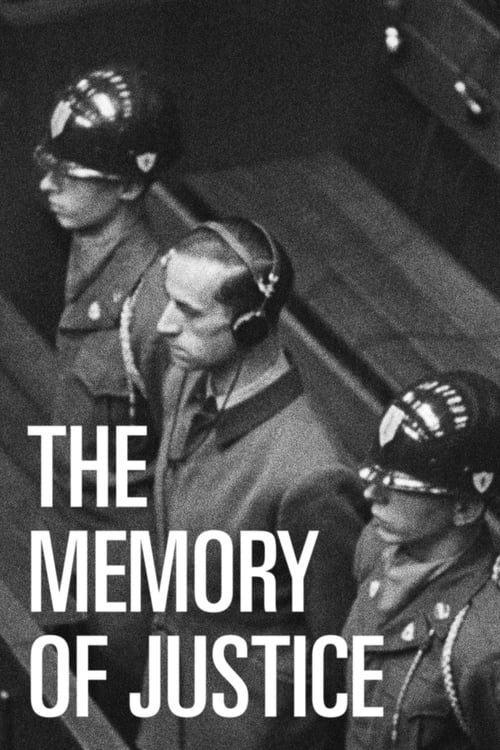
This exceptional, disturbing, and thought-provoking two-part documentary compares the atrocities committed by the Nazis as revealed during the Nuremberg trials to those committed by the French in Algeria and those done by the Americans in Vietnam. The four-hour epic questions the right of any country to pass self-righteous moral judgements upon the actions of another country.
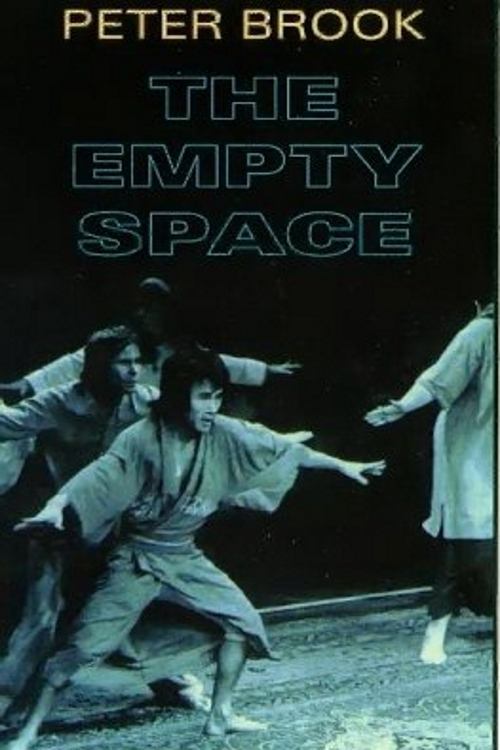
In 1970, British stage and film director Peter Brook created the International Centre of Theatre Research in Paris. In the autumn of 1973, the Centre conducted a five week work period at the Brooklyn Academy of Music, performing and giving demonstrations of exercises, in which members of the audience participated, and exchanged ideas with the New York theatre community. This is a film of one day's work.
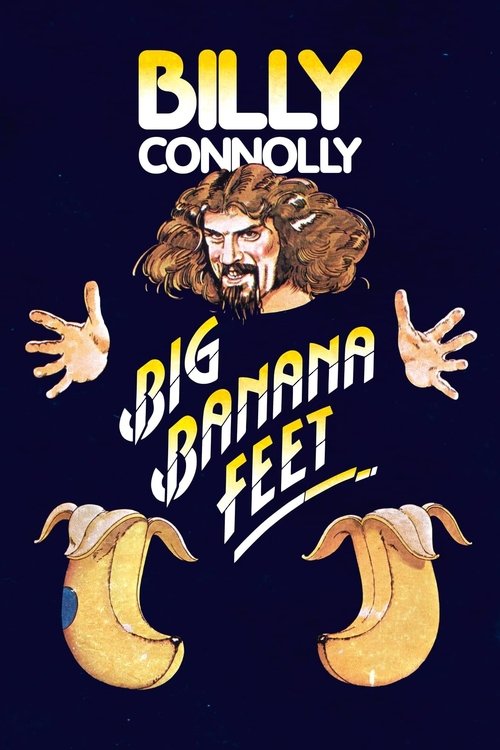
Billy Connolly was, in the 1970s, a sort of Scottish Lenny Bruce, who, with devastating humour, sliced through the hypocrisies he perceived. This 1976 documentary follows the singer-comic during his 1975 Irish tour. Made in a cinema verité fashion, the performer appears to be completely unaware of the presence of the camera in his off-stage and backstage moments.