1,376 Matches Found

Roundhay Garden Scene

The earliest surviving motion-picture film, and believed to be one of the very first moving images ever created, was shot by Louis Aimé Augustin Le Prince using the LPCCP Type-1 MkII single-lens camera. It was taken on paper-based photographic film in the garden of Oakwood Grange, the Whitley family house in Roundhay, Leeds, West Riding of Yorkshire (UK), on 14 October 1888. The film shows Adolphe Le Prince (Le Prince’s son), Mrs. Sarah Whitley (Le Prince’s mother-in-law), Joseph Whitley, and Miss Harriet Hartley walking around in circles, laughing to themselves, and staying within the area framed by the camera. Roundhay Garden Scene is often associated with a recording speed of around 12 frames per second and runs for about 2 to 3 seconds.
Roundhay Garden Scene

6.4 1888
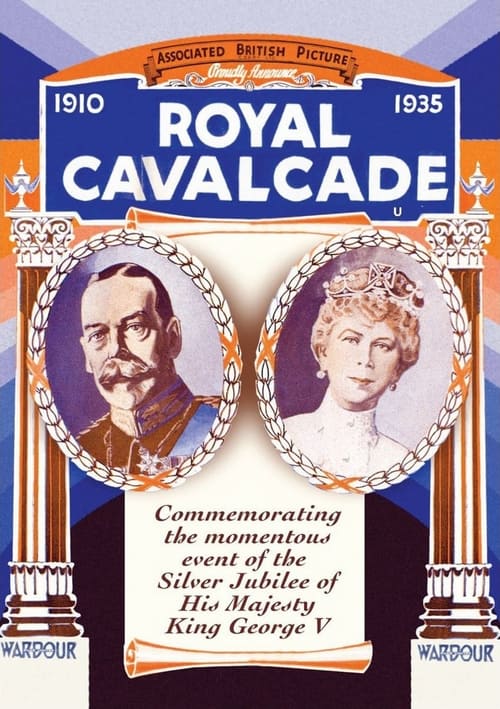
Royal Cavalcade

Made in commemoration and celebration of the Jubilee of King George V, this is the story of the first twenty-five years of his reign, told through the many travels of a penny that was minted in the year of his accession: 1910. Through a series of individual stories, Royal Cavalcade covers a period of striking change in every area of life – from the suffragette movement to the trenches of World War One, the effects of the Depression to single events such as the first ever Royal Command Performance, featuring Anna Pavlova and George Robey.

Royal Cavalcade

0.0 1935
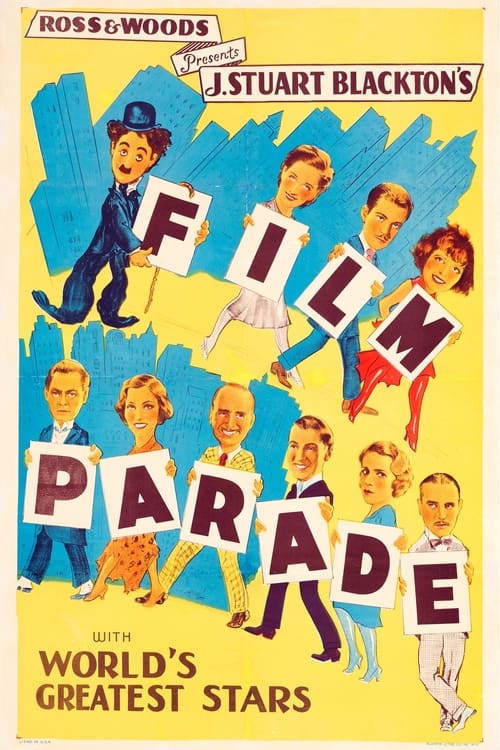
The Film Parade

Pioneer filmmaker J. Stuart Blackton was intrigued by the idea of a film about the history of the movies as early as 1915. He finally released a 52-minute feature called The Film Parade that was shown in New York and favorably reviewed by "Variety" in 1933. He continued tinkering with the film for the rest of the decade, and later filmmakers and distributors used Blackton's footage for stock or to produce their own variously titled and truncated versions. -UCLA Film & Television Archive
The Film Parade

0.0 1933
A Letter from Ulster

A Letter From Ulster (1943). Northern Ireland's greatest film director Brian Desmond Hurst directed the film and his assistant director was fellow Ulsterman William (Bill) MacQuitty who went on to make the ultimate Titanic film A Night to Remember. The script was written by Terence Young who went on to direct the early Bond films. All the components were in place for a fine film and this short (32 minute) by the Crown Film Unit remains an important part of Ulster and America's cultural history. As the opening credit says "This film is dedicated to those members of the US Forces Who are our guests in these islands". The film shows American soldiers landing in Northern Ireland and settling into their new camps. The arrival of mail from 'back home' helps camp moral, however, two brothers receive none. Their commander realises that the two brothers have not sent any letters back to their parents and gives the order to write a letter home- A Letter From Ulster.
A Letter from Ulster

0.0 1943
The Boxing Kangaroo

The Boxing Kangaroo is an 1896 British short black-and-white silent documentary film, produced and directed by Birt Acres for exhibition on Robert W. Paul’s peep show Kinetoscopes, featuring a young boy boxing with a kangaroo. The film was considered lost until footage from an 1896 Fairground Programme, originally shown in a portable booth at Hull Fair by Midlands photographer George Williams, donated to the National Fairground Archive was identified as being from this film.

The Boxing Kangaroo

4.6 1896
The Open Road

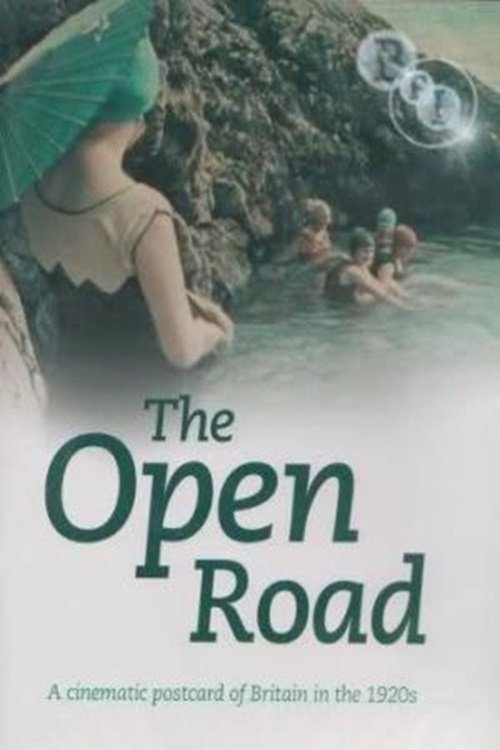
In the summer of 1924 Claude Friese-Greene, a pioneer of colour cinematography, set out from Cornwall with the aim of recording life on the road between Land’s End and John O’Groats. Entitled The Open Road, his remarkable travelogue was conceived as a series of shorts, 26 episodes in all, to be shown weekly at the cinema. The result is a fascinating portrait of inter-war Britain, in which town and country, people and landscapes are captured as never before, in a truly unique and rich colour palette.

The Open Road

6.7 1926