5,839 Matches Found

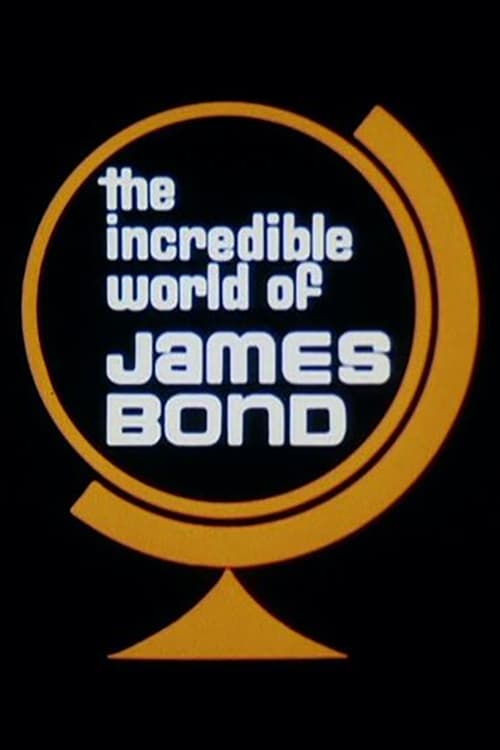
The Incredible World of James Bond

This promotional film was aired on American television on 26 November 1965, one month before the release of Thunderball (1965). Narrated by Alexander Scourby, the 48 minute documentary aired as a one hour special. It included footage of the filming at Silverstone Racetrack, Northamptonshire and of the fight aboard the Disco Volante at Pinewood Studios; media coverage of Martine Beswick, Luciana Paluzzi and Claudine Auger; and archive footage of Ian Fleming at 'Goldeneye', Jamaica.

The Incredible World of James Bond

6.0 1965
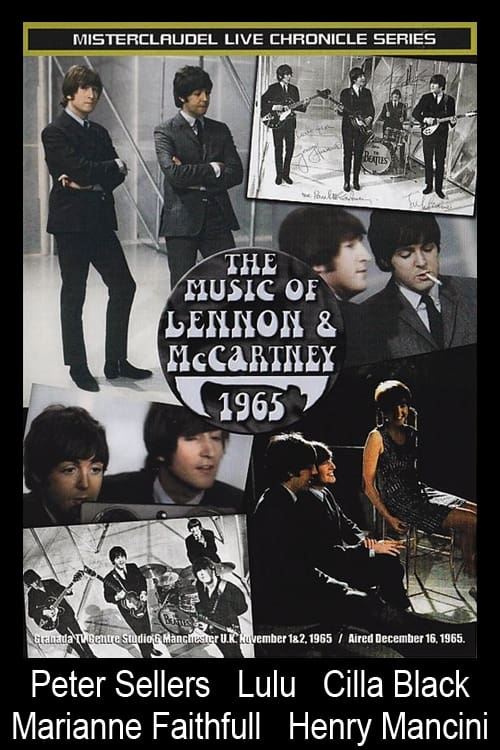
The Music of Lennon & McCartney

A 1965 British television special honouring the songwriting partnership of John Lennon and Paul McCartney. It was produced by Granada Television and aired on that network on 16 December 1965 before receiving a national broadcast the following evening. The programme mainly consisted of other artists miming to their recordings of the songs. The Beatles performed Day Tripper and We Can Work It Out, and Peter Sellers delivered a comedic interpretation of A Hard Day's Night, in the style of stage actor Laurence Olivier's portrayal of Richard III.

The Music of Lennon & McCartney

0.0 1965
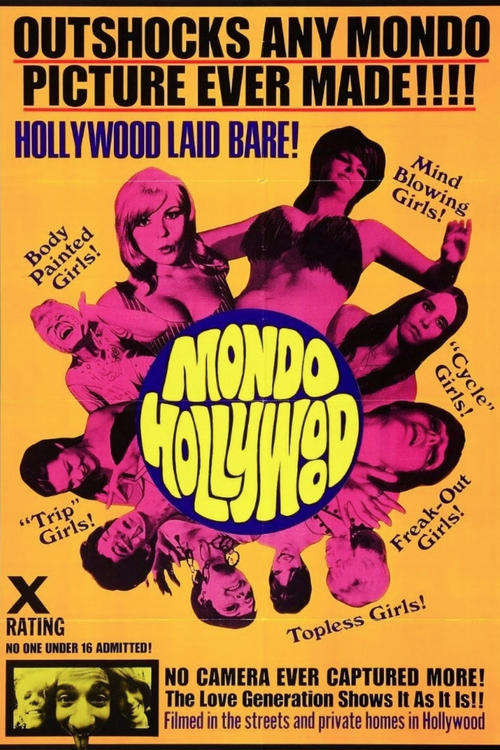
Mondo Hollywood

Long considered a cult classic, "Mondo Hollywood" captures the underside of Hollywood by documenting a moment in time (1965-67), when an inquisitive trust in the unknown was paramount, hope for the future was tangible and life was worth living on the fringe. An interior monologue narrative approach is used throughout the film, where each principal person shown not only decided on what they wanted to be filmed doing, but also narrated their own scenes. The film opens with Gypsy Boots (the original hippie vegan - desert hopping blender salesman), and stripper Jennie Lee, working out 'Watusi-style' beneath the 'Hollywood' sign -- leading into the 'sustainable community' insight of Lewis Beach Marvin III, the S&H Green Stamp heir, who lived in a $10 a month garage while owning a mountain retreat in Malibu.

Mondo Hollywood

5.3 1967
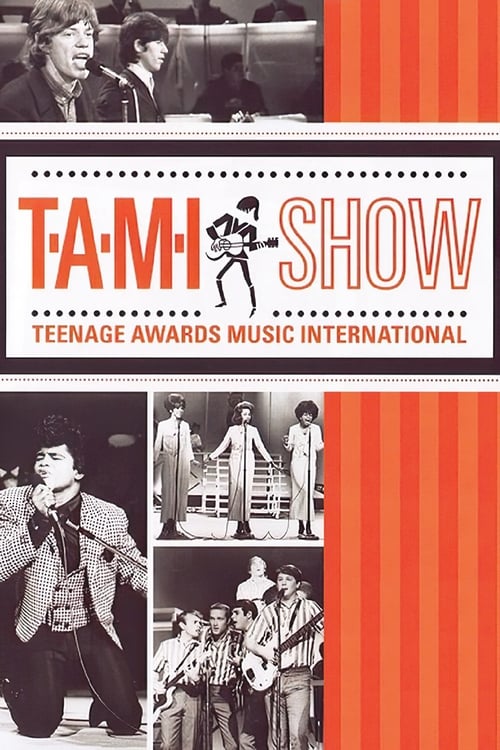
The T.A.M.I. Show

Hailed by one music reviewer as "the grooviest, wildest, slickest hit ever to pound the screen," "The T.A.M.I. Show" is an unrelenting rock spectacular starring some of the greatest pop performers of the 60s. These top recording idols – representing the musical moods of London, Liverpool, Hollywood and Detroit – packed the Santa Monica Civic Auditorium with 2,600 screaming fans and virtually brought down the house. This is the cinematic record of that electrifying event.

The T.A.M.I. Show

8.0 1964
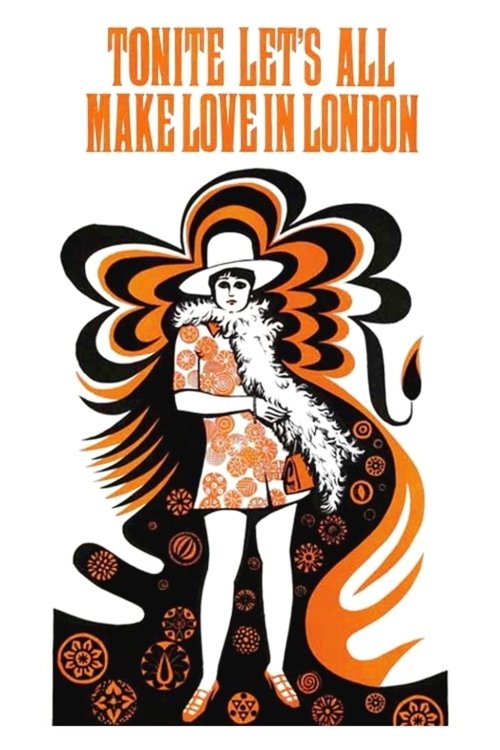
Tonite Let's All Make Love in London

Peter Whitehead’s disjointed Swinging London documentary, subtitled “A Pop Concerto,” comprises a number of different “movements,” each depicting a different theme underscored by music: A early version of Pink Floyd’s “Interstellar Overdrive” plays behind some arty nightclub scenes, while Chris Farlowe’s rendition of the Rolling Stones’ “Out of Time” accompanies a young woman’s description of London nightlife and the vacuousness of her own existence. In another segment, the Marquess of Kensington (Robert Wace) croons the nostalgic “Changing of the Guard” to shots of Buckingham Palace’s changing of the guard, and recording act Vashti are seen at work in the studio. Sandwiched between are clips of Mick Jagger (discussing revolution), Andrew Loog Oldham (discussing his future) – and Julie Christie, Michael Caine, Lee Marvin, and novelist Edna O’Brien (each discussing sex). The best part is footage of the riot that interrupted the Stones’ 1966 Royal Albert Hall concert.

Tonite Let's All Make Love in London

2.8 1967
Will the Real Mr Sellers.....?

Banned by the BBC in 1971, director Tony Palmer's profile of the late Peter Sellers was, in the words of the film's subject himself, "the only portrait which really understood me." Sellers was an icon of comedy and a true innovator, but a look inside reveals a tragic figure. How could one of the world's most beloved comic talents have such a morbidly distorted opinion of himself? In this documentary, interviews with such friends, fans, and colleagues as Raquel Welch, Yul Brenner, Spike Milligan, Laurence Harvey, and others reveal the true personality behind the man who was loved by everyone, but still viewed himself as entirely alone.

Will the Real Mr Sellers.....?

0.0 1969
A Wall in Jerusalem

A brilliant documentary about the growth of Israel into the Jewish homeland. Seventy-three years of struggle for religious freedom is vividly recorded using rare archive film footage and photographs of historic events in the development of 20th century Israel. Beginning with the Dreyfus Affair in 1894, the film covers Theodor Herzl, founder of modern Zionism; the earliest immigration and settlements; the formation of kibbutzim; the Balfour Declaration; the rise of European anti-Semitism; the British occupation of Palestine; Arab confrontations; the United Nations resolution; the "Exodus" incident, and the Six Day War.

A Wall in Jerusalem

0.0 1968
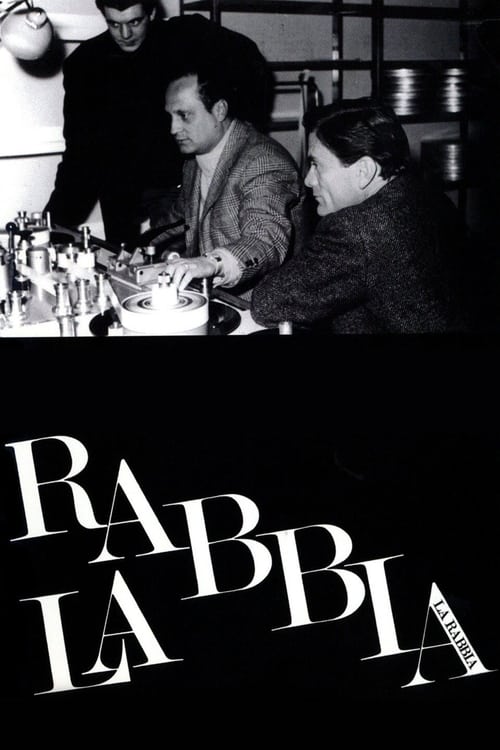
La Rabbia

Documentary footage (from the 1950s) and accompanying commentary to attempt to answer the existential question, Why are our lives characterized by discontent, anguish, and fear? The film is in two completely separate parts, and the directors of these respective sections, left-wing Pier Paolo Pasolini and conservative Giovanni Guareschi, offer the viewer contrasting analyses of and prescriptions for modern society. Part I, by Pasolini, is a denunciation of the offenses of Western culture, particularly those against colonized Africa. It is at the same time a chronicle of the liberation and independence of the former African colonies, portraying these peoples as the new protagonists of the world stage, holding up Marxism as their "salvation", and suggesting that their "innocent ferocity" will be the new religion of the era. Guareschi's part, by contrast, constitutes a defense of Western civilization and a word of hope, couched in traditional Christian terms, for man's future.
La Rabbia

7.0 1963
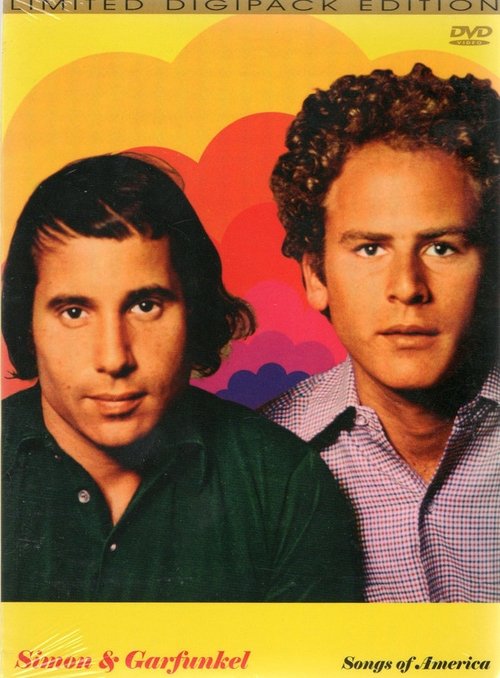
Simon and Garfunkel: Songs of America

“Songs of America” shows the two on stage, in the studio and on a concert tour across a turbulent country. Their ambitious Bridge Over Troubled Water album had yet to be released and the glorious title song was heard here by the general public for the very first time. The program showed news clips of labor leader/activist Cesar Chavez and the United Farm Workers, the Poor People’s Campaign’s march on Washington, the assassinations of Martin Luther King, JFK and Robert Kennedy and other events that were emblematic of the era. “Songs of America” was originally sponsored by the Bell Telephone Company, but the execs there got cold feet when they saw what they’d paid for—legend has it that they looked at the footage of JFK, RFK and MLK during the (powerful!) “Bridge Over Troubled Water” segment (approx 12 minutes in) and asked for more Republicans! (Not assassinated Republicans, just more Republicans...you know, for balance!) The special was eventually picked up by CBS.
Simon and Garfunkel: Songs of America

0.0 1969
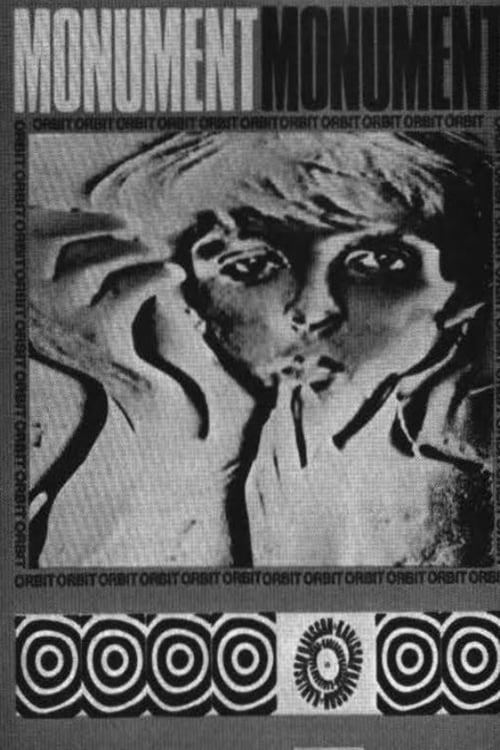
Monument

In the fall of 1967, intermedia artists Ture Sjölander and Lars Weck collaborated with Bengt Modin, video engineer of the Swedish Broadcasting Corporation in Stockholm, to produce an experimental program called Monument. It was broadcast in January, 1968, and subsequently has been seen throughout Europe, Asia, and the United States. Apart from the technical aspect of the project, their intention was to develop a widened consciousness of the communi - cative process inherent in visual images. They selected as source material the "monuments" of world culture— images of famous persons and paintings.

Monument

0.0 1967