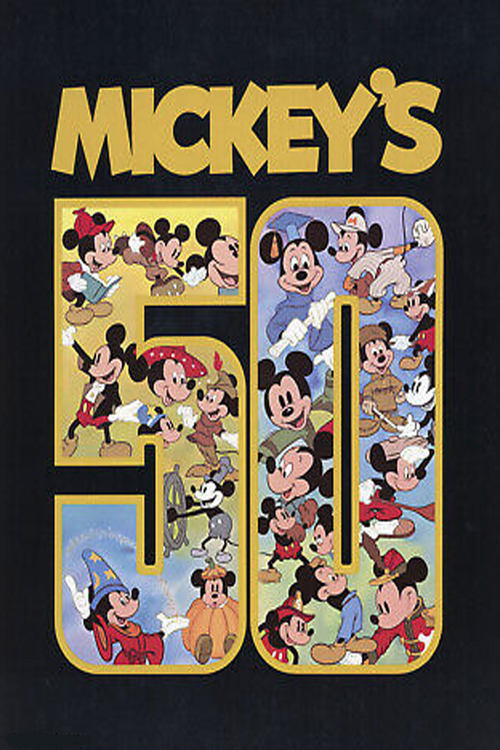
"Mickey's 50" is a 90-minute special that aired on The Wonderful World of Disney on November 19, 1978. The special was made to commemorate the 50th birthday of Mickey Mouse and highlights many moments in his career.
Mickey's 50
0.0 1978
7,865 Matches Found
"Mickey's 50" is a 90-minute special that aired on The Wonderful World of Disney on November 19, 1978. The special was made to commemorate the 50th birthday of Mickey Mouse and highlights many moments in his career.
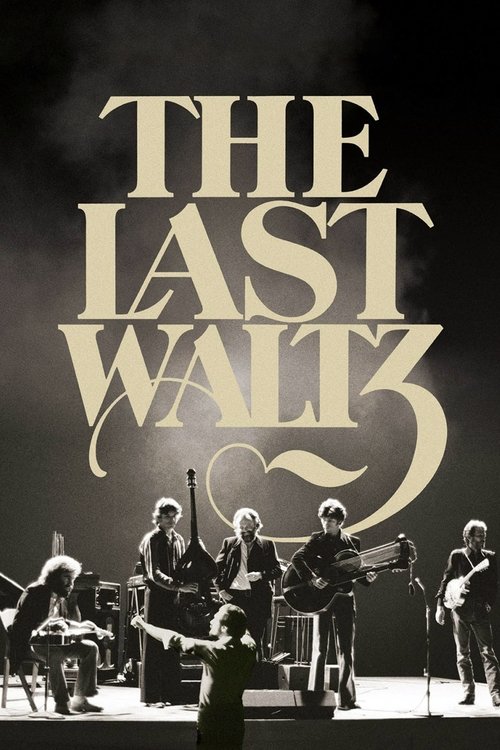
Martin Scorsese's documentary intertwines footage from The Band's incredible farewell tour with probing backstage interviews and featured performances by Eric Clapton, Bob Dylan, Joni Mitchell, Van Morrison, and other rock legends.
Paris is a monstrously inhuman cityscape, in which cars, buses, crowds, and unceasing noise combine to smother any decent and delicate human activity. People and flowers attempt to survive in a city that seems ready to explode from an over-heated mixture of traffic and noise.
A documentary about the glorious history of Metro-Goldwyn-Mayer Studios and its decline leading to the sale of its back lot and props. By extension this provides a general history of Hollywood's Golden Age and the legendary studio system.
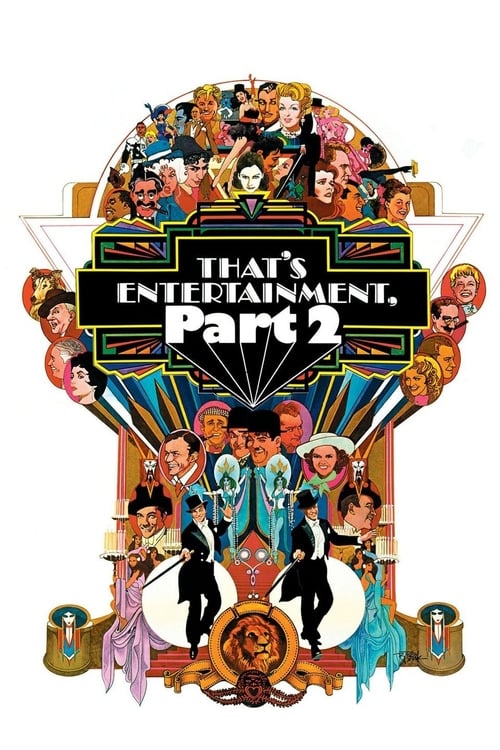
Gene Kelly and Fred Astaire present more golden moments from the MGM film library, this time including comedy and drama as well as classic musical numbers.
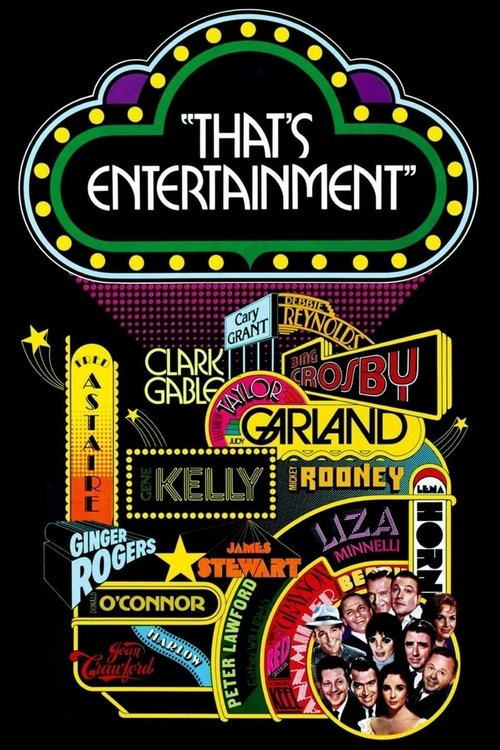
Various MGM stars from yesterday present their favorite musical moments from the studio's 50 year history.
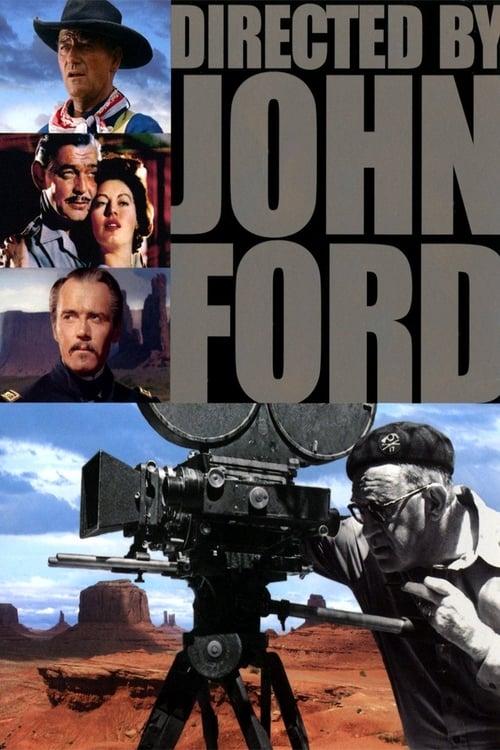
A documentary about the life and films of director John Ford.

This documentary tells the story of Bruce Lee and his unsuccessful efforts to start a acting career in the U.S., he returned to Hong Kong where he became an international star, and his death at age 32.
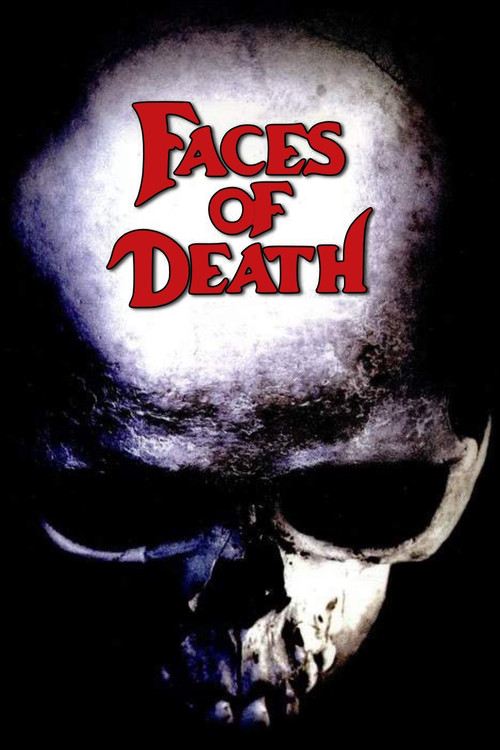
What question has plagued mankind more than the mystery—and terror—of death? This forbidden pursuit has driven Dr. Frances B. Gröss to the brink of madness, but in his obsession, he has amassed a uniquely comprehensive collection of films that depict life in its final, grueling moments. From the savagery of cold-blooded murder to the perverse realities of war, tragic accidents, and the everyday lives of those who collect, dissect, and bury the dead, this descent into morbidity lays bare a truth that all of us will one day face.
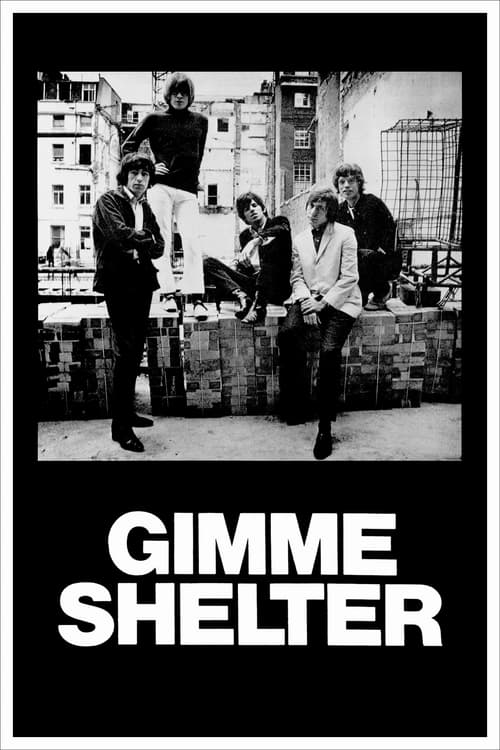
A detailed chronicle of the famous 1969 tour of the United States by the British rock band The Rolling Stones, which culminated with the disastrous and tragic concert held on December 6 at the Altamont Speedway Free Festival, an event of historical significance, as it marked the end of an era: the generation of peace and love suddenly became the generation of disillusionment.
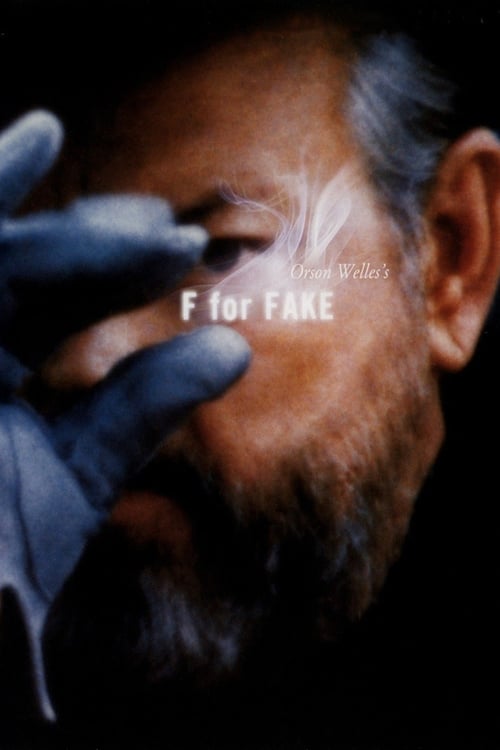
Documents the lives of infamous fakers Elmyr de Hory and Clifford Irving. De Hory, who later committed suicide to avoid more prison time, made his name by selling forged works of art by painters like Picasso and Matisse. Irving was infamous for writing a fake autobiography of Howard Hughes. Welles moves between documentary and fiction as he examines the fundamental elements of fraud and the people who commit fraud at the expense of others.
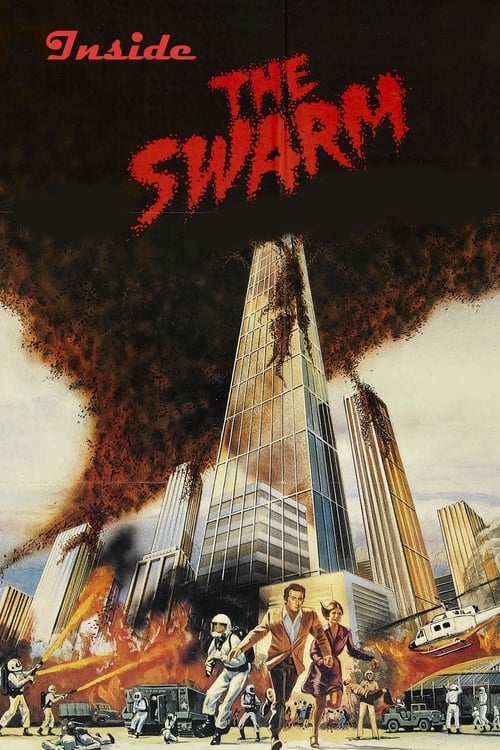
A behind-the-scenes/Making of documentary short focused on Irwin Allen's all-star disaster flick The Swarm.
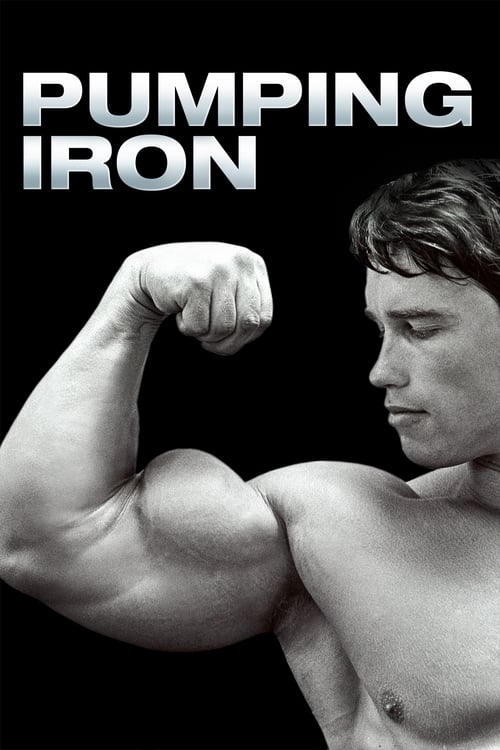
Amateur and professional bodybuilders prepare for the 1975 Mr. Olympia and Mr. Universe contests as five-time champion Arnold Schwarzenegger defends his Mr. Olympia title against Serge Nubret and the shy young Lou Ferrigno.

An intimate look at the Woodstock Music & Art Festival held in Bethel, NY in 1969, from preparation through cleanup, with historic access to insiders, blistering concert footage, and portraits of the concertgoers; negative and positive aspects are shown, from drug use by performers to naked fans sliding in the mud, from the collapse of the fences by the unexpected hordes to the surreal arrival of National Guard helicopters with food and medical assistance for the impromptu city of 500,000.
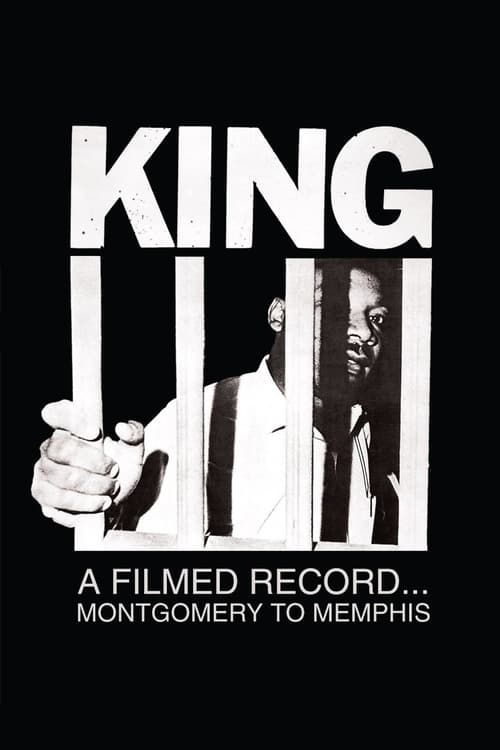
A presentation of key events in the life of civil rights activist Martin Luther King Jr. Beginning with the 1955 bus boycott in Montgomery, Alabama, MLK is followed through major steps in his struggle to promote racial equality. Including footage of King's stirring speeches, it is a fitting tribute to his legacy, and features clips narrated by a wide range of celebrities, including Harry Belafonte, Paul Newman Charlton Heston, Ruby Dee, Burt Lancaster, Anthony Quinn, Walter Matthau, Ben Gazzara, Clarence Williams III, Joanne Woodward, and James Earl Jones.
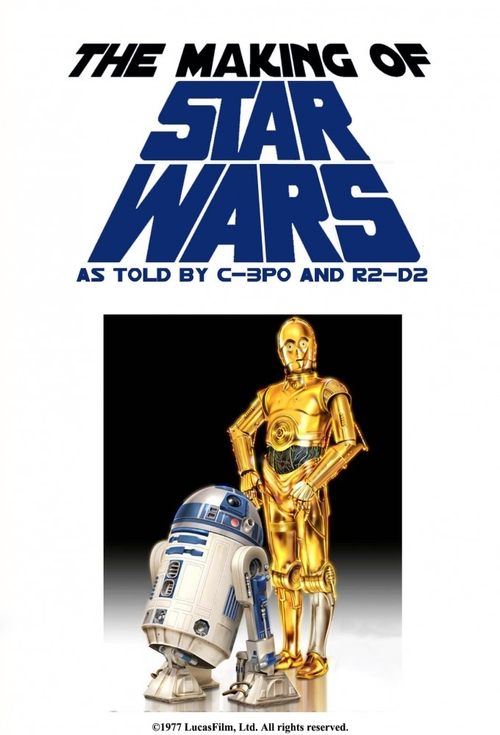
Learn the incredible behind-the-scenes story of how the original Star Wars movie was brought to the big screen in this fascinating documentary hosted by C-3PO and R2-D2 which includes interviews with George Lucas and appearances by Mark Hamill, Harrison Ford and Carrie Fisher.
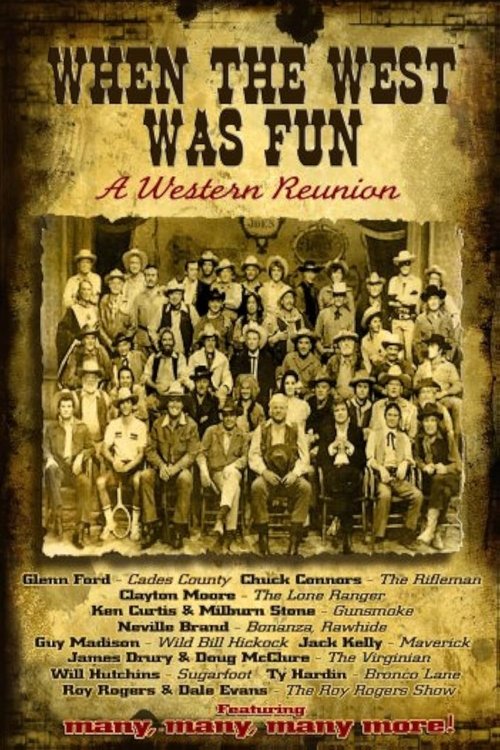
Some of TV and film's popular western actors reunite in this tribute special hosted by Glenn Ford.

A chronicle of the 1975 International Press Conclave hosted by Metro-Goldwyn-Mayer over two days in May 1975.
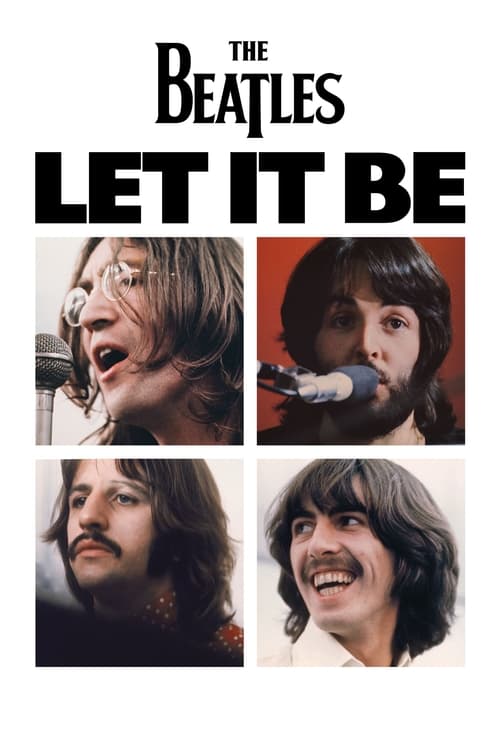
A documentary chronicling the Beatles' rehearsal sessions in January 1969 for their proposed "back to basics" album, "Get Back," later re-envisioned and released as "Let It Be."
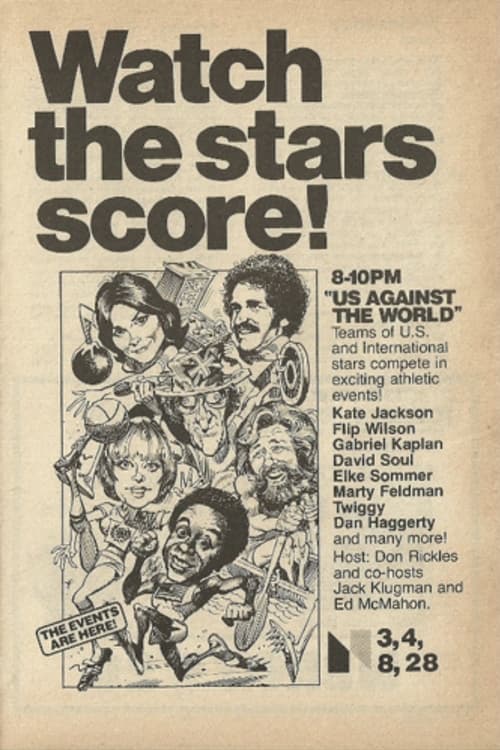
This NBC Special from 1977 pitted celebrities from the worlds of film and TV in the United States against stars from the U.K. and the rest of the World. Three teams of five men and three women representing their native land, competed in a series of nine events during this fast paced and exciting 2 hour TV Special. Sporting events included bowling, darts, rowing, swimming and running relays and soccer goal kicking.
In this made-for-TV production, Vincent Price and his hunchback sidekick (Billy Van) host a pun-filled salute to the horror film genre from its earliest beginnings all the way up to The Exorcist. Featuring clips from classic horror films and interviews with genre greats like Frank Gorshin, John Carradine, John Astin and SFX legend Bill Tuttle, among others.
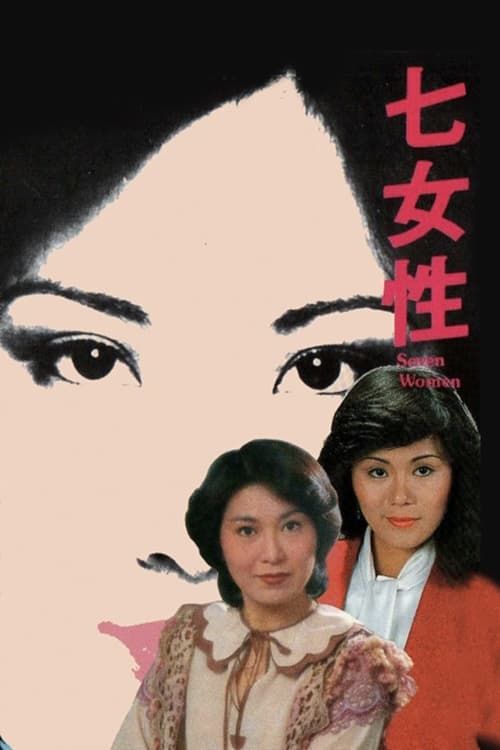
The fourth episode of Patrick Tam’s anthology series “Seven Women” (1976), which adapted from Swedish play “Miss Julie”
A documentary filmography of Howard Hawks, including lengthy footage of Hawks himself discussing his films and many clips from his best-known pictures.
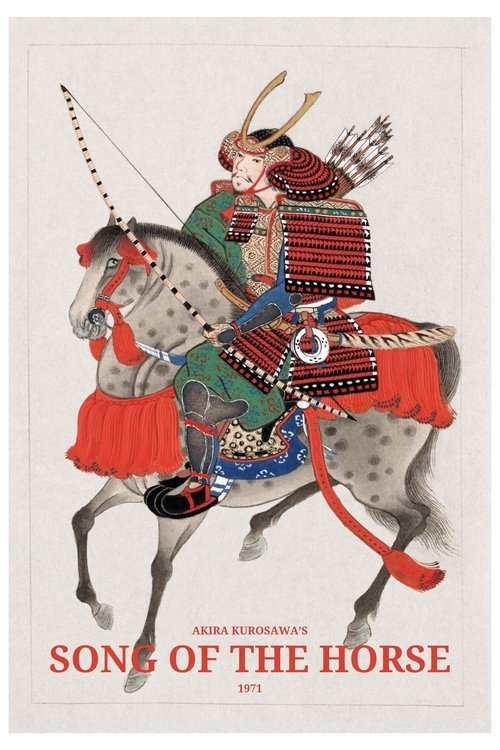
Akira Kurosawa’s only television work—a lyrical documentary that follows a thoroughbred from birth and training to the Japan Derby—framed by a grandfather’s narration to his grandson about the fading bond between people and horses.
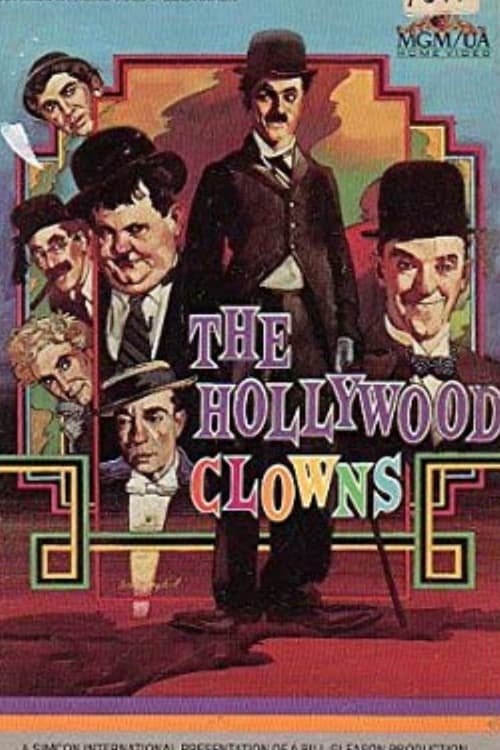
Glenn Ford narrates this hilarious look back at the greatest comedians in movie history.
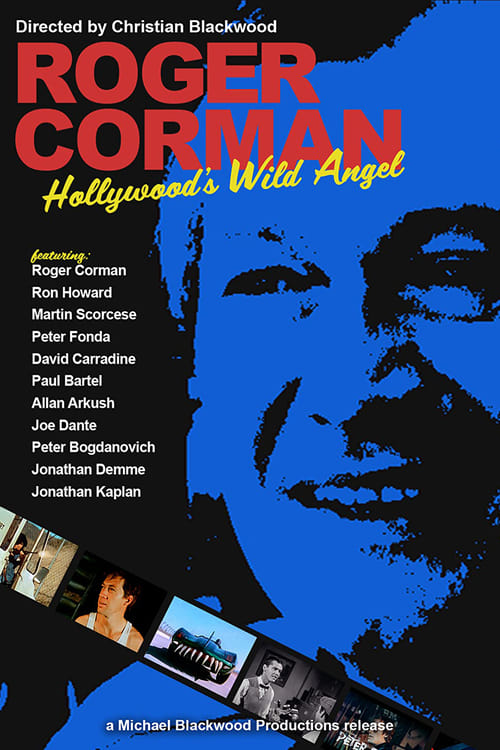
Documentary examining the life and career of producer/director Roger Corman. Clips from his films and interviews with actors and crew members who have worked with him are featured.

The story of VGIK teachers and students about the acting profession.

British progressive rock band Pink Floyd perform at the ancient Roman Amphitheater in the ruins of Pompeii, Italy in 1971. Although the band perform a typical live set from the era, there is no audience beyond the basic film crew.
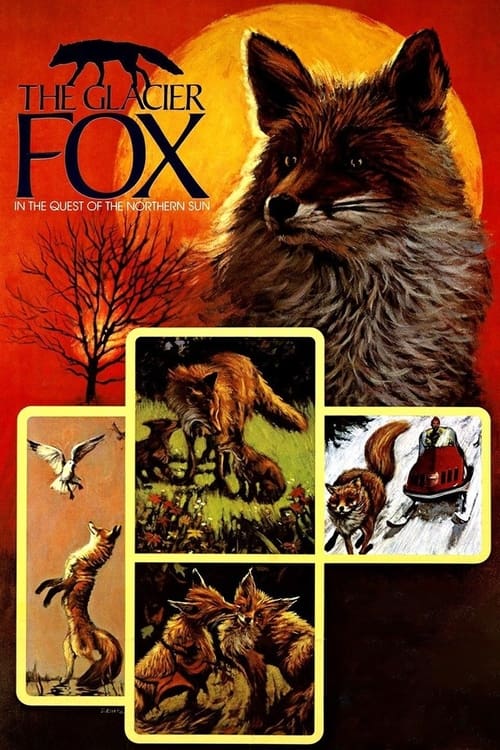
Director Koreyoshi Kurahara chronicles a year in the lives of Flep and Leila, two foxes living in Hokkaido, Japan's northernmost island, where the freezing winters are long and the mild summers short. After Flep defeats another male fox to become Leila's lifelong partner, they mate and raise a litter of five kits. With their family complete, the group must contend with human interference in their habitat, such as chicken farms and snowmobiles, and struggle against the debilitating cold of winter. The animals experience both triumph and tragedy, as the law of this harsh land proves – only the strong survive.
A look at Shaw Brothers Studios in their prime. Includes: interviews with David Chiang; exploring the Shaw Brothers sets; a look at the craftsmen, foley artists and stuntmen of Shaw Bros.; a profile on Run Run Shaw; Italian-meets-Chinese kung-fu films; and a visit from Peter Cushing.
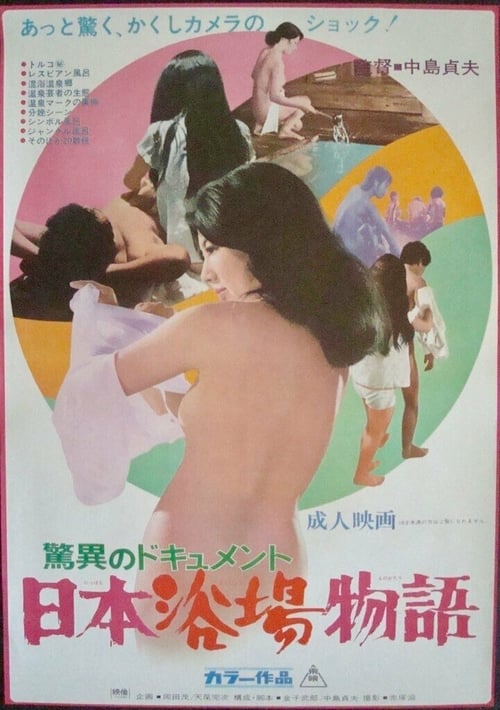
A classy 70's flick about the importance, traditions, popularity and ways of Japanese bathing.

Made in 1976, TVTV's close-up look at Hollywood's annual awards ritual mixes irreverent documentary with deadpan comedy. TVTV's cameras go behind the scenes to follow major Hollywood figures (including Steven Spielberg, Michael Douglas, Lee Grant, Jack Nicholson, and many others), capturing them in candid moments—inside their limousines, dressing for the ceremony, backstage at the awards.
Original 1979 short promotional production featurette for the James Bond movie Moonraker (1979) featuring interview and behind the scenes footage.
Cannes is the town in France where Bergman meets bikinis, and the art of filmmaking meets the art of the deal. In 1975, a group of expat Kiwis managed to score interviews with some of the festival's emerging talents, indulging their own cinematic dreams in the process. Werner Herzog waxes lyrical on the trials and scars of directing; a boyish Steven Spielberg recalls the challenges of framing shots during Jaws; Martin Scorsese and Dustin Hoffman talk a gallon.
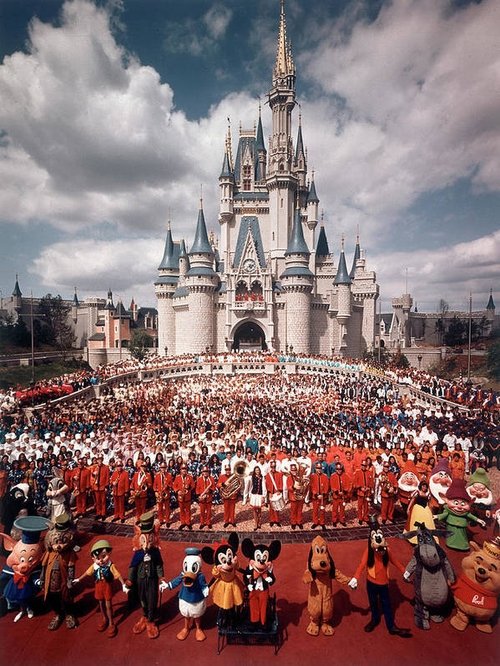
A celebrity-filled look at the opening festivities for Walt Disney World in Florida.
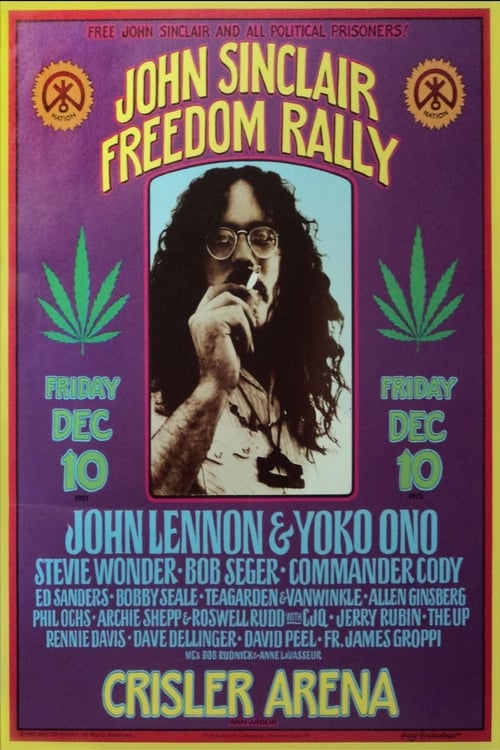
Concert film documentary. The John Sinclair Freedom Rally was a protest and concert in response to the imprisonment of John Sinclair for possession of marijuana held on December 10, 1971. Features performances from John Lennon, Yoko Ono, Stevie Wonder and Bob Seger
The first episode of Patrick Tam’s anthology series “Seven Women” (1976)
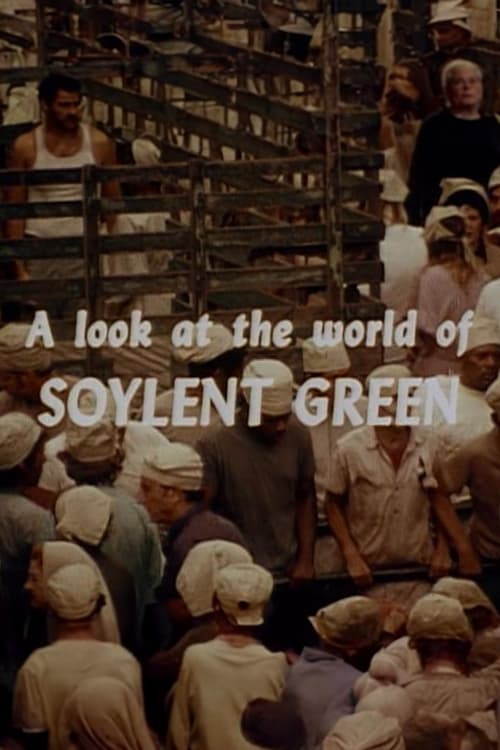
This promotional short film for "Soylent Green" (1973) begins by showing clips of films that depicted what the future might be like beyond Earth. The narrator then discusses the origin of the idea depicted in "Soylent Green." Director Richard Fleischer and star Charlton Heston discuss how an upcoming crowd scene will be filmed. Then we see what happens when the crowd riots because there is not enough food available to be distributed to everyone. "Soylent Green" was Edward G. Robinson's 101st (and, as it turned out, his last) feature film. During a break in filming, the cast and crew hold a ceremony celebrating the first film of his "second hundred," and Robinson makes appreciative remarks to the crowd. Studio head Jack L. Warner and friend George Burns are among those in attendance.

Stacy Keach narrates this documentary that chronicles the abbreviated life and career of iconic brooding bad boy James Dean, from his obscure early days working in television to his rise to stardom in films such as Rebel Without a Cause. Clips from Dean's movies are intermingled with candid interviews with the star's friends and Hollywood colleagues, including Natalie Wood, Sal Mineo, Sammy Davis Jr. and Dennis Hopper.
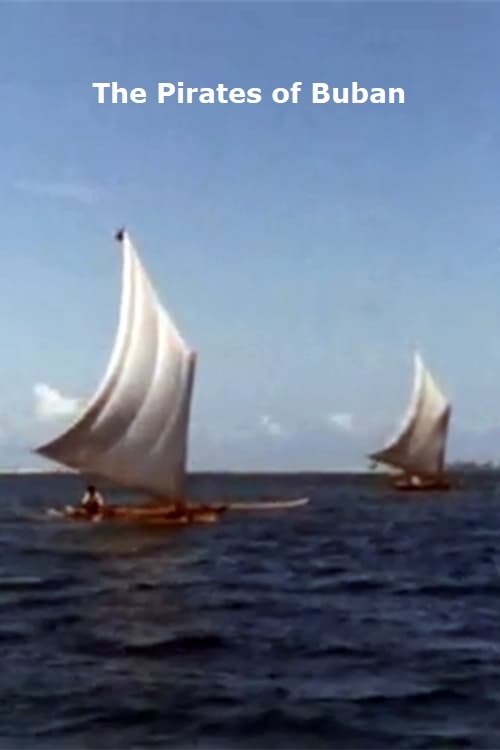
By going to the Philippines, Imamura comes to meet people living in an extreme poverty. He discovers very quickly that some communities are under the control of cruel & armed pirates. Imamura will come to meet those men in order to understand their position.
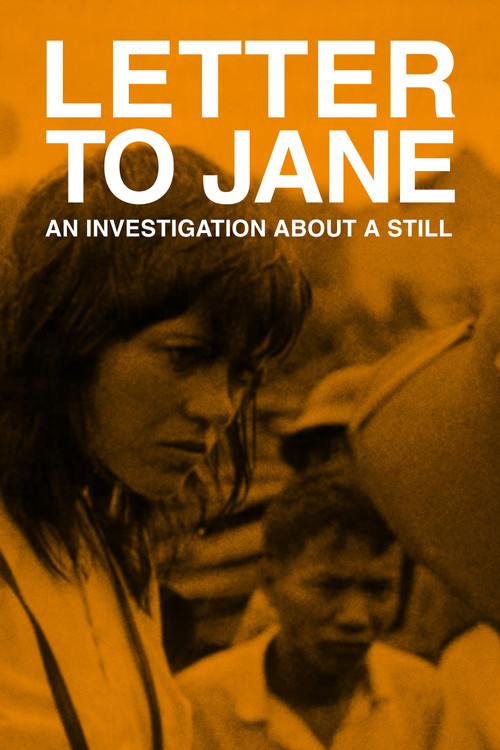
The film's subject is a photograph of Jane Fonda visiting Hanoi during the Vietnam War. It asks what the position of the intellectual should be in the class struggle and points out the irony of Jane Fonda's participation in the photo shoot, which was staged.
This is Poe and Král's first effort, shot on small-gauge stock, before their more well-known endeavor The Blank Generation (1976) came to be. A "DIY" portrait of the New York music scene, the film is a patchwork of footage of numerous rock acts performing live, at venues like Madison Square Garden, Radio City Music Hall, the dive bars of Greenwich Village and, of course, CBGB.

A celebration of 50 years of NBC broadcasting in radio and television, since first going on the airwaves on 15 November 1926.
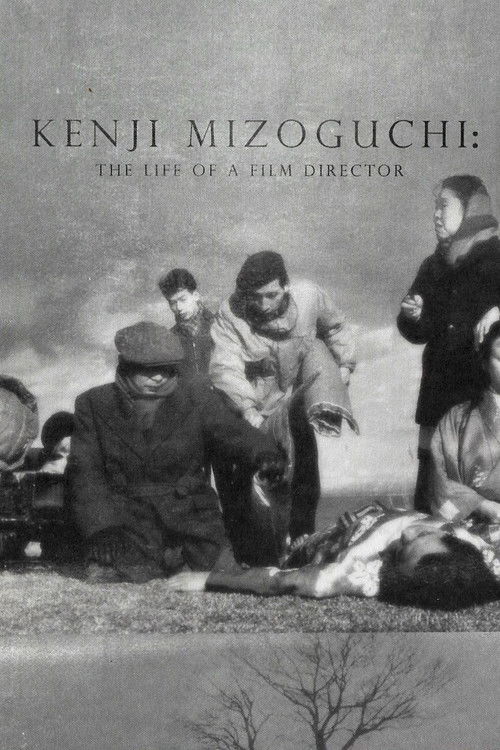
In 39 interviews with actors and actresses, writers, producers and staff members, interspersed with film excerpts and stills, Shindō recounts the life and career of his friend and mentor Mizoguchi.
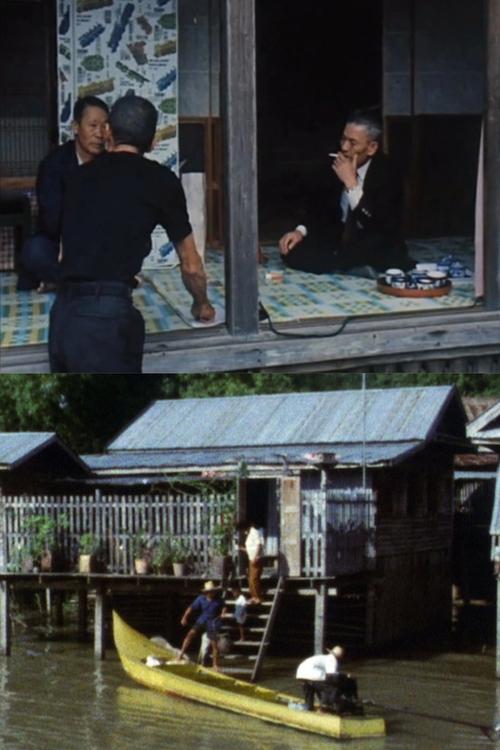
In Thailand, three Japanese soldiers, left in the jungle more than a quarter of a century after their country's defeat, come together to discuss what their life was like during and after the war. Part two of Imamura's quest for Japanese soldiers who stayed behind after the war.
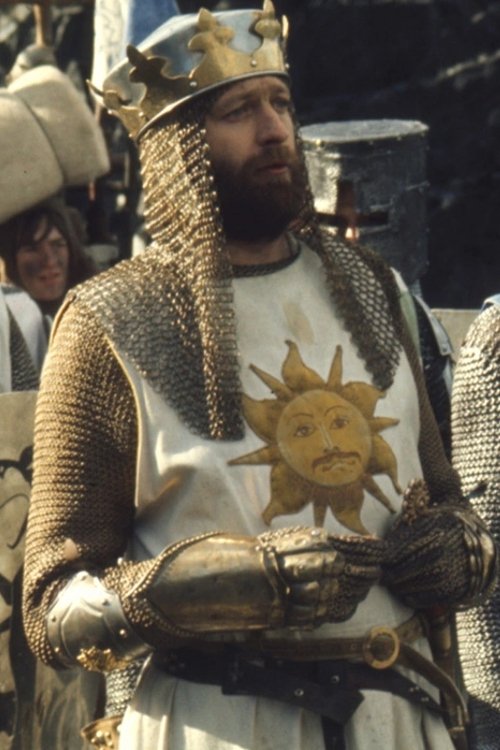
An documentarian from the BBC visits the set of Monty Python and the Holy Grail (1975). This documentary shouldn't be viewed as a making of the film, but rather a goof-off session that is simply there to conjure up laughter.
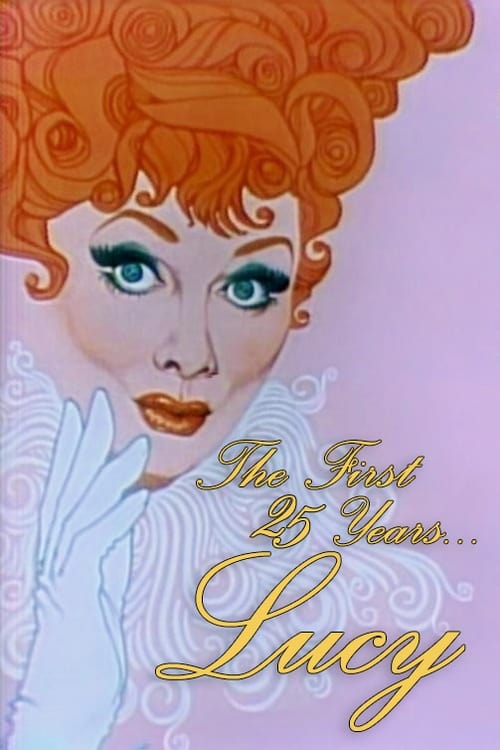
CBS honors Lucille Ball with this celebration of her three CBS series: I Love Lucy, The Lucy Show and Here's Lucy.
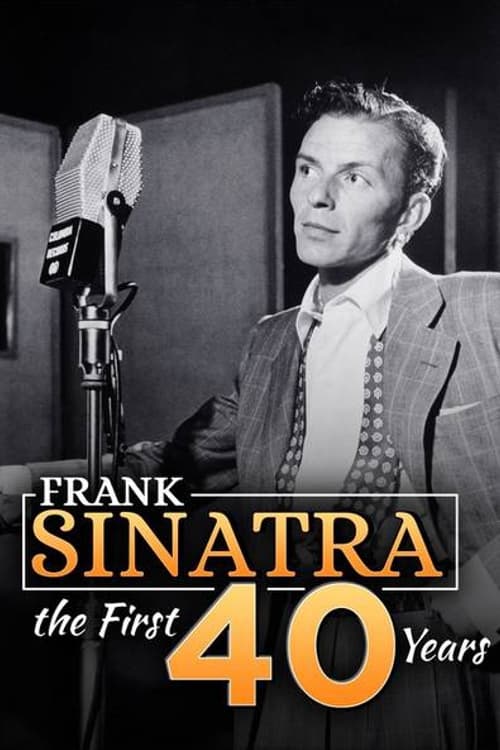
Gala tribute to the Chairman of the Board.

Martin Scorsese spends an evening with larger-than-life raconteur Steven Prince—a former drug addict, road manager for Neil Diamond, and actor—as he recounts stories from his colorful life.
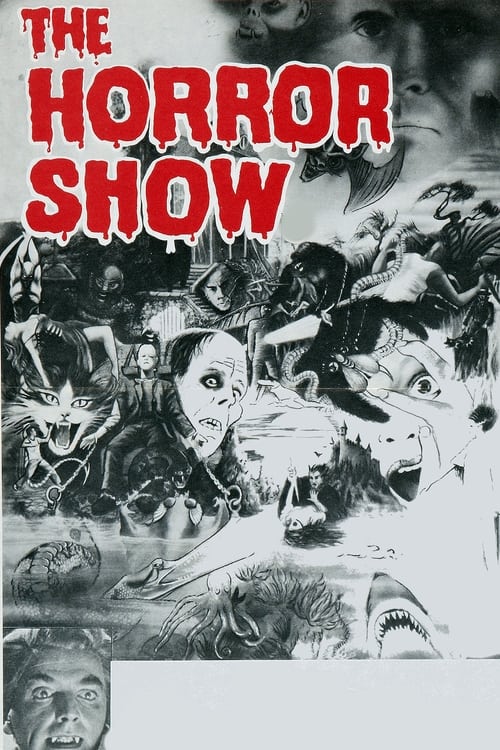
A history of horror movies.

A particular reading of the hard years of famine, repression and censorship after the massacre of the Spanish Civil War (1936-39), through popular culture: songs, newspapers and magazines, movies and newsreels.
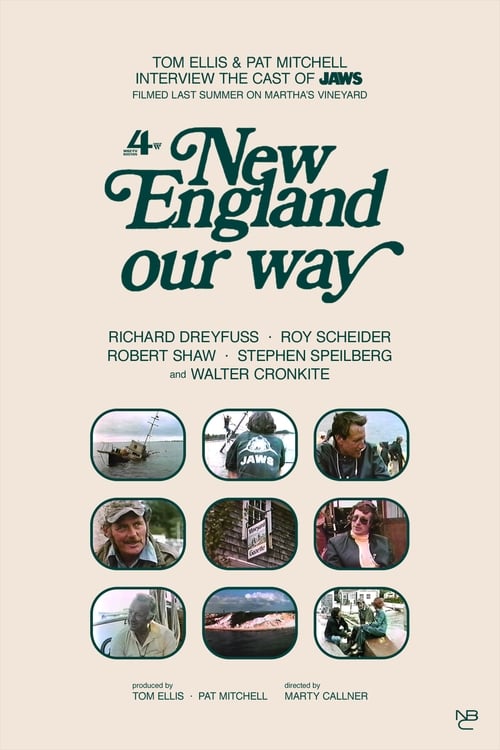
The program is a fascinating look some at the key people involved with JAWS before it was released. It contains interviews with the “big three” of Scheider, Dreyfuss and Shaw, Steven Spielberg, and Martha’s Vineyard local Craig Kingsbury, who played Ben Gardner.
An unsold 1979 television talk-show pilot hosted by Orson Welles, blending interviews, audience interaction, staged segments, and magic performances, filmed between 1978 and 1979 but never broadcast or developed into a series.

This documentary on rock 'n' roll groupies, including the infamous Plaster Casters, features performances (musical) by such bands as Ten Years After, Terry Reid, Spooky Tooth, and Cat Mother.
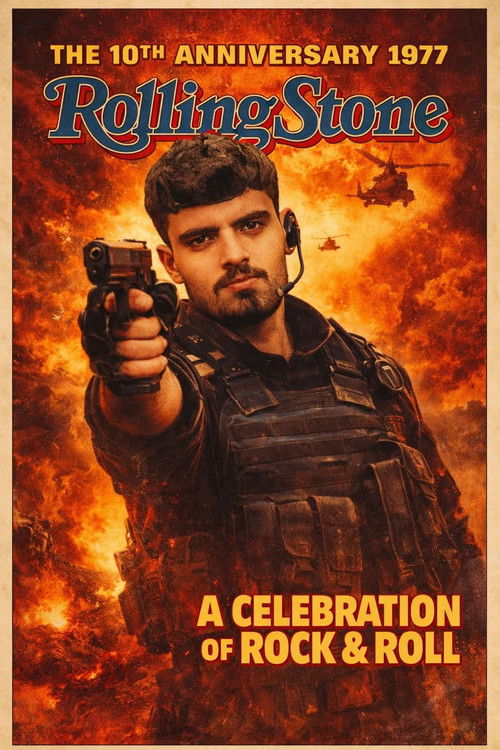
Train wreck, some might call it a TV special, proving that not everything was better in the good old days. That includes Rolling Stone Magazine.
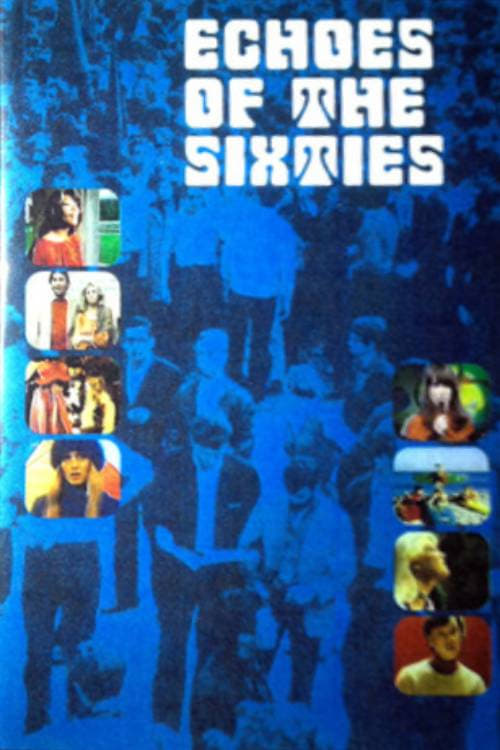
A documentary on the pop music and culture of the 1960's, featuring film and video clips of 60's-era performers.
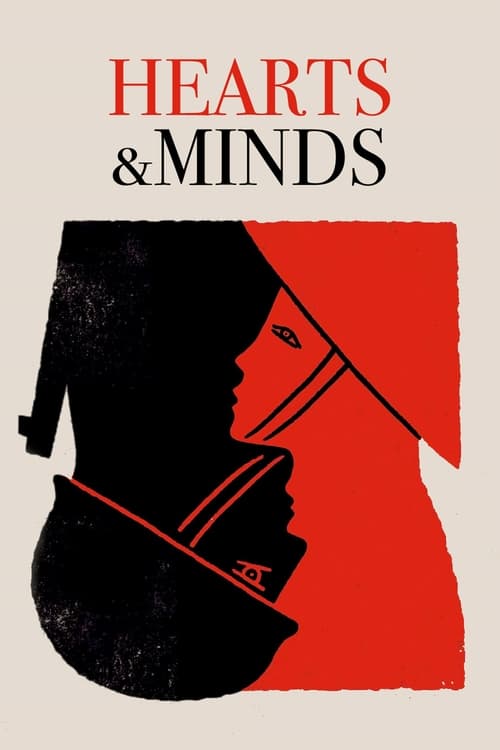
Many times during his presidency, Lyndon B. Johnson said that ultimate victory in the Vietnam War depended upon the U.S. military winning the "hearts and minds" of the Vietnamese people. Filmmaker Peter Davis uses Johnson's phrase in an ironic context in this anti-war documentary, filmed and released while the Vietnam War was still under way, juxtaposing interviews with military figures like U.S. Army Chief of Staff William C. Westmoreland with shocking scenes of violence and brutality.
A day-in-the-life documentary with Garry Marshall. Marshall was an executive producer for ABC and was responsible for such hit shows as Laverne and Shirley, Happy Days, and Mork and Mindy. This tape features several behind the scenes segments from these shows' productions. Marshall is also interviewed about the nature of television production and comedy.