29,164 Matches Found

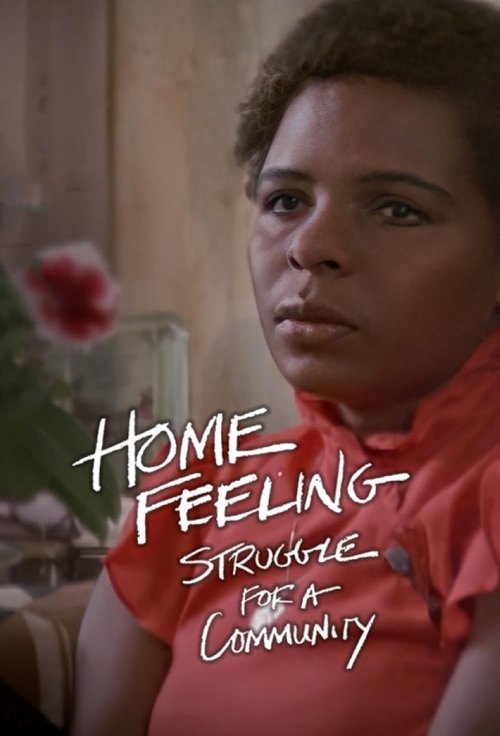
Home Feeling: Struggle for a Community

This feature documentary takes us to the heart of the Jane-Finch "Corridor" in the early 1980s. Covering six square blocks in Toronto's North York, the area readily evokes images of vandalism, high-density subsidized housing, racial tension, despair and crime. By focusing on the lives of several of the residents, many of them black or members of other visible minorities, the film provides a powerful view of a community that, contrary to its popular image, is working towards a more positive future.

Home Feeling: Struggle for a Community

0.0 1983
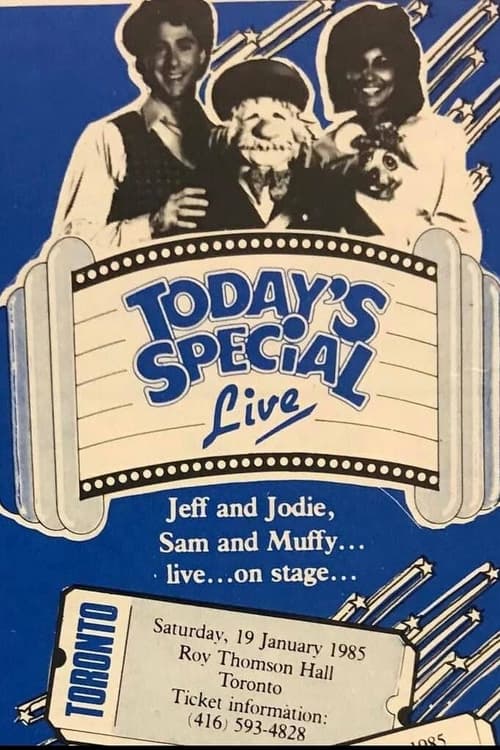
Today's Special: Live on Stage

In a special TV presentation of "Today's Special," Jodie, Muffy, and Sam prepare for a live theatre performance. However, Jeff faces a problem as his magic hat won't function outside the store, preventing him from joining them. Undeterred, he sneaks into the costume box bound for the theatre. Upon arrival, Muffy is late, prompting Jodie and Sam to begin the show without her. Meanwhile, Jeff, trapped in the box, finds himself turned into a mannequin without his magic working. With Waldo the Magnificent as their only hope, Jeff's fate hangs in the balance, hoping for a miraculous rescue.

Today's Special: Live on Stage

0.0 1985
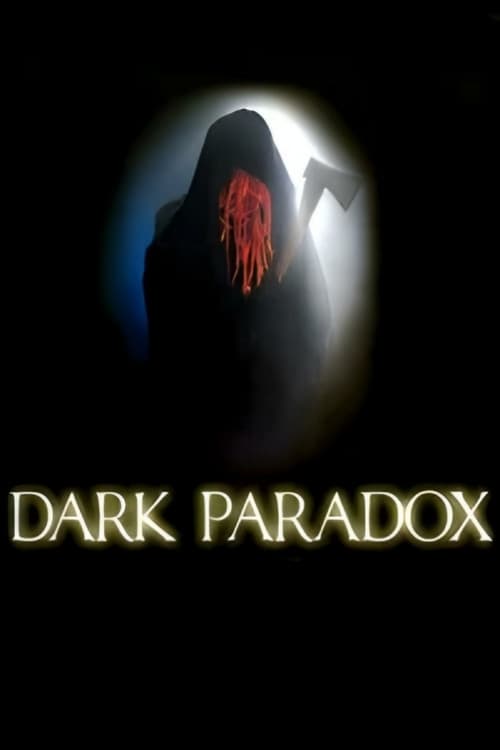
Dark Paradox

The film follows a writer's unwitting discovery of the history and secret efforts of a cult in Victoria, Canada that has been engaged in a 60 year effort to open a portal between our world and another, letting in a host of vicious inter-dimensional beings. The city of Victoria was rumored in the 1980's to be the second worldwide 'capital of Satanism' after Geneva, Switzerland. Dark Paradox explores the idea that this myth was not only partially true but also partially inaccurate in suggesting the cult activity was 'Satanic' when in fact it was based on the worship of ancient extraterrestrial 'elder gods' in the vein of HP Lovecraft's fiction.

Dark Paradox

3.3 2007
Creative Process: Norman McLaren

Norman McLaren was a cinematic genius who made films without cameras, and music without instruments. He produced sixty films in a stunning range of styles and techniques, collecting over 200 international awards, and world recognition. In Creative Process, director Donald McWilliams demystifies the process of artistic creation. Drawing on McLaren's private film vaults, a gold mine of experimental footage and uncompleted films, McWilliams explores McLaren's methods, including his celebrated "pixillation" technique, and his daring forays into animated surrealism.

Creative Process: Norman McLaren

6.0 1990
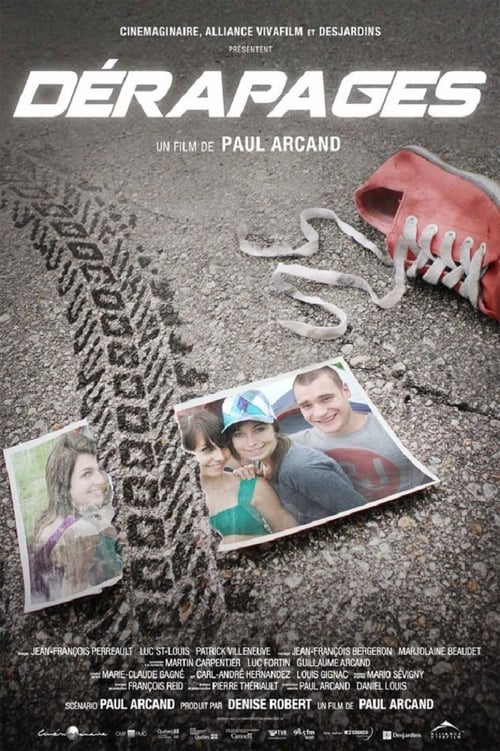
Driving to the Edge

Between 2007 and 2011, 725 Quebecers aged 16 to 24 were killed in car accidents. Excessive speed and alcohol were involved in half of these deaths. To try to understand what is going on in these young drivers' heads when they get behind the wheel, host and documentary filmmaker Paul Arcand met with some of them. On one hand, he gives a voice to these young people who love driving fast. On the other hand, he provides a forum for two accident victims who were injured both physically and psychologically. Finally, the director meets the mother of little Bianca Leduc, who was killed by a drunk driver while she was in the care of her babysitter, and the parents of Michael Borduas, 23, who is severely disabled from an accident.
Driving to the Edge

6.3 2012
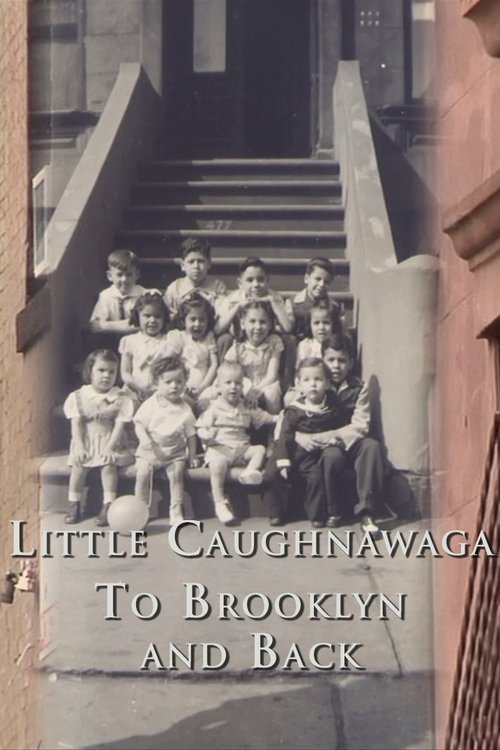
Little Caughnawaga: To Brooklyn and Back

For over 50 years, the Kahnawake Mohawks, of Quebec, Canada occupied a 10 square block area in the North Gowanus section of Brooklyn, which became known as Little Caughnawaga. The men, skilled ironworkers, came to New York in search of work and brought their wives, children and often, extended family with them. The story of the Mohawk ironworkers is an important one and is one that has been told and continues to be told through documentaries, newspaper and magazine articles. Yet the stories of Kahnawake Mohawk women who lived in Brooklyn have gone untold.

Little Caughnawaga: To Brooklyn and Back

0.0 2008
Brakhage

BRAKHAGE explores the depth and breadth of the filmmaker’s genius, the exquisite splendor of his films, his magic personal charm, his aesthetic fellow travelers, and the influence his work has had on generations of other creators. While touching on significant moments in Brakhage’s biography, the film celebrates Brakhage’s visionary genius, and explores the extraordinary artistic possibilities of cinema, a medium mostly known only for its commercial applications in the form of narratives, cartoons, documentaries, and advertising. BRAKHAGE combines excerpts from Brakhage’s films and films of other avant-garde filmmakers (eg, George Kuchar, Jonas Mekas, Willie Varela, Bruce Elder, and others); interviews with Brakhage, his friends, family, colleagues, and critics; archival footage of Brakhage spanning the past thirty-five years; and location shooting in Boulder, Colorado and New York.

Brakhage

7.0 1998
A Wonderful Spell

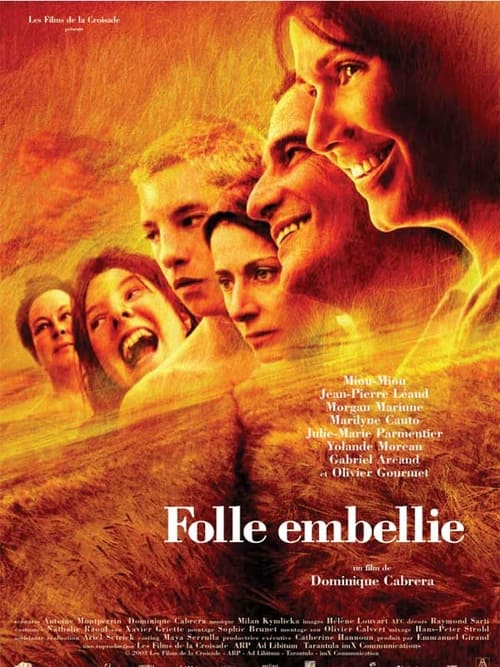
Set in the summer of 1942 during WWII, the film traces the trajectory of simple people thrown into extraordinary lives, revealing the heart-warming flame of hope and humanity that endures, even in times of war and dispair. As young Julien, his family and a group of friends traverse the French countryside after fleeing the institution they called home, Julien must deal with his father's extreme violence and his mother's rosy fantasies and once again form a family that society tries to forget.

A Wonderful Spell

5.6 2004