1,050 Matches Found

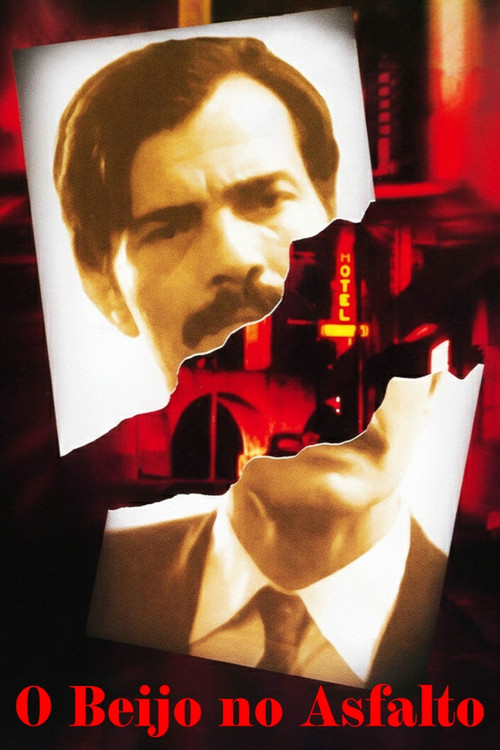
A Kiss on the Mouth

Made in the "Boca do Lixo" district in São Paulo, this work explores the world of women prostitutes in downtown São Paulo. The author allows the narrative to be led by the interviewees themselves, removing the reporter's voice and intervening as little as possible in the editing of the testimonies. At a time when AIDS was primarily associated with gay men, most of the prostitutes say they don't believe they can be infected and refuse to use condoms. One of them shares that she used to be a madam and a drug dealer, but now lives like an ordinary worker, working from 10 to 7 and raising her children. Another recalls her time as a domestic worker, earning in one month what she now makes in a single day as a prostitute. The soundtrack features songs by Milton Nascimento and Mutantes.

A Kiss on the Mouth

1.0 1987
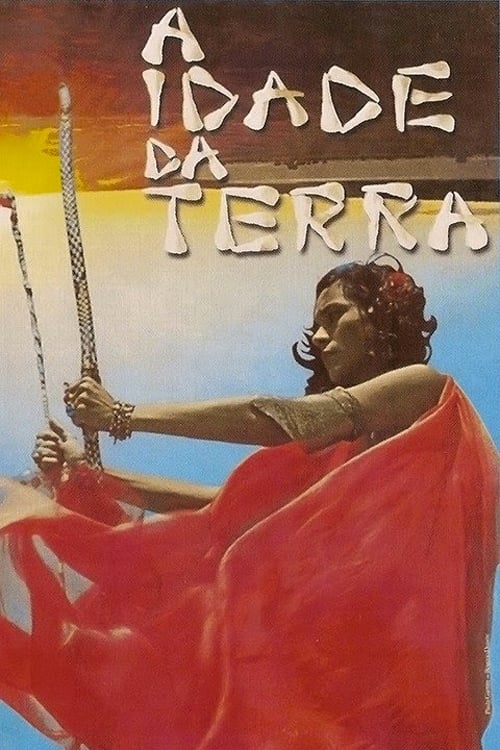
The Age of the Earth

Drawing inspiration from a poem penned by Castro Alves, this film vividly captures the political, cultural, and intellectual climate of Brazil during the late 1970s. At its core, the story revolves around four distinctive embodiments of Christ's image: a black man, a soldier, an Indian, and a guerrilla fighter. These courageous individuals, hailed as the harbingers of doom in the tupiniquim lands, valiantly combat the insatiable avarice and oppressive "civilizing" brutality propagated by the formidable John Brahms—a foreign exploiter devoid of morals.
The Age of the Earth

6.0 1980
Quilombo

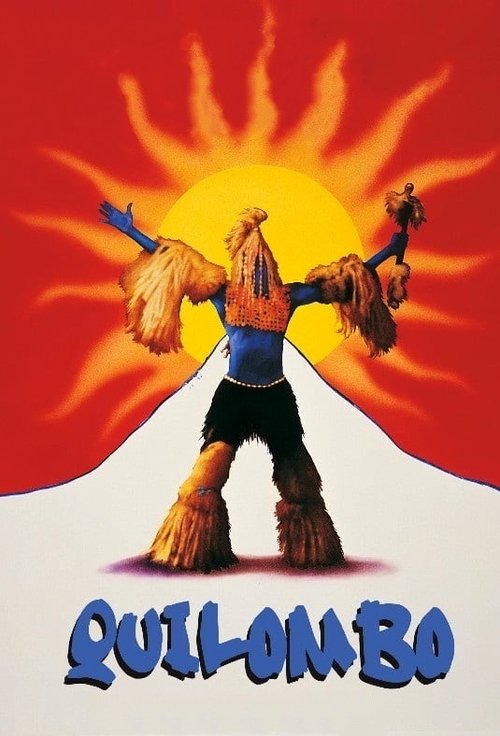
Quilombo dos Palmares was a real-life democratic society, created in Brazil in the 17th century. This incredibly elaborate (and surprisingly little-known) film traces the origins of Quilombo, which began as a community of freed slaves. The colony becomes a safe harbor for other outcasts of the world, including Indians and Jews. Ganga Zumba (Toni Tornado) becomes president of Quilombo, the first freely elected leader in the Western Hemisphere. Naturally, the ruling Portuguese want to subjugate Zumba and his followers, but the Quilombians are ready for their would-be oppressors. The end of this Brave New World is not pleasant, but the followers of Zumba and his ideals take to the hills, where they honor his memory to this day. Writer/director Carlos Diegues takes every available opportunity to compare the rise and fall of Quilombo with the state of affairs in modern-day Brazil.

Quilombo

6.9 1984
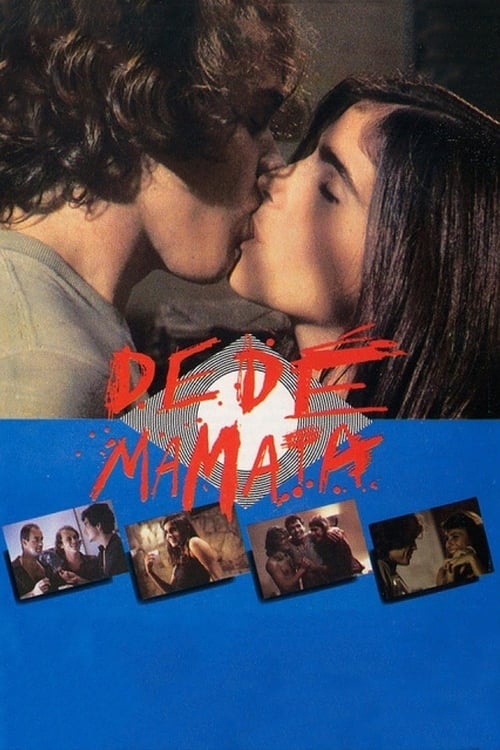
Dedé Mamata

Dede (Guilherne Fontes) is a Brazilian teen who lives with his middle-class grandparents who are members of the local communist party. When his grandmother dies, his grandfather's health soon fades to the point where he can't speak or walk. The local party officials ask Dede to continue to family tradition and take over his grandfather's position of social authority, but when Dede is introduced to cocaine by his best friend Alpino (Marcos Palmeira), the attraction to drugs is more appealing to him than political activism.

Dedé Mamata

3.2 1988