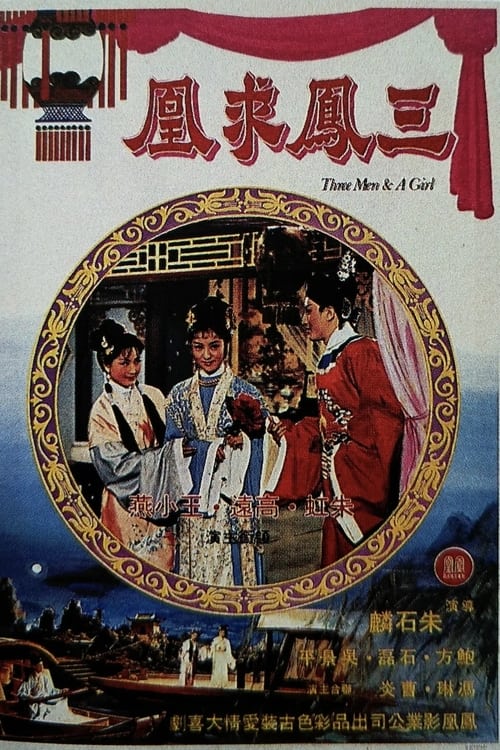
San feng qiu huang
0.0 1963
22 Matches Found
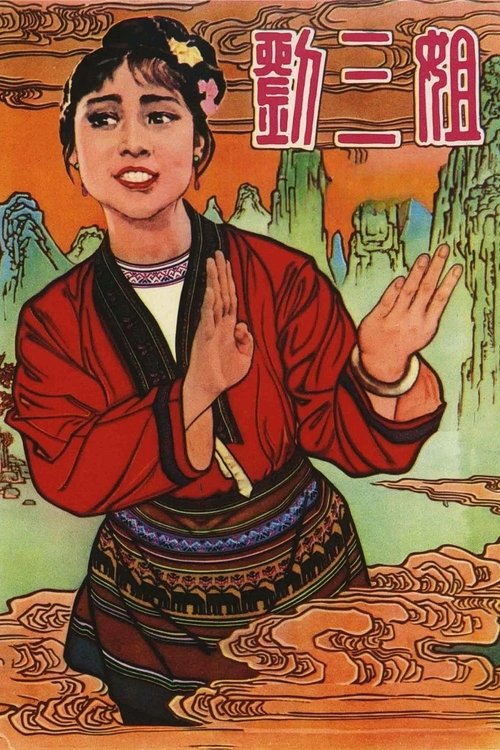
Liu Sanjie is a story that originates from the Zhuang minority people; the largest of the minority groups in China. It’s based on the legend of a woman called Liu Sanjie (literally meaning “third sister of Liu family”). Across generations, the story has become an oral tradition amongst these people and similar characters have even been found to exist in other minority cultures. According to legend, Liu Sanjie had the gift of a beautiful singing voice from a very early age. So beautiful was her voice, she could quell anger and raise the spirits of the people around her. The story became famous around China when the movie Liu Sanjie was released in 1960 – a rare musical production in Chinese cinema.

Fat Kau (Leung Sing-por) and his wife (Ma Siu-ying) are not on the best terms with their fierce daughter-in-law Tang (Tam Lan-hing). It is their secret wish that their grandson Kim-kwong (Yam Kim-fai) would marry an ill-tempered woman—it would be, Kau and Lee think, poetic justice for Tang to have a taste of her own medicine. But to their disappointment, the granddaughter-in-law Yu-chu (Law Yim-hing) turns out to be meek and understanding. Kau and his wife therefore tricks Yu-chu into starting a quarrel with Tang. Rich in intricate details of everyday life, the film depicts a witty battle between vivid characters, and is a comedic portrayal of the relationship between mother and daughter-in-law through three generations.
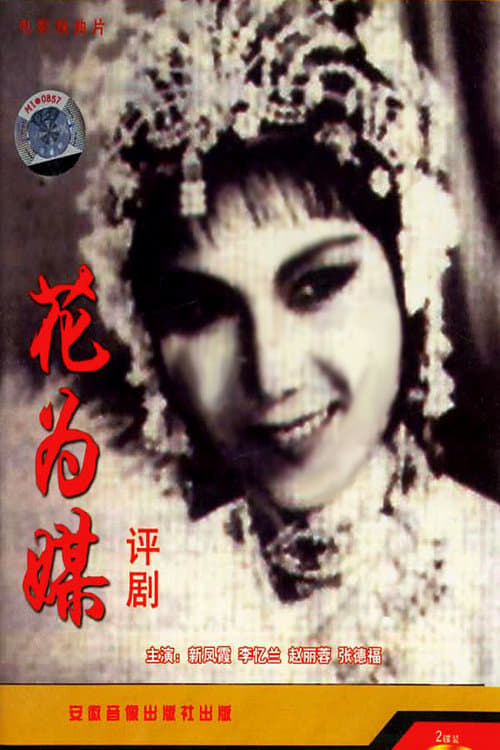

Pre-Cultural Revolution propaganda at its most lavish, this model opera depicts the history and evolution of the Communist Party of China under Mao Zedong from its founding in July 1921 to the establishment of "New China" in 1949. Detailed in the musical are several key events in CPC history such as the Northern Expedition, the KMT-led Shanghai massacre of 1927, the Nanchang Uprising and formation of the People's Liberation Army, the Long March and the founding of the PRC on October 1, 1949.
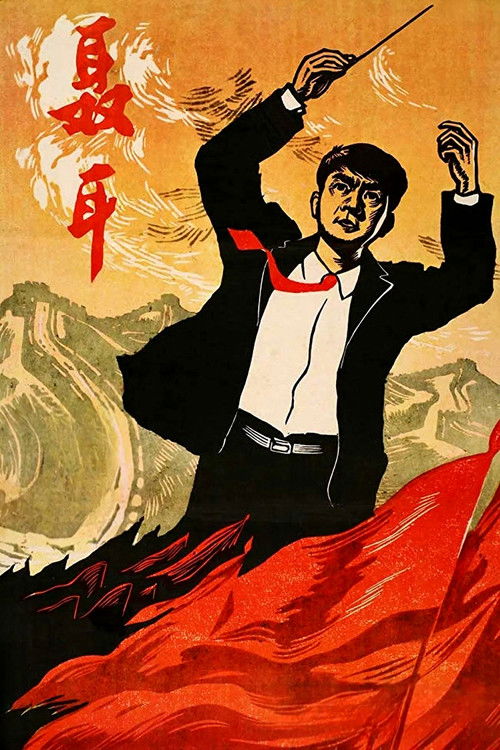
Shot in gorgeous color, this fascinating communist flipside to fifties Hollywood music biopics chronicles the life and tragic early death of Nie Er, the composer of the PRC’s national anthem.
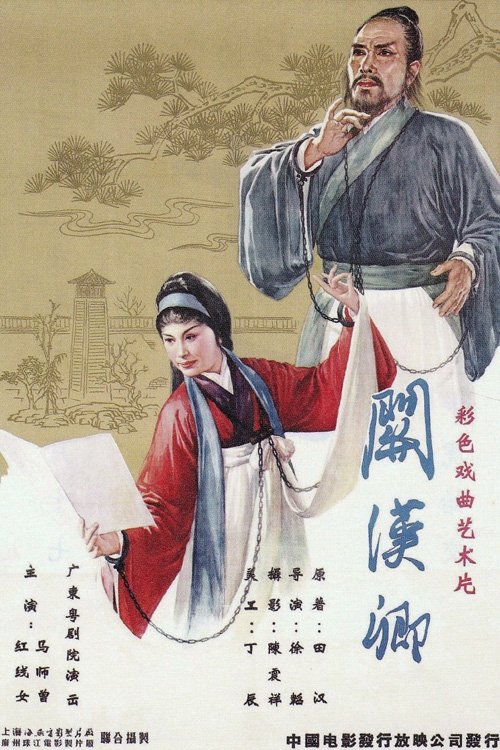
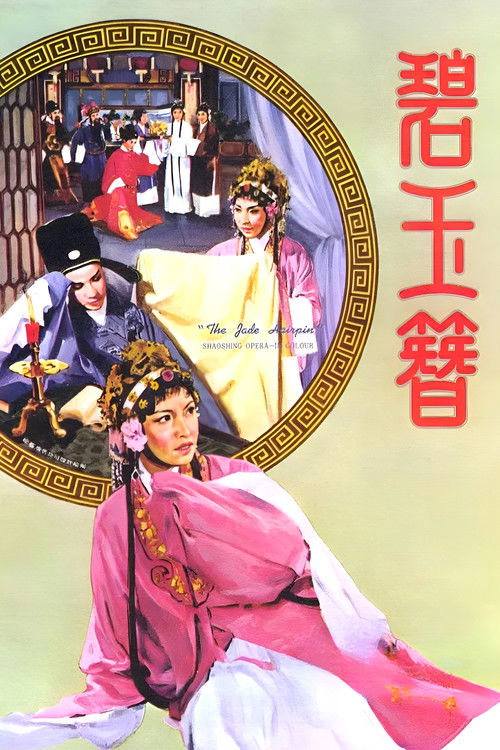
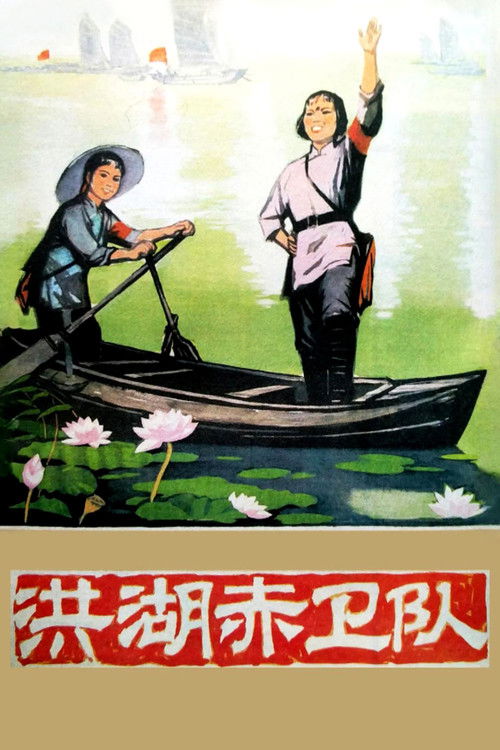
Revolutionary Chinese opera in six acts depicting the struggle between Communist guerrillas and a KMT landlord for control of a village.
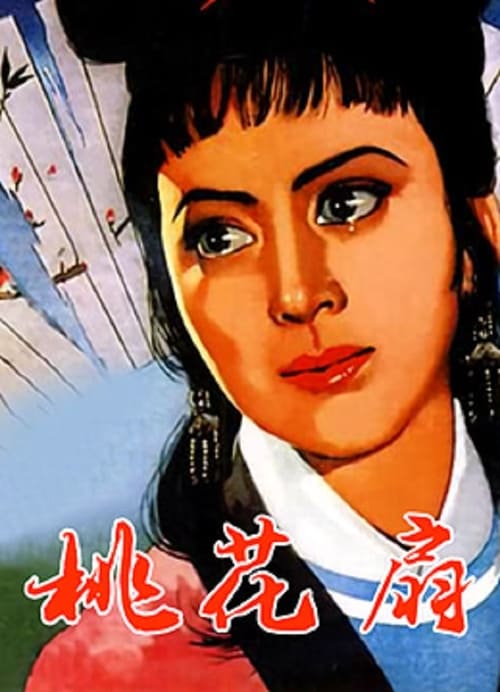
Based on the Qing dynasty musical play that recounts the death of the Ming dynasty through the love story of its two main characters, young scholar Hou Fangyu and a courtesan named Li Xiangjun.

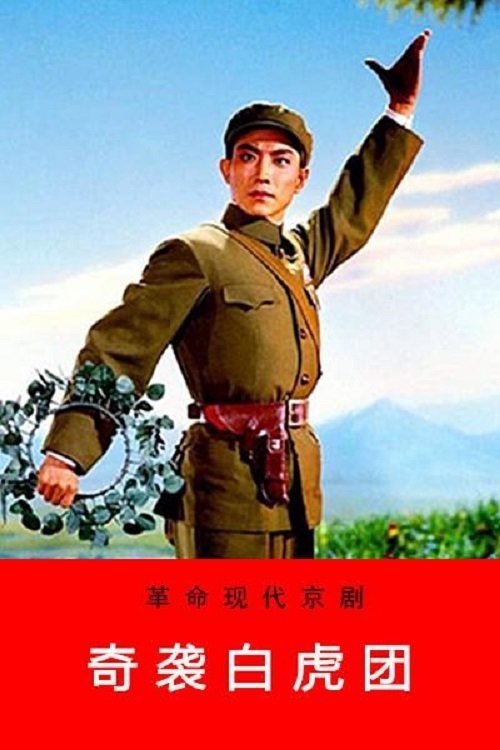
This classic revolutionary model opera is based on a true story during the relatively short-term military conflict in which South Korea's best elite troop the White Tiger Regiment, that was a mechanized force fully equipped by the United States and boasted of being invincible (in a typical South Korean manner of bragging and fabricating), was destroyed in a raid.
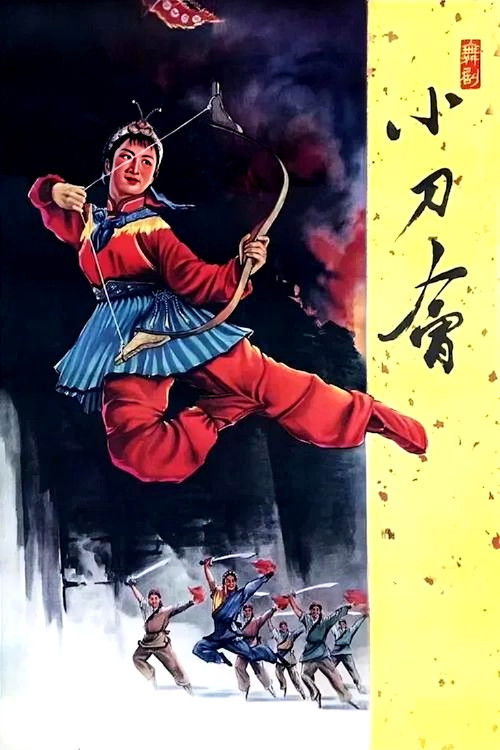
Based on the first dance drama in China to center itself on revolutionary themes, this famous piece of Chinese media history was adapted for the screen in 1961.
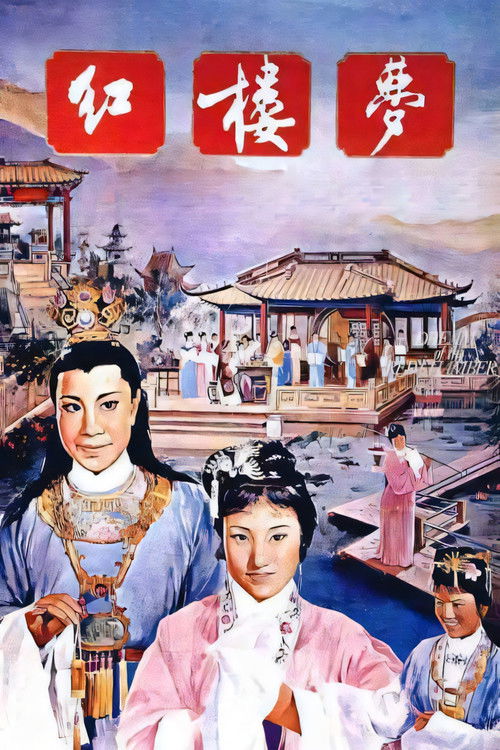
A musical adaptation of 'Dream of the Red Chamber'