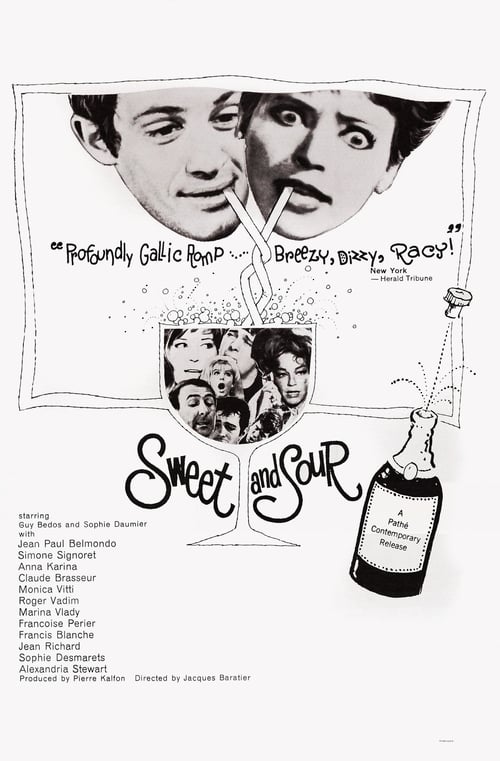
Gerard, a young man from a "good family" dreams of becoming an actor. To do this, he follows everywhere his sister Frédérique who is infatuated with cinéma vérité.
Sweet and Sour
4.6 1963
41 Matches Found
Gerard, a young man from a "good family" dreams of becoming an actor. To do this, he follows everywhere his sister Frédérique who is infatuated with cinéma vérité.
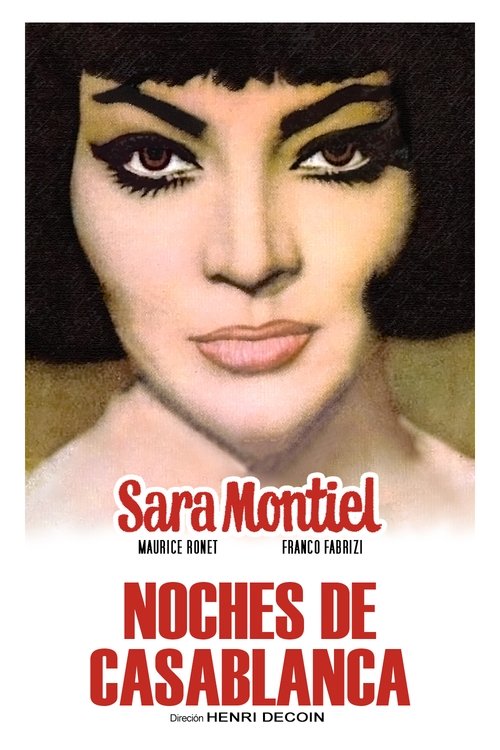
Casablanca 1942. While French Police Chief Maurice Desjardins is busy having careless fun with some loose girls, members of the French Resistance kill a man at the harbor and steal his briefcase full of important documents from the Third Reich. At an apartment building in the distance, Andre Kuhn watches the whole operation through his powerful binoculars. He is posing as a businessman but actually working as a spy for the Germans a fact totally ignored by his live-in girlfriend Teresa Villar, a beautiful Spanish singer who works at El Dorado Night Club. Andre telephones Max von Stauffen, the head of German Intelligence in Casablanca, to inform him of what he has just witnessed. Max tells him to stay put until he arrives in order to get the information personally but, by the time he reaches Andres apartment, he finds him dead with a gun shot on his temple.
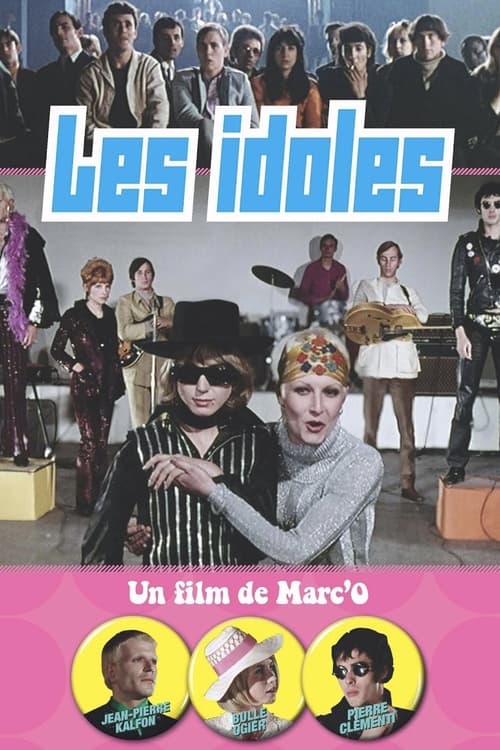
This satire concerns three French singing idols and their attempt to stay in the public eye. A press conference, backstage hedonism, psychedelia, manipulative managers and disc jockeys are portrayed as the pop culture is thoroughly and effectively lampooned in this independent feature.
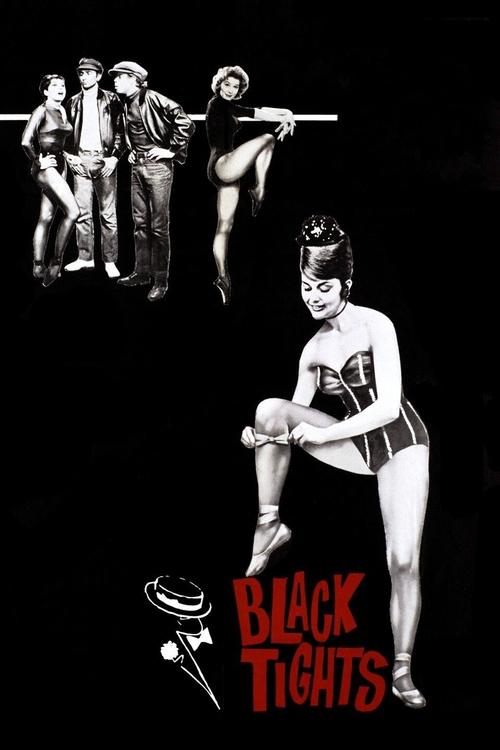
Lively scenes of Paris, all narrated by Maurice Chevalier, link together four dramatic ballet choreographies by Roland Petit: La Croqueuse de diamants (The Gold Digger), Cyrano de Bergerac, Deuil en 24 heures (A Merry Mourning), and Carmen.
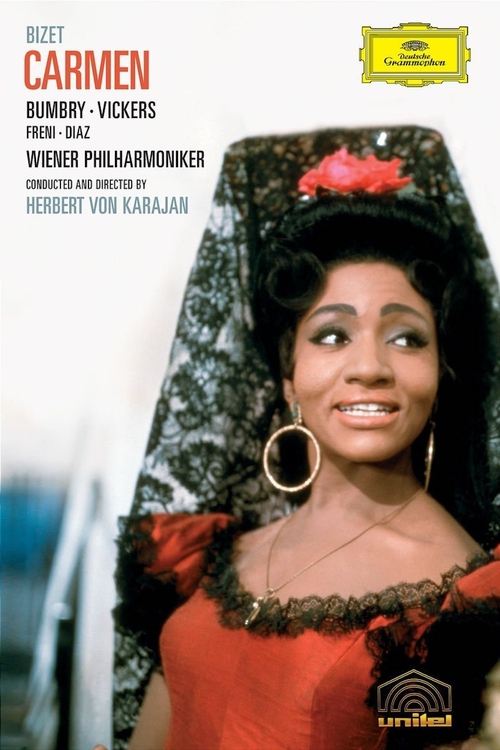
This spectacular opera film was taped in 1967 and is based on the 1966 Salzburg Festival production directed by Herbert von Karajan himself, who also conducts the fabulous Vienna Philharmonic Orchestra. The production features the three greatest exponents of their respective roles at the time: Grace Bumbry’s magnificently seductive-toned Carmen, Mirella Freni’s ineffably lovely, touching Micaëla and Jon Vickers’s thrillingly manic-depressive Don José. On its release the film was hailed by Die Presse, (Vienna) as a “unique artistic event”, while Le Monde felt that Karajan’s production brought “a whole new dimension” to the opera, “combined with a magisterial interpretation”. A classical and utterly dramatic approach to probably the world's most beloved opera – Karajan’s Carmen is as much a delicacy for opera fans as it is a perfect starter for newcomers.

Series of three short 'Pop Films' directed between 1966 - 67 for French television by Philippe Garrel. Includes footage of The Living Theater in rehearsal, interviews with Julian Beck and Judith Malina, Donovan in concert and The Who in the studio recording 'Pictures of Lily'. Re-broadcast on INA in 1984.

This is the story of a meeting between a man and a woman. In a train, an Austrian singer and a French teacher exchange on their past, their character, and fall in love. Their journey is made in music. The opportunity to evoke Georges Brassens, Annabel Buffet, Eugène Ionesco…
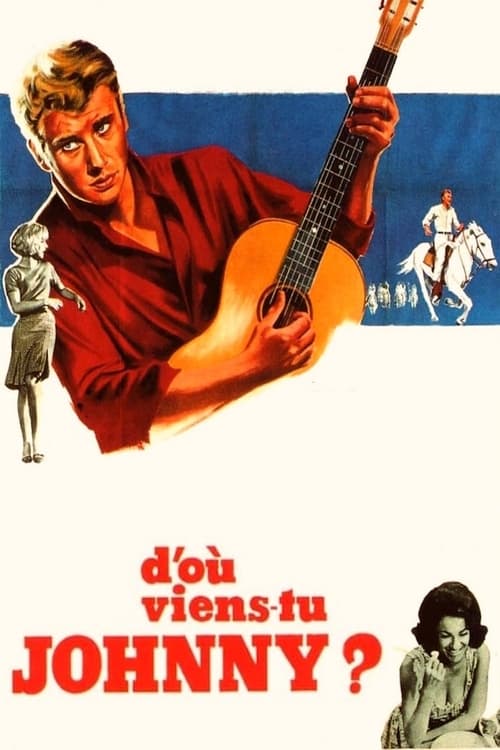
Without knowing it, Johnny, a young rock musician, finds himself involved with a Parisian drug gang. Realising he is being set up, he throws the drugs into the Seine and takes refuge in the Camargue with his family and his fiancée, Gigi. Meanwhile, the dealers are hot on their heels.
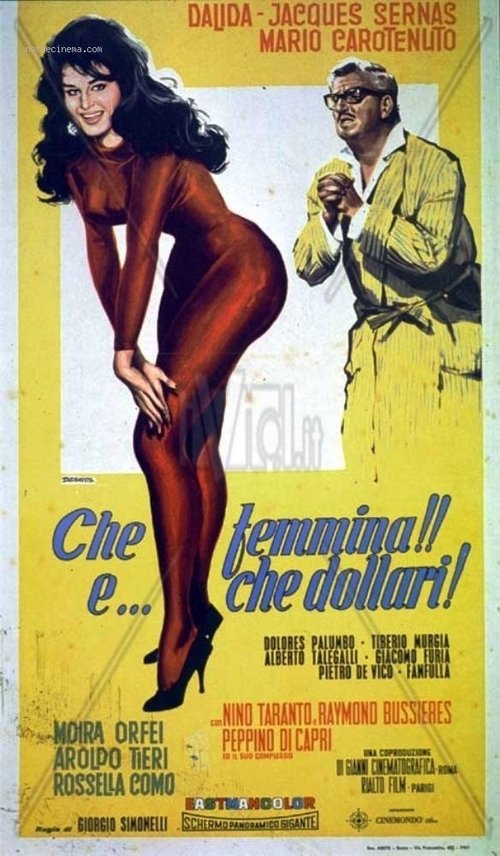
An American millionaire has just died. His sole legatee is a youthful indiscretion, a girl who is currently living in Italy. Two private eye detective agencies, in competition with each other, investigate. Combining business with pleasure, they search sunny Italy, but they only have one clue to find their heiress: she has three moles on the buttock. One of the private eyes falls in love with a gypsy who sings in nightclubs.
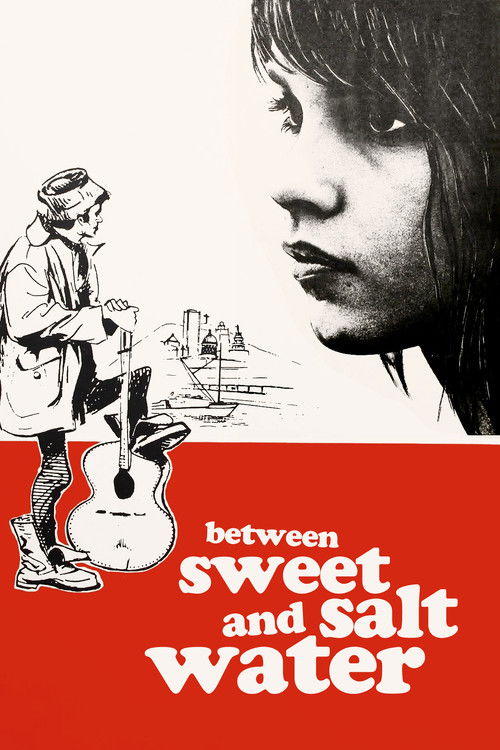
A young singer-songwriter abandons his life in his hometown and moves to the city to make it big. He achieves fame, but it comes at a price.
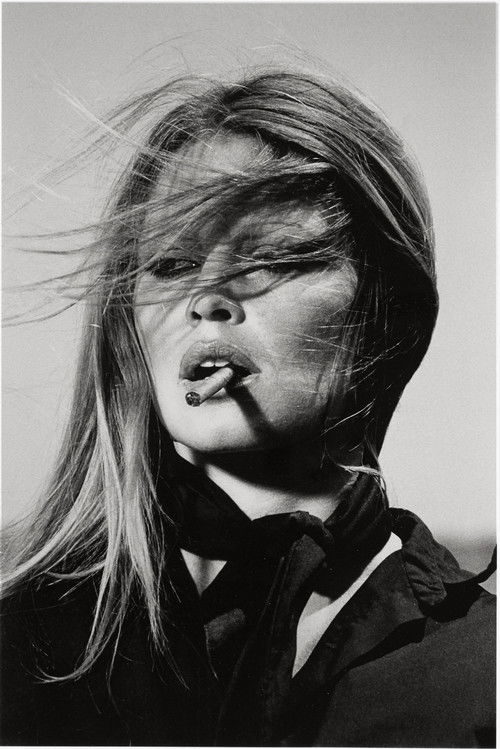
And the image created the myth... Bardot as a brunette, blonde or redhead. Bardot in thigh-high boots, mini-dress or swimsuit, Bardot in London, at La Madrague or on a Harley... In all her states, BB sings with Gainsbourg and Sacha Distel: "Bonnie and Clyde", "Comic strip", "Mister Sun"... Reichenbach's camera sublimates the icon.
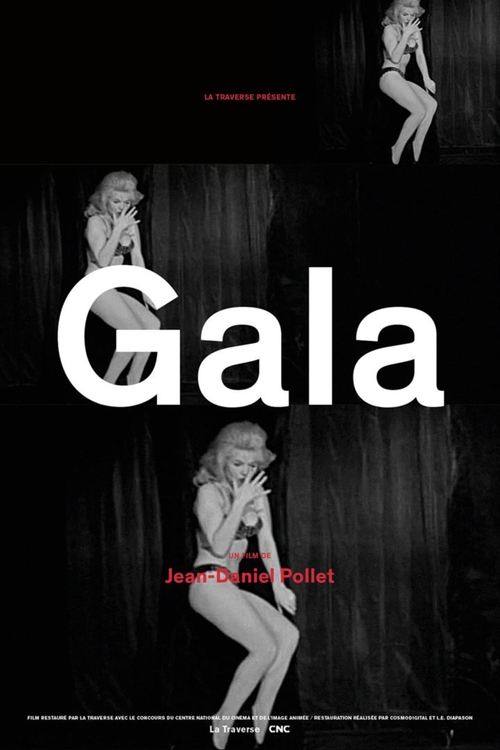
A more polished version of Pourvu, set in a black cha-cha nightclub. Relying more upon looks, faces, and unease, rather than gags or dialogue, Pollet sets the cool elegance of the club's manager against the decidedly uncool Melki and his sartorial inadequacies.
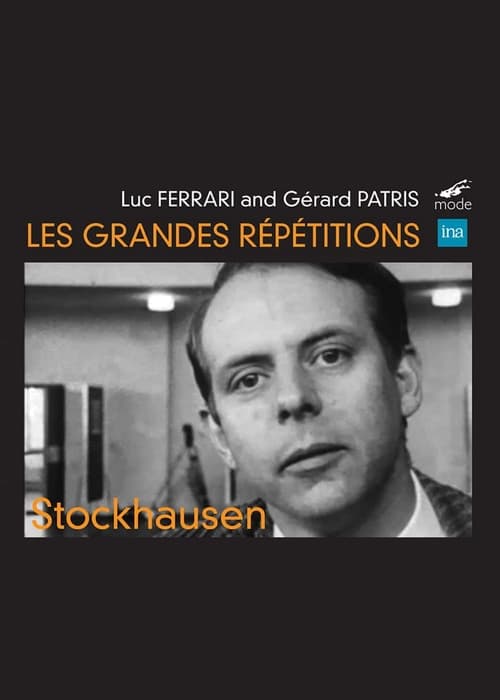
Filmed during rehearsals for the premiere of Stockhausen's monumental work Momente. The revealing rehearsal sequences are interspersed with Stockhausen speaking of his youth, work process and the genesis and meaning of Momente.
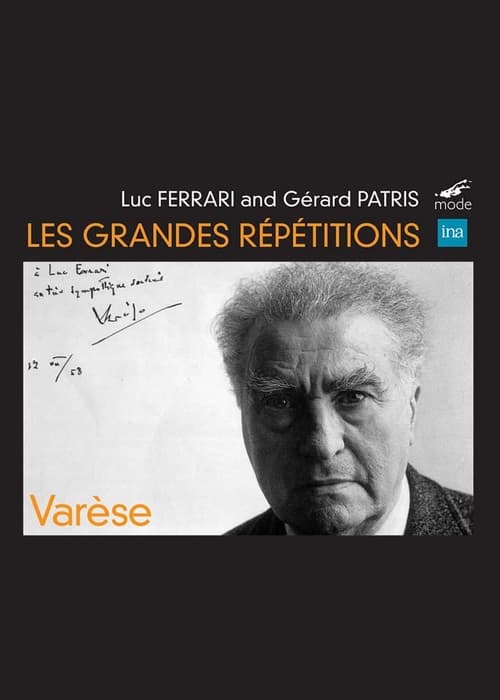
Edgard Varèse died on 6 November 1965, a few days before the filming of the rehearsal of his work "Déserts" which he had to attend.

Claude François, his claudettes, Maurice Ribaud, France Gall... Such is the five-star cast of this original show directed by Jean Christophe Averty. A sort of musical self-portrait, the program looks back on the singer's career. A true showman, he gives a spectacular demonstration of the dances in vogue: twist, madison, hoolie goolie...
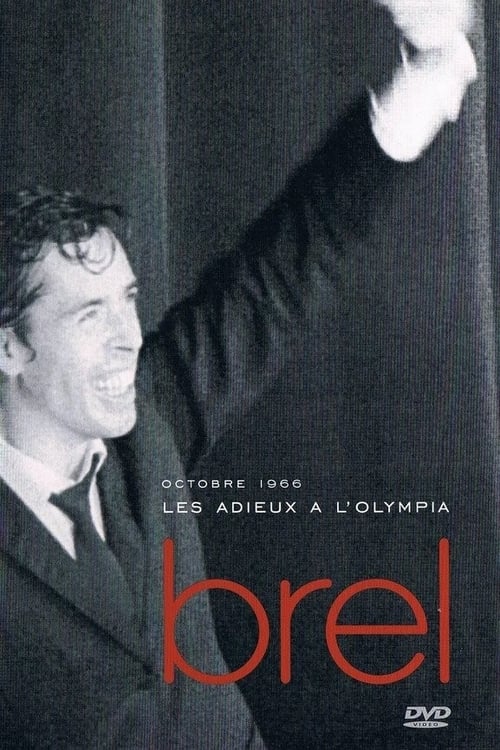
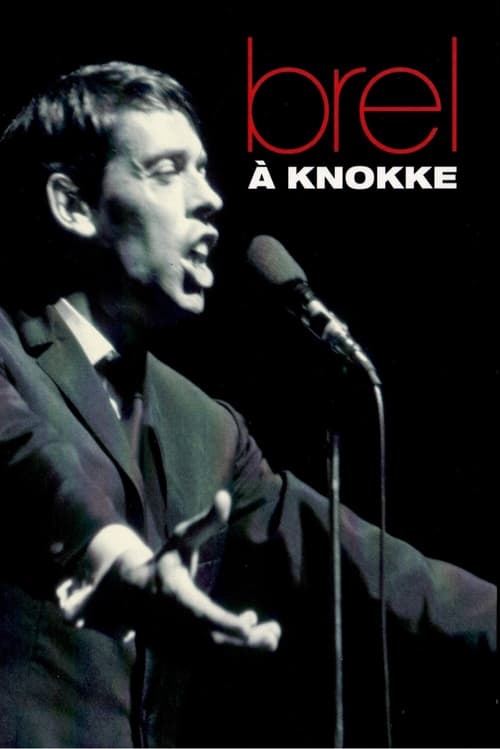
This last recital will remain forever marked in the history of the famous hall. It is one of the only testimonies of Jacques Brel on stage where his talent was best expressed. This concert also retains a very strong emotional dimension because it is his last tour.
Squares and other geometric shapes appear to "dance" along to music through their ever-changing movements.
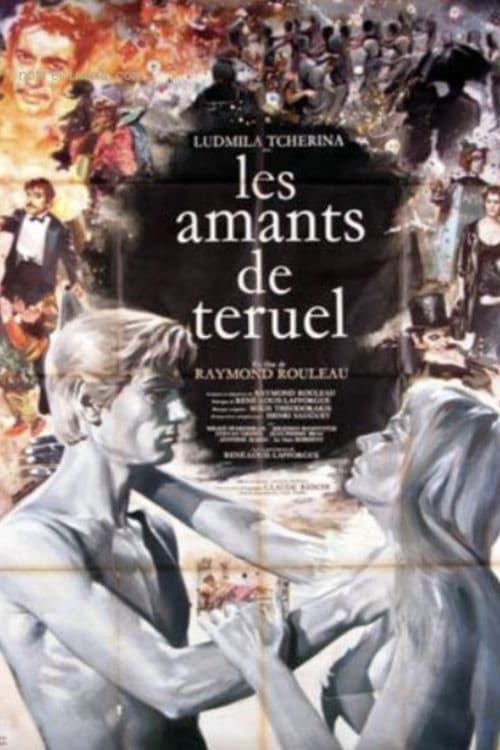
This puzzling experimental film is written and directed by Raymond Rouleau, who uses effects like changing color tones and masks to put across a drama within a dance drama. The set is a sound stage and the actors in this film are dancers on the stage, performing a mime-ballet derived from one particular legend. Both the enacted legend and the actual events affecting the dancers are parallel. The lead dancer Isa (Ludmila Tcherina) is still nursing her wounds after her first love left her to stand alone at the altar. Now one of the dancers wants to expand his relationship with Isa -- and soon after, the cad who jilted her suddenly shows up again. Tragedy follows closely behind.
A beautiful evocation of the history of jazz and its performers. An introductory program to understanding the African American people through their relationship to the culture of all people: jazz music. A new and poetic language.
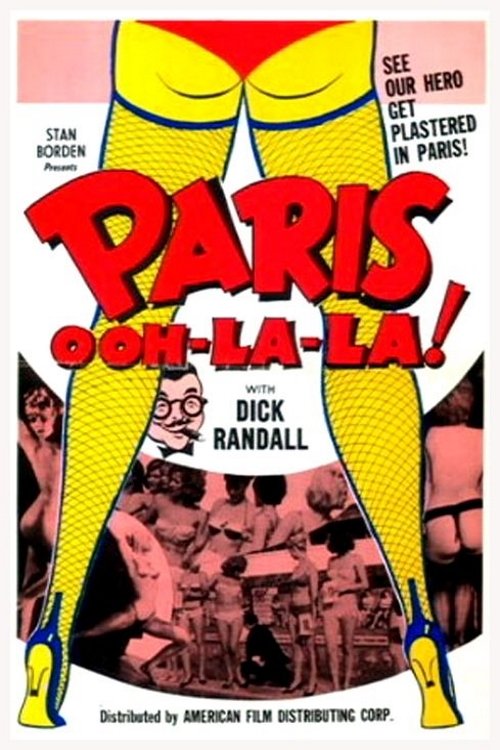
A "documentary" that purports to show the history of women through the ages, but is mainly an excuse for various female historical figures to take off their clothes. There are stripping cavewomen, stripping vampires, strippers during the French Revolution and strippers in a nightclub act. Several of the scenes from this film found their way into other movies, among them The Wild World of Jayne Mansfield.
A musician has to compose a commissioned work for a film. But his mind is guided by external solicitations that constantly divert him from his work.
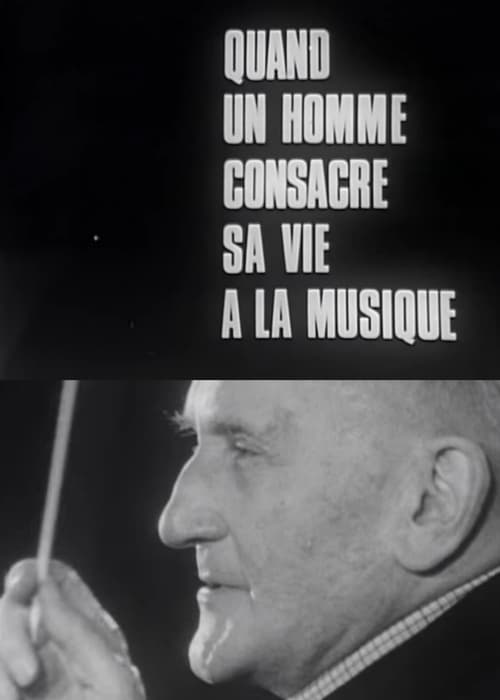
1967 documentary film originally aired on French television about Hermann Scherchen.
Pop films by Garrel.
Short musical based upon a choreography by Pierre Lacotte.
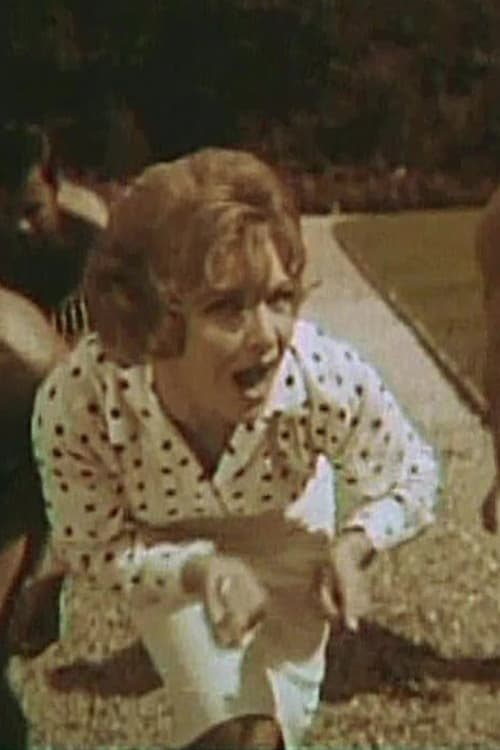
Before music videos, there were scopitones (a popular music jukebox/viewing machine). This is a strangely homoerotic scopitone featuring the French singer Line Renaud and many, many shirtless men.
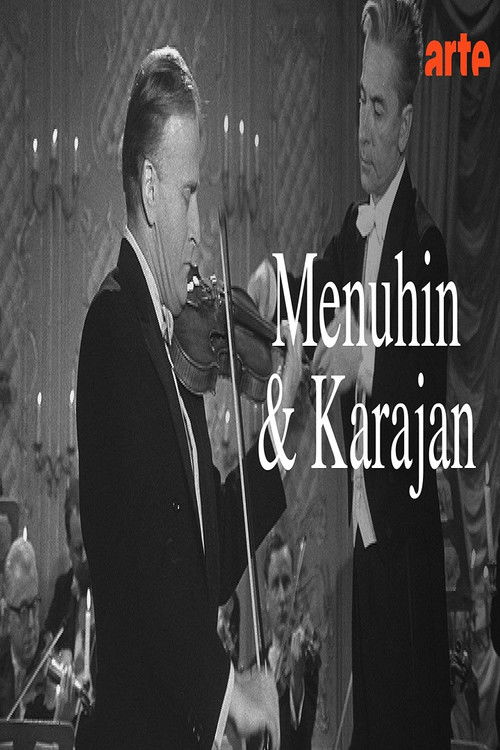
Yehudi Menuhin was the child prodigy of the 20th century, but also a philanthropist who, after World War II, devoted his work to reconciliation. In 1966, he met Herbert von Karajan, who had built his career under the Nazi regime. Director Henri-George Clouzot filmed this historic moment.
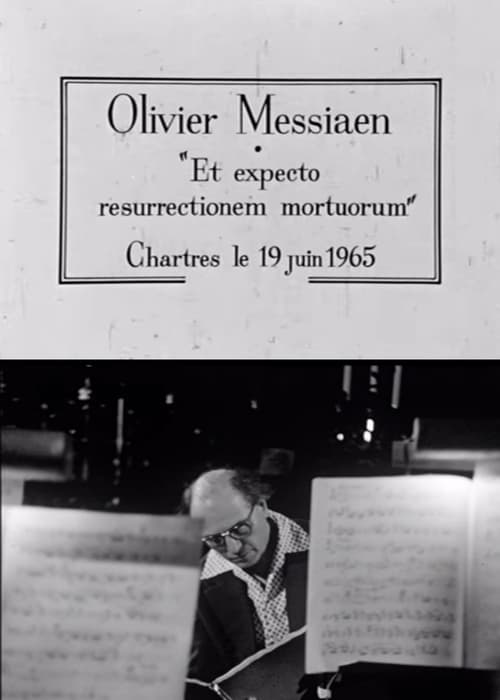
"Et expecto resurrectionem mortuorum", the work by Olivier Messiaen, was a commission by the Minister of Cultural Affairs André Malraux and was to be performed on the 20 June 1965 at Chartres Cathedral, in the presence of President Charles de Gaulle. This documentary takes place during the rehearsal on the prior day.
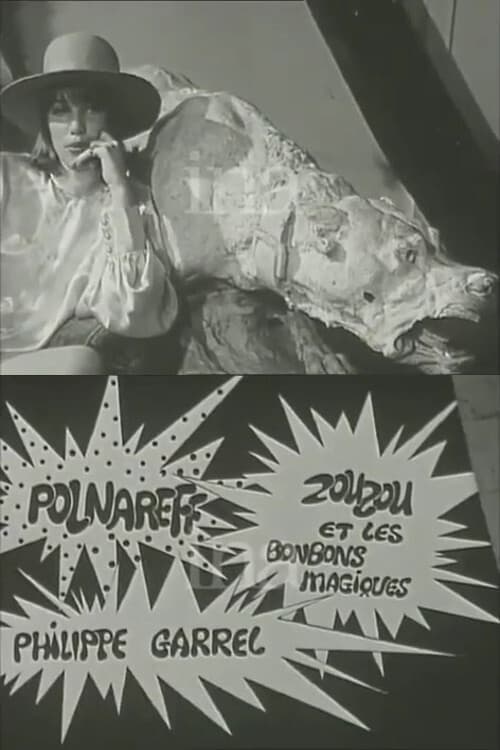
TV short for the ORTF.
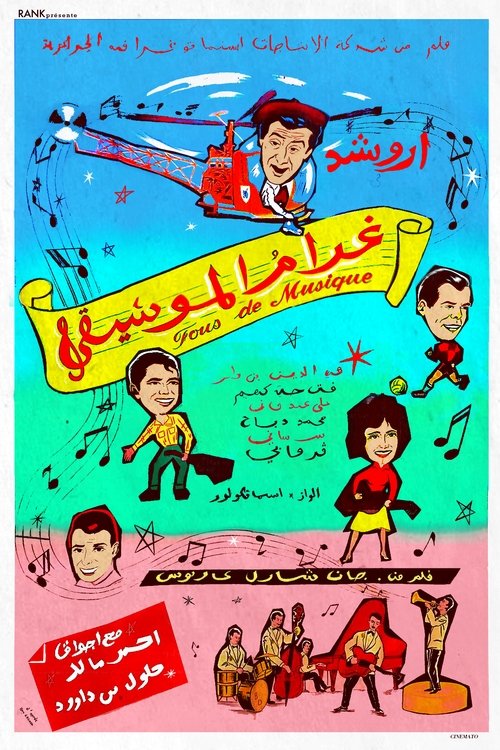
Fous de Musique by Jean-Charles Carlus (1957) is a musical comedy featuring Rouiched, Mahieddine Bentir and the famous Bendaoud orchestra. Shot during the Algerian War, the film was not released until after independence and was probably shown in Paris in cinemas intended for immigrant workers around 1967. Sources: Archives Numériques du Cinéma Algérien
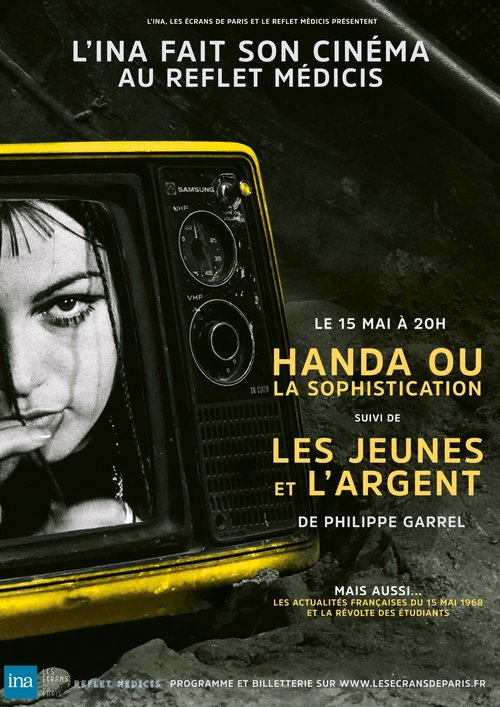
Short Philippe Garrel portrait of a young woman, Handa, who loves that which is decadent, complicated, precious, cannot stand simplicity, and detests people who watch television.
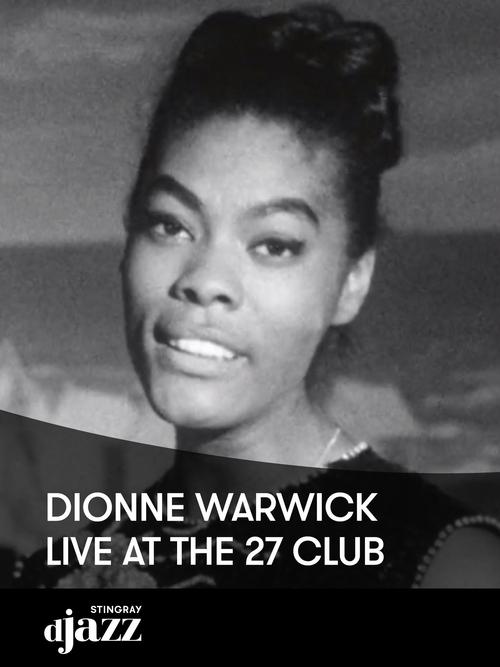
Dionne Warwick live at the 27 Club on December, 31st in 1964.
Impressions on the topic of plastics set to Vivaldi's Winter: blizzard, dancing moons, beats ice, sparkling silver crystals, petrified wood frozen.
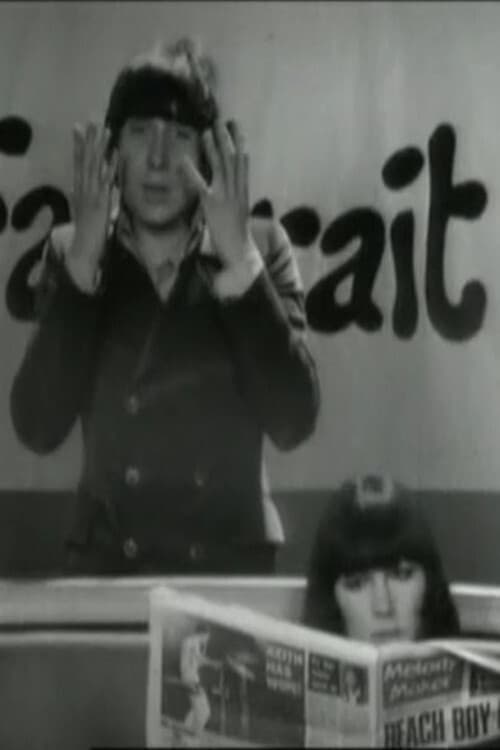
TV short for the series Bouton Rouge.
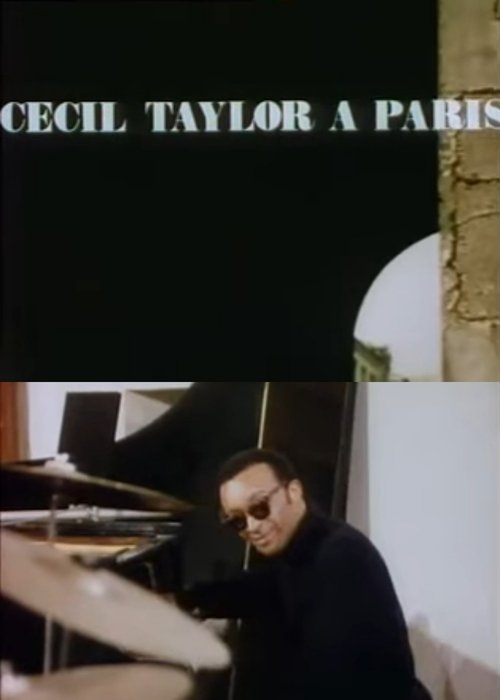
French television documentary about Cecil Taylor.