16 Matches Found

The Beauty and the Dumb

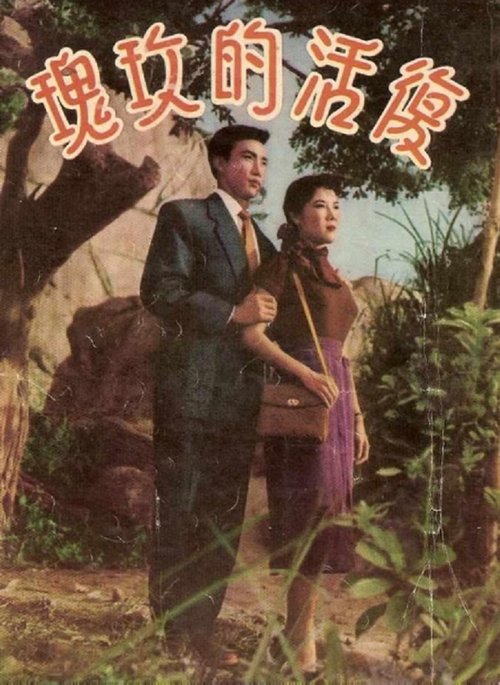
Anatole France's The Man Who Married a Dumb Wife has been adapted into three different Hong Kong films in the 1950s alone. These two adaptations stray from the source material considerably in genre, characterisation and plot, turning a farce about married life into localised romantic comedies that emphasise family values. The Beauty and the Dumb follows the couple from their meet-cute to the misunderstandings they encounter before the inevitable happy ending. The heir of a bank (Huang He) falls in love at first sight with one of the employees' daughter (Li Lihua), but their burgeoning relationship is nearly derailed when the girl's father intervenes to help his dumb daughter land a rich husband.

The Beauty and the Dumb

0.0 1954
Prince of Thieves

Middle Eastern folktale collection One Thousand and One Nights has been greatly treasured by Western storytellers who are fascinated by the fantastic world within. The exoticism conveyed in Western film adaptations greatly appealed to Cantonese opera and film writer Ma Si-tsang, who adapted The Thief of Bagdad (1924) into Cantonese opera The Prince of Thieves, set in an ancient empire influenced by both East and West. In 1958, director Luk Bong adapted the play into a film, turning the thief of the original film into a Robin Hood-esque hero who poses as a prince to compete for the princess' hand in marriage. Packed with a thrilling treasure hunt and a damsel-in-distress rescue as well as eye-catching special effects, Prince of Thieves is 100% a romantic swashbuckler.

Prince of Thieves

0.0 1958
Precious Daughter

Precious Daughter follows the couple's story even after their marriage. With the help of her caring mother, rich girl who is mute manages to marry the man of her dreams. However, their marriage soon runs into difficulties because of her inability to please her demanding sister-in-law. While the heroine regaining her voice leads to catastrophe for the hero in the original play, the two films celebrate the return of their heroines' voices with song and dance – thanks to the popularity of musicals at the time.

Precious Daughter

0.0 1956
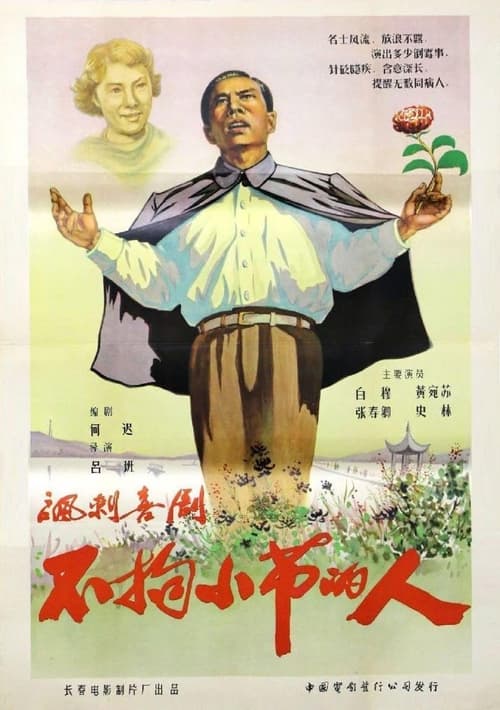
The Man Who Did Not Bother With Trifles

Lu Ban's second short titled The Man Who Doesn’t Bother about Trifles (不拘小节的人 bùjū xiǎojié de rén). He carefully toned down the political satire here, switching his target to intellectuals instead of bureaucrats. The main character, Li Shaobai, is a rude literary critic who goes to a conference to lecture about satirical literature. Li is absolutely full of himself, and constantly misunderstands other people. Like Before the New Director Arrives, The Man Who Doesn’t Bother about Trifles was greeted with plenty of positive responses. Still, while Lu tried to be more careful with this second short, this didn’t stop some critics from taking issue with its ridiculous main character and humor.

The Man Who Did Not Bother With Trifles

6.0 1956