From Victory to Victory
From Victory To Victory
0.0 1974
39 Matches Found
From Victory to Victory
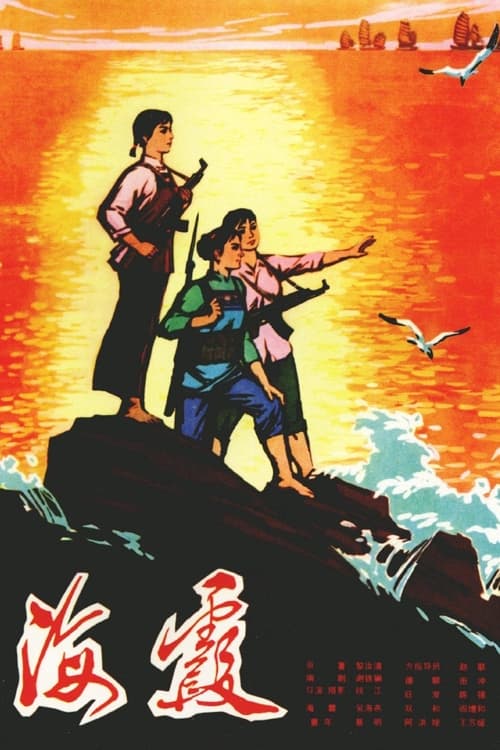
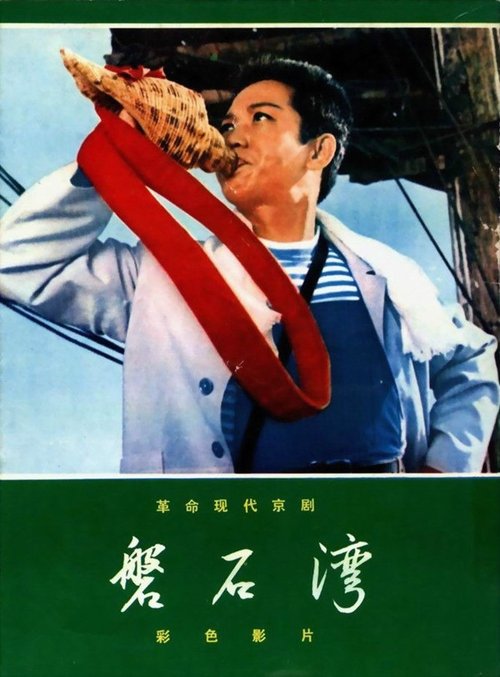
With the fishermen's life on the southeastern coast in the early 1960s as its background, the film depicts a group of militia women who work both as fisher women and fighters defending their homes and the motherland.
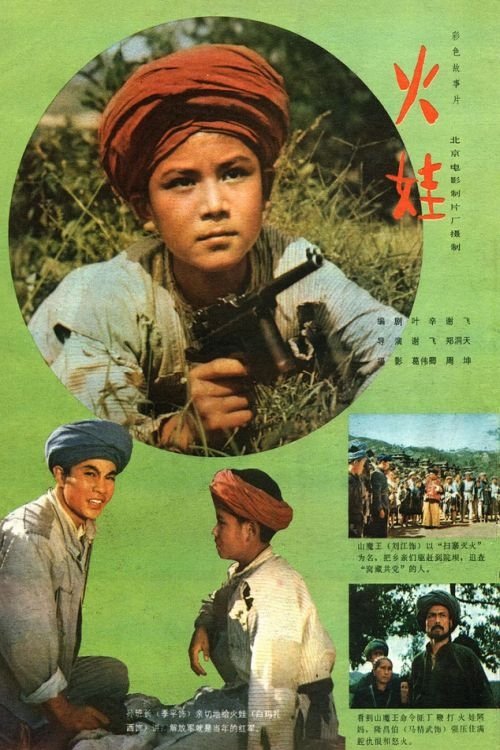
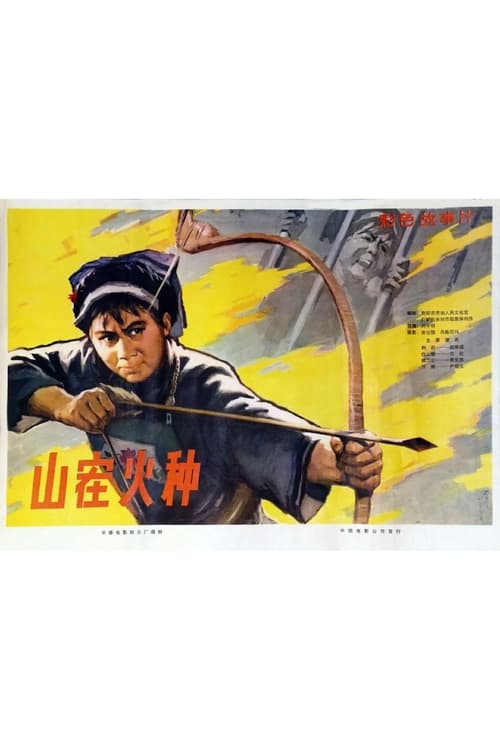
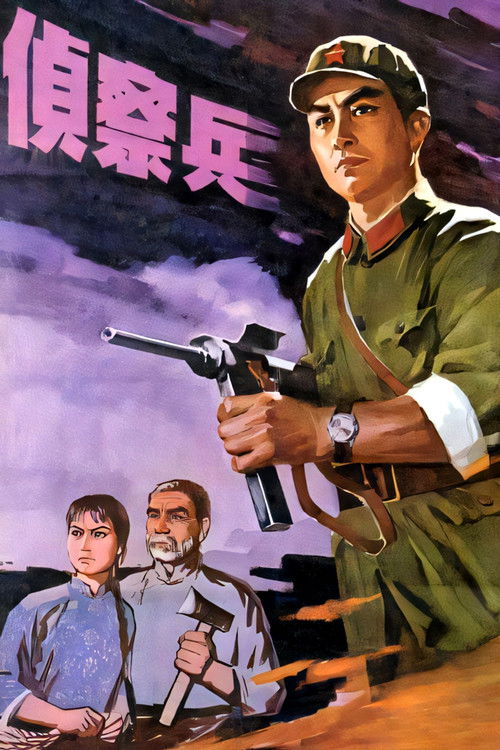
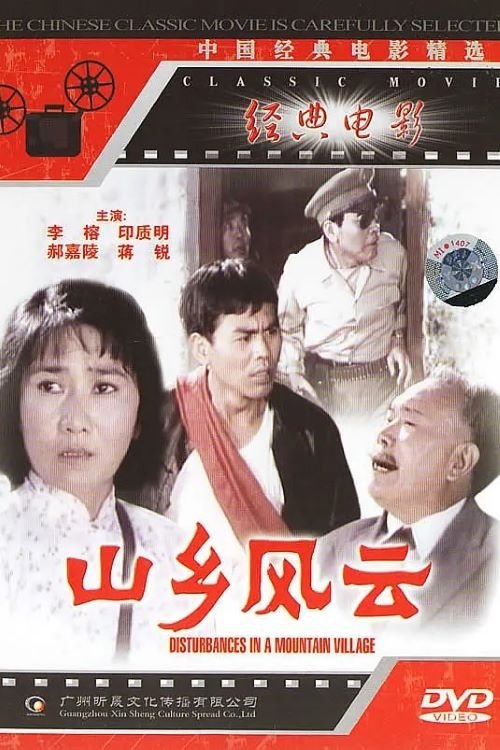
In 1950, Xiao Sun, a scout of the People's Liberation Army, comes to the mountainous area of Zhawangzhai to track down a Kuomintang bandit commander.

This movie is adapted from the novel Heroes in Tongbai. Xiao Hua, a sister of Zhao Yongsheng, is deserted by her poor family. He Xiangdong, a woodworker, adopts her and rename her He Cuigu. To steer clear of arrest by the enemy, Dong Hongguo, offspring of a revolutionary family, is renamed Xiao Hua so as to be adopted by her adopter. Later, Zhao Yongsheng's parents are killed by the enemy, he joins the Liberation Army. In 1947, when Zhao Yongsheng returns to his own village Tongbai, his sister Xiao Hua happens to find her brother. Doctor Zhou who works in the hospital of the army, adopts Xiao Hua without knowing she is her own daughter. He Cuigu has become a well-known guerrilla hero after she grows up. She doesn't recognize her brother Zhao Yongsheng when she carries him on the stretcher. After the war, Zhao Yongsheng, Xiao Hua and Cuigu meet each other happily; Dong Xiangkun and Doctor Zhou also feel happy to reunite with their own daughter after 17 years of departure.
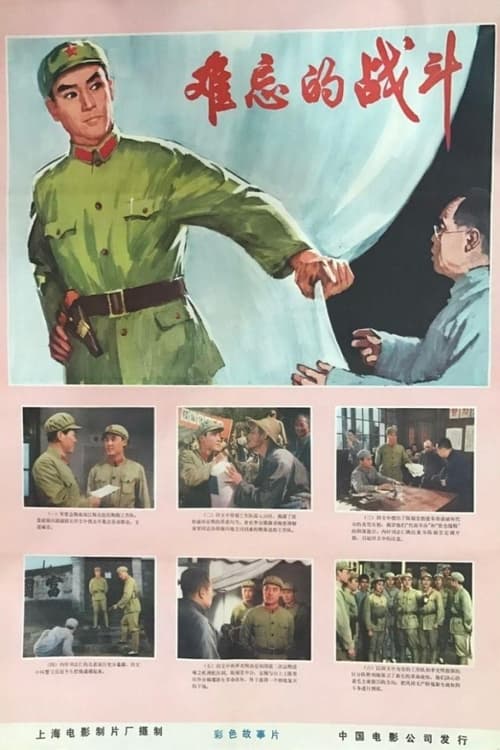
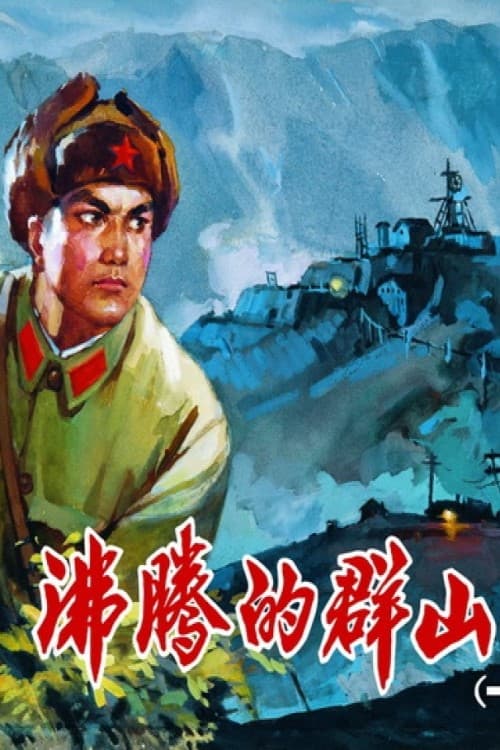
In 1949, as the country celebrates liberation, KMT agents are ploting.
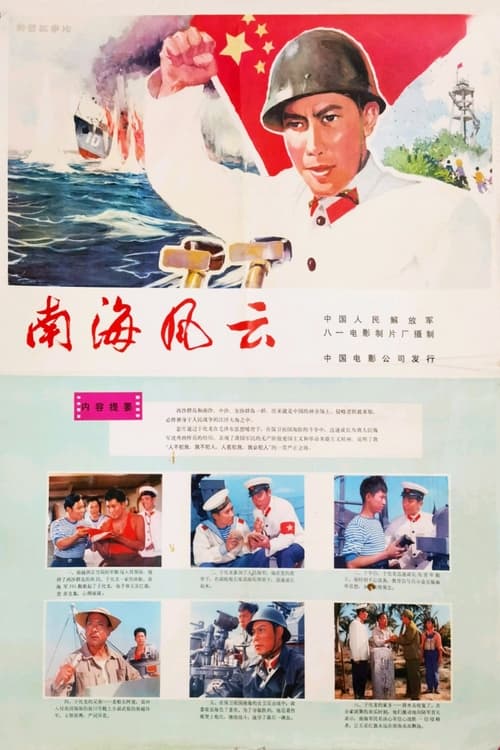
Dramatic representation of the Battle of the Paracel Islands (1974) between the China and South Vietnam.
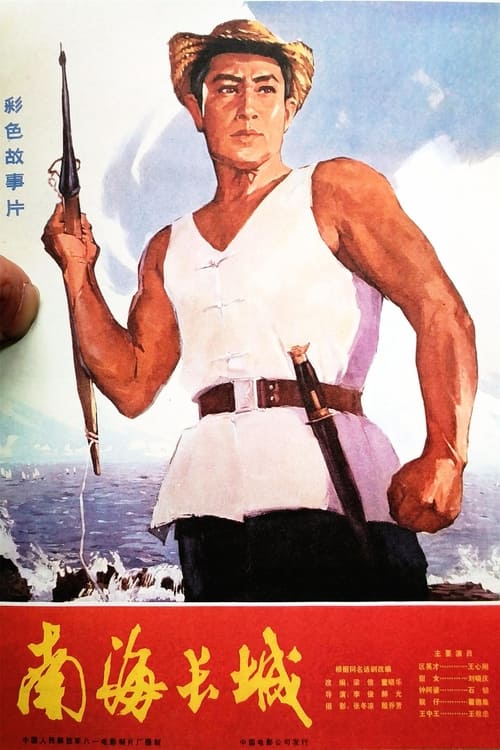
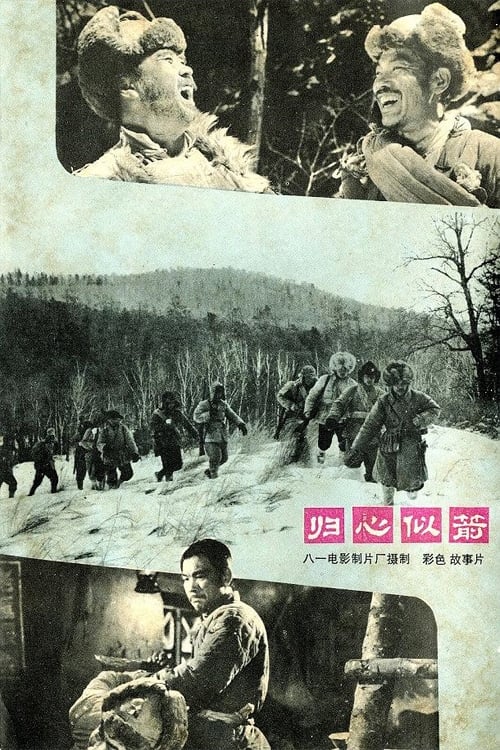
A wounded soldier of the Northeast Anti-Japanese forces is found and helped by a local girl. They fall in love, but the soldier wants to return to his team.


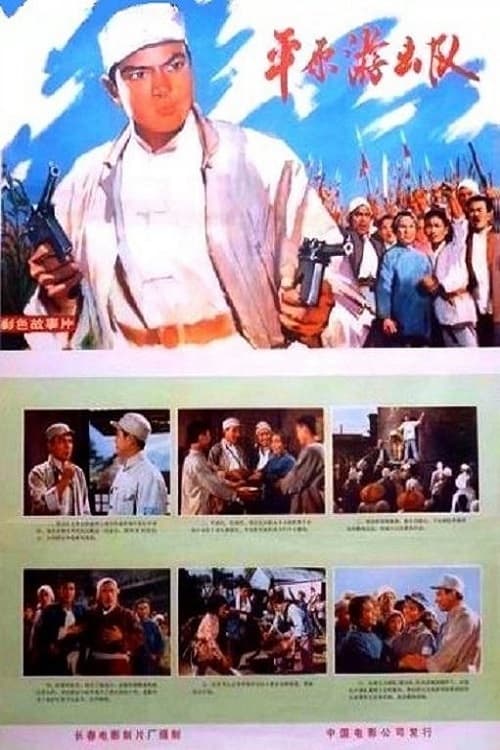
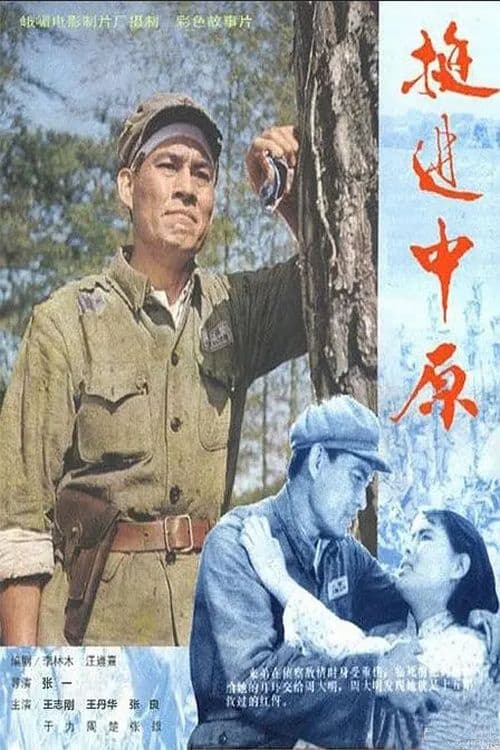
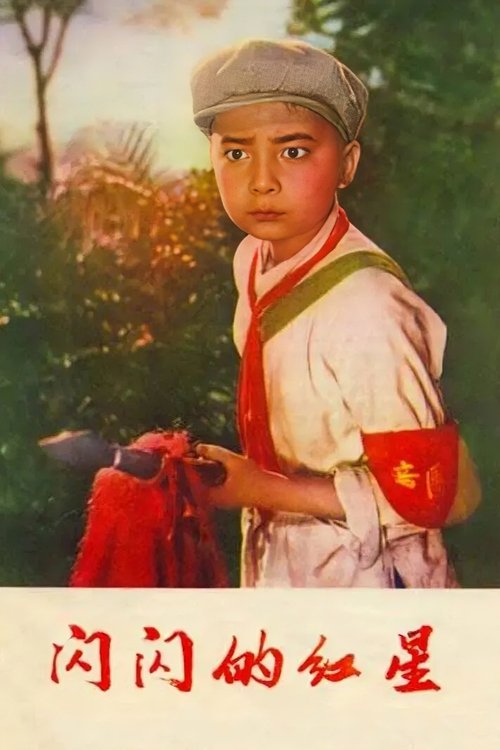
The story of Pan Dongzi, a teenager and son of a Communist army officer. When the father is called off, he leaves Dongzi a red star as a symbol of the cause. While he is away, a bourgeois landlord, Hu Hansan, returns to Dongzi's village where he exacts revenge upon the peasants who had forced him out
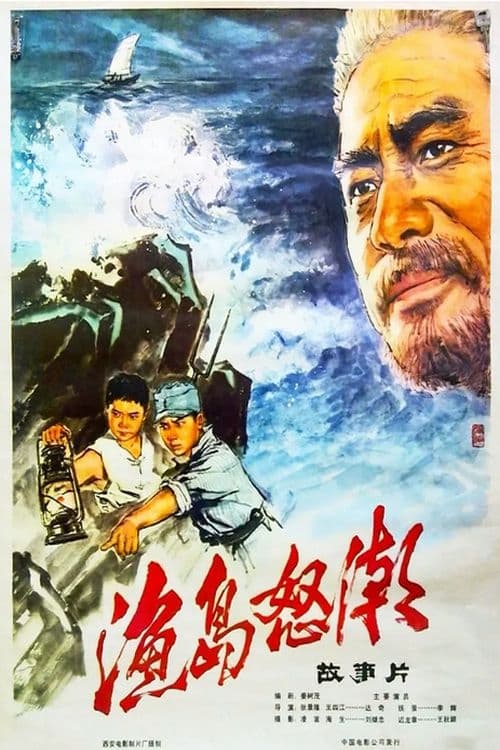
The People's Liberation Army and the Nationalists battle over Longwang Island in 1947.
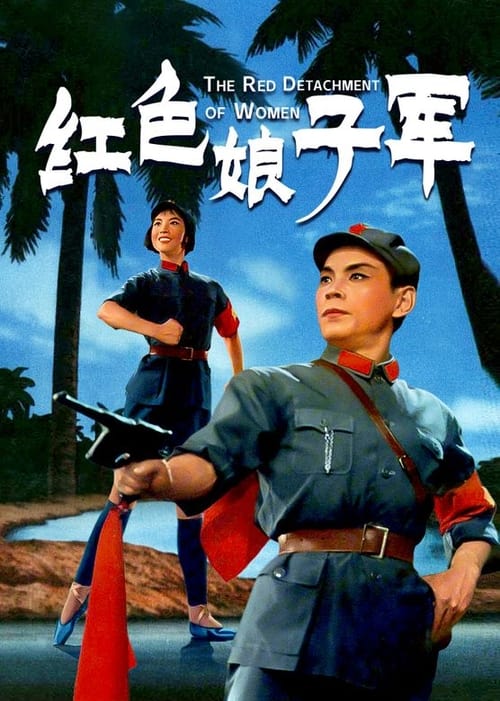
A filmed 1970 performance of the China Central Ballet Troupe. Adapted from the film of the same title, The Red Detachment of Women was first staged in Beijing in 1964 and was one of the Eight Model Operas which dominated the national stage during the Cultural Revolution.
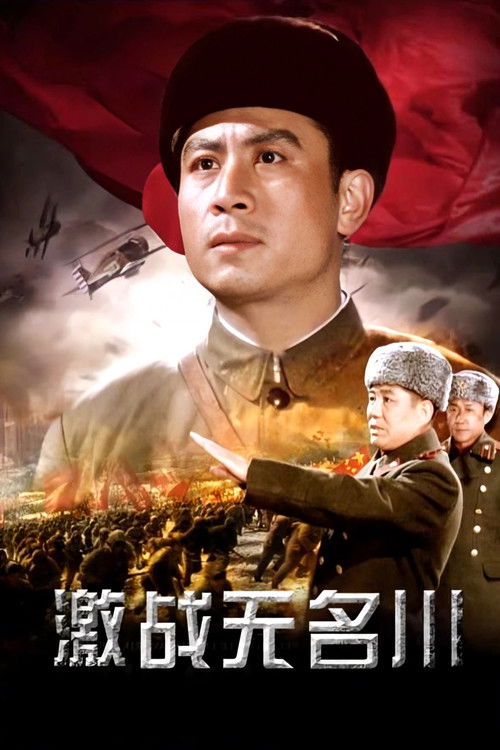
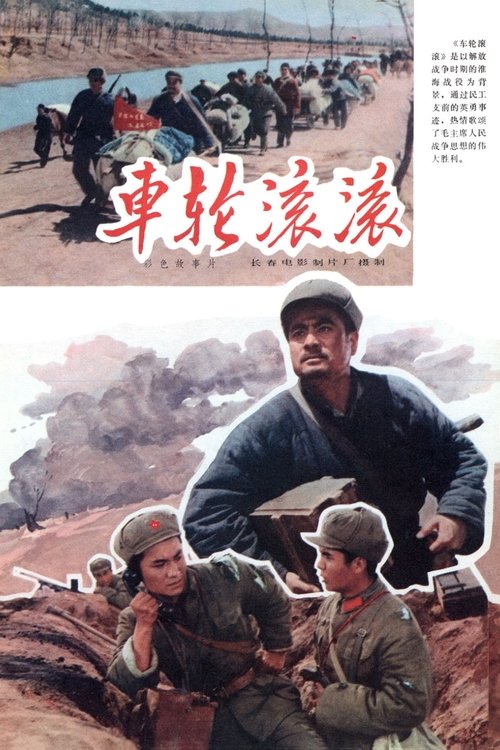
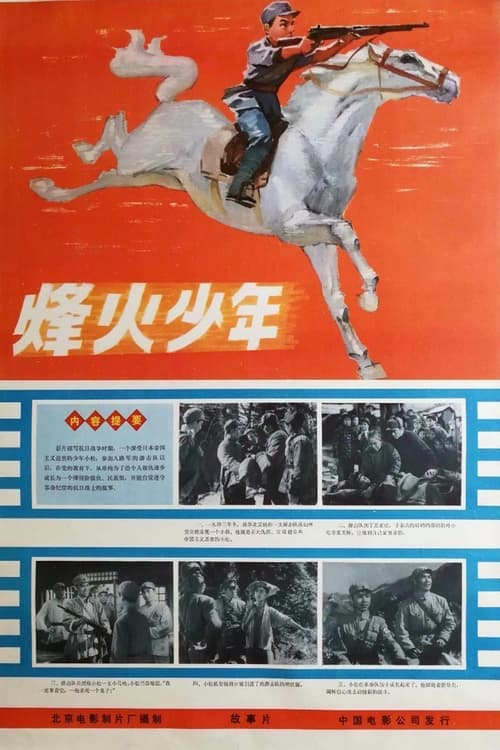
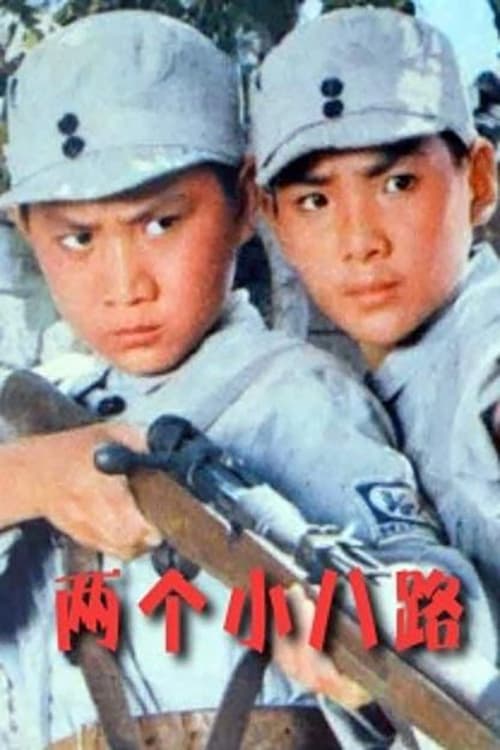
Orphan Xiao Song is wounded in the Japanese attack that kills his parents and after recovering he joins the army and becomes an excellent soldier.
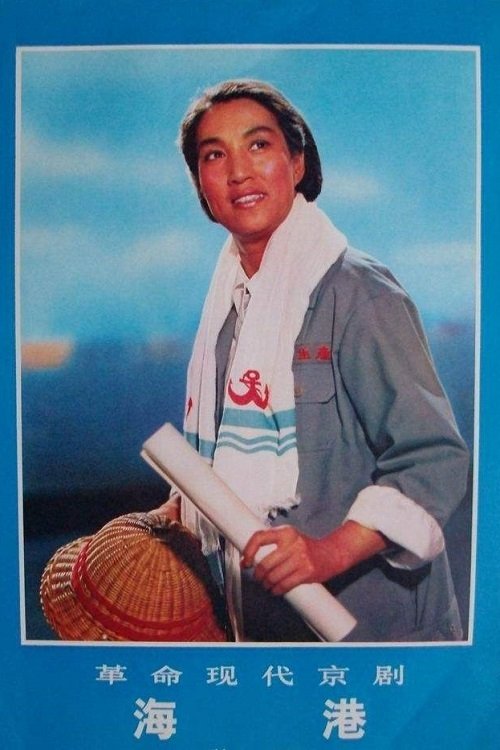
Adaptation of a lesser known to Western world, yet wildly popular Peking Opera developed during the Cultural Revolution under the leadership of Jiang Qing.
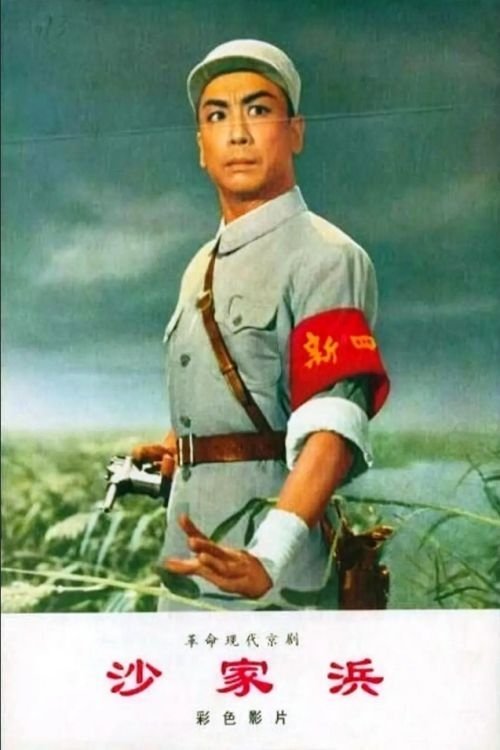
A Chinese film featuring the Beijing Opera Troupe. The story is set during the War of Resistance in Japanese-occupied territory to the west of Shanghai. Shajiabang is a small market town on the marshy reed-fringed shore of Lake Yangcheng where Aqing, who is secretly a Communist Party member, works in a small tea-house patronised by officers of the puppet "Loyal and Just National Salvation Army". Unbeknown to her patrons, Aqing is helping care for eighteen wounded soldiers of the New Fourth Army who are hiding in the marshes...
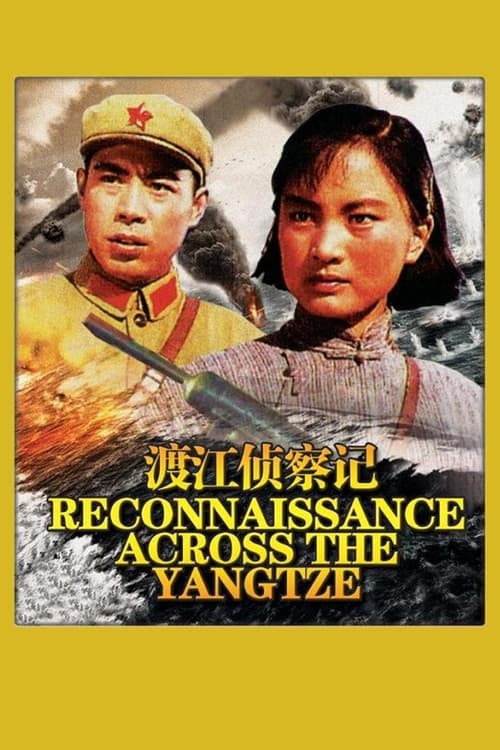
PLA send scouts to get through Yangtze River to collect enemy information of defense.
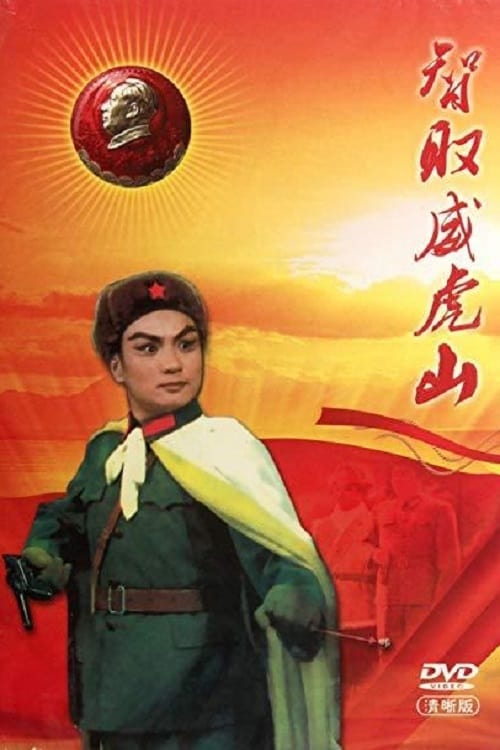
Taking Tiger Mountain was the very first model film produced during the Chinese Cultural Revolution (1966-1976). Set during the civil war in 1946, it follows a detachment of the People's Liberation Army in Mandchuria as they are fighting a group of bandits hiding in the mountains. Based on a novel from the 50s, Taking Tiger Mountain was first a revolutionary opera before being made into film by director Xie Tieli.
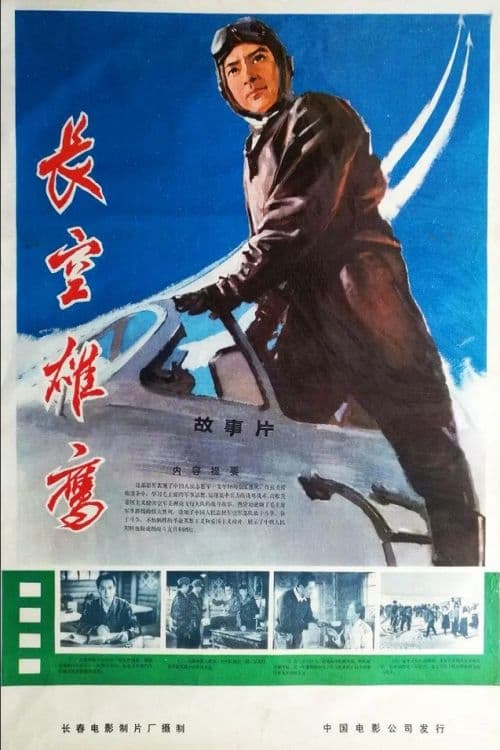
PLA Pilots during the Korean War
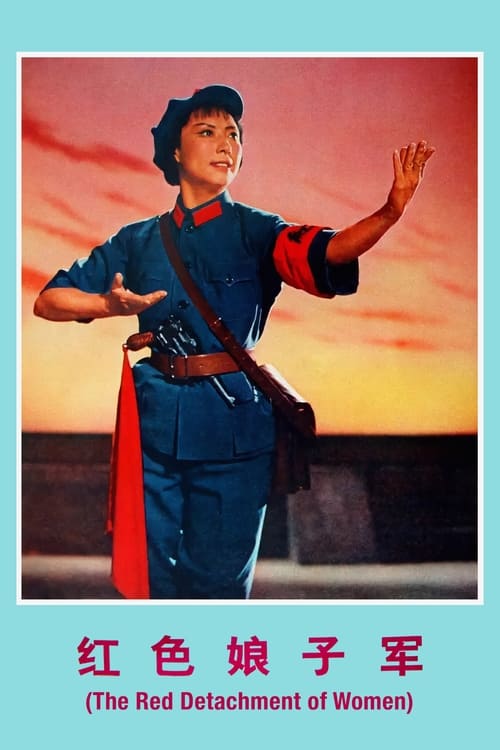
A recording of the Beijing Opera version of The Red Detachment of Women filmed by the August First Film Studio in 1972. Toward the end of the Cultural Revolution, the ballet version was adapted into this Beijing opera.
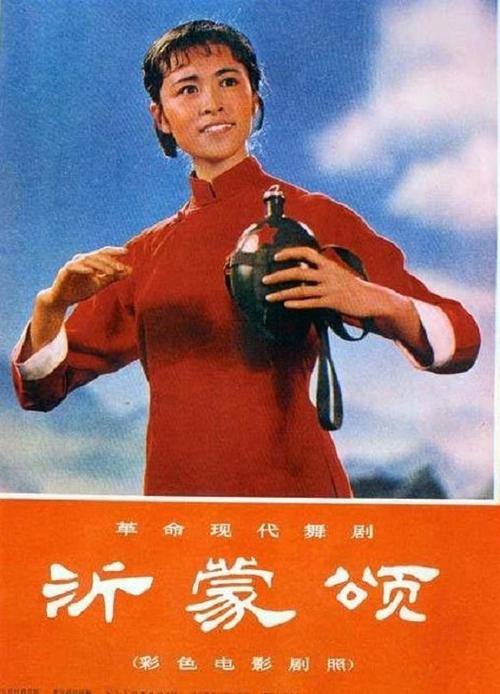

New Song of the Great Wall
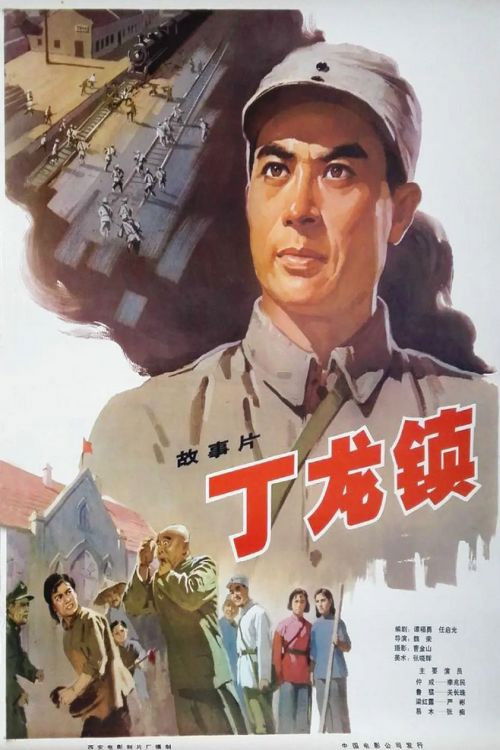
A Nationalist spy is operating in Dinglong, China, a Communist-held area, after World War II.