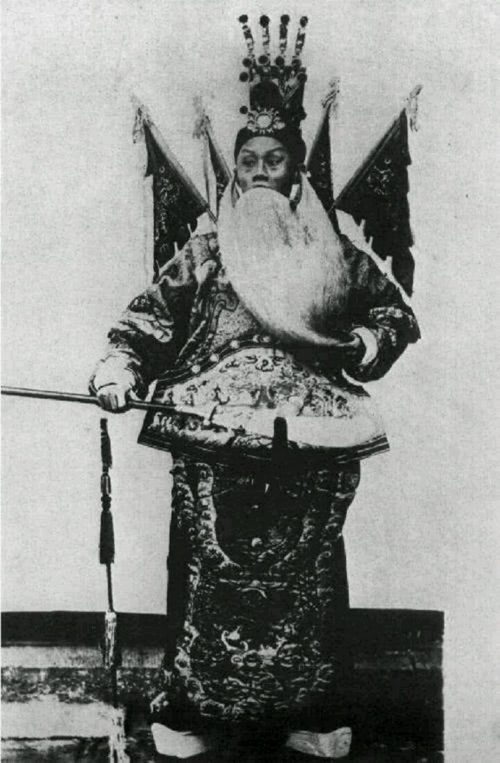
The first Chinese film ever made, a sung representation of Battle of Mount Dingjun.
Dingjun Mountain
10.0 1905
18 Matches Found
The first Chinese film ever made, a sung representation of Battle of Mount Dingjun.

Blood on Wolf Mountain tells the story of a village that is beset by a pack of wolves. Made just prior to the commencement of full-scale war with the Japanese, the film itself is often considered an allegory of conflict between China and Japan.
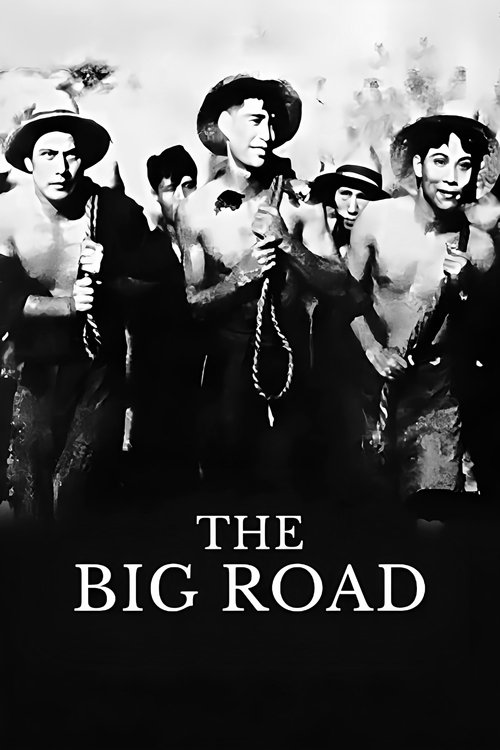
Six young men from the city take jobs building roads for the Chinese Army
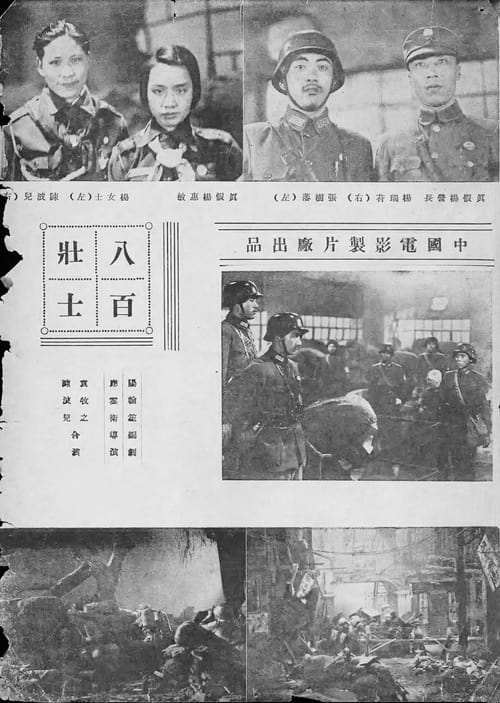
800 Chinese soldiers guard the important warehouse district against the invading Japanese Army. Re-imagination of a famous (bordering on legendary) episode from the battle of Shanghai: 800 soldiers of the 88th regiment against what feels like the whole of Japan’s Imperial Army - think Thermopylae, Chinese version. A splendid, visually amazing gem which, in its own way, is also a last stand: of silent cinema, Shanghai style. (iffr)

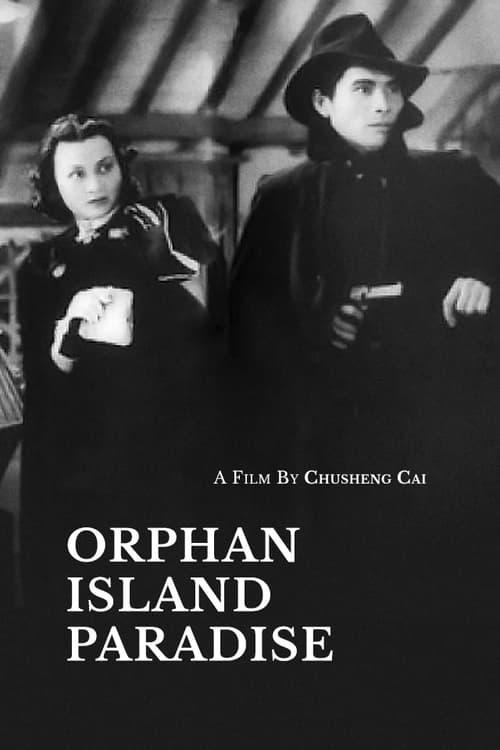
Set during the Orphan Island period of Shanghai, the film follows a group of revolutionary patriots-cum-assassins who finally earn the support of the suffering public. ‘We’re all Chinese,’ so they repeatedly chant.

Women play a heroic role in the Volunteer Army fighting the Japanese in the puppet state of Manchukuo.
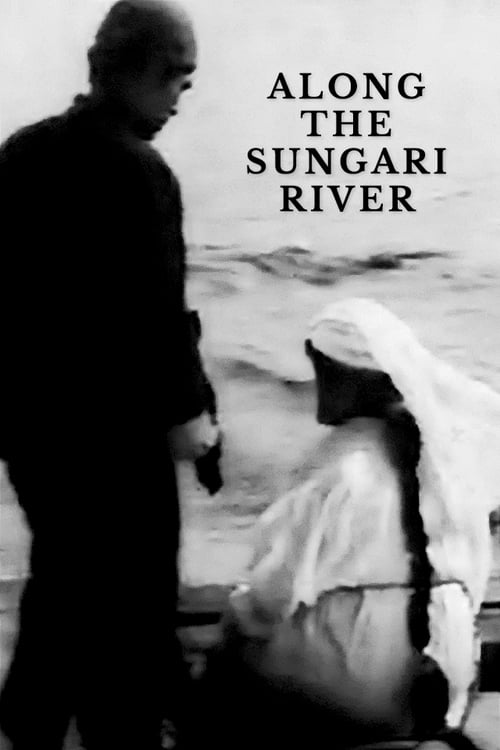
Unfortunate events beset a poor Chinese girl as she escapes from invading Japanese forces, narrowly avoids being raped, and seeks solace in a neighboring village.
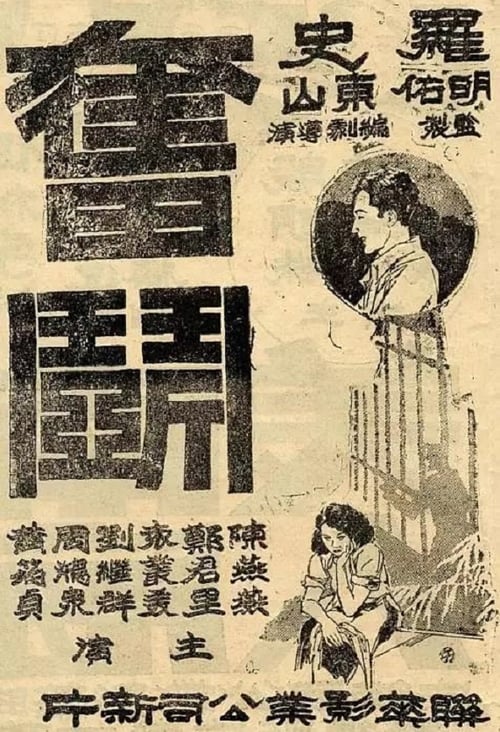
A Chinese couple in the 1930s struggle to survive. Things get complicated for them when he enlists to fight the war against Japan.
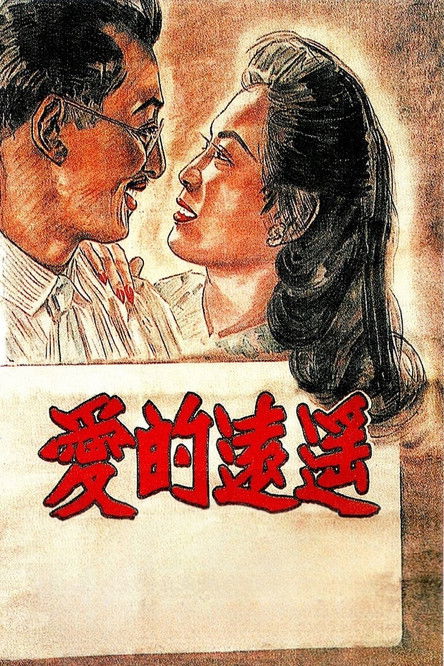
After a break-up, a college professor, Xiao, molds his maidservant, Yu, into an independent, modern woman, then marries her. However, their relationship is interrupted by the war - Yu insists on volunteering her help, while Xiao longs for a stable family life.
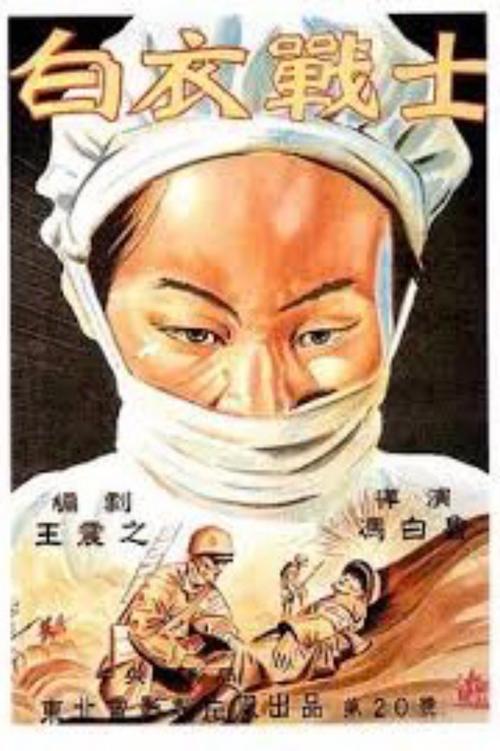
A heroic People's Liberation Army nurse continues caring for wounded and getting them safely to hospital even though she has been wounded.
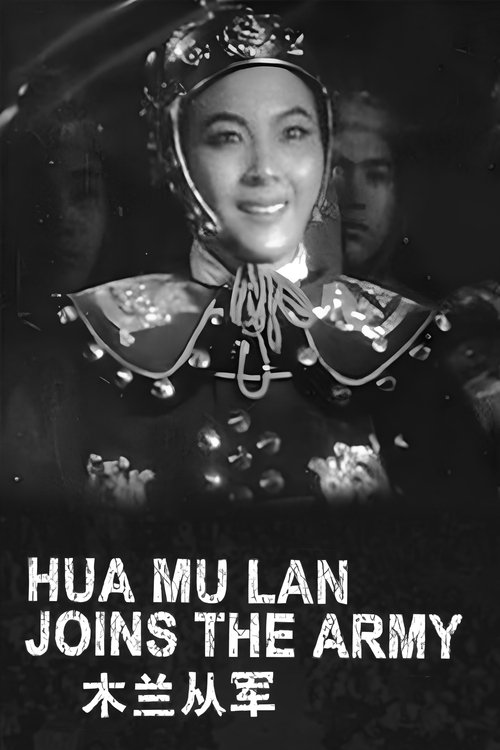
This movie is based on the famous Chinese folklore that is more than one and a half millennium old. The same folklore was what the Disney animation Mulan is based on, and similarly, it was what many Chinese movies/operas/plays based on.
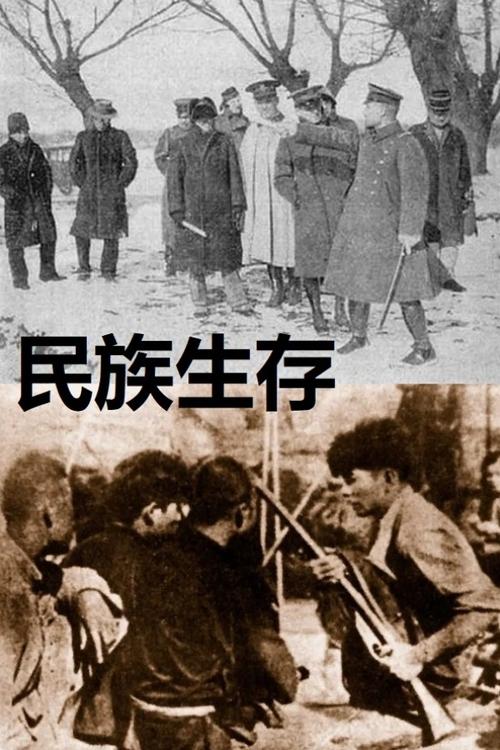

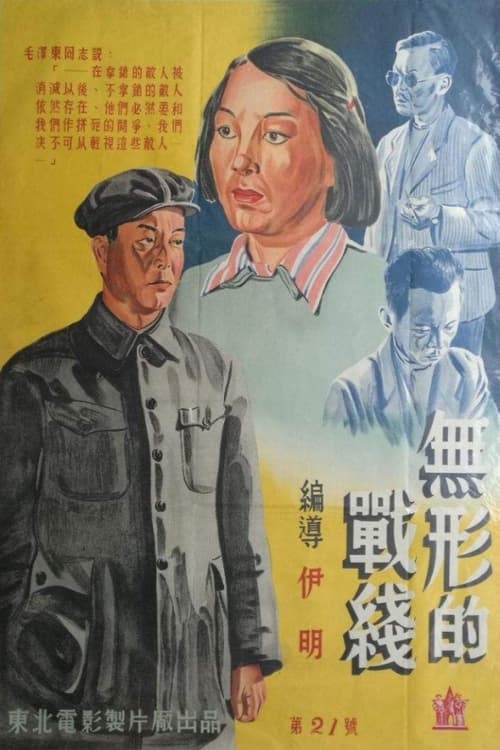
In 1948, after the Northeast was liberated, enemy sabotage began. The Public Security Bureau learned that spy Li Tianmin had infiltrated the city. Bureau chief and Captain Zhang quickly deployed personnel to capture him. Li Tianmin evaded key questions during interrogation. Clues were found on a milk bottle cap delivered by a boy, who passed it to another spy, Zhou Shaomei. Under surveillance, Zhou Shaomei, fearing Li Tianmin’s capture, killed the boy to erase evidence. Intelligence personnel mobilised the masses, pressuring the hidden enemies. Many deceived individuals provided clues, ensnaring the enemies in the people’s war.
This is the sole surviving motion picture of Unique Film (Shanghai), one of China's three major film companies in the 1930s. The young lovers in rural China are framed by their evil landlord. The man is sent to prison; the woman is forced to get married. She tries to seek revenge but is killed. When the man is released from prison, he joins the People's Volunteer Army but is killed in battle. The film was significant in its time. Runje Shaw had imported advanced American audio film equipment and technology in 1931, making this one of the first sound films in China. As one of Unique's few ‘progress' films, it also reflects that this ‘entertainment-only', apolitical film company, under the left-wing influences in society, also needed to make films with topics such as the war effort and that criticise the bourgeoisie. Struggle is a joint effort among the best of talents in front of and behind the camera, and is also the only surviving work of director Qiu Qixiang.