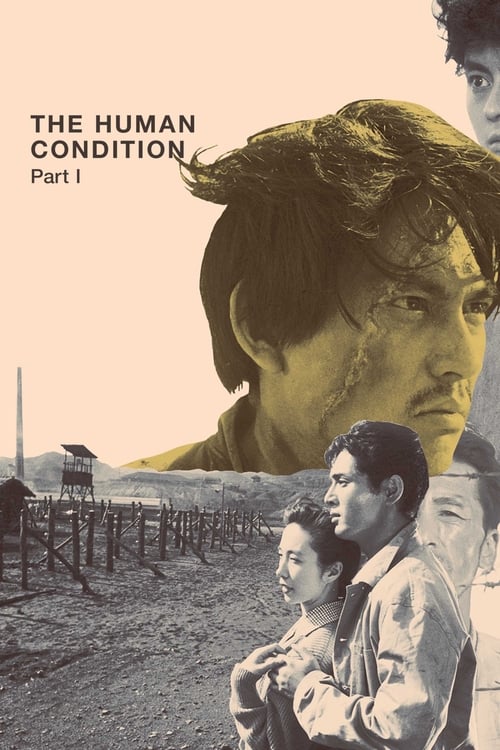
58 Matches Found

The Pacific War and the International Military Tribunal

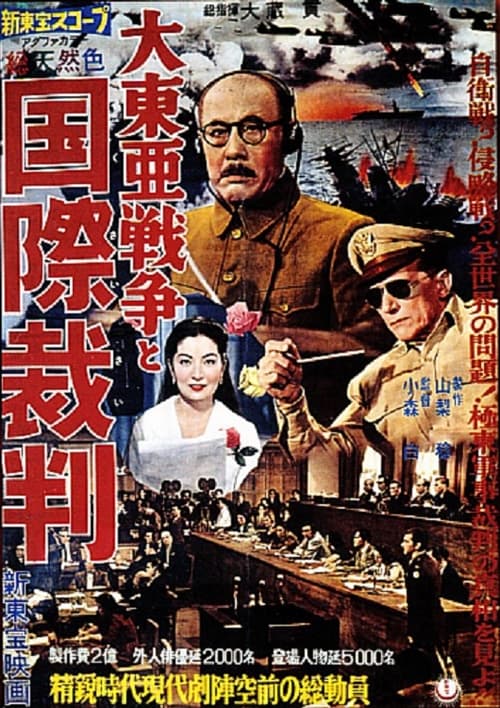
In 1941, overpopulated Japan faces an economic boycott and its armed forces push further to the south. And despite negotiations between Japan and the U. S. A. war is declared with the attack on Pearl Harbour. Victories follow for Japan on land and sea and her forces push forward to the borders of India. But gradually the tide turns in favour of the Allies and after the atom bombings of Hiroshima and Nagasaki, Japan is compelled to accept the Potsdam Declaration and by the order of the Emperor agrees to unconditional surrender. Under the supervision of the occupation forces the International Military Tribunal opens in Tokyo to try the Japanese war leaders. Established in the cause of justice, and to prevent future aggressive wars the trials drag on for two and a half years. And on December 23, 1948, General Tojo and six other war leaders mount the thirteen steps to the gallows at Tokyo's Sugamo prison.

The Pacific War and the International Military Tribunal

0.0 1959
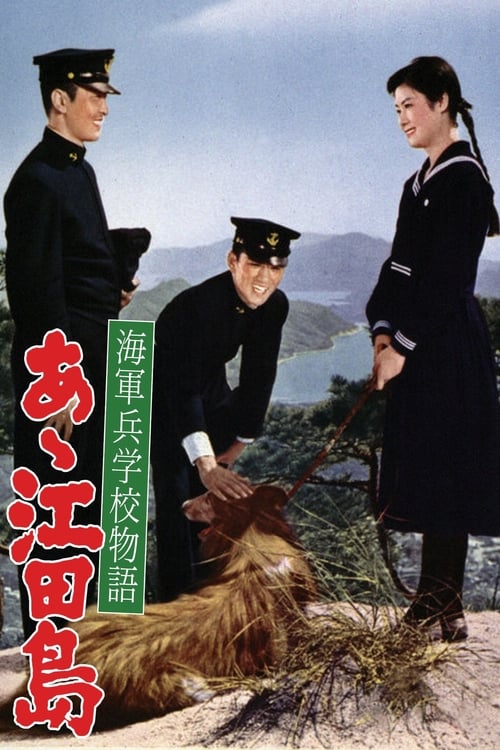
Etajima, the Naval Academy

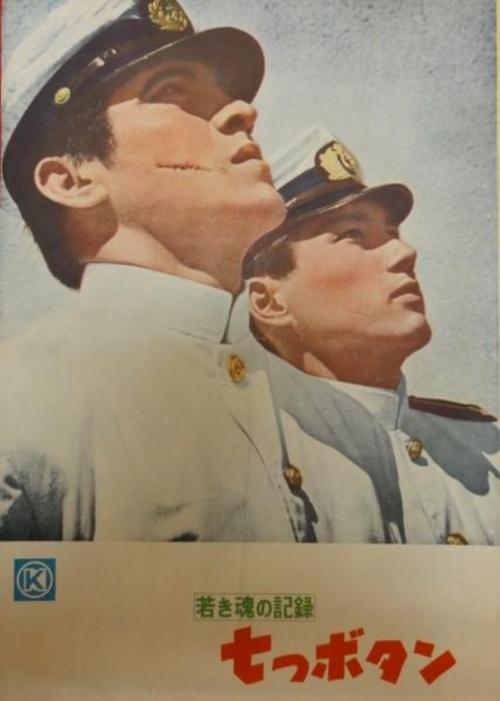
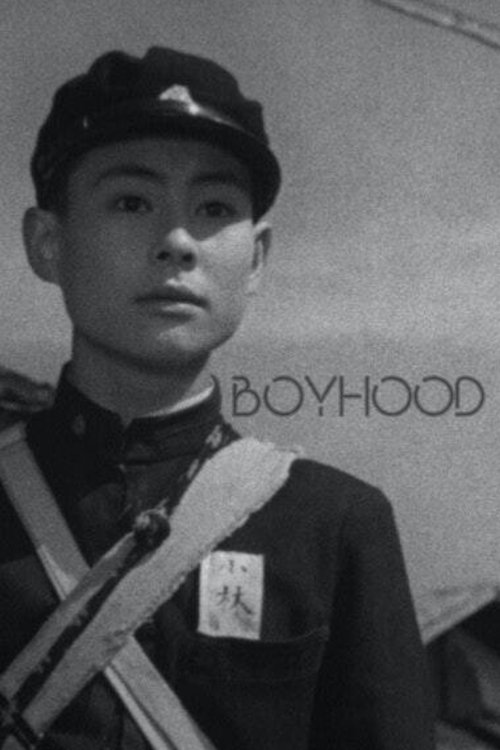
The former Japanese Naval Academy was at Etajima, one of the many islands of the beautiful Inland Sea. Among the new cadets were Ishikawa and Murase. Murase's mother had remarried after his father's death and the impressionable boy hated his overbearing father who held the whip-hand over his gentle mother. Out of defiance of his step-father he became wayward. But he was bright and his teacher persuaded him to enter the Academy as he knew that if he left home, his mother need not feel apologetic towards her husband on his account. Discipline was strict, their studies were hard and, in between, all the new cadets received an ample share of beatings, at the hands of the senior cadets, for the slightest mistakes. Murase thought all picked on him the most, especially Cadet First Class Kogure, who manhandled him at the slightest excuse.

Etajima, the Naval Academy

0.0 1959
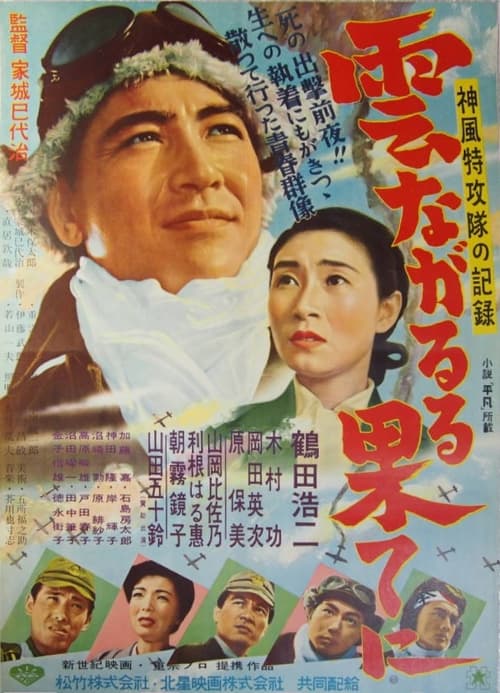
日本敗れず

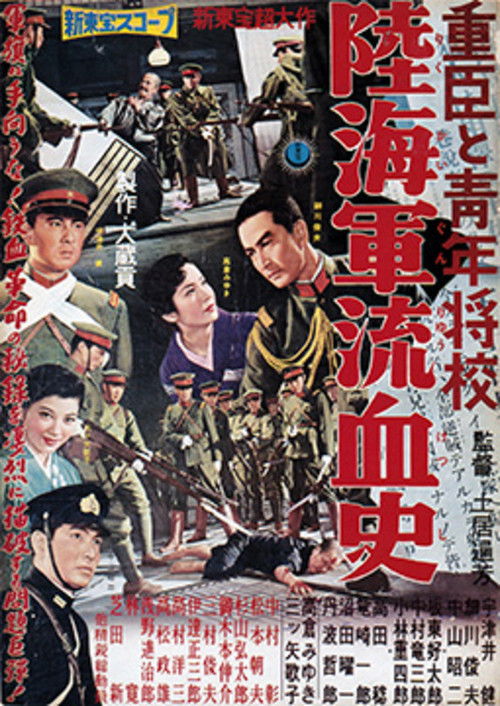
In May 1945, Japan's defeat was imminent after the attacks on Saipan, Iwo Jima, and the Philippines, and Tokyo was reduced to a sea of ​​fire by another massive air raid. However, within the Ministry of the Army, there were still officers who were enthusiastic about a decisive battle on the mainland. Eventually, the Okinawa garrison was annihilated, and the US military was approaching the mainland, but on July 27th, the Potsdam Conference between the US, Britain, and the Soviet Union broadcast the Triple Joint Declaration, which set out the final terms of surrender for Japan.

日本敗れず

0.0 1954
Saigo no totsugeki

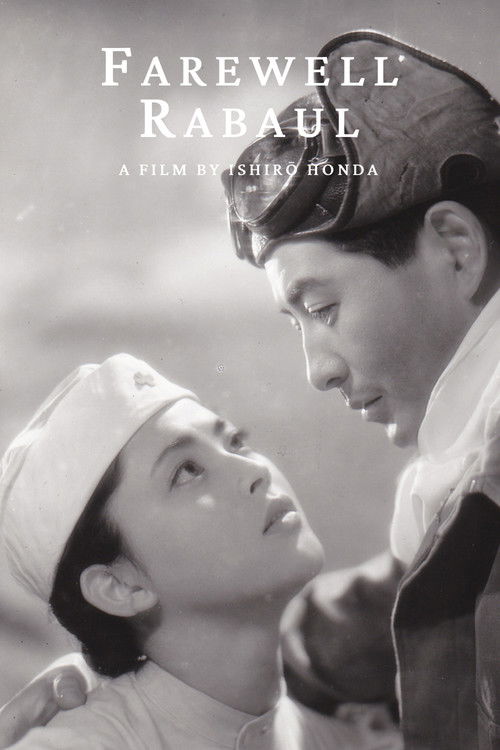
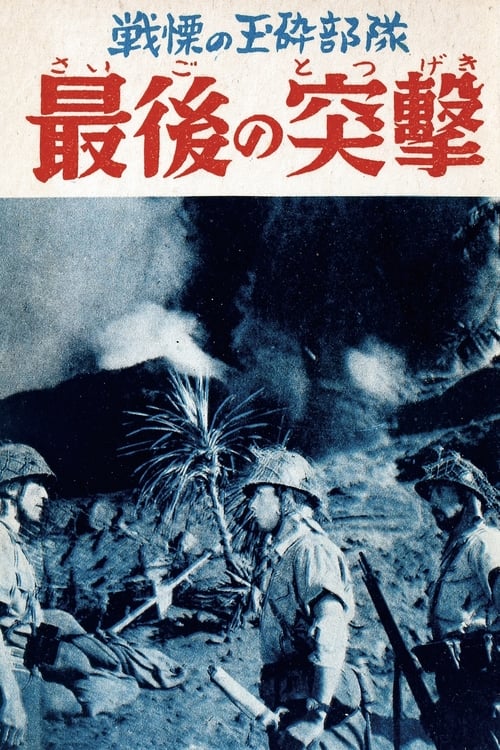
A narrative depicting the appearance of soldiers scattered in Rabaul during the Pacific War. The original work of Yoshinori Matsuura was dramatized by Toyama Tetsu of “Smuggling of the Body”, also directed by Yutaka Abe, and Shigeyoshi Mine of “Densuke's Propaganda” was in charge of the shooting. The main performers are Michitaro Mizushima of “Smuggling of the Body”, Ryoji Hayama of “The Sorrowful Garden”, Shoji Yasui of “The People of Okino”, Shiro Osaka of “Lonely Man”, “Tetsuji Kawakami Story 16” In addition to Hiroshi Nihonyanagi, Shinsuke Maki, Isamu Kosugi of the "Hunger Soul", Ko Mishima, Satoshi Nishimura, Saburo Hiromatsu, Hiroshi Kondo and others.

Saigo no totsugeki

0.0 1957
Yasen kangofu

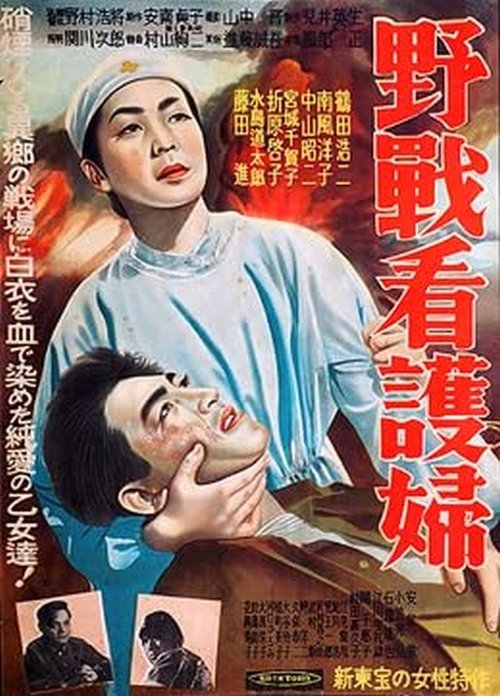
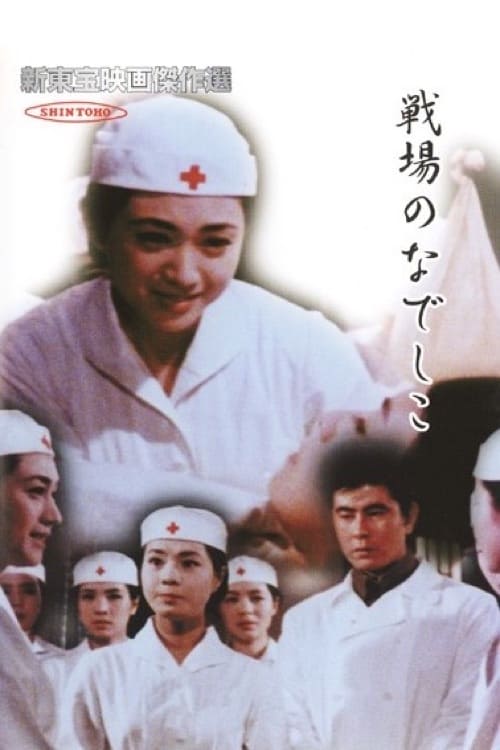
In 1942 South China, hardened field hospital nurse Yukiko secretly loves Sergeant Nemoto. The arrival of a fragile new nurse, Keiko, reawakens Yukiko's warmth but also sparks intense jealousy when Nemoto shows Keiko kindness. As the two bond over a shared hometown, Yukiko's resentment grows. The situation is compounded by the escalating chaos of a losing war, including air raids, medicine shortages, and a deadly malaria outbreak that weakens Keiko. Set against the backdrop of Japan’s impending defeat, Yukiko is forced to confront the high cost of her envy and decide where her loyalties lie in a final test of courage and compassion.

Yasen kangofu

1.0 1953
Jet Air Base 101

The first batch of flight control officer candidates, full of yearning for the sky, are assembled at the 101st Air Regiment base. Nakata, Sato, and the other cadets undergo intensive training under Captain Kotani, a famous pilot, but gradually begin to resent his strict leadership. A youthful story that vividly portrays the young pilots of the Japan Air Self-Defense Force who place their hopes in the sky. Japan's first full-length film about jet aviation, it was shot on location at the Hamamatsu Air Self-Defense Force Base over an extended period of time, with dozens of jets being mobilized for the filming.

Jet Air Base 101

0.0 1957
Emperor Meiji and General Nogi

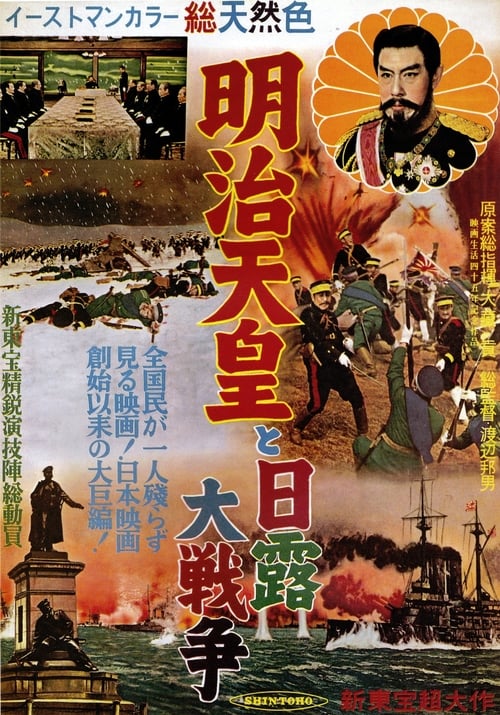
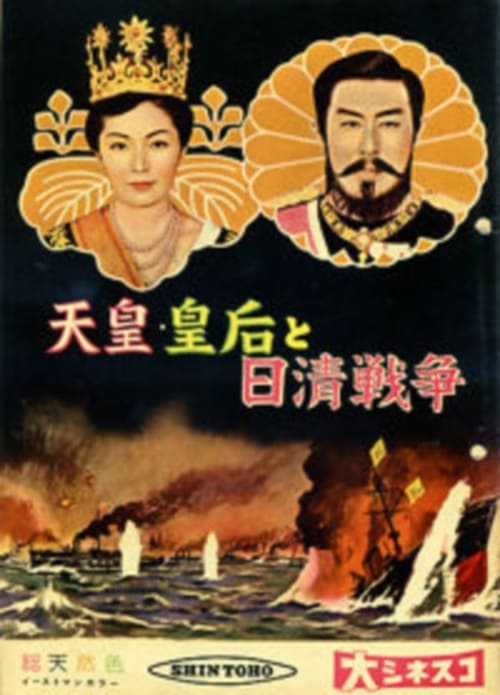
In January 1904, the situation between Japan and Russia had grown tense. The Emperor Meiji is deeply concerned, for Russia has started to build an invincible fortress at Port Arthur, and the relations between two countries have become strained to breaking point. General Nogi has retired to the first reserve and is now a gentleman farmer, but he is prepared for sudden mobilization. Finally, Japan declares war against Russia and Emperor Meiji appoints General Nogi as the commander of the force to attack Port Arthur. However, in spite of several all-out attacks, the fortress is strong and the casualties increase among the Japanese. Because of these reverses, there are loud cries for a change in command. However, the Emperor places his confidence in General Nogi.

Emperor Meiji and General Nogi

0.0 1959
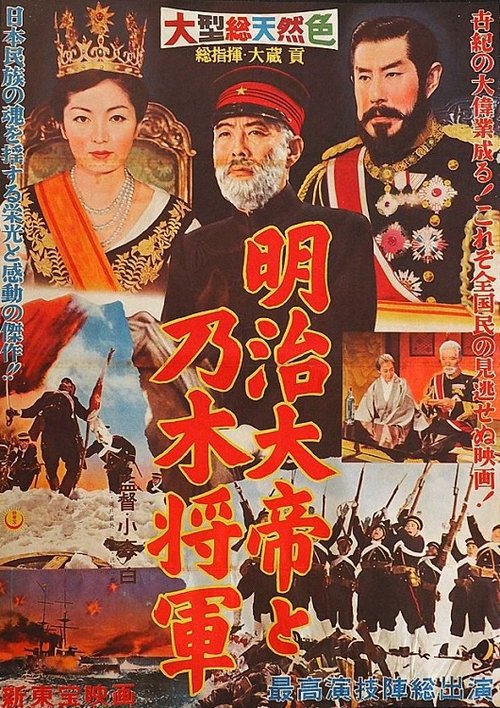
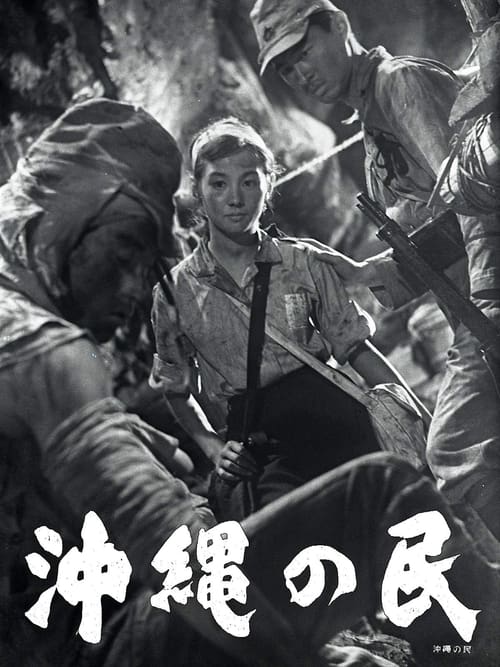
Okinawa no Tami

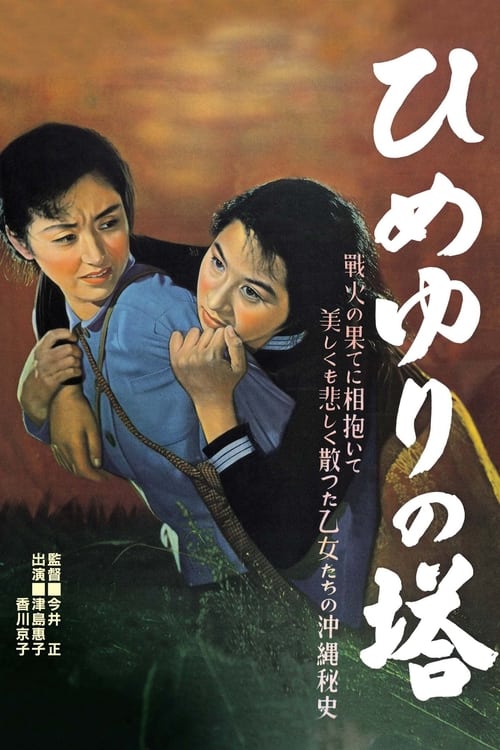
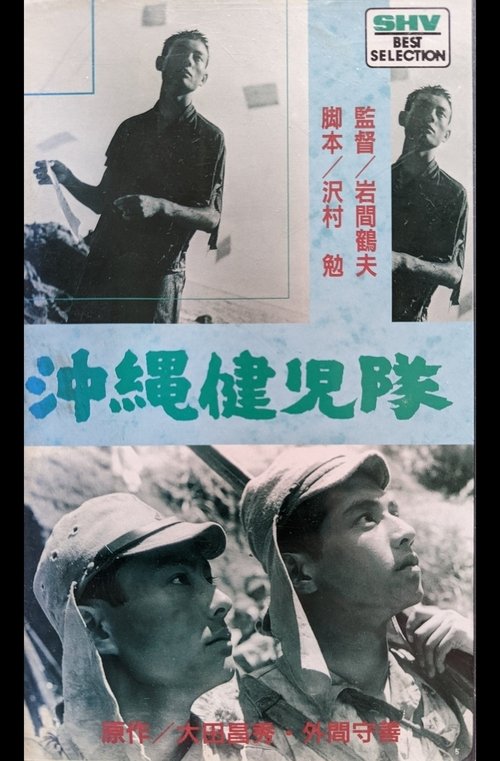
With the background of the Battle of Okinawa, he draws a semi-documentary image of each individual person under an unusual psychological state of war. Furukawa Takumi of “Backlight” is adapted and directed by Daiichi Ishino. Filmed by Yoshio Mamiya, “Smuggling of the body”. The main performers are Sachiko Sakai since the “Zoi Family”, Hiroyuki Nagato of the “Next door bride”, Shoji Yasui of the “Sentimental wife”, Takatoko of “Crying, the last Japanese fighter”, “Blue angry” Noriko Katsura, Shinzo three of "actress (1956)", Masao Oda, Nobuo Kaneko, Toru Abe, Hiroshi Nihonyanagi, Misako Tsubouchi.

Okinawa no Tami

0.0 1956