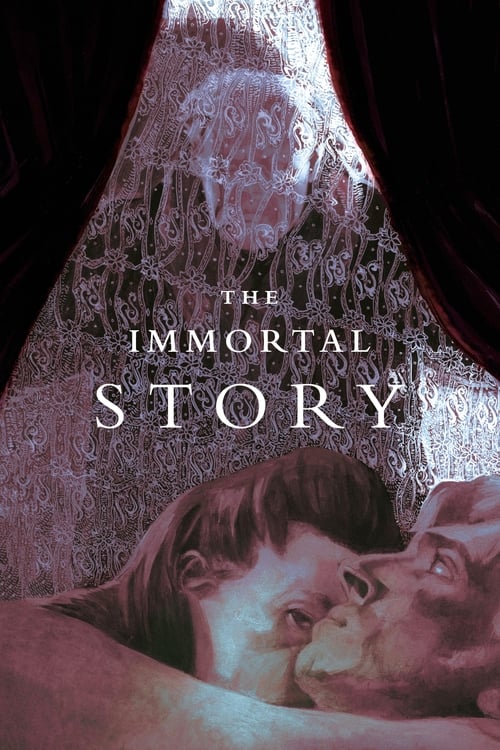
An aged, wealthy trader plots with his servant to recreate a maritime tall tale, using a local woman and an unknown sailor as actors.
The Immortal Story
7.1 1968
68 Matches Found
An aged, wealthy trader plots with his servant to recreate a maritime tall tale, using a local woman and an unknown sailor as actors.

Hopelessly in love, young aristocrat Octave seeks the help of a magician to exchange bodies with his beloved's husband. But his inability to speak her native language soon estranges him from 'his' wife, while the real husband, stuck in Octave's body, is out for revenge. Based on a story by Théophile Gautier.
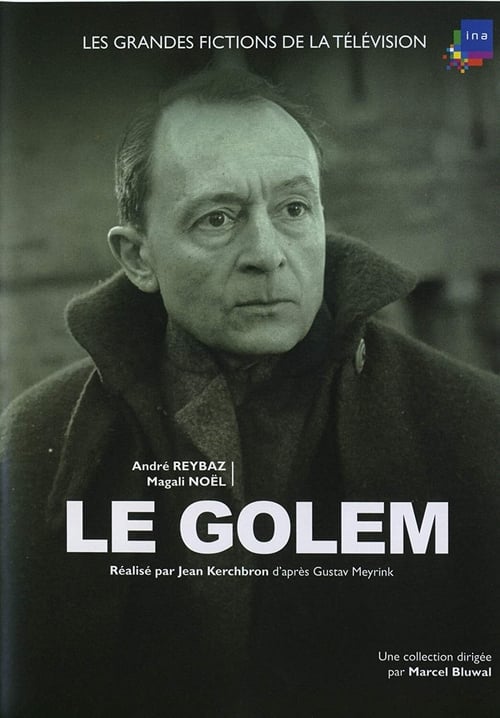
Athanase Pernath is a gem cutter in the Prague ghetto. In spite of himself, he becomes embroiled in the lives of his neighbors. Family feuds, swindles, jealousies and revenge lead Pernath to prison, while the threat of the Golem, a monster created by a rabbi and awakening every thirty-three years, hangs over the city.

Comedy in five acts by Beaumarchais, filmed by Marcel Bluwal in studio and on location. The cast, in accordance with Marcel Bluwal's wishes, is in keeping with the age and character of the characters, to give it rhythm. At once "a comic baroque play, a bourgeois drama, a chansonnier's number, a social satire, a farce and a very pretty love story" according to Marcel Bluwal, it can also be summed up, according to Beaumarchais, as "the most bantering of intrigues".
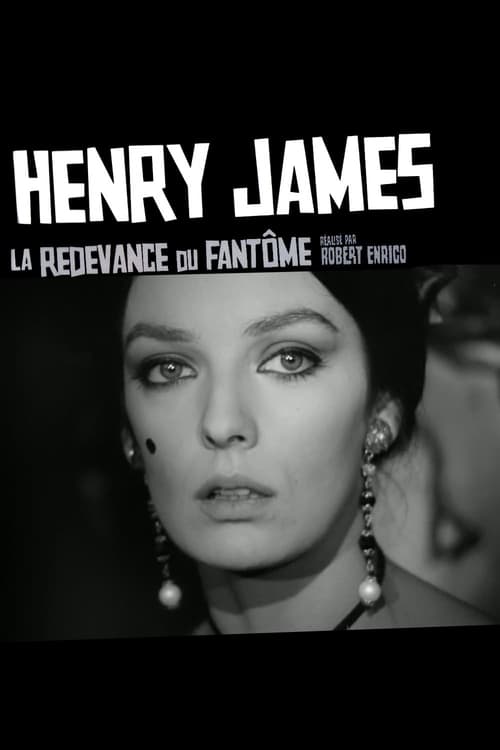
At the end of the 19th Century, young Fanning finishes his studies in theology at the University of Cambridge. During a walk through the countryside, the boy, inspired by the lecture of romantic novels, discovers an abandonned house, from which an old man is coming out. He returns to the house regularly without ever seeing its mysterious inhabitant. Fanning finally surprises the old man while he is sitting on a bench at the cemetery and manages to gain his confidence...

Strange things are happening in the evening at the mansion: glass things break without any apparent reason. Professor Calculus, somewhat apathetic to the whole series of events, leaves the following day to attend a conference on nuclear physics in Geneva. Foreign powers get wind of his work and send their agents to investigate.
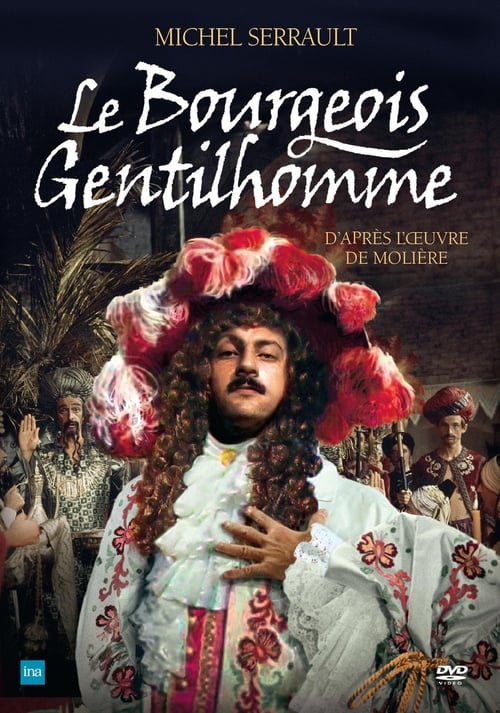
Le Bourgeois gentilhomme satirizes attempts at social climbing and the bourgeois personality, poking fun both at the vulgar, pretentious middle-class and the vain, snobbish aristocracy. The title is meant as an oxymoron: in Molière's France, a "gentleman" was by definition nobly born, and thus there could be no such thing as a bourgeois gentleman.
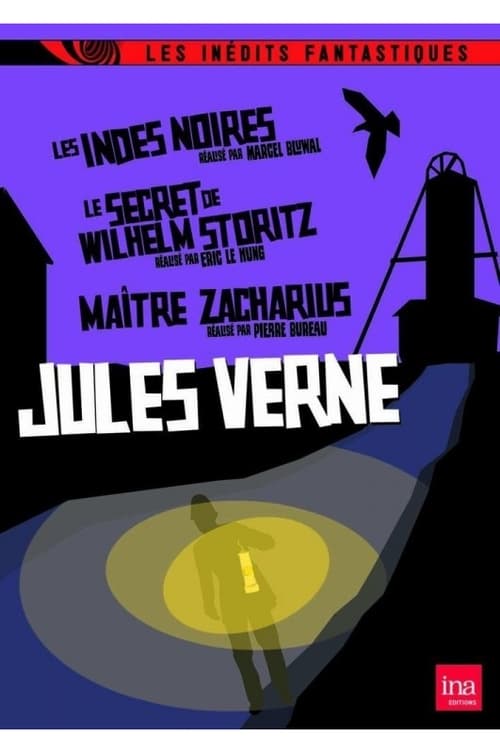
In 1870s Scotland mining engineer James Starr is asked by former colleague Simon Ford, who's living inside the abandoned Aberfoyle mine, to help solve mysterious occurrences taking place inside the mine.

Dr. Cordelier, living in a suburb of Paris, withdraws from society to pursue research into the functioning of the human brain. His lifelong friend, Maître Joly, becomes concerned when Cordelier draws up a will that bequeaths his entire estate to a stranger, Monsieur Opale; he cannot understand why Cordelier defends him, considering Opale attacks women and children. After a colleague is killed, Joly confronts Cordelier and discovers the truth behind his friend's behavior.
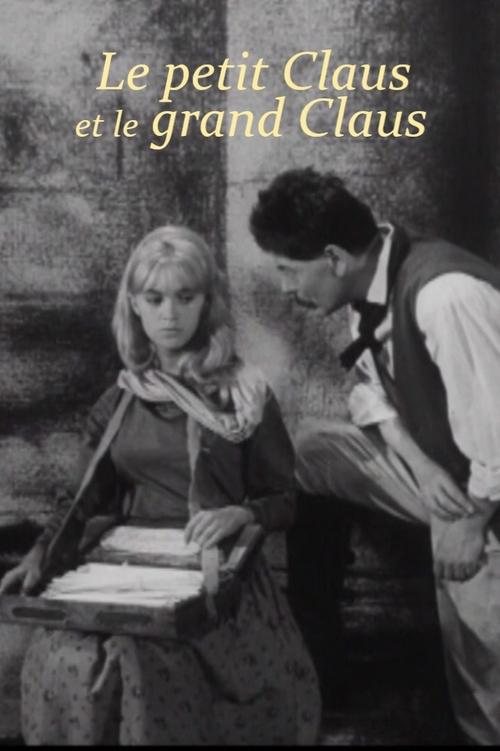
Once upon a time there lived in the same village two men bearing the very same name. One of them chanced to possess four horses, the other had only one horse, so, by way of distinguishing them from each other, the proprietor of four horses was called "Great Claus," and he who owned but one horse was known as "Little Claus"...
An hour-long discussion between Fritz Lang and Jean-Luc Godard in which they discuss a variety of art forms, the role of the cinema, their collaboration together, and much more. (Filmed in 1964 but released for TV in 1967.)
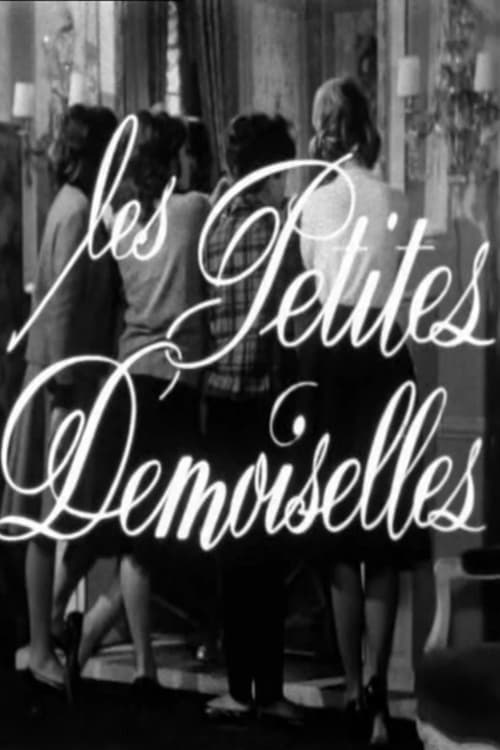
Four young girls' love of boys put their newly opened all-services company in peril.
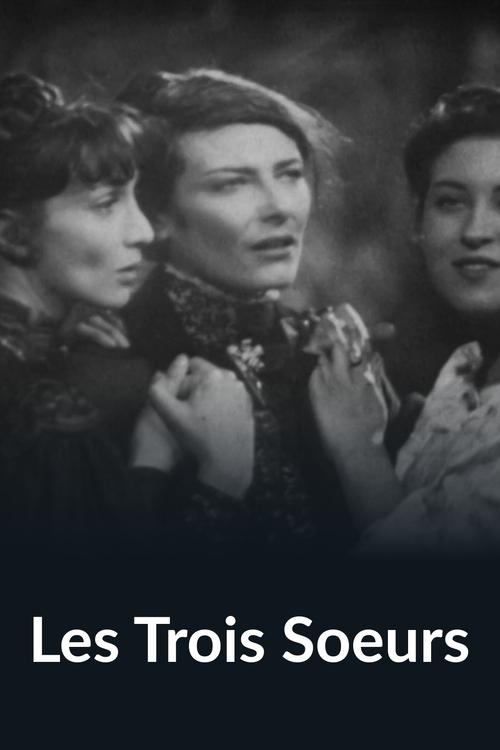
A year after the death of their father, life can begin again for Macha, Olga, Irina and their brother, Andrei. But the unpredictability of life destroys their hopes and certainties. The sisters of failed dreams now live in an idle city where everything has to start again. Chekhov's drama about loss and regaining meaning.
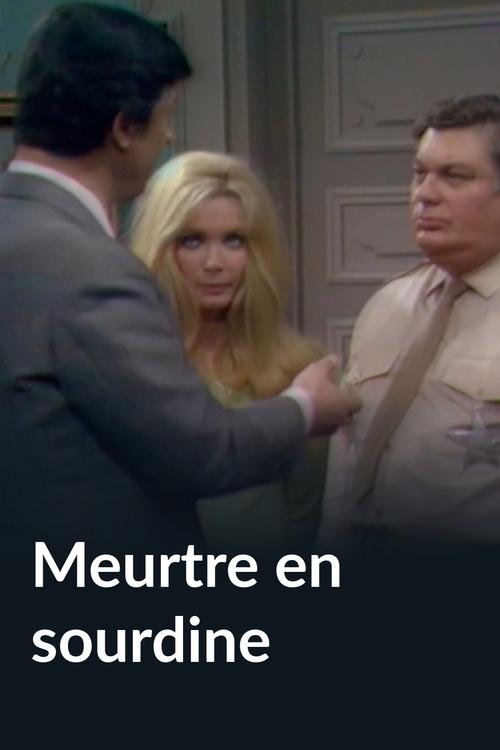
Is doubt allowed in love? In this police investigation, feelings interfere with the investigation. While a murder has been committed, the benefit of the doubt as to the identity of the murderer is obviously allowed. Love, jealousy, passion and crime make up the essence of this thriller crime drama.
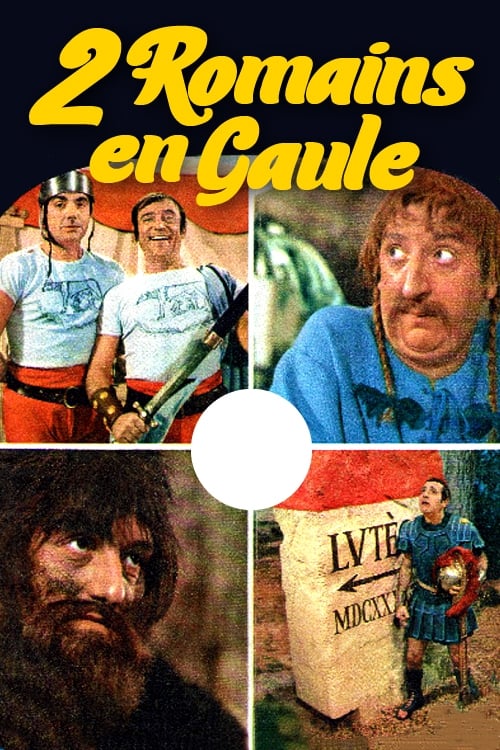
This film is directly inspired by Asterix, created by René Goscinny and Albert UDERZO, chronicles the adventures of a little boy, Antoine, entered the world of antiquity by studying its history lesson and two Romans, and TICKETBUS PROSPECTUS, who prefer to leave their life of legionnaires and discover the lifestyle of Gaulois.Antoine meeting Asterix cartoon form, which explains certain peculiarities of life in Lutetia.
The leader of a youth movement is suspected of the murder of his best friend and supporter. A television broadcast intended to help find witnesses reveals the organisation's troubled interior life as well as a far more personal tragedy.

This telefilm in black and white is diffused on the first French chain the November 6th 1965. It undoubtedly remains the most known adaptation of the Dom Juan of Molière.
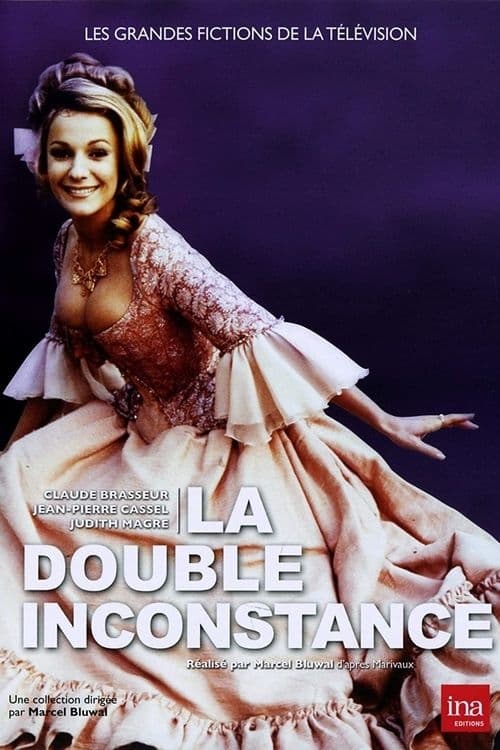
Silvia and Harlequin, two young peasants, are in love. The Prince, who is also enamoured of Silvia, will test their feelings. Will the rural world withstand the corruption of the court and its rewards? Marcel Bluwal directed a prestigious television adaptation, filmed in a natural setting, with a star-studded cast.
TV adaptation of Jules Verne's posthumously published novel.
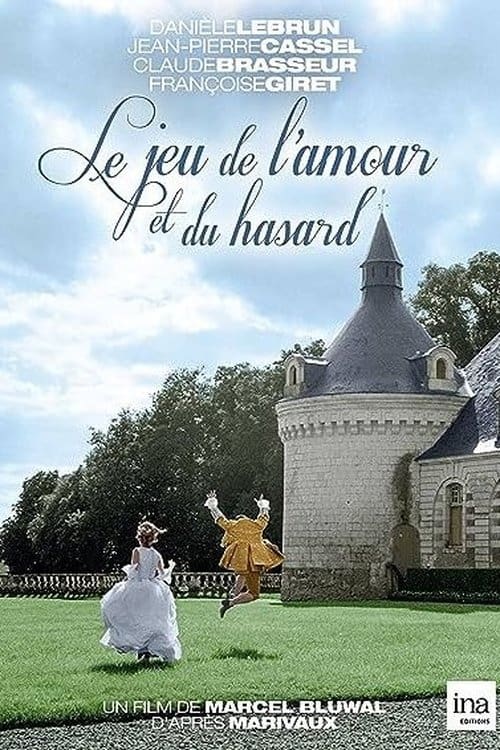
Unwilling to marry, Silvia poses as a maid in order to meet the man she is to marry incognito. This will allow her to study the character and behaviour of her fiancé. But the young man resorts to the same stratagem...

Lord Windermere appears to all – including to his young wife Margaret – as the perfect husband. But their happy marriage is placed at risk when Lord Windermere starts spending his afternoons with an adventuress who is working her way through London’s high society, Mrs. Erlynne.
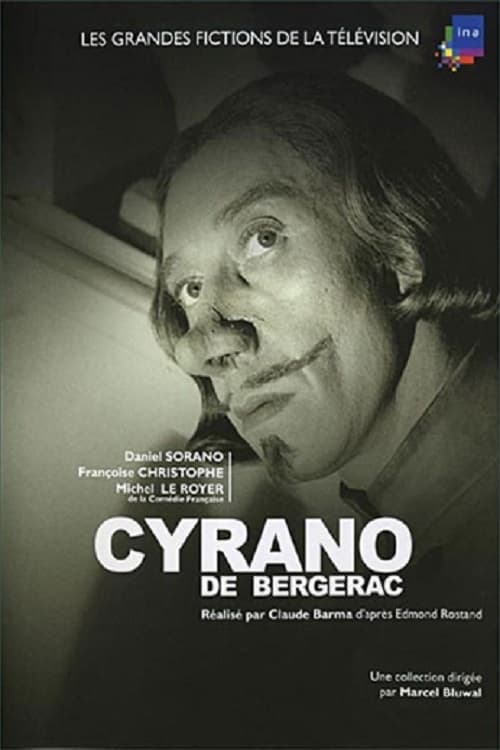
In love with Roxane, who is herself in love with the youngest son of Gascony, Christian de Neuvilette, Cyrano dictates his words of love to the young man. But the Count de Guiche, an unhappy rival, takes revenge by sending Christian and Cyrano to the siege of Arras.
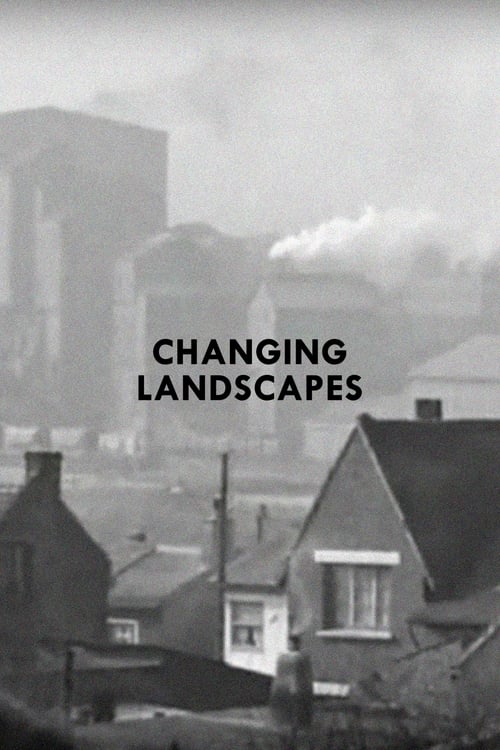
A sophisticated and beautifully constructed account of landscape change in and around Paris in the early 1960s. The film raises complex issues about the meaning and experience of modern landscapes and the enigmatic characteristics of features such as canals, pylons and deserted factories. Rohmer also explores the role of landscape within different traditions of modern art and design and refers to specific architects, artists and engineers.
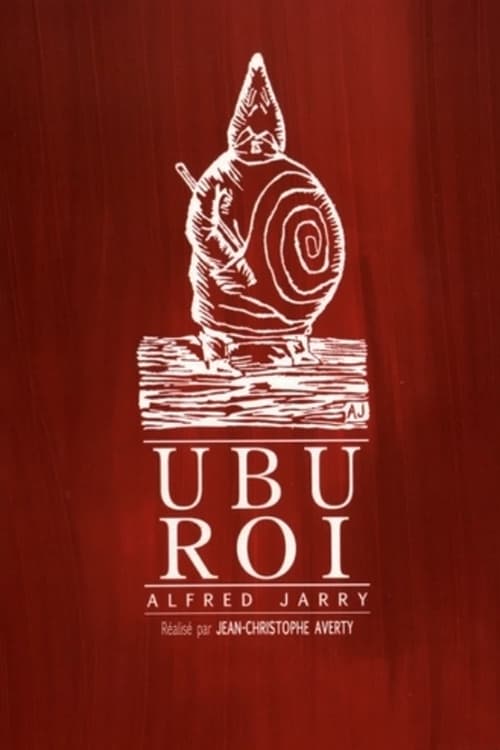
Based on Alfredy Jarrry's 1896 play about a greedy, overweight, selfish dude named Pere Ubu. The story follows Ubu on his journey to overthrow the current ruler and become King of Poland. Along the way he betrays many of his followers, taxes the civilians to an unreasonable degree and eventually slaughters everyone. Along his side, is the equally crude but somehow more likable Mere Ubu, who's like a foul mouthed Lady Macbeth.
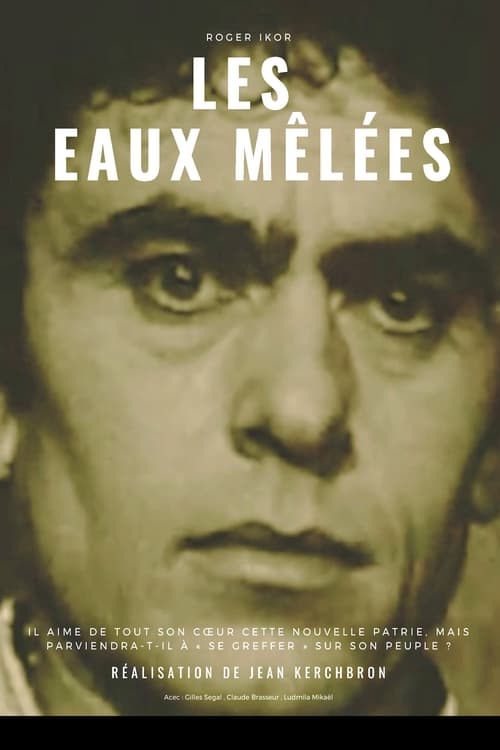
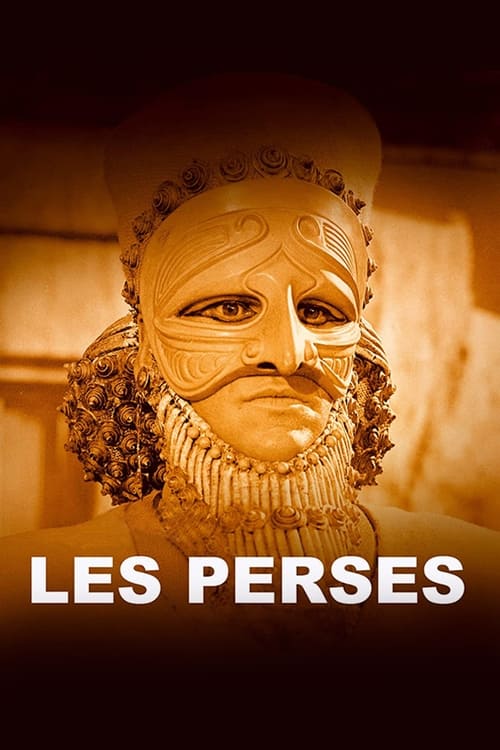
Les Perses (The Persians) is a French TV movie adaptation of Aeschylus' oldest known tragedy, Πέρσαι (Persai). It was originally broadcasted in October 31, 1961. The play deals with the aftermath of the Persian defeat in the battle of Salamis (480 BC), which makes it the only Greek tragedy that deals with a real historical event.
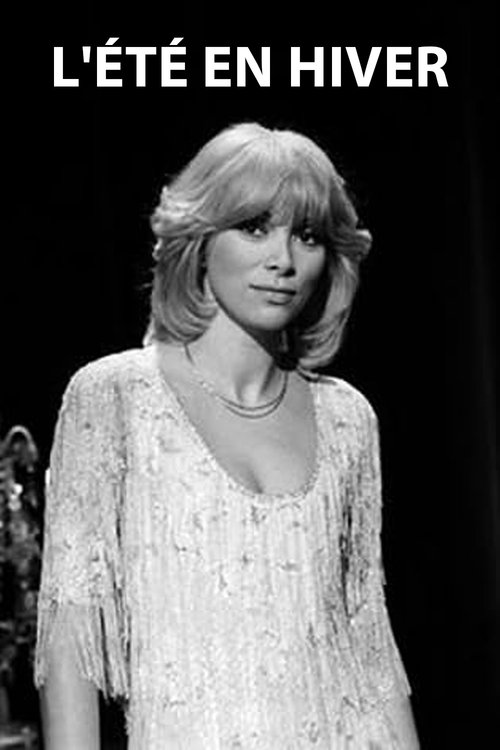
Movie for French TV - Jean, a highly sought-after reporter, and Diane, an actress, have been married for three years, but are often separated by their respective professions. They have not lived together for more than six months. During the winter, they decide to spend a vacation together in Meschers, to relive the first moments of their relationship.
From his childhood in the lowlands of northern France to his death in Nice, a look at the life of painter Matisse: his early education, his apprenticeship at the Beaux-Arts and his decades-long career as a painter, sculptor, and draftsman.
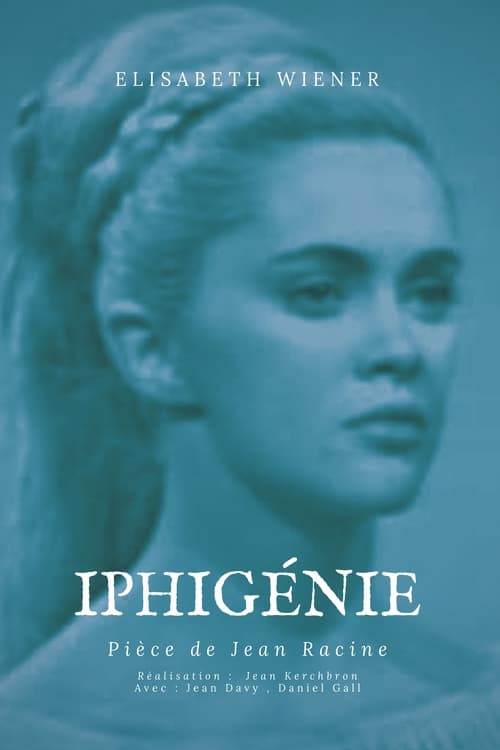
On the shores of Aulis, the Greeks prepare to attack Troy. But their ships are unable to set sail because the gods are holding back the winds necessary for departure. Agamemnon consults the oracle. The solution is tragic. To appease the goddess Artemis, whom he had offended, he must sacrifice his own daughter.
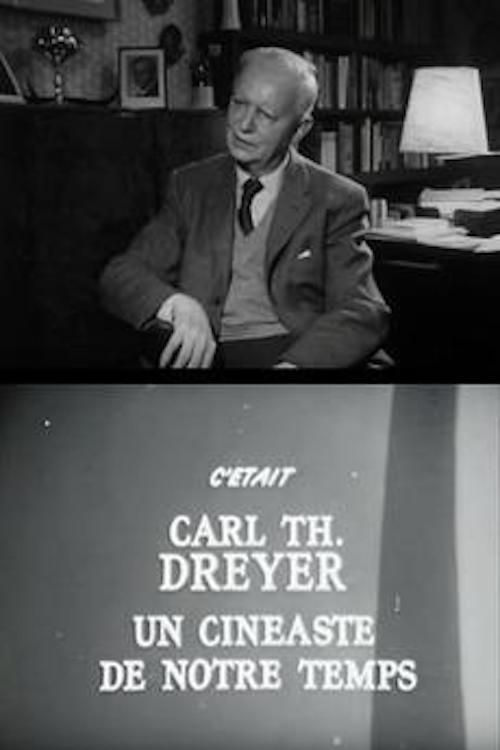
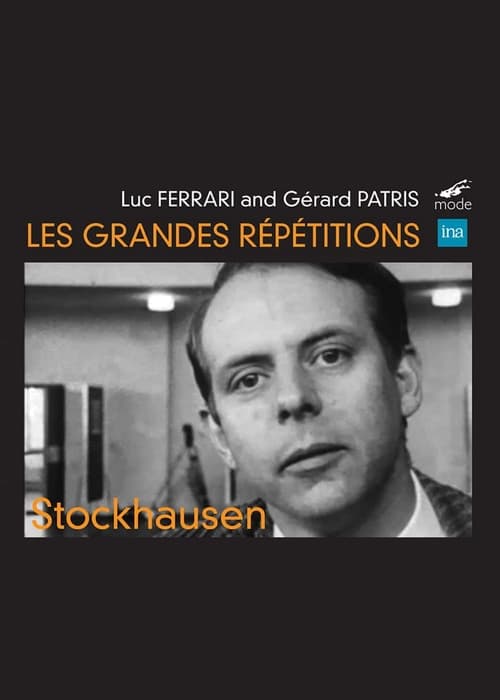
Filmed during rehearsals for the premiere of Stockhausen's monumental work Momente. The revealing rehearsal sequences are interspersed with Stockhausen speaking of his youth, work process and the genesis and meaning of Momente.
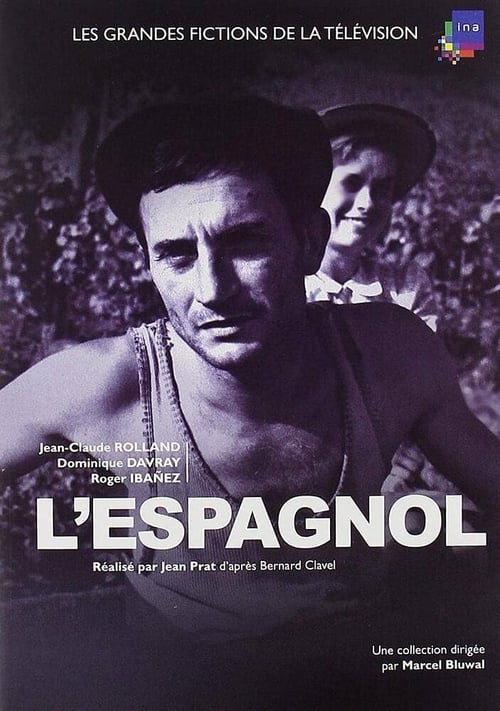
A survivor of the Spanish Civil War who had been in French internment camps takes refuge with a family of winegrowers in the Jura. He becomes attached to this land that is not his own.
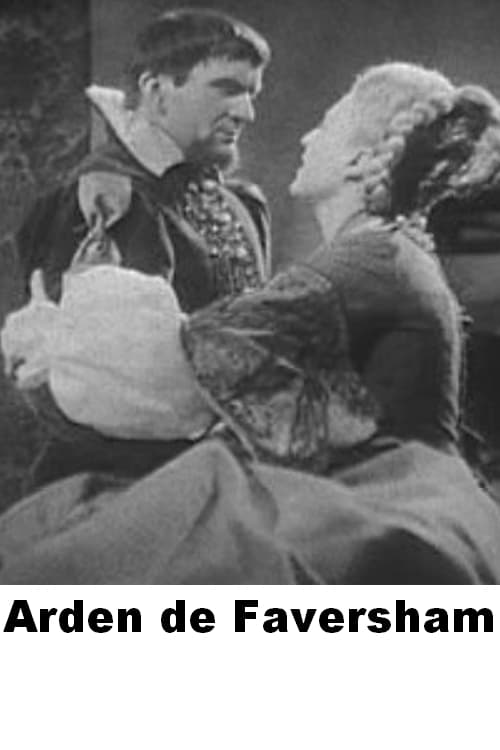
Faversham's Arden, the first tragedy to be about ordinary people, is both a realistic, social painting of 16th-century England and a psychological portrait. Alice and her lover Mosbie, with whom she has a complex and passionate relationship, decide to murder her husband Thomas Arden, but their plan repeatedly fails.
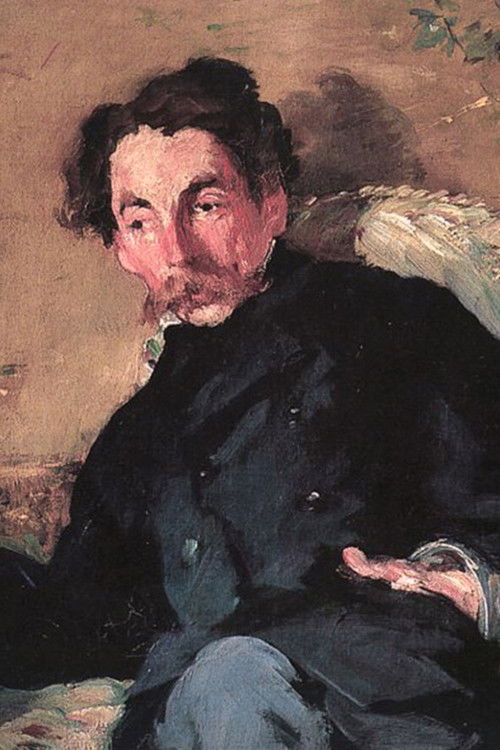
Stéphane Mallarmé is one of the many educational documentaries that Éric Rohmer did for the television during the 1960’s. At the beginning of the film, Rohmer states that he has placed in Mallarmé’s mouth words taken from an interview with the writer by Jules Heuret published in 1891.
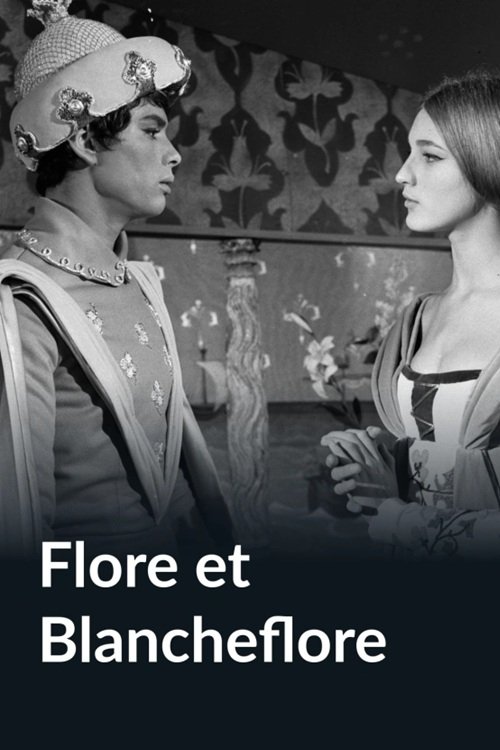
Flore is the son of a king, Blancheflore the daughter of a slave. The two children grow up together until they reach adolescence, but when the adults see the love between them blossoming, they decide to separate them. In this beautiful adaptation of a 13th-century tale, the staging, sets and costumes give us the impression of being immersed in medieval miniatures.
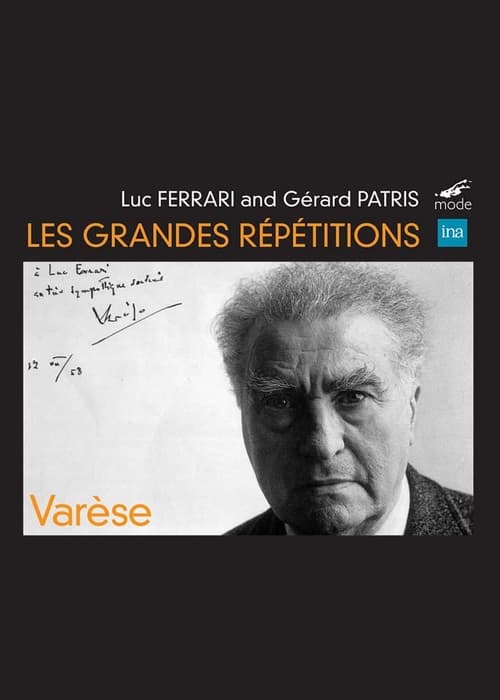
Edgard Varèse died on 6 November 1965, a few days before the filming of the rehearsal of his work "Déserts" which he had to attend.

Superintendent Maigret is sent to Antibes to elucidate the murder of William Brown, a rich Australian who regularly disappeared to indulge in formidable drinking binges. In his footsteps, Maigret makes the rounds of bars until discovering the Liberty Bar, its welcoming patroness La Grosse Jaja and its equivocal clientele. It is without a doubt here that the key to the murder is to be found.
Escaped from jail, Luis finds refuge on a remote island where, it is said, several people have died long ago of a mysterious illness. He discovers a large abandoned villa. One day, a group of people from another time, come in. The villa and the nature around become the theater of strange phenomena…

An unpopular school teacher is left over Christmas with some of his boys.
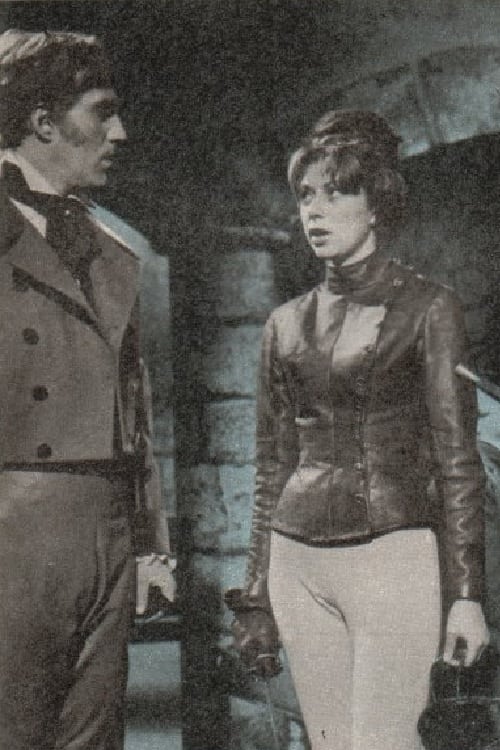
The action takes place under the Restoration, at the Château de Savigny, near Nerville, a devout and prudish little town in the Cotentin region. Doctor Torty is the doctor. He tells a story of which he is the only one to know the secret, that of a criminal couple, without any remorse. The pretty Hauteclaire Stassin, daughter of the master of arms, meets the Count of Savigny, married to the noble and languid Delphine. Madly in love with the count, Hauteclaire joined the castle as a servant. Shortly after, the countess died of poisoning. Will the guilty lovers go unpunished?
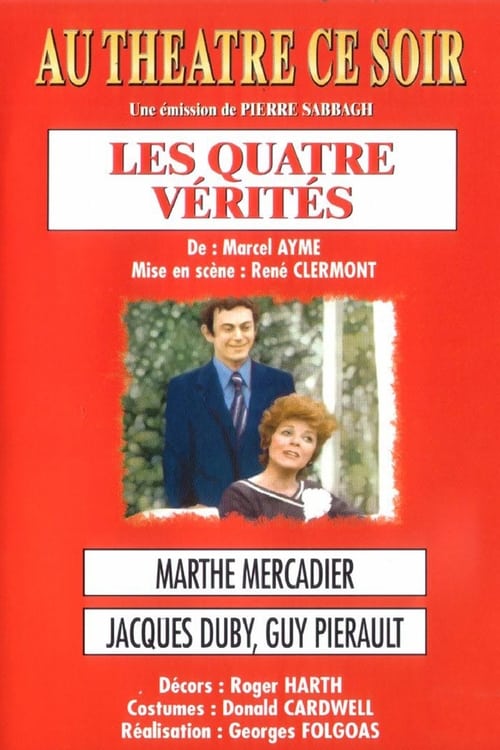
Olivier Andrieu married Nicole, the daughter of Lucie and Alfred Trévière, owners of Trévière Laboratories. Olivier works there as a biochemist. He suspects his wife of infidelity and wants to inject her with a truth serum of his own invention. Nicole agrees, provided the family participates in the experiment. After the injection, (almost) all of them feel an irresistible urge to reveal their true nature in front of as many witnesses as possible.
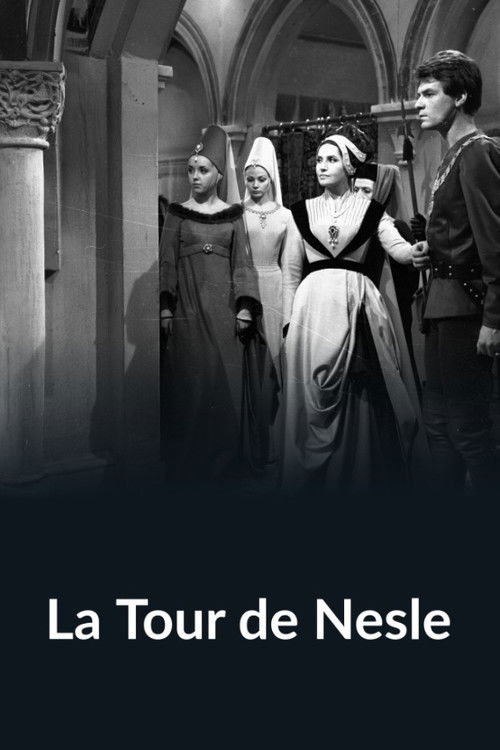
The impetuous Queen Marguerite of Burgundy and her two sisters, Jeanne and Blanche, indulge in sumptuous orgies at night in the chambers of the Tour de Nesle. At dawn, their partners are murdered by men. Blackmail, murder, and intrigue lend a frenetic pace to this adaptation of Alexandre Dumas's eponymous novel.
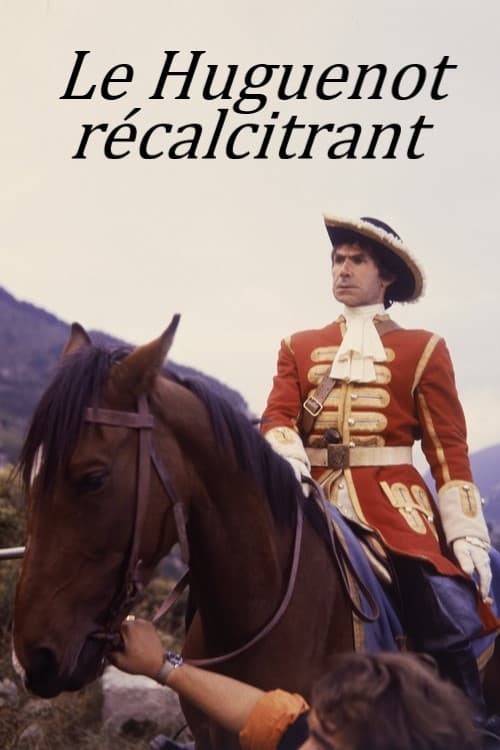
A historical and tragic backdrop: the dragonnades, the persecution of Protestants after the revocation of the Edict of Nantes. And a comic situation: an insubordinate singer who taunts Louis XIV's soldiers from the top of his rock, driving Marshal Boutre half mad.
Delphine Seyrig is Catherine Miller, an internationally renowned pianist. Married and mother of a little boy, she leads a hectic life. Following a recital, she accepts a dinner with the music critic Gilles Bollème. This seemingly innocuous encounter gradually confronts Catherine with her own demons.


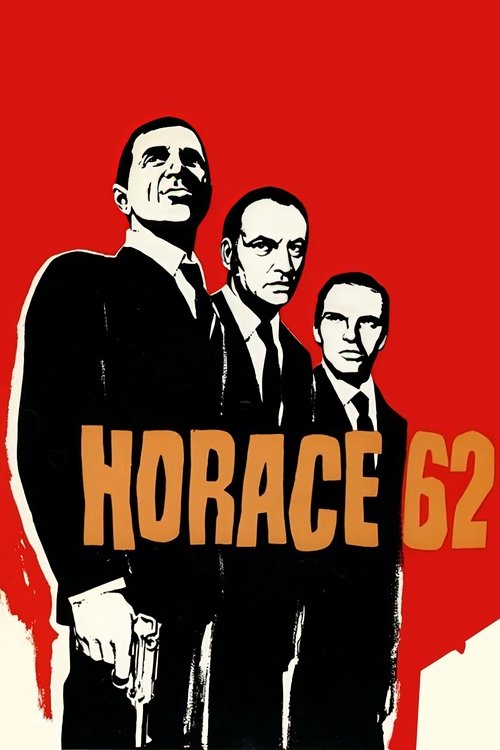
Two families fight to stay in power. On one side, the Horatii, who rule Rome; on the other, the Curiatii, who rule Albe-la-longue. To escape the war, three brothers are chosen from each camp and face off in a fight to the death. A tragic confrontation with unexpected repercussions.
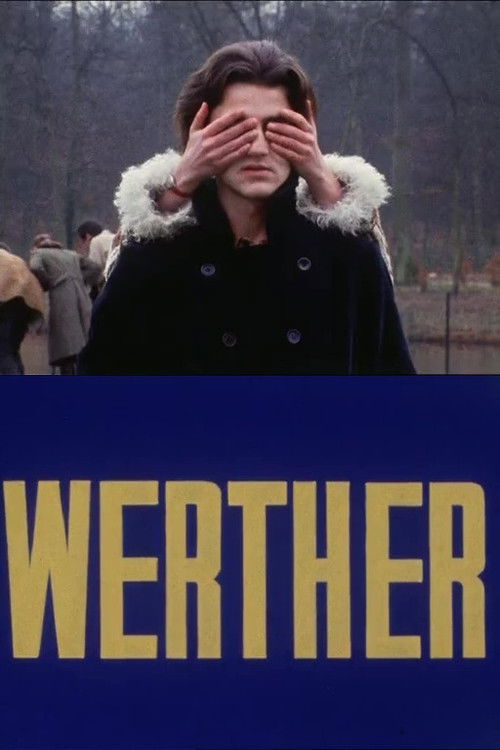
Werther was one of the last feature films that Jean-Pierre Lajournade made for television. The Lajournade's version of Werther makes a critical rereading of Goethe's work through a challenge to bourgeois society.
Friendships, games, boredom, first emotions: the playground.
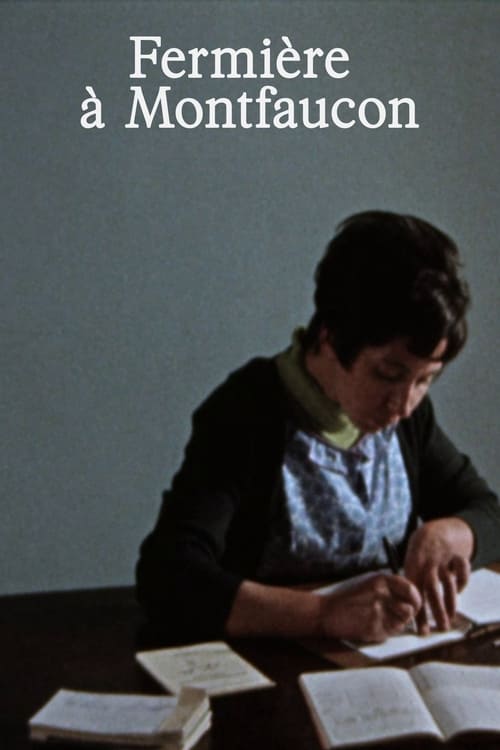
In just a few simple lines, a picture of the French countryside in the 1960s: the last moments of a disappearing, changing world. The simplest documentary images are there to make us aware of the raison d’être of agriculture, harvesting the fruits of a cyclical and repetitive nature.

A French telefilm broadcast on 30th September 1962, this is a detective fiction, set in London, 1927. The plot is set in a single space... a police interrogation room for suspects. It has only three characters; the suspect, who is an architect, and an idealist influenced by radical ideas. The other two characters are policemen, who try to coax from him the motive behind the death (murder?) of his three year old child. Even in a remastered DVD, the beta production values of a television production will be evident. But at barely a few minutes over an hour, it packs a brisk, at times rushed, but an interesting narrative. Makes one wonder, what other gems must the TV vaults in France (and UK, and Germany, and Italy) conceal?
A man approaching his thirties works as a weaver for an old man with whom he has lived since the age of fourteen. His host mistreats him and the young man having complained about this outside, the old man slaps him and overwhelms him with reproaches. Unable to bear it any longer, the weaver thinks of killing him in his sleep.
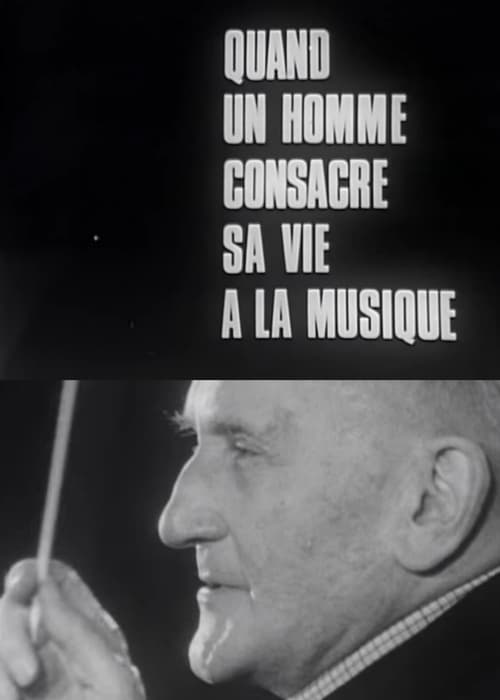
1967 documentary film originally aired on French television about Hermann Scherchen.