60 Matches Found

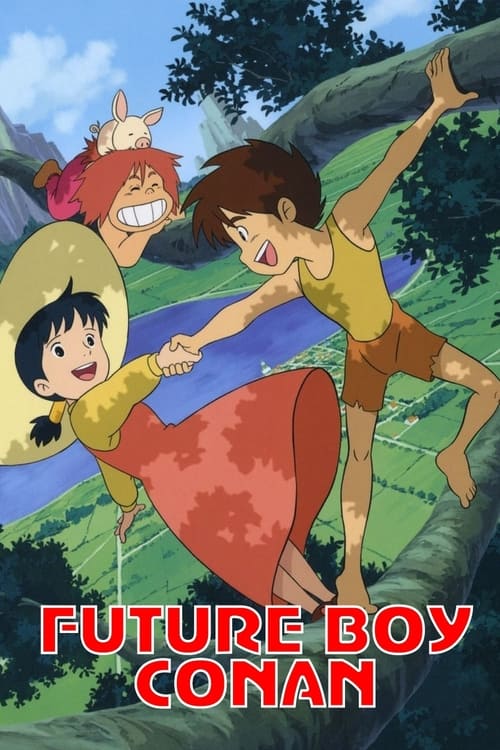
Future Boy Conan

In this 1979 condensed-for-film recut of Hayao Miyazaki's 1978 anime series, a young boy named Conan goes on a grand adventure. Conan lives in a world that is mostly oceans; the major land masses having been destroyed by the weapons of the great disaster of 2008. He meets a young girl named Lana, who is kidnapped by the technological city-state of Industria as they attempt to regain those weapons. Together with his friends, Conan sets out to rescue Lana and stop Industria from threatening the rest of the world.
Future Boy Conan

7.7 1979
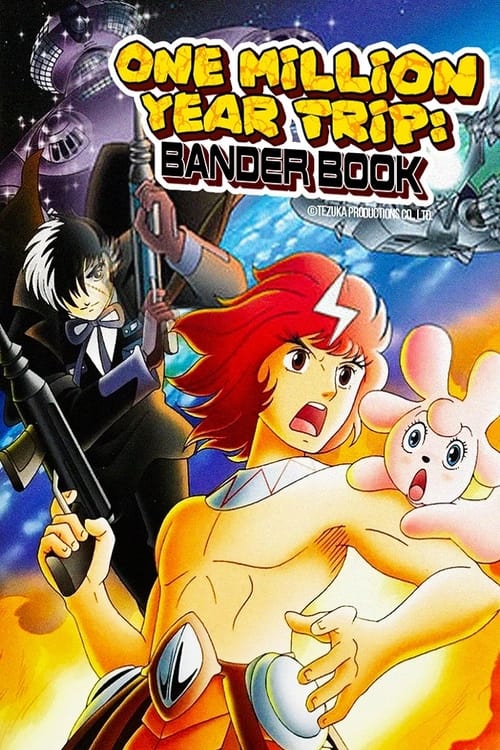
One Million-Year Trip: Bander Book

Bander is a 17-year-old boy from Earth who lives on a distant planet, which is populated by human shape-shifters who feed off of vegetables and animal tails. Violence soon breaks out, as invaders launch an attack on Bander's new planet. This was Japan's first 2-hour animated film for television. The program received high ratings when broadcast as part of a set of 24-hour TV programs called "Ai wa Chikyu wo Sukuu" on Nippon Television. After a long gap since his last animated film for television, this work fully reflects Osamu Tezuka's desire to achieve theatrical quality with this production.

One Million-Year Trip: Bander Book

5.1 1978
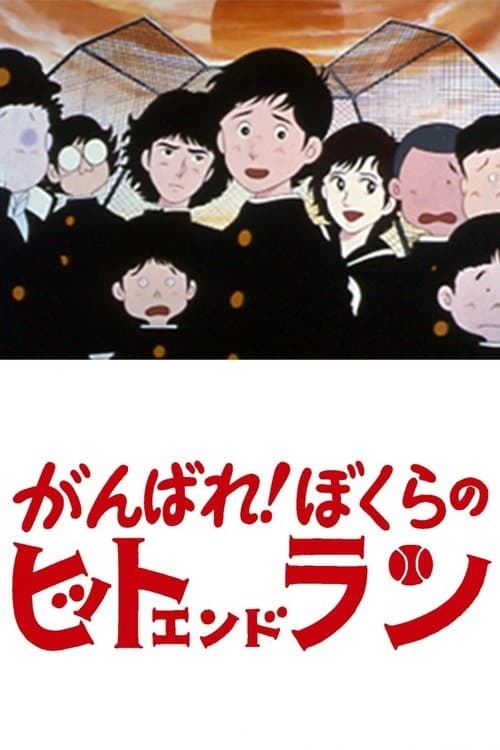
Ganbare! Bokura no Hit and Run

Inaba Junior High School's baseball team has been defeated miserably since the senior members left. Because of their poor results, the players are suspended from games and are almost forced to break up. Ironically, however, this hardship makes them band tighter together and intensifies their desire to play. They practice hard in the hope of regaining the respect of the other students and teachers. Soon, their will-power leads them to unbelievable victories. This story portrays the boys' dreams and friendship through baseball.

Ganbare! Bokura no Hit and Run

0.0 1979
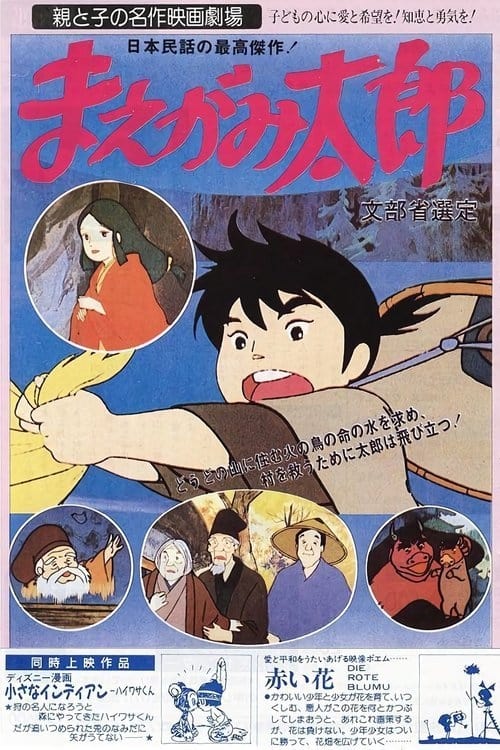
Maegami Tarou

This is a folk-tale-like adventure story of an active boy on a quest for the Water of Life. The boy sets out on this quest after learning that the Water of Life is needed to make his village happy. On the way, he meets gods, demons... Soon, he discovers that the evil snake has stolen the Water, and he heads for the snake's palace. Defeating the snake is not easy since it has the Water of Life to revive itself. This boy - Maegami Tarou - continues his courageous quest in cooperation with various creatures and the gods.

Maegami Tarou

0.0 1979
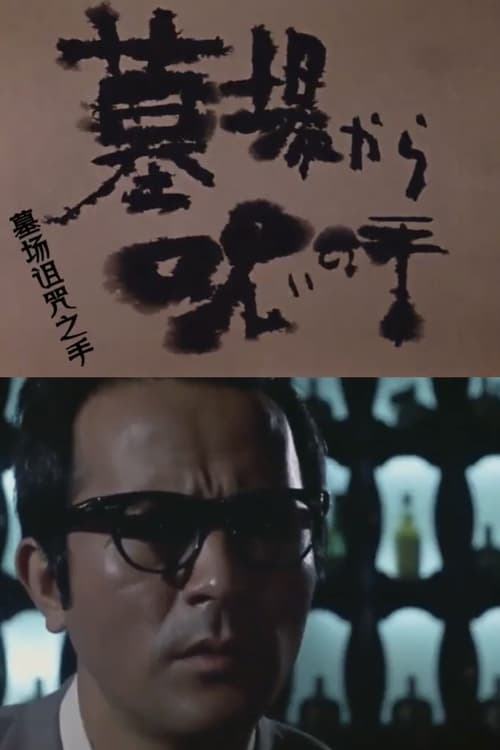
The Killing Game

A middle-aged office worker, Masao Okada (Eiji Okada), discovers that his worsening illness is terminal cancer. Shaken and resigned, he meets a mysterious man, Suzuki (Haruo Tanaka), who knows every detail of his life. Also a dying patient, Suzuki proposes a “game”: two men with little time left will live in suspense, wondering when and how the other might kill, using paranoia as a way to escape the greater fear of death. Directed by Yasuharu Hasebe and based on a story by Kyotaro Nishimura, this short TV film from "Horror Theater Unbalance" blends psychological dread with social reflection. Alongside Okada’s fragile romance with nurse Akiko (Masumi Harukawa), the story introduces a nihilistic subplot where a reckless young couple (Renji Ishibashi among them) engage in a fatal dare that ends in self-destruction — echoing the era’s sense of emptiness and contrasting Okada’s struggle to find meaning in the face of death.

The Killing Game

0.0 1973
All Together! Seven Kamen Riders!!

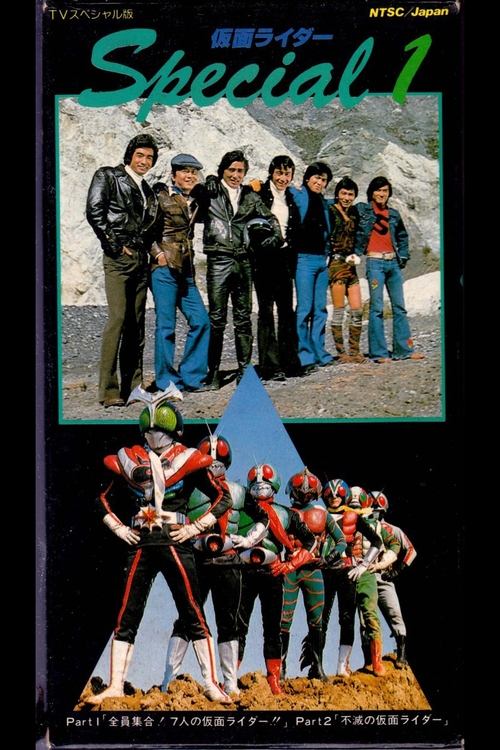
The special opens with Tachibana Tōbei taking some children to a Kamen Rider roadshow. Just as he's reminiscing about all the heroic modified humans he's lived alongside- Ichigō, Nigō, V3, Riderman, X, Amazon, Stronger and Tackle- the first seven Riders gradually show up to greet him in their human guises, unrecognised by the crowds. When it's revealed that the kaijin onstage are 'real', not actors, the Riders transform to save the crowd and Rider actors, uniting their power to defeat the Delzer Army's true leader, Great General Darkness in his hideout beneath the stadium.

All Together! Seven Kamen Riders!!

5.0 1976
When the Night Breaks

In a bustling shopping district, a humble tailor accompanies his daughter for an afternoon out — until a trio of thugs begin harassing her in broad daylight. Unable to stay passive amidst the crowd’s indifference, he intervenes with tragic results. Two years later, having served time for excessive self-defense, he remains haunted by both the violence and the apathy of society. A veteran detective, still unsettled by the case, notices the tailor quietly providing money to the same thugs. What drives him? A modern horror tale with social undertones, adapted from Futaro Yamada’s short story “The Black Curtain,” this episode merges psychological unease, moral ambiguity, and a chilling critique of bystander indifference.

When the Night Breaks

0.0 1973
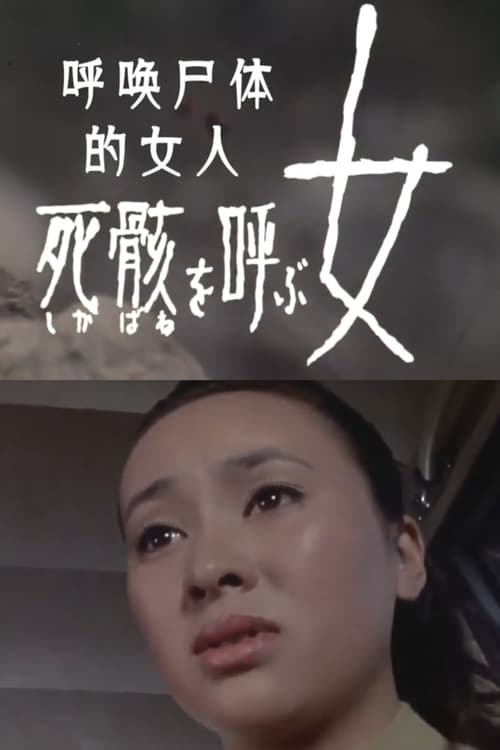
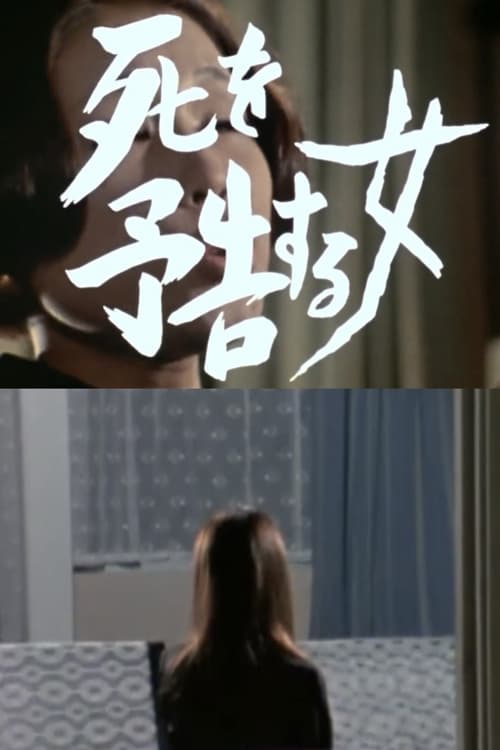
A Woman Who Warns of Death

A successful lyricist, Sakumaki (Yukio Ninagawa), lives with his partner Kazue (Keiko Fujita) and their daughter, though he has always kept an emotional distance from them. One night, he returns home to find a mysterious woman in black (Yuko Kusunoki) waiting in his apartment. She calmly tells him that he will die the next night at precisely 12:13 a.m. Shaken, Sakumaki flees, only to discover the same woman appearing wherever he goes. As her presence grows more menacing and unexplainable, his fear spirals into paranoia. Directed by Toshiya Fujita, the episode blends domestic drama with supernatural dread, blurring the line between hallucination and reality. With Ninagawa in a rare starring role, supported by Ichiro Zaitsu and Akira Nagoya, the story pushes its protagonist into a psychological nightmare where fate, guilt, and obsession collide.

A Woman Who Warns of Death

0.0 1973
Outlaw-Matsu Comes Home

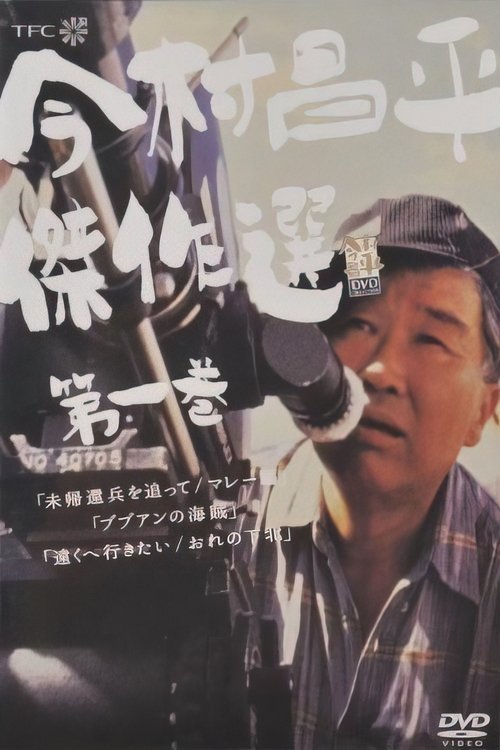
“In Search of Unreturned Soldiers was about former soldiers of the Japanese army who chose not to return to Japan after the war. I found several of them who had remained in Thailand. Two years later, I invited one of them to make his first return visit to Japan and documented it in Outlaw-Matsu Returns Home. During the filming, my subject Fujita asked me to buy him a cleaver so that he could kill his ‘vicious brother.’ I was shocked, and asked him to wait a day so that I could plan how to film the scene. By the next morning, to my relief, Fujita had calmed down and changed his mind about killing his brother. But I couldn’t have had a sharper insight into the ethical questions provoked by this kind of documentary filmmaking.” —Shôhei Imamura

Outlaw-Matsu Comes Home

6.3 1973
Japanese Ghost Story Masterpiece Theater: The Purple Kengyō Vampire

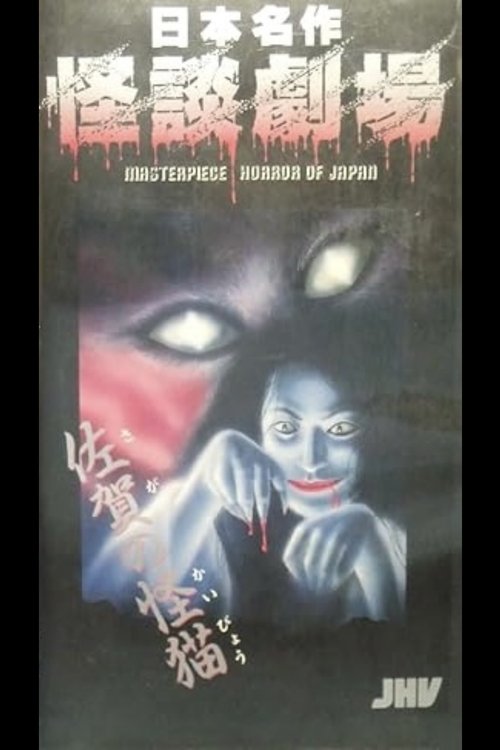
In Settsu Province, young women related to castle steward Tanaka Shūzen are being killed, each with fang-like bite marks on their chests. The priest Chinen suspects a vengeful plot. The next targets could be Shūzen’s daughter Myō or her fiancé Iori’s sister, Matsue. Despite Iori’s vigilance, Matsue is attacked by her koto teacher, Yamamura Kengyō, and his daughter Kaede—who are revealed to be vengeful vampires.

Japanese Ghost Story Masterpiece Theater: The Purple Kengyō Vampire

0.0 1979
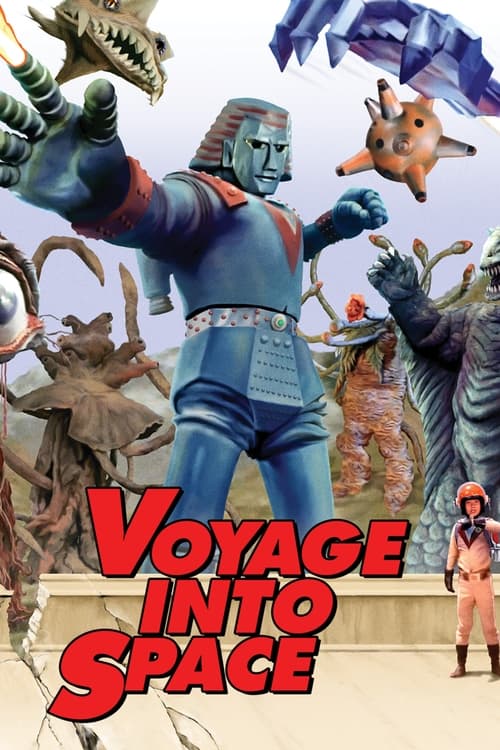
Voyage Into Space

Earth is invaded by an interstellar terrorist group, Big Fire (the Gargoyle Gang in the American version), led by Emperor Guillotine who spends most of his time in a multicolored space ship hidden at the bottom of Earth's ocean, from which he issues his orders. Big Fire is capturing scientists to create an army of monsters to conquer Earth. A boy named Daisaku Kusama (Johnny Sokko in the American version) and a young Unicorn agent named Jūrō Minami (Jerry Mano in the American version) are shipwrecked on an island after being attacked by a sea monster and subsequently captured by Big Fire. They flee to where a Pharaoh-like giant robot is being built by captive scientist Lucius Guardian, who gives Daisaku and Jūrō its control device. Guardian helps them escape before he is shot to death; before he dies, he triggers an atomic bomb which destroys the base. The radiation activates the robot, which now obeys only Daisaku.

Voyage Into Space

5.8 1970