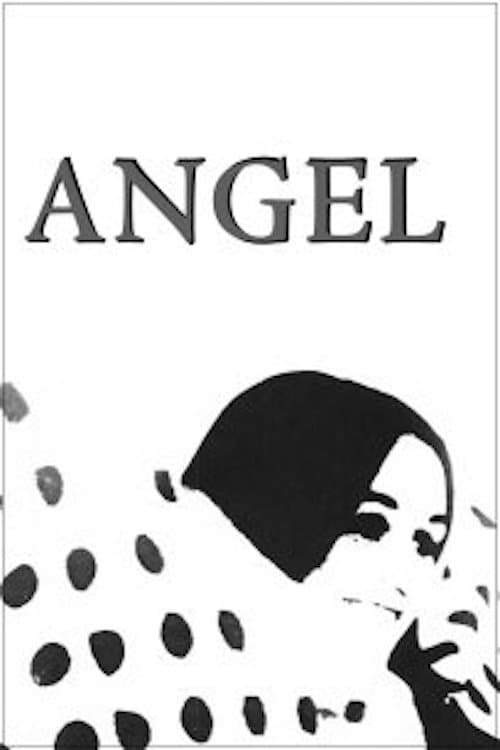
In this short film, a young man, a girl and a dog attempt to fly with wings more symbolic than practical.
Angel
6.5 1966
66 Matches Found
In this short film, a young man, a girl and a dog attempt to fly with wings more symbolic than practical.
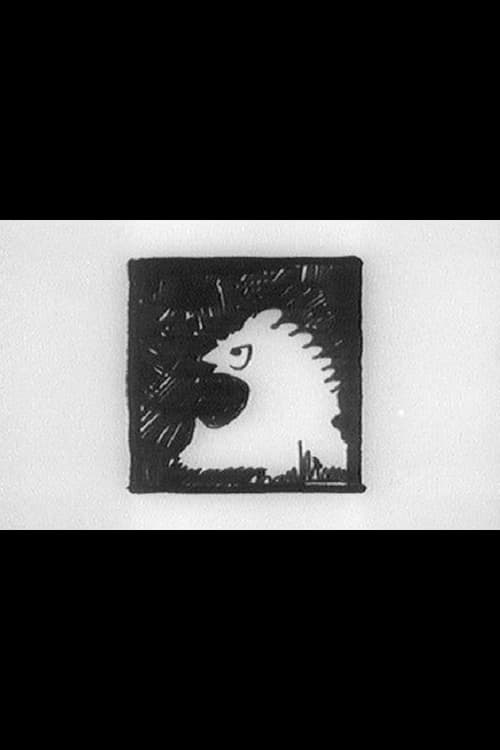
There are three boxes in the same sphere. In one box, a human figure is having trouble fitting in. Sometimes he tries to conform, sometimes he tries to escape, and sometimes he just tries to do what he wants despite the box. In the next box, another figure is always trying to force the person in box one into whatever form that box is taking. And the last box is a television, which is cheering the other two on.
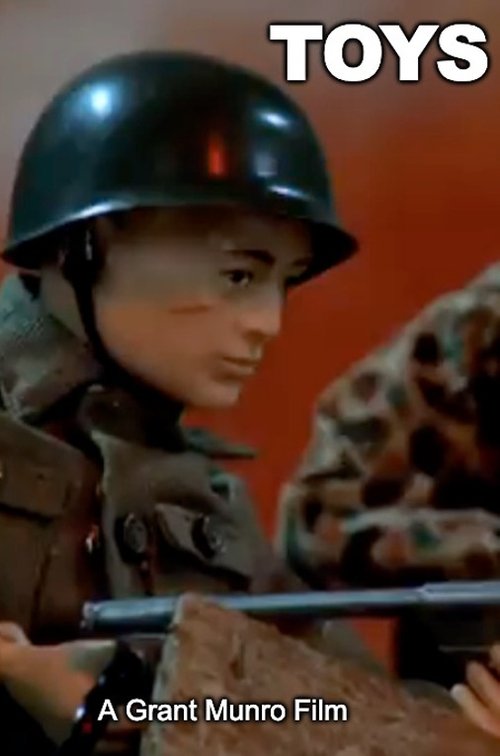
Window shopping children watch as toy soldiers come to life and fight a war with all its unvarnished ferocity and horror.
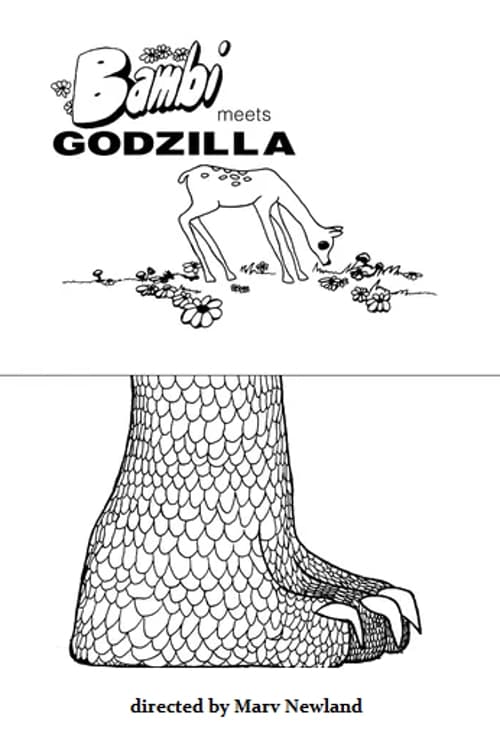
A deer, disillusioned by the consumerism that defines his life. A lizard, ostracized from society, forever wandering. A chance meeting in the middle of a field. Who will survive? And who will transcend existence? Preserved by the Academy Film Archive in 2009.
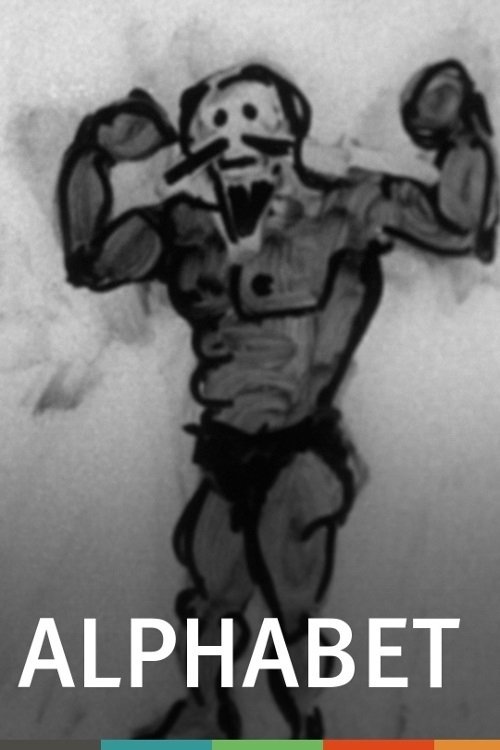
Short animation by Eliot Noyes Jr. exploring the alphabet through transformative animation.
Squares and other geometric shapes appear to "dance" along to music through their ever-changing movements.
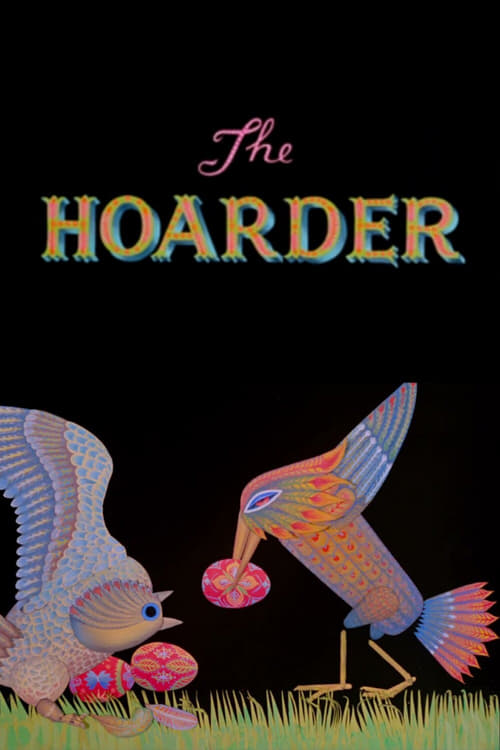
A greedy little blue jay carries away whatever his beak can grasp. Berries, birds' eggs (nests and all), and even the sun in the sky go into his secret cache.
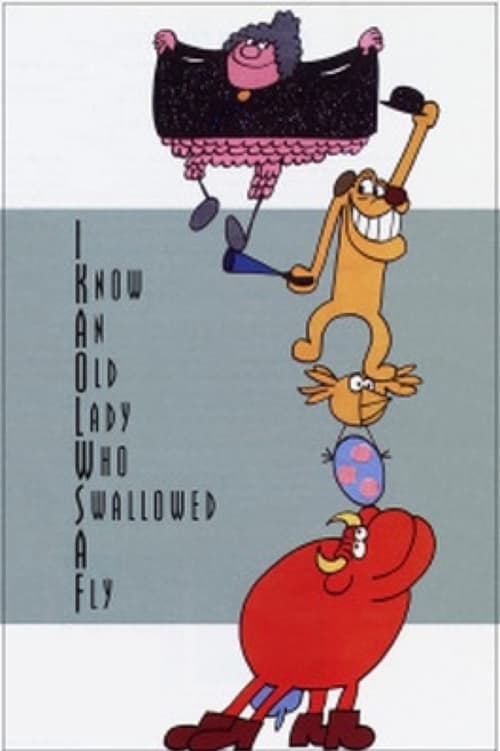
A nonsense song, sung by Burl Ives and given unrestrained interpretation by the cartoonist. Of course, by the time the song ends the old lady has swallowed much more than a fly. Written by Canadian folksinger Alan Mills.
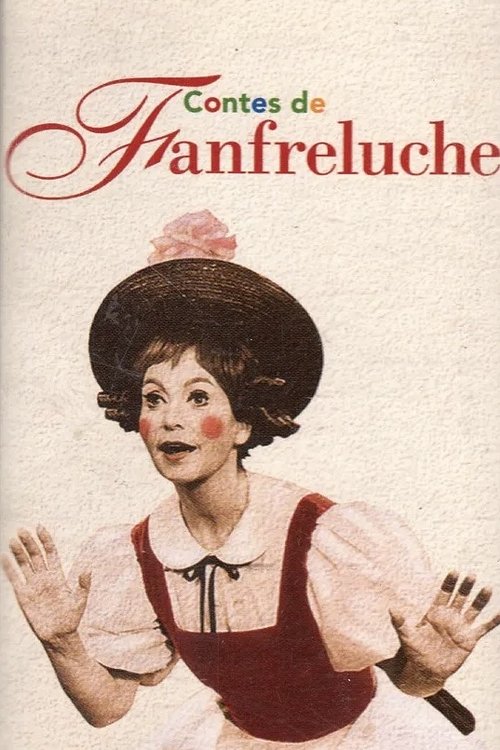
After reading Lewis Carroll's 'Alice's Adventures in Wonderland', living doll Fanfreluche enters the extraordinary realm of Wonderland to embark on her own adventure.
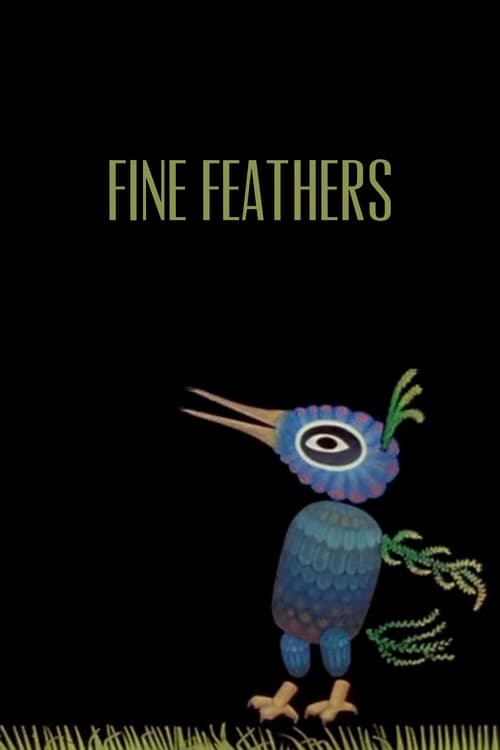
Two duelling birds get the urge to change their plumage. A blue jay wants to be decked out in the green of cedar, and a loon dons the burnished red of oak leaves, but neither bird foresees the consequences of vanity.
"Labyrinth" is a groundbreaking multi-screen 45-minute presentation produced for Chamber III of the Labyrinth at Expo 67 in Montreal, using 35 mm and 70 mm film projected simultaneously on multiple screens. A film without commentary in which multiple images, sometimes complementary, sometimes contrasting, draw the viewer through the different stages of a labyrinth. The tone of the film moves from great joy to wrenching sorrow; from stark simplicity to ceremonial pomp. It is life as it is lived by the people of the world, each one, as the film suggests, in a personal labyrinth. Re-released in 1979 as "In the Labyrinth" by the National Film Board of Canada in a 21-minute single projection format.
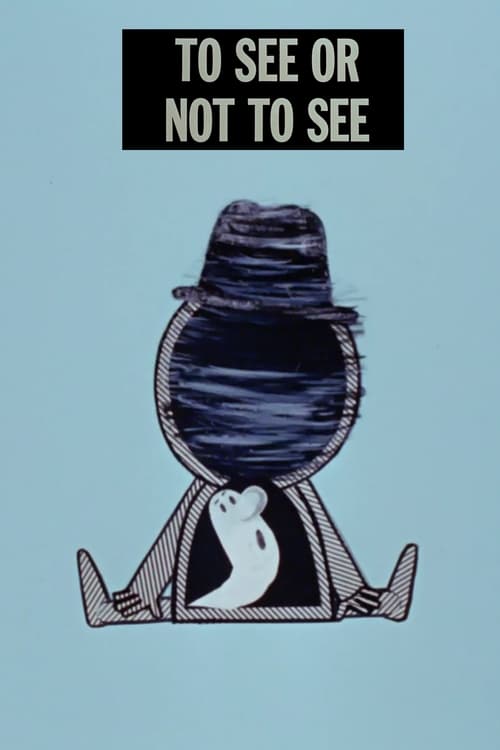
A scientist develops an unusual pair of eyeglasses which allows the wearer's mind to see things objectively rather than the usual subjective manner.
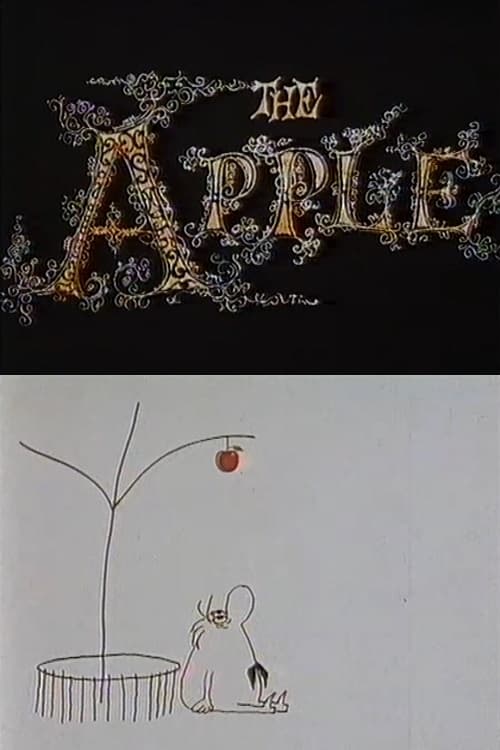
A man's repeated attempts to retrieve an apple off a high tree branch all prove fruitless. What does he want the apple for? That would be telling.
Three separate sequences related to Christmas, animated in different styles: cutout animation of children dancing in the snow to "Jingle Bells," stop-motion animation of toys come to life, and cel animation of a man who seeks the ideal star to top his Christmas tree.

This animated short is a play on motion set against a background of multi-hued sky. Spheres of translucent pearl float weightlessly in the unlimited panorama of the sky, grouping, regrouping or colliding like the stylized burst of some atomic chain reaction. The dance is set to the musical cadences of Bach, played by pianist Glenn Gould.
A collection of one-minute cartoons produced by the National Film Board of Canada animators for government sponsors. Showcasing a playful selection of animation techniques, the clips include reminders about t4levision programs, traffic safety rules, and admonition from the Department of Labour.
This short animation about the perils of tobacco smoking takes us to the kingdom of King Size, a land where "no smoking" is illegal. Here, intoxication dangers and health risks linked to cigarettes are blissfully ignored, and non-smokers are unwelcome. A humorous invitation for young people not to start smoking, or if they have, to relinquish the hazardous habit.
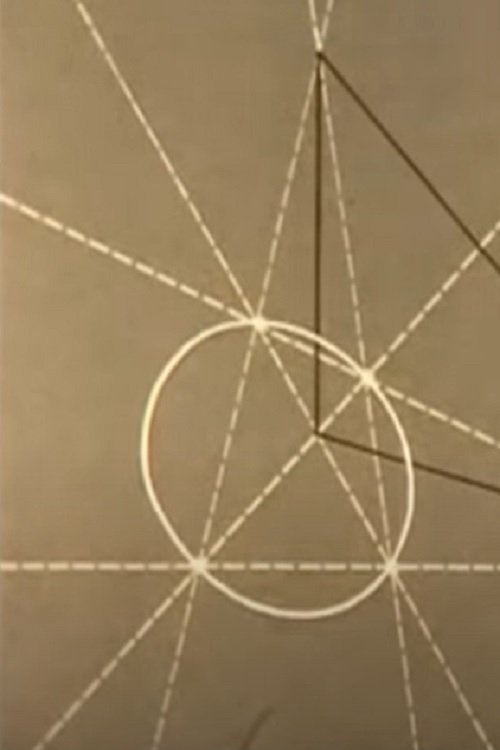
An experimental mathematics film designed to elucidate the study of four-line conics.
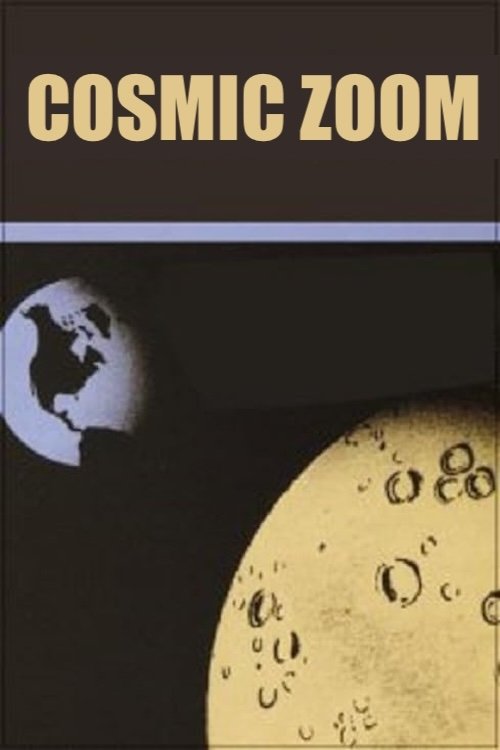
This short animation transports us from the farthest conceivable point of the universe to the tiniest particle of existence, an atom of a living human cell. The art of animation and animation camera achieve this exhilarating journey with a freshness and clarity. Without words.
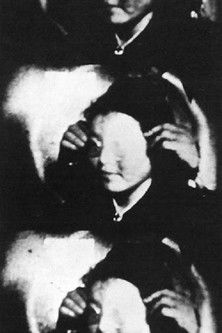
A psychedelic hallmark of early Vancouver experimental cinema. The collage of shapes and textures shot in the back alleys of the downtown east side is set against the found footage of nuclear annihilation.
An early experiment in employing computers to animate film. The result is a dazzling vibration of geometric forms in vivid color, an effect achieved by varying the speed at which alternate colors change, so producing optical illusions. In between these screen pyrotechnics appears a simple line form gyrating in smooth rhythm. Sound effects are created by registering sound shapes directly on the soundtrack of the film.
Mr. Piper short released in 1963 where three sisters venture off in the world but get captured by a giant. Molly has to figure out how to save them.
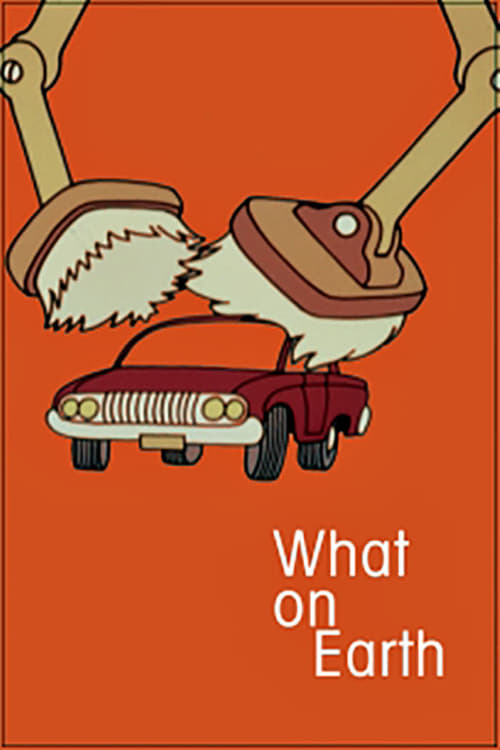
In this Academy Award–nominated animated satire, Martian observers analyze life on Earth and reach a startling conclusion: automobiles appear to be the planet’s dominant species, while humans function merely as their parasites. Directed by Les Drew and Kaj Pindal, the film humorously critiques modern society’s dependence on the car.
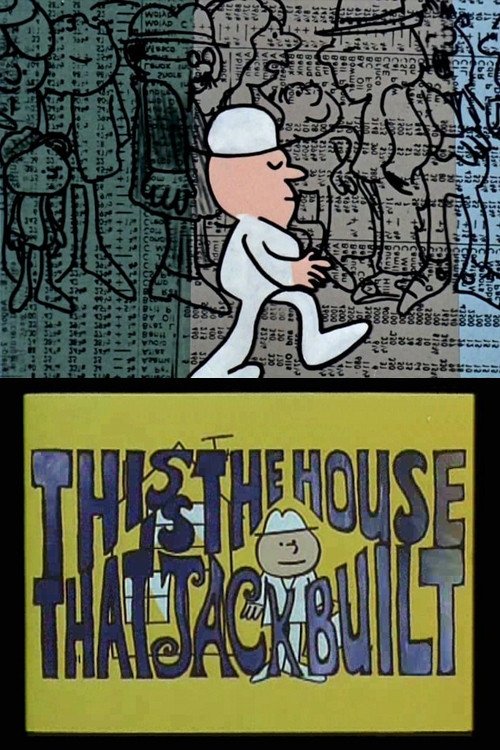
A humorous animation film about a fellow who builds his house in the best suburb he can afford. He has a picture bride, a picture window and a garden as pretty as a picture, but he wanted something special and, like Jack and the Beanstalk, he finally got it! What he got is a moral for all.
Smaragdin was selected at the Annecy Festival in 1960 and constitutes an astonishing contribution to the history of experimental animation cinema in Quebec and Canada. Carried by a text by Lucile Durand (Louky Bersianik), narrated by a young Marcel Sabourin, this totally independent film, based on mixed techniques including salt animation, was forgotten for sixty years.
In this short animation film the triangle achieves the distinction of principal dancer in a geometric ballet. The triangle is shown splitting into some three hundred transformations, dividing and sub-dividing with grace and symmetry to the music of a waltz. The film's artist and animator is René Jodoin, whose credits include Dance Squared and several collaborations with Norman McLaren.
A child founds a strange ball.
An animated cartoon to help children explore why and how animals move as they do. A little boy discovers that he cannot compete with a monkey, a snake or a horse by imitating the way they move. He can only outdistance them when he climbs into a vehicle that can travel in any environment, proving that while other animals are trapped by their environment, humans, the inventors, aren't.
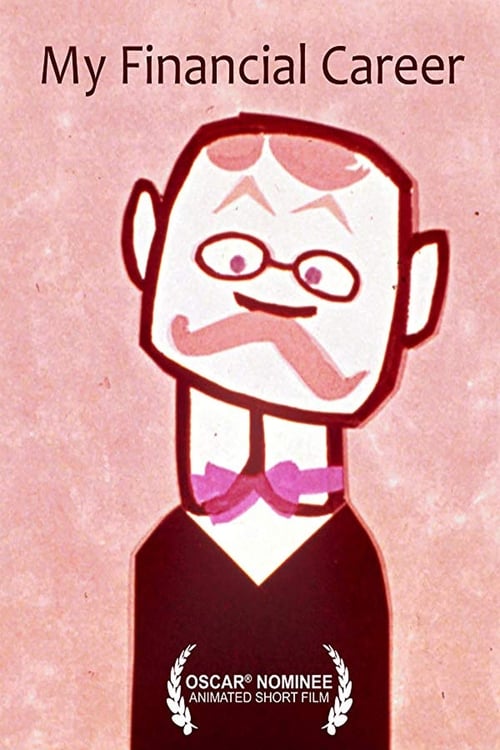
A neurotic man relates his unsuccessful attempt to open a simple savings account at a bank.
This triple screen animated short was one of the films screened at the revolving theatre in the Canadian Pavilion at Expo 67. This was later shown at the Odeon Theatre, Leicester Square in London. The theatre's projectors had to be unbolted from the floor and moved to properly screen the film. The Canadian Pavilion at HemisFair '68, in San Antonio, Texas, also featured this film. It presents Canada’s English, Scottish and French colonial settler heritages, but notably excludes any Indigenous participation in the formation of the nation. Each identity is enacted through an upright piano engaged in a discordant, dueling piano cacophony.
An experiment in pure design by film artists Norman McLaren and Evelyn Lambart. Lines, ruled directly on film, move with precision and grace against a background of changing colors, in response to music specially composed for the films.
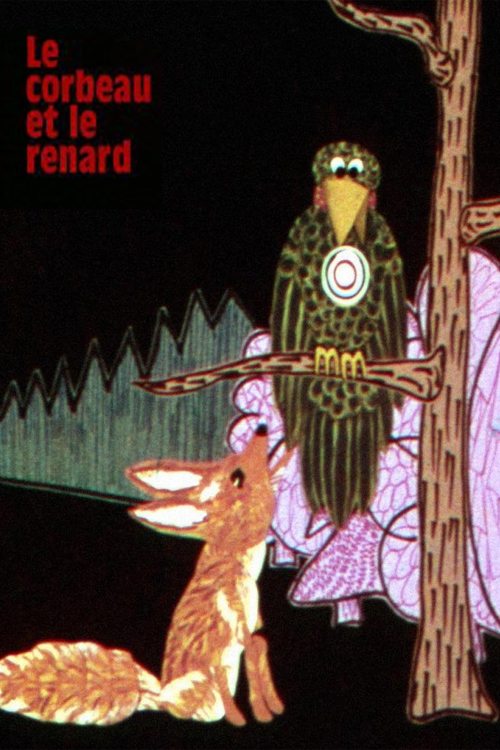
A satirical, updated take on the classic Jean de La Fontaine fable.
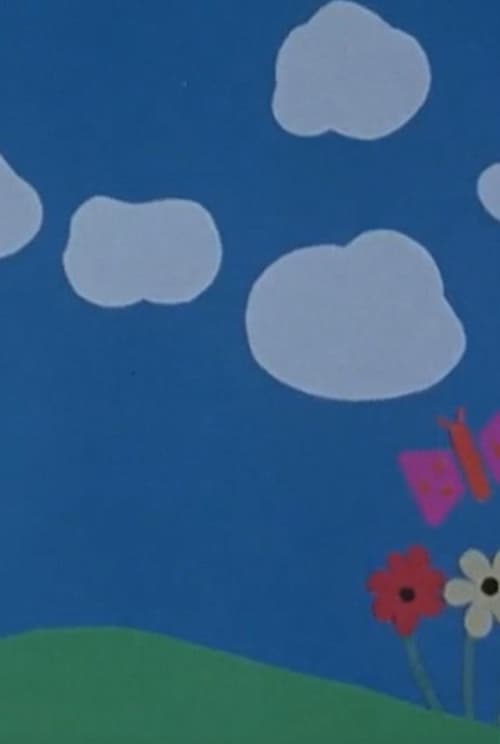
A fanciful story, done in paper cut-outs, of a boy's journey through the skies on the tail of a kite. He soars high above the earth, encountering birds, aeroplanes, the stars, a spaceship and other heavenly bodies before floating back to his starting point. An animated film for children. Film without words.
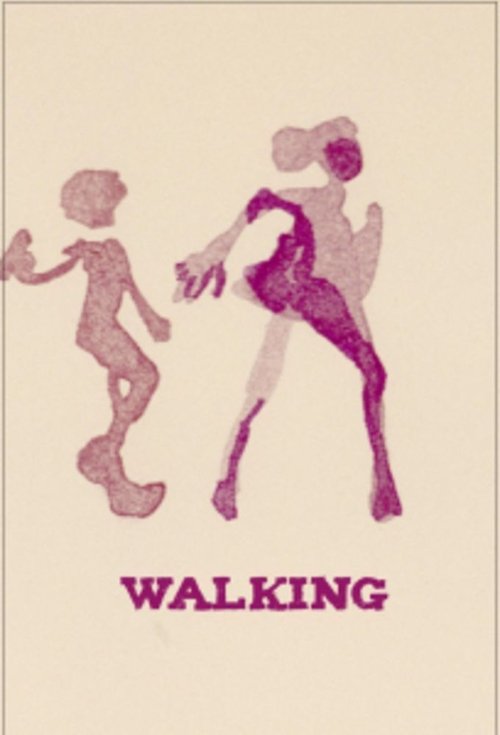
A cinematic portrait of people walking in their individual ways.
The dance floor of a cruise ship. As each passenger is chosen, they choose a song on the jukebox and dance to it. But one passenger, playing a joke on another, selects a different song first. He keeps choosing that song, and eventually fills the jukebox with coins. It plays the same song over and over, and everyone is compelled to dance with the ship itself getting sick, while the man who was the brunt of the joke escapes in a rowboat.
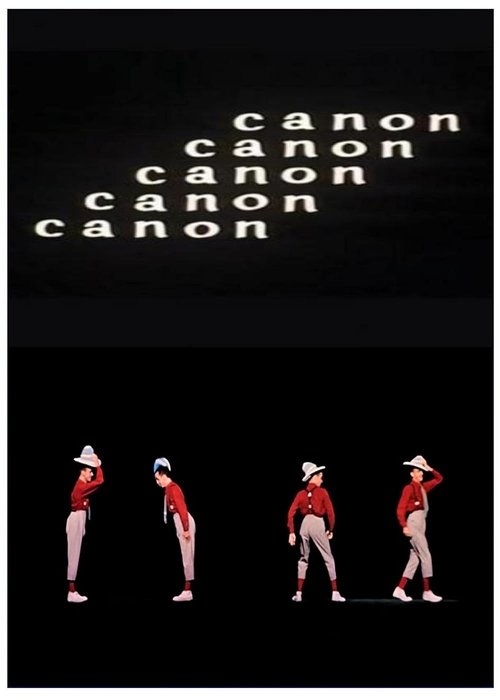
Perhaps the only film whose content is totally based on the musical form known as canon. The first sequence is a simple demonstration of the canon "Frere Jacques" where four cubes dance and combine with one another on a checkerboard. The second sequence show four little human-like figures dancing in space. The third and most elaborate sequence shows a human going through several strange gesticulations. Through multiple printing we realize that the man, as in the previous sequences, is part of a visual canon and is making the gestures to himself. As we hear variations on the canonic theme so too do we witness visual variations: a woman and cat enters the canon. To show the musical technique of inversion, the image of the man is printed upside down.
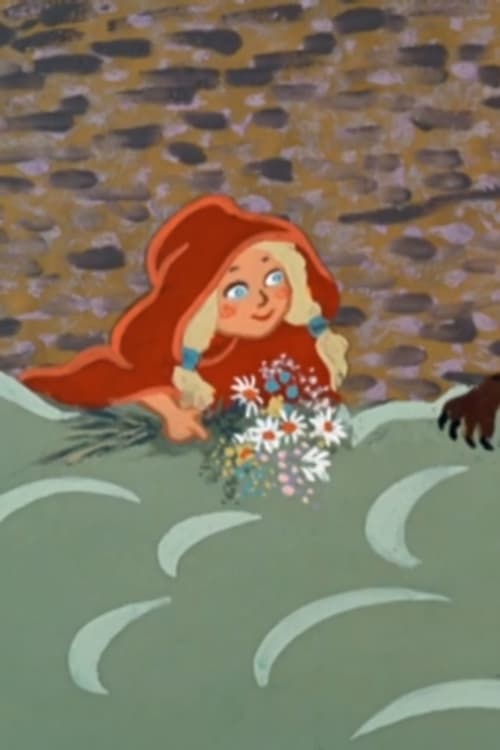
All the old delight, innocence and anticipation are still here in this telling of a children's classic. The pretty little girl, her grandmother and the wicked old wolf have stepped from the storybook onto the screen through the magic of animation. It is a film that all children will enjoy--as will adults who like reassurances that evil gets the chop in the end.
A 20-second animated short film to discourage smoking.
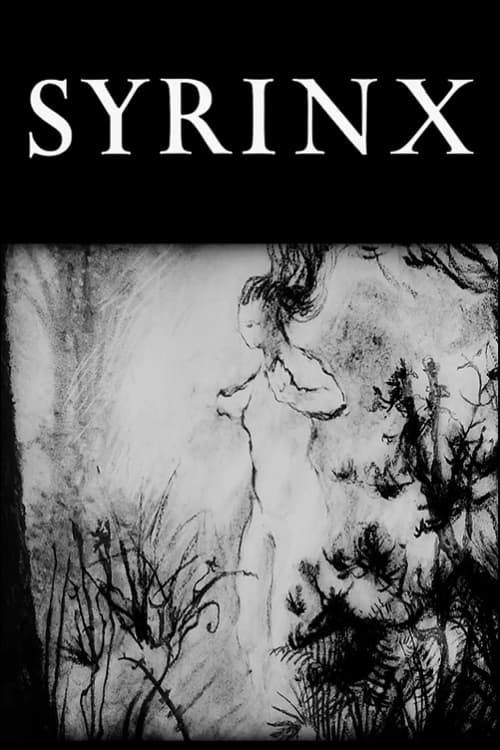
She was the nymph who found refuge in the river reeds when the goat-god Pan pursued her. Syrinx is the first film of Ryan Larkin, a young artist from Norman McLaren’s student group. To illustrate the ancient Greek legend of how Pan made his pipes, he employs various charcoal sketches. Accompanying music is Claude Debussy’s Syrinx for solo flute.

An amusing diagnosis of big-city growing pains, Boomsville is an ironic view of town planning, or rather, the lack of it, and what has happened to our cities as a result. Done in cartoon animation, the film traces the growth of the typical city, from a tiny settlement in the vast North American wilderness to the car-clogged metropolis that so many cities are today. Film without words.
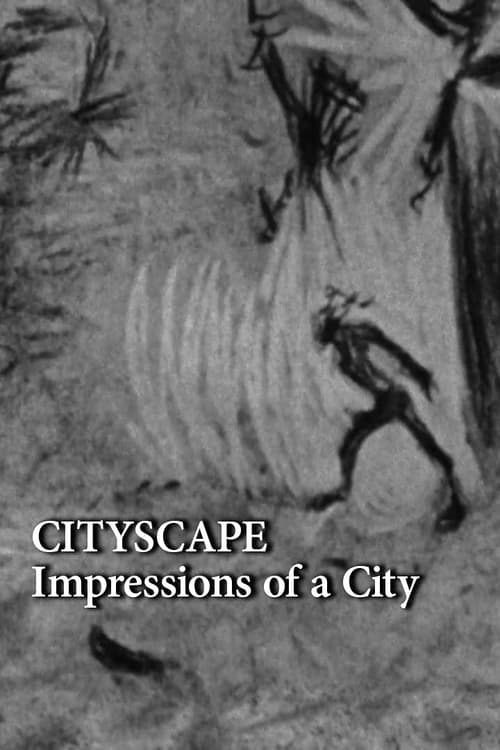
In this experimental animated short, Ryan Larkin (Walking) creates a series of figures who move across the screen and disappear into a hole. Eventually, the hole metamorphoses into a bridge, on top of which stands the young man from whom the others figures originated.
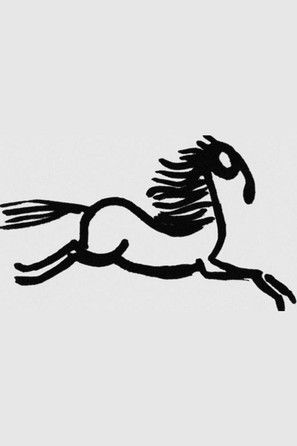
This short animation of linear symbols made from paper cutouts was created as a Canadian tourism publicity clip. Projected in New York's Times Square, the large signboard was made up of thousands of light bulbs activated by the film images. The film promotes the attractions of the country: the Montreal Jazz Festival, the Calgary Stampede, winter sports, the Canadian Rockies and more, all in McLaren's signature irreverent and playful style.
An experiment in pure design by film artists Norman McLaren and Evelyn Lambart. Lines, ruled directly on film, move with precision and grace against a background of changing colors, in response to music specially composed for the films.
A BAFTA award nominated animated documentary postulating that the Earth's land areas might actually be fluid (when it comes to movement).
New Yorkers watch as Norman McLaren's animated promotional film for Canadian tourism plays on the giant pixelboard overlooking Times Square. The caption below the board reads: "Canada... Wonderful World At Your Doorstep". McLaren himself is a member of the crowd.
A man sets a ping-pong ball into motion and it becomes fruitful and multiplies.
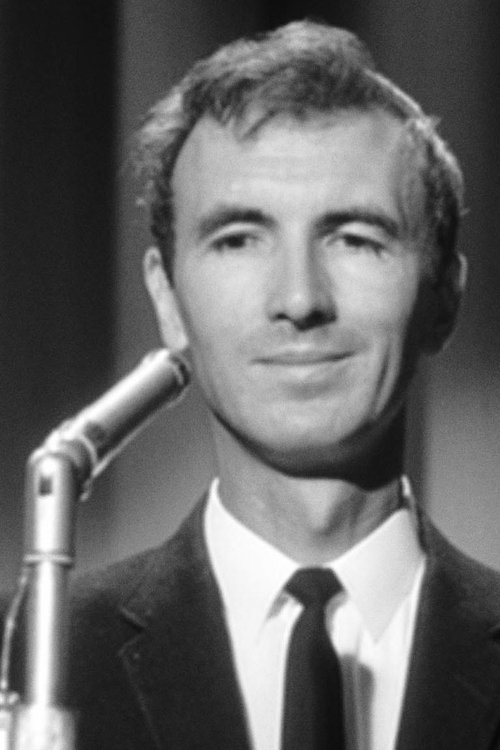
Norman McLaren attempts to give the opening speech for the first Montreal International Film Festival, but his microphone won't cooperate.
A hand-made, scratched-on film experiment in intermittent animation. The images are a group of twenty-four visuals, all non-representational, which arrange and rearrange on the screen in many combinations. The result is a changing pattern of sound and image that has its own rhythm for eye and ear.
This film combines colour, animation and sound to clarify principles of radio wave transmission. It illustrates how antennas propagate radio waves and how they may be adapted to increase the bandwidth of transmissions. (The film was released for general use as a public service by the Royal Canadian Air Force.)
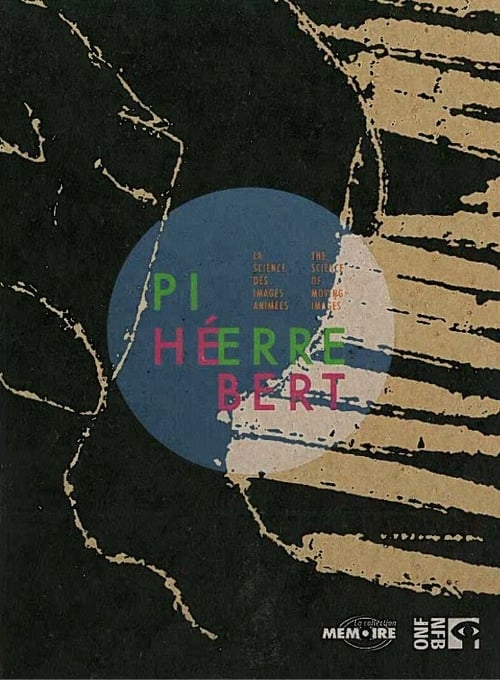
Abstract film by Pierre Hébert, originally made in 1964 and remastered in 2007.
"A film in which both sound and image were created with a minimum of photographic or electronic equipment. The images are a few simple geometric forms – squares, circles, lines, ellipses – arranged and counter-arranged to generate an increasing number of perceived images. Their appearance on the screen is as percussive as the sound that accompanies them." — National Film Board of Canada
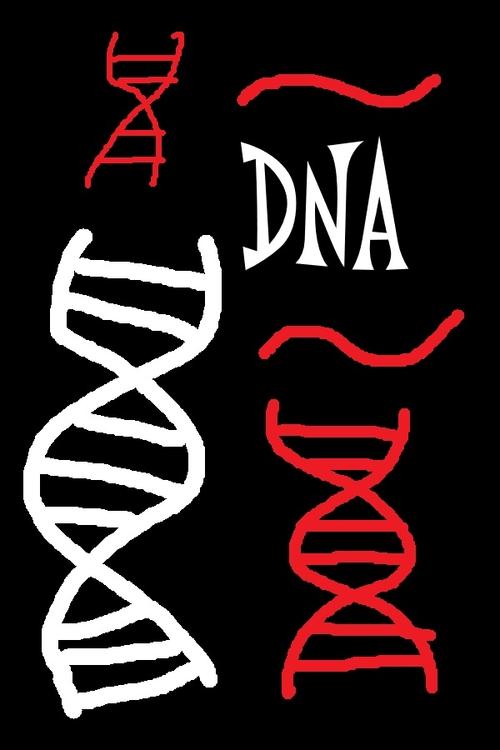
The likeness of an offspring to its parents, whatever the species, has been traced to a unique molecule that controls the production of proteins and transmits characteristics. This genetic material, dioxyribonucleic acid, or DNA--the hereditary material of life--is described and illustrated in this film by colour animation. Mutations are also discussed.
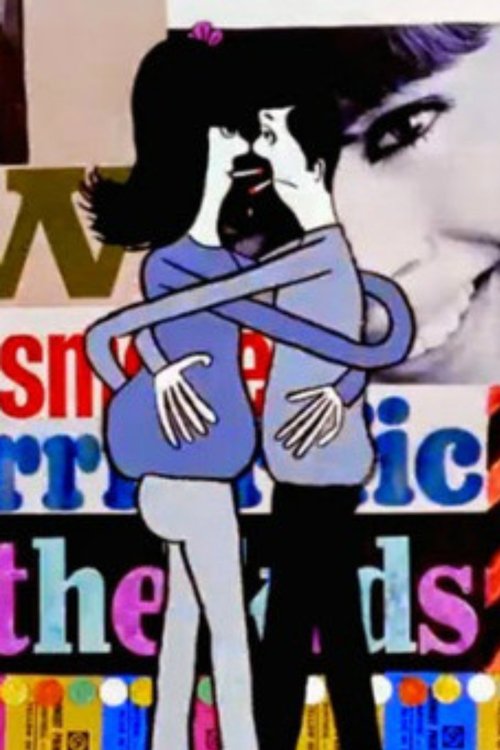
The film offers a comical look at dangers of addiction and the difficulties of quitting through the story of a chain smoker.

Animated short film in which the hero, a mischievous little man born from cut-outs, lends himself to several metamorphoses that reflect the human and humorous side of a child in the face of life.

‘Too esoteric, even for me,’ said McLaren about his The Flicker Film. The famous animator’s most abstract effort is marginalized to the point of being officially labelled as ‘unfinished,’ even though the explosion of high-intensity stroboscopic imagery created by rapidly alternating black and white frames, coupled to infectious syncopation on the soundtrack - looks and sounds to be not only complete enough, but utterly mind-blowing.
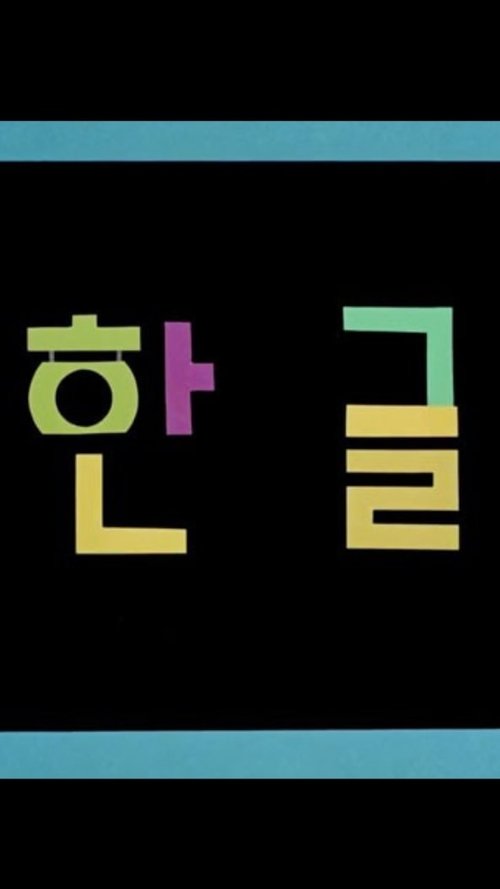
The Korean alphabet, illustrated with animation, spoken, and accompanied by music.
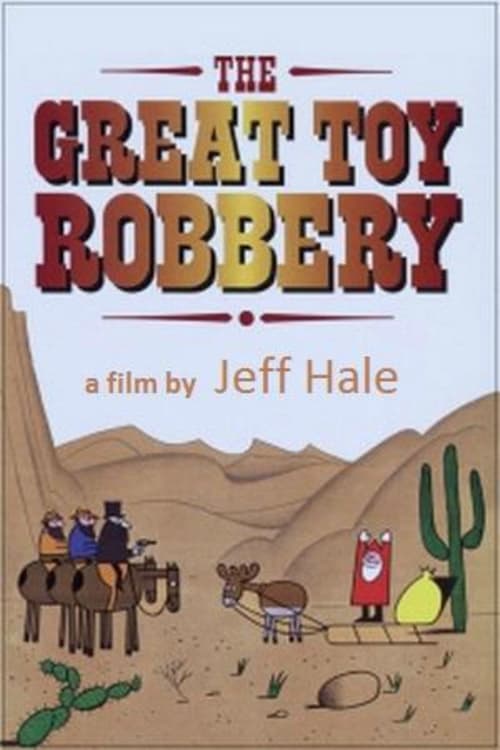
This short animation stars the world's most-wanted good guy: Santa Claus. In this spoof of the Wild West, good triumphs over evil, but not before the evil robbers and their innocent victims have romped through some odd situations.
A 1-Mintue animated short film to discourage smoking.
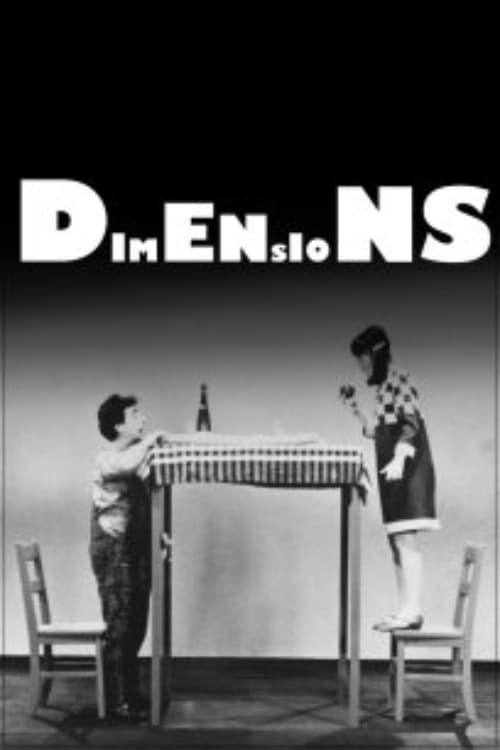
This short film for kids offers a lesson in proportions in which simple actions achieve surprising results. A man wants a door in a wall. He draws a rectangle and, presto! There is an opening. In the same way, he conjures up furniture. If too high or too low, the raising or lowering of a finger puts everything right.
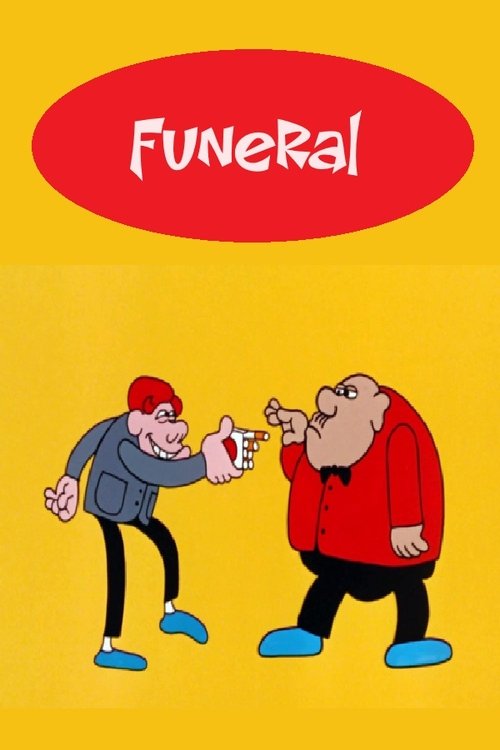
A 20-second animated short film to discourage smoking.