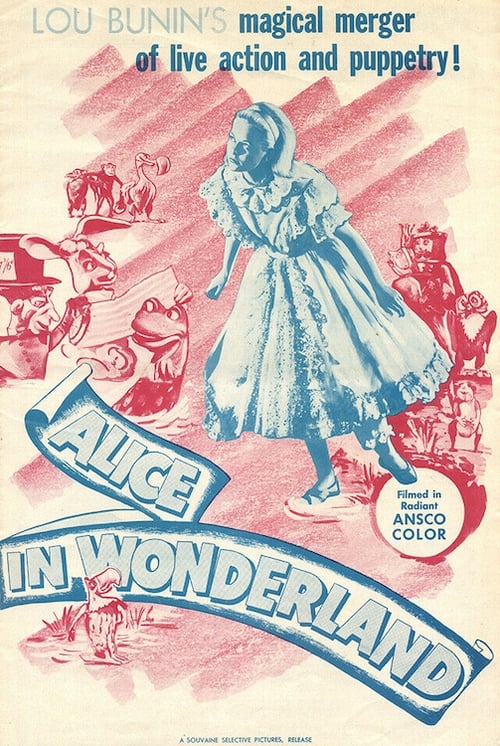
This exceptional theatrical version of Lewis Carroll's 1865 classic features a combination of live characters and puppets.
Alice in Wonderland
5.4 1949
154 Matches Found
This exceptional theatrical version of Lewis Carroll's 1865 classic features a combination of live characters and puppets.
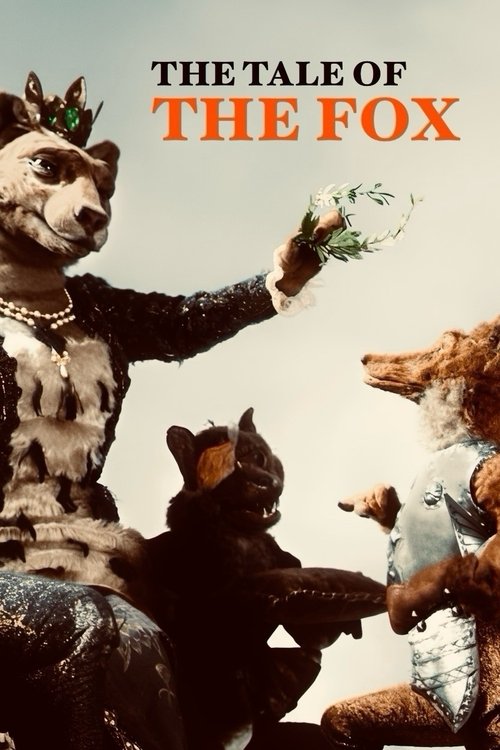
In the kingdom of animals, Master Fox is used to trick and fool everyone. So the King, the Lion, receives more and more complaints about him. He orders that Master Fox is arrested and brought to him.
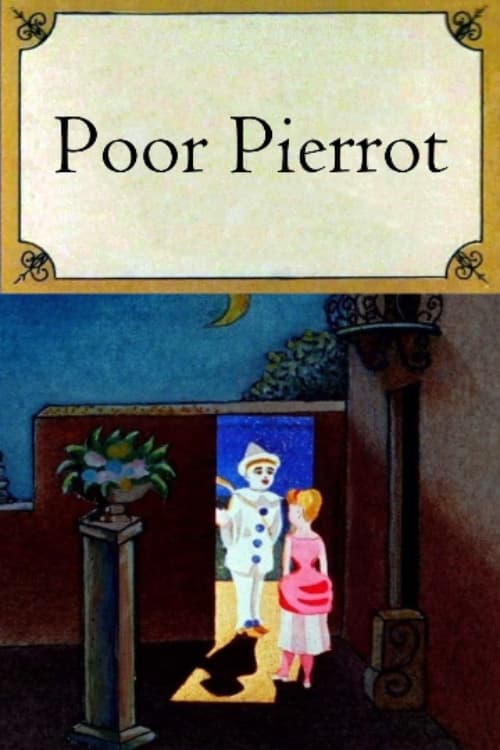
One night, Arlequin comes to see his lover Colombine. But then Pierrot knocks at the door and Colombine and Arlequin hide. Pierrot starts singing but Arlequin scares him and the poor man goes away.
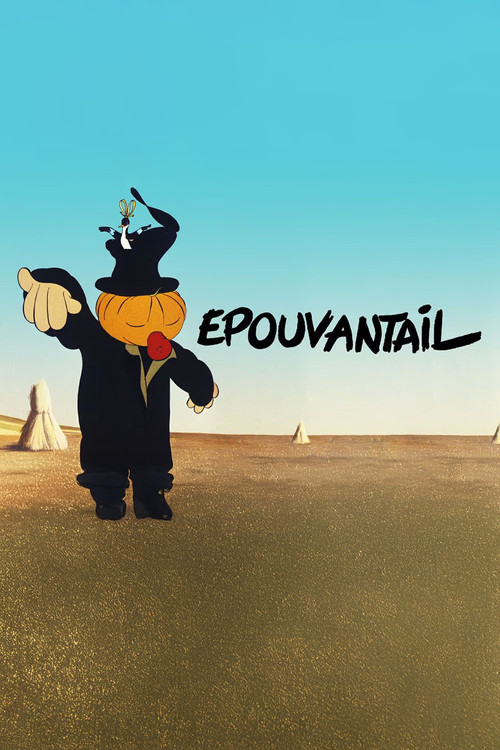
A scarecrow is trying to protect two birds from a cunning cat.
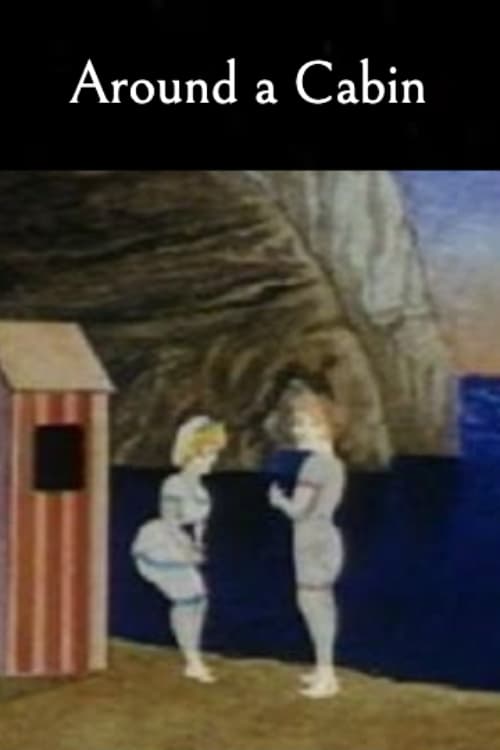
The film consists of a series of animations on a beach containing two beach huts and a diving board. Two characters play at diving into the water from the diving board and then appear on the beach. The woman begins to play with a small dog and is then joined by a gentleman. The two play around on the beach before getting changed into bathing costumes and going into the water. They bob up and down in the water before swimming out of the scene. Once the couple have gone a man sails out in a boat.
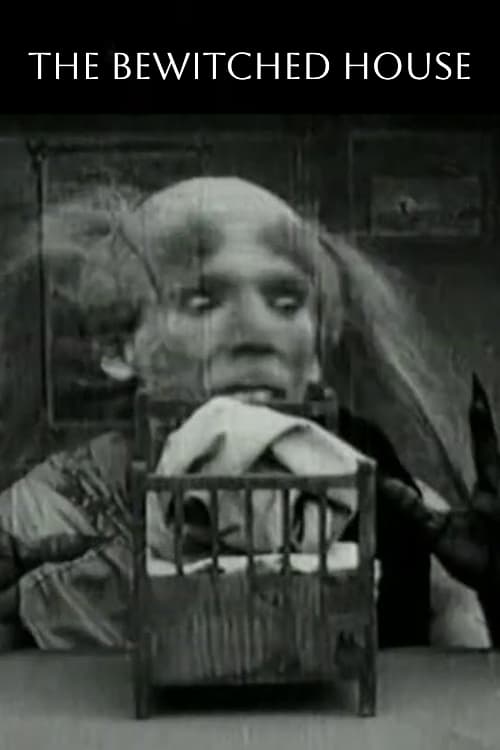
A group of travellers go into a house for protection. Little do they know, it is filled with ghosts who make unusual things happen to them.
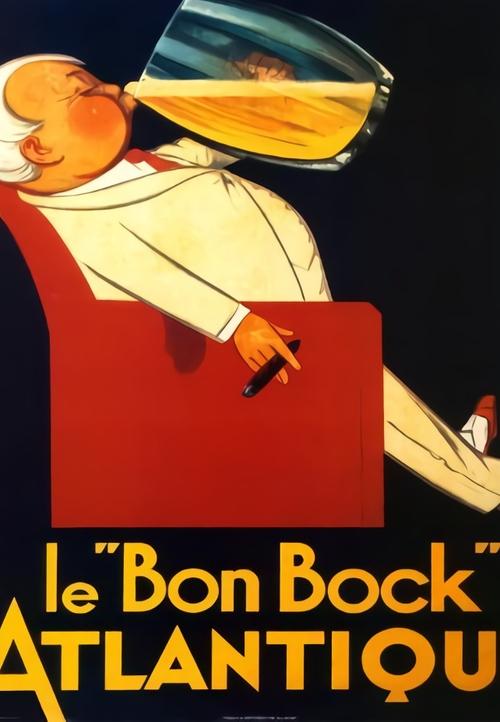
One of the first animated short films. A wanderer enters a cabaret in the countryside and asks a waitress for a beer. She comes back with a pint, as the wanderer begins to court her. However, the kitchen boy comes, drinks the beer and vanishes. The wanderer, misunderstanding, asks for another beer. Then a traveler enters and has an argument with the wandered. During the argument, the kitchen boy appears, sips the second beer and runs away. As the traveler quits, the customer finds his glass empty again. He calls the waitress, expresses his disappointment and leaves. The kitchen boy comes in and explains to the waitress what he did with the two beers. They make fun together of the wanderer and leave. A lost film.
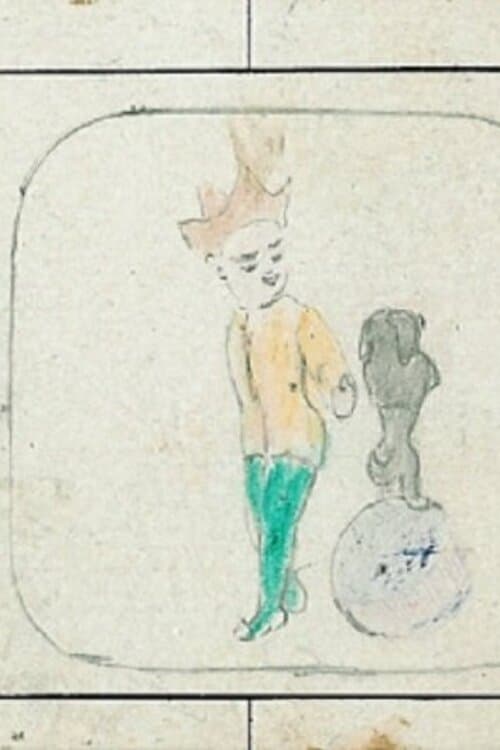
Short film of 300 individually painted images. A lost film.
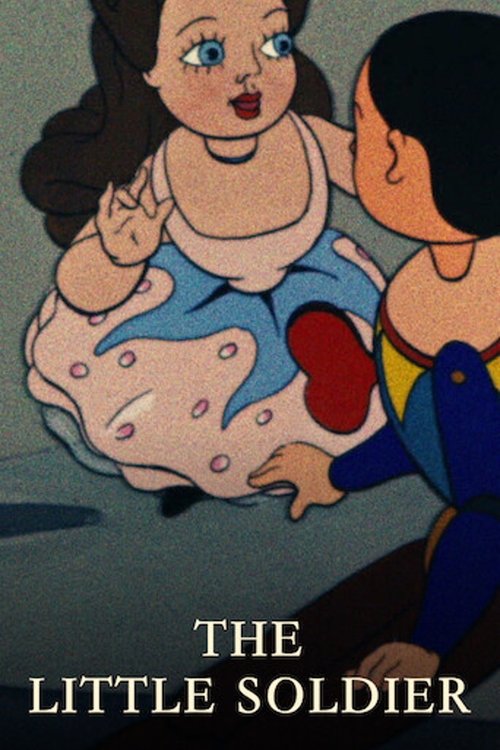
A budding romance between two toy dancers is put into dangers when the boy is conscripted into the toy army.
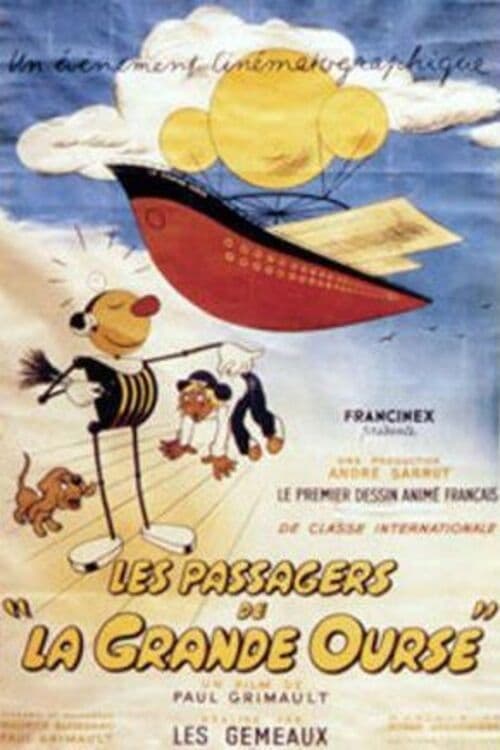
A futuristic cruise ship with a crew of robots is ready to take its first flight. A boy follows his curious dog on board of the ship, but then the ship takes off. The robots sees the boy as a blind passenger and try to get him off the flying ship.
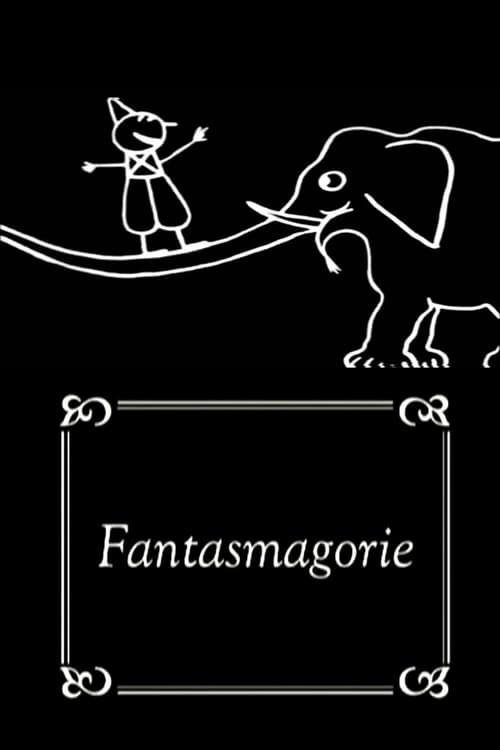
An animated film by French auteur Émile Cohl, one of the earliest examples of hand-drawn film animation. Drawing inspiration from J. Stuart Blackton and the Incoherents of club Hydropathes, the film, with all its wild transformations, sees our protagonist materialize a movie theatre, meet an elephant and escape from jail; A morphing, stream-of-consciousness delight.
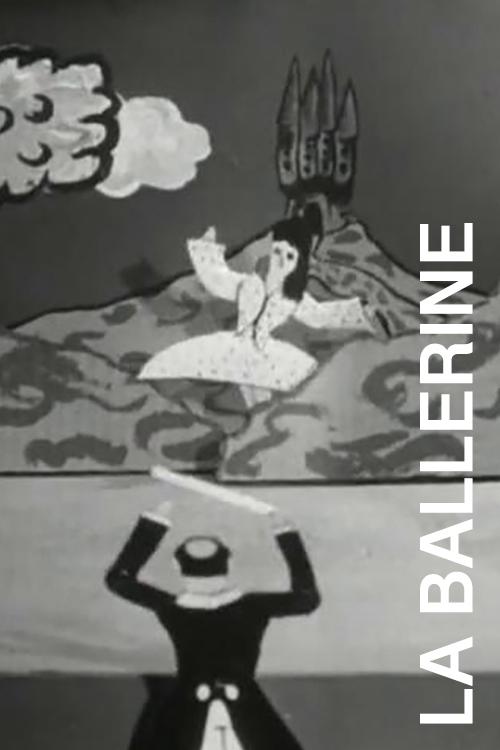
When Agnès Varda was preparing the film Jacquot de Nantes in 1990, she was able to shoot in the small apartment where Jacques was raised. While emptying the attic, Agnès found pieces of 9.5 mm film, dry and folded, almost broken and two small cardboard figures. The film was impossible to project and the film had to be remade. Showing the pieces of film to Jacques he immediately identified La Ballerine. A student from the Fine Arts School of Nantes therefore redrew each shot, frame by frame, on blank 16 mm film.

A young girl who has caught a nightingale dreams about the songbird and its mate, and comes to realize that birds are not meant to be captive.
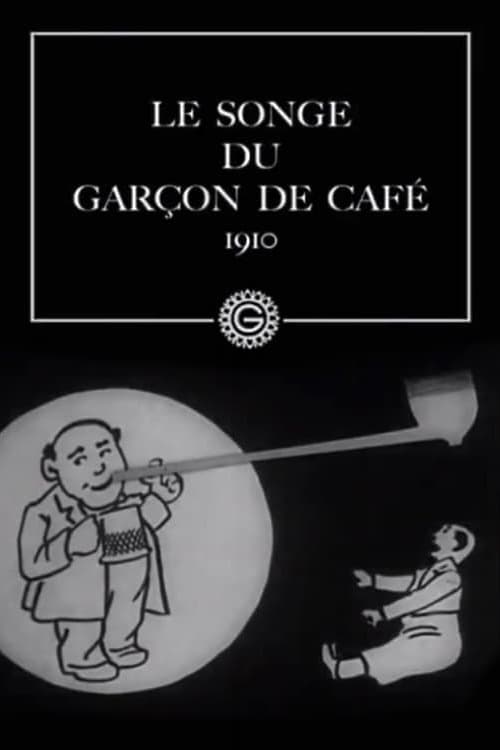
Four customers are having a peaceful game of cards in a quiet café. The atmosphere being heavy, the waiter falls asleep and has an unsettling dream about the ills of alcohol, among other things.
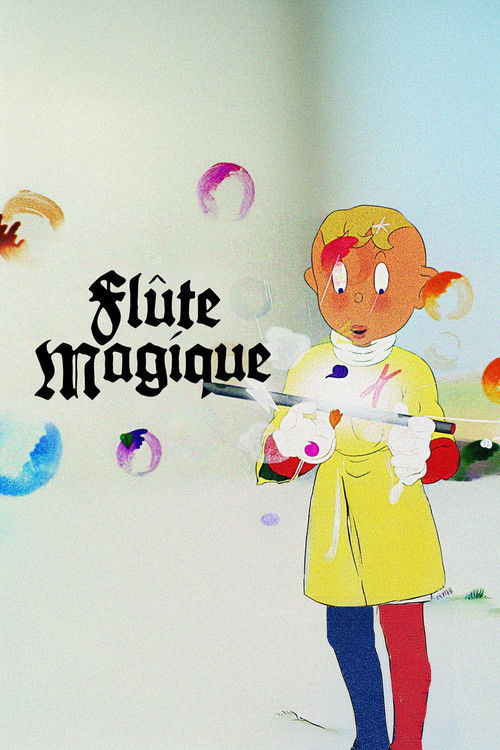
A minstrel, barred from entering a castle, is given a magic flute that can manipulate movement.

A toy stuffed dog has just been sewn together when it hears a young child ask for an orange. The child's mother explains that they have no money, and so she cannot buy any oranges. The dog is then packed up along with a box full of other toys to be sold, but it soon winds up in the street. The dog picks up an orange from a curb side stand, and hopes to take it home to the child. But that night, before the dog can get back to the child's home, it must face a series of strange and frightening adventures.
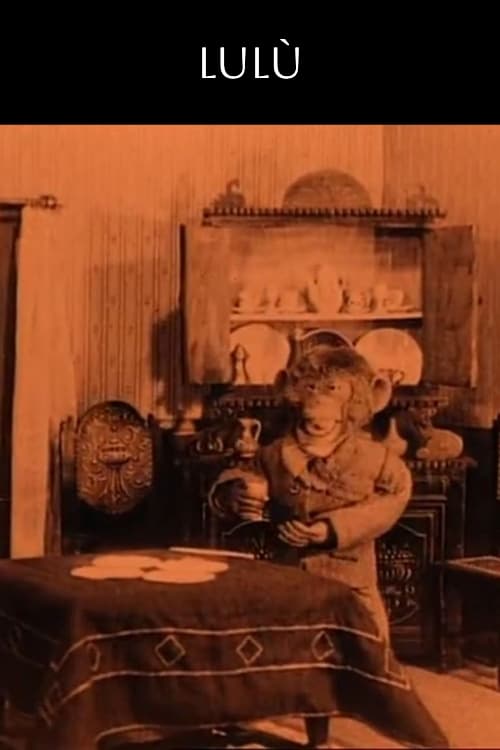
A monkey comes home and uses a magic wand to make himself dinner. No sooner as he falls asleep, a hungry burglar enters his house. This short film was made by Segundo de Chomón in 1923 in his private studio with the help of his wife and son, outside of any studio structure, and has never had a regular distribution.
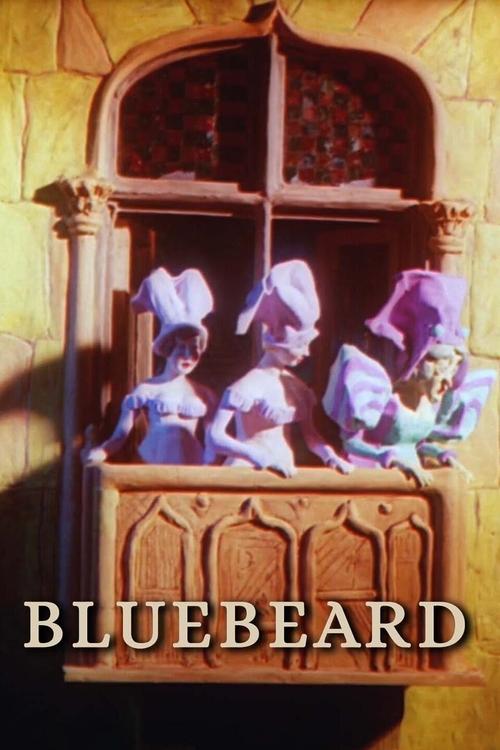
Perrault's fairy tale presented in claymation with choral voices. Bluebeard goes courting, all six of his wives having died. He arrives at the house of a widow with two daughters. He's greatly feared, but he overcomes objections with a generous dowry. One sister (Anne) refuses him; the other accepts. At his castle, the damsel delights in precious minutes away from Bluebeard in the rose garden. The Saracens declare war; Bluebeard goes off to fight them, leaving the keys to the castle in the damsel's hands. He warns her not to enter the forbidden room. As war rages, she discovers riches in the castle and then enters the forbidden room. Will Bluebeard discover her act? Can she escape death?
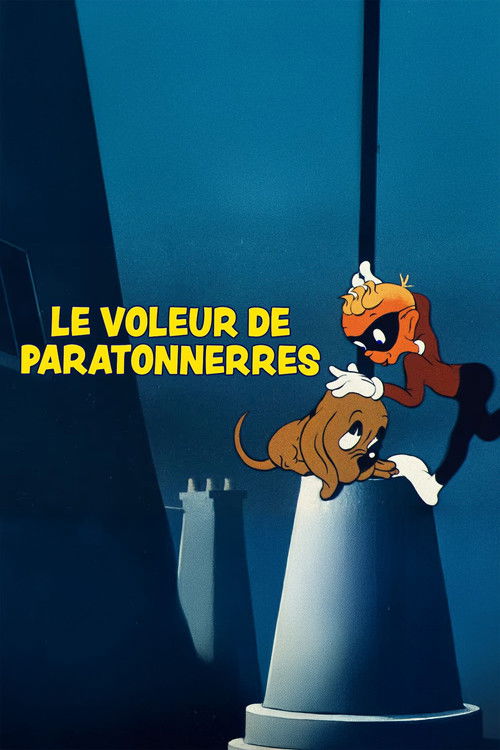
An encounter on a rooftop between two policemen and a thief who specializes in lightning conductors.

A short film made by Emile Reynaud

Early slapstick short from Louis Feuillade involving runaways, except that, instead of it being a runaway horse (see Griffith's THE CURTAIN POLE for an example), it is a cartful of what appear to be hundred-pound pumpkins that get away, rushing hither and yon, down sewers, up chimneys, pursued by the drayer, a couple of other people and a very unwilling donkey.
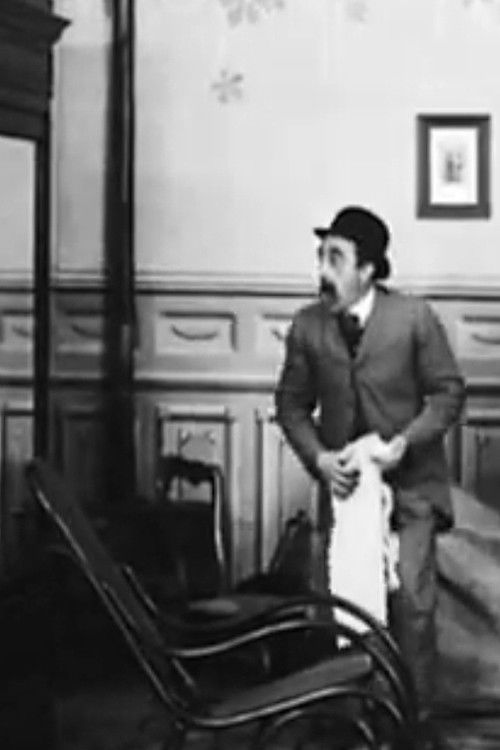
A man who no longer can afford his rent is forced to sell his beloved furniture. The furniture can not bear to be parted from their owner and decides to return home. Often confused with Bosetti's film Le Garde meuble automatique (1912).
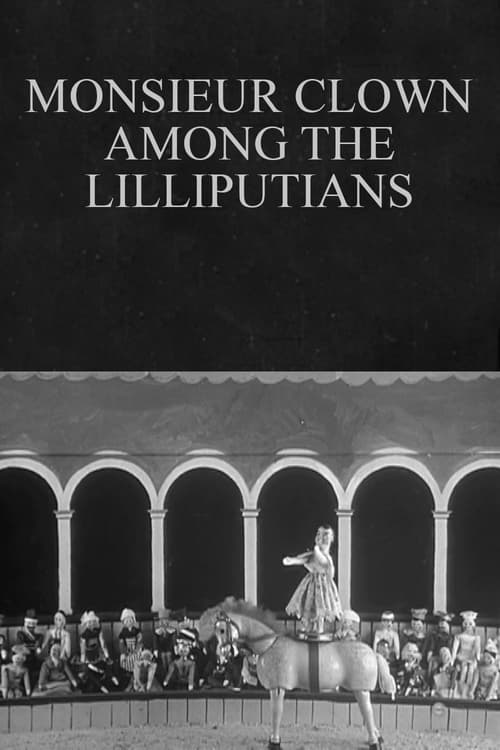
Stop-motion film from Émile Cohl has a clown walk out in front of a group of people and do various tricks including standing on his head, riding a horse and falling face first off the horse.

A grandfather tells his granddaughter about the origin of the name Hemelbloemetje: Peter once dropped the key of the gate of heaven in his sleep. At the place where he fell to the earth, Celestial flowers grew.
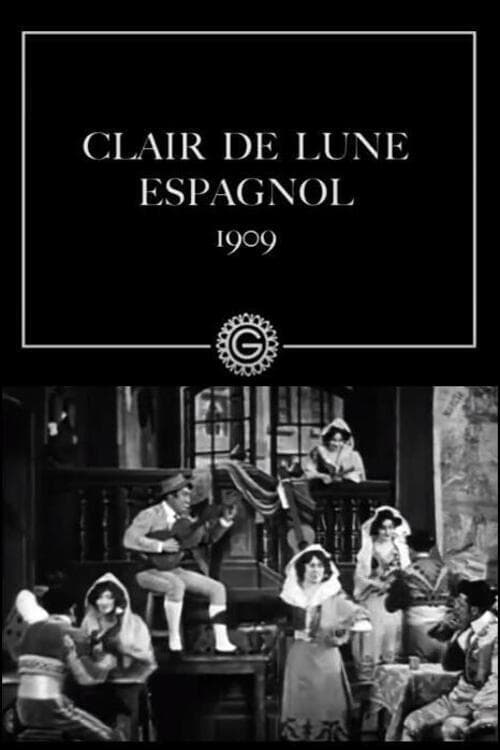
Two lovers perform a fandango dance. A jealous quarrel follows and the heart-broken swain decides to end it all. He throws himself from the window of his room, but instead of falling to his death, the anchor of a passing balloon intercepts his flight and he is taken high into the clouds. Laughing at his plight, the moon arouses the anger of the desperate lover and a battle between the two ensues.
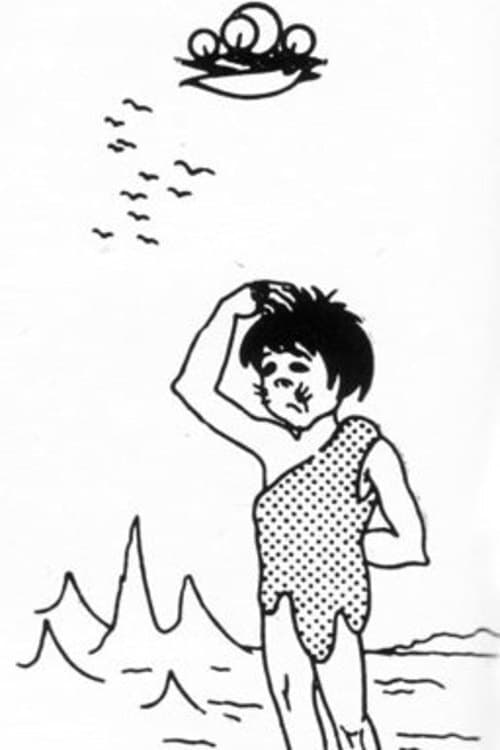
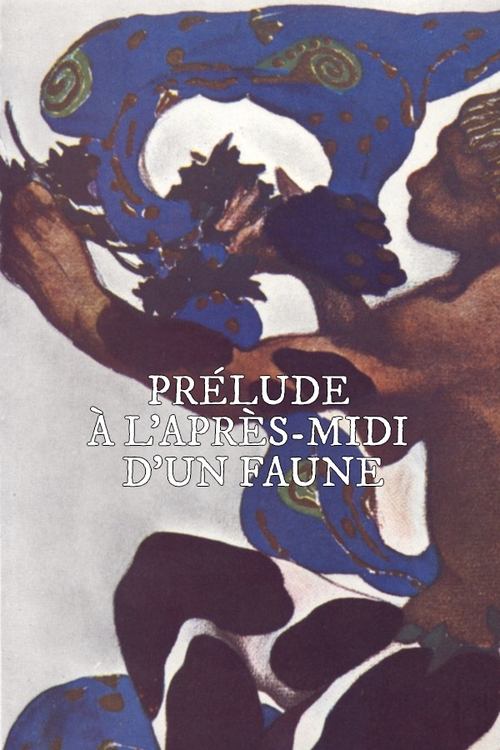
A mermaid emerges from the sea, dances with a faun, and leaves behind a veil for the faun's masturbatory fantasies. Possibly unfinished.
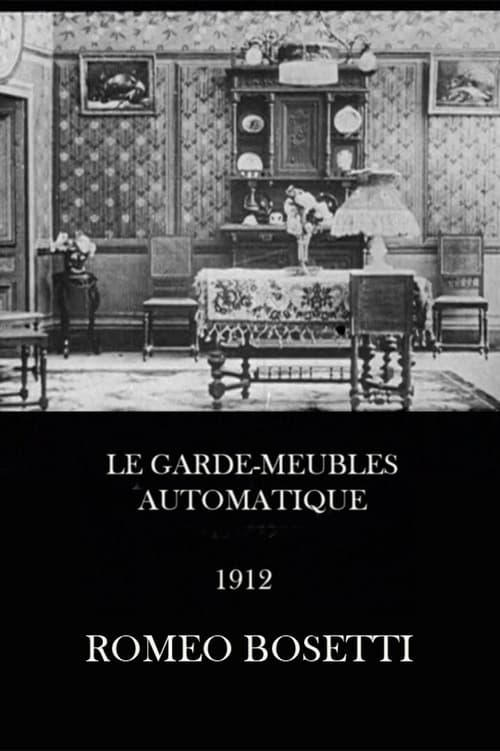
Hired to move house for a patron, furniture, appliances and cutlery pack up and move on their own, headed up by a team of baskets. Often confused with Cohl's film Le Mobilier fidèle (1910).
The note seller Bicornu is annoyed by a troubadour named Niglo.

Female magicians turn people into origami roosters and vice versa.
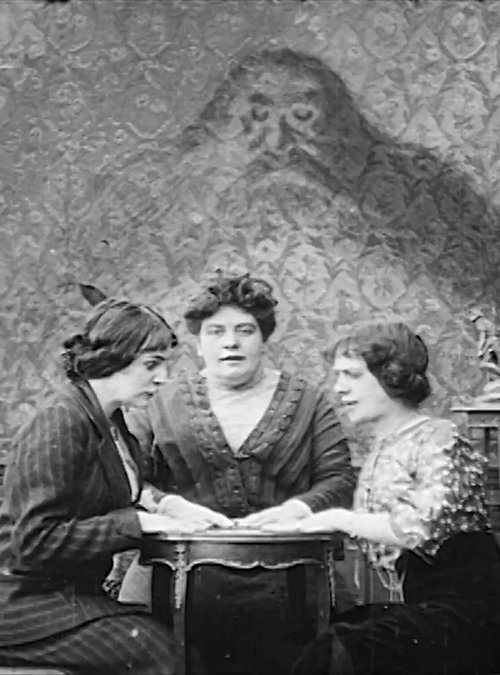
Grotesque animated spirits punish a disbeliever who scorns his wife’s interest in the occult.

Early cel-animated commercial made by George Pal about an unwell King who is brought back to health with the help of Van den Bergh's Sana Margarine.
Two animated fables by La Fontaine "The Old Lion" ("Le lion devenu vieux") and "The Lion and the Gnat" ("Le Lion et le Moucheron").
A clockmaker’s daughter daydreams of a magic world inside a clock.
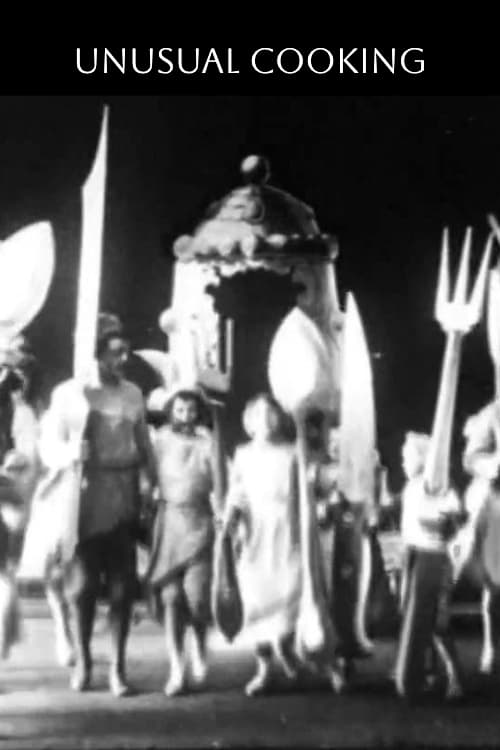
A chef comes into the kitchen and throws a lot of rags on the floor: he then casts a spell over them, and immediately they take the form of human beings, and dance a wild saraband around the place. After performing many unique tricks they disappear into space, and are replaced by a group of knives and forks, pans, kettles and spoons. (Moving Picture World)
And here is an early success as he puts the viewer in the mood of a little boy, playing with his toys, running them through the paces of his little circus.
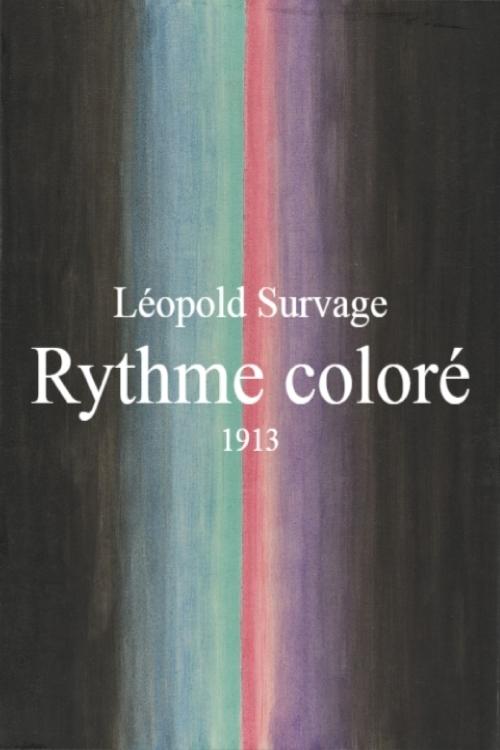
A film unmade-- That is, Survage's film was never realized in the traditional sense-- At the time, such a project was beyond technological possibility. His pioneering efforts to combine luminous, expressive painting and the moving picture were further curtailed by the outbreak of WWI. Some have taken it upon themselves to 'animate' his watercolor plates in attempts to set his dream into motion.
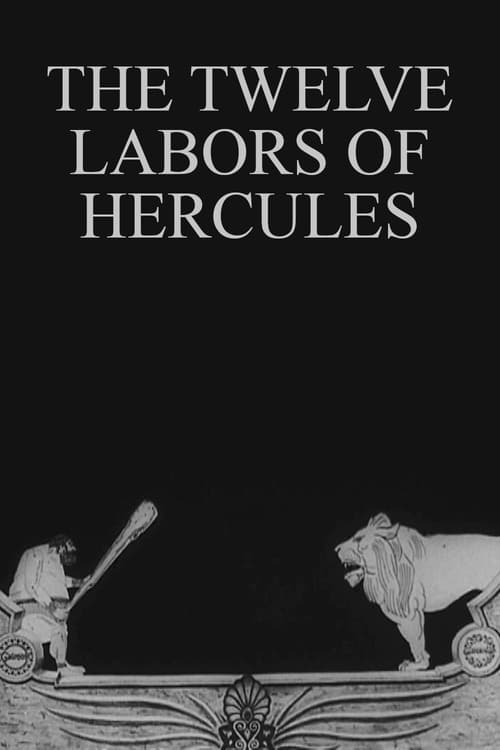
A cut-out animation depicting the Twelve Labours of Hercules.
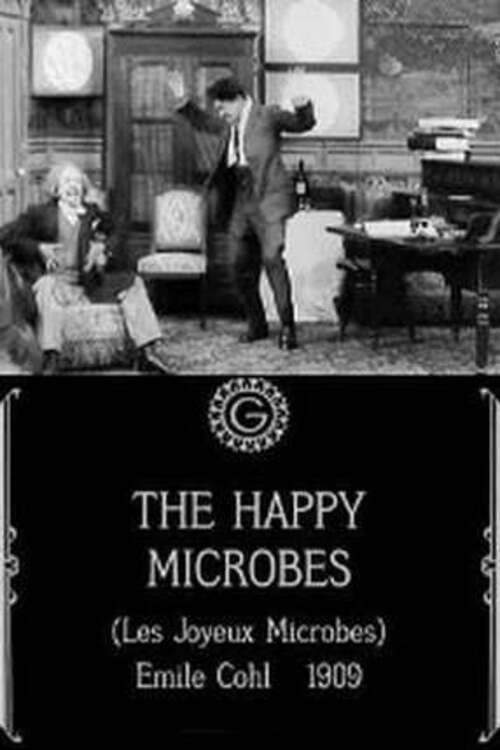
A scientist has acquired a microscope and is showing it off to his friend. He takes various body samples - hair, phlegm, etc. - and puts them under the microscope. The "microbes" coalesce and form different shapes, creating caricatures of various people, such as mothers-in-law and drunks. These animated characters goof around in traditional cartoon fashion.
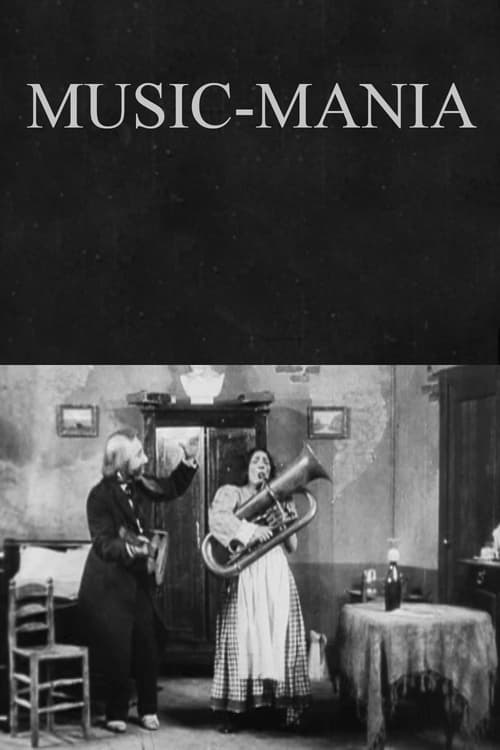
A bizarre musical couple falls asleep after an insane performance, and dreams about musical instruments.
Jeannot, a young boy living in the countryside with his mother and grandfather, ventures into the forest at night to pick a fern flower before the cock crows.
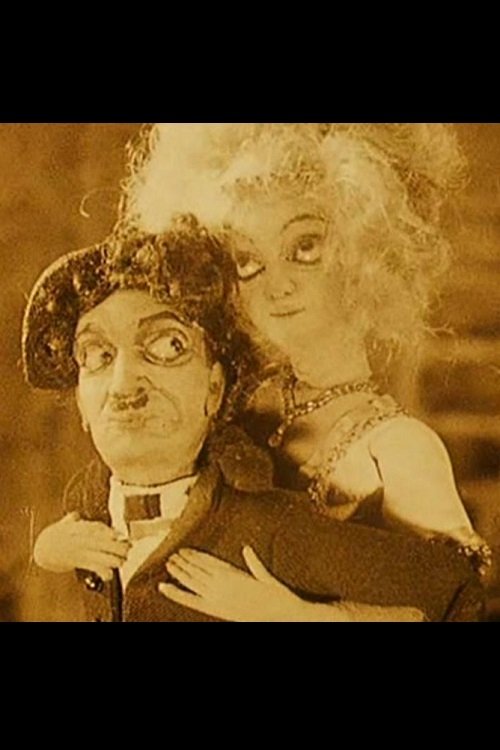
The misadventures of a traveling theatrical company, as the actors attempt to put on a show while romantic rivalries erupt backstage.

This retelling of Sleeping Beauty, recreated through stop motion animation, is centered on lithe Prince Charming, who leaps and bounds through our storybook set. Film commissioned by a wine company.

Little Bob stages his mechanical toys in a series of charming performances.
A stop-motion film from Émile Cohl with tin soldiers, children's drawings and cannibals.
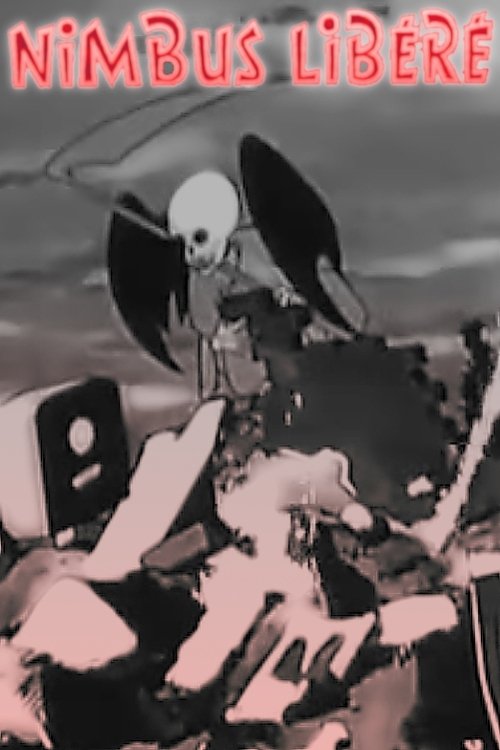
A Jewish radio announcer broadcasts the imminent arrival in France of Allied liberators; US planes flown by Mickey Mouse, Donald Duck, and Popeye, (and defended by air gunners Goofy and Felix the Cat) receive orders to drop bombs on French civilians below.
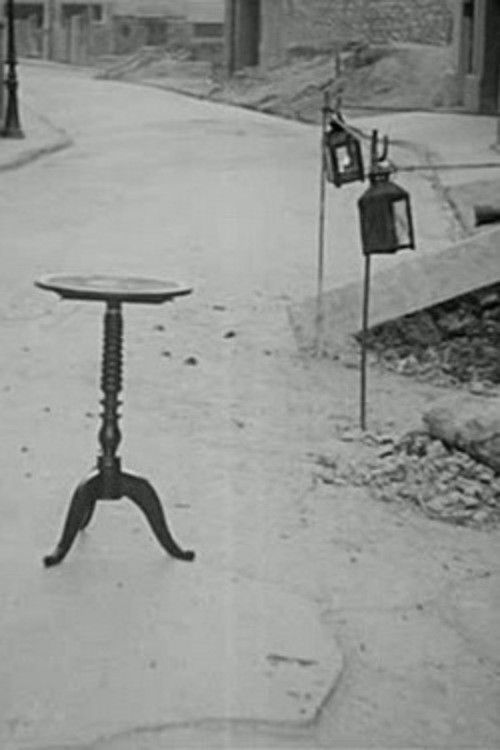
Advertisment for Levitan about a small, moving table.
3 cartoons were made in 1918 by O'Galop, the designer of Bibendum Michelin, to warn the post-war population of the ravaging effects of alcohol and tuberculosis. This public health campaign seems far removed from our present-day concerns. Over time it has acquired a different dimension.
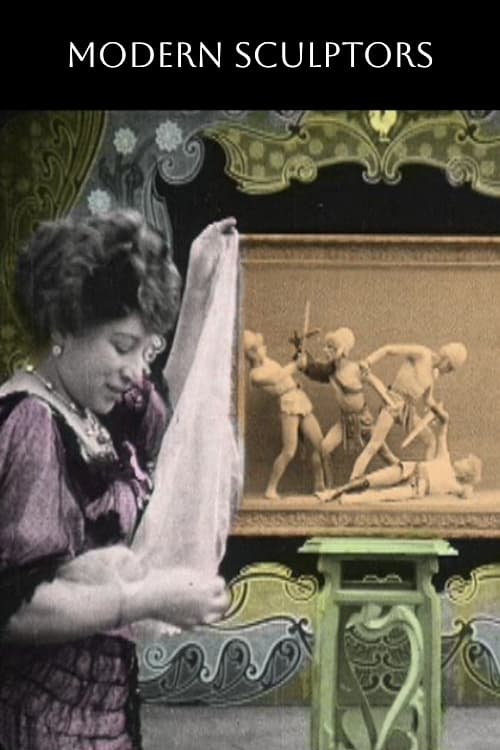
The first scene presents before the astonished eyes of the spectators a solid piece of marble, which the minute it is placed on a table seems to take life, and one can follow a snake-like line branding on the polished face of the stone the name of the house of Pathé Frères. As soon as this stone has been engraved, as by magic, a handsome young lady appears with a huge lump of clay covered with a cloth. As soon as the cloth is removed from the soft mass it starts whirling and turning as if stricken mad, and one is asking one's self what all the contentions are going to lead to, when the vague shape of an animal not yet discernible seems to appear, and before one has time to make one's mind as to the category of brutes to which it belongs one sees the form of a remarkably well made orang-utan modelled out of the clay, who calmly smokes his pipe. Then the statue is removed by the same winning young lady and another covered block of the same substance is carried forward.

Mussorgsky's composition is the soundtrack for this pin-screen animated take on night and wild things. A scarecrow blows down, clouds move by quickly. Beings take shape; a town appears, animals flee, and a horse gallops by. A child looks on. Monsters run and float by: the phantasmagoric is everywhere. A woman's figure tumbles through space. A clash ensues. The horse falls. Goblins take control. The night and its denizens are relentless. Forms appear and become grotesque. Will dawn and calm ever come?
A public service animation from O'Galop that warns against the dangers of alcohol. Oh, the woes of drinking. Even a small glass of alcohol will turn someone inevitably into an epileptic criminal.
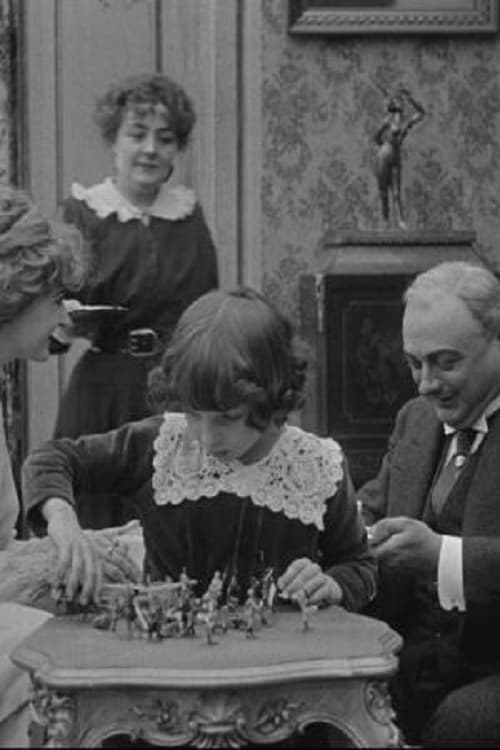
With Jean-Baptiste at the front, Louise takes care of Bébé with the help of Uncle Pierre. The letters she receives from Jean-Baptiste worry her, but Pierre distracts Bébé with a box of tin soldiers. That night, Bébé has a dream of his soldiers vanquishing the enemy, and the next morning, Jean-Baptiste surprises the family by returning home.
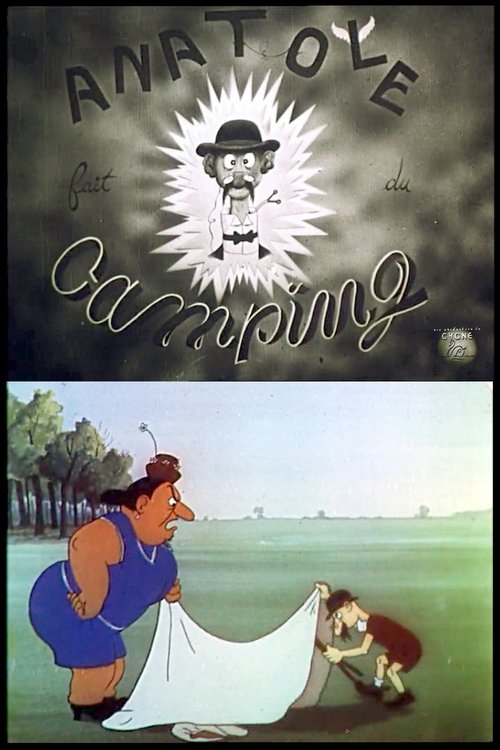
After somewhat hectic travel preparations, Anatole and Margot set off on holiday. The cart arrives at its destination, somehow or other, and it’s time to set up camp. But the task isn’t always simple and Anatole is literally blown away, inflated like an airbed!
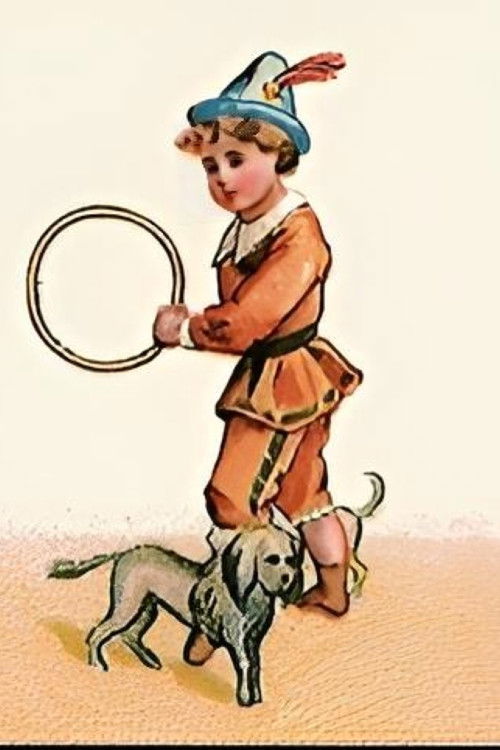
On the making of the film En passant: wide shots of several sequences from the film on the new pinscreen built by the authors in 1942, during their exile in the United States from 1940 to 1947.
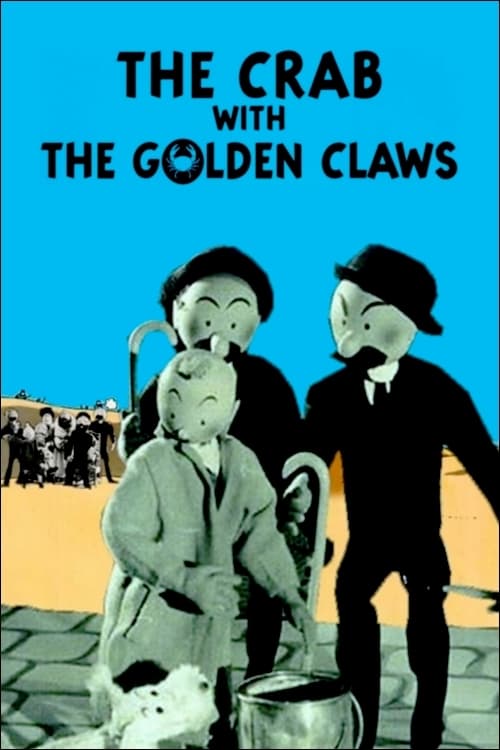
Tintin finds himself involved in a mystery related to a drowned man, a can of crabmeat and a ship called Karaboudjan. After investigating the ship, Tintin discovers that the shipment of cans does not contain exactly crabmeat.
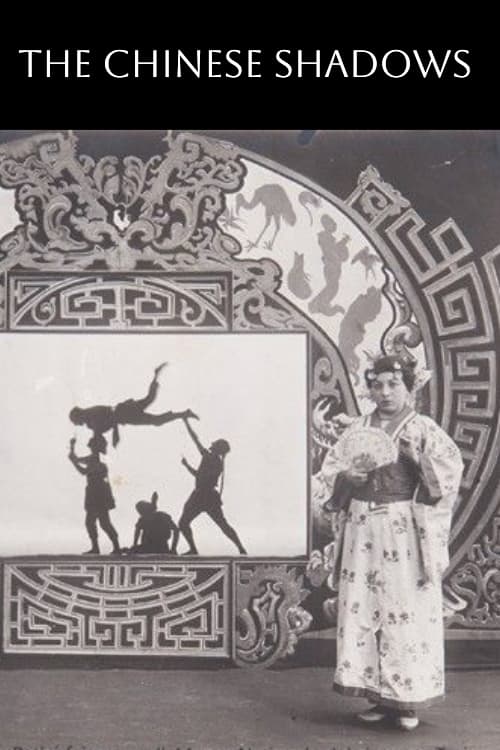
At the beginning of this film two women come onstage dressed in Oriental fashion. They present a shadow play theatre.
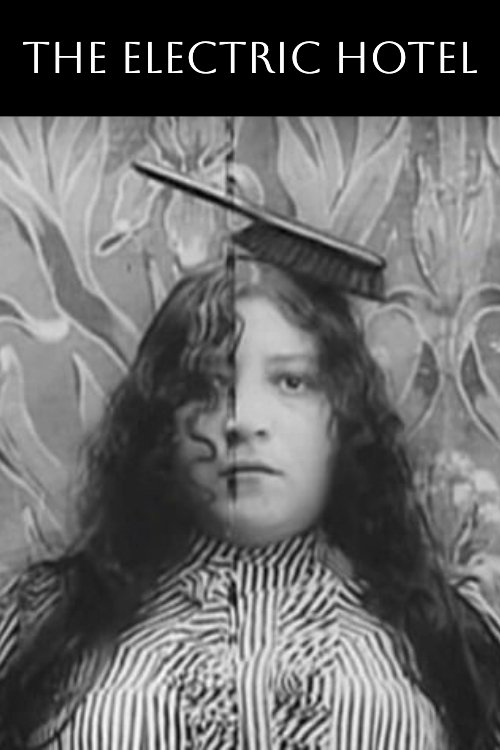
An enthusiastic young couple is astounded with modern technology's giant leaps in the fascinating field of electricity.
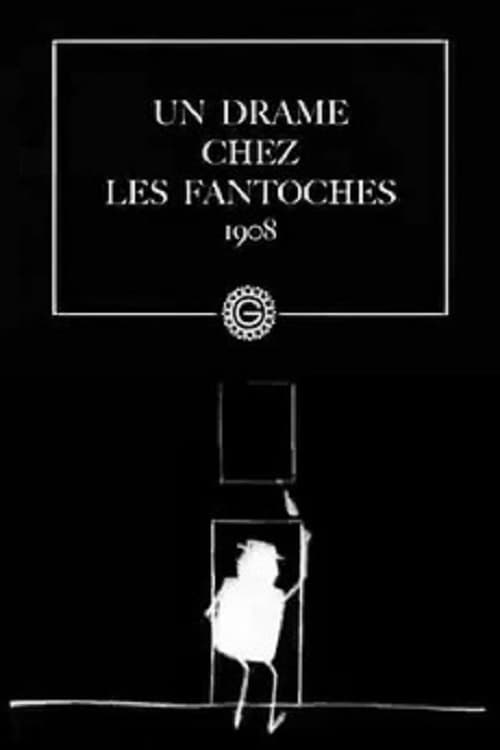
For a short comedy of rare merit this subject is unexcelled. A chalk line series of grotesque caricatures enacted in the land of puppets. A fickle maiden gets herself into numerous embarrassing complications with her host of admirers, but the artist with lightning rapidity overcomes all obstacles and brings the maiden out victorious.