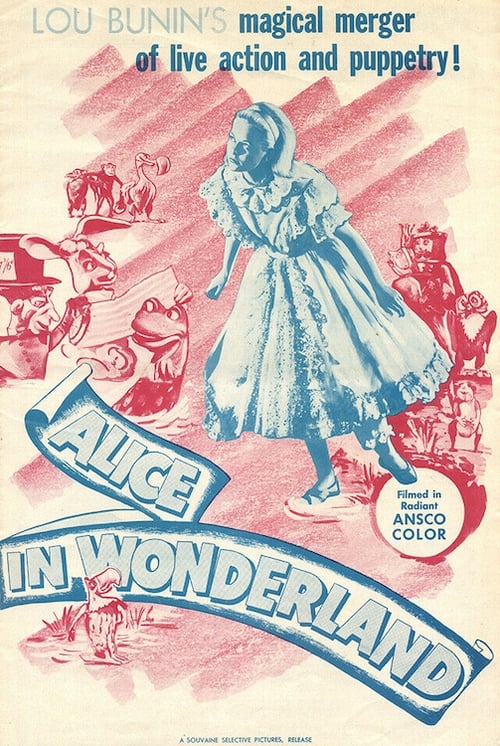
This exceptional theatrical version of Lewis Carroll's 1865 classic features a combination of live characters and puppets.
Alice in Wonderland
5.4 1949
192 Matches Found
This exceptional theatrical version of Lewis Carroll's 1865 classic features a combination of live characters and puppets.
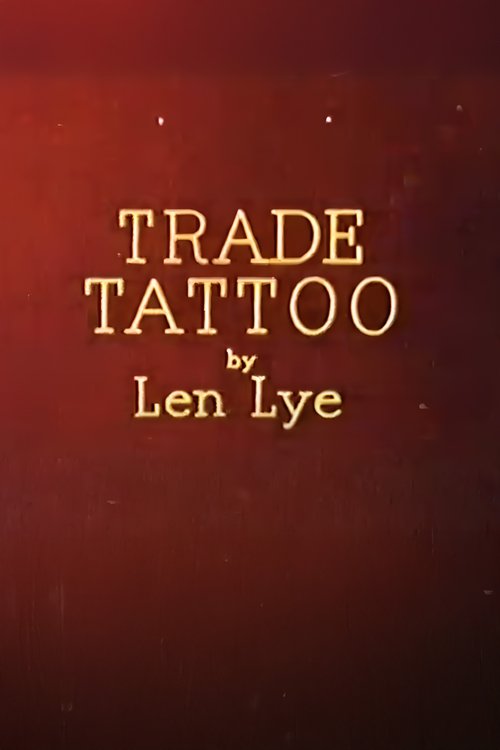
Trade Tattoo went even further than Rainbow Dance in its manipulation of the Gasparcolor process. The original black and white footage consisted of outtakes from GPO Film Unit documentaries such as Night Mail. Lye transformed this footage in what has been described as the most intricate job of film printing and color grading ever attempted. Animated words and patterns combine with the live-action footage to create images as complex and multi-layered as a Cubist painting. Music was provided by the Cuban Lecuona Band. With its dynamic rhythms, the film seeks (in Lye’s words) to convey “a romanticism about the work of the everyday in all walks of life."
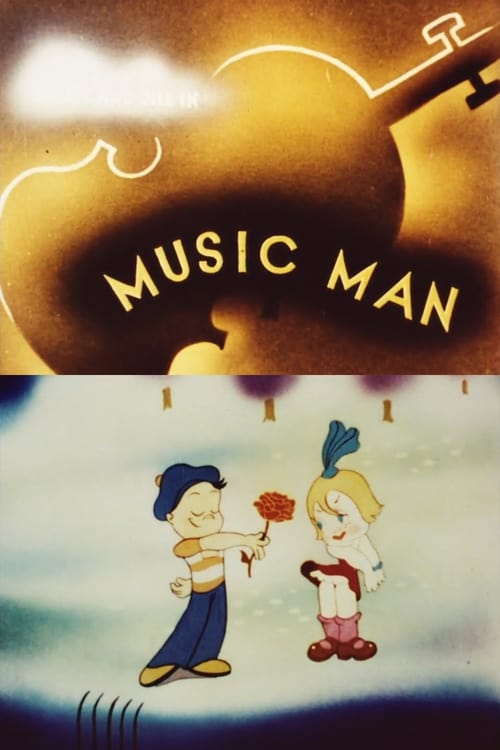
The first British animated Technicolor film.
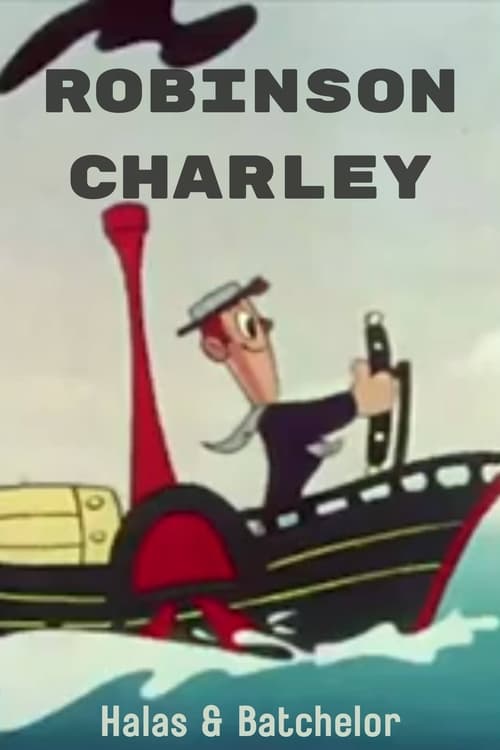
No man is an island, but Charley represents his nation in this economical cartoon tale of Britain’s economics.

Pvt. Sam Small is awarded a medal after Waterloo for saving his Sgt. Major's life. The truth emerges that he was actually saving a jar of rum. Asked would he have done it without the rum, Sam says "Like Hell!". He loses his medal.
Cartoonist Joe Noble has fun suggesting different shapes and uses for barrage balloons.
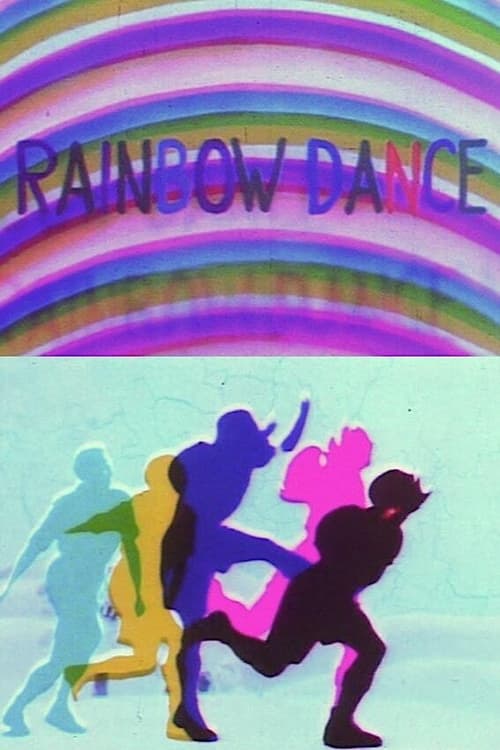
Rainbow Dance is a 1936 British animated film released by the GPO Film Unit. This is Lye's second film. It uses the Gasparcolor process.
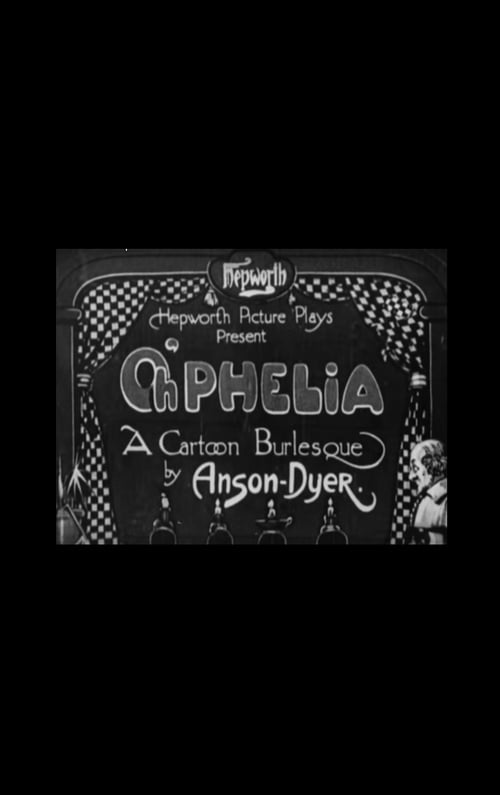
Cut-out animated parody of Hamlet by pioneering British animator Anson Dyer.
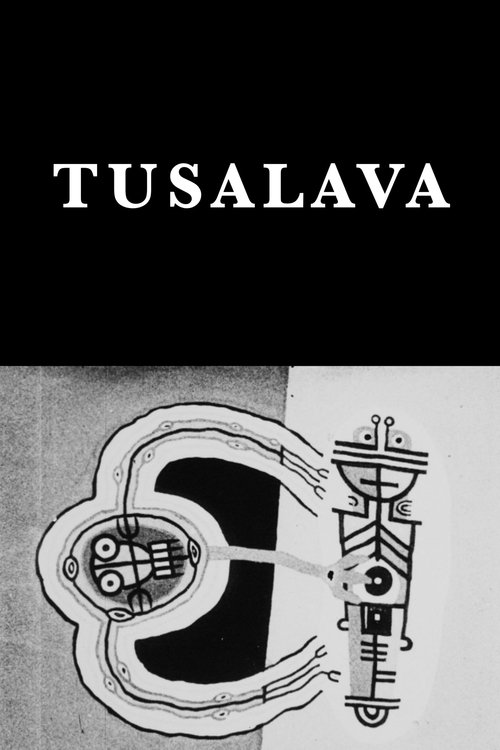
With the screen split asymmetrically, one part in positive, the other negative, the film documents the evolution of simple celled organic forms into chains of cells then more complex images from tribal cultures and contemporary modernist concepts. The images react, interpenetrate, perhaps attack, absorb and separate, until a final symbiosis (or redemption?) is achieved.
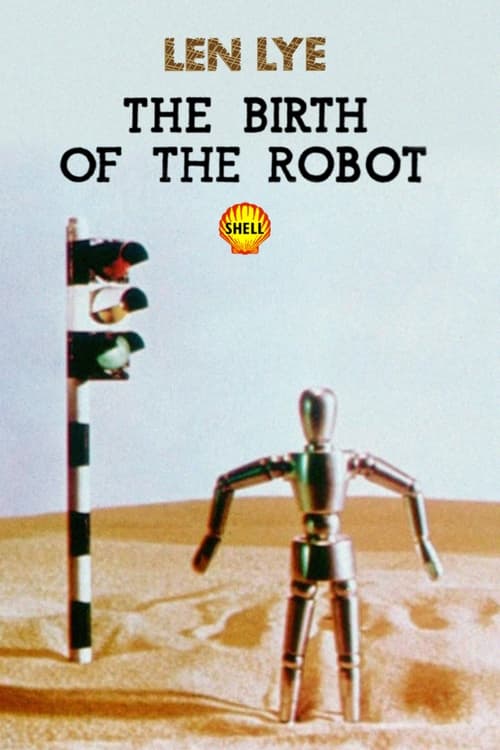
This experiment was a “prestige advertisement” for Shell Motor Oil. As conventional animation became dominated by Walt Disney, many European filmmakers turned to puppets as an alternative, and Lye enlisted the help of avant-garde friends such as Humphrey Jennings and John Banting to make the amusing puppets. Exploring the still-complex color process, which involved the combination of three separate images, Lye creates such a vivid storm scene that reviewers hailed it as “proof that the color film has entered a new stage.” The music is Holst’s The Planets. - Harvard Film Archive
This riot of color was a showcase for Lye’s hand-painted and stenciled imagery. Sponsored by Imperial Airways, it incorporates the airline’s “speedbird” symbol, and the music consists of “Honolulu Blues” by Red Nichols and a rumba by the Lecuona Cuban Boys. Time Magazine raved about the film, describing Lye as England’s alternative to Walt Disney (a David-and-Goliath comparison!). Like Lye’s other films, Colour Flight was not eligible for distribution in the US due to its status as an overseas advertising film. - Harvard Film Archive
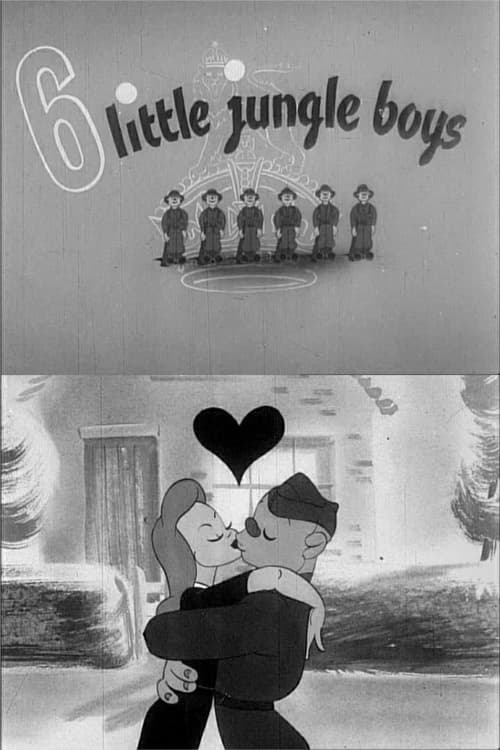
A short animated War Office commissioned health education film, showing the fate of each of the 6 jungle soldiers.
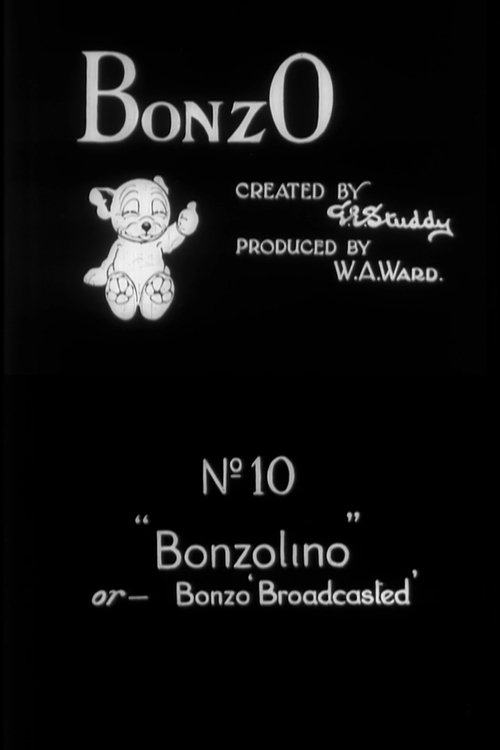
Bonzo is rejected by his sweetheart, a pekinese called Chekee, who is enraptured by her favourite film stars. However, she readily accepts Bonzo after he has been to Hollywood, and returned as the famous actor Bon Chaney.
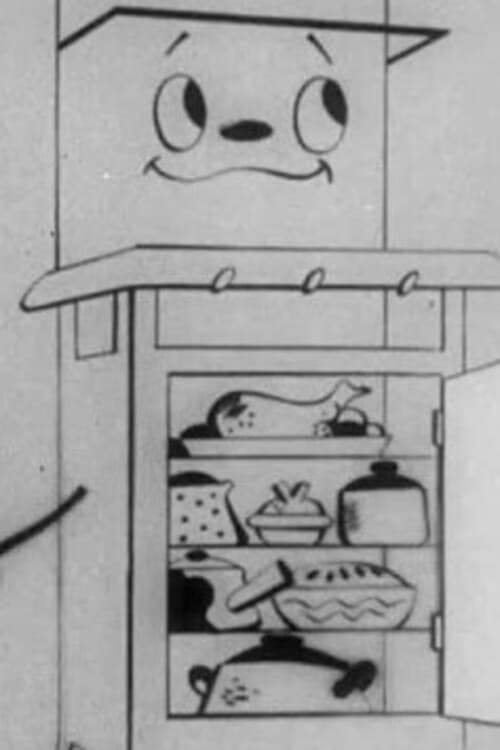
A dancing radio stops partying to transmit an announcement on fuel conservation in this WWII cartoon short.
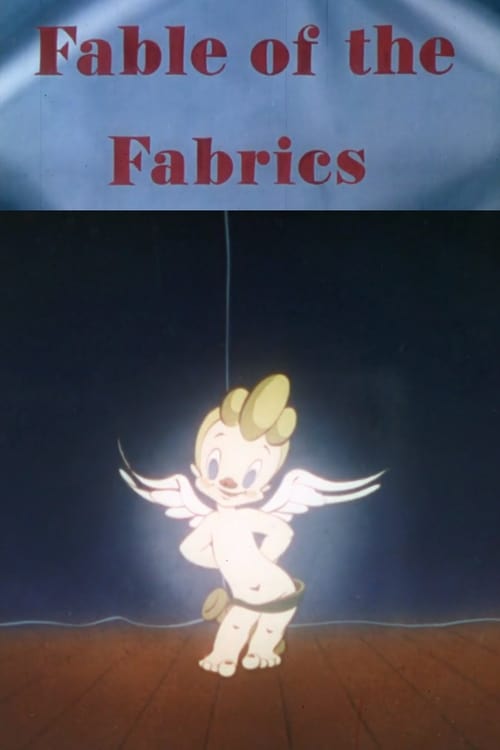
A particularly vicious Father Time with a hit-list in his Book of Doom seeks to wipe out characters brought to life from fabric patterns. This neat concept for a cartoon washing powder commercial can be credited to Alexander Mackendrick, who worked at the J Walter Thompson advertising agency before making films at Ealing and then Hollywood.
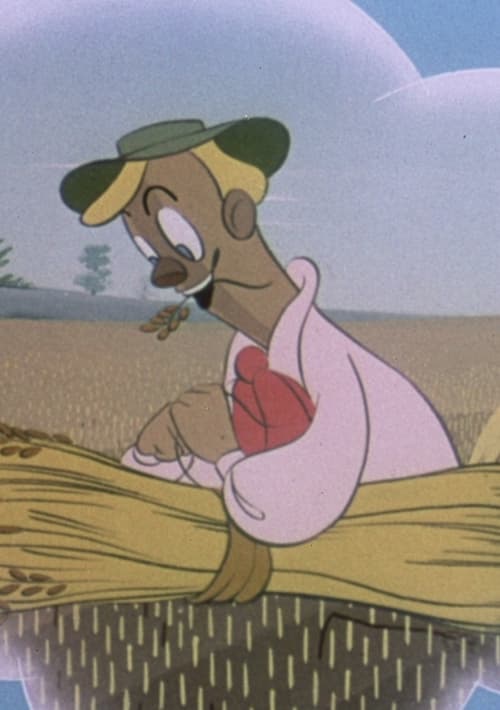
Charley, a mechanic, inherits a half-share in a farm run by his cousin and he soon has his dream of an idyllic country life rudely shattered by hard realities.
Modern advice and old-fashioned values combine in this postwar animated health guide from the makers of Animal Farm.
One of the greatest personalities of modern times. The life of a statesman who has helped to make the new map of Europe.
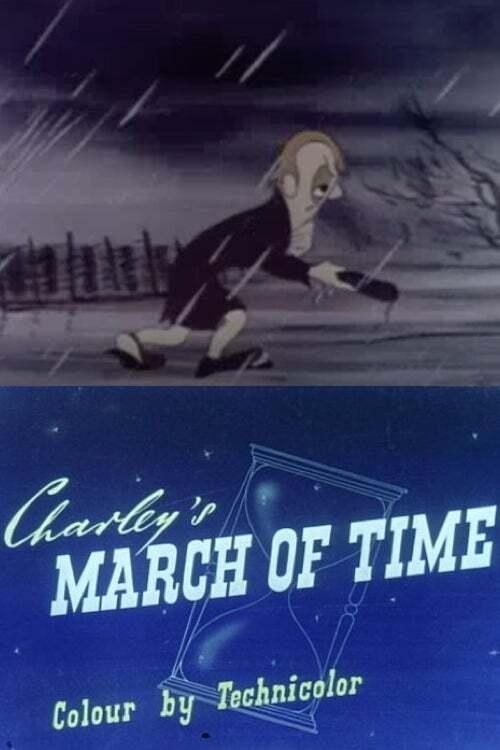
Popular animated character Charley explains the National Insurance Act, which was legislation that made health insurance available to all British citizens.
Halt, Who Goes There?
George Pal's third and final cel-animated commercial story film made for Lever Brothers product Rinso Soap. It's wash day, Grandmother Bear is coming for lunch and there's no soap. Mother Bear sends her two boys, one good, one mischievous, to the shop.
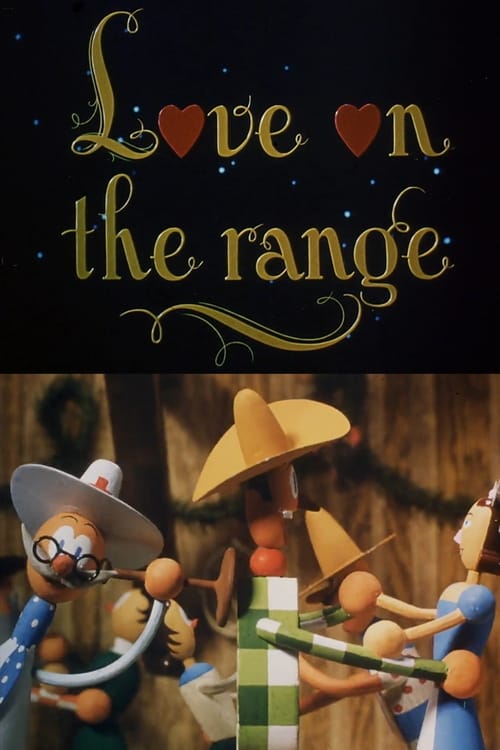
Animated cinema advertisement produced for Horlick's by George Pal.
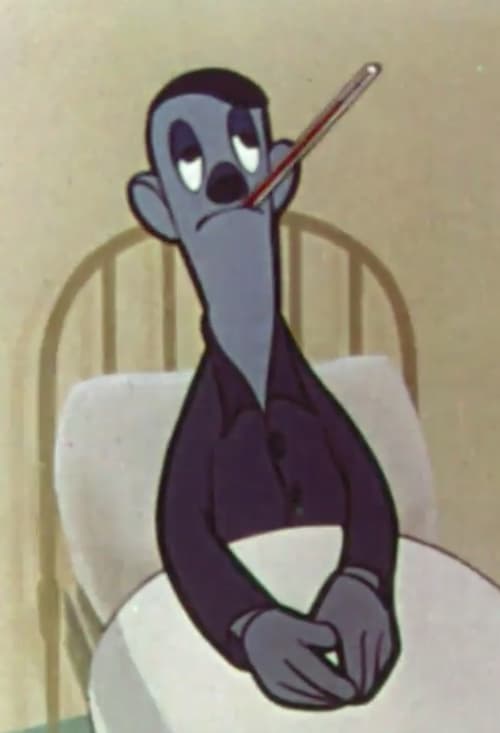
In this film Charley demystifies the new state-funded National Health Service, detailing the benefits a free-at-point-of-delivery health service will offer to everyone in England.
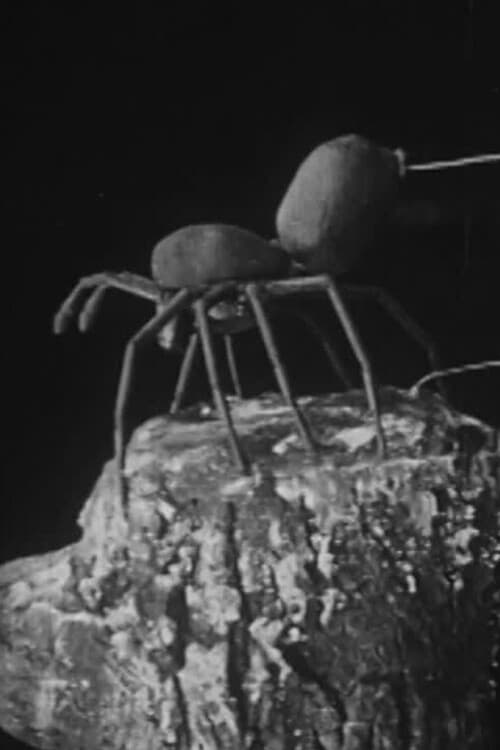
Charming animated illustration of one of nature's wonders from Britain's most inventive pioneer of wildlife filmmaking.
Gran'pop monkey runs a printing press while evading the advances of his amorous secretary and suffering the mischievousness of the two young family members who assist him.
Animation based on a Stanley Holloway/G. Marriott Edgar monologue. A northern wood salesman refuses to drop his prices for Noah, despite the flood that occurs around him.

Puppet animation of Bert Ambrose and His Orchestra performing. A Puppetoon animated short film.
Based on a comic monologue performed by Stanley Holloway on radio and records.
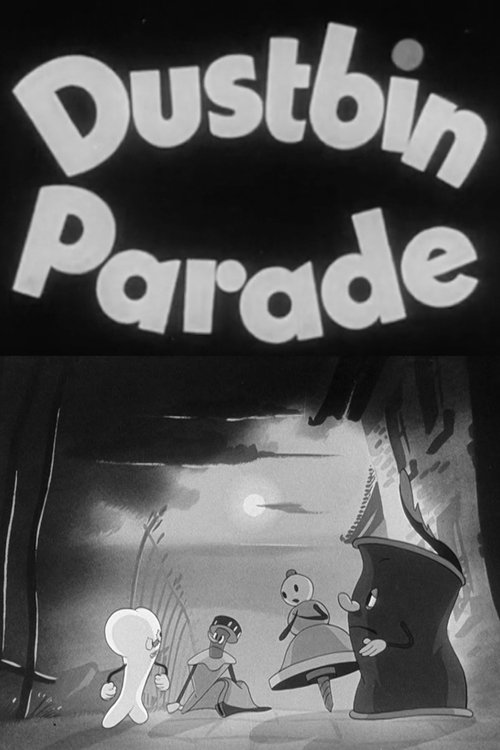
The film is designed to encourage recycling - which was a key part of the war effort.
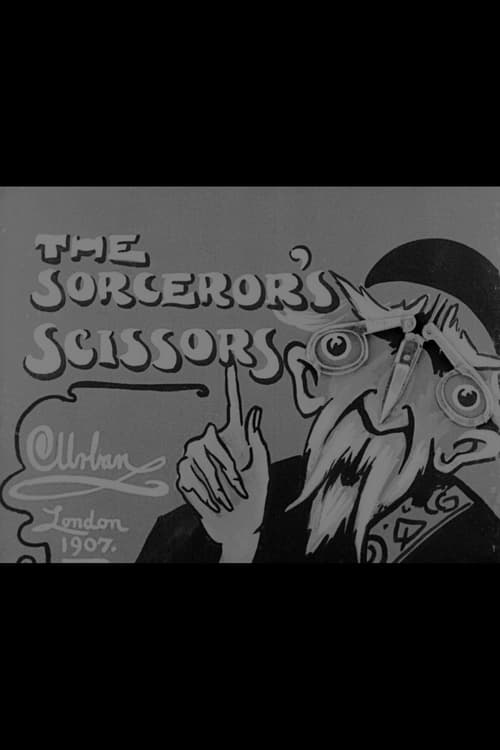
A mix of spectacle, animation and dance, the film reveals an early delight in the potential for creative fun with film form. Its director, Walter R. Booth had been described as making British films which attempted to out-Méliès Méliès.
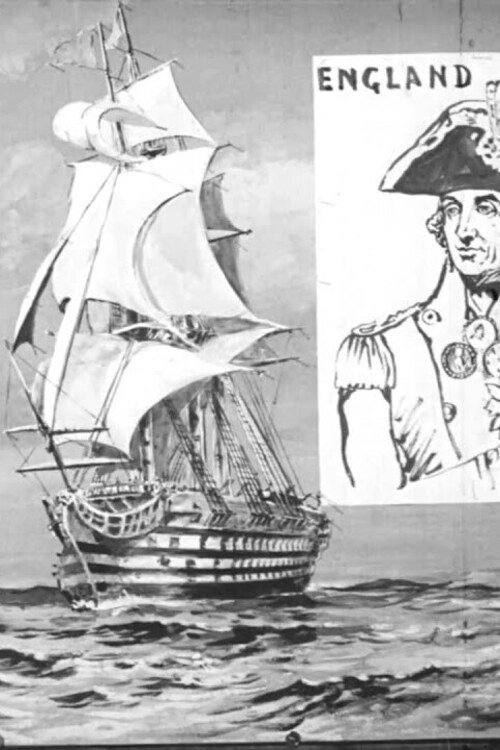
First World War animated propaganda short, extolling Britain's naval history and mocking the German navy.
Based on a comic monologue performed by Stanley Holloway on radio and records.
If you are sitting comfortably then Archie the Ant will begin his bedtime story, although sadly Archie’s creator left it unfinished. Frank Percy Smith was a true pioneer of natural history filmmaking and a real lover of insects. “Marking time”, as he later put it, between working on educational films he spent two years making this “Bedtime Stories of Archie the Ant” series, which was seemingly never released. The film is left as it was when Smith abandoned work on it. It’s out of sequence, and has repeat alternate takes giving an insight into his working methods. The intertitles are bunched at the end, offering a tantalising glimpse of where the story was going.
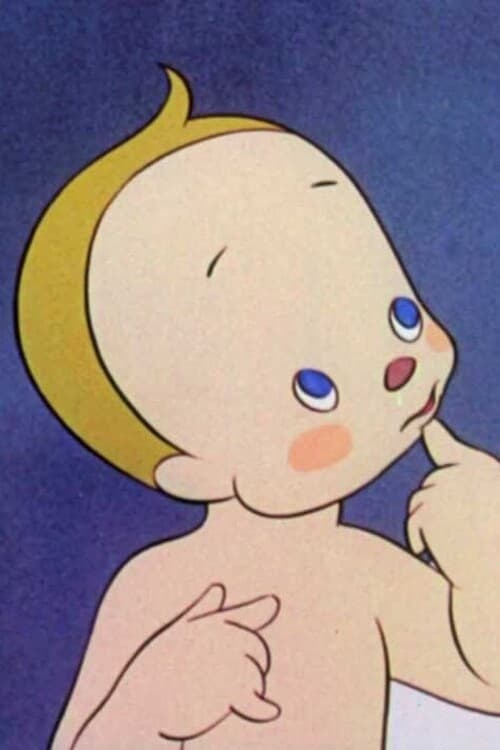
A soon-to-be born baby learns about the kinds of schools he will attending in the years following his birth.
Ever seen a snake with a moustache? The Middle East was as much an ideological as a physical battleground in the Second World War. In the midst of the conflict Halas & Batchelor were commissioned by the British Government to make four cartoons featuring a young boy Abu and his mule. They were intended to demonstrate in simple visual terms that Britain was a stout friend and the Axis powers a pernicious evil.
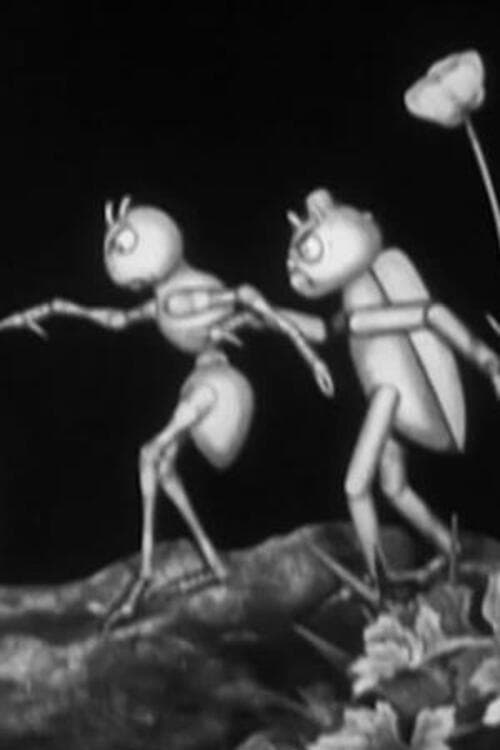
A bug’s life laid bare in this charming cut-out animated tale.
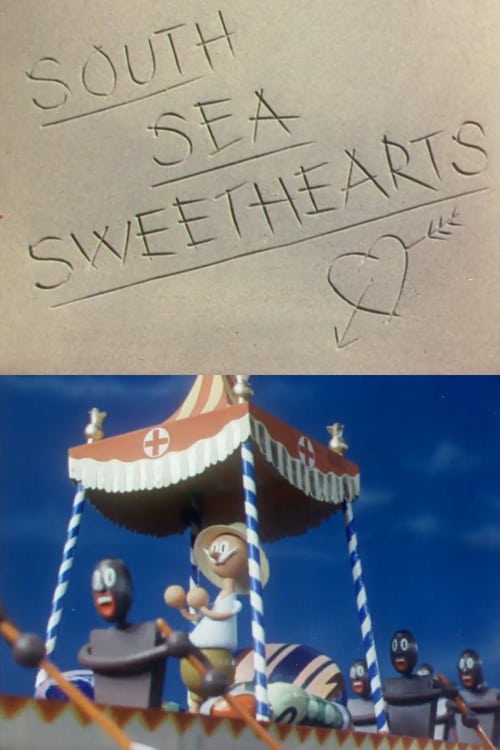
Animated cinema advertisement produced for Horlick's by George Pal.
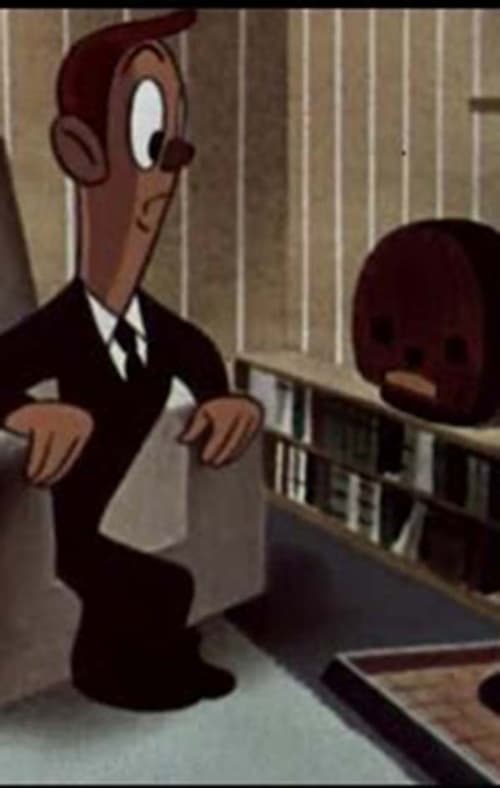
This cartoon propaganda short by Halas & Batchelor sweetens the pill of post-war coal prices by promising jam tomorrow.
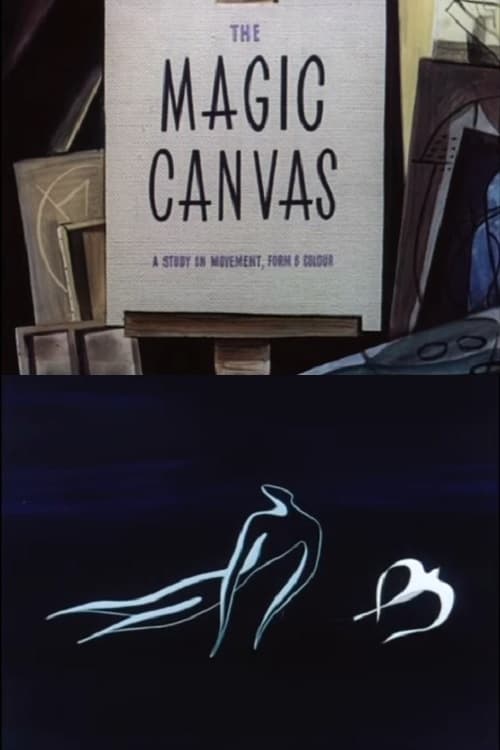
A powerfully graphic piece of animation that best expresses John Halas' own feelings about mans universal quest for freedom.
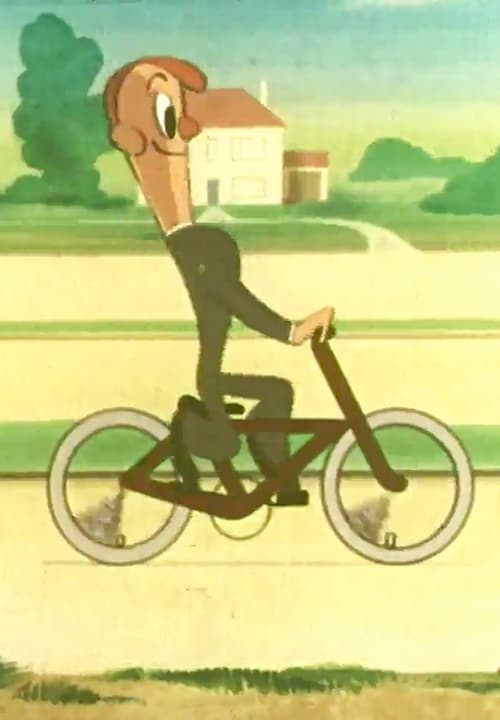
Meet Charley, your jovial cartoon guide to Britain’s changing towns and cities.
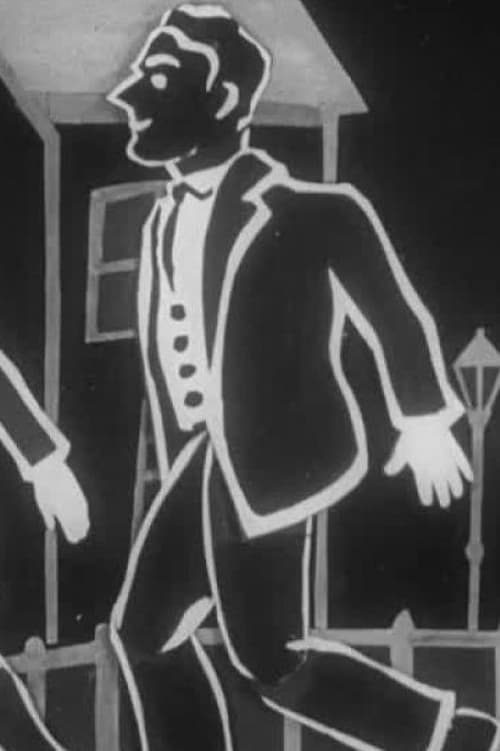
A delightful animated appeal to help bringing in Scotland’s harvest, made by the legendary Lotte Reiniger.
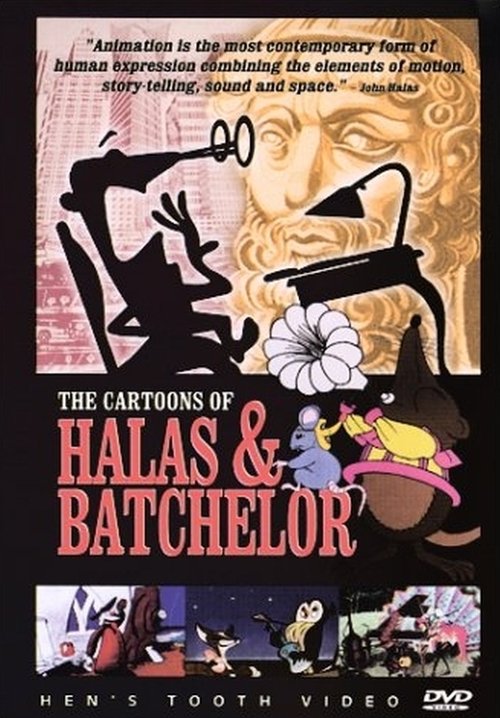
Instructional cartoon for the Admiralty.
Cartoon on the fly nuisance, showing the dangers of food contamination and how the dangers can be minimised by food-protection and cleanliness that was produced in the UK for the Ministry of Health.
Dramatised short about the advantages of gas appliances in the home, with music.
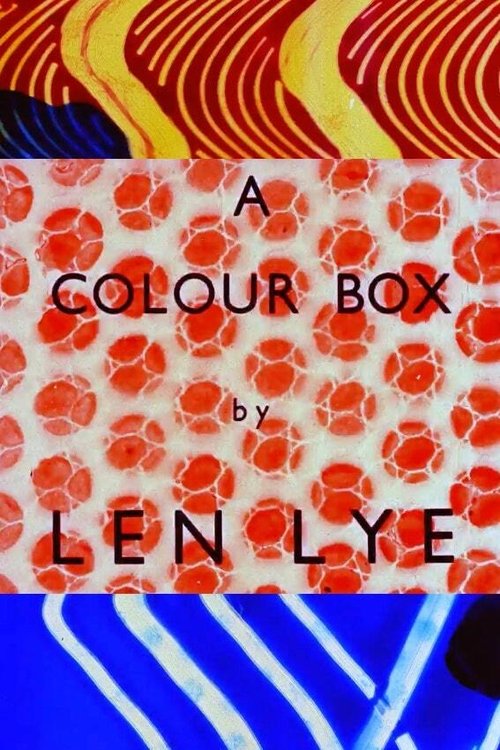
Animated shapes dance to Cuban music. This was one of the first animations to be painted directly onto the film.
A king demands butter for his royal slice of bread.
A twist of the classic 18th century English nursery rhyme where a Bullfrog Landlord threatens to evict a Washerwoman Mouse and her children when she's unwilling to marry him. One of three striking cel-animated hand-drawn cartoons Pal made for Lever Brothers' Rinso soap powder.
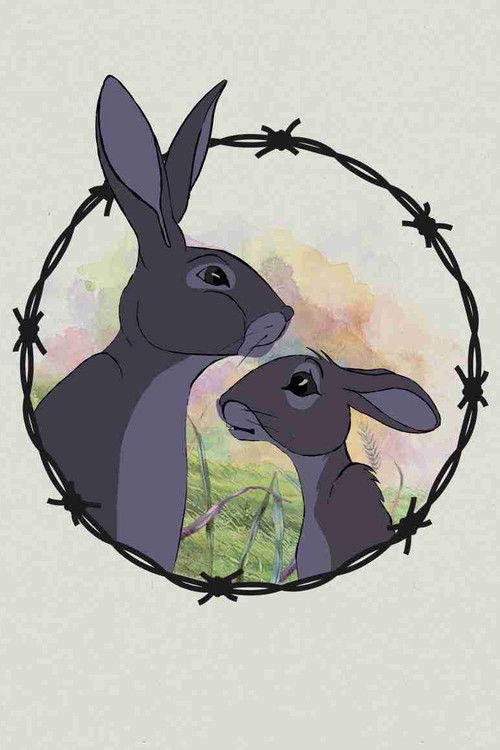
Anson Dyer tells 'The Tale of Ronnie Rabbit' in this documentary showing the various stages of making a cartoon bunny.
First Line of Defence is a short cartoon recruitment film for the RAF created in 1949 by animation duo Halas and Batchelor. The story follows a trainee pilot dreaming about the history of flight.
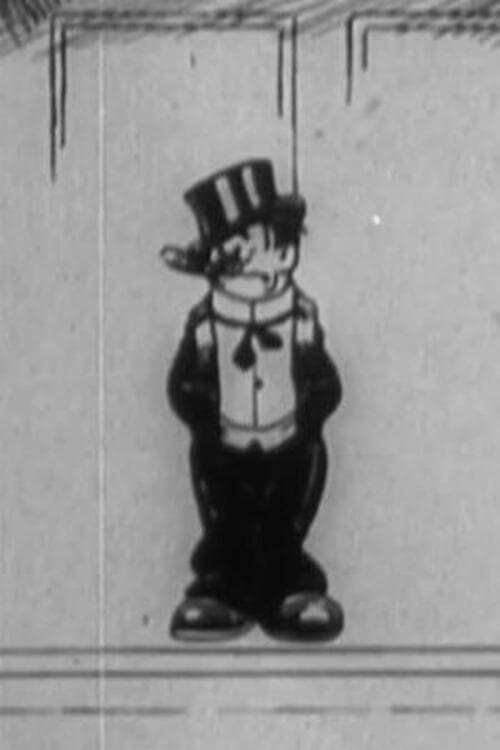
A comical satire of a cinema program and operation.
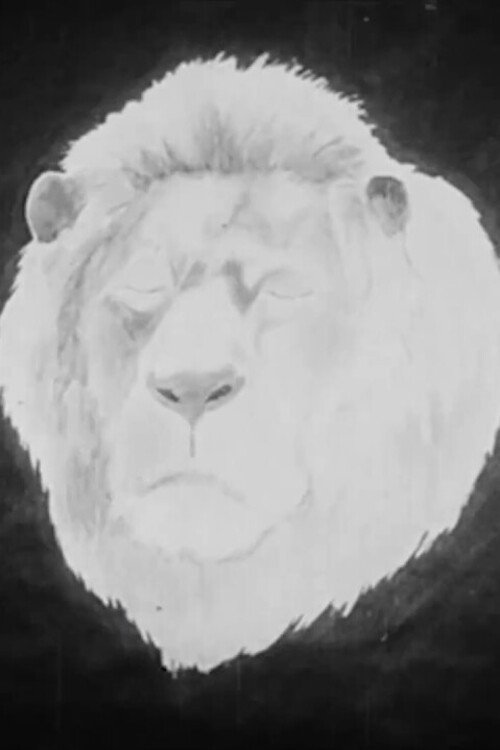
A combination of Lightning Sketches along with stop-motion animation illustrate England's reactions and responses in World War One.
This World War II propaganda short encourages British people to "dig for victory," by planting vegetable gardens.
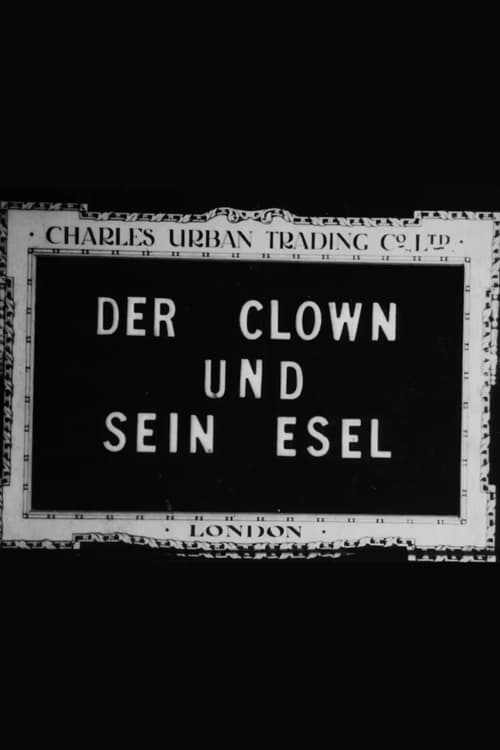
A pioneering effort in bringing shadow puppetry to the cinema.
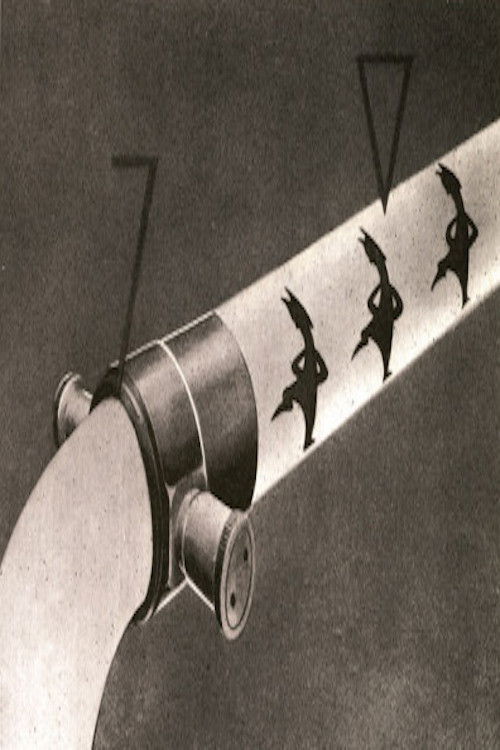
Feature-length instructional cartoon made for the Home Office and the Fire Brigade.
It might not take you long to cotton on to the trick of this film, but the results are still impressive. Though the various strings, wools and embroideries if this film are certainly animated in one sense, it is not through stop-motion animation. The time-consuming process of manipulating threads frame-by-frame is avoided by simply using reverse film techniques.
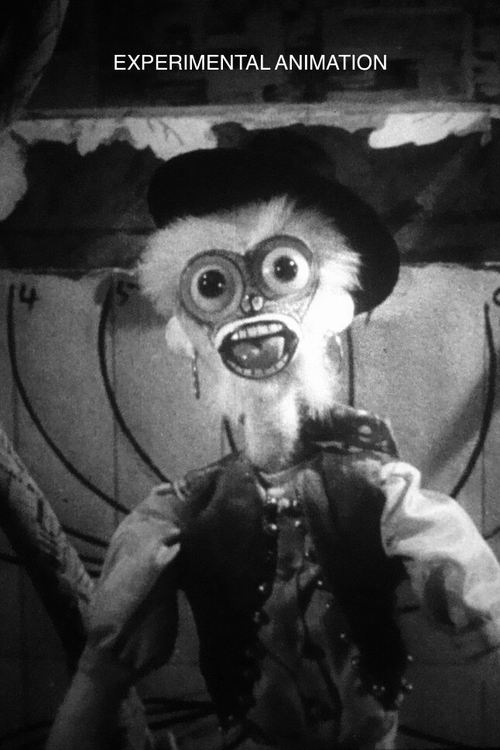
Len Lye scraped together enough funding and borrowed equipment to produce a two-minute short featuring his self-made monkey, singing and dancing to 'Peanut Vendor', a 1931 jazz hit for Red Nichols. The two foot high monkey had bolted, moveable joints and some 50 interchangeable mouths to convey the singing. To get the movements right, Lye filmed his new wife, Jane, a prize-winning rumba dancer.
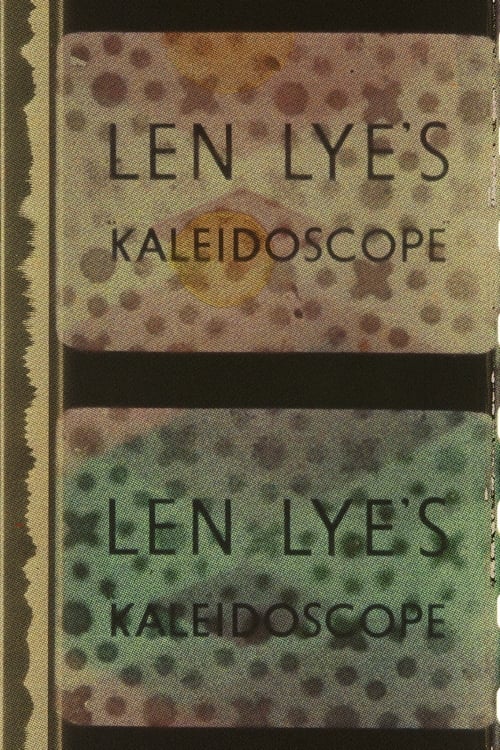
For Kaleidoscope, which was sponsored by Churchman Cigarettes, Lye animated stenciled cigarette shapes and is said to have experimented by cutting out some of the shapes so that the light of the projector hit the screen directly. As in Colour Box Lye uses music by Don Baretto and his Cuban Orchestra. - Harvard Film Archive