42 Matches Found

Pinocchio

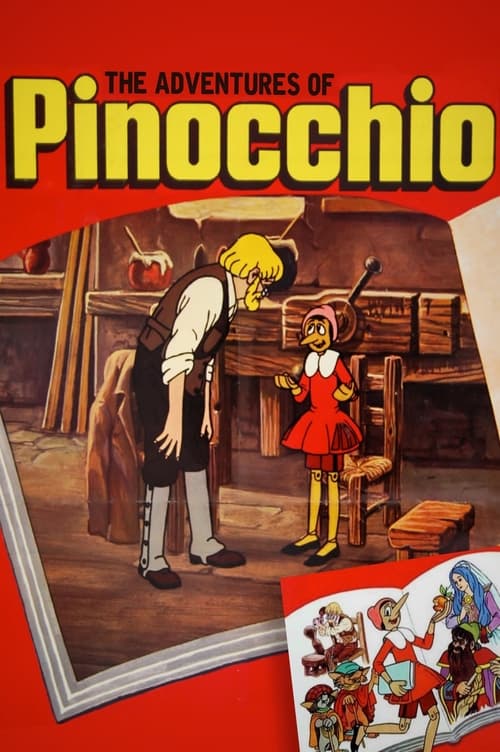
The film was directed by Giuliano Cenci with assistance from his brother Renzo. During production, Carlo Collodis grandchildren Mario and Antonio Lorenzini were consulted. The subtle movements made by fidgeting children whilst speaking or under scrutiny were incorporated into Pinocchios movements, particularly when he lies to the Fairy with the Turquoise Hair over the fate of his gold coins. For the design of the Fairy, Italian portrayals of the Blessed Virgin Mary in art were used as starting points.

Pinocchio

6.8 1972
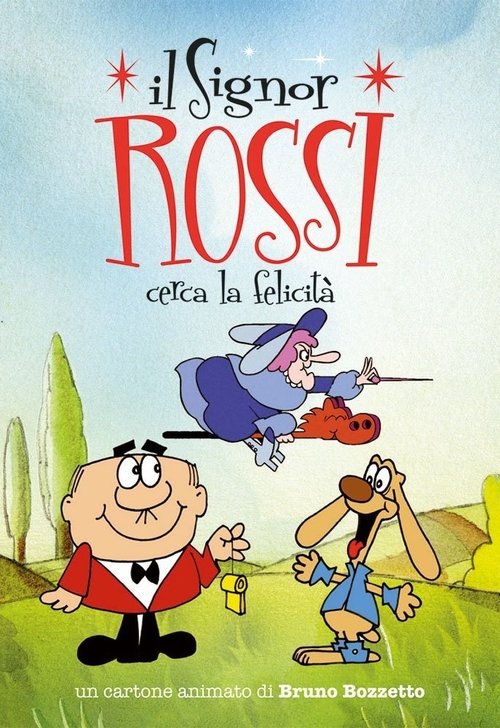
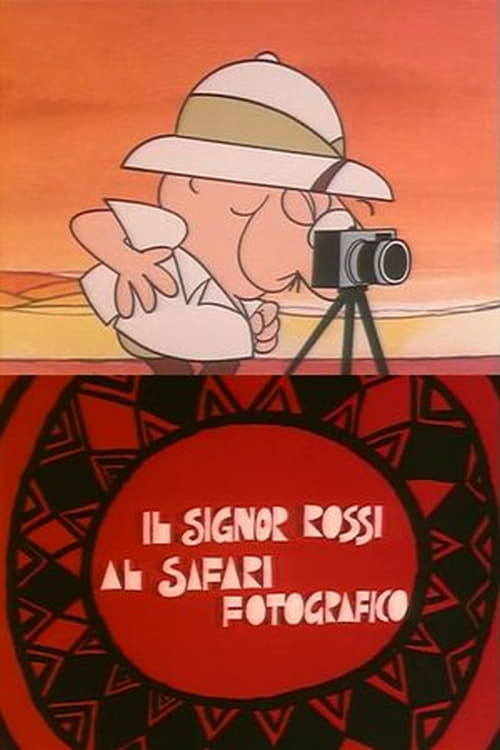
Mr. Rossi Looks for Happiness

Where? Far from home,from work and his boss, far from city traffic and his alarm clock, far from the monotony of his life... The farthest away possible. Travelling against time, visiting places of other centuries. How? Thanks to a magic whistle given him by "Fairy Sicura" the most nutty, thoughtless, happy fairy still to be seen around. A golden whistle which can catapult him back into prehistory, or in ancient Rome, in Medieval time, on a desert island, in Fairy tale land, in ancient Egypt, in the far West or in the future.With whom? He travels with Gastone, his boss'dog, tiny,naive and a little bit spoiled : after many adventures he will realize how much more valuable a friend is rather than a cream pie. Will he find it? Yes, but not in the past, not in other centuries, full of incredible and miserable adventures for him. Happiness was much closer,at hand's reach. He only had to think about it... Isnt that right, Mr Rossi?

Mr. Rossi Looks for Happiness

7.8 1976
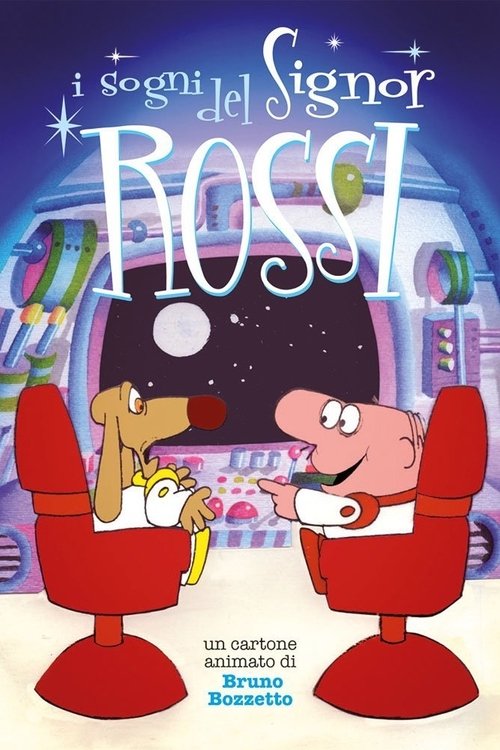
Mr. Rossi's Dreams

At the end of another week of work Rossi returns home with the intention of enjoying a quiet and peaceful weekend. He lives with Gastone, his dog-friend,who, after a week of loneliness, can't wait to go out, for instance to the movies, and have fun. Gastone as a matter of fact is a passionate fan of movies, television and heroes' books. He always compares Rossi with them and nags with a petulant : "Rossi, Rossi, if you only were...braver, stronger, richer...". His continuous complaints push Rossi to identify himself with those heroes; throughout the film we will meet Rossi-Tarzan, Rossi-Astronaut, Rossi-Sherlock Holmes, Rossi-Zorro, Rossi-Hollywood actor, Rossi-scientist, Rossi-Lancelot, Rossi-Aladdin. Eight fantastic adventures in which Rossi, along with faithful Gastone, relishes the joy of being a hero.

Mr. Rossi's Dreams

6.8 1977
Self Service

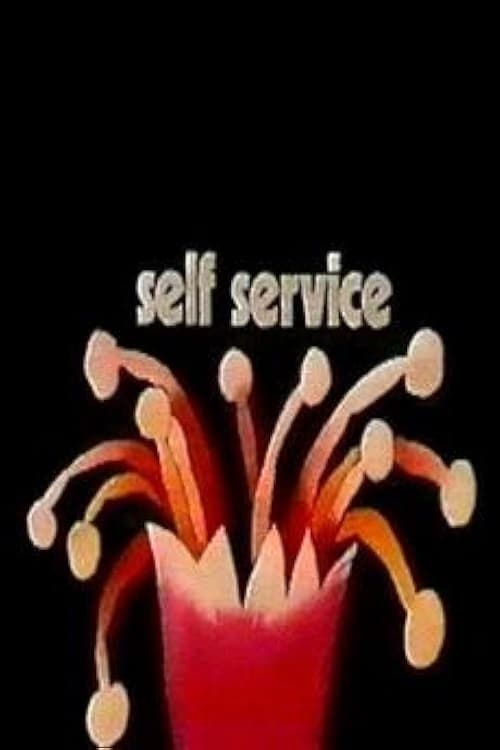
Hungry mosquitos, in search of a meal, find that fruit, flowers and other such fare doesn't satisfy. One enterprising bug hits the jackpot - a human! However, the victim vigorously resists joining the food chain, causing a number of winged casualties. The little buggers wait until the man falls asleep, then set up a number of enterprises: cafes, bars, filling stations, all serving blood. Things are going well, but then the mosquito Cosa Nostra moves in, and ramp production into high gear.

Self Service

6.5 1974
The Magic Flute

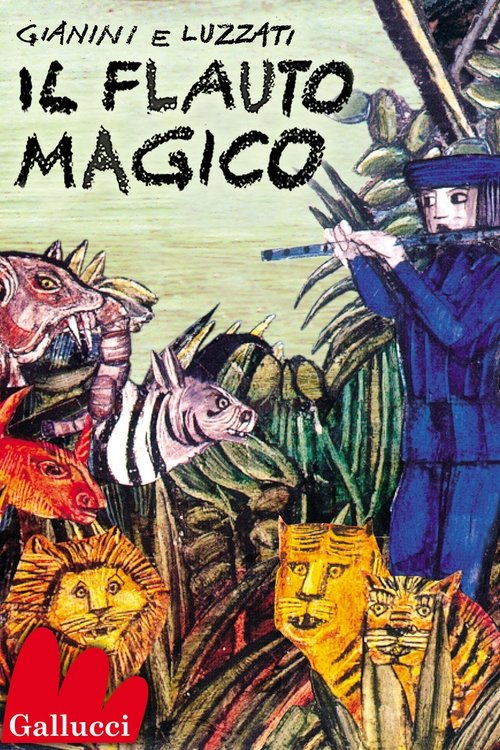
Emanuele Luzzati was a talented artist, director and animator. One of his best known short films was 1978’s The Magic Flute set to the music from Mozart’s two-act opera. As a stage director, Luzzati had mounted a lavish 1963 full-scale production of the opera and fell in love with the music and the story. His animated The Magic Flute, made fifteen years later, was met with glowing reviews and multiple awards. He followed the completion of the film with a children’s picture book that succinctly retells the story. (by Joseph Crisalli)

The Magic Flute

6.5 1978
Images

A succession of visual emotions in a sort of “filmed rotogravure,” where sequences and segments follow an ironic and dramatic logic that highlights the obsessions, the poverty, and the myths that shook the neoconsumerist society of those years. This approach frames, but at the same time transcends, pure reportage, venturing into a reflection on the meaning of seeing and imagining. The techniques employed range from direct rotoscope to works-in-progress, from citationism to photographic contamination.

Images

0.0 1976