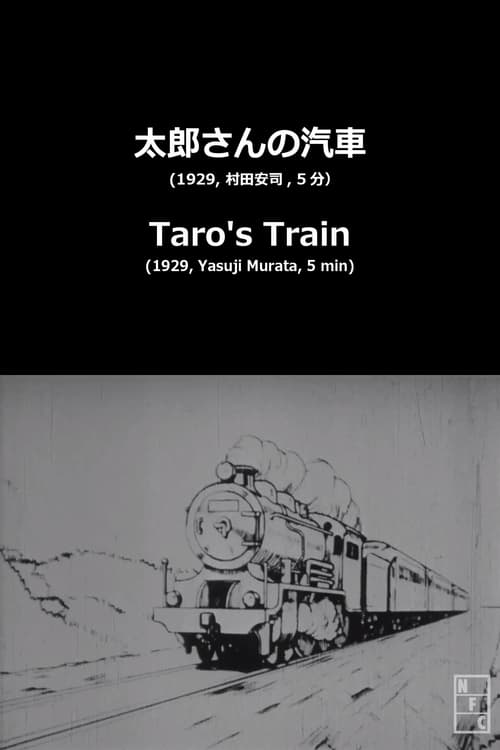
A train conductor goes about his duty. All the characters are animals in human form. Hippo ladies in dresses try to jam into cars and other passengers pull jokes and cause havoc.
Taro's Toy Train
5.1 1929
185 Matches Found
A train conductor goes about his duty. All the characters are animals in human form. Hippo ladies in dresses try to jam into cars and other passengers pull jokes and cause havoc.
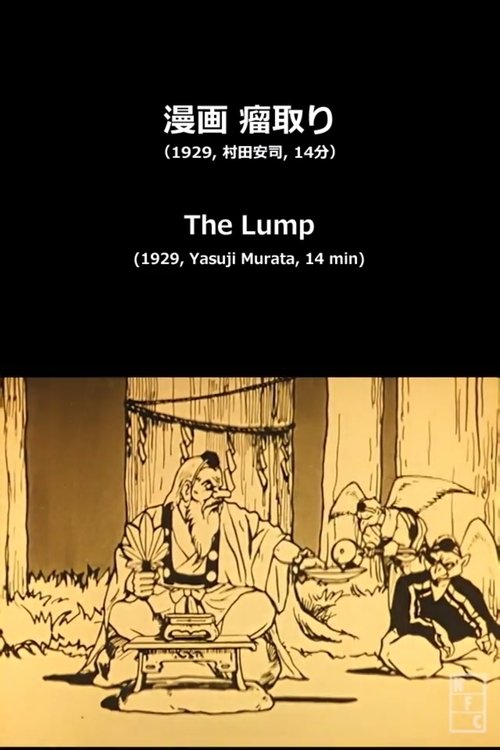
An old man with a huge lump on his face encounters a band of Tengu in the mountains.
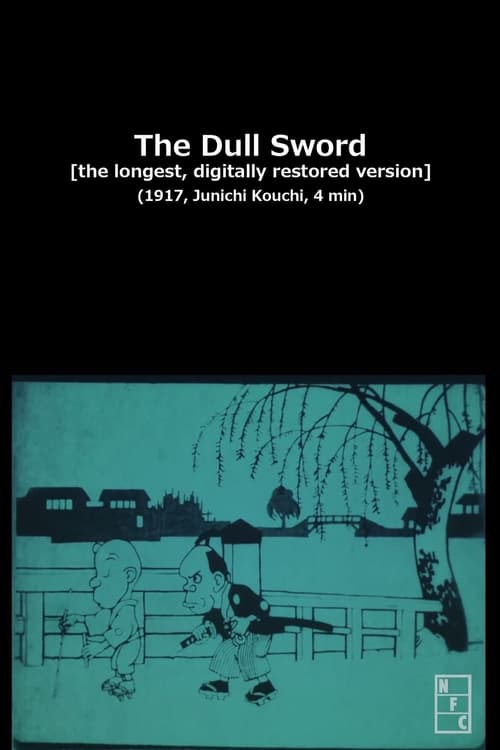
A samurai purchases a new sword only to find it is already dull. When he returns to the dull looking merchant to complain, something quite unexpected happens.
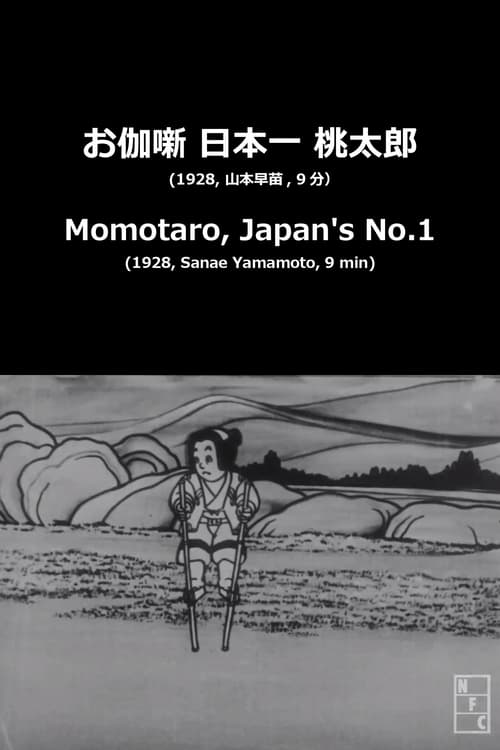
Momotaro, the hero of the story, is born out of a giant peach his foster mother finds floating on the river.
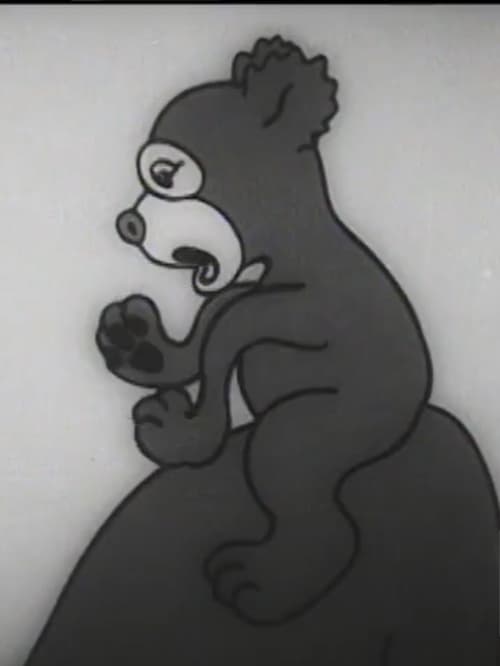
One spring day, little birds are singing and frogs are dancing. A mother bear in the cave tells her children to play outside, but also reminds the two brothers to be careful of the terrible humans. While they are sumo wrestling and eating honey, a hunter tries to shoot the bears. The two brothers see a human for the first time. They manage to find their way to the cave where the mother bear awaits them. They are amazed that the human walks upright. The mother bear teaches her two boys how to do it. Swallows and cranes fly away, summer goes by, and fall deepens. As a result of their efforts, the mother bear and her children master how to walk upright.

A visually artistic animation with no real story. It follows a pair of butterflies as they drift past various beautiful depictions of people and animals.
The story of Dangonosuke, a boy samurai rescuing a woman from a villain, is told comically.
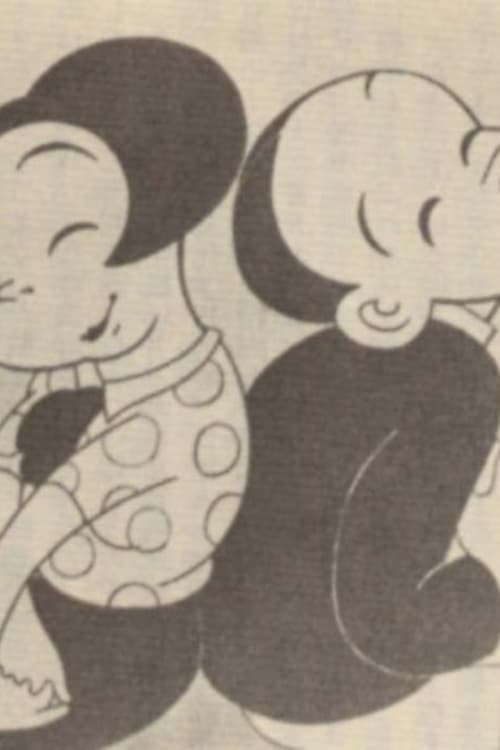
A lost Japanese animated film noted for being one of the earliest to feature voice acting. The story is about a working family man who has an affair with a coworker. She finds out about the affair through him talking in his sleep.
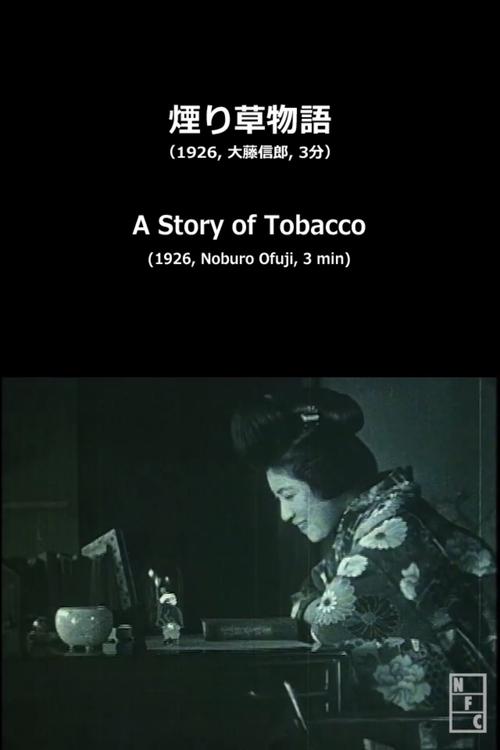
In front of a girl with the traditional Japanese hairstyle, a small man on a desk says, "women descended from tobacco." The girl laughs at him and traps him under a glass. The angry man puffs on a cigarette in a pipe and blows smoke at the girl. The girl takes the cigarette from the man and puts it under her book. When the man threatens her with a gun, the girl throws the cigarette into the yard. The man becomes really angry and tries to shoot her, but the gun does not fire. In the end, the man starts telling her about the beginning of tobacco. According to the 1926 film censor record, the original one reel version had a total length of 174 meters and lasted 6 min. The second half of the film is missing from the existing version. (animation.filmarchives.jp)

A spider attempts to lure a ladybug into his web. When she manages to escape and hide in a tulip, a storm comes that batters the spider, while the ladybug remains safe.
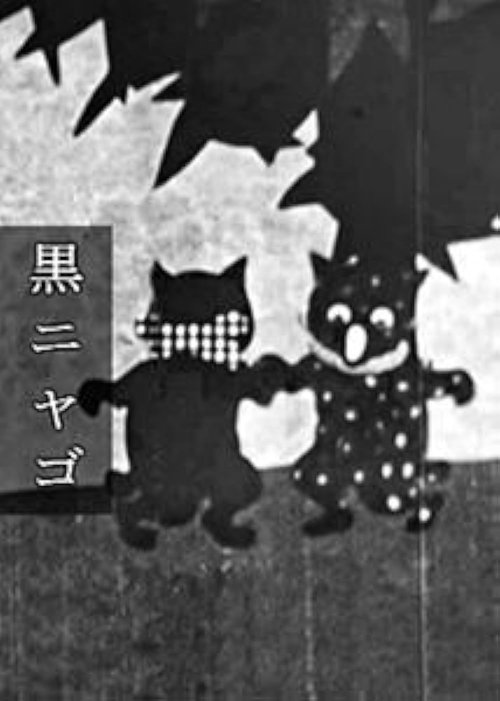
A black cat sings and dances, animated using cut-outs.
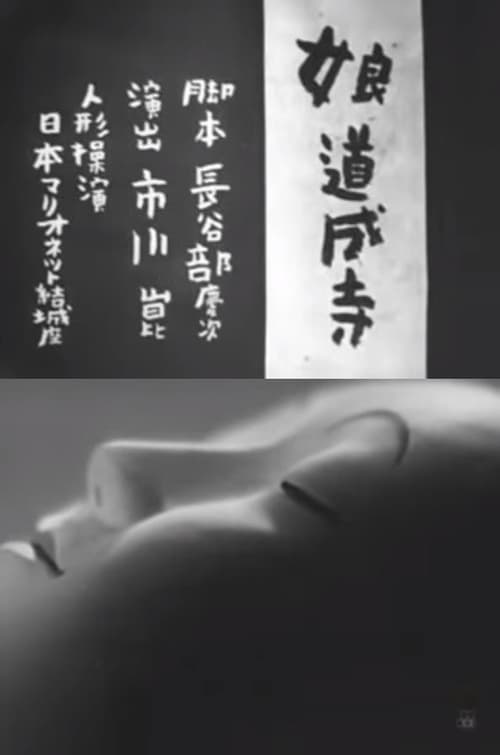
A farmer walking in the woods is frightened away by a shapeshifting fox, who then disguises himself as a samurai and makes his way to a temple, haunted by a young shapeshifting tanuki whose various attempts to frighten the fox/samurai away fail. The young tanuki telephones his father, and they join forces against the samurai.
In spring, the fox is busy partying. On the other hand, the diligent raccoon dog family works hard in the fields even in the hot summer and are ready for the fall harvest. The fox makes fun of the raccoon dog family sweating as they carry their crops and steals a rabbit’s food in front of the raccoon dogs. When cold winter comes, the raccoon dog family enjoy themselves around a fire, but the fox wanders in the snow searching for food. The fox works out a plan to rob the raccoon dogs of the stock of food in their warehouse by starting a phantom fire. The fox changes into the shape of a truck and gets away with the food, but a raccoon dog turns into a sleigh and chases it. A battle of transformation between the fox and raccoon dogs starts in the air. One raccoon dog, reduced to one wing is facing a tough fight, but his family helps him with an anti-aircraft gun and finally fights off the fox.
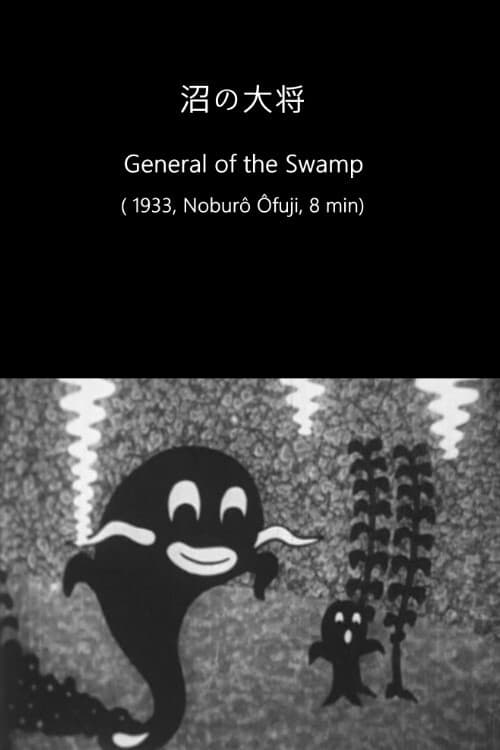
The story of a gluttonous whale and the other aquatic creatures
Once upon a time, the birds and the beasts fought each other in a war. It was a terrible conflict, and the clever bats would side with the birds when the birds were looking victorious, and then they would become allies of the beasts when that side was winning battles. At last the war came to an end, the two parties reached an amicable settlement, and a great party of friendship was held. But when it came to the turn of the bats to perform in the program, their fence-straddling tactics were exposed, and everyone refused to associate with them. Since that time, the bats have been too ashamed to show their faces during the day, coming out only at night to flit silently around.
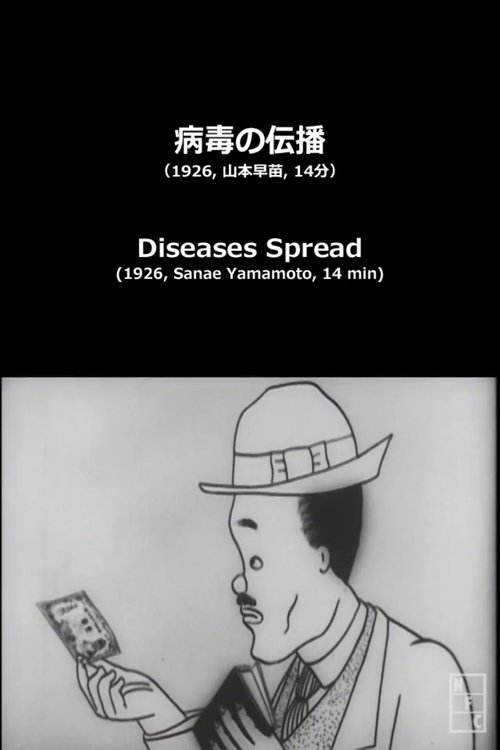
A short animated film about how to keep germs at bay.
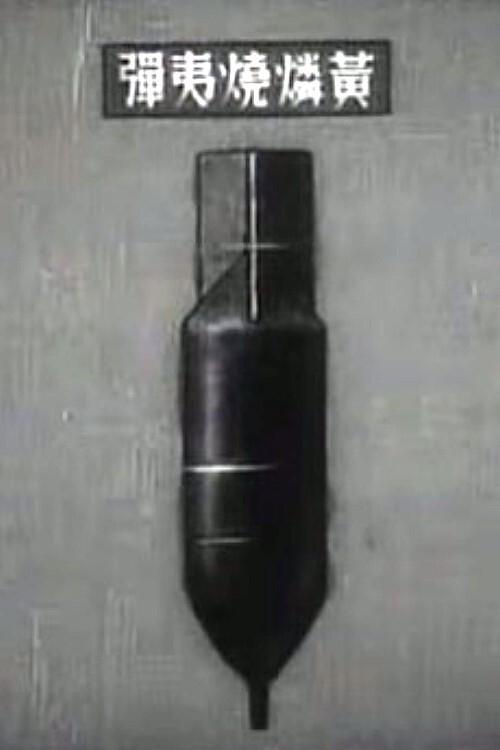
Woodland animal citizens learn how to extinguish different types of incendiary bombs and help fight back against an enemy air force of wolves.
An early silhouette animated film by Hidehiko Okuda, Hakusan Kimura and Tomu Uchida. The original story is a Buddhist tale of a young lady who saved a crab (a spiritual being according to Japanese Buddhist faith) from being eaten, and was later saved from danger by the same crab.
A boy in a cadet's uniform paints a statement on the top of the frame and then tips his cap to the audience. Also known as "Matsumoto fragment".
Industrious farmer Tasuke makes the necessary sacrifices to advance his station in life from a farmer to a store-owner. Based on a well-known kabuki tale Shiobara Tasuke ichitai-ki (The Life Story of Shiobara Tasuke), this parable about the virtues of hard work is based on a true story.
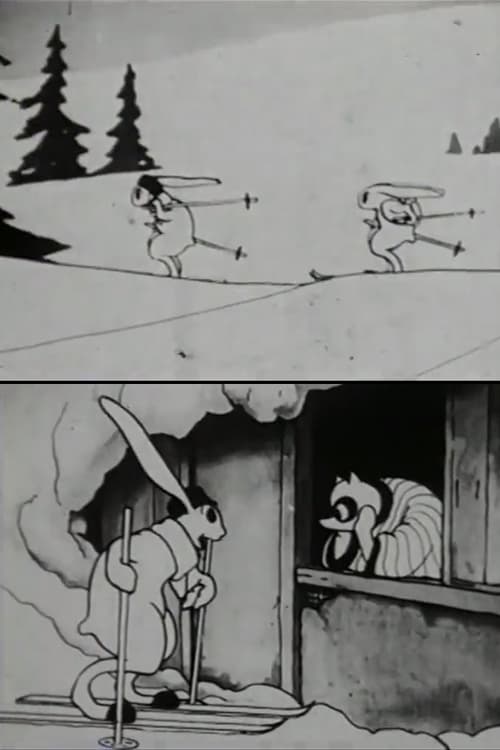
Animated short features bunnies and tanuki having wacky hijinks while going skiing.
A family of cats find an abandoned kitten and take him in to their home. But one of the siblings becomes jealous about the attention the new cat gets from her mother and runs away from home. The new member of the family goes looking for her. Can he bring her back home safely and get her to accept him as part of the family?
In order to win the hand of a princess, a man must defeat an evil dragon and claim its treasured magic stone. Upon his return, Baghdad has been invaded and he must use the stone to defeat his new enemy.
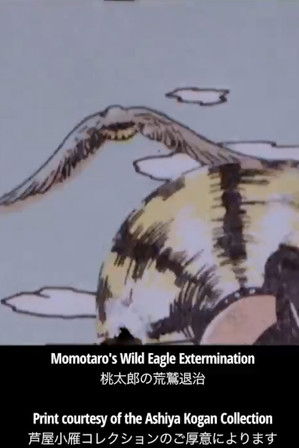
Momotaro was an Edo-era folk hero repurposed in the 1930s to align with Japan’s more nationalist viewpoint. Here, Momotaro seeks revenge on an eagle that disturbed a group of peaceful penguins.
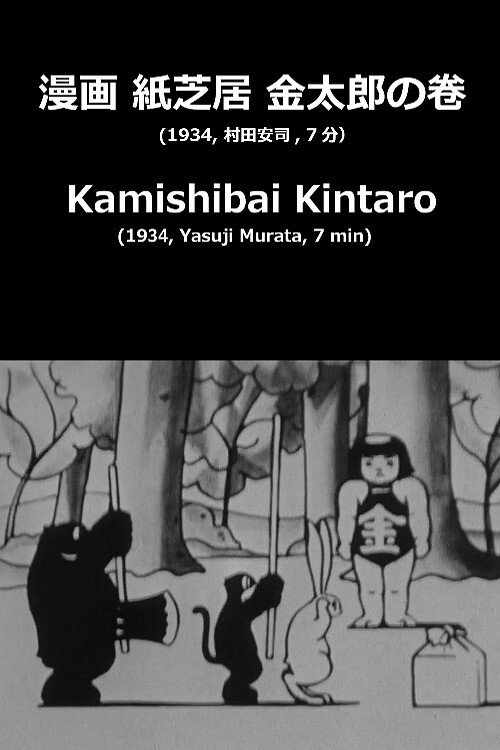
Kintaro, gentle and strong, is popular in the forest. He eventually becomes a great samurai with the name Sakata no Kintoki.
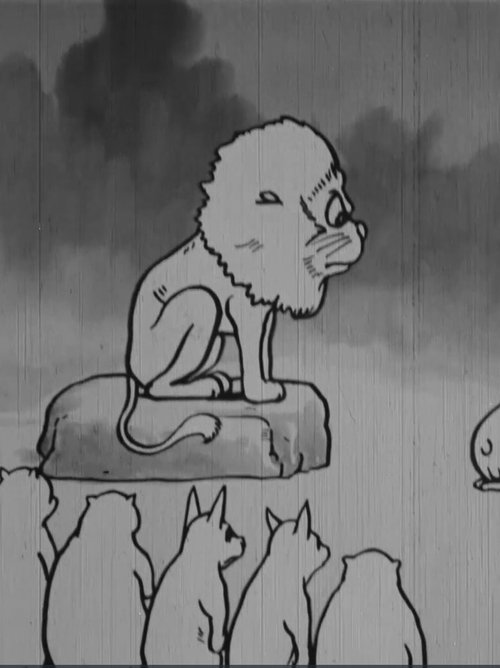
The lazy Tompei is still asleep past 10 o'clock and even at 11 o'clock. He finally wakes up at 12 o'clock at the deafening sound of the angry clock. Hungry, Tompei walks to Sarukichi's house and grabs food Sarukichi has harvested. The next day, while Sarukichi is working in the hills, Tompei beats Sarukichi's two children who are staying at home and tries to steal things from Sarukichi's house. Sarukichi, who is alerted of the situation via telephone from his children races home, is infuriated at the cruel Tompei and punches him so hard he falls down.
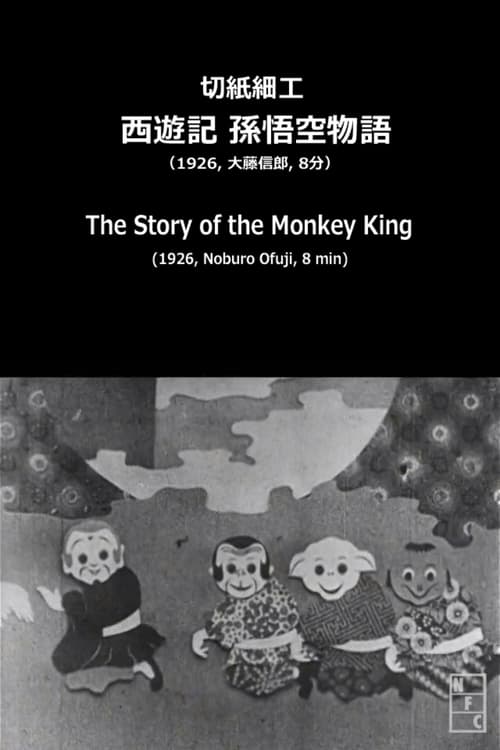
A cut-out animation adaptation of the classic novel "Journey to the West."

A retelling of the classic Aesop Fable, The Tortoise and the Hare.
Short animated film by Yasuji Murata
A Japanese equivalent of a Hollywood Screen Song.
Documentary on the development on trains, with animated sequences.
An unemployed man picks up a flyer which happens to be a notice asking for investors to put up capital for raising a sunken ship. The sum is 10 yen each. To the man, who cannot even scrape together enough money to buy a 10-sen shochu (cheap distilled spirits), this notice seems to be completely beyond his realm. That evening, the man passes by a bar and is enticed inside where he drinks himself to sleep. When he comes to, he realizes that he is at the bottom of the sea. The man meets a samurai who is suspicious of him at first, but when he realizes that the man is Japanese, they cooperate to hunt for treasure. Almost immediately, they come upon the sunken ship of Mononai-go. What will become of them?
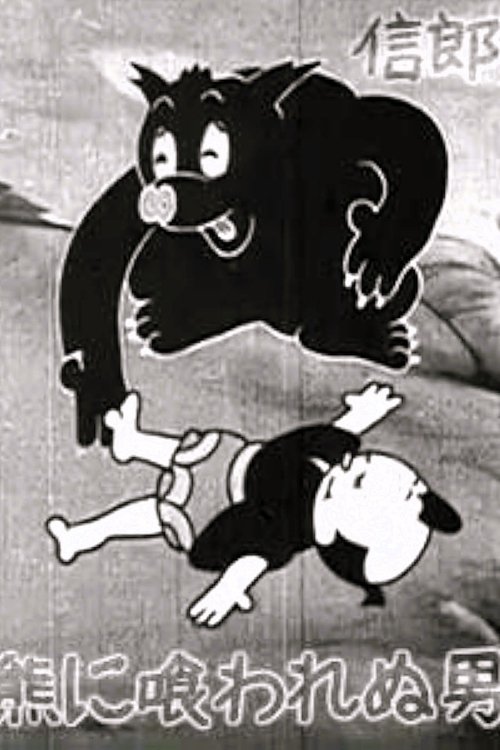
Created by Noburo Ofuji, who had been cartoon making since the 1920s, often with decorative paper cutouts. The character animation looks like it was done 15 years before, but a lot of the elements are highly original; design (those trees!), use of camera focus. Heavily musical in a manner that recalls animation's earliest use of sound. The lesson here is: "If you can't count on your friends, travel alone".
A dutiful young fisherboy sets out to catch his grandfather's favorite fish, which leads him into an extraordinary encounter with a magic pot.

Very short animated film from Japan, using cut-outs in the style of Lotte Reiniger.
A man in love with a noble lady tries to get close to her with the help of cats.
When copper wire is wrapped around an iron rod and connected to a battery, it becomes an electromagnet. A science teaching material movie that explains the principle and structure of electric bells and telephones by applying the principle of an electromagnet through a fusion of live action and animation.
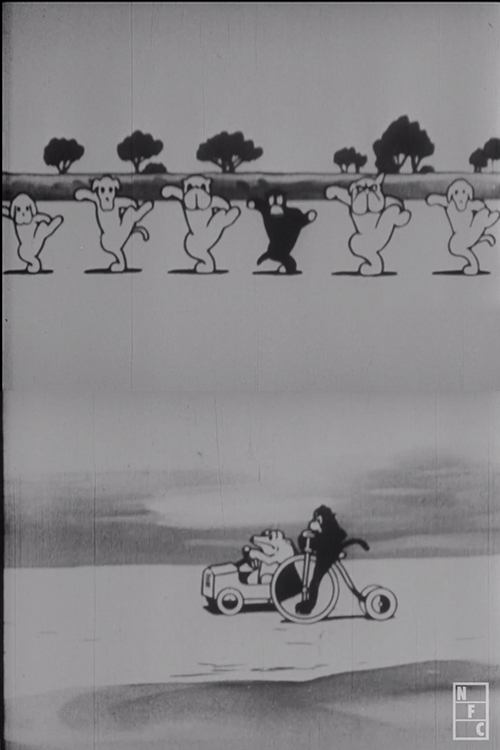
Haru is a Japanese word that means spring (season). A lighthearted anime about spring time. It was originally set to an elementary school song. The film features several vignettes.
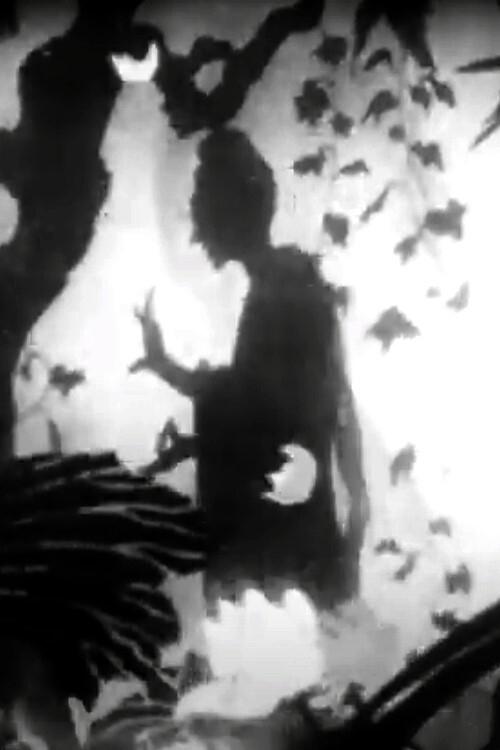
Silhouette animation about an orphan, relating to Christmas.
Chaos in the wild as fires break out and thread from a spider is the savior.
A family of mice dance to entertain a cat that disrupted their festivities after returning home early. (Source: MyAnimeList.net)
When a poor, yet honest, man rescues an old man who has fallen off a log bridge, the little people of the forest give him a "Mortar of Treasures" that will grant any item that a person desires. The man uses the mortar to become the richest person in the village. But the man's greedy brother steals the mortar and, determined to enjoy all the luxuries by himself, climbs into a rowing boat and heads for an isolated island. On the way, however, he asks for salt from the mortar, but then cannot figure out how to stop it. Finally, the boat sinks under the weight of all the salt, and the mortar sinks to the bottom of the sea where it is pouring out salt to this day.

Sports Day at Animal Village. Japanese animation short.
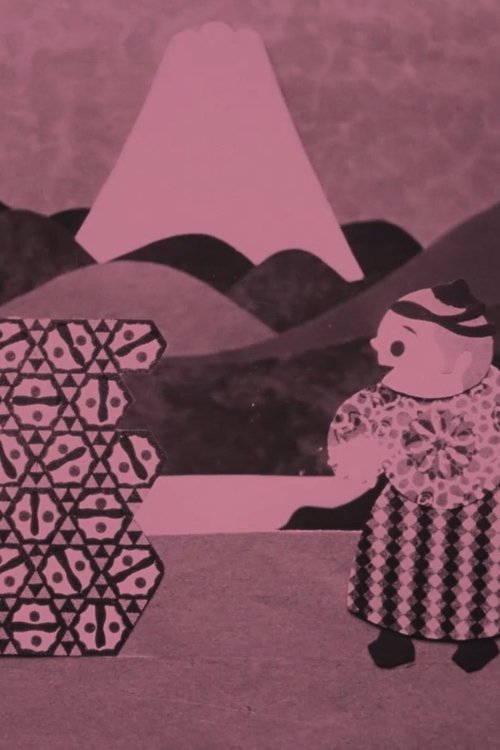
A film about traveling artists arriving from Mishima and Odawara.
A war propaganda film by Oofuji Noburou.
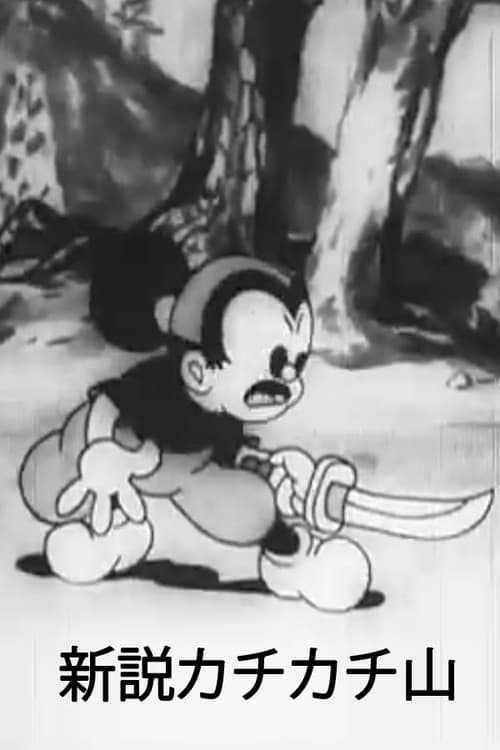
An early, heavily Disney-inspired cartoon, written and directed by Kon Ichikawa. A bandit kidnaps a member of a concert audience as an act of revenge, and the concert's conductor, the Momotaro-esque Dangonosuke, goes to her rescue.
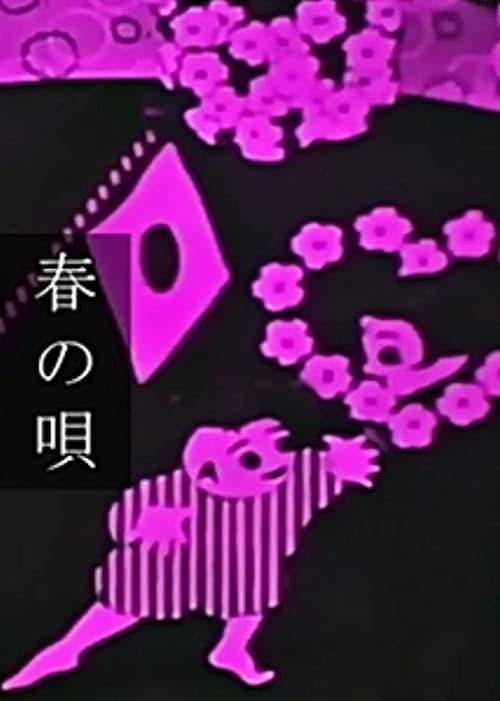
Early Japanese anime. A stop-motion papercraft animation set to a song sung by Kikoku Inoue
A short documentary on the making of Noburo Ofuji's Katsura-hime.
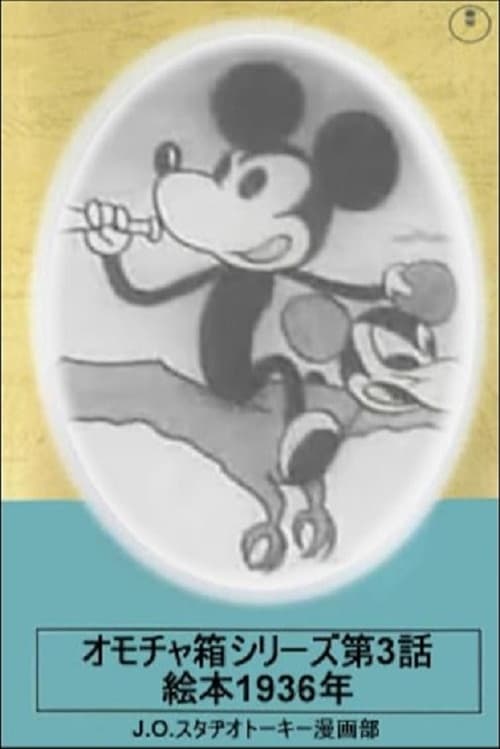
Peaceful citizens (one of whom resembles Felix the Cat) are dancing to music before their island is being invaded by a gigantic rodent that resembles Mickey Mouse. The islanders contact legendary folk-hero Momotaro from a giant book to battle Mickey.
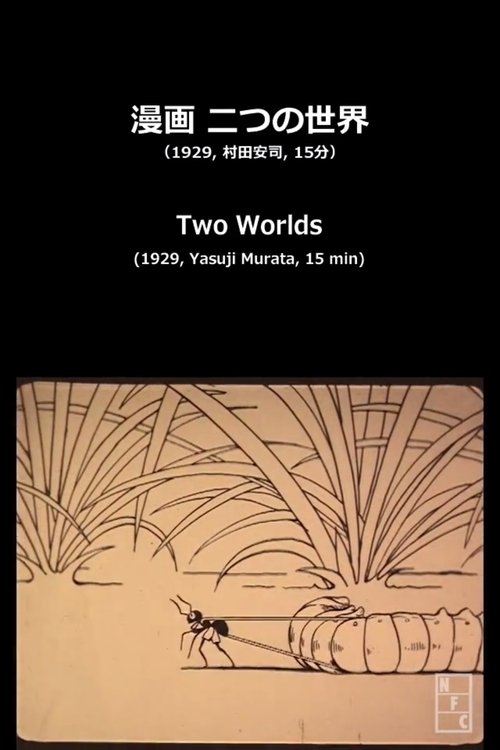
An adaptation of Aesop's fable The Ant and the Grasshopper but with a slight change. We have a diligent family ants versus a drunken lazy frog, a bourgeois butterfly and grasshopper couple. As winter comes, the frog, butterfly, and grasshopper are ill and starving.
An early animated short based on the Japanese folktale. There is some confusion as to which version is which, as there are other animated takes on the tale: 1927s "Yasuji Murata’s Monkey and the Crabs", and 1939s "Monkey and Crabs" or ‘Shin Sarukanigassen’ from Kenzô Masaoka

This film is about the risk of tuberculosis and the importance of disease prevention; produced by the Home Ministry Public Health Division Health and Medical Bureau.
A picture-story showman is reading a story about a troublemaking tanuki on the street to children. A starving tanuki with nowhere to go plots to steal offerings from Mangokuzan Temple, which has a lot of offerings. The raccoon sneaks into the temple. While he is eating bean-paste buns, a child bonze comes. So, the tanuki turns himself into a statue of Buddha. A shortened and revised version of The "Enchanted Kettle". According to The History of Japanese Animation written by Katsunori Yamaguchi and Yasushi Watanabe, the picture-story scene at the beginning of the film and the scene of the raccoon dog dancing at the end were added in this version.
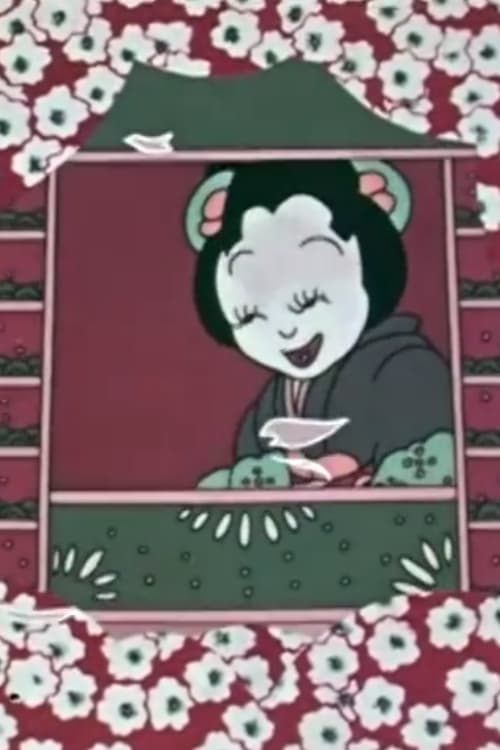
Short film about a princess being kidnapped.
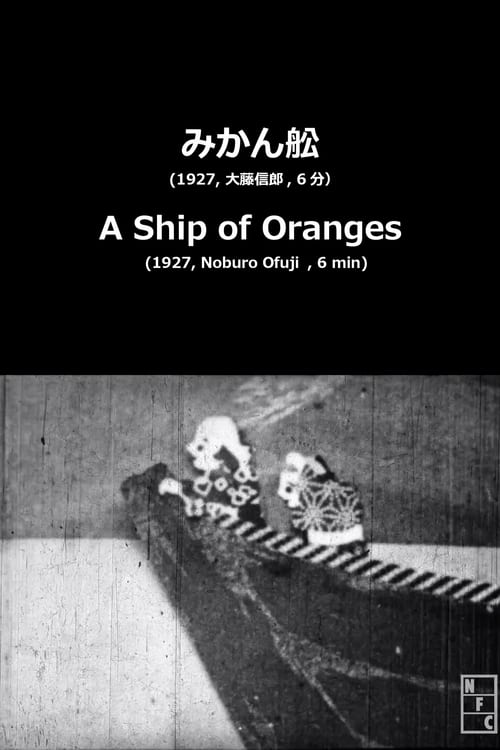
A somewhat historical tale about a famous Japanese businessman who made his fortune by shipping oranges from the farmlands to the capital city of Edo.
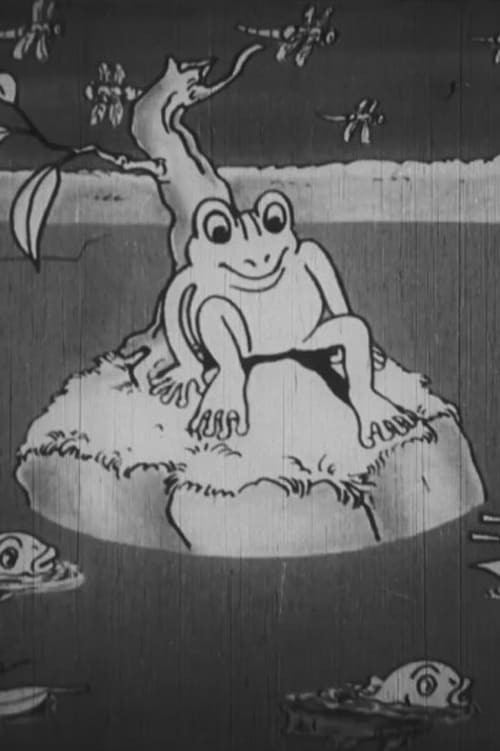
Japanese short.
The mischievous Chinkoroheibei visits the underwater realm of the fish king where he tries to steal the king's treasure box.
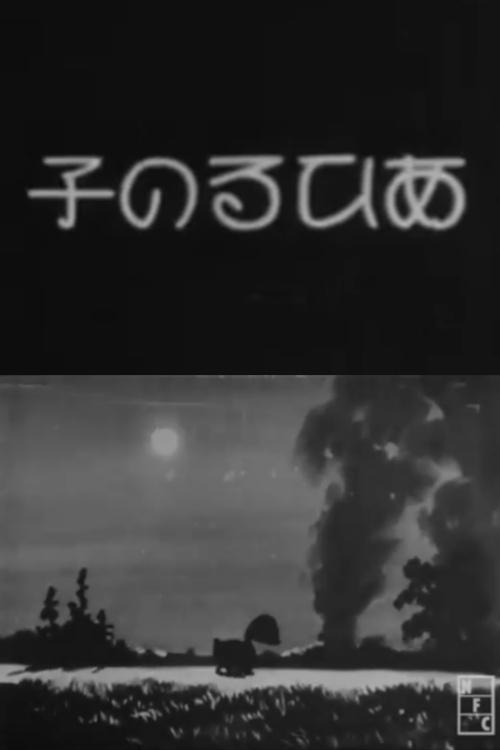
An adaptation of the The Ugly Duckling.