180 Matches Found

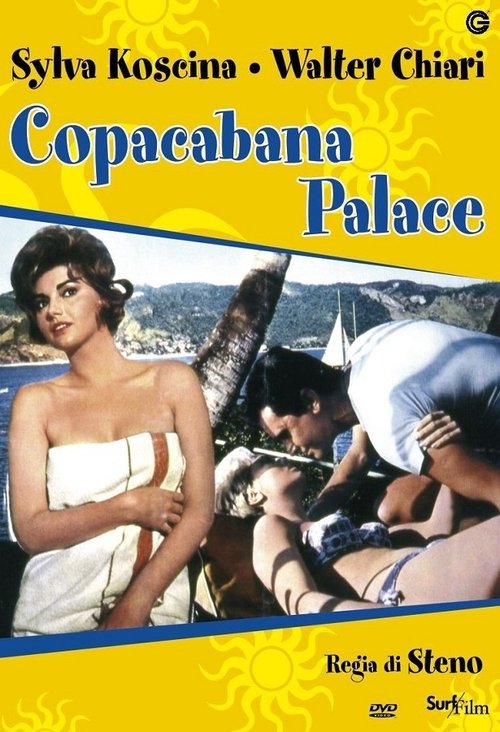
Copacabana Palace

For three days at the Copacabana Palace in Rio de Janeiro, amorous cross-fertilizations are intertwined with petty tricks against the backdrop of the famous carnival festivities. Three (sympathetic) accomplices are beaten to a punch in the hotel vault; three charming stewardesses are looking for entertainment, but their three Carioca host, musicians Tom Jobim, Luiz Bonfá, and João Gilberto, are married; a man, separated from his wife, wants to catch her in the act of adultery.

Copacabana Palace

4.5 1962
Hunger for Love

An extended research tour of US university film programs introduced dos Santos to the American avant-garde filmmakers, among them Jonas Mekas and Stan Brakhage, who would directly inspire his formally radical adaptation of an allegorical short story about adultery and colonialism by Guilherme de Figueiredo. Filmed in both Manhattan and Brazil and set against the background of the Vietnam War and its protests, Hunger for Love uses a rigorously abstract soundtrack and narrative structure to evoke the acute paranoia of the period building up to the December 1968 military coup that tipped Brazil perilously close to a conservative dictatorship. With its harsh critique of the decadent tendencies of the Sixties counterculture, Hunger for Love offers a key expression of the self-consciously “ideological” phase of Cinema Novo. -Harvard Film Archive

Hunger for Love

4.8 1968
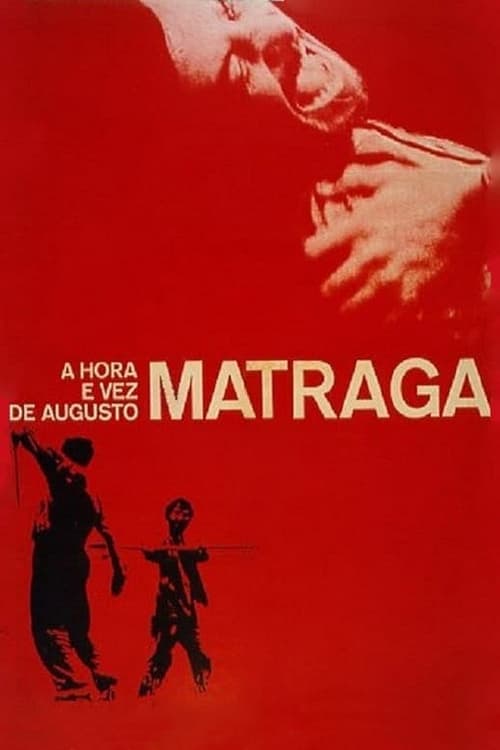
The Hour and Turn of Augusto Matraga

Augusto Matraga is a violent agressive farmer who, after being betrayed by his wife and trapped by several enemies, is bitten up and left for dead, being rescued by a couple of humble small farmers who nurse him for a long time until he is well again. Influenced by the couple, Matraga starts a long penitent life while waiting for his hour and chance to payback, starting a fight between his violent nature, his hidden desire of vengeance and the mysticism and goodness which is also part of him.

The Hour and Turn of Augusto Matraga

7.4 1965
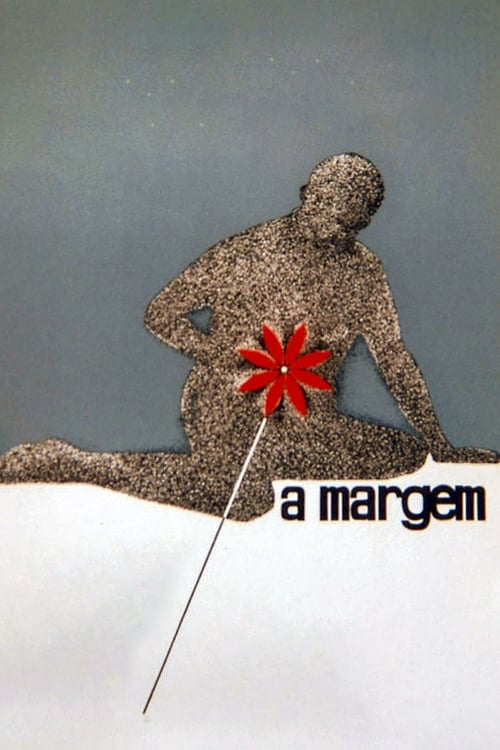
The Margin

On the banks of São Paulo's Rio Tietê, a poignant tale unfolds, featuring a tapestry of characters existing on the fringes of society. Prostitutes, a pimp, a mentally disabled man, and others marginalized by fate lead lives mired in hopelessness, devoid of any prospect. Trapped in the relentless cycle of their ordinary yet despairing existence, they yearn for release, anticipating the embrace of death as their only salvation—a collective passage onto the harrowing vessel of damnation.

The Margin

7.0 1967