1,081 Matches Found

Christiane F.

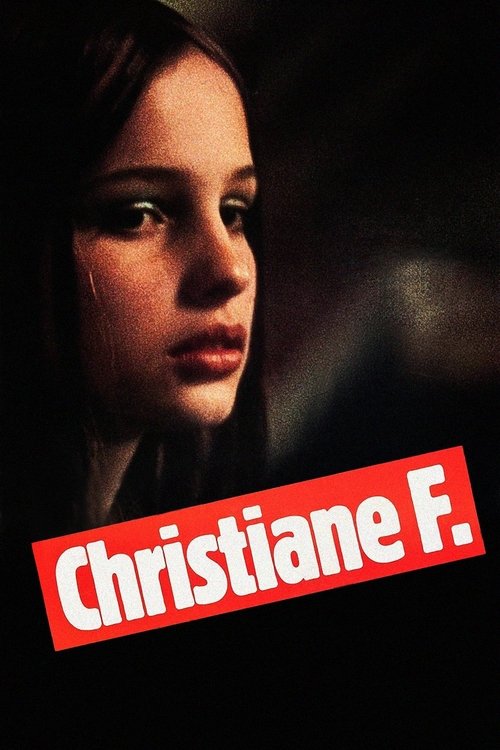
This movie portrays the drug scene in Berlin in the 70s, following tape recordings of Christiane F. 14 years old Christiane lives with her mother and little sister in a typical multi-storey apartment building in Berlin. She's fascinated by the 'Sound', a new disco with most modern equipment. Although she's legally too young, she asks a friend to take her. There she meets Detlef, who's in a clique where everybody's on drugs. Step by step she gets drawn deeper into the scene.

Christiane F.

7.3 1981
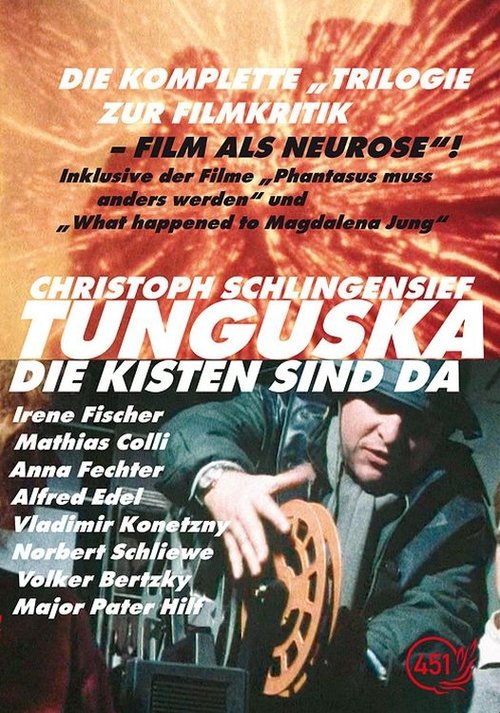
Tunguska – Die Kisten sind da

An early declaration of war on narrative cinema, using a barrage of visual and acoustic elements while at the same time juggling ironically - as he still does - with the term 'avant-garde'. A number of other preferences and obsessions were evident at an early stage, e.g. the mind-numbing habit of having his people stumbling and screaming around: life as a race track. His films likewise feature a lot of theatrical and cryptic outpourings. No wonder that they failed at the box office. No wonder either, however, that Schlingensief was attracted to theatre.

Tunguska – Die Kisten sind da

6.0 1984
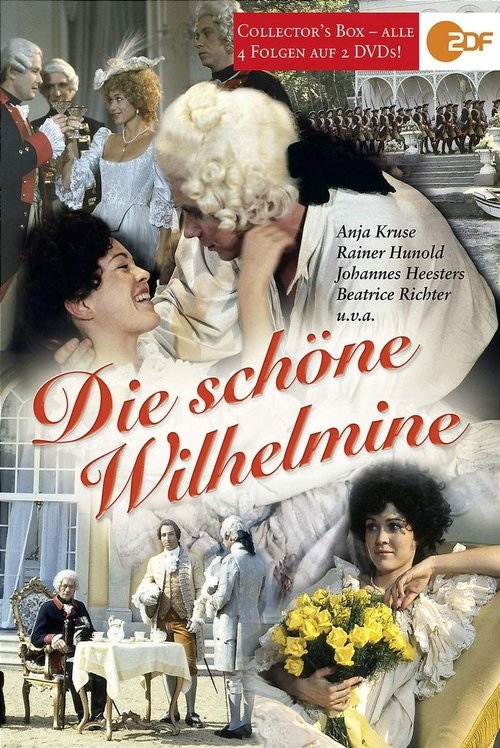
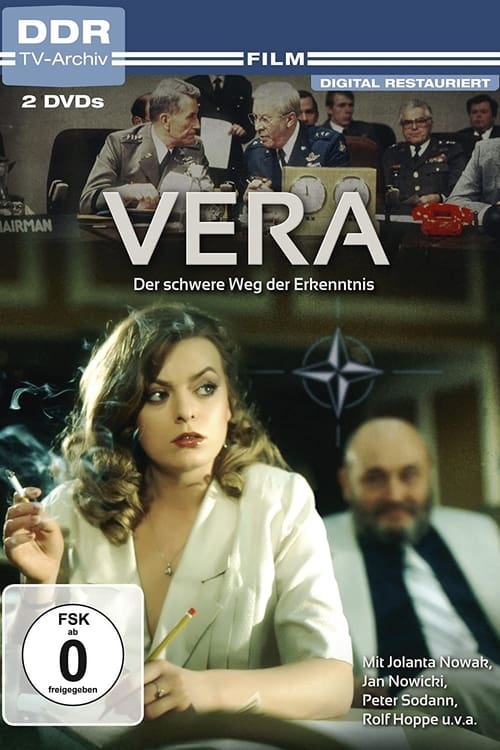
Vera - Der schwere Weg der Erkenntnis

The story of Vera Lenz, a young and very attractive woman who is the daughter of a pastor and comes from a small coastal village on the North Sea (FRG). She is intelligent, determined, but also hungry for adventure, and she fascinates the world of men. She has developed into an accomplished secretary with excellent foreign language skills - predestined for an international career. Her meeting with Colonel Shelvin paves the way for this: Vera is able to take up a position at NATO headquarters in Brussels and, thanks to her achievements, she travels to many countries and meets countless interesting people.

Vera - Der schwere Weg der Erkenntnis

8.0 1989
Lola

Germany in the autumn of 1957: Lola, a seductive cabaret singer-prostitute exults in her power as a temptress of men, but she wants out—she wants money, property, and love. Pitting a corrupt building contractor against the new straight-arrow building commissioner, Lola launches an outrageous plan to elevate herself in a world where everything, and everyone, is for sale. Shot in childlike candy colors, Fassbinder’s homage to Josef von Sternberg’s classic The Blue Angel stands as a satiric tribute to capitalism.

Lola

6.9 1981
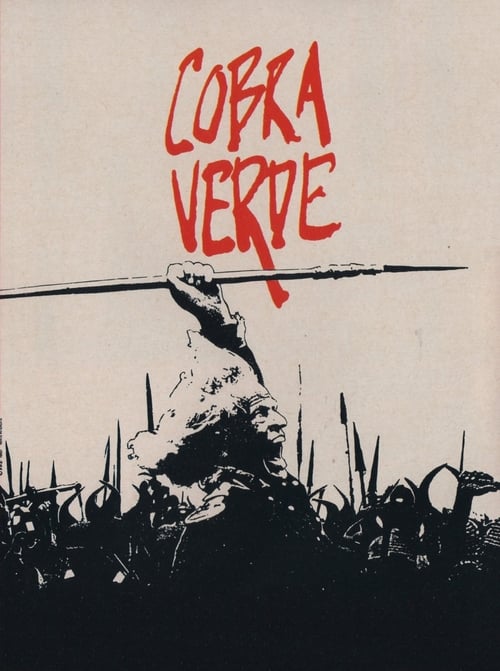
Cobra Verde

A fearsome 19th century bandit, Cobra Verde cuts a swath through Brazil until he arrives at the sugar plantation of Don Octávio Countinho. Not knowing that his new guest is the notorious bandit and impressed by his ruthless ways, Don Octávio hires Cobra Verde to oversee his slaves. But when Cobra Verde impregnates Don Octávio’s three daughters, the incensed plantation owner exiles the outlaw to Africa where he is expected to reopen the slave trade. Following his trans-Atlantic journey, Cobra Verde exploits tribal conflicts to commandeer an abandoned fortress and whips an army of naked warriors into a frenzied bloodlust as he vies for survival.

Cobra Verde

6.9 1987
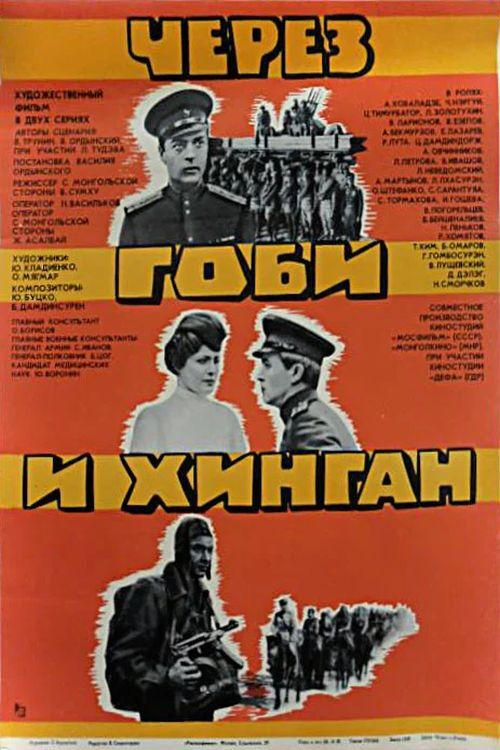
Via Gobi and Khingan

About the events of the final stage of the Second World War — the defeat by Soviet and Mongolian troops of the selected Kwantung army. Bacteriological weapons were created in the laboratory of Japanese General Ishii Shiro. Experiments were conducted on prisoners of war and political prisoners. Epidemiologist Dmitry Sokolov was assigned to solve the mystery of this laboratory. At the cost of his own life, he completed the task. The march of Soviet and Mongolian formations through the Gobi sands and the Khingan spurs was not only a brilliant military operation, but also a warning of the use of bacteriological weapons by Japan.

Via Gobi and Khingan

5.0 1981
Marianne and Juliane

Germany, 1968: The priest's daughters Marianna and Juliane both fight for changes in society, like making abortion legal. However their means are totally different: while Juliane's committed as a reporter, her sister joins a terroristic organization. After she's caught by the police and put into isolation jail, Juliane remains as her last connection to the rest of the world. Although she doesn't accept her sister's arguments and her boyfriend Wolfgang doesn't want her to, Juliane keeps on helping her sister. She begins to question the way her sister is treated.

Marianne and Juliane

7.0 1981
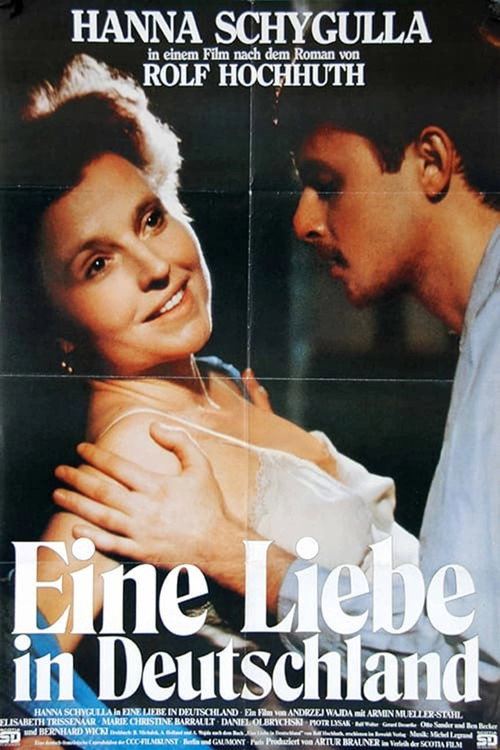
A Love in Germany

In May of 1983, a man turns 49 and, with his 17-year old son, journeys to the village in Baden that he left 40 years before. He wants to discover what happened then, the truth about an affair his mother had with a young Polish prisoner of war, how the authorities came to learn of it, the lovers' arrest, and the aftermath. While his son takes Polaroid photographs, he retraces the steps of his childhood and interviews those who should remember. The story is disclosed in flashbacks that focus on the lovers (Paulina and Stanislaus), on a jealous and conniving neighbor, and on Mayer, the local SS commander who wants to find a way out of inevitable consequences.

A Love in Germany

4.9 1983
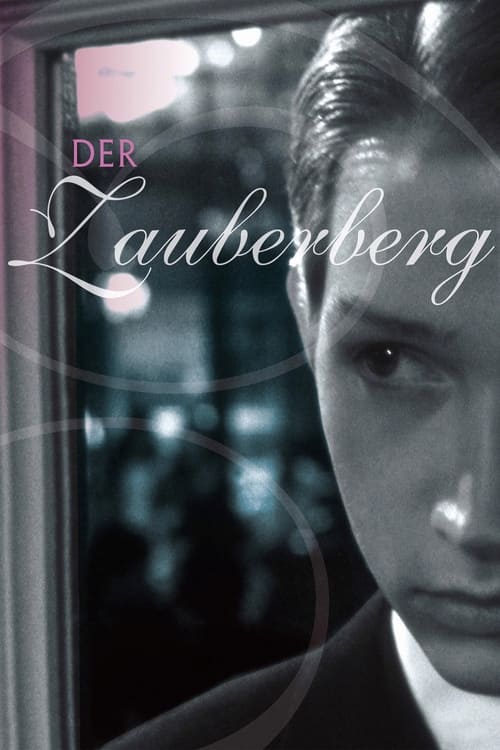
The Magic Mountain

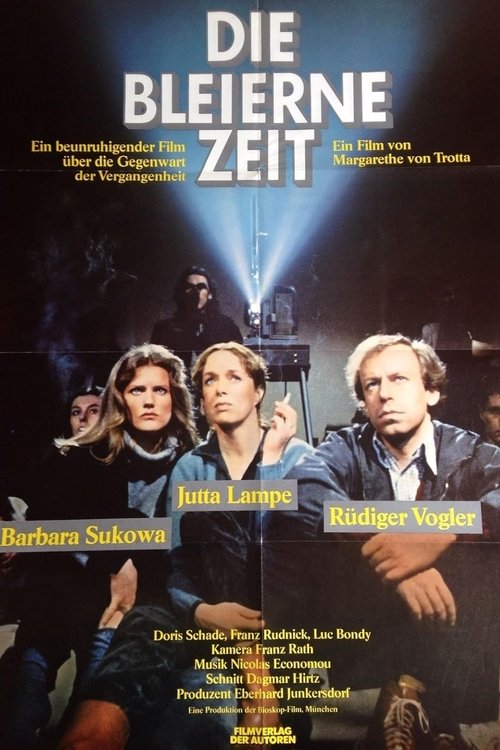
Hans Castorp, fresh from university and about to become a civil engineer, comes to the Sanatorium Berghof in the Swiss Alps to visit his cousin Joachim, an army officer, who is recovering there from tuberculosis. Intending to remain at the Berghof for three weeks, Hans is gradually contaminated by the morbid atmosphere pervading the place. Wishing very much to be considered a patient like the others, he achieves his ends and stays in the sanatorium for ...seven years. During this time, he has enough time to take part in the furious philosophical debates pitting against each other Settembrini, a secular humanist, and Naphta, a totalitarian Jesuit. And to fall in love with the beautiful but enigmatic Clawdia Chauchat. When he is finally discharged in 1914 - along with all the other patients - it is only to plunge into the horrors of World War I.
The Magic Mountain

6.0 1982