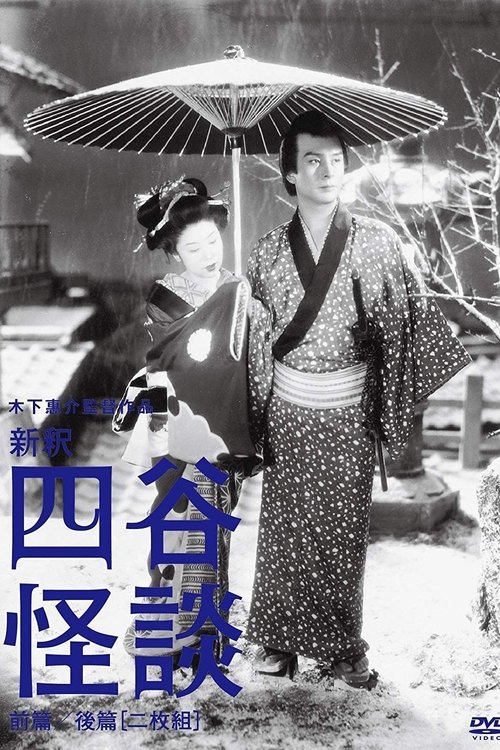
Iemon Tamiya is an impoverished masterless samurai who craves a better life, which he cannot have because of his marriage to Oiwa, who is completely devoted to her husband.
Yotsuya Ghost Story Part 1
6.5 1949
264 Matches Found
Iemon Tamiya is an impoverished masterless samurai who craves a better life, which he cannot have because of his marriage to Oiwa, who is completely devoted to her husband.

A man takes a job at an asylum with hopes of freeing his imprisoned wife.
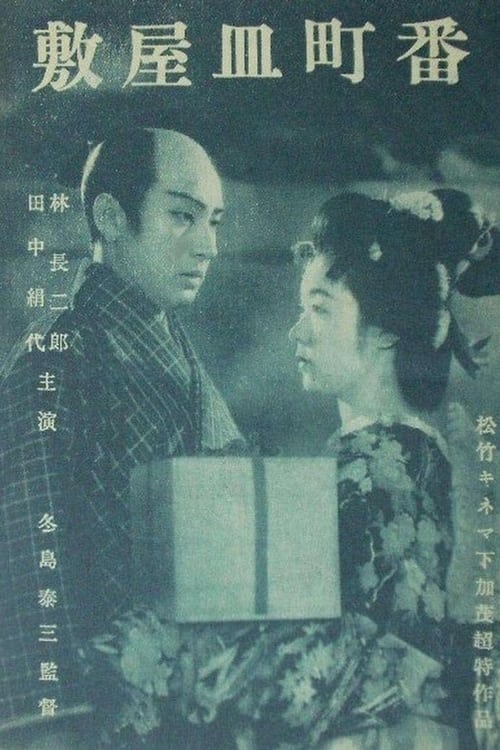
short film about Banchō Sarayashiki.
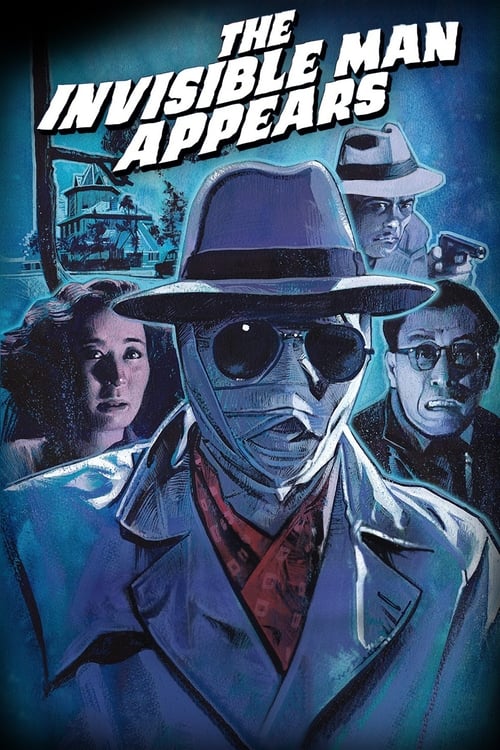
A scientist successfully creates an invisibility serum, only to be kidnapped by a gang of thugs who wish to use the formula to rob a priceless jewel.
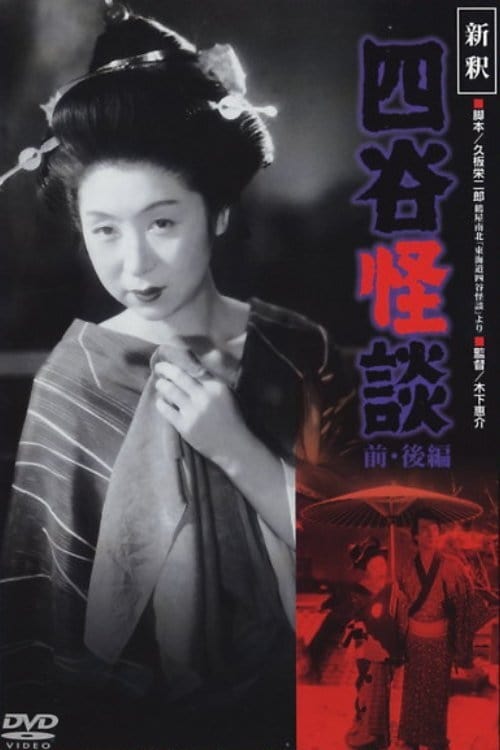
Part 2 starts where the first film ended, with Iemon disposing of the bodies of his wife and Kohei, marrying upward, and being blackmailed by the evil Naosuke.
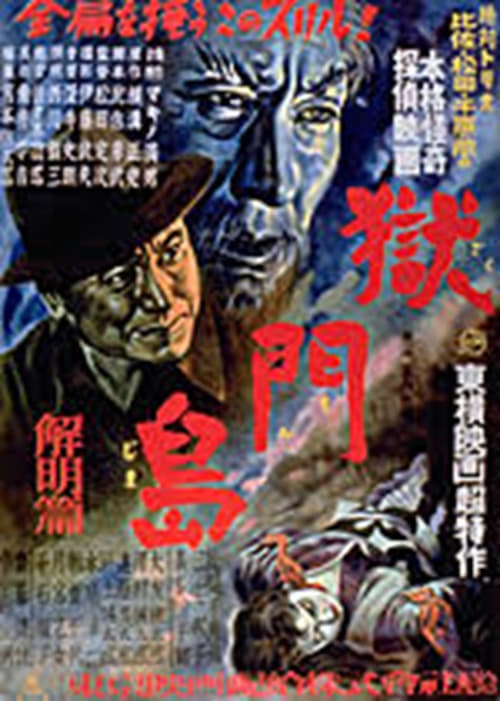
Sequel to "Island of Horrors" (獄門島, 1949).

At the wedding of Kohei (Hasegawa) and Michiko (Todoroki), a whisper echoes along with a gust of wind. As if manipulated by the mysterious voice, Kohei takes Michiko to stay at a dilapidated mountain villa in his hometown. What awaited him there...
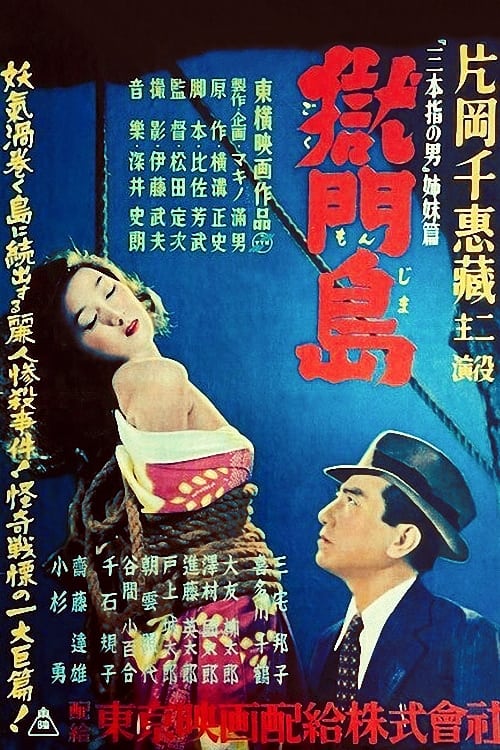
Kindaichi challenges the mystery of an incident in which three sisters were killed one after the other according to an ancient tradition on an isolated island in the Seto Inland Sea. Kosuke Kindaichi received a will from his friend Kito, which said, "Go to Gokumon Island to save my three younger sisters," and Kosuke went to Gokumon Island. Upon arriving at the residence of Quito, there were three beautiful sisters, a crazy father, a cousin of Sanae, and Kosuke plunged into a strange atmosphere. The film adaptation of the masterpiece novel of the same name by Seishi Yokomizo. Kyozo Kataoka plays Detective Kosuke Kindaichi, and Ryutaro Otomo plays Inspector Isokawa, who can be called Kindaichi's best partner.
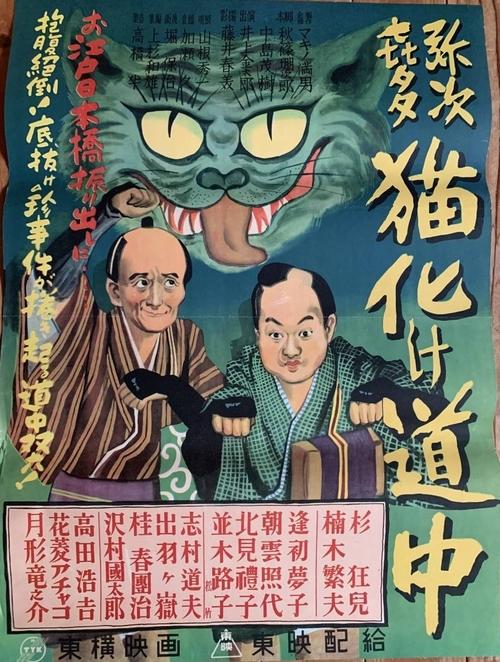
Film about Ghost-cat.
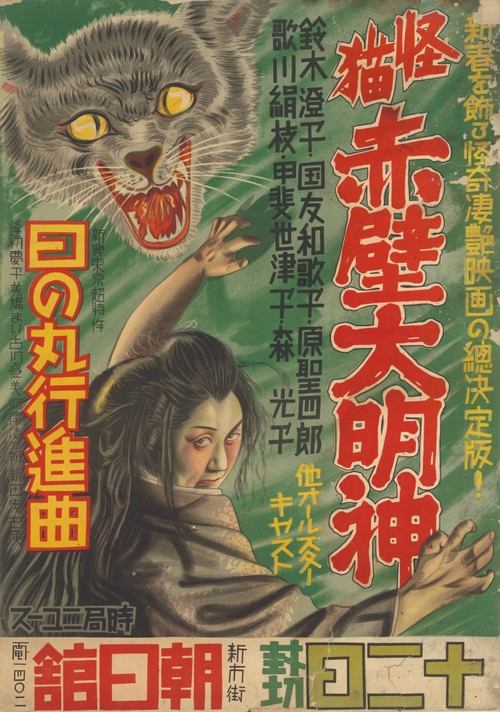
Film about Ghost-Cat.
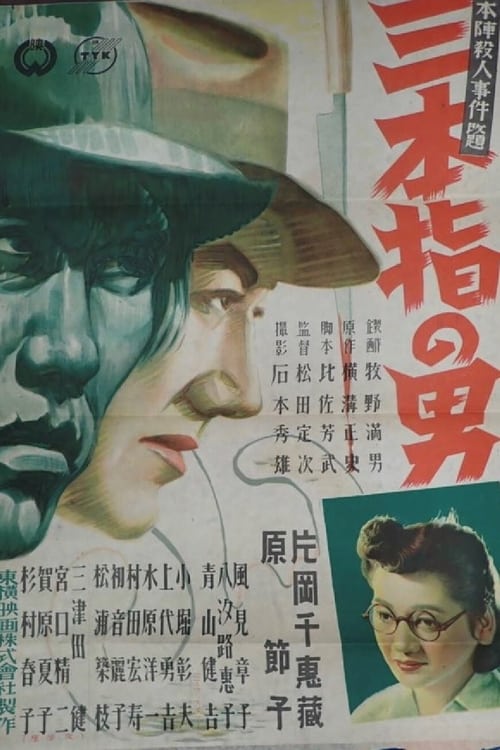
Being acquainted with the bride's uncle, a famed private detective is invited to a wedding ceremony. The groom's family is moneyed and owns large tracts of land. The bride is a former teacher and was rumoured to have had an affair, which explains why the groom's family opposed the union. On the night of the ceremony the bride and groom are killed in a sealed room. There is evidence left, however, as there is a hand print on the wall albeit with only the trace of three fingers.
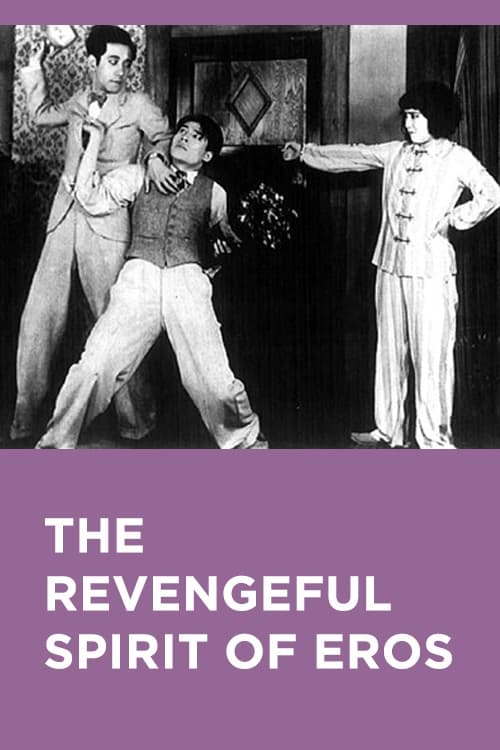
A young couple jump into the sea as part of a suicide pact. The man is rescued and subsequently discovers that his lover is also alive and working in a dance hall. Considered to be a lost film.

When a nobleman is threatened by a family curse on his newly inherited estate, Sherlock Holmes is hired to investigate.
Horror film directed by Kôzô Saeki.
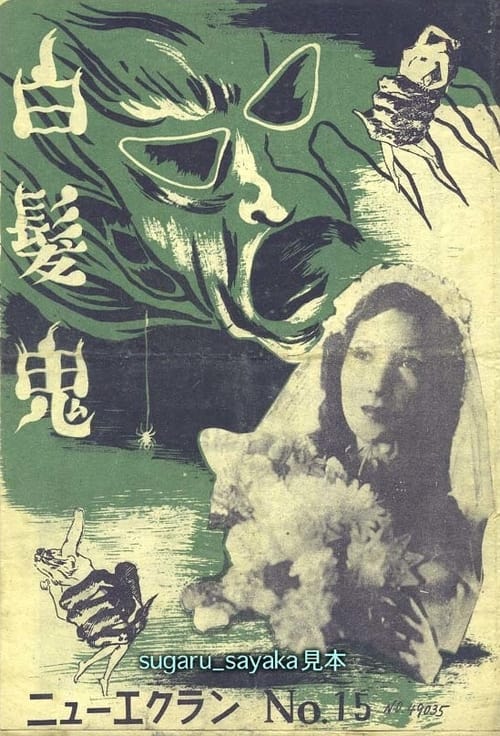
A man dies in an automobile accident and returns as a white-haired demon and seeks revenge on his wife and her lover
Japanese horror movie from 1937.
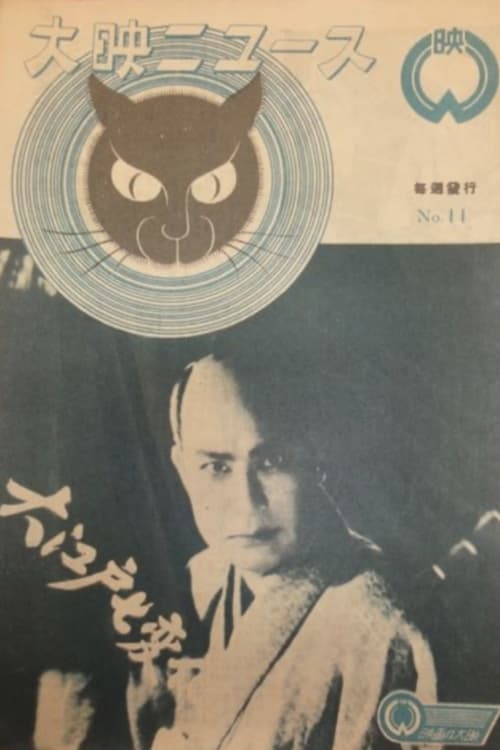
Film about Ghost-Cat.
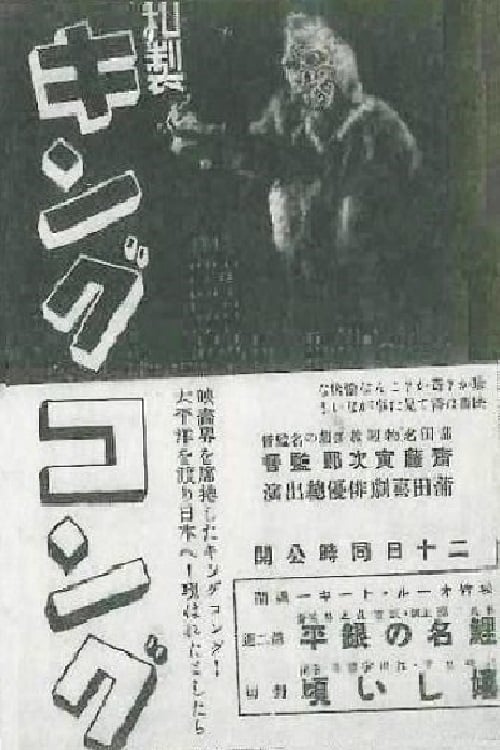
A silent 3-reel comedy short that uses the 1933 film King Kong as a backdrop to the story. It was produced by Shochiku Studios (who released the original 1933 film in Japan on behalf of RKO). It is now considered to be a lost film.
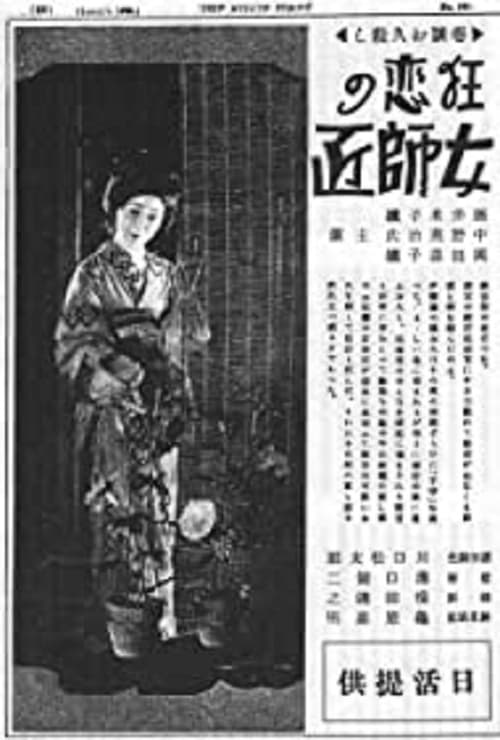
The curse of a jealous woman destroys lovers on the run. Considered a lost film.
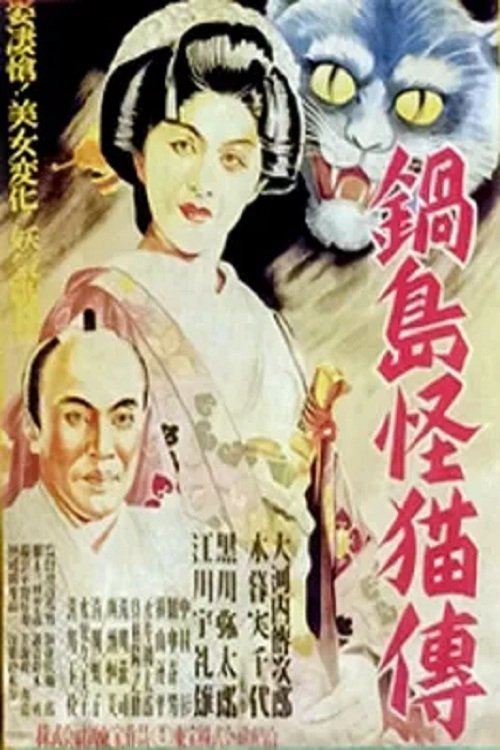
Tanuma Kandayuu is a high class samurai of the house of Nabeshima. He finds a lavish board of Go (a Chinese Board game) at Kinbei's store. He recommend Kinbei to offer it to his lord. Kinbei hesitates at first, since he knows the board has a mysterious legend surrounding it; it's believed that for every game played on the board, one death is required.
An adaptation of The Ghost of Yotsuya
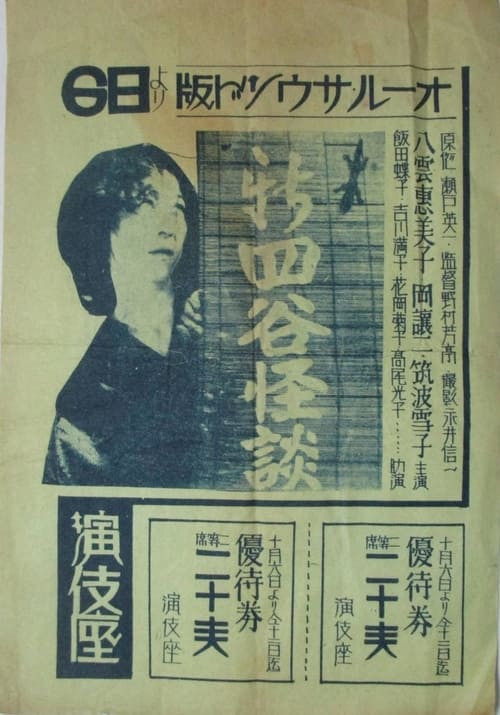
Film about Ghost-Cat.
Film about Ghost-Cat.
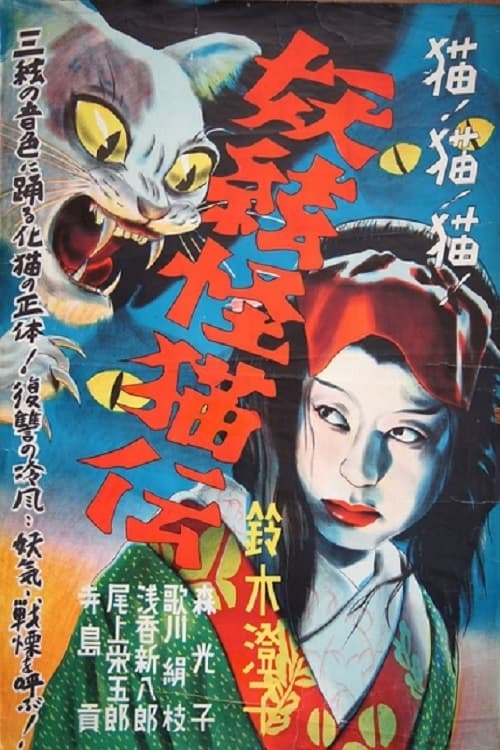
Mitsue is a popular stage actress and the lover of a shamisen player named Seijuro. She jealously murders two other objects of his affection: Okiyo, a young woman from a samurai family, and Kuro, a cat. The spirits of Okiyo and Kuro then merge into a vengeful ghost.
Film about Ghost-Cat.
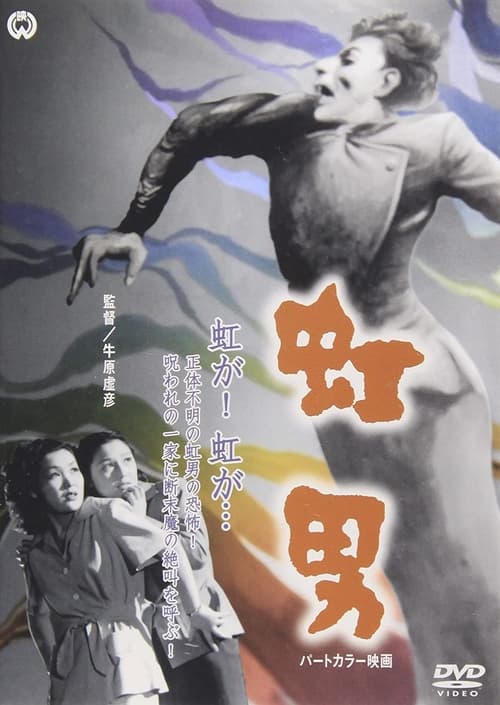
When a young woman is named as the prime suspect in a murder, her girlfriend and her girlfriend's boyfriend set out to prove her innocence. Their investigation leads them to an isolated, creepy house in the middle of nowhere, where sinister goings-on abound.
Japanese horror movie from 1929.
Film about Ghost-Cat.
Film about Ghost-Cat.
Directed by Daisuke Itō.
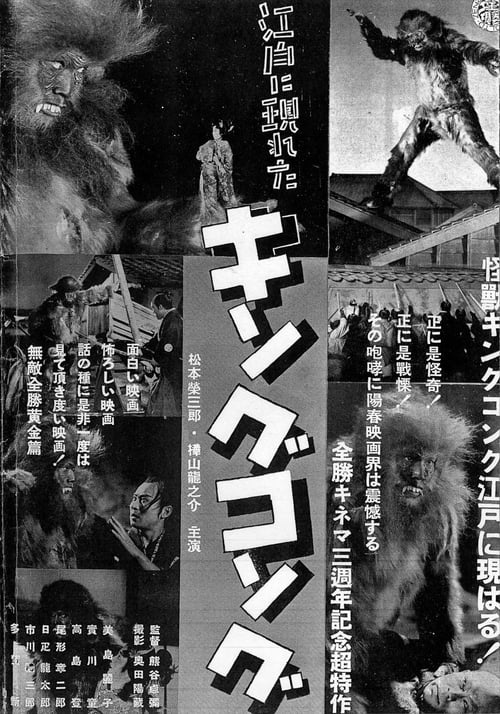
A lost film considered one of Japan's first Tokusatsu films. The effects were done by Fuminori Ohashi, who claims to have been a modeling consultant for Godzilla 1954 (this claim is disputed by modeler Eizo Kaimai and art staff member Shinji Hiruma). The film's synopsis published in the March 1938 issue of Kinema Junpo indicates that the "Kong" featured in this film was not actually a giant monster.
Film about Ghost-cat.
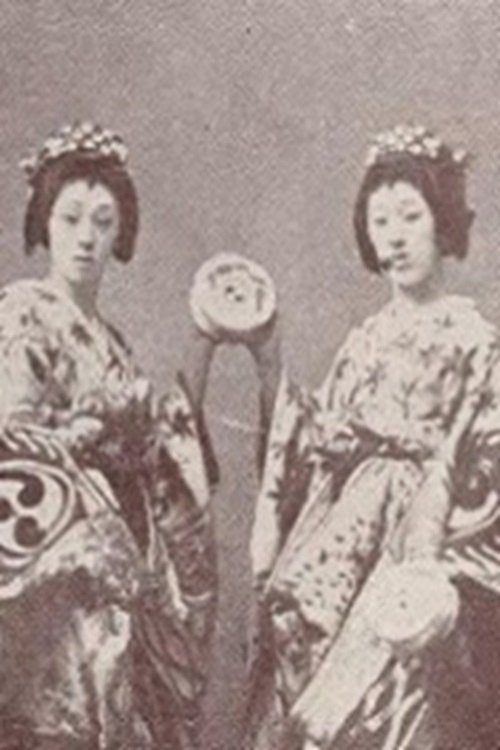
Shot at the Kubut-za in Tokyo and a rare record of two classical kubuki actors, Onoe Eizaburo V and Ichimura Kakuki-za VI, A surviving poster for this film is illustrated by a woodblock print of the lead actors by ukiyo-e artist Yutaka Hitoshi, a frozen moment of the incipient transition from traditional art-forms of ukiyo-e and kabuki to the new, and all-dominating medium of katsudo-shashin (cinema).
Film about Ghost-Cat.
Film about Ghost-Cat.
Film about Ghost-Cat.
Japanese horror movie from 1916. Produced by Nikkatsu.
A farmer walking in the woods is frightened away by a shapeshifting fox, who then disguises himself as a samurai and makes his way to a temple, haunted by a young shapeshifting tanuki whose various attempts to frighten the fox/samurai away fail. The young tanuki telephones his father, and they join forces against the samurai.
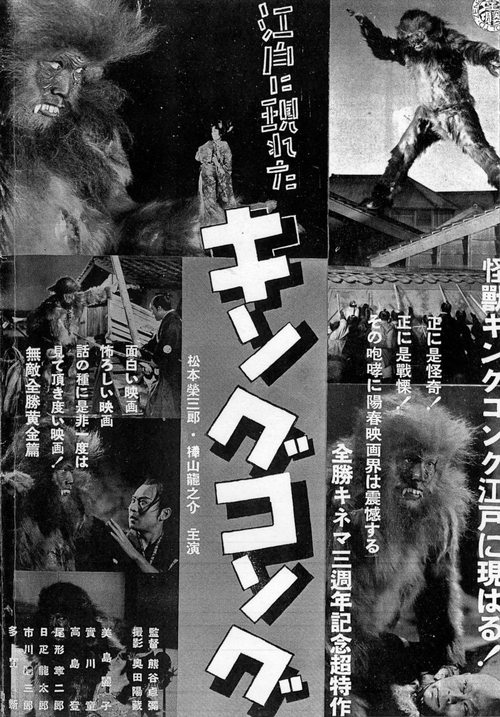
In part two of this silent two-part film, an ape nicknamed King Kong by its master has kidnapped the daughter of a wealthy man as part of a revenge plot by one of his lackeys. The conclusion of the story from Edo ni arawareta Kingu Kongu: Henge no maki (1938).
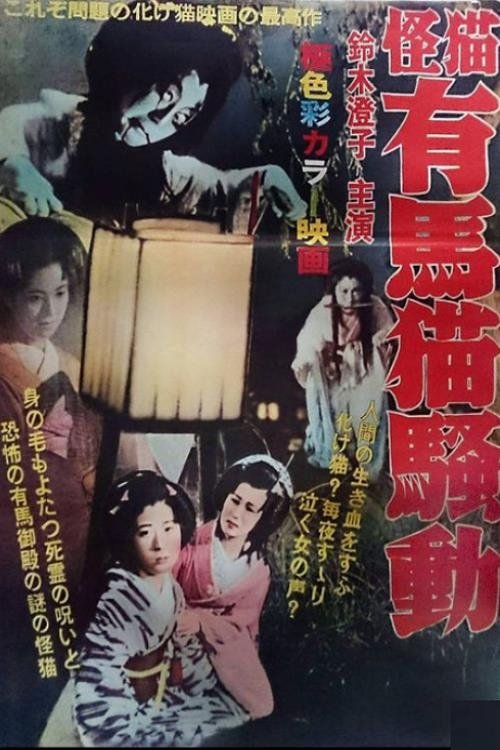
Arima Ghost-Cat movie.
Japanese horror movie from 1936.
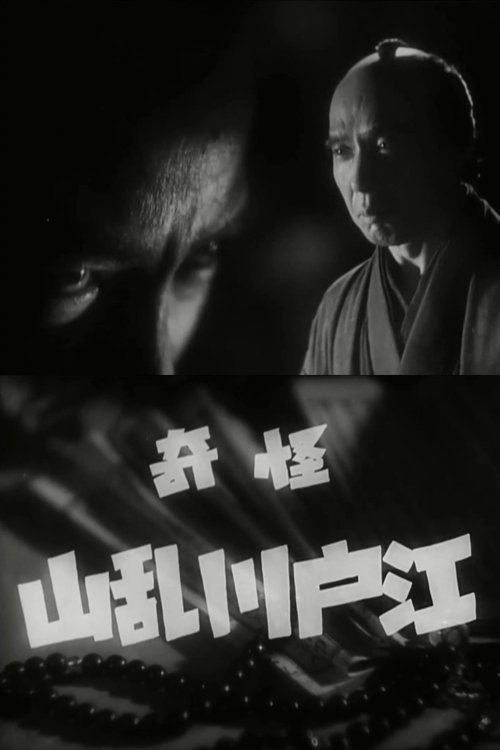
A once-dead man is resurrected by a mysterious old man's spiritual magic to take revenge on those who killed him. An unusual and bizarre historical drama with a vaguely Western atmosphere. Starring the sword-fighting star Kozaburo Ramon, directed by Kenji Shimomura.
Film about Ghost-Cat.
Japanese horror movie from 1917.
Film about Ghost-Cat.
This is a classic Japanese Ghost Story.
Ichikawa Ebijuro stars in this kaibyo story concerning a ghost-cat named Akakabe Daimyojin, which would be re-filmed in 1938. The story may derive from a version of the bakeneko legend of Saga, in which the ghost-cat was deified as a daimyojin ("powerful entity").
Japanese horror movie from 1916.
Among the many famous 16th-century samurai who made the leap from myth and ukiyo-e to early cinema screen was sword-master Miyamoto Musashi, previously depicted in prints by Kiniyoshi Yoshitoshi and others slaying an array of grotesque creatures including giant bats, giant lizards, and the mythical tengu. This imagery informed his first screen depiction in Miyamoto Musashi Taiji No Ba, which showed him combatting the mythic white ape of the mountains.
Okazaki Ghost-Cat movie.
Film about Ghost-Cat.
Japanese horror movie from 1914.