64 Matches Found

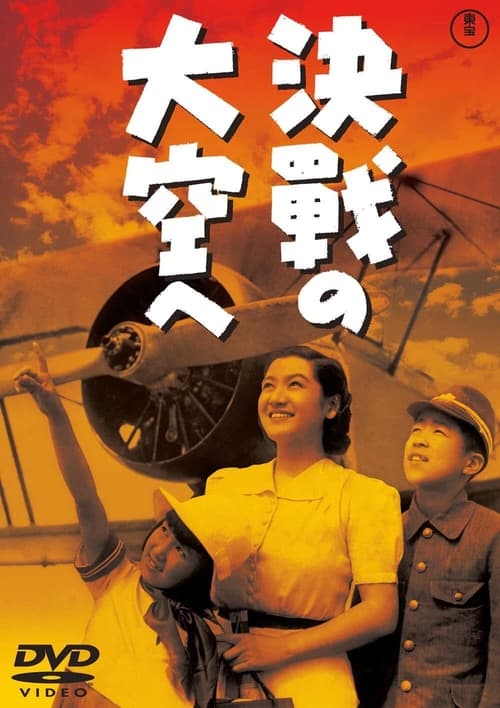
Toward the Decisive Battle in the Sky

Young men endure challenging flight training in the Yokaren, a program feeding new pilots into the Army and Navy. By the time of the filming, the pressure of the war had led the government to shorten the training and expand the age range of the recruits. Yokaren was highly selective, and thus an object of great fascination and desire for boys and young men. In this Navy–sponsored film, Setsuko Hara plays the daughter of a family that often entertains recruits on their days off—a surrogate sister to many trainees. Her fragile younger brother aspires to join the program, but is rejected. With perseverance and much support from Hara and their mother, he surmounts his weaknesses and becomes a flier.

Toward the Decisive Battle in the Sky

5.0 1943
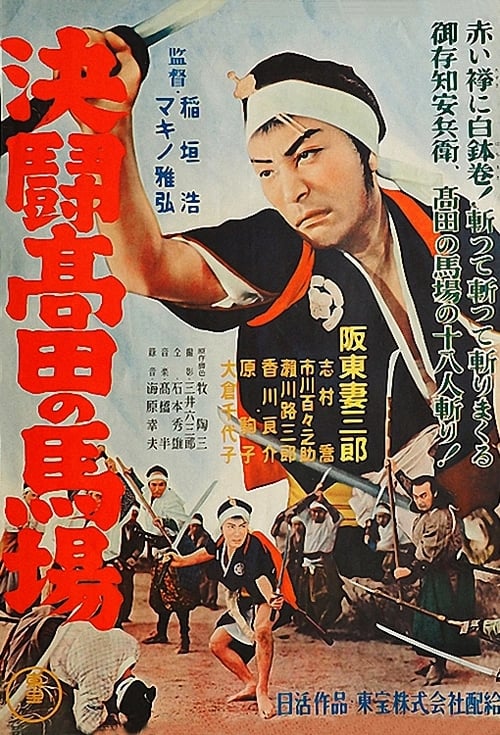
Blood Spilled at Takadanobaba

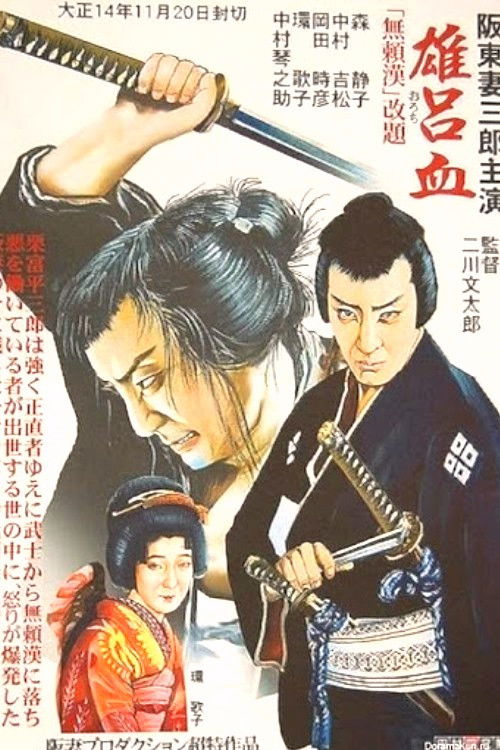
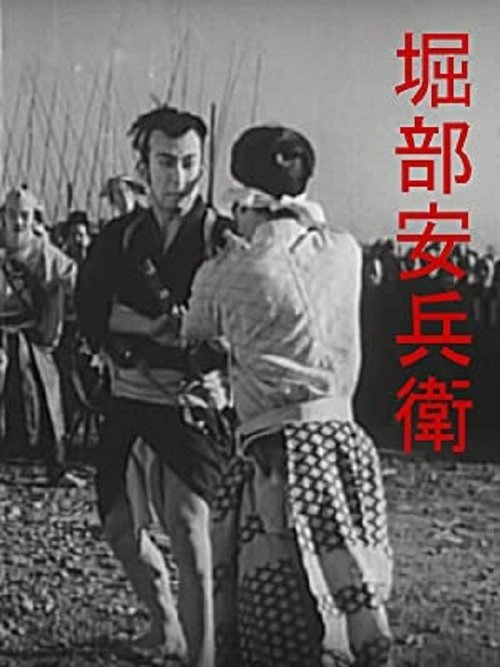
The tale of Nakayama Yasubei’s duel is famous, even if he in reality probably did not cut down 18 opponents. The story has been related in film, rakugo, kodan and on stage many times, in part because Nakayama later joined the famous 47 Ronin (Chushingura) as Horibe Yasubei. But Makino and Inagaki’s version gives no hint of this more serious future, playing up the thrills and the comedy with Bando’s bravura performance. The multiple pans of Yasubei running to the duel are an exemplar of the experimental flourishes of 1930s Japanese cinema and the final duel, performed virtually like a dance number, is a marker of Makino’s love of rhythm and one of the best sword fights in Japanese film history. The film was originally released under the title Chikemuri Takadanoba (Bloody Takadanobaba) with a length of 57 minutes, but suffered some cuts and a title change when it was re-released in 1952.

Blood Spilled at Takadanobaba

6.2 1937
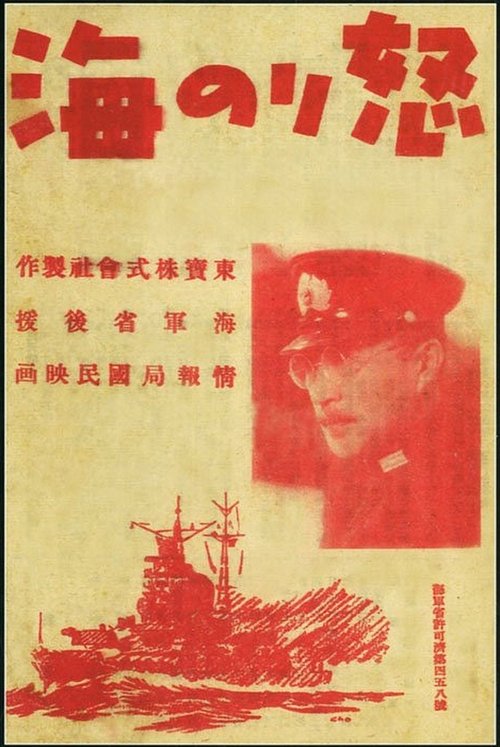
The Cruel Sea

It is 1921 and a town has a newspaper which prints urgent bulletins as required. The Washington-based CITES treaty, in which Japan participates, puts a limit on the number of warships any country can possess. As a result, Japan has to decommission a ship to its makers' disappointment. An institute of technology's laboratory designs a new ship. Due to less ships, sailors have to retire and are also disappointed. The laboratory's manager and an admiral are visiting a patient at a hospital and meet coincidentally. The former has a daughter who worries about her father's workload. She asks him to accompany her to a concert. Father has little time, but is convinced for her sake. He is inspired for a ship's design at the performance. The film is inspired by the life of Jo Hiraga.

The Cruel Sea

0.0 1944
The Greatest Man in the World

In the midst of the depression, two ronin rack their brains to come up with a dishonest scheme. Taking a man from the countryside, they fashion him into Ise Isenokami, the finest swordsman under the sun. Pretending to be his followers, they visit various sword fighting dojo. Out of fear upon hearing the name Isenokami, they pay him off and do not let him enter their training halls. The impostor eventually comes face to face with the real Isenokami after rescuing his daughter, Oyae, who is caught up in a minor incident.

The Greatest Man in the World

5.2 1932
Kurama Tengu

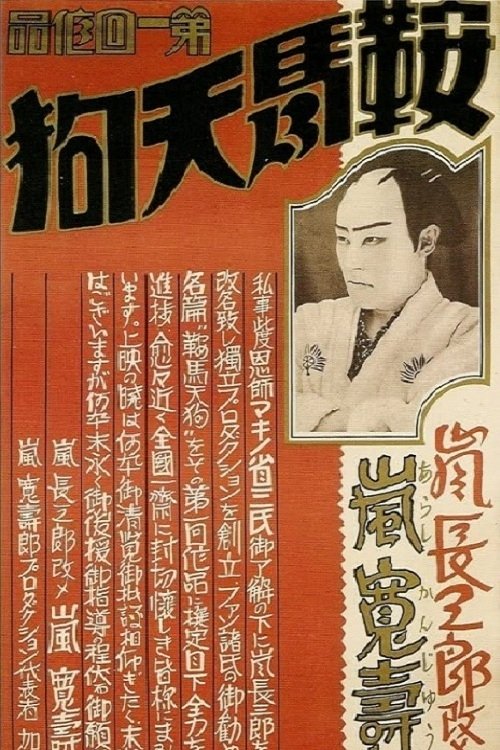
Kurama Tengu is a 1928 black and white Japanese silent film with benshi accompaniment directed by Teppei Yamaguchi. It is a film which is a part of the series depicting the bold and daring hero Kurama Tengu. The popular series comprises numerous films based on the original novel written by Jiro Osaragi, but those featuring Kanjuro Arashi are considered to be the most valuable. Of note is the last scene in which the main character takes on numerous foes with a sword in each hand.

Kurama Tengu

7.0 1928
Maple Leaf Viewing

A reel of the Noh drama Momiji-gari, in which Danjuro Ichikawa played opposite Onoe Kikugoro V as an ogress who has disguised herself as the Princess Sarashina. Filmed by Shibata Tsunekichi in the open air on a windy day in November 1899, Danjuro would allow only the one take, so that when his fan blew away in mid-performance the scene had to stay. The film re-emerged at the Kikikan theatre in 1907 where it was a great success and inspired a wave of fiction filmmaking based on traditional Japanese narratives.

Maple Leaf Viewing

5.8 1899
Detective Umon's Diary, Story No. 6

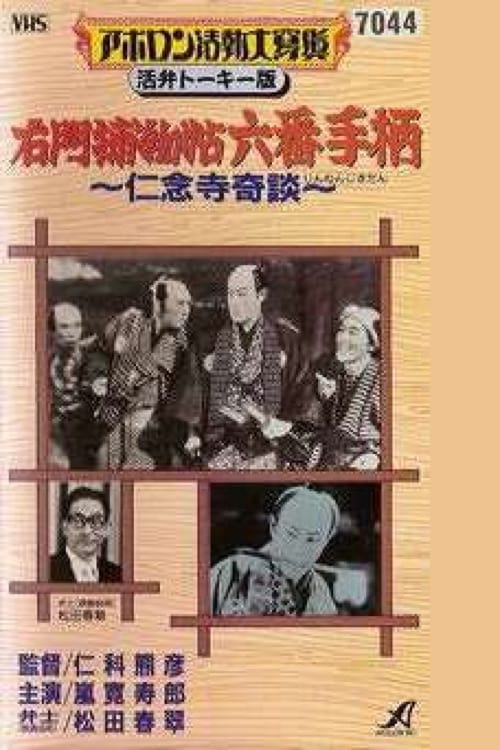
An important silent film survives, Kumahiko Nishina's Umon torimonocho rokuban tegara jinenji kidan (The Samurai Detective, aka The Detective Records of Umon, aka Detective Umon Diary: Exploit Number Six, 1930). Umon on his shining white horse stops a conspiracy against the Shogun. Umon was played by Kanjuro Arashi in this early film, & long after in the post-Occupation jidaigeki revival he reprised the role in Kajiro Yamamoto's Muttsuri Umon torimonocho (1955), helping to launch the renewed interest in such films.

Detective Umon's Diary, Story No. 6

5.2 1930
Shibukawa Bangorō

A film on the life of Shibukawa Bangorō, the founder of the Shibukawa-ryū school of jūjutsu. To paraphrase Satō Tadao’s blurb on the back cover of the video, this is an important film for three reasons. 1. it is an almost perfectly well preserved copy of one of only a few full-length movies still available of the first superstar in Japanese cinema history, the very famous Onoe Matsunosuke. 2. it uses a method that was common in the silent era, the dyeing/tinting of film to mark given moments of day (for ex., blue for night-time) or given situations (for ex., red for fire) – and even though most films that used this technique have been redeveloped in straight b&w, this one is available in its original form. 3. it is an early SFX (special effects) movie that uses the basic tools of the trade - a great action movie full of swordsmanship and monsters (bakemono).

Shibukawa Bangorō

5.2 1922
Miyamoto Musashi: Giant Ape Extermination Scene

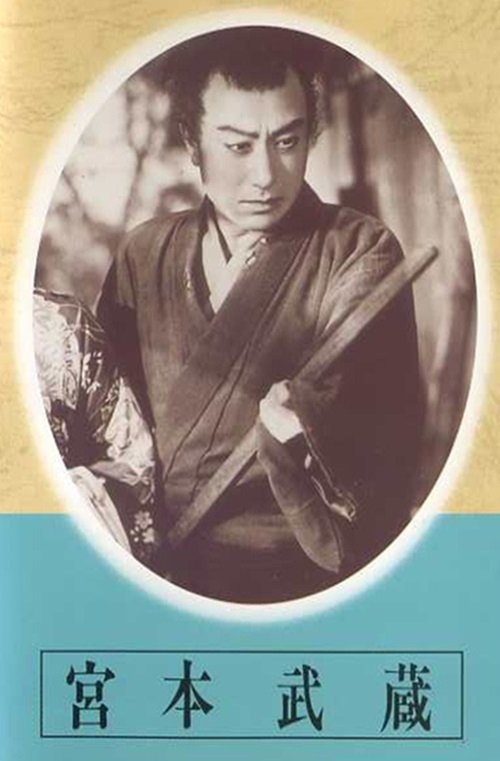
Among the many famous 16th-century samurai who made the leap from myth and ukiyo-e to early cinema screen was sword-master Miyamoto Musashi, previously depicted in prints by Kiniyoshi Yoshitoshi and others slaying an array of grotesque creatures including giant bats, giant lizards, and the mythical tengu. This imagery informed his first screen depiction in Miyamoto Musashi Taiji No Ba, which showed him combatting the mythic white ape of the mountains.

Miyamoto Musashi: Giant Ape Extermination Scene

1.0 1908
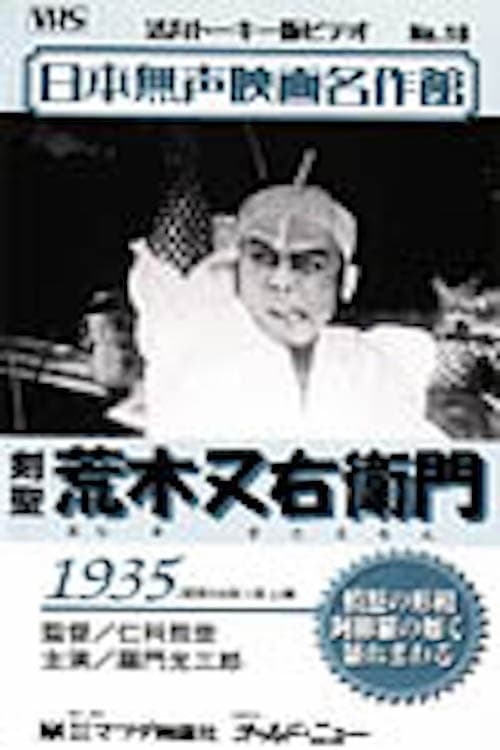
Araki Mataemon: Master Swordsman

Araki Mataemon was a very strong warrior, and his feud against the samurai Kawai Matagorō is one of the most famous in Japan. Matagoro killed Gendayu, the little brother of Mataemon's brother in law, Watanabe Kazuma. Becoming a murderer out of jealousy for a childhood friend, Matagoro fled in another domain, using friends of his father and his lineage linked to Tokugawa Ieyasu. It was somehow a complicated matter, as it seems at that time, a law from Toyotomi Hideyoshi allowed a little brother taking revenge for his elder brother, but not the reverse. After some years, the lord of Kazuma and Mataemon found a way, and they were allowed to take revenge for the murder. They fought and killed Matagoro and just one other samurai who was helping the culprit. It seems at that time, Kazuma was Mataemon's only assistant.
Araki Mataemon: Master Swordsman

5.6 1935