116 Matches Found

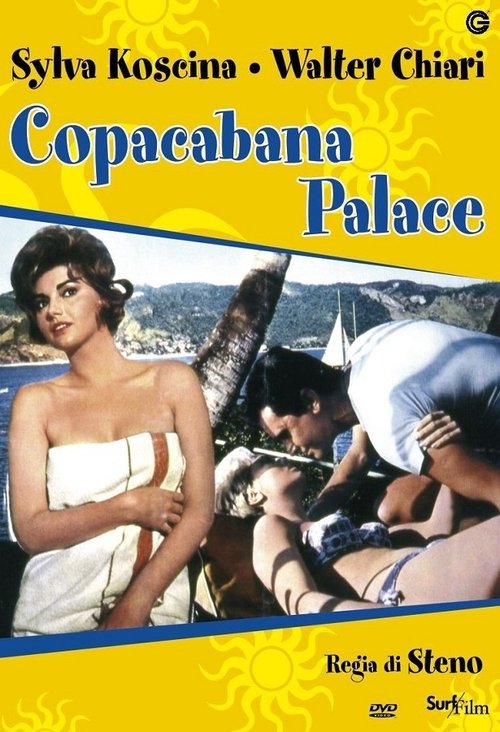
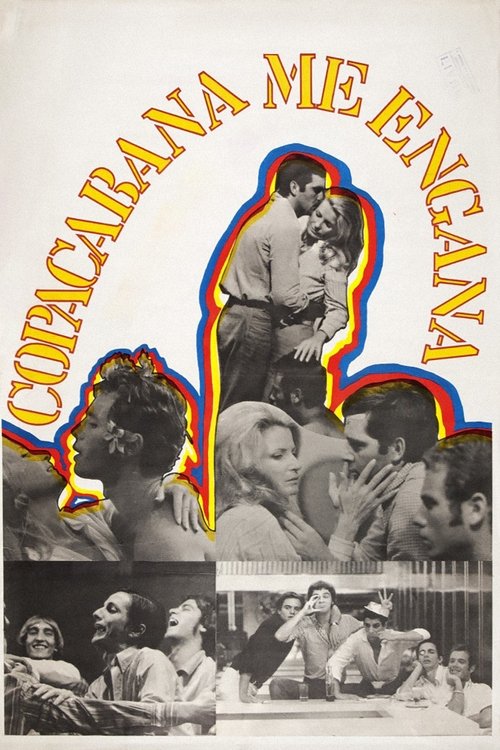
Copacabana Palace

For three days at the Copacabana Palace in Rio de Janeiro, amorous cross-fertilizations are intertwined with petty tricks against the backdrop of the famous carnival festivities. Three (sympathetic) accomplices are beaten to a punch in the hotel vault; three charming stewardesses are looking for entertainment, but their three Carioca host, musicians Tom Jobim, Luiz Bonfá, and João Gilberto, are married; a man, separated from his wife, wants to catch her in the act of adultery.

Copacabana Palace

4.5 1962
El Justicero

A shockingly irreverent follow-up to the rural austerity of Barren Lives, dos Santos’ Godardian social satire owes more than a nod to the self-conscious antics of the French New Wave. The pampered son of a general, El Justicero is a hipster playboy who fancies himself a James Bond/Jean Paul Sartre urban hero. “Archetypical” yet “full of contradictions,” he sees that justice is achieved for the disadvantaged while taking advantage of certain bourgeois perks. His exploits are closely followed and eventually directed by his biographer who decides a film is not only more lucrative than a book, but it gives him the luxury of reviewing previous scenes. Unlike Bond, El Jus eventually experiences an awakening which threatens to compromise the entertainment value and glamour of his life story. - Harvard Film Archive

El Justicero

5.4 1967
A Cama ao Alcance de Todos

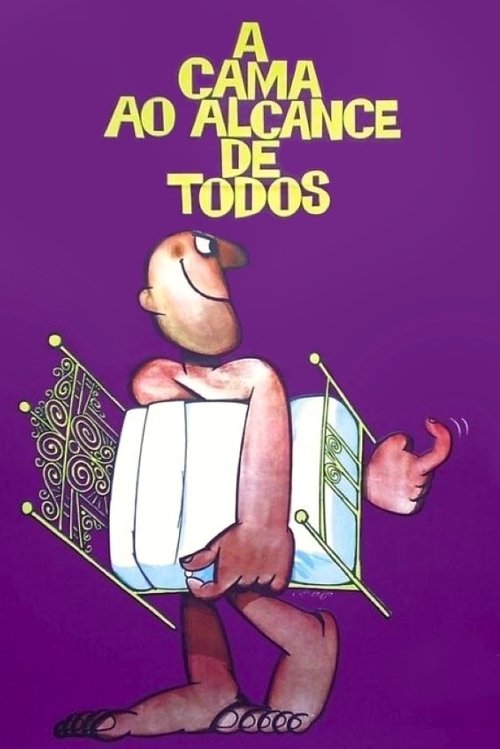
A comedy divided into two episodes. The first tells the story of Agildo, a man obsessed with women, who is caught by his wife in bed with the maid. He begins to live a sexual fast so his wife doesn't leave him, but tries to use his imagination to cheat on his wife without betraying his religion. In the second episode, a tough guy manages to win over a beautiful woman, but doesn't have the money to take her on a date. However, his three best friends will do anything to ensure his success with her.

A Cama ao Alcance de Todos

0.0 1969
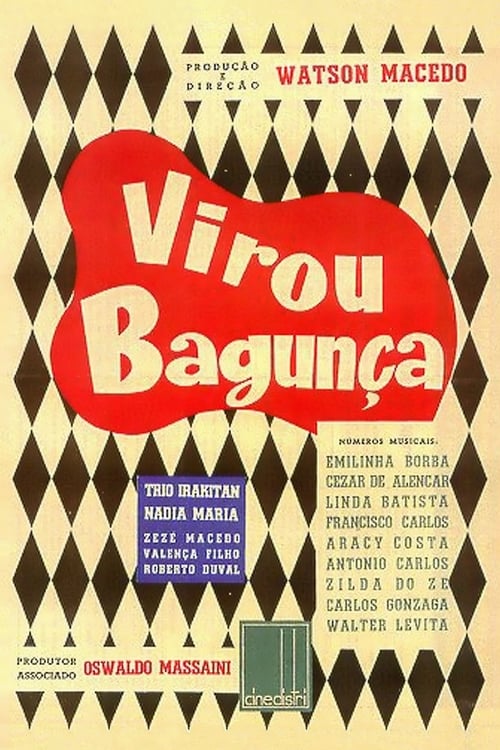
Virou Bagunça

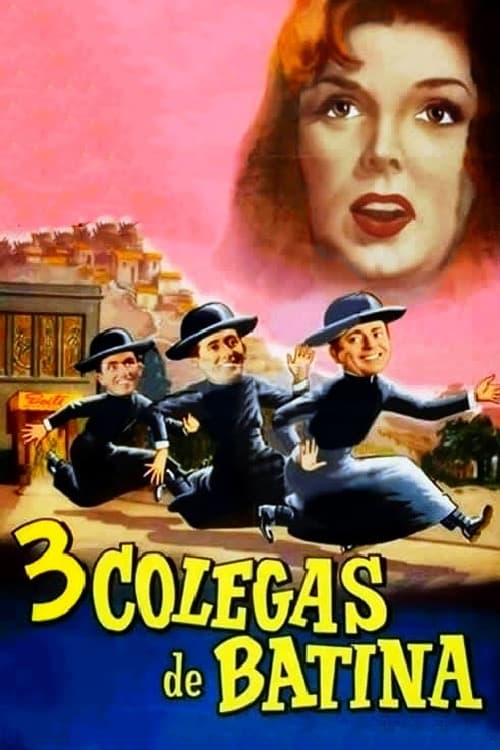
The Gerimum Trio arrives in Rio de Janeiro wanting to make it big in their artistic careers. They struggle with great difficulties and even sing in the street. The police pursue the three, who end up in the place they most want to be: a television studio. Mistaken for northeastern congressmen, they are taken to the TV director-general, Mr. Walter. Shortly after, Marly, the advertising star, and her secretary, Josias, enter. A heated argument ensues, but the situation is resolved when the real congressmen show up.

Virou Bagunça

6.5 1961
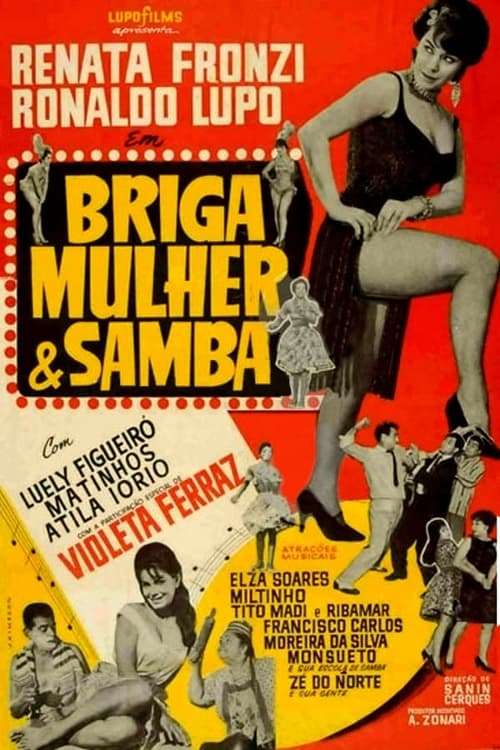
Briga, Mulher e Samba

Marcelino, a country bumpkin, comes from the countryside to try his luck in Rio de Janeiro. His uncle Simão, a taxi driver and resident of a favela with Sofia, comes to greet him at the train station. A neighbor, Tereza, takes an interest in the newcomer. At the pier, the criminal Zé receives a package and is pursued by police. Mira Diler performs at the Caverna nightclub. In her dressing room, the criminal Zé is found, injured and without the package. Valentino complains about the police action that is disrupting his "business." Marcelino still hasn't found work; at the same time, he tries unsuccessfully to sell his compositions. He begins helping his uncle as a driver, but puts his own worries first: he goes to the nightclub looking for Mira, but finds himself caught up in Valentino's schemes.

Briga, Mulher e Samba

0.0 1961
Baron Olavo, The Horrible

Bressane’s first color film, shot in the home of the artist Elyseu Visconti. Part of it is missing sound and final editing because the director was forced to leave Brazil. Horror and humor to deal with the subject of insanity: “In the end everyone leaves the house as though they were laboratory mice escaping, they invade the city and contaminate the world”. “If we talk about horror, this film deals with national horror, with Mojica Marins as an emblem. There might be a few touches of Corman and English horror, but it is another level of horror. What transformed the film was the location where we were shooting, the house of a 19th century painter, a receptacle of light. When I arrived and saw that house, that light, I said: ‘This is the film. This is the horror’. The meaning of the film, its appeal, derives from this laboratory of light” (J. Bressane). — Torino Film Festival

Baron Olavo, The Horrible

5.5 1969
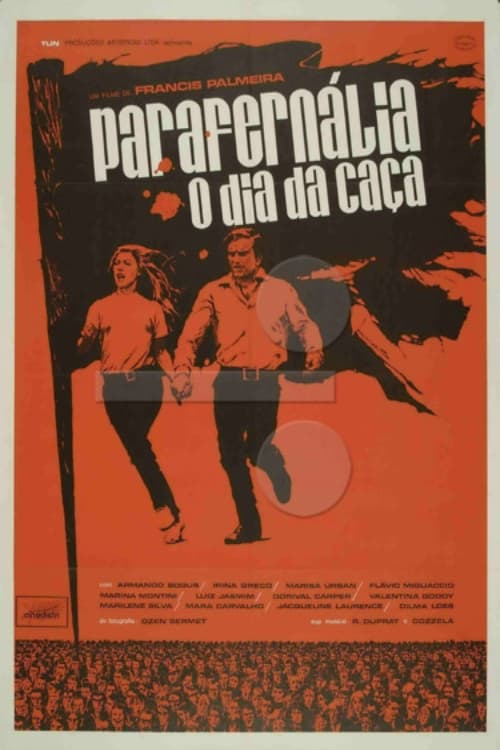
Parafernália, o Dia da Caça

Paulo is a middle-class playboy who reluctantly gets involved in a terrorist conspiracy and ends up exiled with the engaged Letícia in an embassy, after a guerrilla camp is discovered by the police and two of them, Sócrates and Mário, fall into shrapnells. Luís and Márcia, a rich couple, spend their time looking for different emotions. They get smet with a couple of lesbians, Márcia flirts with one of them, provoking the jealousy of the other, Susana.

Parafernália, o Dia da Caça

0.0 1968
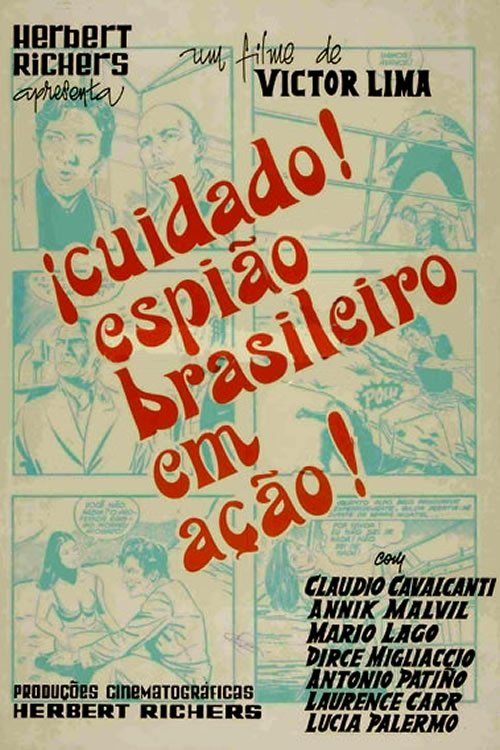
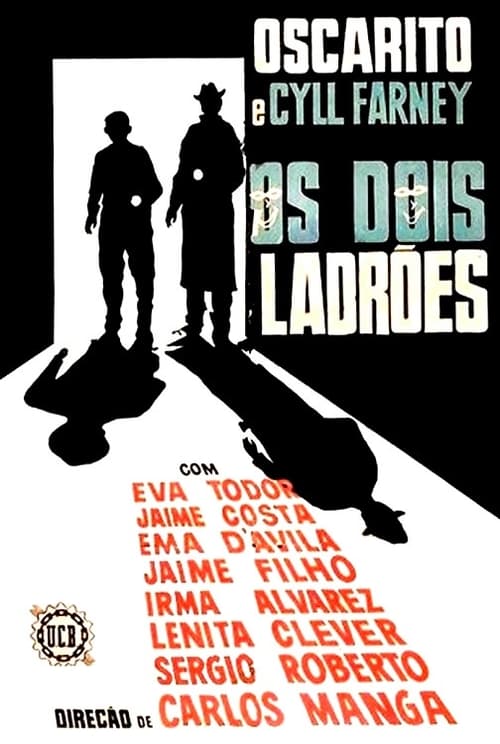
Two in the Ring

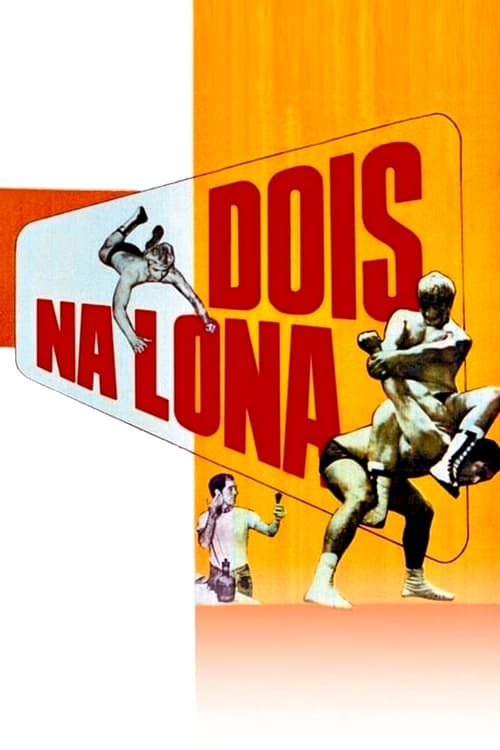
Ted Boy and Renato, two clumsy mechanics from the countryside, are dating two young women who live in a luxurious mansion near their workshop. Ted Boy gets into a fight with some catch fighters, and their coach, thrilled with his performance, invites him to train. Ted Boy trains diligently and, in a dizzying career, becomes a serious contender for the ultimate title. Criminals try to buy him into losing the final fight, but when they fail, they kidnap his girlfriend and threaten him with blackmail.

Two in the Ring

4.8 1968
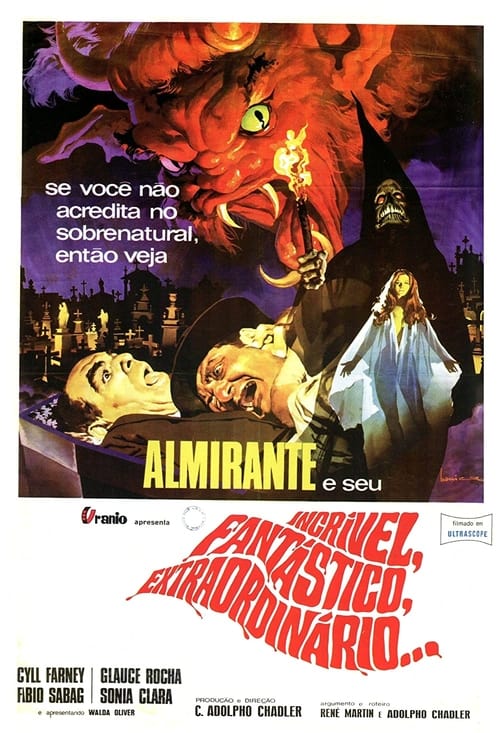
Incredible, Fantastic, Extraordinary

Based on a radio show that was broadcast for 11 years (1947-1958) and ended only when the host and creator, the genius Henrique Foreis "Almirante" Domingues, had a stroke. There were hundreds of horror stories, supposedly true, sent by listeners from all corners of the country, radiophoned and broadcast by Rádio Tupi in Rio de Janeiro. It became a book in 1951 (reissued in 1984), a film in 1969 and a TV show in 1994-1995, broadcast by the extinct Rede Manchete.
Incredible, Fantastic, Extraordinary

0.0 1969