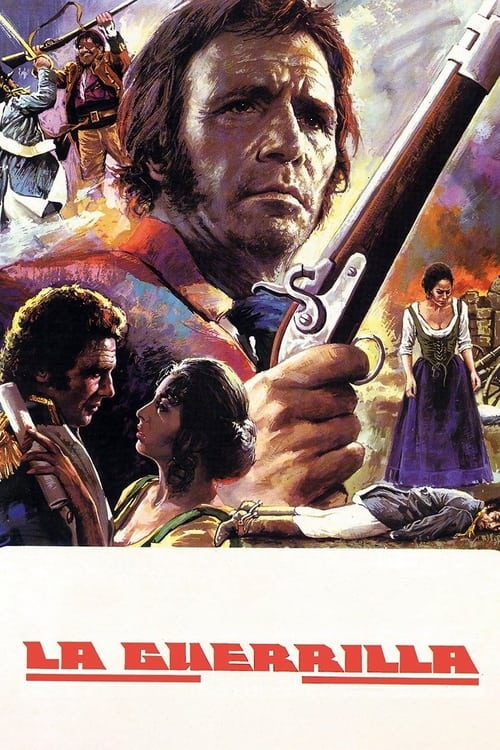
Adaptation of the text of Azorin theater play. In 1808, Napoleon's troops invaded a village in the Sierra de Madrid. Love triangle between a girl, guerrilla leader and French officer who falls in love with the girl.
The Guerrilla
2.0 1973
734 Matches Found
Adaptation of the text of Azorin theater play. In 1808, Napoleon's troops invaded a village in the Sierra de Madrid. Love triangle between a girl, guerrilla leader and French officer who falls in love with the girl.
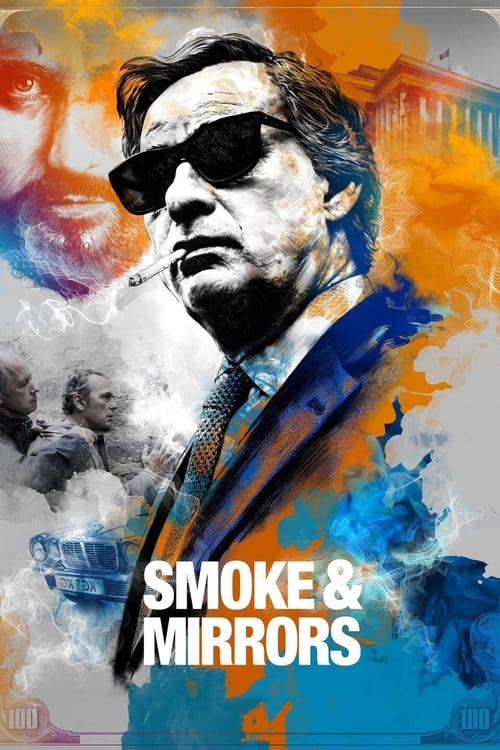
A tale of cheats and impostors, taking its inspiration from true facts and from one of the most intriguing characters of recent decades: the spy Francisco Paesa.
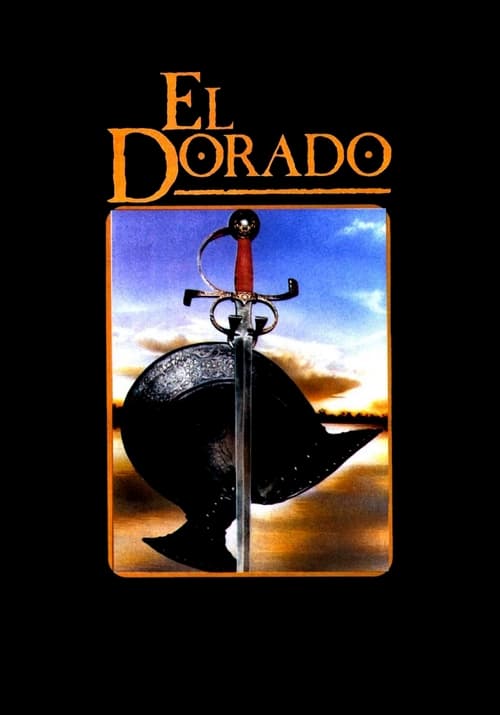
The story of an expedition down the Orinoco and Amazon rivers in 1560 by Spanish soldiers searching for the fabled city of gold, El Dorado.

1896. Cuba is at a critical juncture. Following the death of Antonio Maceo, one of its independence leaders, the island is torn between two positions: continuing the fight for independence or annexation to the United States. Spain, through its energetic generals, seeks to maintain its hegemony on the island. A difficult period in which, however, strange love stories also occur.
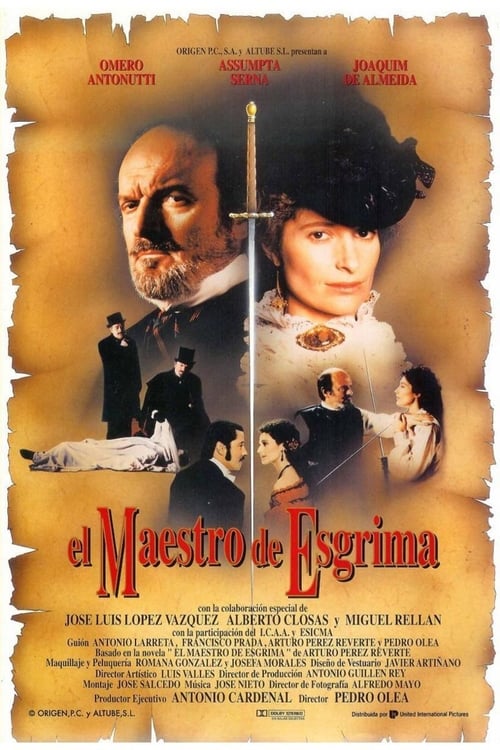
A fencing master in pre-revolution Spain is hired to teach fencing to a beautiful young woman. Although he has never taught a woman before he is fascinated by her and agrees. She wishes to learn a particular thrust which he is famous for. When a local nobleman becomes involved with her the intrigue begins.
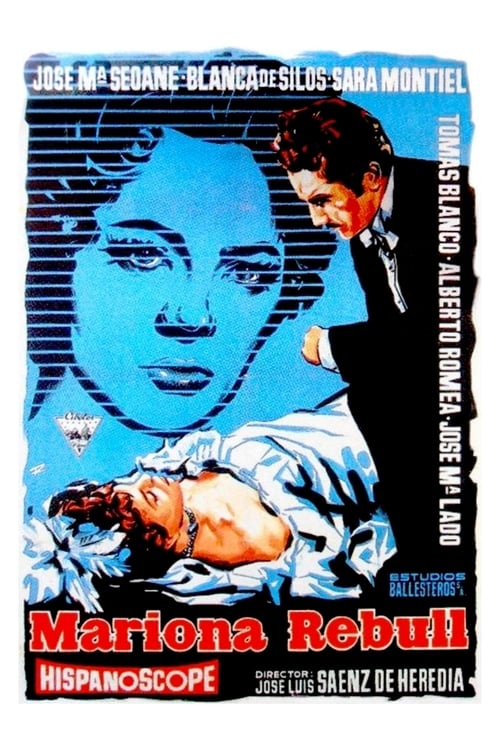
Barcelona, Spain, at the end of the 19th century. Joaquín Rius, a prominent businessman, marries the young Mariona Rebull. Their apparent happiness is overshadowed by the arrival of Ernesto Villar, Joaquín's friend and Mariona's former lover.
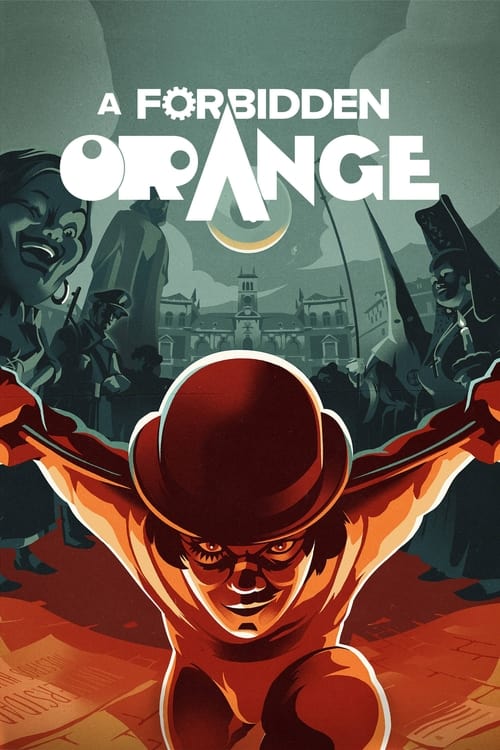
Spain, 1970s. A Clockwork Orange, a film considered by critics and audiences as one of the best works in the history of cinema, directed by Stanley Kubrick and released in 1971, was banned by the strict Franco government. However, the film was finally premiered, without going through censorship, during the 20th edition of the Seminci, the Valladolid Film Festival, on April 24, 1975. How was this possible?

How does the vision of the brilliant Spanish filmmaker Luis García Berlanga (1921-2010) remain relevant in a time whose popular culture has little to do with his own? Since to understand the secrets of an artist it is essential to know the person behind, his family, his friends, his collaborators, as well as prestigious filmmakers and actors trace a collective portrait of a creator as singular as he is universal.

1808. During the Spanish Independence war the city of Zaragoza is besieged by French troops. Spanish forces under General Palafox are scarce. Brave Agustina doesn't hesitate to lead the battle and even fire a cannon to stop the invaders when others run away. Based on historical facts.

The Philippines, 1898. Fifty Spanish soldiers arrive in the small village of Baler to rebuild an outpost. Although the war against the Filipinos and their American allies is almost lost, as is the Spanish Empire, the garrison will endure a cruel siege for eleven months. They will be the last to surrender.
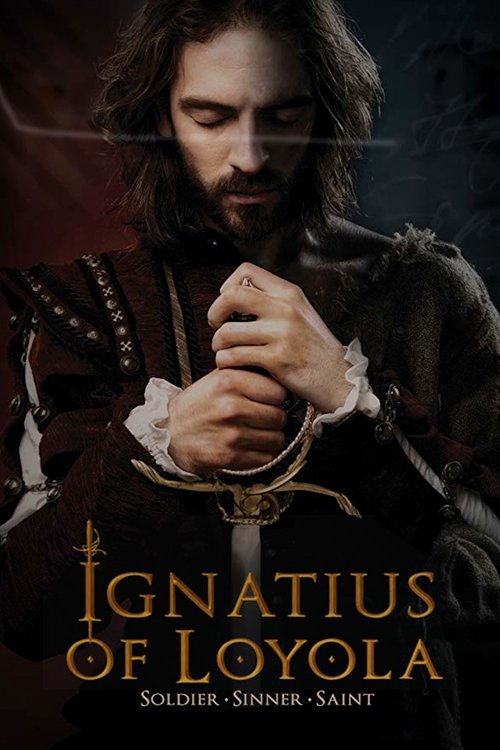
Historical biographical religious drama film based on the memoirs of Ignatius of Loyola, founder of the Jesuit order who was also canonized as a saint in Roman Catholicism.
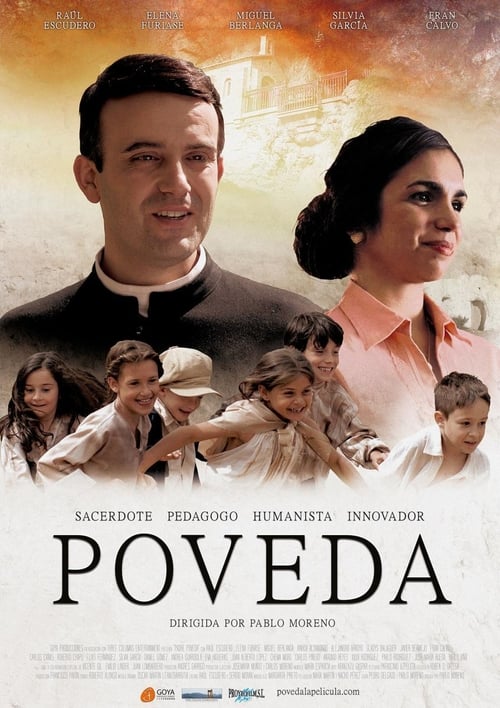

Spain, under Philip IV (1621-1665). The film is based on a novel by Gonzalo Torrente Ballester. The King is stunned to see the naked body of Marfisa, the most beautiful prostitute of the town and Court. After that, he also wants to see the Queen naked. However, the King, despite the opposition and the scandal of the Church, will not stop until he reaches his wishes.
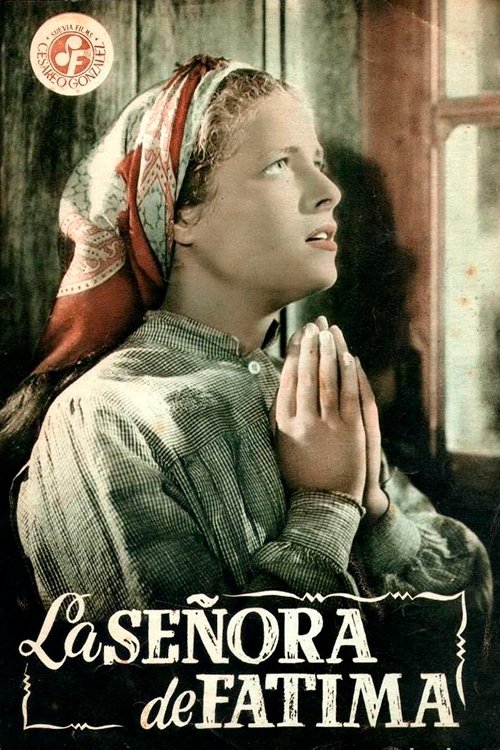
The story of the 1917 miracle of Fatima, in which the Virgin Mary appeared to three children--two girls and one boy..

The Spanish Civil War (1936-1939) caused a great impression on the lives of most of the American artists of that era, so many movies were made in Hollywood about it. The final defeat of the Spanish Republic left an open wound in the hearts of those who sympathized with its cause. The eventful life of screenwriter Alvah Bessie (1904-1985), one of the Hollywood Ten, serves to analyze this sadness, the tragedy of Spain and its consequences.
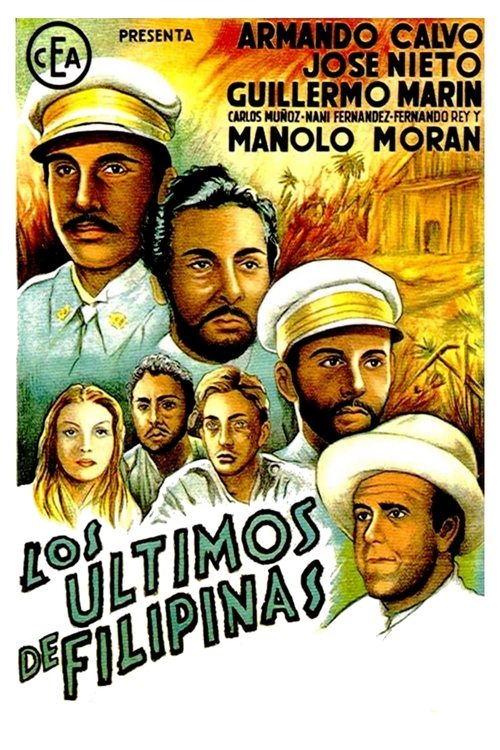
The Philippines, 1898, during the Spanish-American War. Fifty Spanish soldiers guarding the outpost established in the small village of Baler endure the cruel siege of the Filipino rebels for eleven months, although the war is almost lost…
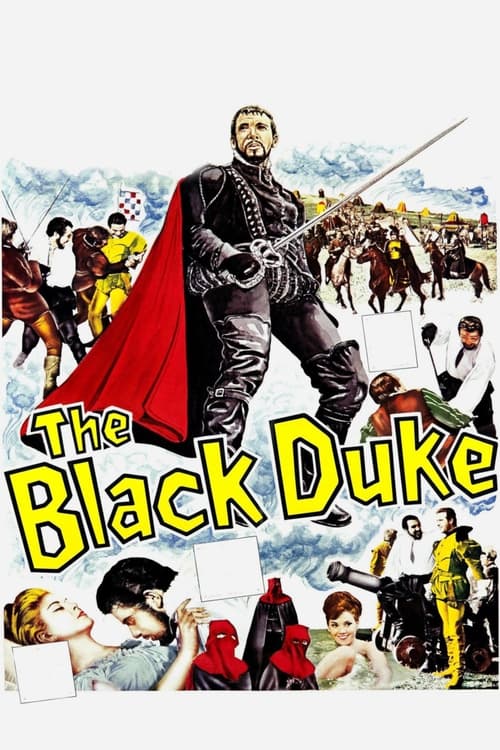
Cesar Borgia--a cardinal in the Catholic church, a confidant of the Pope and a member of one of the wealthiest and most powerful families in 16th-century Italy--must deal with a host of political and personal crises. He is having problems with his mistress, and members of a secret society called The Black Carnation are out to assassinate him.
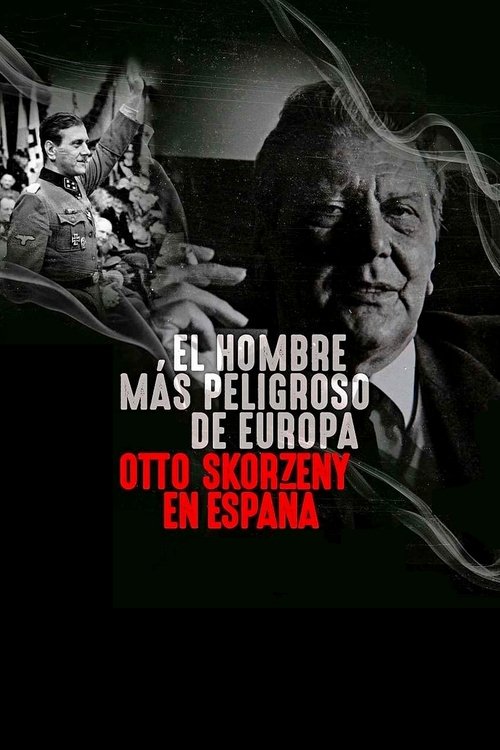
Waffen-SS officer Otto Skorzeny (1908-75) became famous for his participation in daring military actions during World War II. In 1947 he was judged and imprisoned, but he escaped less than a year later and found a safe haven in Spain, ruled with an iron hand by General Francisco Franco. What did he do during the many years he spent there?
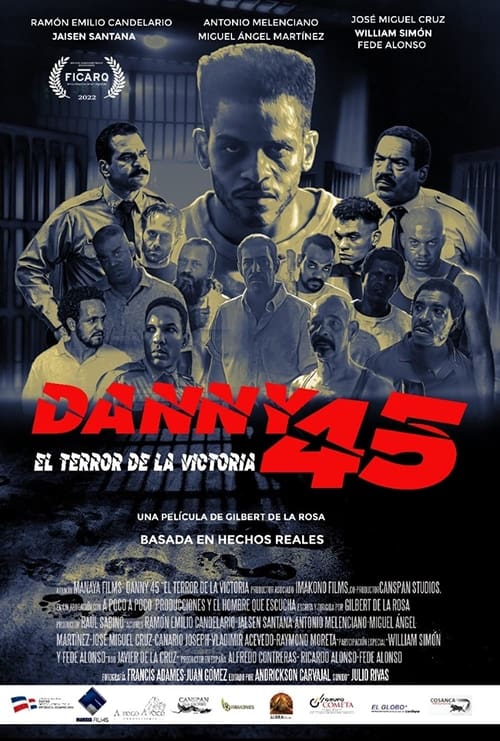
Danny 45, sentenced to 30 years in the penitentiary of La Victoria de Santo Domingo, is the absolute control of the dreaded prison, his abuses and macabre actions against the other inmates, make people of the same environment betray him, and so between all of them try to take his life.
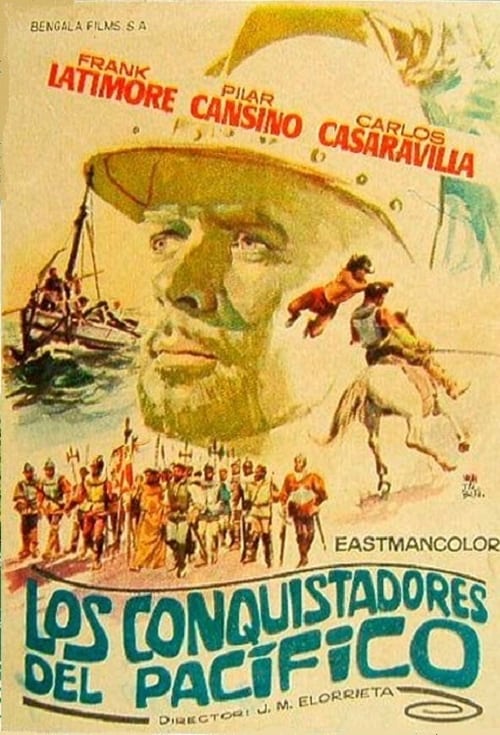
Frank Latimore is cast as Balboa, the heroic Spanish explorer who discovers the Pacific Ocean. Along the way, he must pacify the wrath of his enemies and battle his way through a forest inhabited by savage natives. This one features some really nice battles, stunning ocean photography, and tolerable reconstruction of historic events.
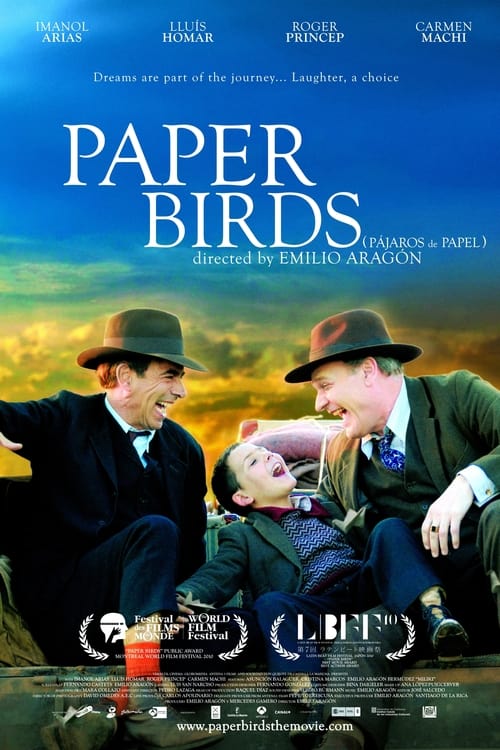
At the end of the Spanish Civil War, the members of a group of vaudeville performers have been stripped of everything: all they have left is hunger and the instinct to survive. Day after day, agonizingly, lost and helpless between the victors and the vanquished, the musician Jorge, the ventriloquist Enrique, the couplet singer Rocío and the orphan Miguel search tirelessly for something to eat and a safe place to live.
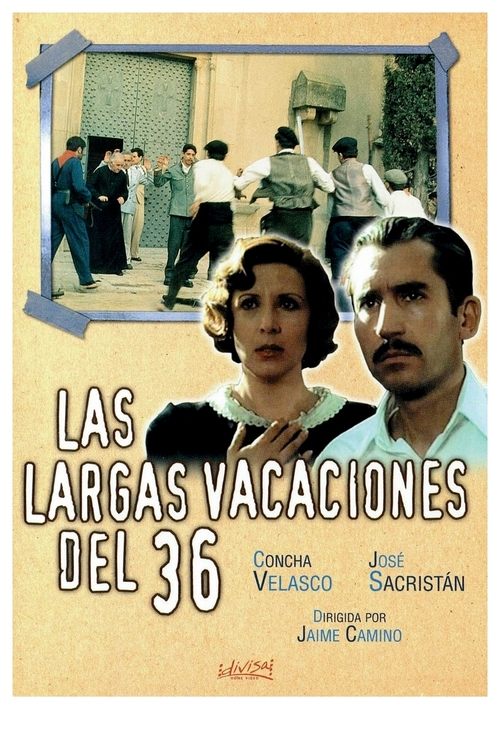
Spain, 1936. The Civil War breaks out. In a village near Barcelona, several families decide to continue living in their summer houses until the violence ends.
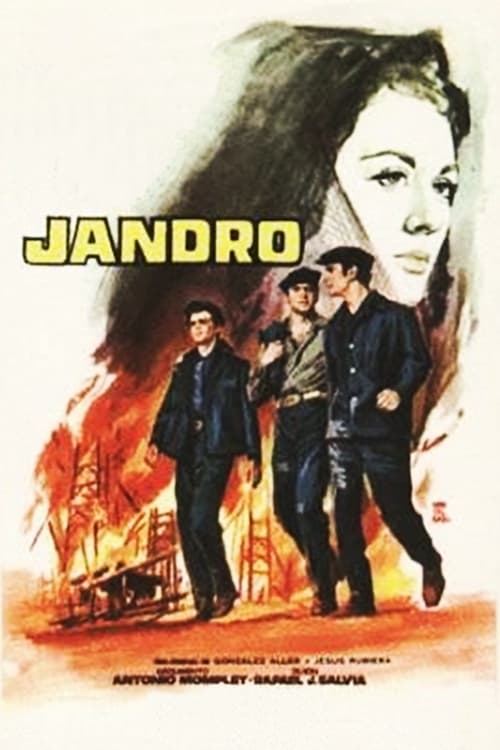
After marrying a rich heiress, a young man from humble origins is dedicated to looking for coal in the surroundings of Gijón.
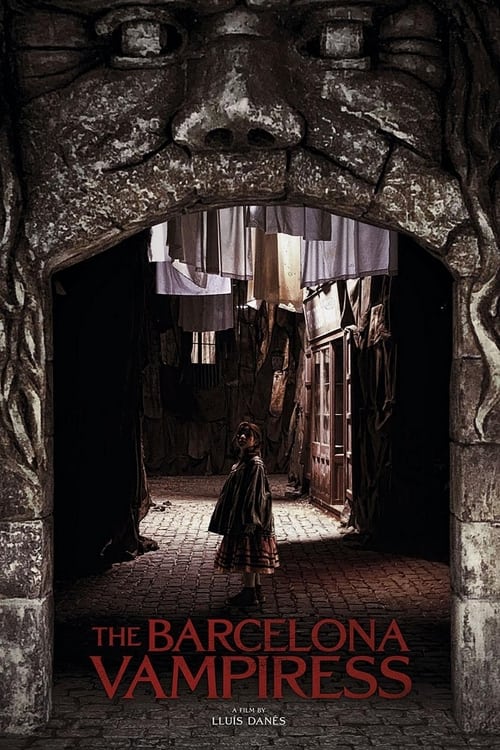
Barcelona, Spain, 1912. The disappearance of a girl from a wealthy family triggers a series of events that will shake the weak foundations of a hypocritical society.
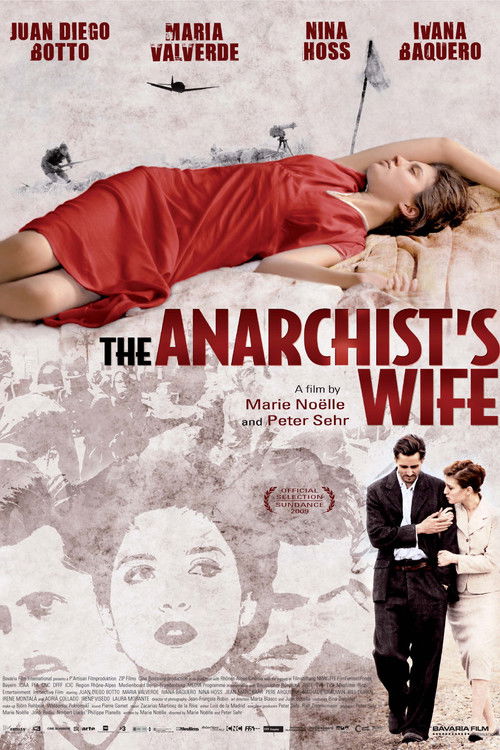
Manuela is left behind when her husband Justo fights for his ideals against Franco's Nationalists during the Spanish Civil War. He is deported to a concentration camp, and upon his release, continues the fight against nationalism in the French resistance. Years pass without a word from him, but his wife never gives up hope of seeing him again.
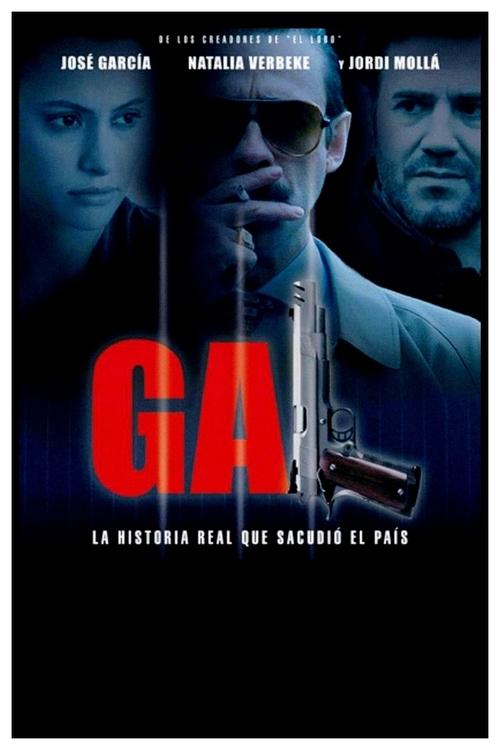
Two journalists investigate the criminal activities of the GAL (Grupos Antiterroristas de Liberación), a secret terrorist organization founded in the eighties and financed by leading figures in the Spanish government and security forces to hunt down and exterminate both members and collaborators of the terrorist gang ETA.
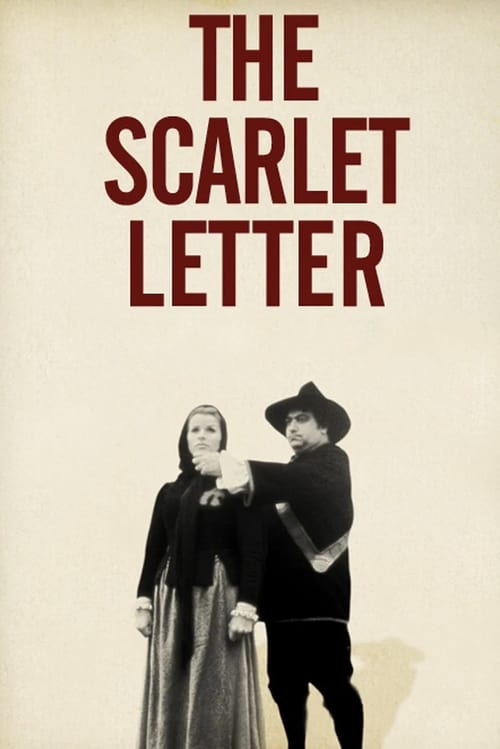
In 17th-century Salem, Hester Prynne must wear a scarlet A because she is an adulteress, with a child out of wedlock. For seven years, she has refused to name the father. A vigorous older stranger arrives, recognized by Hester but unknown to others as her missing husband. He poses as Chillingworth, a doctor, watching Hester and searching out the identity of her lover. His eye soon rests on Dimmesdale, a young overwrought pastor. Enmity grows between the two men; Chillingworth applies psychological pressure, and the pastor begins to crack. A ship stops in Salem, and Hester sees it as a providential refuge for her daughter, herself, and her lover. But will Dimmesdale flee with her?
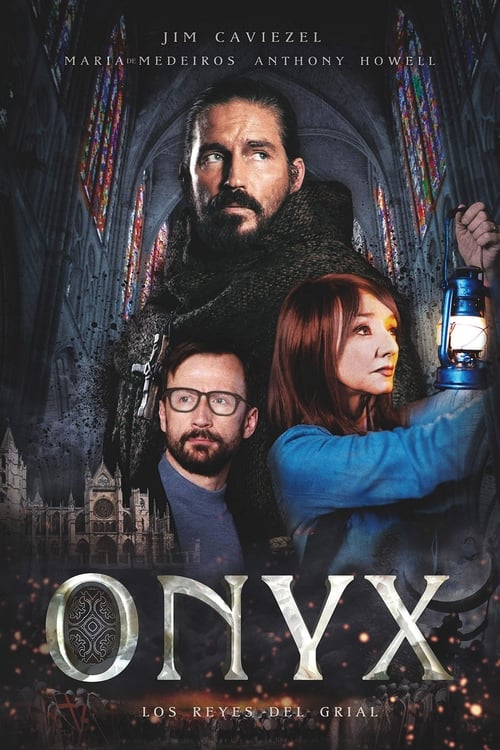
Egypt, 11th century. When a famine ravages the country, the prosperous Andalusian kingdom of Denia comes to the aid of the sultan, who, in gratitude, gives Denia the most sought-after and coveted object in all of Christendom.
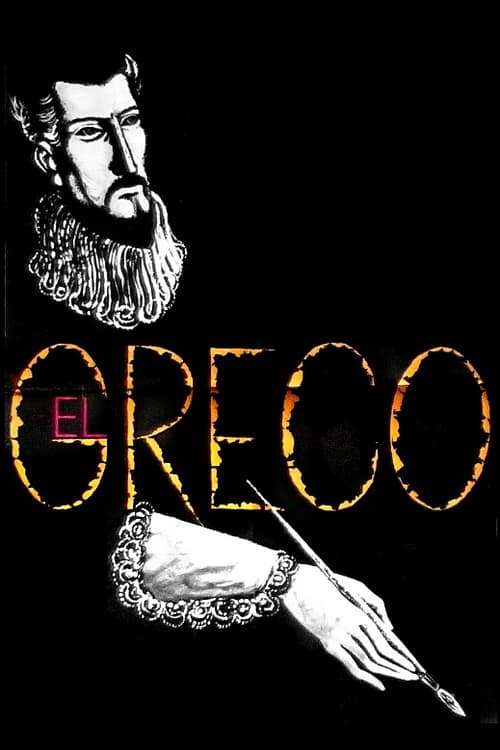
Greek painter Domenikos Theotokopoulos (Mel Ferrer) woos a beauty (Rosanna Schiaffino) and faces the Inquisition in 16th-century Spain.
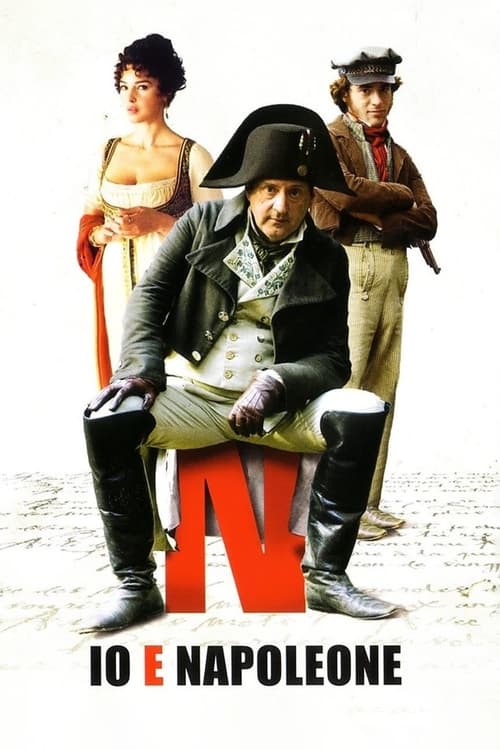
Elba island, 1814. Martino is a young teacher, idealist and strongly anti Napoleon, in love with the beautiful and noble Baroness Emily. The young man finds himself serving as librarian to the Great Emperor in exile, whom he deeply hates, yet soon begins recording Napoleon's memoirs, getting to know and learning to value the man behind the myth. Among seductions and affairs, expectations and fears, he will craft a precise portrait that nevertheless will not manage to hide a final, inevitable, disappointment.
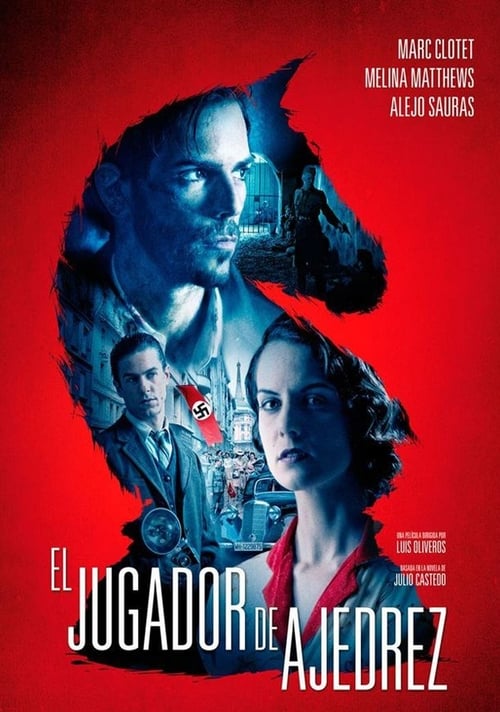
In 1934 Diego Padilla wins the Spanish Championship of Chess and meets a French journalist, Marianne Latour, and they fall in love. At the end of the Civil War, Marianne convinces Diego to live in France with their daughter, where shortly afterwards Diego will be accused of spying by the Nazis and imprisoned in an SS prison. In prison, Diego will try to survive in a hostile environment thanks to Colonel Maier's passion for chess.
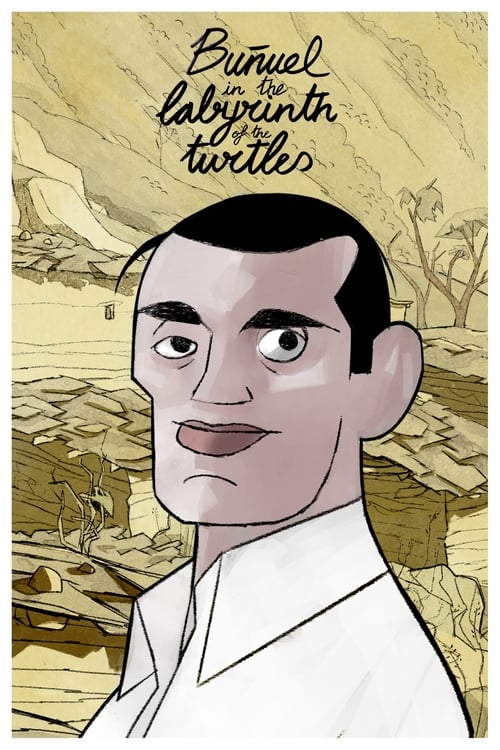
Paris, 1930. Luis Buñuel is penniless after the scandal surrounding the release of his last movie. Sculptor Ramón Acín, a good friend, buys a lottery ticket and promises Buñuel that he will pay for his next movie if he wins the prize.
Spain, April 14, 1931. The Second Republic is born. From the beginning, the writer Miguel de Unamuno is considered one of the ethical pillars of the new regime. Five years later, on December 31, 1936, a few months after the outbreak of the Spanish Civil War (1936-39), Unamuno dies at his home in Salamanca, capital of the rebel side, led by General Francisco Franco, and main center of dissemination of its propaganda apparatus.
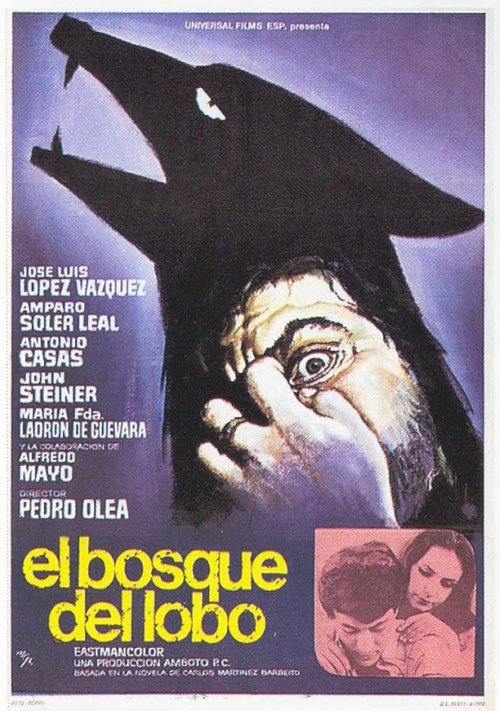
Benito Freire, a pedlar in a small village in northern Spain suffers from epileptic seizures and rumours start to spread that he may be a werewolf and responsible for a series of killings. The local Abbot is called upon to form a team to investigate, in an effort to halt the harrowing murders.
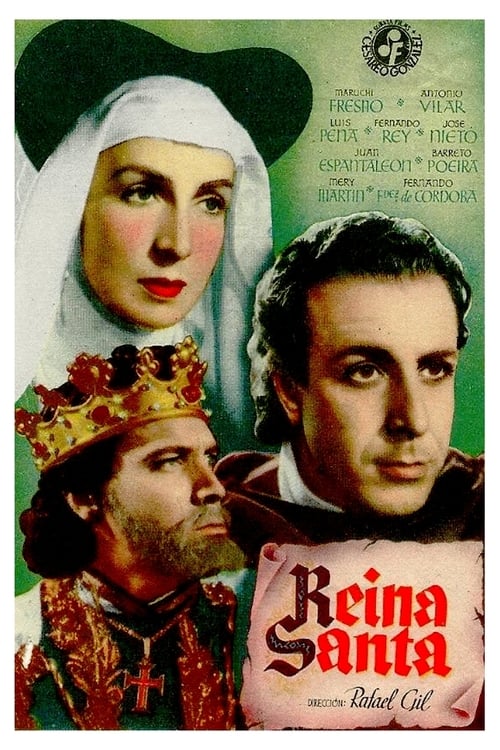
A virtuous Spanish princess becomes queen of Portugal, and soon is affected by the social struggles and the reckless fight to power between the king's faction and that of his son's.
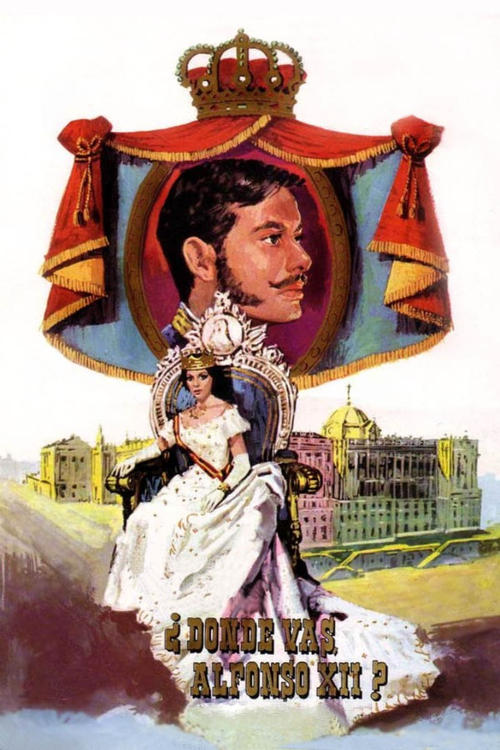
Alfonso de Borbón and his cousin María de las Mercedes de Orleans fall in love and, although both families do not maintain good relationships, young people marry when Alfonso became king of Spain.
In 1938 the Spanish Civil War has worn both armies and destroyed the mood of the people of both sides. The differences between national Republicans however are revealing: The fascist side has the unconditional support of arms and men facilitated by Hitler and Mussolini while the Republican army is ignored by a Europe more concerned of a possible World War than the fate of Spain. Thousands of young people between 17 and 18 rows are called by the republican army. These are the main characters, four young for whom the Battle of the Ebro will be the first direct contact with the war. This film tells the story of these young people forced to leave behind innocence and into whistling bullets.
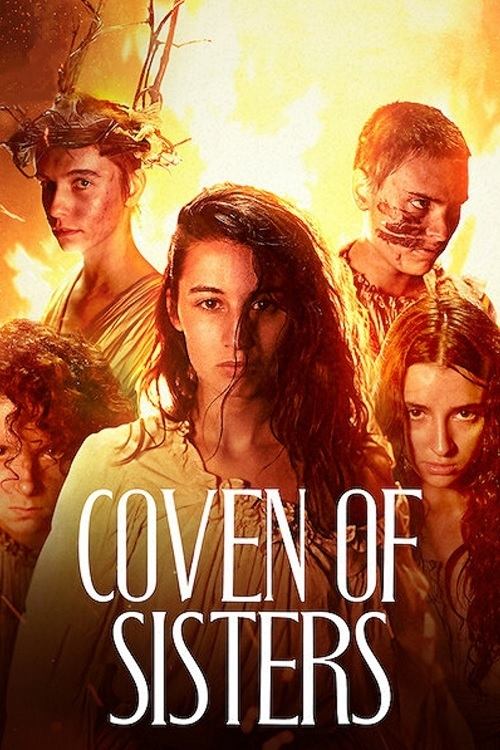
French Basque Country, year 1609. The men of a small fishing village have gone to sea. Judge Rostegui, who has been charged by the king with ridding the country of the devil's wiles, arrests Ana and her friends and accuses them of witchcraft.
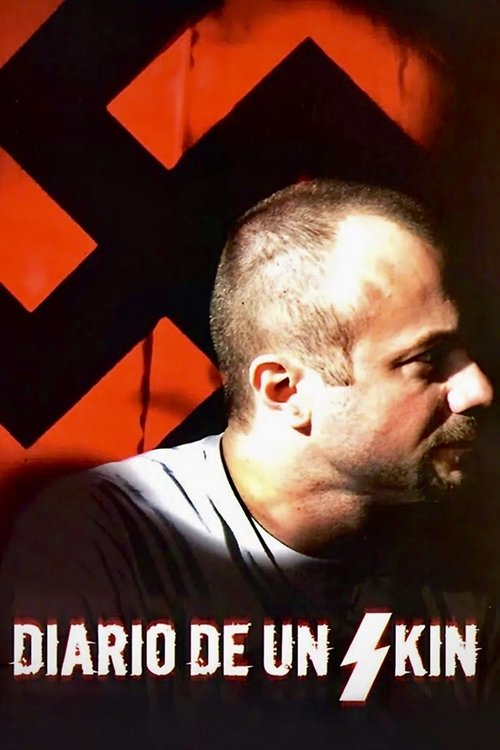
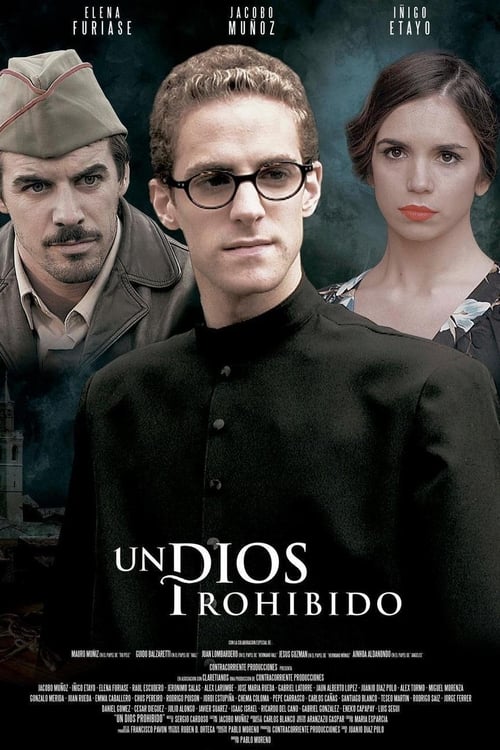
August 1936, the beginning of the Spanish Civil War. 51 members of the Claretian community of Barbastro (Huesca) are martyred, die for their faith. The film recounts the last weeks of his life, since they are held until they are finally shot. During that time, they perform various writings they talk about their situation, of his fellow captives, people who saw them. These writings have been the basic testimony used to narrate this real fact in film version.
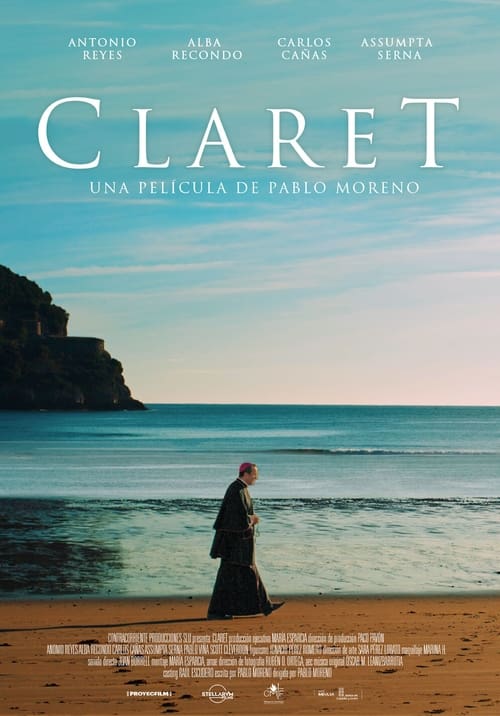
The compelling story of Saint Anthony Mary Claret, a Spanish Roman Catholic Archbishop, writer and publisher, missionary, and confessor to Queen Isabella II of Spain. Declared a saint in 1950, Claret is the founder of the religious congregation of the Missionary Sons of the Immaculate Heart of Mary, known as the Claretians.
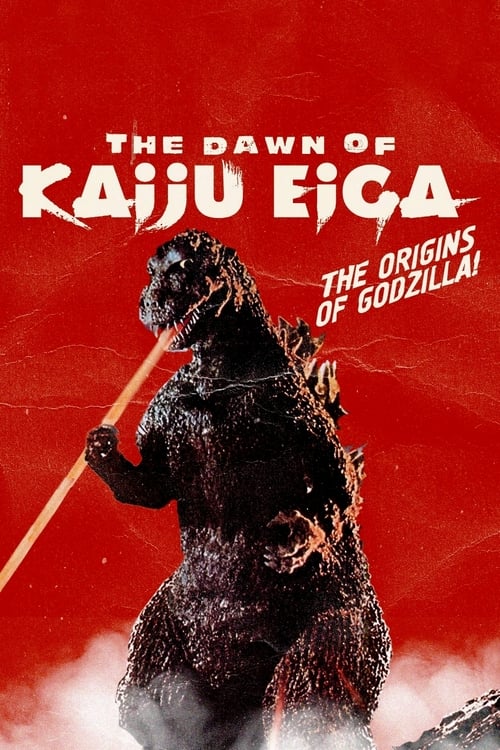
Japan, 1954. A legend emerges from the ashes of Hiroshima and Nagasaki, devastated by atomic bombs in 1945. The creature's name is Godzilla. The film that tells its story is the first of kaiju eiga, the giant monster movies.
In the mid-1980s, the GAL, a Spanish paramilitary group, pursues and assassinates members of the terrorist gang ETA who have taken refuge in the sanctuary they have created in the south of France. Grégoire Fortin, advisor to the French Minister of Justice, and Domingo 'Txomin' Iturbe, leader of ETA, are forced to negotiate in order to find a solution to the violence that plagues the region.
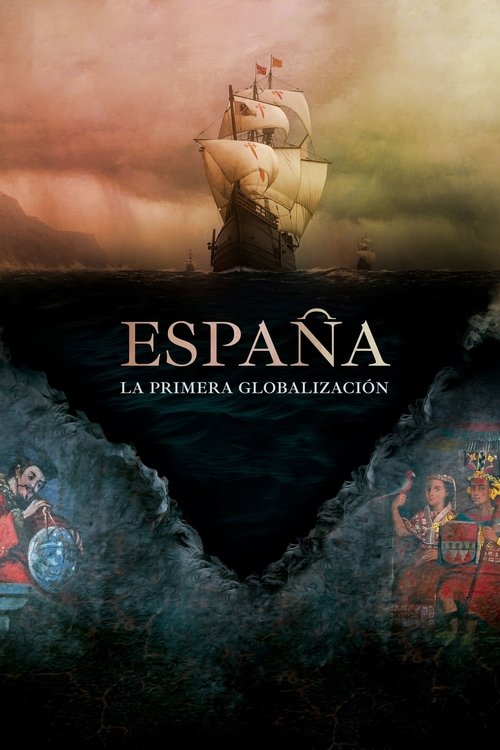
A new reading of the historical period that began with the reign of the Catholic Monarchs (1479-1516) and the discovery of America (1492), as well as an analysis of its undeniable influence on the subsequent evolution of the history of Spain and the world.
On November 17, 2012, Oscar-winning French actress Marion Cotillard joined the Barcelona Symphony and Catalonia National Orchestra for a performance of Arthur Honegger’s oratorio Joan of Arc at the Stake (Jeanne d'Arc au Bûcher) at the L'Auditori de Barcelona in Spain, broadcast live on Medici.tv. By Swiss composer Arthur Honegger, Jeanne d'Arc au Bûcher (1938) is an imposing oratorio. The libretto is a highly original creation by French poet and playwright Paul Claudel, who dramatises the last moments of the martyr's life. Originally written for actress Ida Rubinstein, the oratorio is written as a flashback in which Joan recalls her life, just before she dies. Honegger creates visually evocative ambiances and fills the orchestra with new sounds (saxophones, ondes Martenot). The initial prologue to the piece was added in 1944 as a symbol of the resistance during the Nazi occupation of France: again, Joan goes beyond her own story.
Hard things were said. Incredible things were said. It is time to think about everything that was said. An account of Kirchnerism, a left-wing populist movement that ruled Argentina from 2003 to 2015, led by Néstor Kirchner (1950-2010) and his wife Cristina Fernández de Kirchner.

Early XVII century. A summit between France, England, Portugal and the Pope is to take place in Spain, home of the masked hero known as Red Eagle. The countries are coming together under the guise of looking for a solution to the conflict between Spain and Portugal; however, the ulterior motive is to attack the Kingdom of Spain. The Marchioness of Santillana and her fellow conspirators have hired an assassin to finish off the Red Eagle to guarantee the outcome of their plot. The townspeople and the whole kingdom will be at the mercy of the traitors, but the Red Eagle will be there to help them.

In the year 2000, Nevenka Fernández, 24 years old, Councilor for Finance in the Ponferrada City Council, suffered relentless persecution, both sentimental and professional, by the mayor, a man accustomed to doing his will politically and personally. She never decides to report, although she knows that she will have to pay a very high price: her environment does not support her, the society of Ponferrada turns its back on her and the media subjects her to a public trial. A story inspired by real events that turns its protagonist into a pioneer by taking an influential and popular politician to court for sexual and workplace harassment for the first time.
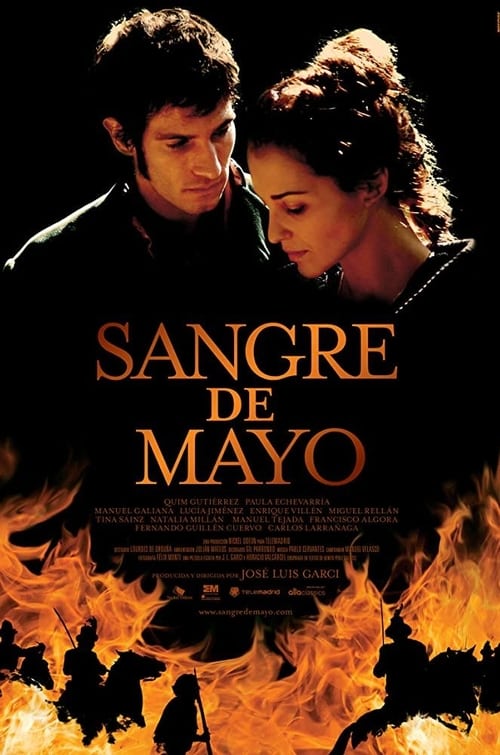
Revolution in Spain, around the events of 2 May 1808, when the people of Madrid rise up in rebellion against French occupation.
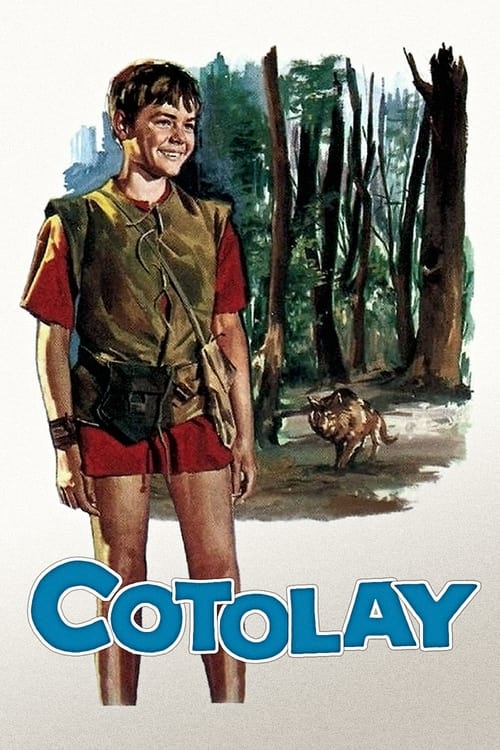
A loose retelling of the 13th century Galician legend of the boy Cotolay who helped three pilgrims establish the Convent of San Francisco near Santiago de Compostela.
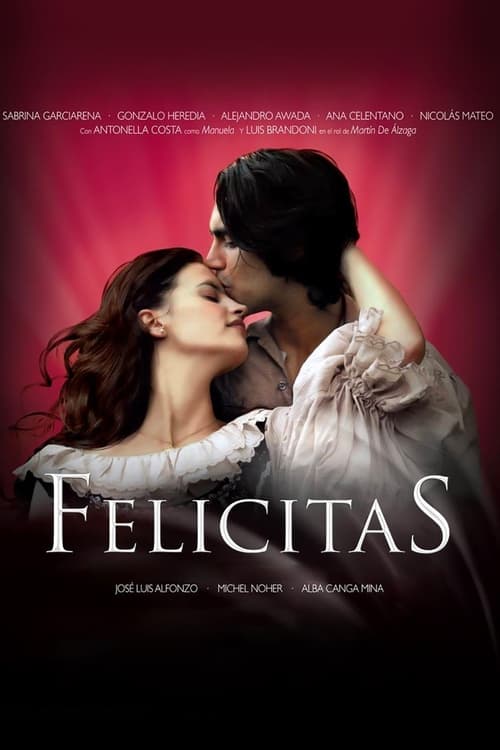
Buenos Aires at the outskirts of XIX century. A society rigid in patriarchal rules. A war between brothers of Argentina, Brazil, Uruguay and Paraguay. Two young and very much in love youngsters, fight for their right to be together. Obeyance and fear sets them apart along more than ten years. When they are finally reunited, will they be able to overcome the pain and tragedy that haunts them?

The movie is based on a popular tale from the Basque Country and tells the story of a woman that becomes a widow the same day she gets married, and decides to keep living with the husband's dead body for 6 years.
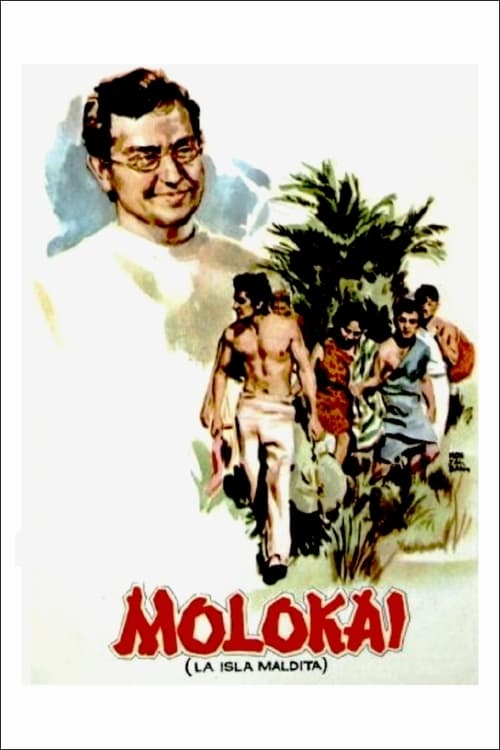
Kingdom of Hawaii, 1866. Fearful that leprosy would spread throughout the archipelago, the king banishes the sick to the island of Molokai. In 1873, the Belgian Catholic missionary Damien de Veuster arrives on the island to help improve the lives of its unfortunate inhabitants.
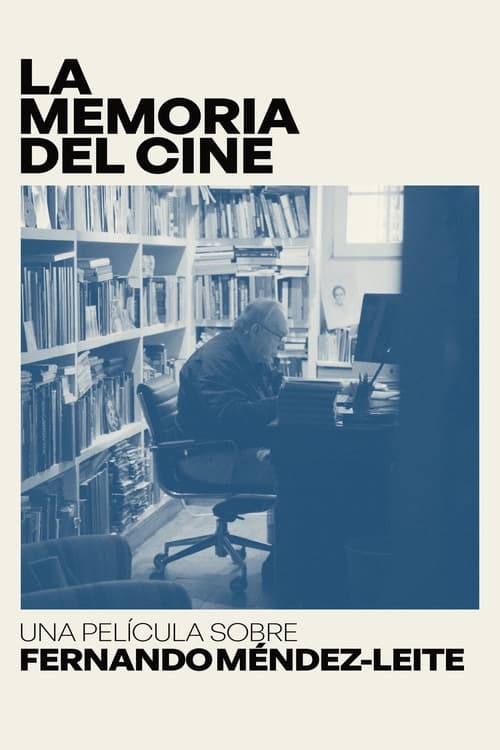
A look at the life and work of Spanish filmmaker and film critic Fernando Méndez-Leite, as he writes his memoirs and a novel with autobiographical resonances.

August 1715. After going for a walk, Louis XIV feels a pain in his leg. The next days, the king keeps fulfilling his duties and obligations, but his sleep is troubled and he has a serious fever. He barely eats and weakens increasingly. This is the start of the slow agony of the greatest king of France, surrounded by his relatives and doctors.
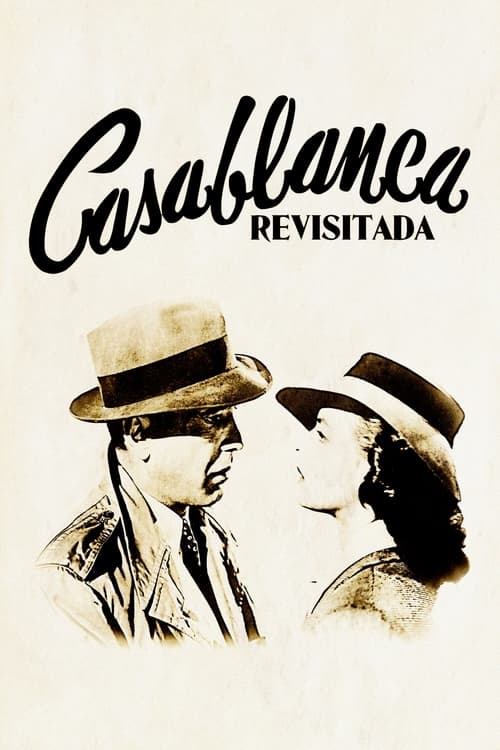
A lyrical and nostalgic analysis of how Casablanca, the mythical film directed by Michael Curtiz in 1942, has influenced both film history and pop culture.
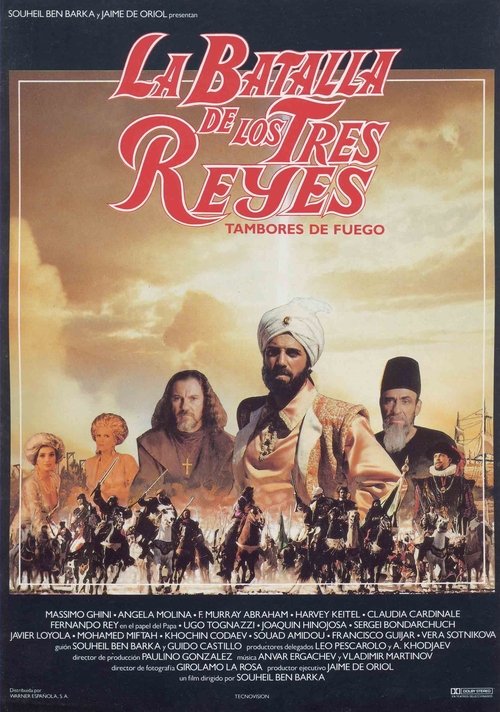
In 1568, Saadi prince Abdelmalek is exiled from Morocco by his brothers, an event that is only the beginning of his adventures: fighting the Spanish Inquisition, taking part in the Battle of Lepanto, being incarcerated in Alicante prison, and assist in the Conquest of Tunis. Eventually, he returns to Morocco to fulfill his destiny.
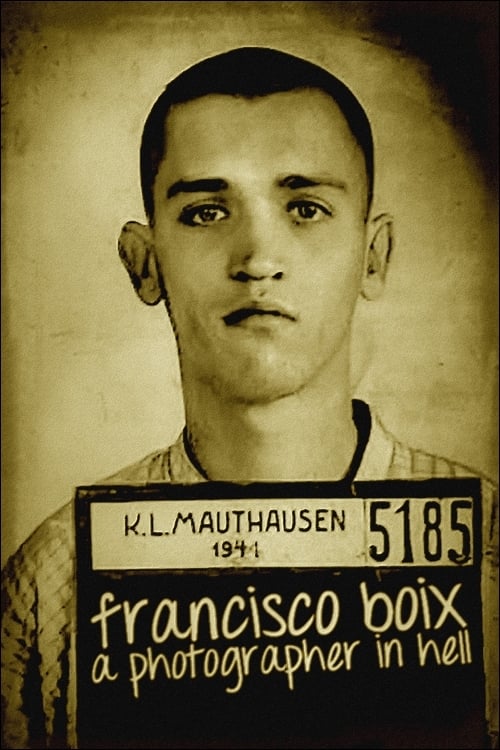
In 1939, just finished the Spanish Civil War, Spanish republican photographer Francesc Boix escapes from Spain; but is captured by the Nazis in 1940 and imprisoned in the Mauthausen concentration camp, in Austria, a year later. There, he works as a prisoner in the SS Photographic Service, hiding, between 1943 and 1945, around 20,000 negatives that later will be presented as evidence during several trials conducted against Nazi war criminals after World War II.

Spain. 1978. Year of the first democratic elections following the dictatorship, and of the birth cine quinqui (delinquent movies): films that rapidly became a big commercial success, showing things that were banned by the censorship not too long before.

1939: The remains of the Spanish Republican Army crossed the French border. Among the exiles are Lluís Companys, President of the Generalitat de Catalunya, and also Aguirre, President of the Basque Government. After the invasion of France by Nazi troops, Companys will be arrested by the Gestapo and handed over to the Francoist authorities. Led by the Count of Mayalde, he is transferred to Madrid and later to Barcelona. After a summary trial, Companys is condemned to death and shot.