1,514 Matches Found

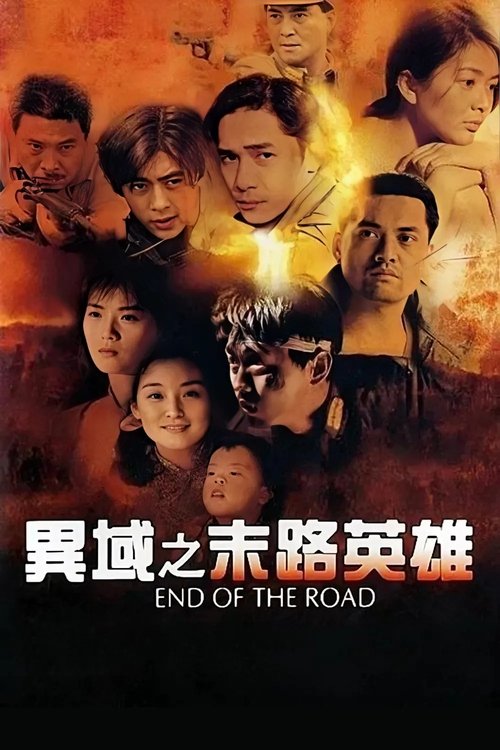
End of the Road

Fan Long (played by Liang Chaowei), the staff officer of the National Army, escaped from the captive camp and returned to the National Army camp through all the difficulties. The soldier Ading (played by Lin Zhiying) also returned to the army, and the veteran Lao Xie (played by Wu Mengda) gave him the care of the Ading brother who lost his comrades-in-arms. Commander He of the National Army (played by Ke Junxiong) negotiated with the Myanmar side and tried to put down his weapons and return to it. Fan Long planned to save some of the weapons, but the Myanmar side killed the National Army. It all relied on Fan Long, and the National Army was able to break through. However, the team soon differentiated. Fan Long and others defected to the bandits, and Commander He led the rest to submit to the Thai government. The soldiers of the National Army who were exiled to the Golden Triangle launched an outstanding struggle for survival

End of the Road

0.0 1993
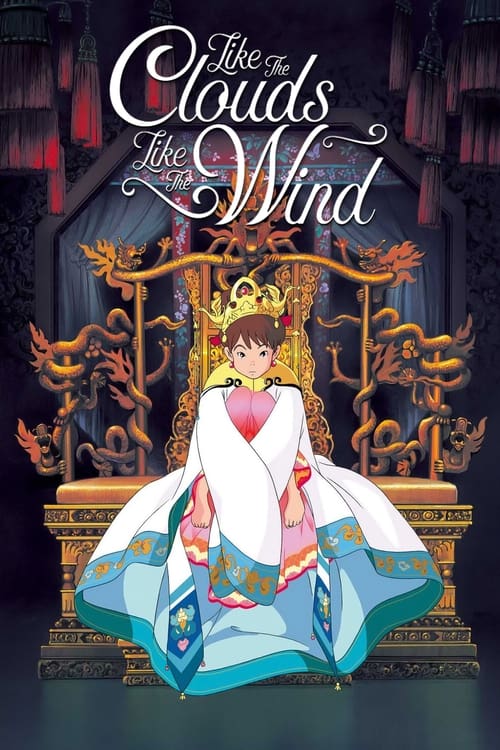
Like the Clouds, Like the Wind

Ginga is a simple—yet energetic—country girl, living with her father far from the capital city of the empire in ancient China. When she learns of an opportunity to become a concubine of the young new Emperor, with the possibility of becoming his head wife in charge of all of the other wives, Ginga convinces her father to let her go. Once there, she meets all of the other potential head wives, each of whom have various reasons for being there. All of them must learn to read and write, learn the history of their country, and learn the proper mannerisms for being in the royal court. Ginga's enthusiasm tends to get her in trouble more often than not, but it works to her advantage when they learn that the former emperor's head wife, who is not the mother of the current emperor, is plotting treachery against the new emperor, and that a rebellion is headed toward the capital.

Like the Clouds, Like the Wind

6.7 1990
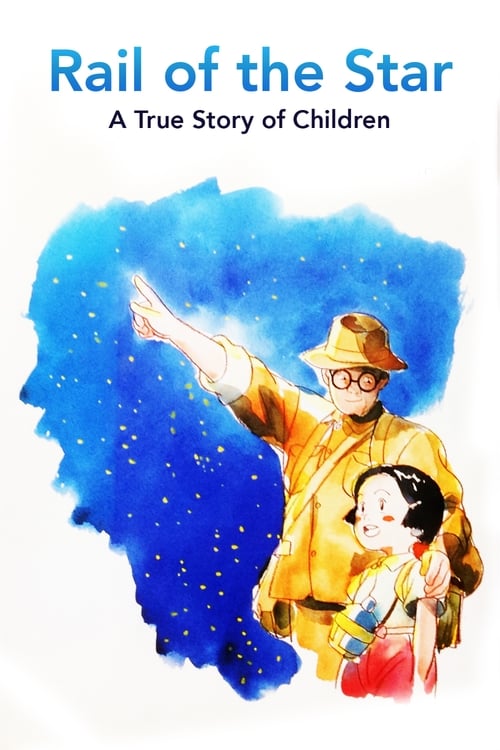
Rail of the Star - A True Story of Children and War

A young Japanese actress remembers her war childhood in Korea. Her father goes to fight, her baby sister Miko dies of typhoid, her beloved Korean maid Ohana is fired due to a mistake which could cost Chiko her life... By and by Chiko realizes that the country is being ruled by the Japanese and the Koreans are persecuted. When the war ends, the Koreans chase the Japanese rule and the roles change. Now Chiko's family is unwanted. But then the Russians come and this is the end. They have to burn all the pictures to avoid all suspicions... even Miko's picture. But when the Russians come to their house, they decide to flee over the 38th Parallel towards freedom. A group of men, women, children struggles along the mountains, led by the light of the Northern Star. Along the way they meet a Korean man, who is willing to help them to escape the Russian soldiers although his family was killed by the Japanese.
Rail of the Star - A True Story of Children and War

6.1 1993
Assassin of the Tsar

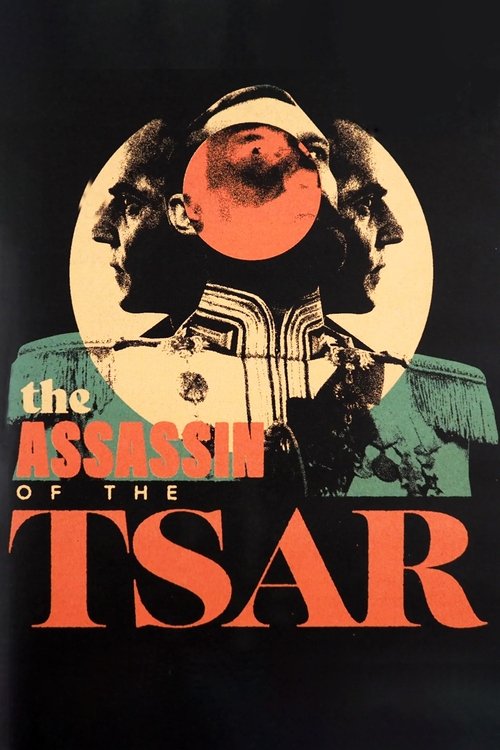
A new doctor from Moscow arrives at a provincial mental institution. His interest is the peculiarities of the psyche of a patient who believes that he is Yakov Yurovsky, the man who assassinated the last Russian tsar. In the course of their conversations it transpires that the patient is a kind of philosopher, not without a gift for suggestion. In a while the doctor himself falls under his patient’s influence: he tends to relive that fatal night of June 16-17, 1918 when, without any investigation or trial, Tsar Nicholas II, who had recently abdicated, was murdered, together with his wife, daughters and incurably ill heir. Soon the doctor realizes that the tragedy of the last Russian tsar is in part his own tragedy, too...

Assassin of the Tsar

5.5 1991
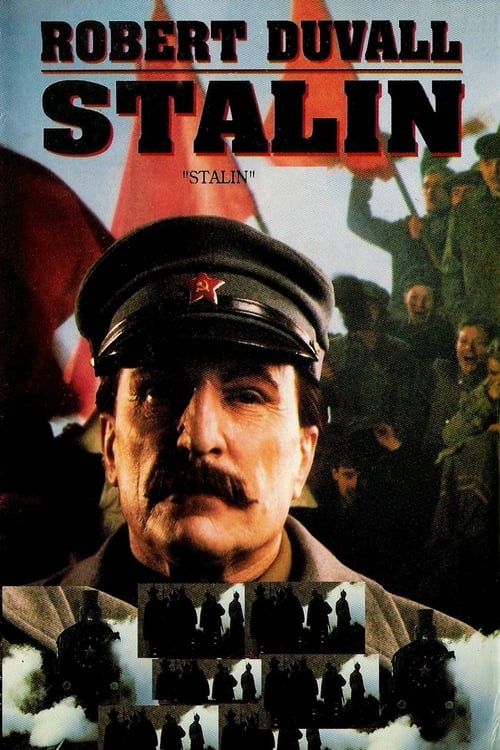
Stalin

The life and career of the brutal Soviet dictator, Josef Stalin. Through the eyes and memories of Anna Aliluyeva, Stalin’s granddaughter, the film traces the rise of the Bolshevik tyrant from Lenin’s return from exile to his brutal struggle with Trotsky, the creation of his feared secret police and the merciless inner workings of his regime. As Anna recounts her grandfather’s life, viewers gain an intimate, personal perspective on the paranoia and purges that left even his closest circles living in constant fear.

Stalin

5.1 1992
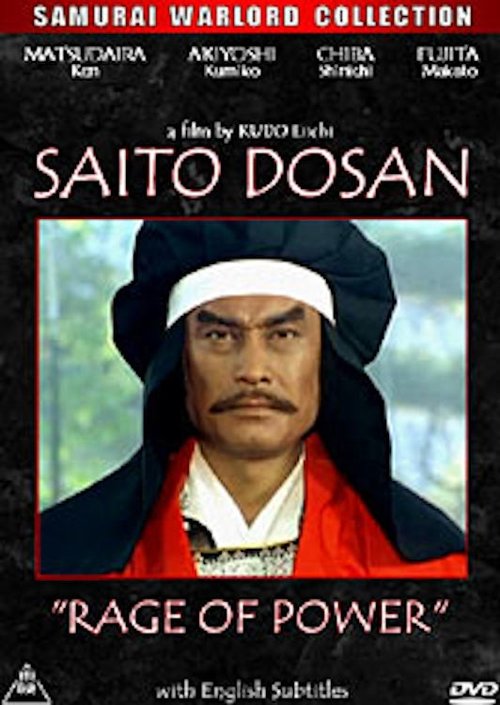
Saito Dosan: Rage of Power

During the age of warring clans (Sengoku Jidai), many samurai lords sought to unite the country under their banners by becoming the supreme leader. One of the first to vie for power in this way was Saito Dosan, the 'Viper'. His son-in-law, Oda Nobunaga, did in fact unite the nation after subduing all of his enemies, yet falling at last to the treachery of one of his most trusted generals. This story is a pre-cursor to those later events as the brilliant military strategist Saito Dosan rises to power and notoriety as a great lord in his own right. Directed by Kudo Eiichi and with a tremendous supporting cast that includes Nakamura Toru as Oda Nobunaga and Chiba Shinichi as Akechi Mitsutsugu, battle scenes of awesome power and a unique view of Japanese history, this is a marvelous production highlighted by the action scenes done by the Japan Action Club (JAC).

Saito Dosan: Rage of Power

6.5 1991
George Wallace

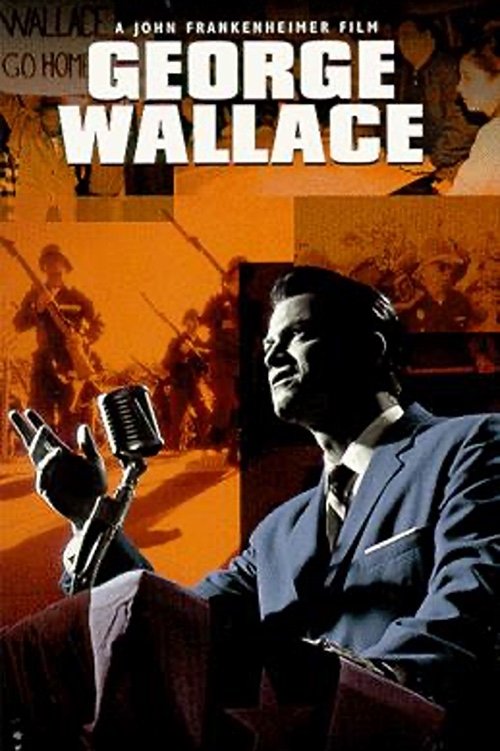
George Wallace is a 1997 television film starring Gary Sinise as George Wallace, the former Governor of Alabama. It was directed by John Frankenheimer, who won an Emmy award for it; Sinise and Mare Winningham also won Emmies for their performances. The film was based on the 1996 biography Wallace : The Classic Portrait of Alabama Governor George Wallace by Marshall Frady, who also co-wrote the teleplay. Frankenheimer's film was highly praised by critics: in addition to the Emmy awards, it received the Golden Globe for Best Miniseries/Motion Picture made for TV. Angelina Jolie also received a Golden Globe for her performance as Wallace's second wife, Cornelia.

George Wallace

6.8 1997
Christopher Columbus: The Discovery

Genoan navigator Christopher Columbus has a dream to find an alternative route to sail to the Indies, by traveling west instead of east, across the unchartered Ocean sea. After failing to find backing from the Portugese, he goes to the Spanish court to ask Queen Isabella and King Ferdinand for help. After surviving a grilling from the Head of the Spanish Inquisition Tomas de Torquemada, he eventually gets the blessing from Queen Isabella and sets sail in three ships to travel into the unknown. Along the way he must deal with sabotage from Portugese spies and mutiny from a rebellious crew.

Christopher Columbus: The Discovery

4.7 1992
Tokugawa Ieyasu: The Conqueror of Japan

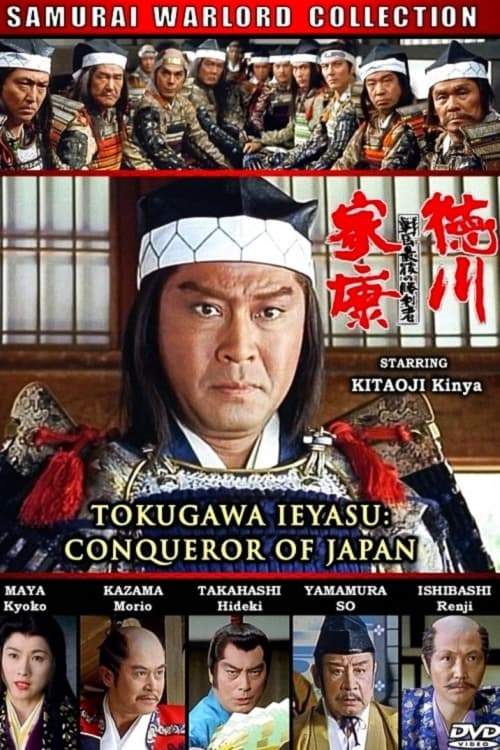
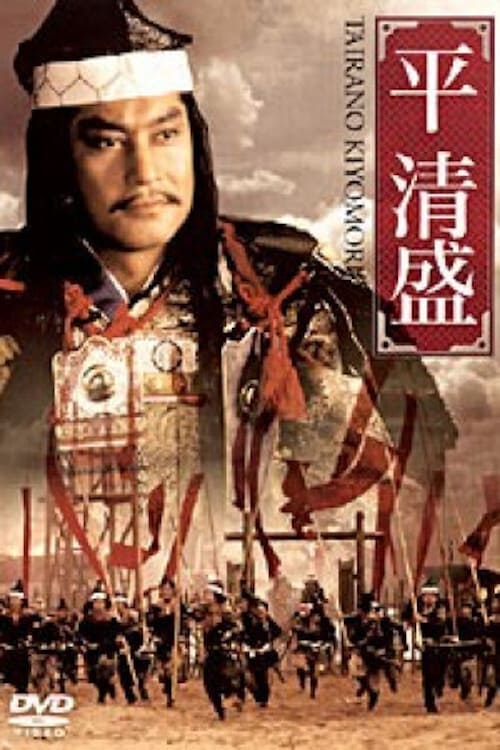
The life story of Japan’s greatest leader, Tokugawa Ieyasu, whose shogunate ruled the nation for almost 300 years has never been told like this before. From the early days as a supporter of Imagawa Yoshimoto, then on to his days with Oda Nobunaga, leading to his wars against and ultimate victory over the Toyotomi to become shogun is a fascinating tale of his military genius coupled with a native intelligence that allowed him to become the last of the great warlords and ultimately the leader of the nation. With great performances from an all-star cast featuring names like Kitaoji Kinya and Takahashi Hideki this is history come to life on the screen.

Tokugawa Ieyasu: The Conqueror of Japan

0.0 1992
The Uprising

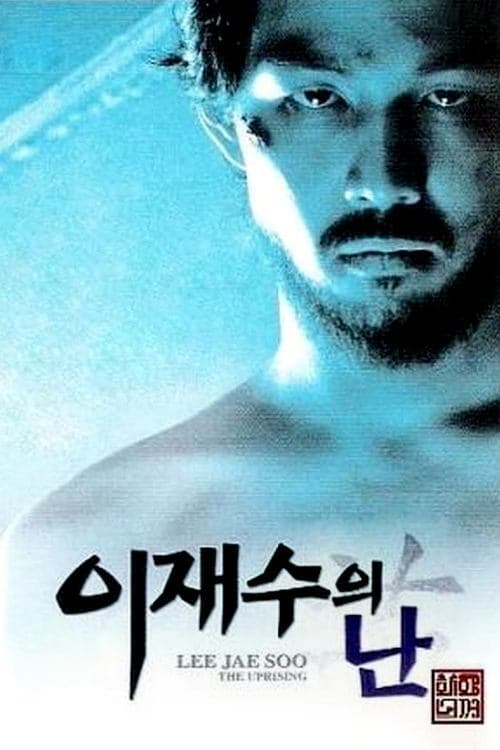
In the late 19th century Catholicism was gaining a foothold on Jeju island, much to the horror of the Confucian community, who were seeing their influence diminishing as well as getting increased taxes from Catholic-friendly government officers. The conflict became a religious war that resulted in a rebel Confucian army massacring hundreds of Christians in little more than a matter of days. The Uprising details the events leading up to the assault, focusing on the story of Yi Jae-su, the young man destined to become the leader of the rebel army.

The Uprising

4.2 1999
The Abe Clan

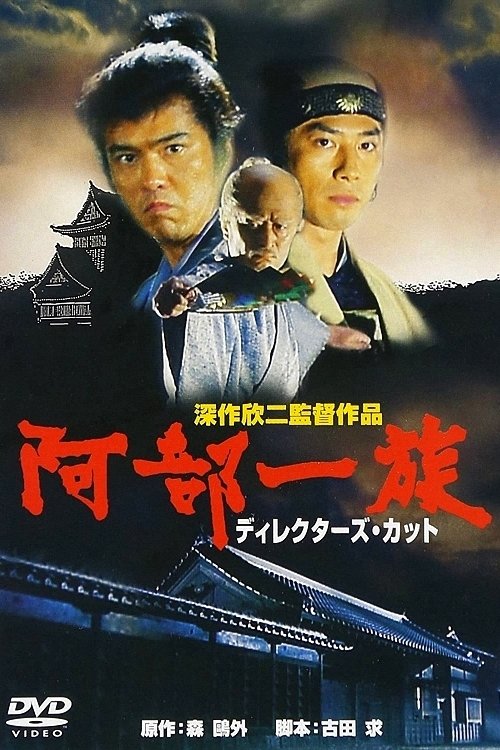
A Choice between Loyalty or Duty of the Samurai! Can the heartlessness of society crush the honor of an individual? In the spring of the 18th year of Kanei, Hosokawa Tadatoshi, feudal lord of the Higo area, died. Although Tadatoshi forbade his vassals to follow him in death before he died, they still committed seppuku one after the other. The new feudal lord, Mitsunao, Tadatoshi's son, also gave the order forbidding seppuku. Abe Yaichiemon obeyed his former lord's last wish but is now being called a coward by his comrades and finally decided to follow Tadatoshi in death in order to save his family's honor. Mitsunao, upset by Yaichiemon actions, punished the Abe family unfairly. Objected to this, the Abe family shut themselves up in their manor as the lords troops moved in. This is the true story of what happened within the Hosokawa clan in early Edo era.

The Abe Clan

7.0 1995