
Compilation short film about the Communist Revolution and Soviet Union.
Our March
0.0 1970
1,220 Matches Found
Compilation short film about the Communist Revolution and Soviet Union.

A satirical history of Halifax, written and sung in honour of the city's founder by balladeer James Bennet.
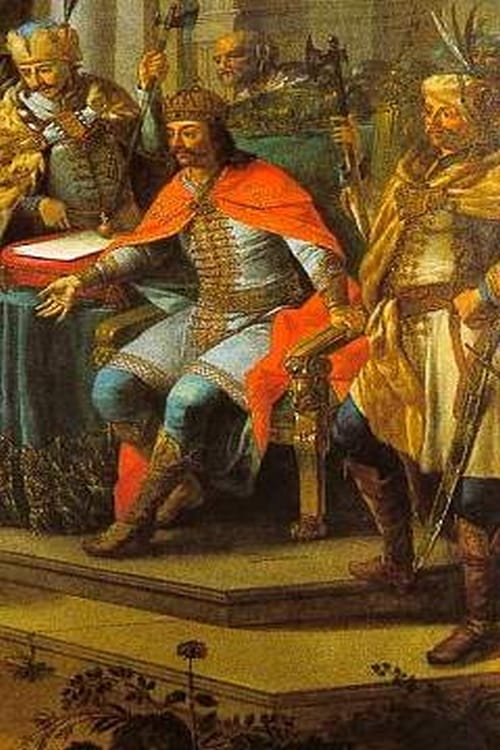
Hungarian TV movie about King Béla III of Hungary

The life and works of 19th-century circuit rider Robert S. Sheffey.
Produced by NASA contractor Rockwell International, this circa 1978 film was made shortly before the successful Apollo-Soyuz space mission. It is followed by a second film SPACESHIP EARTH showing on-going work on the new Space Shuttle. APOLLO-SOYUZ was created prior to the actual mission, and uses footage from prior Apollo missions and concept art. The film also shows the construction and assembly process for the Apollo side of the mission with Deke Slaton and crew shown. The docking module is shown at 1:52 and again at 2:43 when it was displayed at the 1973 Paris Air Show.
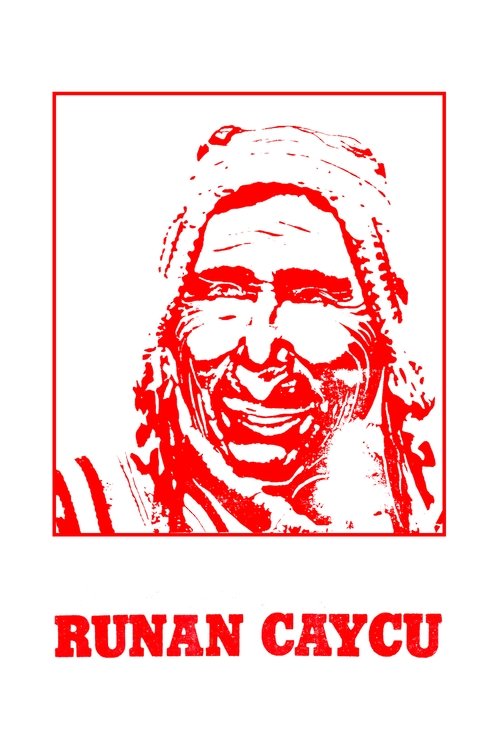
Illustrates the life of Saturnino Huillca, a peasant union leader, and the motivations that lead the Quechua peasantry to undertake the struggle for their social activists. The events that came to constitute a force of pressure that moved the country and made it see the importance of carrying out the agrarian reform.
In the summer of 1974, the Indian government organized an expedition to the Andaman Islands. What you are about to see is the first ever released film about the native peoples of these islands. After a brief review of Port Blair's history, the expedition leaves to meet the Onge people on Little Andaman Island, then to meet the Jarawa people on Interview Island, and finally to Sentinel Island where the Sentinel people have been filmed for the very first time.

A political film about the policy of the anabaptists of Münster (1534) and the 'enemies of constitution' in West Germany (1976).
"The Moving Picture Boys in the Great War" is a compilation documentary narrated by Lowell Thomas, illustrating changing attitudes toward the war and its participants, as well as toward the movies themselves. Winner, Gold Medal, 1975 Chicago Film Festival.

This programme tells the story of the private steam railway company the Strathspey Railway, which was engineered and run by a group of rail enthusiasts in Scotland.Through the use of restored locomotives the company was started purely to preserve steam passenger trains, as their fading presence across British rail networks, due to the introduction of diesel engines, was keenly felt among steam enthusiasts.
It takes place in Buenos Aires, during the Yellow Fever Epidemic of 1871. It's the only Sandro film considered lost.
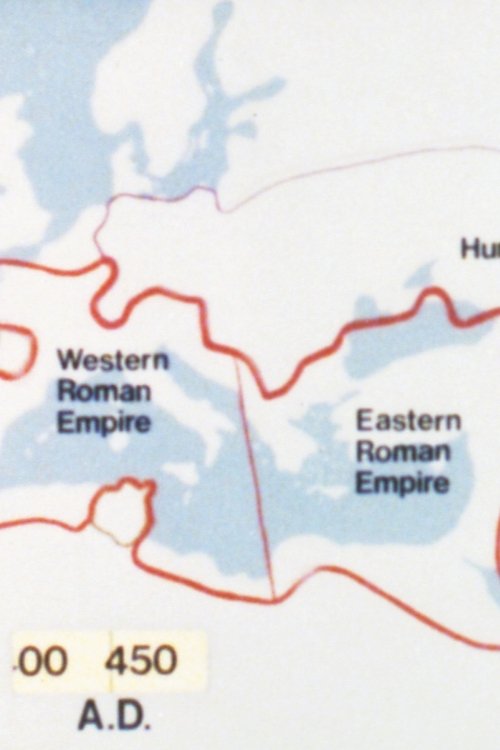
Atlas gives the viewer an overview of the rise and fall of the Roman Empire. Beginning in 500 BC, a time clock at the bottom of the screen marks off the years – eight to a second – as the boundaries on the animated map change, showing both the growth including the conquests of Alexander the Great, as well as the decrease as the power of the Romans declined. The film concludes with the invasion of the Huns and the sack of Rome in 476 AD. Music by David Spears.
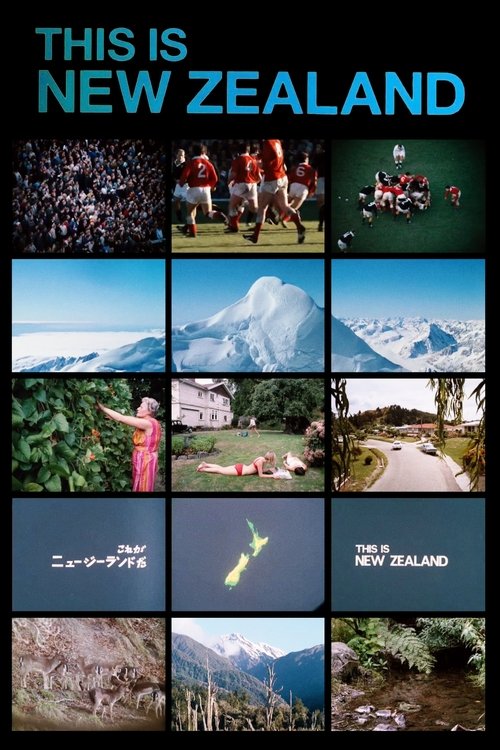
The movie that wowed audiences at Expo 70. The film combined scenic images including aerial cinematography with rousing classical music such as Sibelius' Karelia Suite. Using then ground-breaking technology, the film required three separate but synchronised 35mm film projectors which projected their images onto an extra-wide screen. In 2004/2005 Archives New Zealand commissioned a restoration at post production facility, Park Road Post. Hugh Macdonald, the original director, was involved in the restoration and Kit Rollings, the original sound mixer assisted with the updated soundtrack. The remastered film was released for sale on DVD in 2014.
A portrayal of Liberation War of Bangladesh and the rape of women by Pakistani armies. These women commit suicide and their children are adopted.
Weera Puran Appu (වීර පූරන් අප්පු) is a 1979 Sri Lankan film. Directed by H.D. Premaratne. Language: Sinhala. Runtime: 115.0 minutes. Historical Country of origin: Sri Lanka.
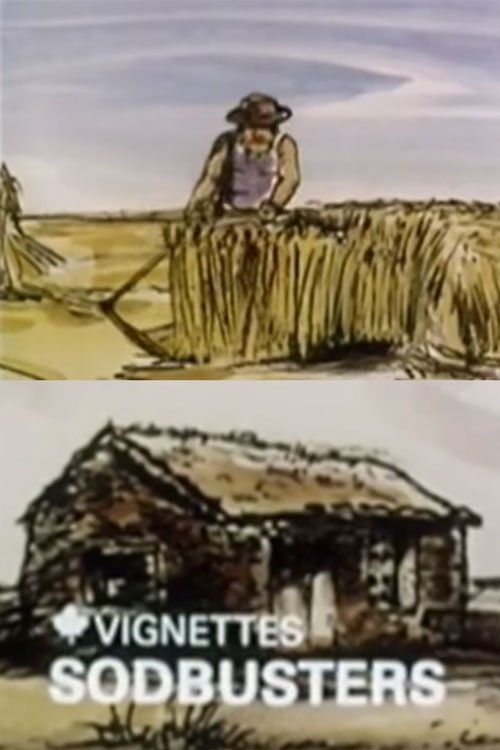
A Canadian prairie farm family has a tough beginning on their new farm.
Portrays, through animation, the adventures of four American folk heroes: John Henry, Stormalong, Paul Bunyan, and Pecos Bill. Describes John Henry's steel-driving abilities, Stormalong's adventures as a great sailor, Paul Bunyan's accomplishments as a lumberjack, and why Pecos Bill was considered king of the cowboys.

A documentary reenactment of the government-ordered massacre of striking tin miners and their families at the Siglo XX Mines in 1967 in Bolivia.
The Shah is about to marry his daughter off but she is kidnapped by a sorceress. A knight ho has fallen desperately in love wit her guards her. The story ends tragically.
The lives of Franklin and Jefferson are used as prisms through which to evoke colonial America. With a dynamic timeline and a wealth of images drawn from architecture, science, and politics, the film brings alive the way American history shaped, and was shaped by, these two men. Benjamin Franklin, standing for the best in colonial wisdom, and Thomas Jefferson, representing the opportunities and ambitions of a new nation, together offer a compelling approach to this richly textured area.
The legend of Queen Kinga, the Tatar invasion, and the first Lajkonik of Krakow.
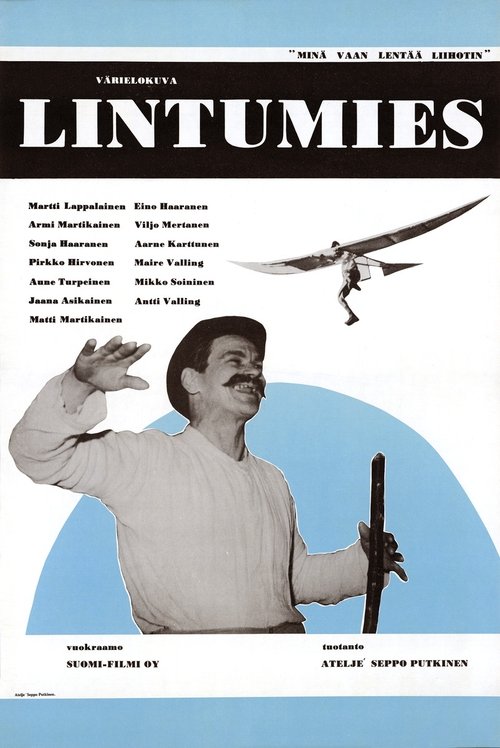
Biographical comedy of a lazy dreamer who according to a village history/legend invented flying in Finland.
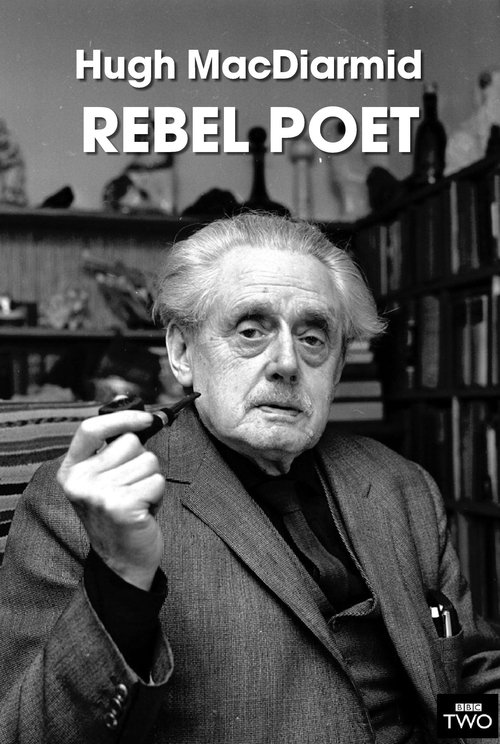
A profile from 1972 of celebrated Scottish poet Hugh MacDiarmid on the occasion of his 80th birthday. In this film he talks about his uncompromising life and the ideas and circumstances that have shaped its progress.

Two men play chess while the city is in political and social turmoil. Short film made in Super 8 as part of the exercises of the film school of the UNL (Universidad Nacional del Litoral) in Santa Fe, Argentina.
During the dictatorial regime of Juan Vicente Gómez, the bachelor Ibarra is imprisoned for political conspiracy. In prison, the inmates live together remembering the events that led to their imprisonment. Finally, a group, led by the bachelor Ibarra, manages to carry out a plan to escape from the prison.
Vito-Vilūnas' activities in Moscow and interwar Lithuania, the fight against the Nazis and his death in 1942.
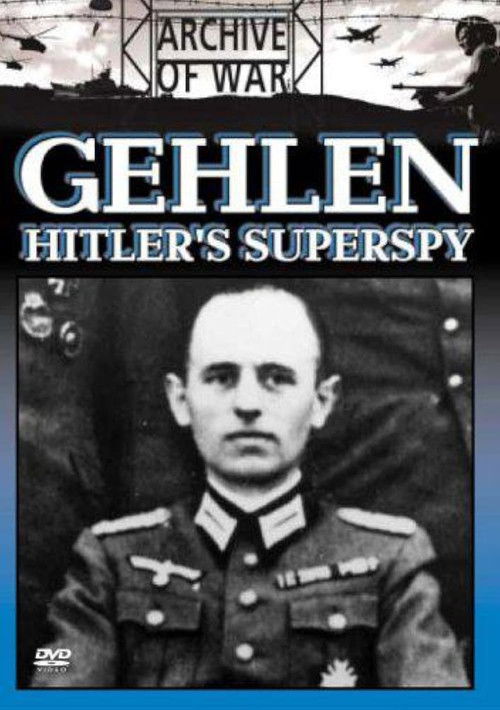
This is the remarkable story of Reinhard Gehlen, former Head of the German Secret Service, who helped to found the CIA, the American Central Intelligence Agency.
The story of the 1970 World Sports Car Championship presented by Gulf Oil
Essay on animation's contradictory legacy: comedy and formalism.
A state-produced short documentary by veteran filmmaker Saad Nadim, "The 6th of October" commemorates the Egyptian military's heroism during the October War. The film features real footage from ceremonial parades, interviews with citizens, and articles from Israeli newspapers of the time, highlighting the significance of the victory.

In January 1970, filmmaker and activist Pat Rocco went to a gay nightclub on W. El Segundo Blvd. in the Gardena neighborhood of Los Angeles called Meat Market. They were advertising a nude dancing performance, which had become the focus of some controversy and led to arrests of the dancers and the manager. In the short documentary, Rocco arrives just as one of the arrests is taking place, capturing footage of the police leading the dancers, Michael Craig and Bob Philpot, out of the nightclub. His intention was to film the dance as evidence for a court case involving the dancer Bob Philpot—regarded as the first male nude go-go dancer—who had been previously arrested on obscenity charges. Rocco speaks with Walter Culpepper, a Los Angeles lawyer who represents the dancers charged and explains the nature of the charges. Patrons of Meat Market are interviewed and describe the dance performance as more artistic than sexual in nature.
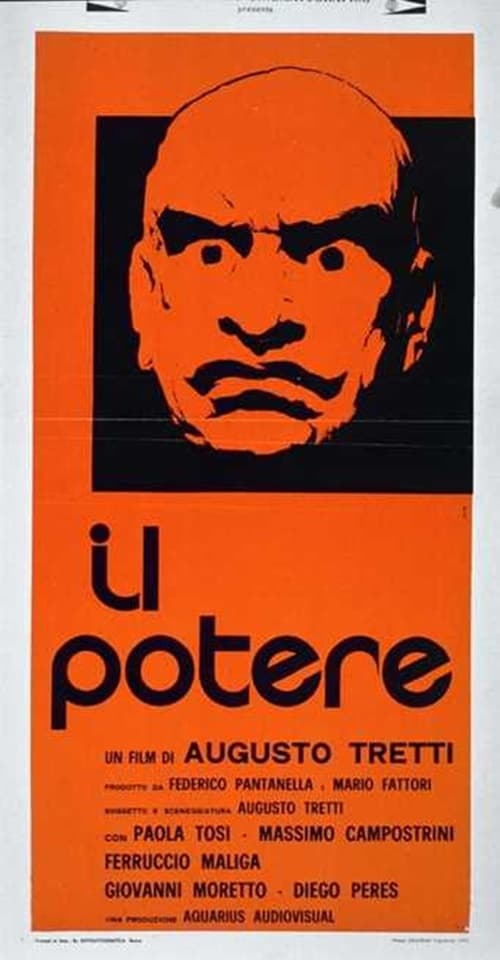
Titled Power, Tretti's sophomore film was a sort of Mel Brooks' History of the World, in which Tretti explored the history of mankind from one precise point of view: how the powerful ruled over the weak. A man confused as the God of Fire in prehistory; Jesus and Muhammad deciding who must eat what and when because of a power no one has seen; Tiberius Gracchus killed by the senate because he was fighting for the people. Tretti had a bullet for everyone. He loved to unmask those who claimed to be on the side of the less fortunate, showing the three powers - military, commercial and agricultural - sitting on three thrones and chatting on how they can suck life out of men and keep power tight in their hands.
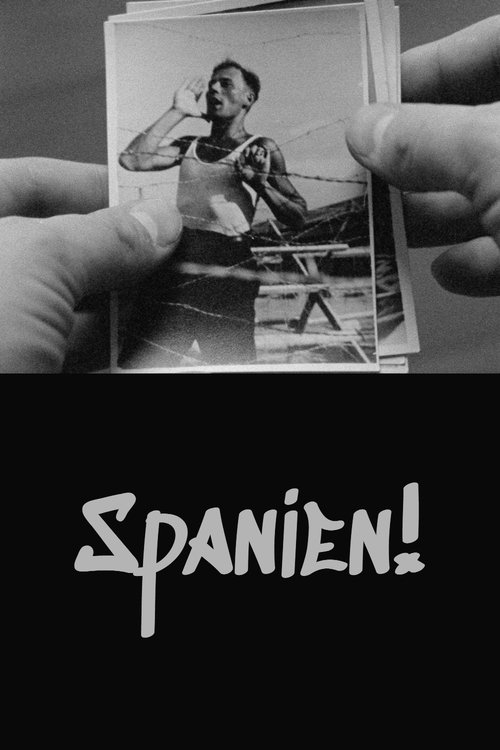
Filmed in Spain, Finland, Sweden, and West Germany, 'Spanien!' investigates ideas of internationalism and solidarity, using personal testimonies from former members of the International Brigades who joined the Republican side during the Spanish Civil War and from members of the Workers’ Commissions ('Comisiones Obreras').
The work shows how the tragedy of the "undeclared war" in Khalkh river in 1939 affected the hearts of ordinary herders without fighting. The story of the film revolves around the relationship between the young warrior Chuluunkhu and his love interest Densmaa and the deep life of his father and mother who are overwhelmed by grief.

Life of Giordano Bruno, including the infamous trial where he was declared as heretic, and the Inquisition issued a sentence of death.

The story of the romance between the son of a ranch owner and an indigenous woman devoted to Ceferino Namuncurá.

CBS News presents a Smithsonian adventure featuring Iris Love and narrated by Walter Schirra produced by CBS News in association with the Smithsonian Institution (1971).
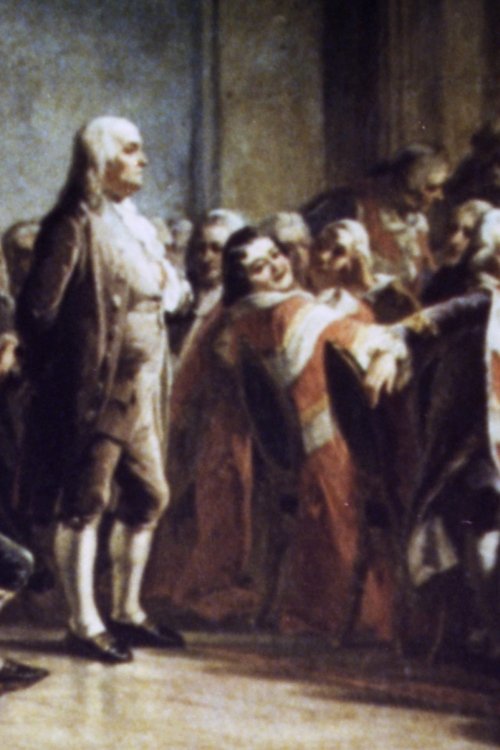
This film was produced to present the Eames proposal to make an American Revolution Bicentennial celebration. The exhibition would compare and contrast the lives of Thomas Jefferson and Benjamin Franklin, providing a cinematic trip for the viewer through the exhibit, using animation, live-action, and still photography. It was later used by the USIA to provide information to the embassies and museums which would be hosting the exhibition.
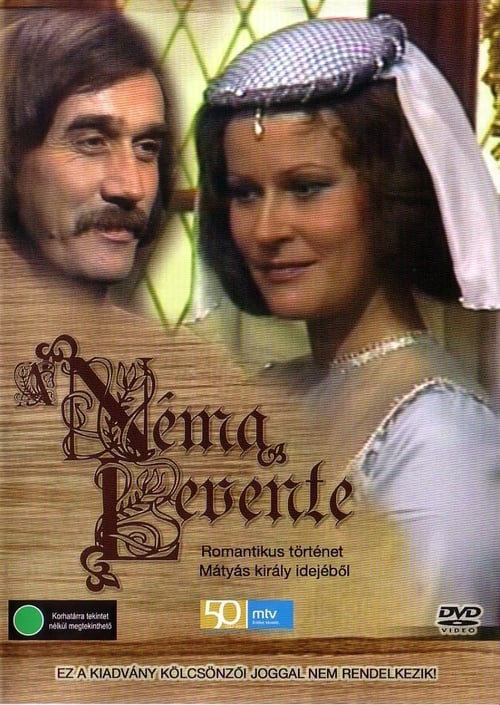
A romantic story from the time of King Matthias. Hungarian soldier Peter Agárdi falls in love with the beautiful Italian widow Zilia Duca. The virtuous lady accepts the stranger only through the persuasion of her friends and the wiles of the soldier's henchman, Beppo. The noble lady rejects Péter Agárdi's declaration of love. He then asks her to kiss him, invoking an old Piedmontese folk custom. Zilia demands three years of silence for her single kiss.
A rapid montage of stills giving impressions of New Guinea before and during the Second World War.
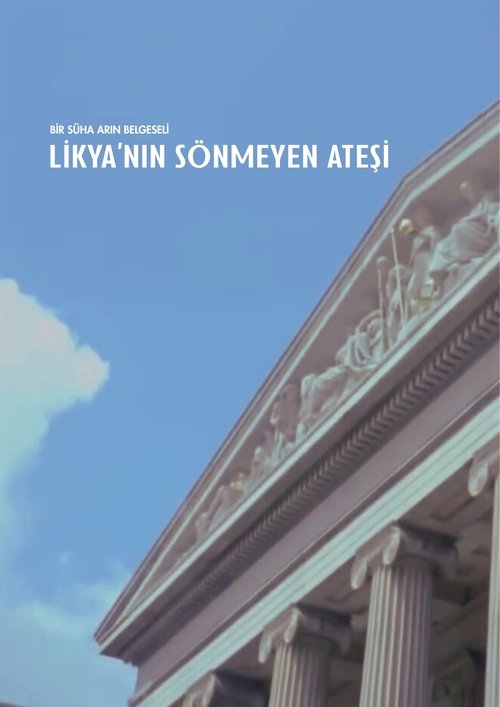
The fourth film in the "Traces of Anatolian Civilizations" series, "The Unquenchable Fire of Lycia" consists of two 30-minute episodes. The documentary reflects the Lycian Civilization, another stop in the Anatolian people's civilizational evolution. Indeed, the Lycian Civilization is a "fire" that finds its historical continuity in the Anatolian people's resistance to independence. In a sense, it is a magnificent and unquenchable "fire." During the filming of the film, the Lycian region, located between Antalya and Fethiye, was meticulously scanned step by step in two separate seasons, consulting with expert scientists.
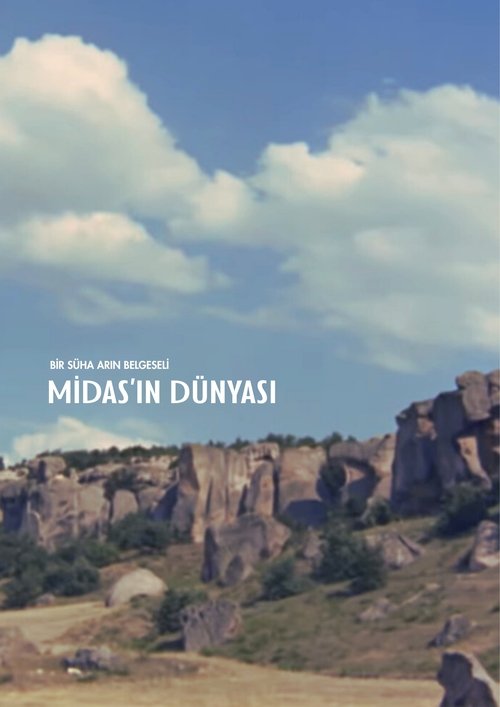
Midas's World, a documentary depicting Phrygian art and culture, is the second installment in the "Traces of Anatolian Civilizations" series, produced by Suha Arın as a cultural service of the Turkish Touring and Automobile Association. The product of a year of intensive work, the documentary reveals that ancient Greek art and culture, known as the cradle of civilization, are actually rooted in earlier civilizations in Anatolia, particularly the Phrygians. For Midas's World, produced by Suha Arın and four students from Ankara University's School of Press and Broadcasting, all relevant sources, including museums displaying Phrygian artifacts and Phrygian settlements, were individually scrutinized.
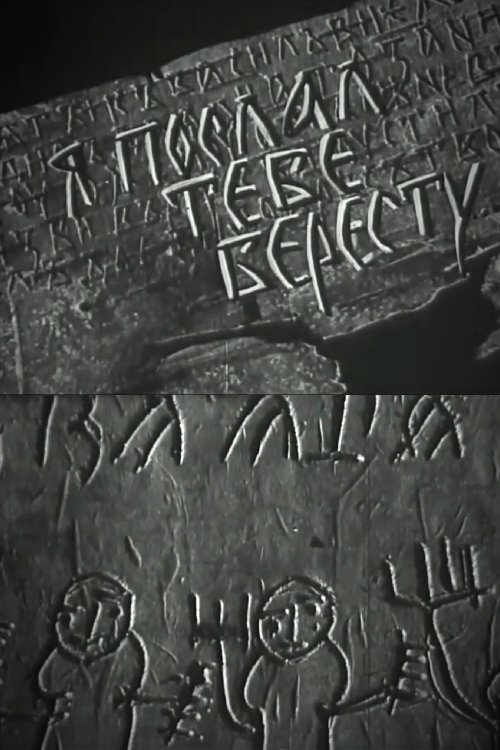
A documentary about an archeological discovery of birch bark letters found in Russia.
Film analyzes the economic relationship in 1977 between Puerto Rico and the United States. Impositions of short term economic changes (brief migrations of farm workers) and explotation of island natives by corporations are examined. Puerto Rican life in New York City and Puerto Rican nationalism are also discussed.
The year is 1978. Hartmut Geerken, director of the Goethe-Institut in Kabul, is on a mission. “We cannot change society, but we can change the landscape,” he says—literally. A trickster, a Don Quixote, Geerken approaches cultural work with playful defiance, forging deep mutual respect with a land foreign to most Europeans. The film follows him pushing a grand piano on a handcart for an impromptu concert with Afghan and German musicians, visiting a village artist, and meeting a famed tabla player—illiterate, yet musically eloquent beyond words. What begins as a whimsical journey becomes a poignant love letter to a country on the brink of irrevocable change—lighthearted, yet laced with melancholy.
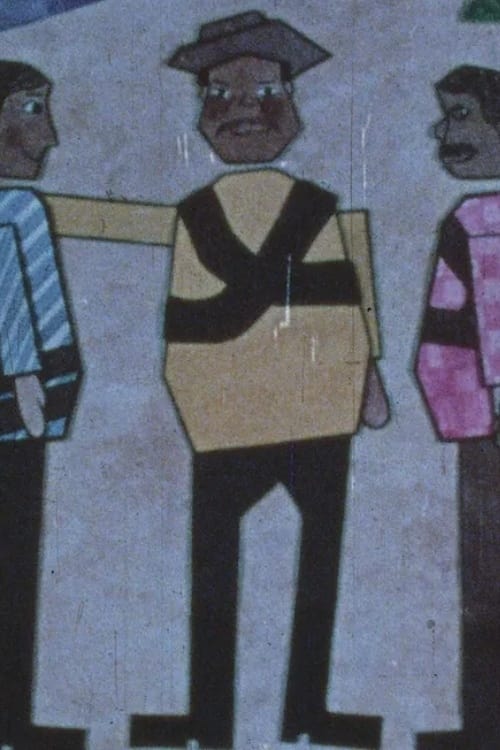
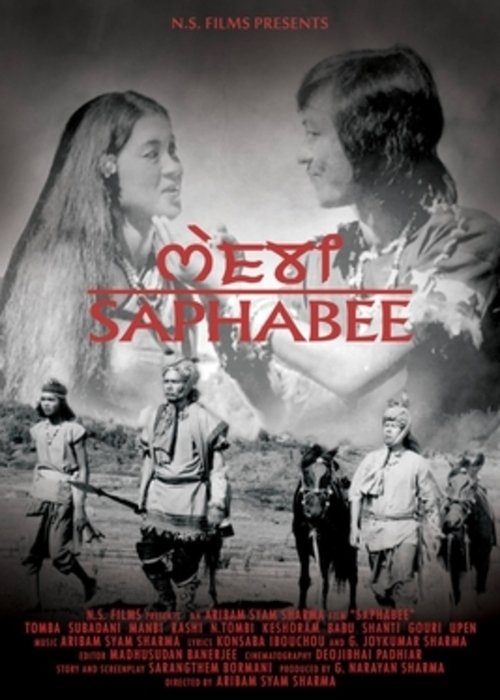
Saaphabee is a 1976 Manipuri film written by Sarangthem Bormani, produced by G. Narayan Sharma and directed by Aribam Syam Sharma. The film features Kangabam Tomba and Subadani in the lead roles. It was released at Usha Cinema, Paona Bazar on 13 July 1976. The movie won the National Film Award for Best Feature Film in Manipuri at the 24th National Film Awards. It is based on the famous Manipuri folk play Haorang Leishang Saaphabee. It is the first Manipuri folk film.
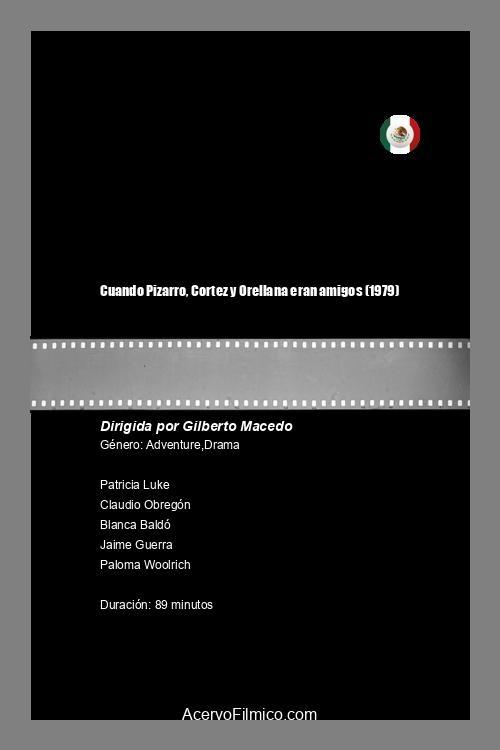
An anthropological fable surrounding the clash of two cultures in the conquest of America.
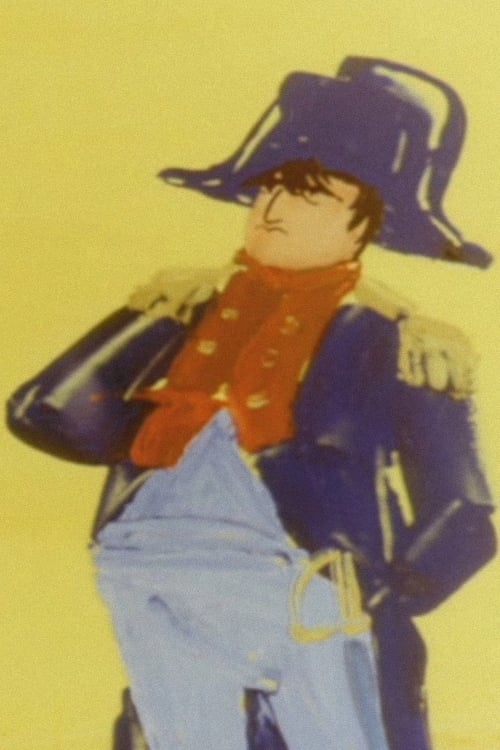
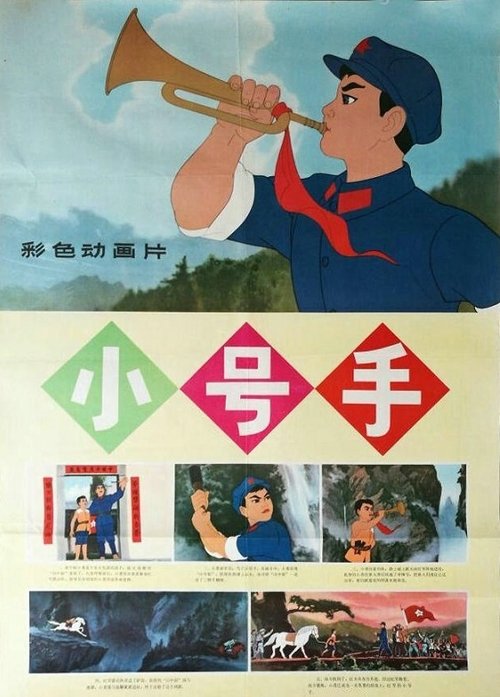
A story about a small drummer in a great army.

Short directed by Bruce Petty.

A film about the biggest domestic upheaval of the century, and the conflict between people and local authorities, resulting from the corporation rehousing programmes which are changing almost every city in Britain.
A sequel to the short film "Trajan and Decebal" and is based on the myth about Dochia, the daughter of Decebalus.

The film recalls the story of Enigma, the encryption machine.
Historical documentary about how the oldest surviving (the first?) surgical film was found by Dr. Sanguinetti in Argentina among the ruins of the old Hospital de Clínicas in Buenos Aires, demolished in 1975. Features the recovered shorts of an operation by Dr. Alejandro Posadas (ca. 1899), and by the French surgeon Dr. Eugène-Louis Doyen, 1905.